Snorkeling in Maui: Shore Spots, Molokini and Tour Picks
Plan a Maui snorkel day with shore spots from Ka'anapali to Kihei, boat trips to Molokini and Turtle Town, family options, and how to pick a tour.
On this page
Maui rewards snorkelers at both ends of the spectrum: you can step off a calm west-shore beach into a living reef or board a catamaran for a sunken volcanic crater with the clearest water in the islands. The right pick depends less on budget than on your group, your comfort in open water, and how much of the day you want to give to the ocean.
The island splits neatly into two snorkel zones. The south shore runs boats to Molokini Crater and a second turtle stop, usually Turtle Town or Turtle Arches, while the west shore offers reef and wreck sites from Olowalu to Honolua Bay plus beach-loading departures right from Ka'anapali.
How Maui snorkeling is laid out
Think of Maui as two snorkel coastlines with different logistics. From Ma'alaea Harbor and Kihei on the south side, the draw is the offshore crater and the turtle reefs along the Makena coast; from Ka'anapali, Lahaina, and the west shore, the draw is fringing reef you can reach from the sand or a short boat ride. Choose your lodging base and you have largely chosen your snorkel style; the same trade-off between a boat day and a shore entry shapes snorkeling in oahu, where Hanauma Bay fills early.
South-shore tour boats generally leave from Ma'alaea Harbor or the Kihei boat ramp and run roughly an hour to the crater, though the ride is shorter from Kihei. A full Molokini Turtle Town tour as listed by one operator runs 5.5 hours with a 6:30 a.m. departure and includes breakfast, lunch, snorkel gear, and flotation, which tells you what a crater day actually consumes.
West-shore snorkeling is more flexible. You can drive to a beach park and swim out, join a beach-loading catamaran at Ka'anapali, or take a kayak tour from Olowalu. That flexibility is the main trade-off: less dramatic visibility than the crater, but no dawn check-in and no fixed boat schedule.
Molokini Crater: the sunken volcano trip
Molokini is a partially submerged volcanic cone a few miles off Maui's south shore and a state marine life and seabird sanctuary. The crater's sheltered inner bowl is the classic snorkel site, with visibility operators describe as often 100 feet or more, and the back wall drops away to deep open ocean for more adventurous itineraries. Our molokini crater snorkeling guide breaks down the inner bowl versus the back wall.
The marine life inside the crater includes reef fish, urchins, coral, and green sea turtles, and operators also list harmless sharks and manta rays among possible sightings without guaranteeing them. Pick a smaller boat or a raft if you want fewer people in the water and a faster crossing; pick a large catamaran if you want stability, shade, restrooms, and a freshwater shower for kids and grandparents.
Timing matters more at Molokini than anywhere else on the island because the crater is the most popular site. A sunrise departure from Wailea or Makena puts you in the water before the fleet arrives, while most other boats leave from Ma'alaea Harbor and arrive later. If you cannot do sunrise, an afternoon departure trades the crowd for flatter light and a later return.
Turtle Town and Turtle Arches: the second stop
Most Molokini tours add a second snorkel stop along the Makena coast, and the operator picks it that morning based on swell, wind, and visibility. One operator states plainly that snorkel locations are not guaranteed and are chosen daily by the captain, so book a Molokini Turtle Town trip expecting turtles but not a specific reef.
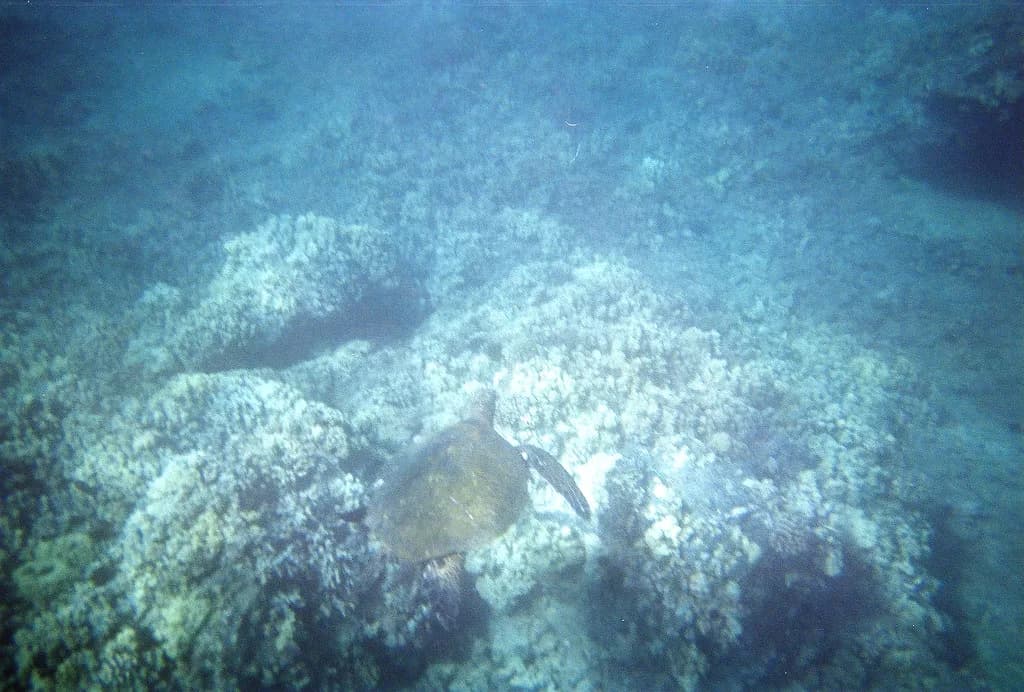
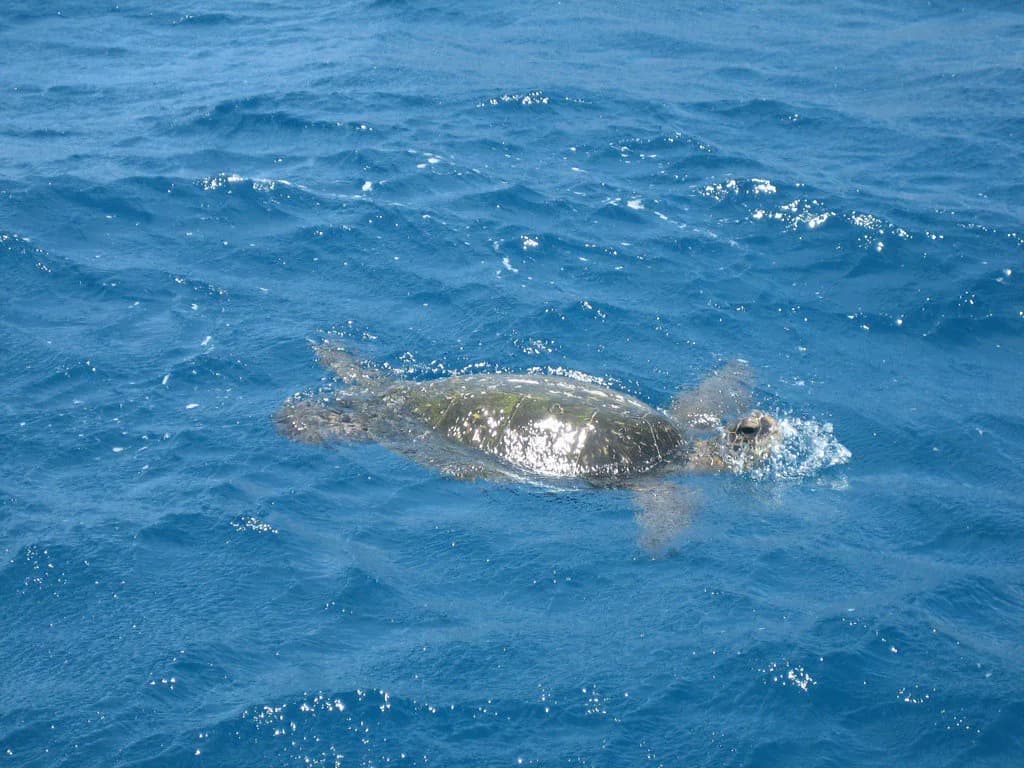
Turtle Town is a loose name for a stretch of coastline rather than a single named beach, which is why different boats anchor in different coves. Turtle Arches, another common second stop, pairs green sea turtles with lava formations. On either stop, keep the required distance from turtles, never touch or chase them, and let them choose the encounter.
Wildlife is likely but never promised, and operators are upfront about that. Treat a turtle sighting as a bonus and the reef itself as the reason to be there, and you will enjoy the stop whatever shows up.
West Maui reef and wreck snorkeling
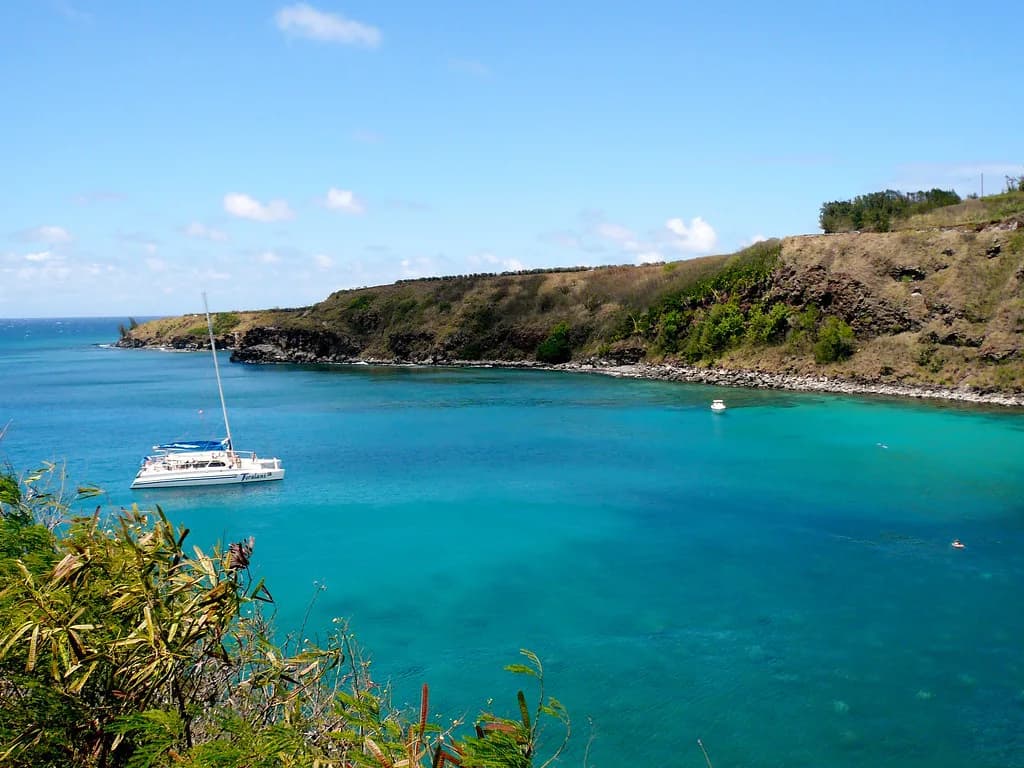
The west shore is where Maui snorkeling gets pleasantly scrappy. Captains running from Ka'anapali select among Honolua Bay, Olowalu's turtle reef, and the sunken pier at Mala Wharf, choosing by ocean conditions and visibility on the day. That means a west-side boat trip is less about one marquee site and more about the best reef available that morning. Our honolua bay snorkeling guide covers the bay's entry and layout.
Mala Wharf is a sunken pier that has become a coral-covered reef ecosystem and a reliable turtle hangout, and Sea Maui runs a 2.5-hour trip from Whalers Village that gives nearly two hours in the water there. That short format suits families and first-timers who want turtle time without a full day on a boat.
Coral Gardens, below the Lahaina cliffs, and the Olowalu reef are the other west-side names you will see on tour boards, and some are reachable only by boat. Private charters can combine Olowalu and Coral Gardens in a half-day, which is a good fit for a group that wants to skip the big-boat scene.
Shore-entry snorkeling for beginners and kids
Maui's gentlest introduction is a shore entry. Napili Bay and other protected west-side coves offer calm, shallow water where kids can stand, and a guided shore tour teaches mask clearing, finning, and breathing through a snorkel in a way a boat crew cannot. That skill-building is the case for starting from the beach before you commit to a crater day.
Book a shore tour if your group includes first-timers or nervous swimmers; book a boat tour if everyone is comfortable in deep water and wants the crater's clarity. A shore session the day before also tells you how your kids handle salt water, masks, and cold, which makes the boat decision much easier.
Wherever you enter, use reef-safe sunscreen and stay off the coral. Touching or standing on reef harms the living animals that build it, and Hawaii's reefs are the reason you came.
Lanai and Hulopo'e Bay day trips
A Lanai crossing adds a second island to your trip and access to Hulopo'e Bay, a protected marine reserve with a vibrant reef and plenty of tropical fish. Trilogy runs a full day from Ma'alaea Harbor or Ka'anapali Beach with breakfast outbound, snorkeling and a barbecue lunch ashore, and a premium bar on the return.
The trade-off is time. A Lanai day is longer and pricier than a Molokini morning, and you spend more of it in transit, but you get a marine reserve, a beach landing, and often spinner dolphins along the coast. Choose it if your group wants a full-day adventure rather than a single snorkel session.
Choosing a tour: boat size, departure point, and water access
Boat size is the first real decision. Large catamarans offer stability, shade, restrooms, freshwater showers, and easy stairways into the water, which matters for kids and older snorkelers. Smaller rafts and powerboats get you across faster and into the water sooner, but they are wetter, bouncier, and less forgiving for anyone prone to seasickness.
Departure point is the second. Beach loading at Ka'anapali or Wailea saves a drive to Ma'alaea Harbor and gets you to the crater earlier, while harbor departures open up more operators and bigger boats. Check whether gear, flotation, meals, and parking are included before you compare listed rates, since a cheap fare can exclude all of them.
Malolo's Molokini Turtle Town tour illustrates the all-inclusive model: adult fares listed at about $160, children at about $120, breakfast, deli lunch, snorkel gear, noodles and float vests included, and paid parking at Ma'alaea Harbor. Wetsuits, cameras, and adult beverages cost extra, so read the inclusions before booking.
How to pick a family tour
Family tours compete on amenities, not reefs. Four Winds II offers a water slide, a glass-bottom viewing room, cookies, and temporary tattoos, and keeps passenger loads below its 149-person capacity. Calypso adds glass-bottom viewing, water slides, and a high jump platform, while PacWhale includes a beginner snorkel lesson, which is the detail to look for if your kids have never worn a mask.
Match the boat to your youngest swimmer. A glass-bottom room keeps a non-swimming child involved, a slide keeps older kids happy between snorkels, and a beginner lesson removes the biggest barrier for adults who never learned. Age minimums and small-child pricing vary by operator, so confirm them when you book.
Best time of day and season
Morning is the default for good reason: Maui's trade winds typically build through the day, so early water is calmer and clearer. The first boat into Molokini sees the crater before the fleet, and one full crater trip departs at 6:30 a.m. If you prefer to sleep in, afternoon trips to Molokini or Coral Gardens trade calm for fewer people.
Winter adds humpback whales to the crossing from December through April, and some tours market whale watching as an included bonus. Summer brings the calmest overall conditions but also the biggest crowds at the crater. For current wind, swell, and visibility, check the maui snorkeling conditions report or a local surf report before you drive to the harbor.
What you will see and how to behave
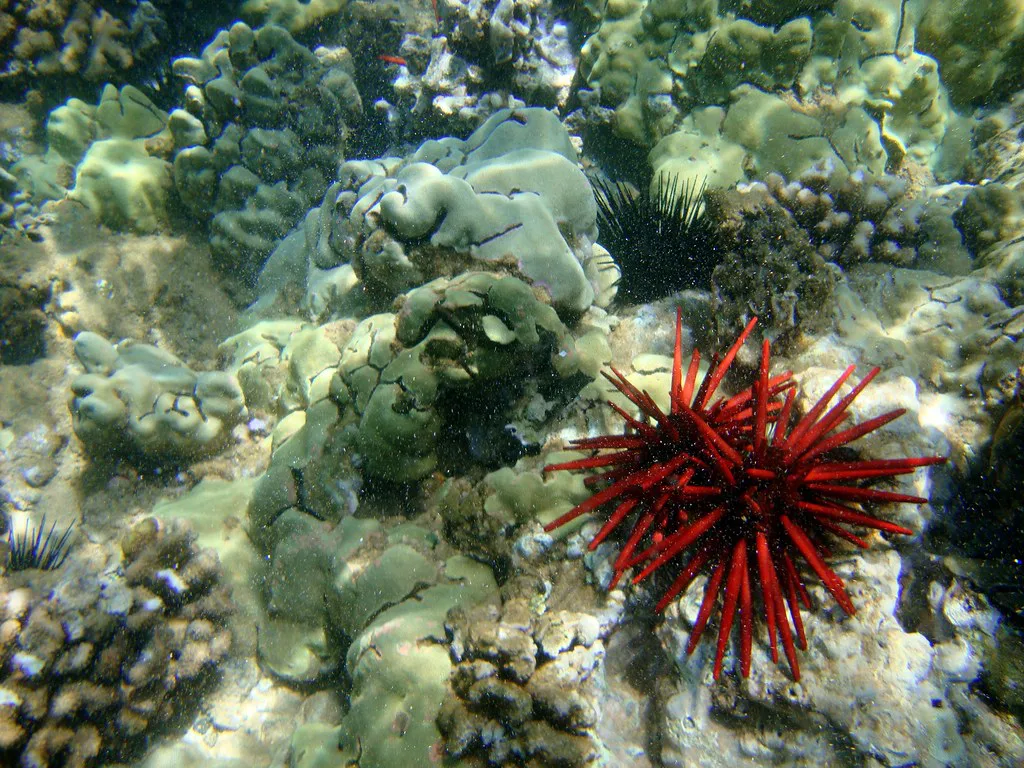
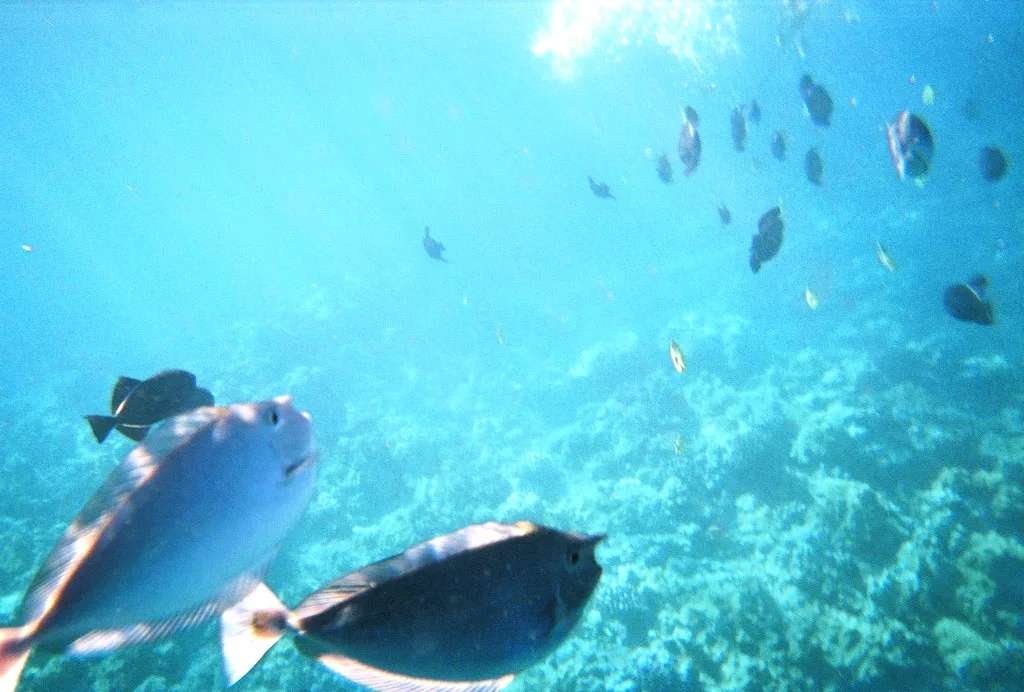
Expect green sea turtles, parrotfish, tangs, butterflyfish, and urchins on most reefs, with moray eels and octopus on the west side and harmless sharks and manta rays occasionally at the crater. Coral is the constant, and the crater's clarity makes the reef structure easy to read from the surface. If you want help putting names to what you spot, this Hawaii Reef Fish: How to Identify What You'll See Snorkeling guide covers the species you are most likely to meet.
Keep your distance from turtles and any monk seals you encounter, never feed fish, and never stand on coral. Those rules protect the animals and keep you out of trouble with the state wildlife laws that apply at Molokini and elsewhere.
What to bring and what to leave
Bring a hat, towel, sunglasses, a light jacket for the return ride, and reef-safe sunscreen. If you are prone to seasickness, plan for it before the crossing, since the ride to Molokini runs about an hour and operators advise preparing in advance. A valid ID matters if anyone in your group plans to drink on the return.
Leave behind anything you cannot secure on deck and skip the urge to bring single-use plastics. Bring cash for crew tips, which most operators list as excluded from the fare.
Snorkeling hazards and ocean-safety basics
Maui's south and west shores are exposed to different swells, and surf can make shore entries dangerous even on sunny days. Boats move their stops for exactly this reason, choosing sites by swell height and direction. If a beach looks rough, snorkel somewhere more sheltered rather than testing the entry.
In the water, watch for currents, boat traffic near harbors and ramps, and the urge to swim far from the boat. Snorkel with a buddy, stay inside the boat crew's flagged area, and surface to check your position often. At shore spots without lifeguards, keep within your depth and within sight of your group.
Where to stay to shorten your boat ride
Stay in Wailea or Makena and you are closest to beach-loading departures to Molokini; stay in Kihei and you are minutes from the boat ramp used by raft tours. Stay in Ka'anapali or Lahaina and you are closest to the west-side reefs and beach-loading catamarans. Ma'alaea Harbor sits between the two zones, which makes it a practical base for a full crater day.
Combining snorkeling with the rest of your Maui day
Pair a morning shore snorkel with lunch in Kihei or Lahaina and an afternoon at the beach, since shore spots need no schedule. If you take a full Molokini or Lanai day, plan a quiet evening rather than a second ocean activity. A short Kaanapali Beach departure fits neatly between breakfast and an afternoon on the sand.
Plan Your Visit
Decide first whether you want a crater day or a west-shore day, then let your group and your budget set the boat size. Book early for the first Molokini departure, keep a shore snorkel as a backup, and check current rates, inclusions, and departure times with the company before you commit.
If you want to compare operators and departure points side by side, our maui snorkeling tours page lays out the options by boat style and pickup location.
Explore more Maui snorkeling
- Black Rock Maui Snorkeling
- Maui Snorkeling Conditions
- Maui Snorkeling Tours
- Molokini Crater Snorkeling
- Snorkeling Honolua Bay
- Kapalua Bay Snorkeling
- Best Time to Snorkel in Maui
- Coral Gardens Maui Snorkeling Guide
- Kihei Snorkeling
- La Perouse Bay Snorkeling
- Lahaina Snorkeling
- Lanai Snorkeling from Maui
- Makena Landing Snorkeling
- Mala Wharf Snorkeling
- Maluaka Beach Snorkeling
- Maui Snorkeling for Beginners
- Napili Bay Snorkeling
- Night Snorkeling on Maui
- Olowalu Snorkeling on Maui
- Snorkel Rental on Maui
- Snorkeling Ahihi-Kinau Natural Area Reserve on Maui
- Snorkeling Kahekili Beach Park on Maui
- Snorkeling Turtle Town, Maui
- Ulua Beach Snorkeling
- Wailea Snorkeling
Frequently Asked Questions
Is snorkeling at Molokini Crater worth it?
Yes, if you want the clearest water Maui offers and a marine sanctuary setting. The crater's sheltered inner bowl usually has excellent visibility, and most trips add a second turtle stop. Pick a sunrise or smaller-boat departure if crowds bother you.
Can beginners and kids snorkel in Maui?
Yes. Protected west-side coves such as Napili Bay give babies and first-timers shallow water, and several boats offer beginner lessons, flotation, glass-bottom viewing, and water slides. A guided shore session before a boat day builds confidence quickly.
Will I see sea turtles?
Green sea turtles are common at Turtle Town, Turtle Arches, and Mala Wharf, and operators list them among likely sightings, but no tour can guarantee wildlife. Keep the required distance and never touch or chase a turtle.
What does a Molokini tour cost?
Fares vary by operator and inclusions, and one full Molokini and Turtle Town trip lists adult and child rates with breakfast, lunch, and gear included. Check each operator's site for current pricing, extras such as wetsuits or cameras, and parking fees before booking.
What time of year is best for Maui snorkeling?
Summer brings the calmest conditions, while winter adds humpback whales from December through April. Morning departures are calmer year-round because trade winds build through the day.
Sources
Snorkeling notes for your next trip
Optional updates to our snorkeling guides.
You might also like
Continue reading
More guides you'll find useful