Snorkeling in Oahu: Best Spots, Seasons and How to Plan
Plan an Oahu snorkel day with the right spot for your skill level, the season that works for each shore, and the entry, parking and rules to know before you go.
On this page
Oahu is the rare Hawaiian island where a first-time snorkeler and a confident open-water swimmer can both find their spot on the same day. A protected south shore bay, four calm leeward lagoons and a lava-rock North Shore coast each demand something different from you, so the shortlist depends on your comfort in the water and the month you visit.
The single biggest planning decision is season. South shore reefs around Hanauma Bay and Waikiki work year-round, while the North Shore spots at Shark's Cove and Three Tables are a summer proposition, generally May through September. Get that split right and the rest, from entry footing to parking, falls into place.
How Oahu's Shores Differ
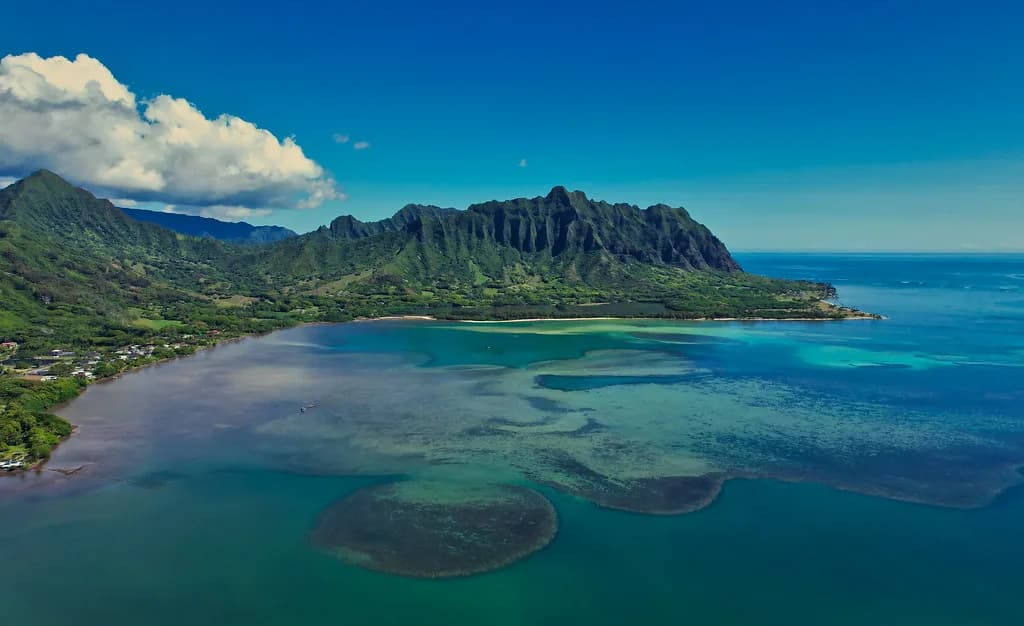
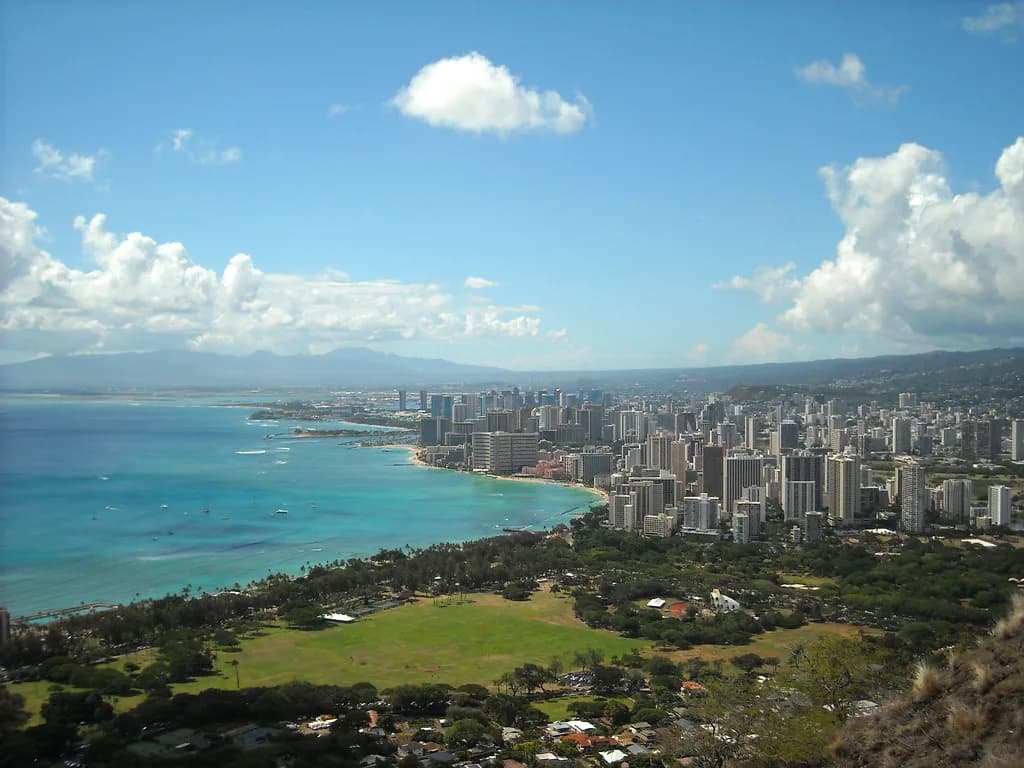
Think of Oahu as four snorkeling zones. The south shore, from Hanauma Bay to Waikiki, is sheltered enough to swim in any season, though its surf varies day to day. The leeward west side around Ko Olina and Kahe Point stays calm year-round, and the windward side near Kailua and Lanikai is variable, clear on good days and murky after wind or rain.
The North Shore flips the script. Summer brings swimmable water to the lava-rock coves at Pupukea, but winter turns that coast into big-wave territory where the same coves become dangerous regardless of how calm they look from the parking lot. Plan your trip dates first, then pick the shore that matches them.
Morning beats afternoon almost everywhere on the island. Trade winds build through the day and chop up the surface, cutting visibility and pushing currents, so an early start gives you calmer water at every spot on this list.
Hanauma Bay Nature Preserve
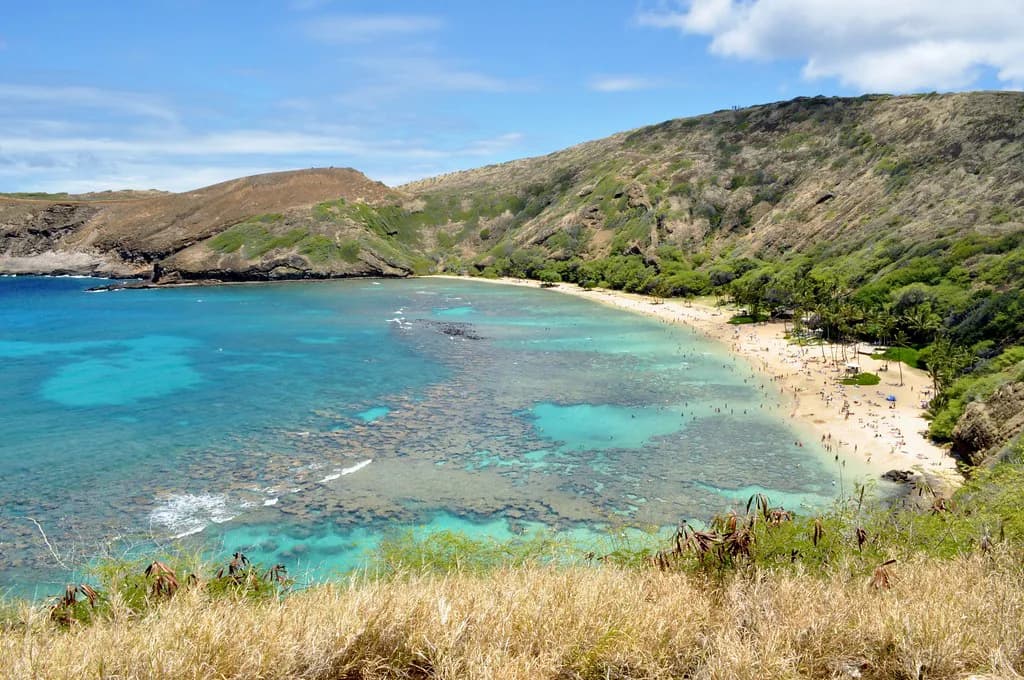
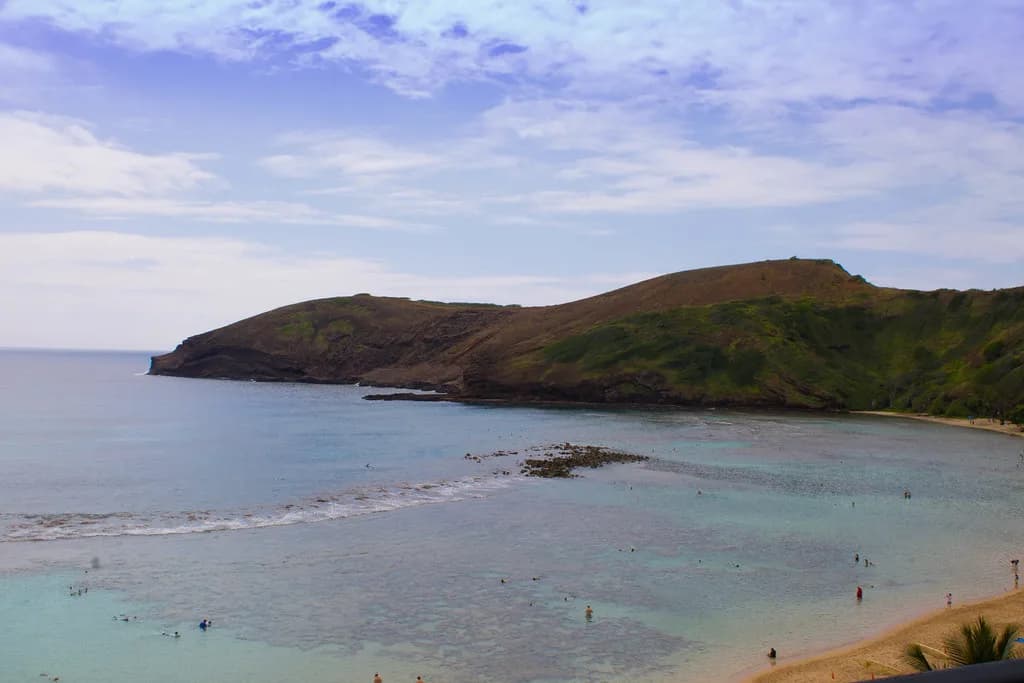
Hanauma Bay is a flooded volcanic cone on the southeast coast past Diamond Head, and its walls shelter a shallow inner reef that makes it the island's most beginner-friendly saltwater swim. Coral and reef fish sit just steps off the sand, and lifeguards watch the bay, which is why it suits families and nervous first-timers better than any other shore entry here.
Access is the catch. Non-residents need advance reservations, and tickets release online 48 hours ahead starting at 7 a.m. Hawaii time, with a per-person entry fee plus a parking charge; the bay is closed Mondays and Tuesdays. Slots move fast, so treat this as the first thing you book for the trip rather than a day-of decision.
Expect a mandatory marine orientation video before you enter the water and a walk down to the beach from the entrance. The bay is a Marine Life Conservation District, so nothing comes out of the water and you stay off the coral.
Shark's Cove and Three Tables
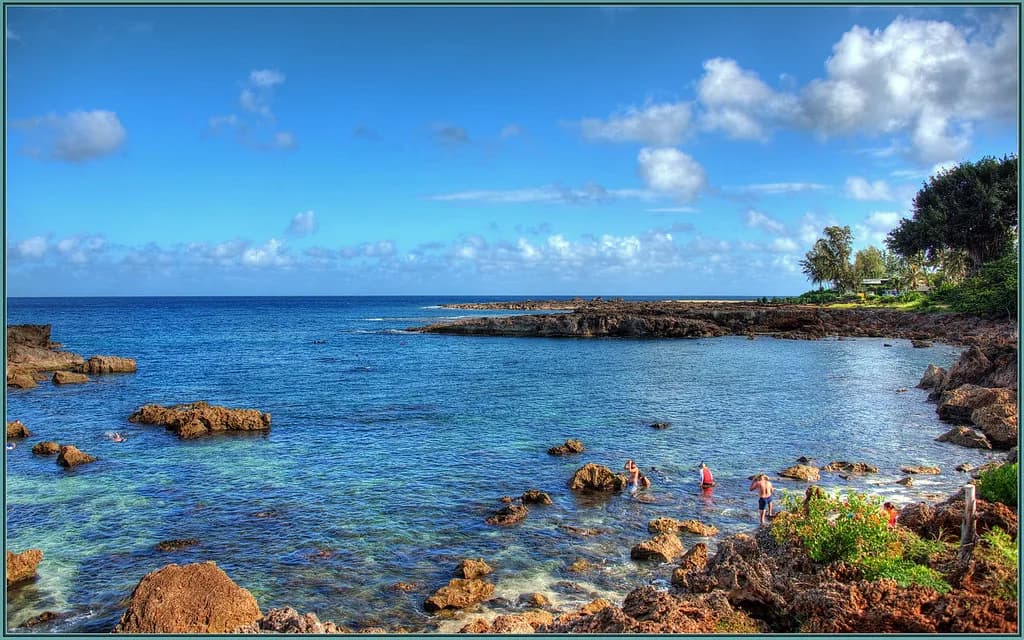
On the North Shore near Pupukea, Shark's Cove delivers the most interesting underwater terrain on the island: lava-rock formations, caverns and tide pools packed with fish. It is not a sandy walk-in. You pick your way over rock, so bring sturdy footing and skip it with young kids or anyone unsteady on their feet.
The cove sits inside the Pupukea Marine Life Conservation District, which means no fishing and no removing anything from the water or shore. The season is strict: swim here roughly May through September only. From October through April, winter surf makes entry unsafe even when the surface looks flat.
A short walk away, Three Tables offers similar fish life around three flat reef formations that break the surface offshore, with swim-throughs that reward a second stop. It usually draws smaller crowds than the cove, so it is a sensible fallback when Shark's Cove fills up. Same rules, same rocky entry, same summer-only window.
Electric Beach at Kahe Point
Electric Beach, at Kahe Point Beach Park on the west side, is Oahu's strangest and most rewarding snorkel. A power plant discharges warm water offshore, and the outflow draws dense fish life, turtles, eels and occasional rays around the pipes and reef. It is also one of the island's more hazardous entries, with strong currents and regular rescues.
Getting in takes a rocky entry and an open-water swim, so this is a spot for confident swimmers on genuinely calm days. Skip it with children, weak swimmers or anyone unsure about reading ocean conditions. Break-ins have been reported at the parking lot, so leave nothing visible in the car.
Facilities make the logistics easier: the beach park has restrooms, showers and a covered pavilion for shade, with limited parking at the park and along the road. Come early for both the calmest water and a space.
Ko Olina Lagoons
Ko Olina's four man-made lagoons on the leeward coast are the easiest place on Oahu to put a mask on a child for the first time. Sandy bottoms, shallow water and rock walls that hold off the swell keep conditions gentle year-round, and paved walkways connect the lagoons to nearby resorts.
The trade-off is marine life. There is no coral reef in the lagoons, so fish are sparse compared with Hanauma or Shark's Cove. Swim the rock walls at the lagoon edges and you may still find fish and the occasional turtle. Experienced snorkelers will likely want a natural reef instead.
Because the water is shallow and calm, the lagoons work as a low-stress warm-up before you tackle a bigger shore entry later in the trip. Pair a lagoon morning with a west-side afternoon rather than driving across the island twice.
Waikiki Beach and Turtle Canyon
Waikiki works as the no-car option. There is no coral reef directly off the beach, but turtles and fish turn up along the shoreline, and you can walk from most Waikiki hotels straight into the water. It suits travelers based in Waikiki without a rental car who want a simple swim rather than a full snorkel expedition.
Turtle Canyon, offshore from Waikiki, is the turtle cleaning station everyone talks about, where green sea turtles gather over the reef. It is boat-only, so you book a snorkel tour rather than swimming out. Tour boats typically provide masks, fins and snorkels, and operators will tell you where to meet and park.
Ride-sharing to the boat harbor avoids Waikiki's tight parking, and many tours depart from the Kewalo Basin area closest to Waikiki. Book directly with the tour company and compare what gear and time in the water is included, and check current prices and departure times before you go.
Lanikai and Kailua on the Windward Side
Lanikai Beach offers the postcard version of Oahu snorkeling: clear water, coral and rock formations with tropical fish starting about 20 feet from the sand. Butterflyfish, parrotfish and turtles are the usual draws on a clear day, though visibility can fall off, and the beach has no facilities, so arrive with water, gear and a plan for restrooms.
Parking is Lanikai's real constraint. There is no public lot, and the beach sits in a residential neighborhood with limited street spaces. Arrive early or park at Kailua Beach Park and walk about 15 minutes to the sand.
Kailua Beach is the easier windward base. Much of it is sandy bottom with little coral, but the water is calm and lifeguards are on duty, which makes it a good learn-to-snorkel beach. For fish, head to the end of the beach by the rocks and boat ramp, and note the large parking lots, restrooms, outdoor showers and picnic tables.
South Shore Alternates Around Waikiki
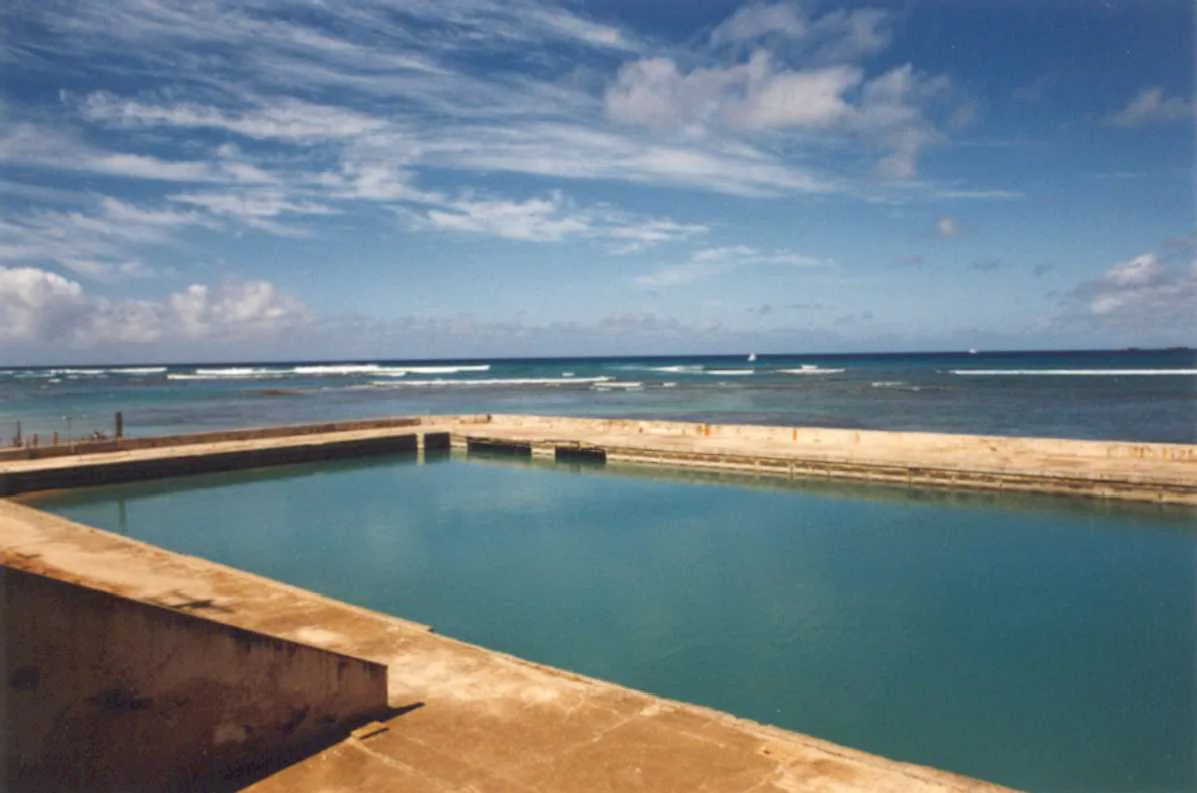
When Hanauma Bay is booked out, the reefs along the Waikiki shoreline and near Sans Souci by the Waikiki Natatorium give you a south shore swim without a reservation. They are generally accessible in any season, though conditions shift day to day and the south shore still sees surf.
These are working reefs rather than nursery-flat lagoons, so treat them as intermediate water. Go early for clarity and calmer surface conditions, and stay inside the protected areas away from boat channels.
What You Will See
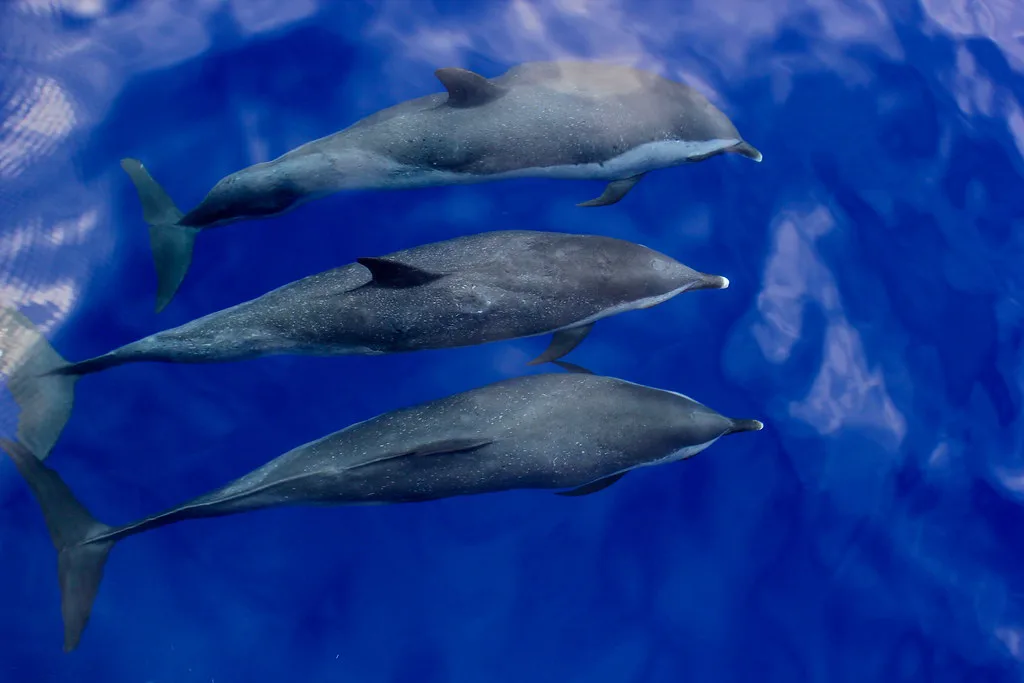
Oahu's reefs deliver a reliable cast: butterflyfish, parrotfish, surgeonfish and wrasses over live coral, with octopus and eels tucked into rock and rubble. Honu, the Hawaiian green sea turtle, is the headliner at Turtle Canyon, Electric Beach and along the Waikiki shoreline, and spinner dolphins occasionally pass offshore.
Treat every sighting as a possibility rather than a promise. Wildlife moves, water clarity changes with swell and wind, and no operator or beach can guarantee what shows up on your day. Humpbacks appear in winter, and dolphins and turtles are more often encountered on boat trips than from shore.
Give turtles room. Hawaii requires at least 10 feet of distance from sea turtles, and the rule applies whether they are swimming or hauled out on the sand. Never touch, feed or chase marine life, and let animals move away on their own terms.
Best Time of Day and Season
Snorkel in the morning. Trade winds pick up in the afternoon and turn the surface choppy, which hurts visibility and makes currents harder to read. An early entry also beats the midday crowds at Hanauma Bay and the North Shore coves.
Season decides the North Shore. Shark's Cove and Three Tables are summer spots, roughly May through September. Outside that window, winter swell makes those entries unsafe and the surf can close the cove to swimmers entirely. South shore and leeward spots stay usable year-round, with day-to-day variation.
On the south shore, watch for box jellyfish, which show up 8 to 10 days after each full moon, with Waikiki, Ala Moana and Hanauma Bay among the most affected beaches. Check the Waikiki Aquarium's box jellyfish calendar before you plan a south shore swim and stay out of the water during those windows.
Getting In: Sand, Rock or Open Water
Oahu's entries sort into three types, and knowing which you face tells you what footwear and confidence you need. Hanauma Bay and the Ko Olina lagoons offer sand entries into shallow water, which is why they work for beginners and kids.
Shark's Cove and Three Tables require a rocky entry over lava, so you need balance and sturdy footing before you even put your face in. Electric Beach combines a rocky entry with an open-water swim out to the reef and outflow pipes, adding distance and current exposure on top of the footing.
Turtle Canyon is boat-only, so there is no shore entry at all: you step off the boat and snorkel the cleaning station directly. That removes the swim out but puts you on an operator's schedule and gear.
Where to Go by Skill Level
First-timers and families should default to Hanauma Bay when reservations come through, and the Ko Olina lagoons when they do not. Hanauma adds lifeguards and calm protected water to a shallow reef; Ko Olina adds sand and rock walls. Both let you focus on breathing through a snorkel rather than fighting a current, and our How to Snorkel: A Step-by-Step Guide for Beginners covers the breathing and mask basics before you get in.
Confident swimmers on calm days can consider Electric Beach for the fish and turtle density, and Kailua Beach for an easy learn-to-snorkel session with lifeguards nearby. Boat-only Turtle Canyon suits anyone comfortable in deep water who wants turtles without route-finding, and Lanikai rewards good swimmers with reef close to shore when clarity cooperates.
Parking and Facilities
Parking shapes the day as much as conditions. Hanauma Bay charges for parking on top of entry and requires reservations, Kahe Point has limited park and roadside parking, and Lanikai has only street spaces in a residential area. Kailua Beach Park offers large lots with restrooms, showers and picnic tables.
Facilities are uneven across the island. Kailua Beach Park, Kahe Point and Hanauma Bay have restrooms, while Lanikai has none at all, so plan ahead. If you are staying in Waikiki without a car, boat tours that include gear and pickup remove the parking problem entirely.
Rules on the Reef
Hawaii law requires reef-safe sunscreen in the ocean, and oxybenzone and octinoxate are banned. Check your label before you pack and choose mineral-based, non-nano formulas. This matters most at Hanauma Bay and the Pupukea district, where the reef is the attraction itself.
Marine Life Conservation Districts cover Hanauma Bay and the Pupukea district around Shark's Cove and Three Tables: no fishing, and nothing removed from the water or shore. Never stand on or touch coral anywhere, and keep the 10-foot turtle distance even when an animal swims toward you.
Combining Spots Into a Day
Build days by shore rather than zigzagging the island. On the North Shore, pair Shark's Cove with Three Tables on foot, since they sit a short walk apart and share the same summer window and rules. Add a Waimea Bay stop if the surf is calm.
On the windward side, snorkel Lanikai early, then move to Kailua Beach Park for parking, restrooms and a picnic. On the leeward side, start with a Ko Olina lagoon swim and finish with an afternoon at Kahe Point only if you are a confident swimmer and the water is calm.
South shore days fit around Hanauma Bay: snorkel there in the morning, then use Waikiki's shoreline reefs as an afternoon backup if jellyfish or crowds push you elsewhere.
Safety and Posted Advisories
Read the ocean before you commit. Strong current signs at Kahe Point mean stay out, and currents there are strong enough that snorkelers are rescued regularly. On the North Shore in winter, posted high-surf conditions mean the coves are off-limits no matter how inviting the water looks.
Know which beaches have lifeguards. Hanauma Bay and Kailua Beach have them; other spots on this list do not reliably, so plan your risk accordingly. Check conditions the morning of your swim with NOAA or the beach safety sites, since Oahu's ocean can change overnight.
Bring your own mask, snorkel and fins if you can. Rental gear is available around the island, but owning a set that fits lets you snorkel every beach on your itinerary without hunting for a shop, and a properly fitted mask is the difference between a fun day and a leaking one.
Plan Your Oahu Snorkel Day
Start with your dates: summer opens the North Shore's lava-rock coves, while south shore and leeward spots carry a year-round trip. Then match the entry to your swimmer level: sand at Hanauma Bay and Ko Olina, rock at Shark's Cove and Three Tables, open water at Electric Beach, boat-only at Turtle Canyon.
Book the reservation first if Hanauma Bay is on your list, plan mornings on the water, and keep the 10-foot turtle distance and reef-safe sunscreen rules in mind every time you get in. If you are island-hopping, the same season logic carries over to snorkeling in Maui.
Explore more Oahu snorkeling
- Hanauma Bay Reservations
- Hanauma Bay Snorkeling
- Shark's Cove Snorkeling
- Three Tables Snorkeling
- Electric Beach Snorkeling on Oahu
- Honolulu Snorkeling
- Kuilima Cove Snorkeling
- Oahu Snorkeling Tours
- Oahu Snorkeling With Turtles
- Turtle Canyon Snorkel Guide
- Waikiki Snorkeling
- Diamond Head Snorkeling
- Kaneohe Bay Snorkeling
- Ko Olina Snorkeling
- Lanikai Beach Snorkeling
- Magic Island Snorkeling
- Night Snorkeling on Oahu
- North Shore Oahu Snorkeling
- Oahu Snorkel Report
- Sans Souci Beach Snorkeling
- Snorkel Rental on Oahu
- Snorkeling at Makaha Beach on Oahu's Leeward Coast
- Waimea Bay Snorkeling
Frequently Asked Questions
Which month is best for snorkeling in Oahu?
Summer, roughly May through September, is the only window when the North Shore spots at Shark's Cove and Three Tables are reliably swimmable, so it opens the most options. South shore and leeward spots work year-round, and morning is the calmest part of any day.
Is snorkeling in Oahu hard for beginners?
Not at Hanauma Bay, which has calm protected water, a shallow inner reef, lifeguards and a sand entry, or at the four Ko Olina lagoons, where sandy bottoms and rock walls keep the water gentle. North Shore lava-rock entries and the open-water swim at Kahe Point are better suited to confident swimmers.
Where can you snorkel in Oahu without a boat?
Most spots on the island are shore entries: Hanauma Bay, Shark's Cove, Three Tables, Electric Beach, the Ko Olina lagoons, Waikiki Beach, Lanikai and Kailua. Turtle Canyon is the main boat-only site, reached on a snorkel tour from Waikiki.
Do you need reservations for Hanauma Bay?
Yes. Non-residents must reserve online, and tickets release 48 hours ahead starting at 7 a.m. Hawaii time, with an entry fee per person plus a parking charge. The bay is closed Mondays and Tuesdays, and visitors without a reservation are turned away at the gate.
Is the North Shore safe for snorkeling in winter?
No. Shark's Cove and Three Tables are summer spots, roughly May through September, and winter surf makes those rocky entries unsafe regardless of how calm the water looks from shore. Shift to south shore or leeward sites between October and April.
When should you avoid south shore beaches because of box jellyfish?
Box jellyfish appear on south shore beaches 8 to 10 days after each full moon, with Waikiki, Ala Moana and Hanauma Bay among the most affected. Check the Waikiki Aquarium's box jellyfish calendar before planning a south shore swim and stay out of the water during those windows.
What will you see snorkeling in Oahu?
Expect butterflyfish, parrotfish, surgeonfish and wrasses over coral, with eels and octopus in the rocks. Green sea turtles are the highlight at Turtle Canyon, Electric Beach and along Waikiki, and spinner dolphins sometimes pass offshore. Sightings are never guaranteed.
Which Oahu snorkel spot is best for kids?
The Ko Olina lagoons are the easiest introduction, with sandy bottoms, shallow water and rock walls that keep conditions calm year-round. Hanauma Bay is the next step up, adding lifeguards and a protected reef, provided you reserve entry in advance.
Sources
Snorkeling notes for your next trip
Optional updates to our snorkeling guides.
You might also like
Continue reading
More guides you'll find useful