Waimea Bay Snorkeling: Summer Entry, Reef and Surf Rules
Waimea Bay snorkeling works best in calm summer surf. Learn where to enter, how far out the reef sits, what you might see and when winter swells shut it down.
On this page
Waimea Bay earns its reputation as a snorkel stop only in the calm months, when the North Shore's biggest surf arena settles into a swimmable bowl of clear water backed by a sand beach. In that window it suits families and casual snorkelers who want easy sand entry and a short swim rather than a reef you wade straight into.
The trade-off is timing. Waimea is one of the North Shore's marquee surf breaks, and when large swells arrive the bay becomes a place for expert surfers, not fins and a mask. Plan your day around settled summer conditions and treat the winter months as a viewing season rather than a swimming one.
Why Waimea Bay Is a Fair-Weather Snorkel Spot
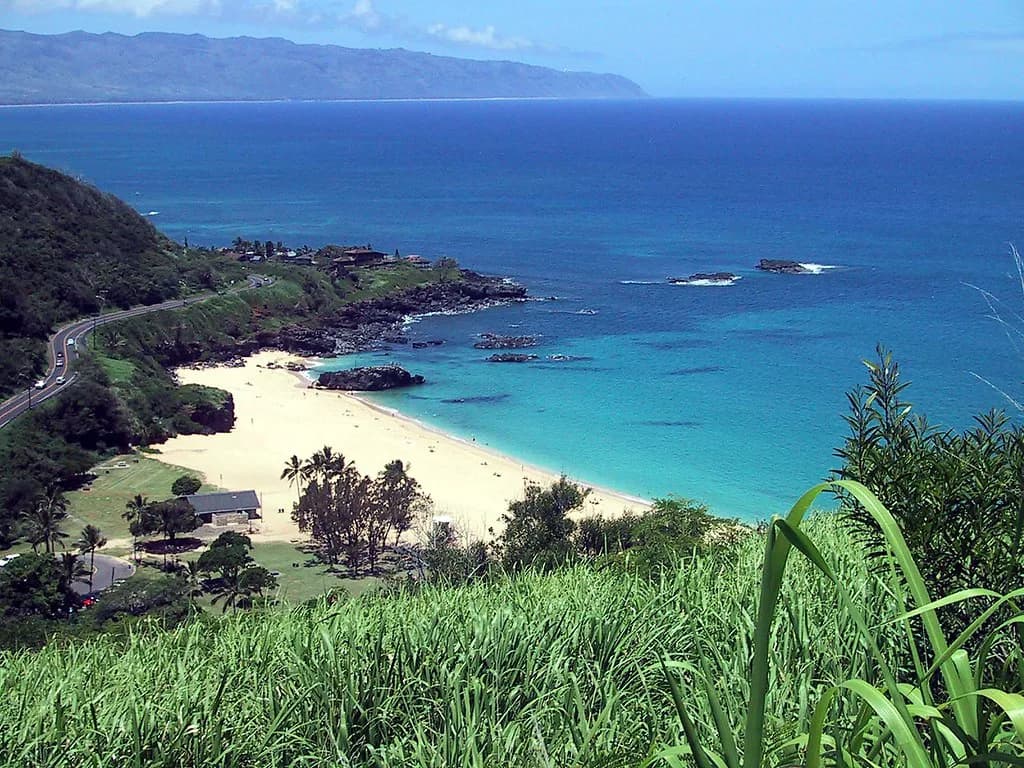
Waimea Bay sits in a wide, cliff-backed cove where the water is calm and warm enough for swimming, snorkeling, kayaking and stand-up paddleboarding in the gentler season. That same openness is why the bay reacts so strongly to swell: there is no offshore reef crest to block incoming energy, so conditions shift fast when the North Shore wakes up.
Think of Waimea as a supplement to a North Shore day rather than a dedicated reef destination. Snorkelers who want structure right off the sand usually pair it with a rock-entry bay nearby; Waimea rewards you with space, a broad beach and a straightforward swim.
Where the Bay Sits on Oahu's North Shore
The bay lies on Oahu's North Shore just outside Haleiwa, along Kamehameha Highway, roughly an hour's drive from Honolulu. The beach park is signed from the road, and the sand sits directly below the highway pull-offs, so you park and walk down rather than hike in.
Haleiwa is the nearest town for food, fuel and supplies, and it is the last practical stop before the beach. If you are building a broader island plan around reef time, the wider guide to snorkeling in Oahu is a useful cross-check for which coast suits which season.
Getting In: Sand Entry and the Edges to Avoid
Entry is from the sand at the center of the beach, where the bottom slopes away gradually and you can walk in with fins in hand. This is the opposite of Oahu's lava-rock bays, where you time a surge and step off a ledge; at Waimea you simply wade until the water is deep enough to swim.
The rocky margins and the tall cliffs at either end of the bay are not entry points. They are where the shoreline turns vertical, where jumpers land and where the bottom is uneven, so keep your entry and exit at the open sand and stay clear of the cliff base.
How Far Out the Reef Is and How Deep It Gets
You swim out over open sand before reaching any structure, so expect a short surface swim rather than an instant reef. The middle of the bay is the natural line: head straight out from your towel, keep the cliff line in view and turn back before you lose sight of the beach.
Because the bay is broad and unobstructed, depth builds gradually and there is no shallow coral shelf to bump into. That makes it forgiving for new snorkelers but also means the interesting bottom is spread out, so give yourself time to drift rather than expecting a dense reef wall.
What You Might See
The bay and its surrounding waters host a mix of Hawaiian marine life, and the area is known for spinner dolphins, sea turtles, monk seals and humpback whales in the right season. Sightings are never guaranteed, so treat any encounter as a bonus and keep your distance as published wildlife rules require.
Closer in, expect the usual North Shore reef cast around sand and rock edges, with the best variety where structure breaks the flat bottom. Never touch, feed or chase animals, and give turtles and seals room to surface and breathe.
Best Time to Go
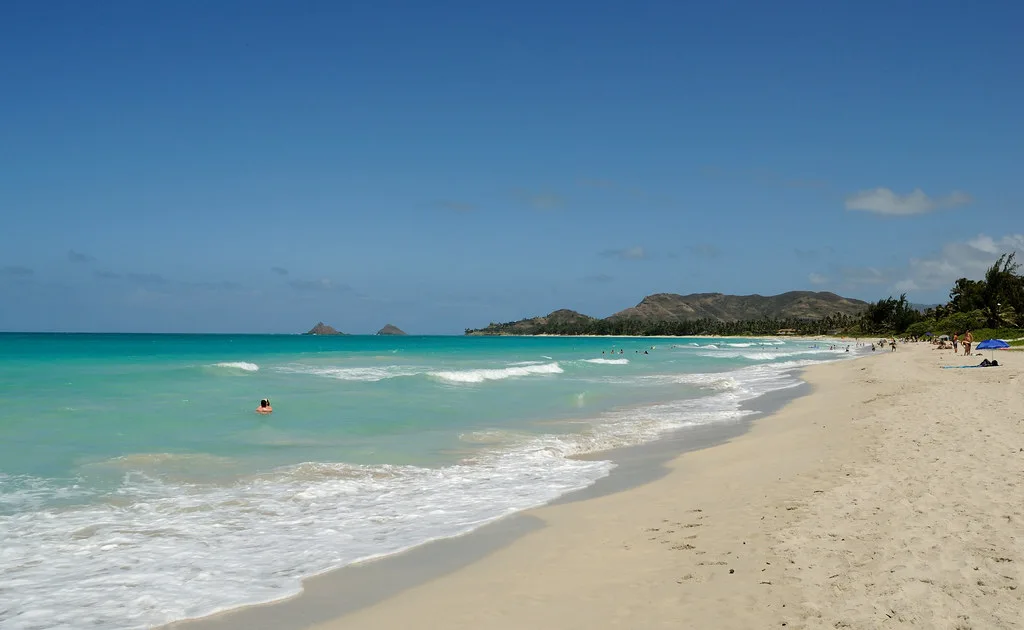
Target the calmer summer stretch, when the bay is described as suited to swimming, snorkeling and paddling, and aim for early morning before the beach fills and the wind picks up. Early arrival also helps with parking, which gets difficult in peak months.
Late afternoon and sunset are beautiful but bring crowds and fading light, so a morning slot gives you cleaner water and an easier exit. Check the surf forecast the night before; a small change in swell height matters more here than at a sheltered reef.
Winter Swell: When the Bay Turns Over to Surfers
In winter the bay becomes a serious surf venue, and only expert surfers should attempt the large waves. On big-swell days the shorebreak and surge make the beach a place to watch from the sand, not a place to launch a snorkel.
If your trip falls in the swell season, keep Waimea as a scenic stop and shift your water time to a calmer, more protected bay. Snorkelers weighing a different island can compare this swell-driven timing with snorkeling in Maui, where summer shore entries and Molokini trips follow a similar calendar. Build a backup plan before you drive the highway so a blown-out morning does not waste the day.
Hazards: Shorebreak, Currents and Shared Water
The main risks are the ones that come with an open, surf-facing bay: shorebreak on the sand, surge near the rocky edges and currents that build when the swell rises. Enter and exit deliberately, watch a full set before committing and keep children within arm's reach in the shallows.
You are also sharing the water. Cliff jumpers land in the same bay snorkelers swim in, and surfers use the break, so surface often, stay out of the jump zone and keep clear of anyone riding a wave.
Skill Level: Who Waimea Suits
On a calm day Waimea is a beginner-friendly swim: sand entry, room to stand in the shallows and a gradual slope that suits kids and nervous first-timers. It is a good place to practice mask clearing and finning before moving on to rock-entry reefs.
Strong swimmers get more from the bay by swimming the open middle and scanning the sand edges, but no one should treat it as a sheltered pool. If the surf is up, the honest answer is that the bay is not a snorkel day at all.
Parking, Access and Facilities
Parking fills quickly in peak months, and the area's street spots go first, so arrive early and expect to walk. The bay is reached by car along Kamehameha Highway, with limited bus and taxi options compared with Honolulu.
Bring your own mask, fins and snorkel: there are no snorkel rentals at Waimea Bay, so rent from a shop in Haleiwa or bring gear from home. Pack water, sun protection and a towel, since a beach this exposed offers little shade.
Rules and Wildlife Viewing
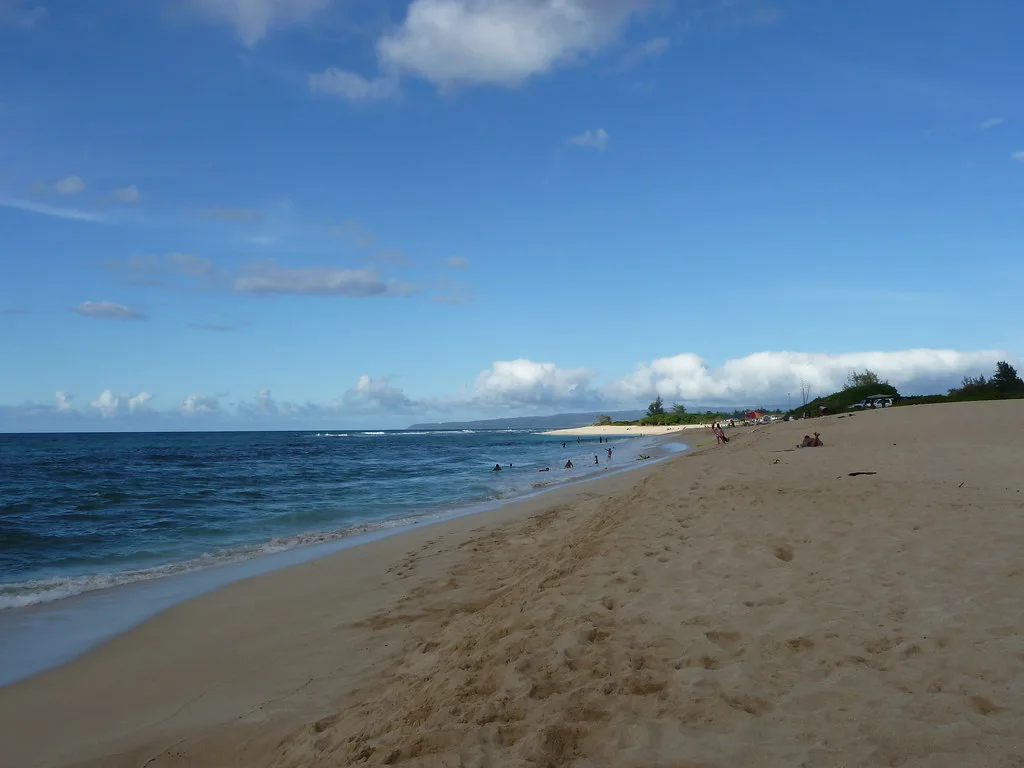
Waimea sits within a working North Shore coastline where traditional fishing still happens from canoes off the shoreline, so give fishing lines and boats a wide berth. Follow posted beach-park rules and any advisory signs at the access points.
For spinner dolphins, sea turtles, monk seals and humpback whales, the standard is observation only: no touching, feeding, chasing or blocking a path to open water. Keep your distance, let animals approach on their terms and move on quietly.
Nearby Spots to Combine on a North Shore Day
Pair Waimea with Sunset Beach Park and Mokulēʻia Point for beach time and views, or add Waimea Valley for a waterfall walk inland. Haleiwa Beach Park and the town of Haleiwa make an easy finish for food and supplies.
If you want a guaranteed reef experience, a rock-entry bay such as Shark's Cove is the better use of a calm morning, and Hanauma Bay snorkeling on the east side is a different, reservation-based day altogether.
Guided North Shore Snorkel Options
Boat-based snorkel trips run from the North Shore harbor and combine Waimea Bay with Wananapaoa Island on a roughly two-hour outing, which is a practical way to see the bay's water without managing your own entry. Book with the tour company and confirm the meeting point and gear policy directly.
Land tours also circle the island and stop at Waimea, which suits travelers who want the scenery without committing to a swim. Choose based on whether you want water time or a sightseeing loop.
Plan Your Visit
Waimea Bay is worth building a North Shore day around when the swell is down: sand entry, open water, a short swim to structure and a chance at turtles and dolphins. When the surf is up, shift your fins to a calmer bay and enjoy Waimea from the beach.
Check the surf forecast the night before, arrive early for parking, and carry your own gear since the bay has no rentals. Those three habits decide more about a Waimea snorkel day than any other planning step.
Frequently Asked Questions
Is Waimea Bay good for snorkeling?
Yes, in calm conditions. The bay offers sand entry and a short swim over open water, which suits beginners and families. When large swells arrive it becomes an expert surf break, so time your visit to the gentler season and check the surf forecast first.
Is Waimea Beach swimmable?
It is swimmable in the calmer months, when the water is described as suited to swimming and paddling. In winter swell the shorebreak and surge make it a place for expert surfers rather than swimmers, so watch the conditions before entering.
Which month is best to snorkel in Hawaii?
For Waimea specifically, the calmer summer stretch is the practical window, when the bay settles enough for swimming and snorkeling. Early morning is the best time of day for light, wind and parking.
Do you need to book a Waimea Bay snorkeling tour?
Not for a beach snorkel. If you want a boat trip, operators run North Shore snorkel outings that combine Waimea Bay with Wananapaoa Island; book those directly with the company.
Can you rent snorkel gear at Waimea Bay?
No. There are no snorkel rentals at the bay, so bring your own mask, fins and snorkel or rent from a shop in Haleiwa before you drive out.
Where do you park for Waimea Bay?
Use the beach-park parking and nearby street spots along Kamehameha Highway. Spaces fill quickly in peak months, so arrive early and expect a short walk to the sand.
Sources
Snorkeling notes for your next trip
Optional updates to our snorkeling guides.
You might also like
Continue reading
More guides you'll find useful