Snorkeling in La Jolla: Cove, Shores and the Underwater Park
Snorkel La Jolla from the Cove or La Jolla Shores: easy entries, kelp and reef life, leopard shark season, reserve rules, parking and guided tours.
On this page
La Jolla snorkeling works so well because the reef and kelp sit unusually close to shore, inside a protected park that begins where the beach ends. The 6,000-acre San Diego-La Jolla Underwater Park holds rocky reef, kelp beds, sand flats and two submarine canyons, and most snorkelers never need a boat to reach it. Beginners can wade in from the Cove, while stronger swimmers launch from La Jolla Shores and strike out toward the kelp.
Your main decision is which entry to use. The Cove gives you a shallow, usually wave-free walk-in with reef and caves nearby; La Jolla Shores gives you a wide sand beach, gentler surf over offshore reefs and a short swim to the leopard shark flats. Pick the Cove for an easy first swim and the Shores for a longer, flatter day with more room to spread out.
Why La Jolla Snorkeling Is Different
The park is split into two zones. The Ecological Reserve, now the no-take Matlahuayl State Marine Reserve, runs from La Jolla Cove to roughly midway down La Jolla Shores Beach and covers about 533 acres where most snorkeling, diving and kayaking happens. Buoys mark the reserve perimeter, so you can see where the rules change before you get in the water.
Offshore reefs soften the waves that reach La Jolla Shores, which is part of why the beach is a popular launch for kayaks, paddleboards and first surf lessons. That same shelter helps snorkelers: visibility in the park has been reported up to about 30 feet, though it shifts with swell and surge. The terrain moves from a shallow sand flat into a sudden drop of roughly 500 feet at the canyon edge, so the bottom you see near shore is not the bottom further out.
The deeper draw is the kelp. Giant kelp grows in tall strands in the deeper water, and green sea turtles are known to feed on red kelp at a spot nicknamed Turtle Town inside the reserve. Reaching the kelp usually means a longer swim from the Cove or a paddle, so treat it as a step up from the entry-level reefs.
The Two Shore Entries: Cove Versus Shores
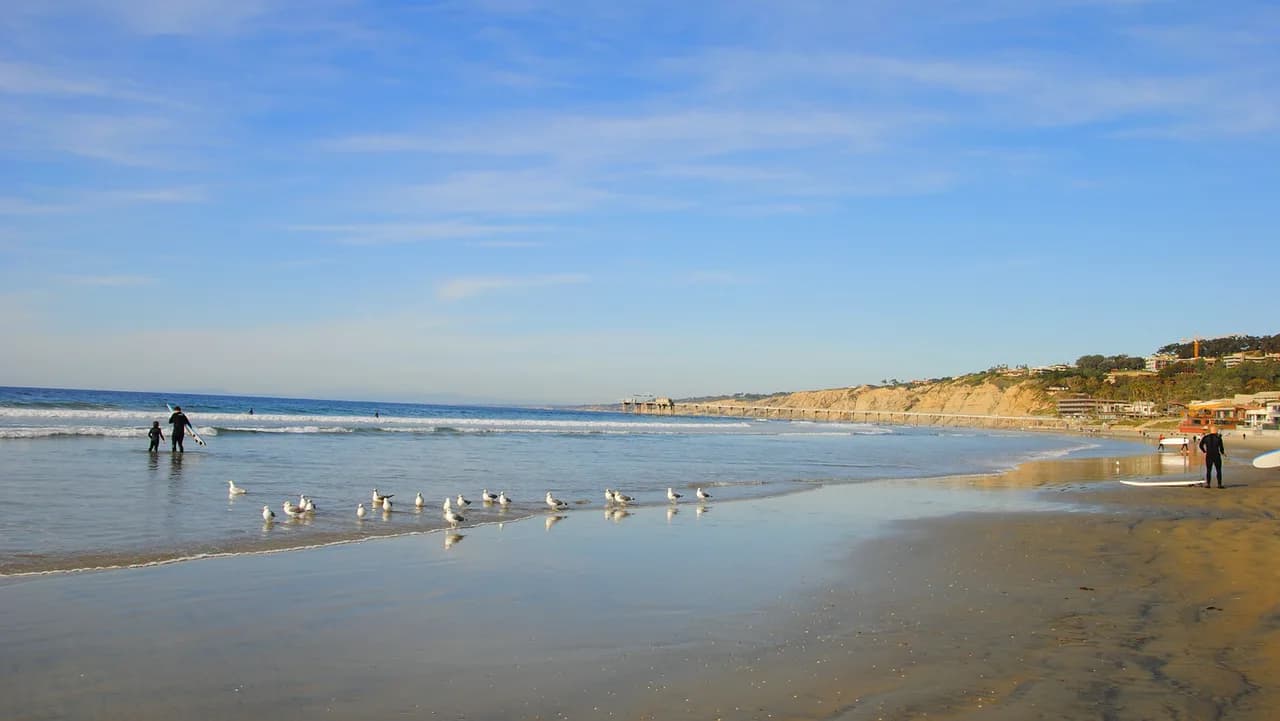
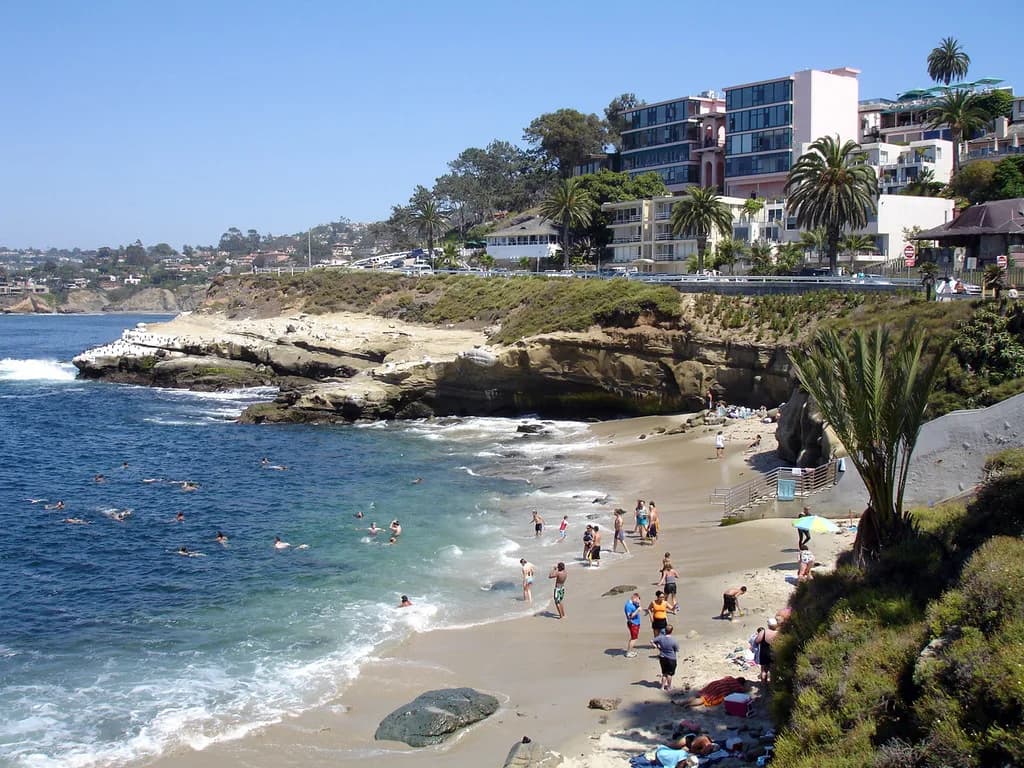
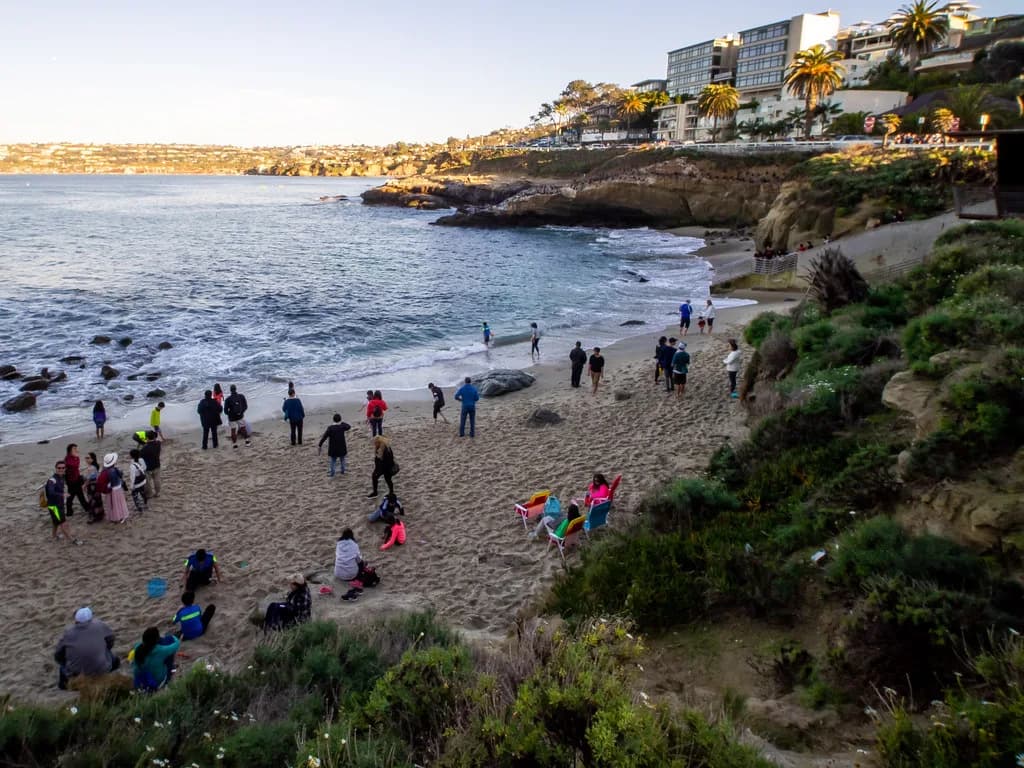
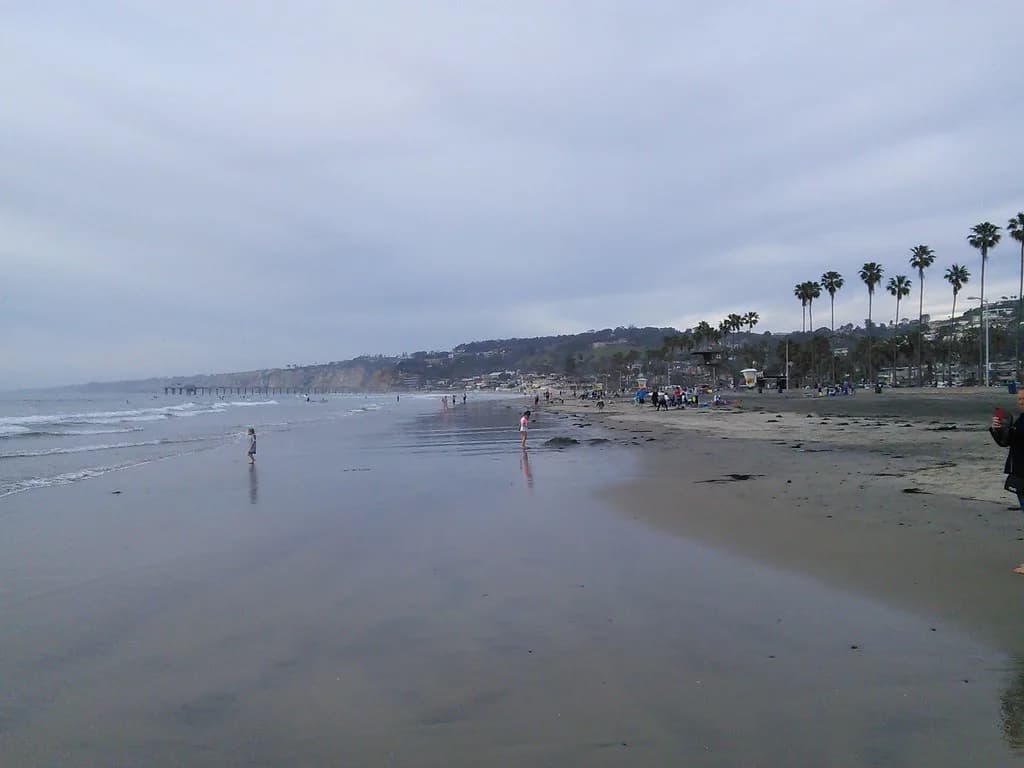
These two beaches sit a short drive apart but fish very differently. The Cove is a compact, cliff-backed pocket with a shallow shelf and typically no breaking waves, which makes walking in with fins simple. La Jolla Shores is a broad, gently sloping beach where you walk out over sand before the reef appears, and where the surf is usually small thanks to the offshore reefs.
Choose the Cove if you want the shortest route from car to fish and you are comfortable sharing the water with kayakers, swimmers and the occasional sea lion. Choose La Jolla Shores if you have kids who want beach time, if you want to swim the leopard shark flats, or if you plan to rent gear in the Shores business district on Avenida de la Playa and walk it to the sand. Both have lifeguard towers overlooking the water, one at each beach.
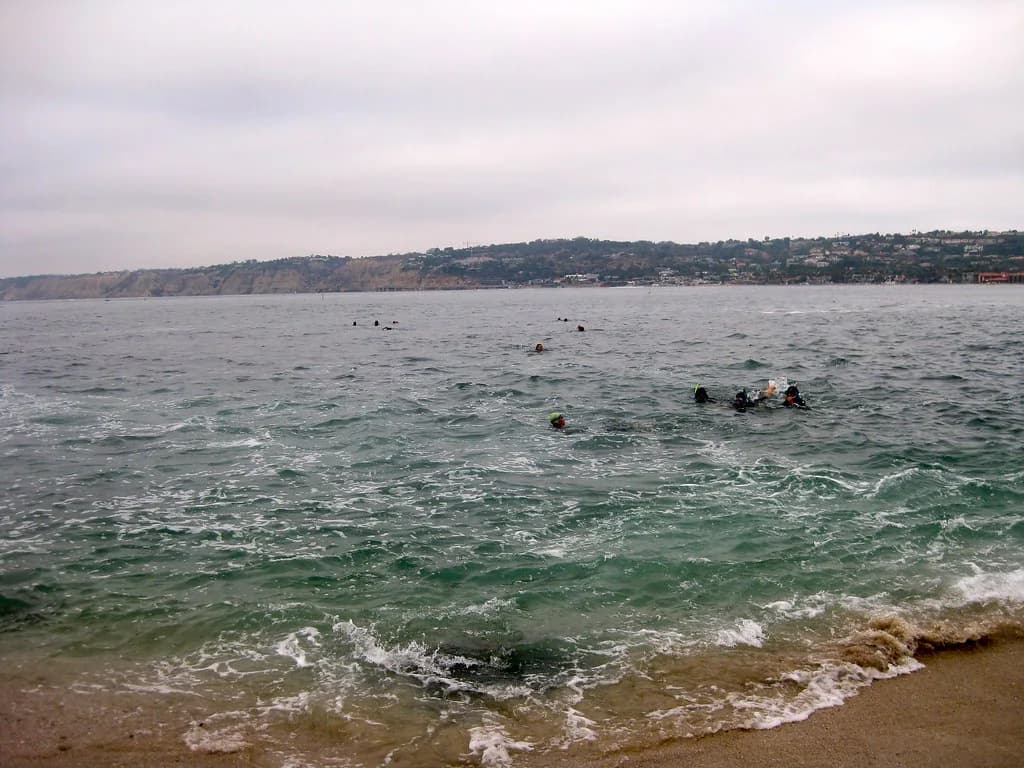
You can snorkel from the shore at La Jolla Shores and swim out toward the cliffs where guided groups head, which puts the better reef structure within reach of a confident swimmer without a boat. Build in the swim back: a quarter-mile out means a quarter-mile home, often into a building afternoon breeze.
La Jolla Cove: Shallow Entry and the Swim Toward the Caves
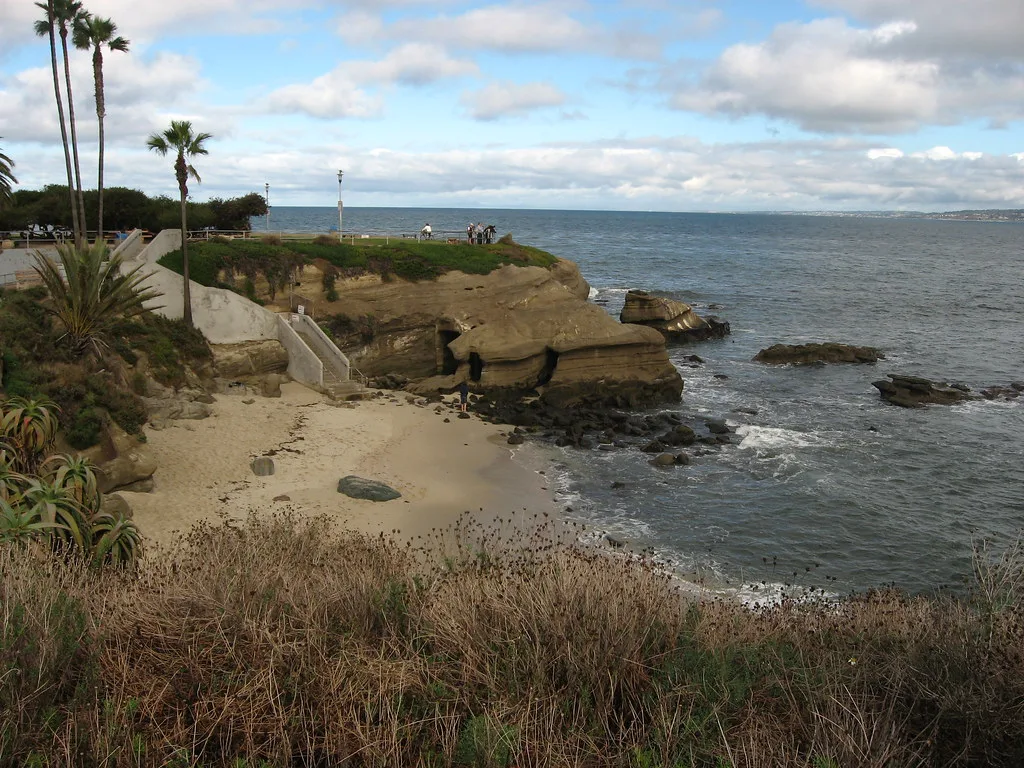
The Cove is the easiest place in La Jolla to walk into the water. The entry is shallow and typically calm, so you can wade in, put your face down over the rocky reef, and work your way toward the sea caves and kelp beds without a long surface swim. This is also where the reserve's no-take rules are most visible, since snorkelers and divers cluster along the same rocky edge.
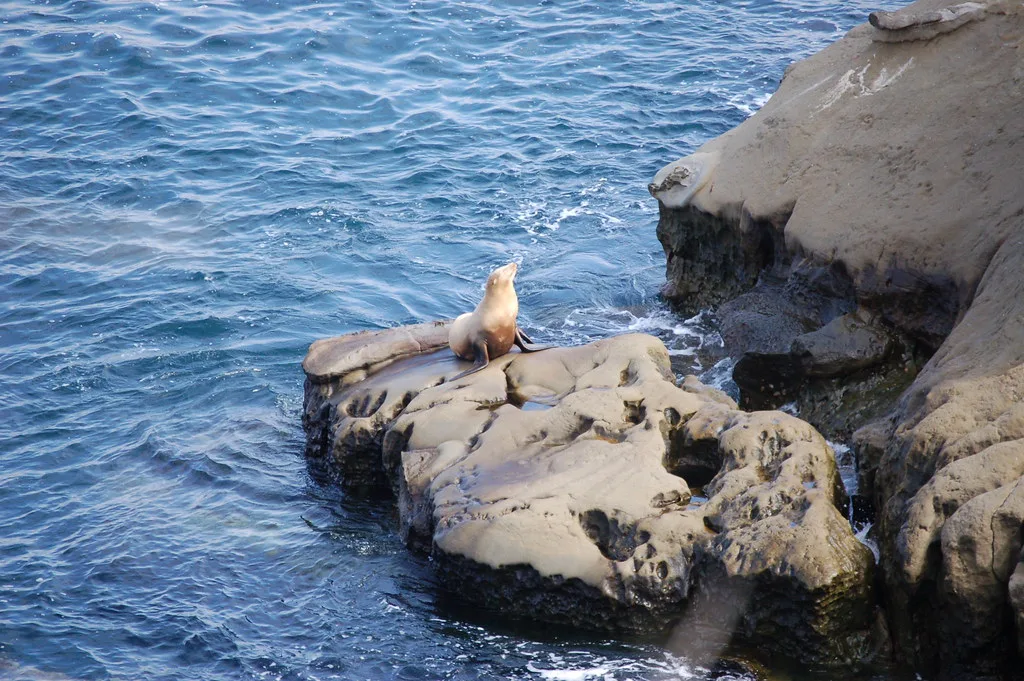
Look for orange Garibaldi, California's state fish, over the shallow rocks, along with kelp bass, sheephead, moray eels and sea stars. Harbor seals and California sea lions haul out on the surrounding cliffs and swim through the cove, and they are vocal enough that you will often hear them before you see them. Keep your distance and let them choose the interaction.
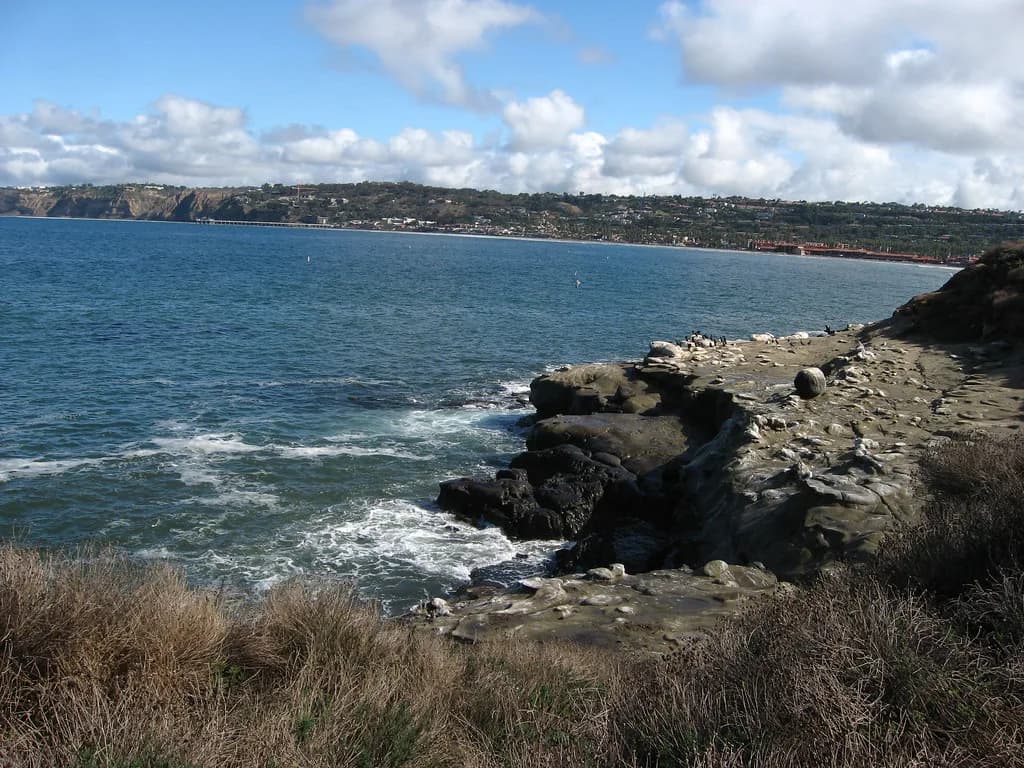
Seven sea caves cut into the sandstone bluffs bordering the park. Most are reached only by kayak, swim or paddleboard, while Sunny Jim Cave can be entered on foot through The Cave Store on Coast Boulevard, and Clam's Cave is the one visible from shore. For a fuller breakdown of the Cove's entry, parking and timing, the La Jolla Cove Snorkeling Guide covers it step by step.
La Jolla Shores and Devil's Slide
At La Jolla Shores, walk down the beach access on the south side of The Marine Room restaurant to reach the shallow water where leopard sharks gather. Swim south from there and you reach Devil's Slide, a shallow reef popular with snorkelers, sitting in front of a small crescent-shaped rocky beach near the seventh sea cave. The sand entry is forgiving, but the reef itself is rock, so watch your fins and hands.
This is the better pick for families and newer snorkelers who want a real beach day around the swim. You get restrooms and the Shores business district a few blocks away, plus a gentle sandy bottom for practicing mask clearing before you commit to the reef. The trade-off is distance: the interesting structure sits further offshore than at the Cove.
What You Will See
The park's species list is long, but a handful show up reliably enough to plan around. Garibaldi are easy to spot from the surface, dark leopard sharks stand out against the pale sand flats, and bat rays, shovelnose guitarfish, horn sharks, California spiny lobster, octopuses and moray eels turn up around the reef and canyon edges. Kelp bass, sheephead, cabezon and senoritas are common over the rocks.
In winter, market squid spawn in the park and lay egg masses on the ocean floor that can cover an area the size of a football field. Whales pass close to shore during seasonal migrations, drawn by the deep water and food near the canyon. Nothing is guaranteed on any given day, so treat each species as a possibility rather than an itinerary item.
Kelp Forests and Turtle Town
The giant kelp is the park's signature habitat. Strands can grow up to 100 feet tall in the deeper water, forming a canopy you will spot from the surface before you reach it, and sometimes feel around your legs first. The kelp holds fish at every level and is the reason a wetsuit is worth wearing: the deeper reserve swim is colder and a suit adds buoyancy for the long float out.
Turtle Town, a popular site inside the reserve, is named for the green sea turtles that feed on the red kelp there. It sits further out than the Cove's shallow reef, so plan it for a calm day with a buddy and enough energy for the return swim. If you want the kelp without navigating the swim yourself, a guide removes the route-finding and the surface navigation.
Leopard Shark Season
The largest annual aggregation of leopard sharks in the world forms near The Marine Room restaurant on La Jolla Shores Beach. Pregnant females use the warm, shallow water between June and December, with numbers peaking around August and September. Snorkelers sometimes share knee-deep water with them, and the sharks are harmless.
Plan around the tide and the swell rather than the clock. Early morning usually brings the lightest wind and the cleanest surface, which matters more for spotting sharks on the sand than for reef fish. Birch Aquarium at Scripps runs guided leopard shark snorkeling adventures in summer, roughly July through September, and its program list is the place to confirm dates.
Sea Caves and Goldfish Point
Clam's Cave is the largest of La Jolla's seven sea caves, sitting just offshore from Goldfish Point, and it can be snorkeled or kayaked through to the other side when the tide is low and mellow. That is a narrow window, and the caves are not a beginner venue. Treat them as a guided or experienced-swimmer objective and check the sea state before committing.
Goldfish Point gets its name from the orange Garibaldi visible in the water below. Stay on the viewing platform rather than scrambling onto the point, where erosion and unstable rock are real concerns. It is one of the best free vantage points over the reserve for anyone in your group who is not getting wet.
Reserve Rules in Practice
Inside the Matlahuayl State Marine Reserve, nothing may be taken, living or not, and the California Department of Fish and Wildlife enforces it. That covers fish, plants and inanimate objects, which means no shell collecting, no fishing and no surfing or boogie boarding in the reserve. Trash is the exception: pack it out if you can.
North of the reserve, the San Diego-Scripps Coastal State Marine Conservation Area allows surfing and limited recreational hook-and-line fishing for coastal pelagic species such as sardines, anchovies and mackerel, with market squid excluded. Snorkelers should still give fishing lines a wide berth. Check the current CDFW regulations if your plan involves a rod.
Exploring the park does not require a ticket. Bring your own gear and you can swim the reserve without paying an entry fee.
Skill Levels and When to Hire a Guide
The Cove suits beginners, kids who are comfortable in deep water, and anyone who wants a short walk-in and a quick exit. La Jolla Shores suits families and newer snorkelers who want sand entry and space, but the reef swim is longer. The kelp beds, Turtle Town and the caves call for strong swimmers or a guide, especially in surge.
A guided trip shortens the learning curve on a large reserve and puts you on the productive spots faster. Local operators run snorkel, kayak and scuba trips in the park, often with marine-biology-trained staff. Compare what each includes, such as wetsuit and fins, before you book, and pick a group that keeps its distance from wildlife. The La Jolla Snorkeling Tours rundown is a practical starting point.
Gear, Wetsuits and Rentals Around Avenida de la Playa
Gear rentals by the hour are available from merchants in the La Jolla Shores business district on Avenida de la Playa, a few blocks from the sand. That makes the Shores the easier base if you are traveling without equipment. Fins are worth the rental: the reserve swims are longer than they look from the beach.
Wear a wetsuit if you plan to swim deeper into the reserve. California water off La Jolla is cold enough that warmth and buoyancy both matter, and a suit lets you stay in the water longer over the kelp. Bring your own mask if you have one that fits, since a leaking rental mask ruins a good visibility day.
Best Time of Day and How Swell Shapes the Plan
Morning is usually the best window. Wind picks up through the day and chops the surface, which hurts visibility more than most swimmers expect, while the offshore reefs keep the beach itself relatively protected. Go early, and go on a day with small surf and light wind.
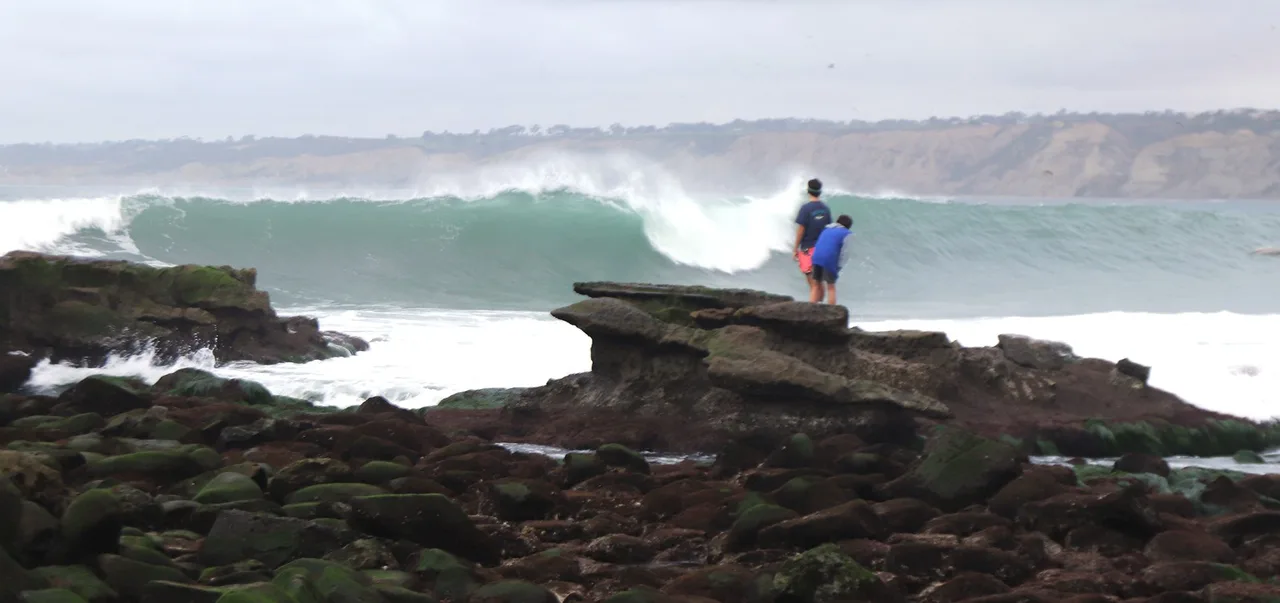
Swell direction decides which entry works. The Cove is shallow and typically wave-free, so it holds up when the Shores is surging; the Shores is broad and sandy, so it absorbs small surf well but the reef gets murkier after a blow. The National Weather Service marine forecast is the source to read the night before, and lifeguards can tell you what the water is actually doing.
Parking, Lifeguards and Facilities
Two lifeguard towers oversee activity in the park, one at La Jolla Shores and one at La Jolla Cove. Ask a lifeguard about conditions if you are unsure; they are the fastest source of on-the-ground information about surf and current.
Parking at both beaches fills early on sunny weekends and in summer, and the Cove's lots are small relative to demand. Arriving at opening time solves most of it. The Shores business district has restrooms and food within walking distance of the sand, which makes it the easier base for a half-day with non-snorkelers.
Land-Based Alternatives and Nearby Spots
The Coast Walk Trail runs along the clifftops between The Cave Store and La Jolla Shores, giving companions a free, scenic route with views of kayakers, sea lions and kelp. Goldfish Point's platform is another stop worth building in. For a longer day, the Dike Rock tide pools north of Scripps Pier offer a low-tide walk with a different set of animals.
Birch Aquarium at Scripps displays fish, kelp and invertebrates from the park and runs seasonal programs including the summer leopard shark snorkel. At Kellogg Park, the Grand Canyons of La Jolla educational plaza maps the canyon bathymetry and more than 100 local species, with an interactive mobile companion. It is a good rainy-day or rest-day substitute.
Viewing Rules for Seals, Sea Lions and Turtles
Harbor seals and California sea lions are the park's most conspicuous residents, hauled out on the cliffs and often swimming through the Cove. Give them room, never block a haul-out or a path to the water, and never chase or touch them. Green sea turtles at Turtle Town are protected too, so watch from a respectful distance and let them feed.
Reef-safe sunscreen and a long-sleeve rash guard reduce what you put in the water, and the reserve's no-take rule applies to anything you might be tempted to pocket. Take only photos and trash. If an animal approaches you, hold still and let it pass rather than reaching out.
What to Bring for a Half-Day Snorkel
Bring mask, snorkel and fins, a wetsuit or rash guard, and something warm for after the swim, since the wind on the sand is cool even on sunny days. A dry bag for keys and a phone saves a trip back to the car. Water and a snack matter more than they sound when you are swimming against a breeze.
If you are building a Southern California snorkel trip, La Jolla pairs naturally with other cold-water kelp destinations. The Monterey snorkeling guide and the Channel Islands Snorkeling guide cover comparable habitats with different access, useful if you want to compare entries and seasons before booking.
For the wider regional picture, including other San Diego County entries and how La Jolla compares, see the san diego snorkeling overview before you lock in dates.
Plan Your La Jolla Snorkel Day
Start with the entry that fits your group: the Cove for a short, shallow walk-in, La Jolla Shores for sand, space and the leopard shark flats. Go early, check the marine forecast, and give yourself a buffer for the swim back. A wetsuit and fins make the difference on the longer reserve routes.
Know the boundaries before you get wet. The Matlahuayl reserve is no-take, so leave shells, rocks and animals where they are, and keep your distance from seals, sea lions and turtles. Everything else, from the kelp to the caves to the canyon edge, rewards a calm day and an early start.
Explore more La Jolla snorkeling
Frequently Asked Questions
Can you still snorkel at La Jolla Cove?
Yes. The Cove has a shallow entry that is typically calm and wave-free, making it the easiest place in La Jolla to walk into the water with fins. You can snorkel over the rocky reef and toward the sea caves and kelp beds. Conditions change with swell, so ask a lifeguard if the water looks unsettled.
Which beach in La Jolla is best for snorkeling?
The Cove is best for a quick, easy entry and shallow reef. La Jolla Shores is better for families, for a longer beach day, and for swimming the leopard shark flats near The Marine Room or the Devil's Slide reef to the south. Strong swimmers wanting kelp and turtles usually plan a longer swim or a guided trip.
What time of day is best to see leopard sharks in La Jolla?
Early morning usually brings lighter wind and cleaner surface conditions on the shallow sand flats near The Marine Room. The sharks gather from June through December, with numbers peaking around August and September. Sighting one is never guaranteed, so plan a window of a few days if sharks are the goal.
Do you need a ticket or reservation to snorkel the La Jolla Underwater Park?
Exploring the park does not require a ticket; bring your own gear and swim from the beach. Guided tours, rentals and wetsuits are separate purchases from local operators in the La Jolla Shores business district and around the Cove. Check current booking terms directly with the operator.
Can you snorkel with sea lions in La Jolla?
Sea lions swim through the Cove and haul out on the surrounding cliffs, and they may pass near snorkelers. Do not approach, chase or block them from the water, and keep a generous distance. Let the animal decide the encounter, and stay clear of animals resting on rocks or the beach.
Is La Jolla snorkeling good for beginners?
Yes, if you pick the right entry. The Cove's shallow, usually calm walk-in suits first-timers and kids comfortable in deep water, while La Jolla Shores offers a forgiving sand entry with the reef a longer swim out. The kelp beds, Turtle Town and the sea caves are better with a guide or for strong swimmers.
Sources
Snorkeling notes for your next trip
Optional updates to our snorkeling guides.
You might also like
Continue reading
More guides you'll find useful