Best Time to Snorkel in La Jolla: Seasons, Tides and Timing
Time a La Jolla snorkel trip around leopard shark season, calm low-tide mornings and summer visibility, with spot-by-spot timing for the Cove and Shores.
On this page
La Jolla offers two very different snorkel days within a mile of each other: a sandy nursery at La Jolla Shores where leopard sharks rest in water shallow enough to stand in, and a rock-rimmed cove where sea lions, Garibaldi and reef fish sit behind cliff walls. Which one you choose, and when you arrive, decides more about your day than any piece of gear.
Timing here comes down to four moving parts: swell direction, tide height, morning wind and the leopard shark calendar. Get those roughly right and a beginner can float over sharks on a calm August morning; get them wrong and you will be swimming through sand-choked water with a crowd.
Why Timing Decides a La Jolla Snorkel Day
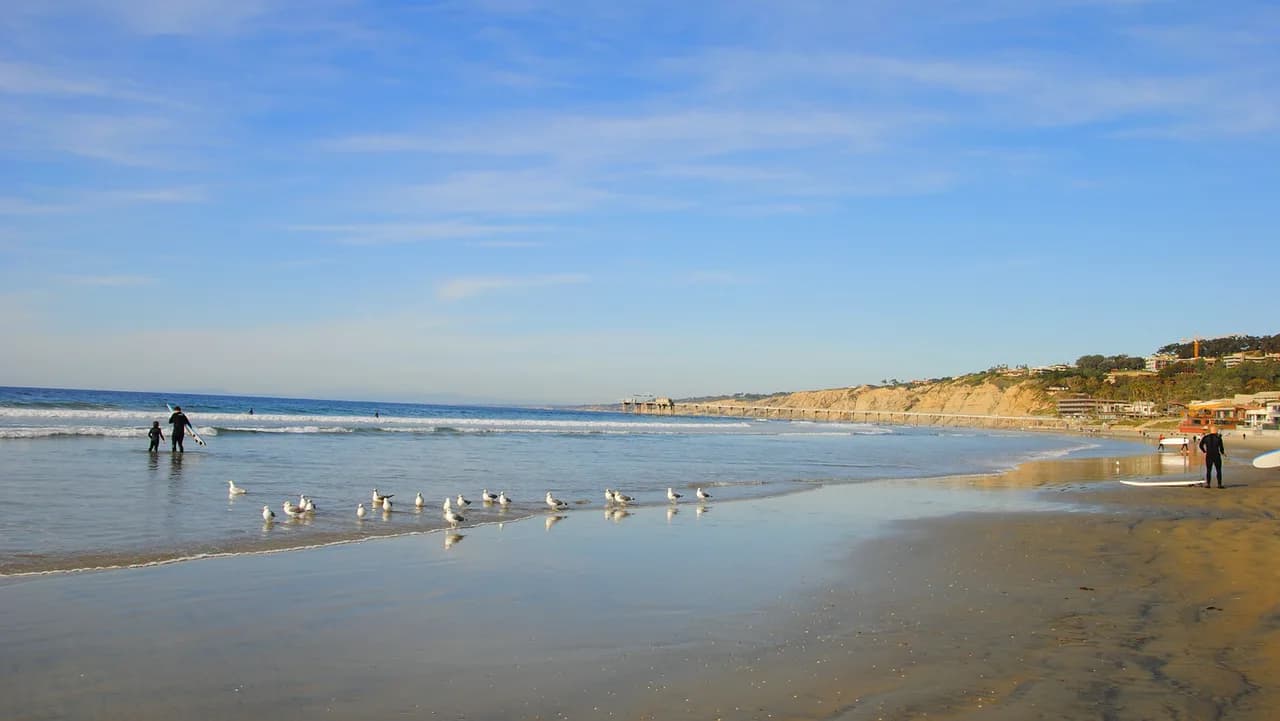
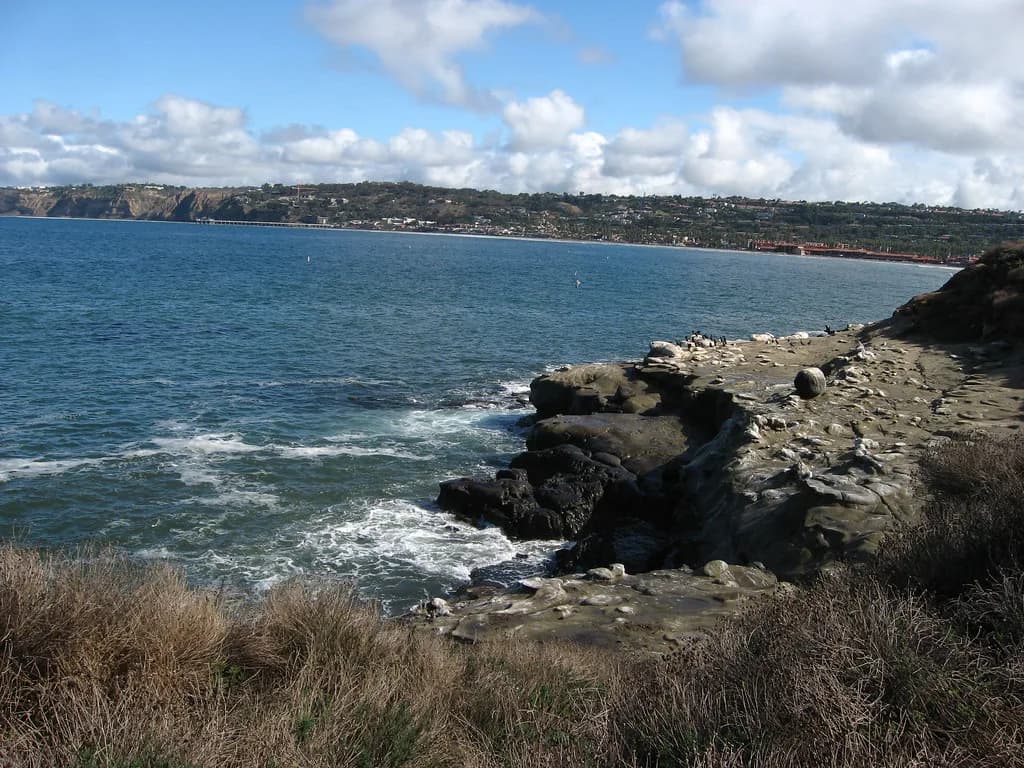
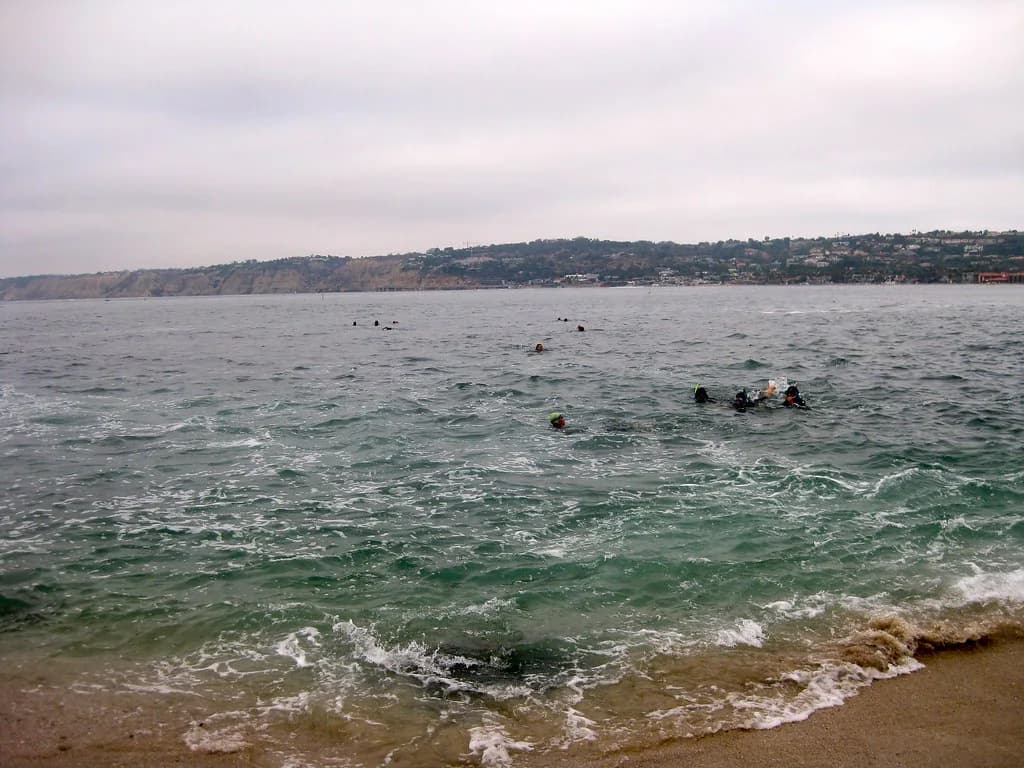
La Jolla sits on a coastline that swings between glassy mornings and afternoon chop, and the two main snorkel sites respond differently. La Jolla Shores is an open, gently sloping sandy beach, so it takes the brunt of any surf and turns murky fast when waves stir the bottom. The Cove is cupped by cliffs, so its natural shape keeps the surface calmer than the open coast on many days.
Tide, wind and swell all feed into visibility. A falling tide over calm surf keeps sand from clouding the water at the Shores, while a breezy afternoon lifts chop and pushes sand around. Plan your swim for the first calm window after dawn rather than treating any daylight hour as equal.
Leopard Shark Season at La Jolla Shores
Leopard sharks arrive in La Jolla around June and stay through December, with activity peaking in August and September when the water is warmest and the numbers are highest. Nearly all of the sharks in the shallows are pregnant females using the sun-warmed water as a nursery. They are recognizable by dark saddle-like spots on a gray or brown body, and most run four to five feet long.
The sharks favor the stretch just offshore from The Marine Room restaurant, at 2000 Spindrift Drive, where the bottom stays shallow for a long way out. Reach it by walking south along the beach from the Kellogg Park lot or by using the public beach access on the south side of the restaurant.
Outside the peak weeks the sharks are still present but harder to count on, so treat a June or November swim as a reef-fish outing with a chance of sharks rather than a guarantee. Operators such as La Jolla Kayak run guided Shores snorkel trips during their June-to-October season, departing at 10:30 AM and 1:30 PM weather permitting, which gives you a guided morning option.
La Jolla Cove Versus La Jolla Shores: Which Spot Fits Your Day
Pick the Shores when the surf is small and the tide is low, especially if you want sand entry, waist-deep water and a short walk from your car. Pick the Cove when the open coast looks bouncy but you still want clear water and a shorter swim to structure, accepting a rock-and-stair entry instead of a soft bottom. If you like comparing sandy entries up and down the Southern California coast, this same sand-versus-rock decision plays out in our guide to snorkeling in Channel Islands.
The Cove shares the same protected water and delivers reef fish, rays and sea lions on days when the Shores is washing out. The trade-off is entry: you are managing rocks and stairs with fins on, not shuffling into ankle-deep sand.
Morning Versus Afternoon
Morning is the better half of the day: the water is typically calmer, visibility improves and the beach is quieter. A clear, sunny morning with low surf and a low tide is the combination that puts odds in your favor.
If you drive, aim for the Kellogg Park lot, which fills by about 8 a.m. on weekends and 9 a.m. on weekdays in summer. Rideshare drops near The Marine Room or Kellogg Park sidestep the parking scramble, and street spots along El Paseo Grande come with time limits and permit zones worth reading before you leave the car.
Tide and Surf: The Low-Tide Window
A low tide paired with calm surf is the sweet spot at La Jolla Shores because less water movement means less suspended sand. Low tide also shortens the swim to the shark flats off The Marine Room, where the bottom stays shallow far from shore.
Check a tide chart and a surf report the evening before rather than relying on how the beach looks from the road. An early slot right after a calm night usually beats a late-morning arrival after the wind has built.

Summer Versus Winter Water and What to Wear
Summer water at La Jolla runs roughly 68 to 72°F, comfortable for a long snorkel in a swimsuit and UV shirt but cool enough that many people add a wetsuit for longer sessions. A wetsuit is not required, but it extends your time in the water and takes the chill off an early start.
Bring a properly fitted mask, a snorkel, fins and a UV swim shirt; water shoes help on the rocky Cove entry. La Jolla Kayak includes mask, snorkel, fins and wetsuit with its guided Shores tour, useful if you would rather not pack gear or want to try the sport before buying.
Getting In at La Jolla Shores
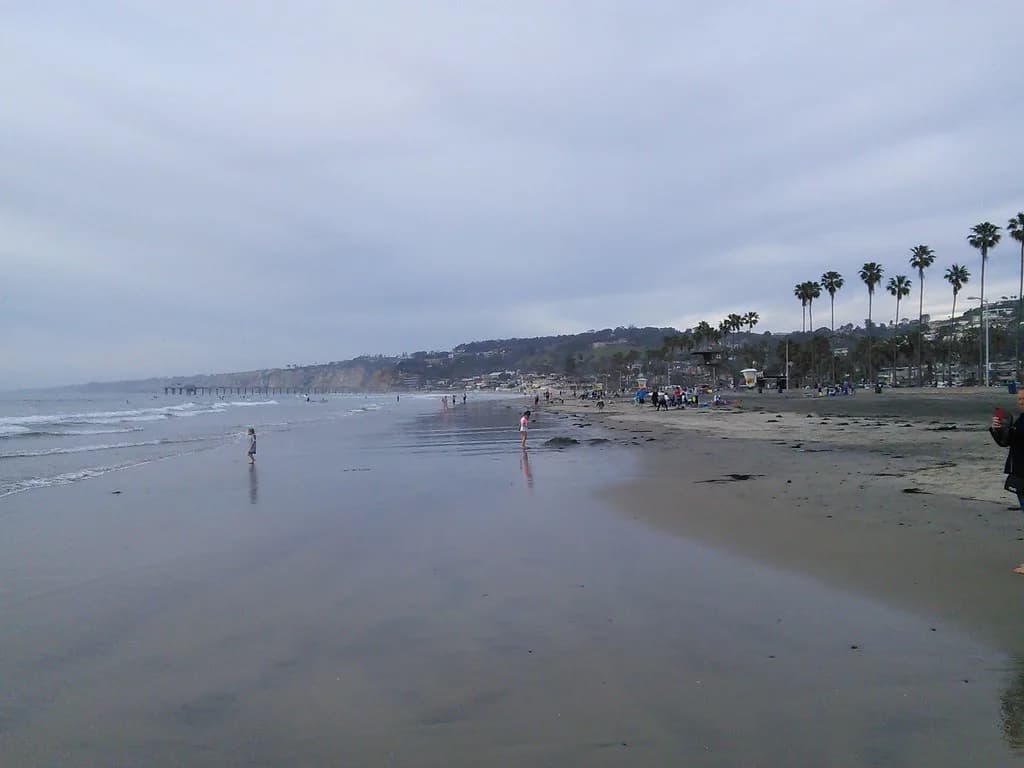
The Shores entry is an easy sand walk from Kellogg Park or the public access south of The Marine Room, and the water stays shallow a long way offshore. That gentle profile makes it the friendlier site for kids and nervous swimmers who want to stand up and reset.
Walk in slowly, then float quietly on the surface; sharks approach more closely when you are not thrashing. Shuffle your feet rather than stepping to avoid stingrays resting on the sand, and keep your fins from kicking up grit that ruins everyone's view.
Getting In at La Jolla Cove
The Cove entry uses stairs and rocks, so it rewards stronger swimmers and anyone comfortable managing a mild surge against the cliff. The cove's shape makes the water typically calmer than the open coast, which is why it stays workable when the Shores is choppy.
Sit on the stairs and put your fins on before you commit, then time your entry between sets rather than walking through incoming water. Inside the cove you are swimming over reefs, seagrass beds and rock structure rather than the Shores' open sand.
What You Will See and Where
At the Shores, leopard sharks rest on the sandy bottom a few yards from shore, often with stingrays and shovelnose guitarfish nearby. Garibaldi, the bright orange damselfish, patrol the rockier edges, and sea lions and dolphins turn up offshore.
The Cove adds structure: rock walls, seagrass and reef fish, with sea lions hauled out on the surrounding rocks. Sea lions are wild animals with teeth and territory, so keep your distance and give them a clear path rather than swimming toward the haul-out.
Skill Level and Kids
Beginners and children do best at the Shores, where the sandy bottom, shallow water and short walk from the parking lot remove most of the difficulty. La Jolla Kayak's guided Shores tour accepts swimmers ages 6 and up with an adult and requires guests to be comfortable in the water and able to swim unassisted; the Pacific can serve up waves, currents and deep water even inside a reserve.
The Cove suits competent swimmers who can handle a rock entry and a longer crossing to structure. In either spot, a child who swims well but panics in cold water will do better in a wetsuit with a quiet float at the surface than in a long push out and back.
Hazards and Wildlife Rules
The leopard shark viewing area sits inside the Matlahuayl State Marine Reserve, part of the La Jolla Ecological Reserve network protected since 1929. It is unlawful to injure, damage, take or possess any living, geological or cultural marine resource, which means no collecting shells and no touching or chasing animals. Look, photograph, and leave everything where it lies.
Leopard sharks are shy and harmless to people, but stingrays on the sand are a real reason to shuffle your feet. Watch for surge at the Cove stairs, keep clear of sea lion haul-outs, and stay out of the water when a posted advisory warns of high surf or poor water quality.
Parking, Facilities and Tour Timing
Kellogg Park's lot is free and the closest option to the Shores entry, so it empties out early on summer weekends. If you plan a guided morning trip, schedule around the 10:30 AM Shores departure and arrive in time to fit gear and walk the block or two to the beach.
For a self-guided day, bring water, sun protection and a towel, and plan on showers and restrooms near the Shores beach park. Lockers are available for an additional charge at the La Jolla Kayak storefront on Avenida de la Playa if you want to swim with your valuables secured.
Nearby Spots to Combine
Pair a Shores snorkel with the Cove tide pools and cliff walk for an above-water look at the same reserve, then finish with a meal on Avenida de la Playa. Birch Aquarium at Scripps shows leopard sharks year-round, a sensible wet-weather backup for a planned snorkel day.
The broader San Diego-La Jolla Underwater Park covers both sites, so you can split a day between them when conditions shift. A morning at the Shores and an afternoon sheltered in the Cove gives you two different habitats without moving the car far.
Plan Your Snorkel Day
Build your La Jolla plan backwards from the tide chart: choose a calm, low-tide morning, decide between sand entry at the Shores and rock entry at the Cove, and set your alarm to beat the Kellogg Park lot. In August and September you are also stacking the odds on the shark flats off The Marine Room.
Once in the water, float quietly, shuffle your feet and keep your hands off the wildlife inside the reserve. That restraint is what keeps the sharks, rays and reef fish in the shallows for the next snorkeler.
Frequently Asked Questions
When is leopard shark season in La Jolla?
Leopard sharks gather at La Jolla Shores from about June through December, with the biggest numbers in August and September when the water is warmest. Outside those peak weeks, plan the swim around reef fish and treat sharks as a bonus rather than a certainty.
Is it better to snorkel in the morning or the afternoon in La Jolla?
Morning is the stronger choice. The water is typically calmer, visibility improves and the beach is quieter, and a clear morning with low surf and low tide is the combination that gives you the best odds at La Jolla Shores.
What tide is best for snorkeling at La Jolla Shores?
Aim for a low tide paired with calm surf. Less water movement means less sand gets stirred up, and the low water shortens the swim out to the shallow flats off The Marine Room where the sharks rest.
Can beginners and kids snorkel at La Jolla Shores?
Yes. The sand entry and shallow bottom make the Shores the friendlier site for families, and guided tours accept swimmers ages six and up with an adult. Guests still need to be comfortable in the water and able to swim without assistance, since waves and currents can appear even inside the reserve.
Where do you enter the water at La Jolla Cove?
The Cove entry is by stairs and rocks rather than sand. Put your fins on while seated on the stairs, then enter between wave sets, and expect to swim over reef, seagrass and rock structure rather than the Shores' open sand.
Do you need a wetsuit to snorkel in La Jolla?
A wetsuit is optional, but summer water runs about 68 to 72°F, so many snorkelers wear one for longer sessions or for an early start. Guided Shores tours include a wetsuit along with mask, snorkel and fins if you prefer not to pack your own.
Sources
Snorkeling notes for your next trip
Optional updates to our snorkeling guides.
You might also like

Continue reading
More guides you'll find useful