San Diego Snorkeling: La Jolla Cove Guide for Beginners
San Diego snorkeling centers on La Jolla Cove, a protected reserve with Garibaldi, sea lions on the rocks and a small, sheltered sand entry point.
On this page
La Jolla Cove is the one San Diego snorkel site that rewards a whole planned day rather than a quick dip: a small, bluff-backed pocket of water inside a reserve protected since 1929, with sand entry, bright fish and sea lions hauled out on the north rocks. It suits beginners and families who stay inside the cove, and stronger swimmers who want the kelp edge. Plan around a modest patch of water, not a sprawling reef.
What makes the cove unusual for California is the combination: temperate-water fish that are used to people, Garibaldi in full orange, kelp coming up out of the dark, and marine mammals on the rocks a short swim from the sand. Visibility is the trade-off, often modest close in. Treat the day as a chance to see a protected reserve up close, not a guarantee of clear tropical water.
Where the Cove Sits
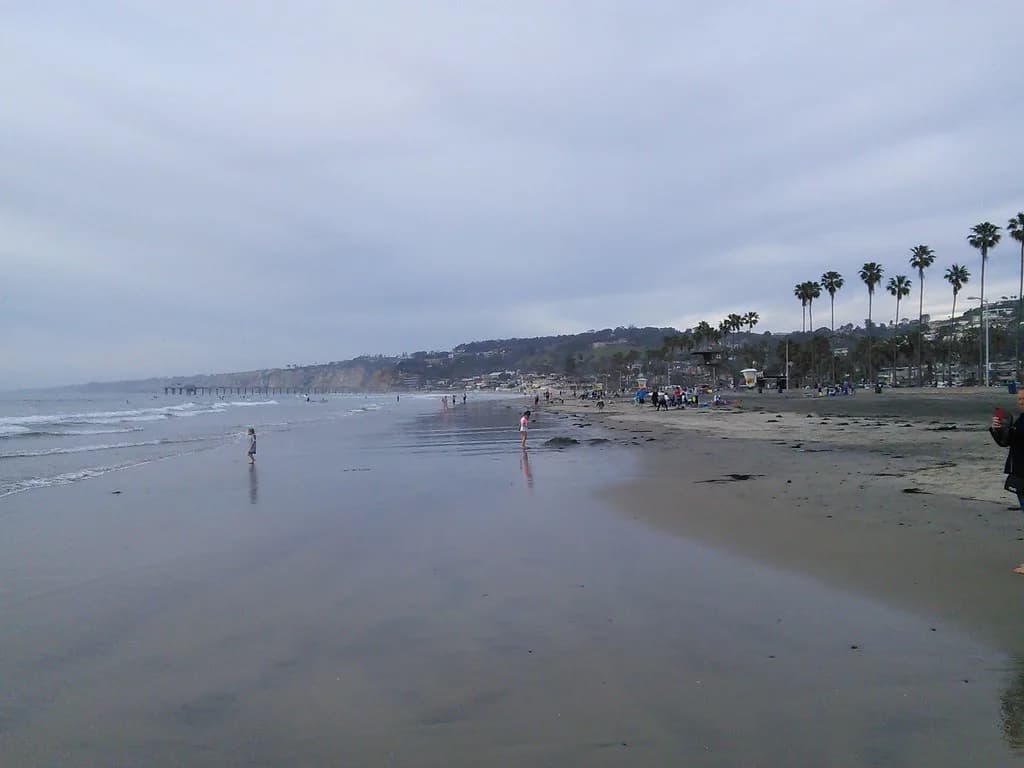
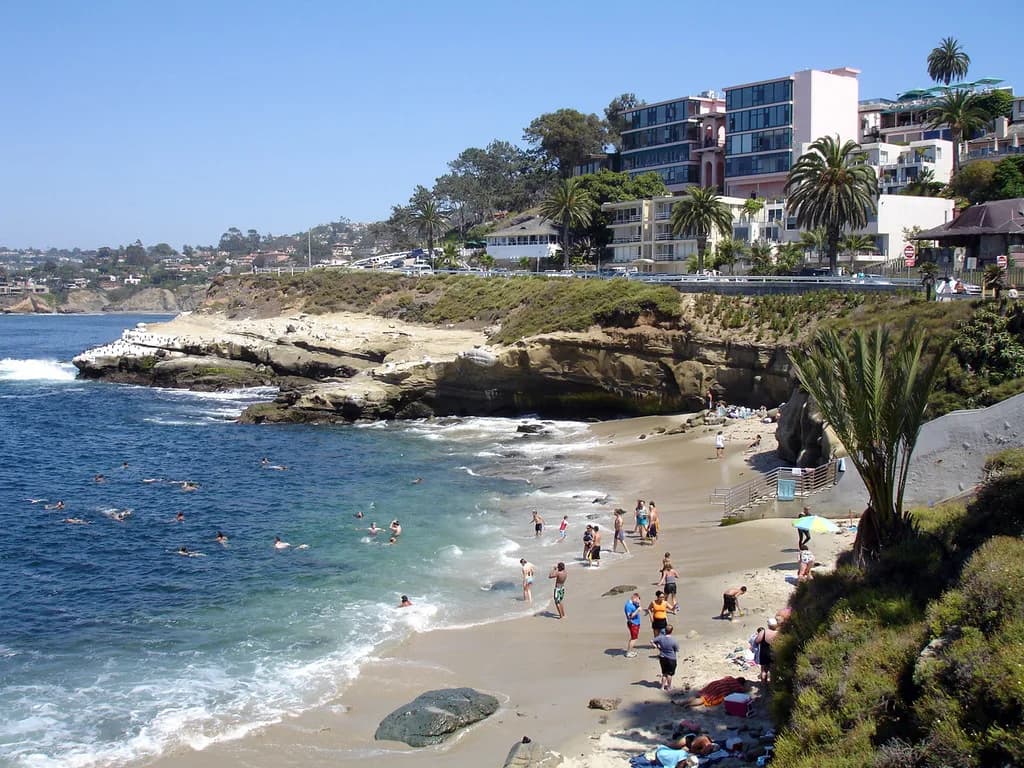
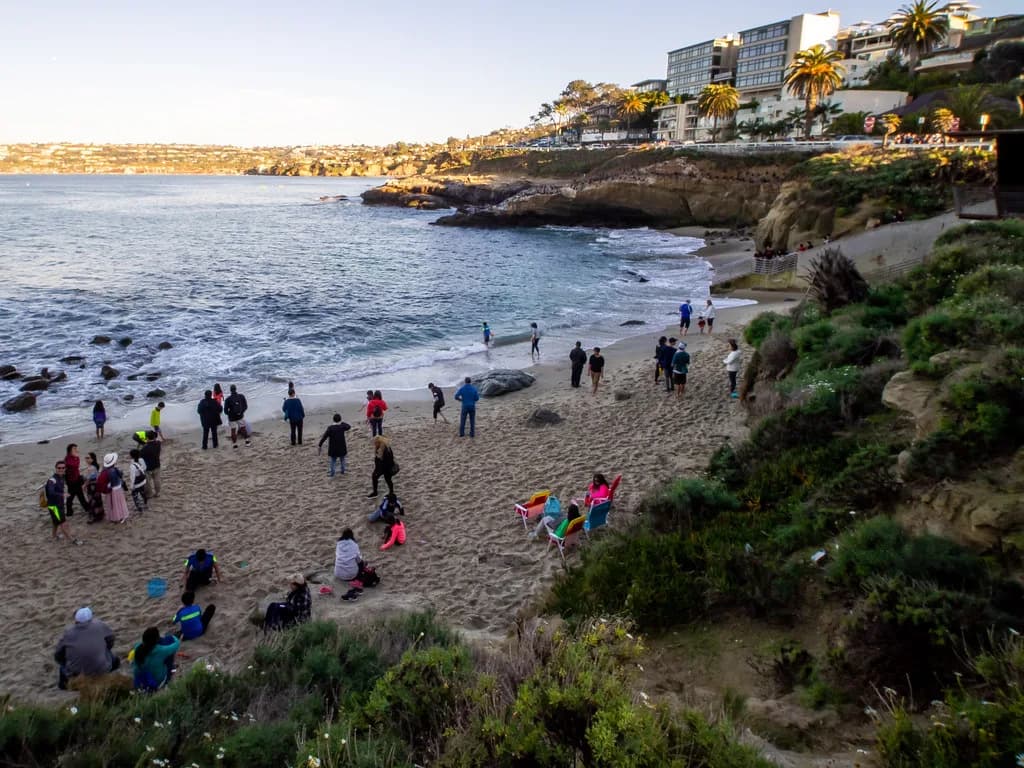
La Jolla Cove lies below Ellen Browning Scripps Park, the bluff-top green along Coast Boulevard that gives you the classic view down onto the water. From the park you can read the whole cove at a glance before you commit: a compact inlet, rocks on the north side, open water beyond the mouth. That bluff view is the single most useful planning tool you have, because it shows where other snorkelers are clustered.
The water sits inside the La Jolla Cove Ecological Reserve, protected since 1929, which is why the near-shore fish life is as dense and approachable as it is. Coming from Interstate 5, take the La Jolla Parkway exit, follow it as it becomes Torrey Pines Road, then turn right on Prospect Place and work your way to Coast Boulevard for the park. Allow extra time for the one-way streets and for finding a space.
Getting in at the Cove
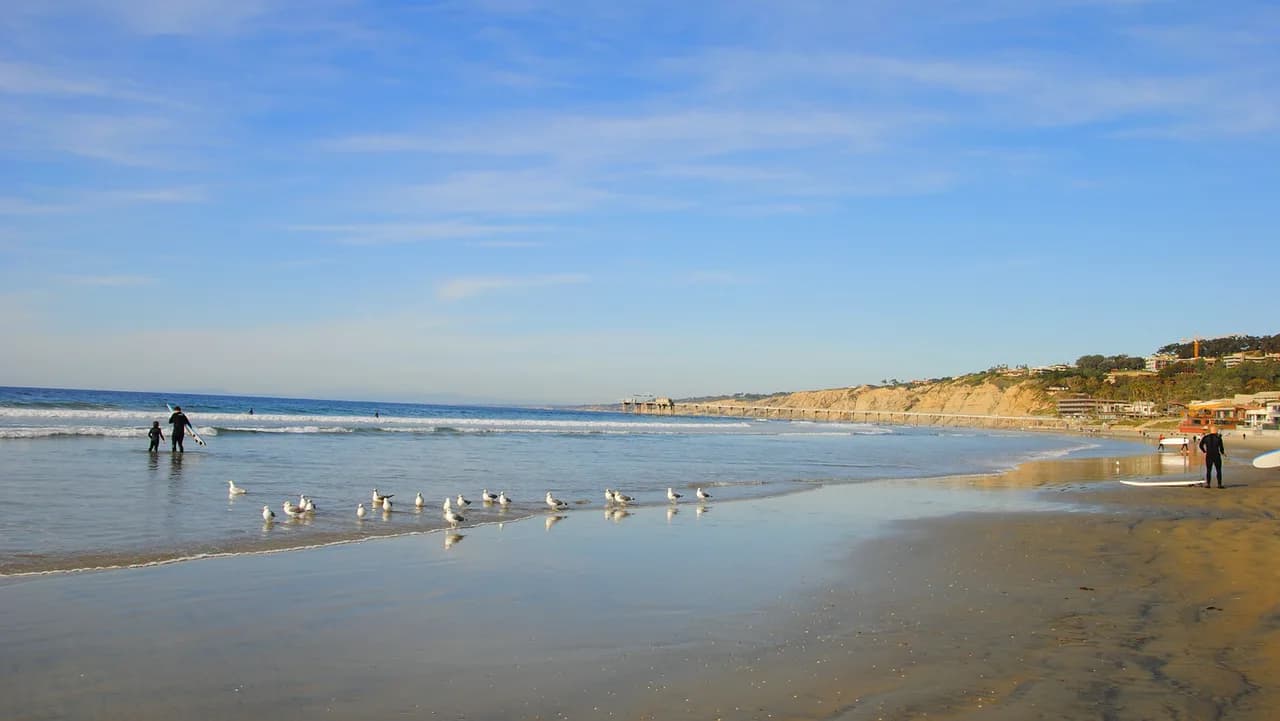
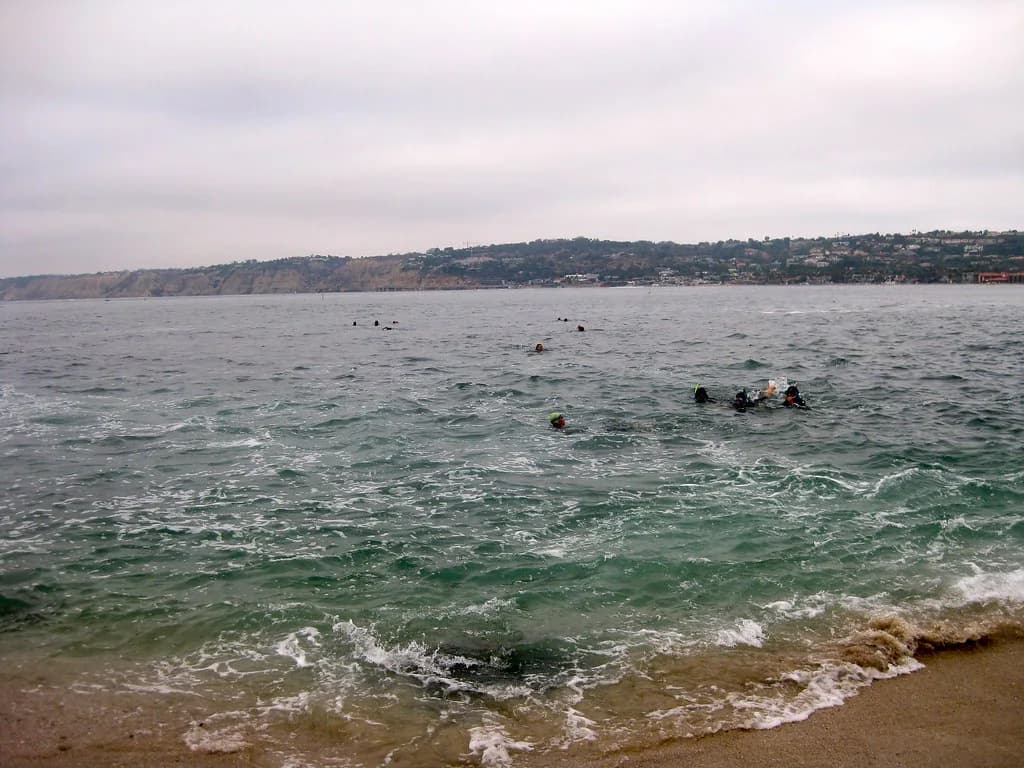
Entry is from the sand at the cove itself, which is the reason this spot works for first-timers: you wade in, put your face down and you are already over rocks, sea grass and fish. Most people snorkel within the small confines of the cove rather than ranging far. The north end, below the rocky side, is where the sea lions and seals haul out, so keep your distance there and give the animals room.
The south end is the launch point for anyone heading out to the kelp beds, straight out from the cove. If visibility is poor inside, it can be better farther out, but that is open-ocean swimming rather than sheltered bay work. Judge it on the day, and take the lifeguards' reading on currents before you leave the protection of the cove.
How the Cove Is Laid Out
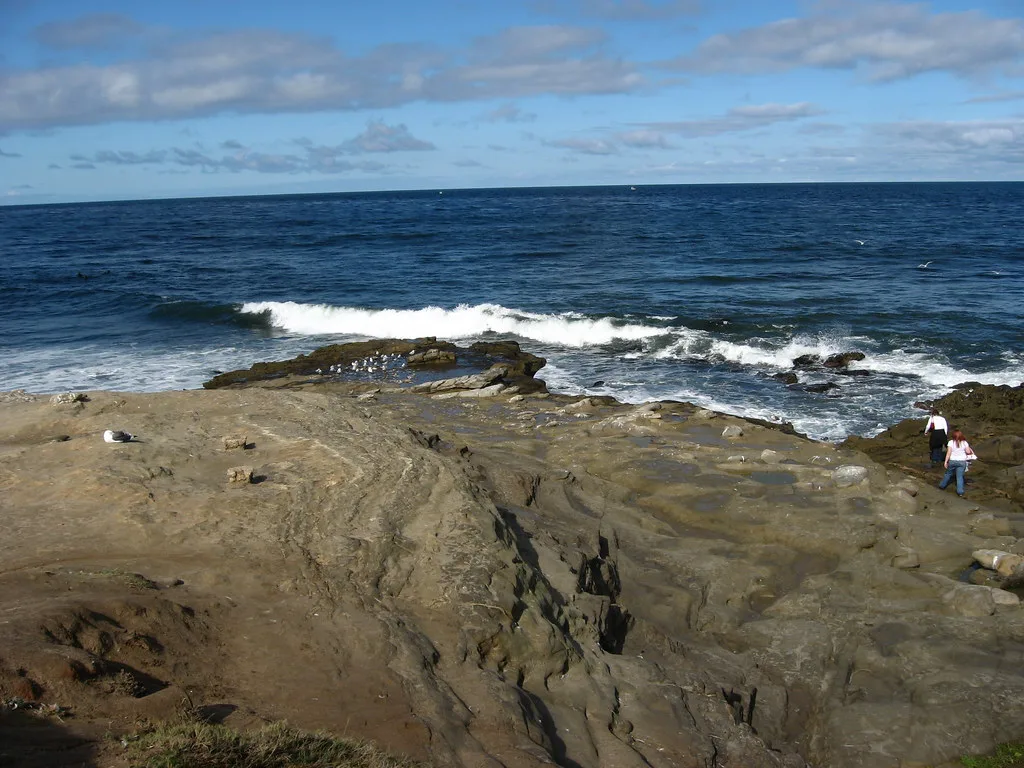
Think of three zones. The inner cove is shallow and rock-and-sea-grass bottom, where the fish are tame and the swim is short. Outside the mouth the bottom deepens toward kelp. North, along the rocky shore, are the sea caves the kayak and snorkel tours advertise. Most of the good, easy snorkeling happens in the first zone.
The bottom inside the cove is rocks, sea grass and kelp rather than coral, and the kelp grows up in golden-brown columns out of deeper water. That sea grass moves with every surge, which is worth knowing before you go: looking down at a moving bottom while your body drifts can feel disorienting, and combined with low visibility it makes some snorkelers queasy. If that bothers you, keep your swims short and stay over sand where you can.
What You Will See
The headline fish is the Garibaldi, California's state fish, a bright orange damselfish that grows to about a foot and shows iridescent blue spots when young. They are inquisitive and often come close, sometimes drawn to bright fins. Around them you get a cast of other near-shore fish, plus the occasional ray over sandy patches, though a ray is a bonus rather than something to count on.
Sea lions and harbor seals have a rookery inside the reserve, and you will usually see them on the rocks along the north side. Seeing them in the water is a different matter and never guaranteed. Tours run to the sea lion rookery and sea cave, but Snorkel San Diego's own instruction is not to pet or touch sea lions that swim up to you, and the same look-only rule applies whether you are on a tour or on your own.
The Kelp Beds and the Sea Caves
Swimming out to the kelp is a step up in commitment: deeper water, less shelter, and the chance of better visibility than the murky inner cove. Kelp itself is a spectacle, floating pods and leaves rising out of the depths, but you can tangle in it if you stop watching where you are going. It is a nuisance more than a danger, and a reason to keep your finning steady and your head up between dives.
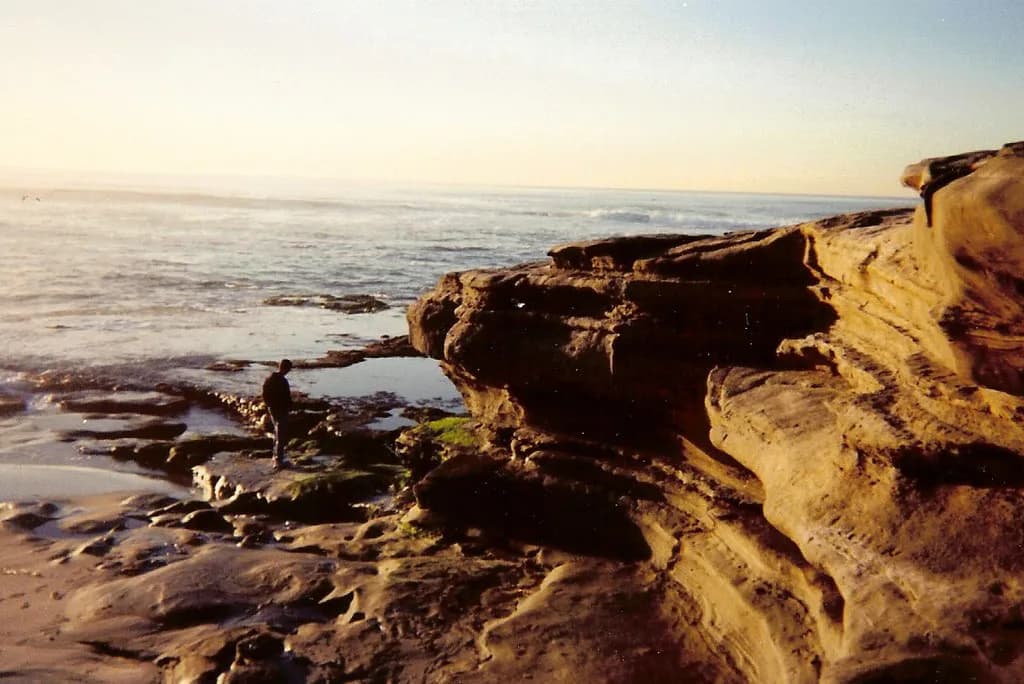
The sea caves along the north coast are a poor snorkel target. The tide has to be very low to see much of them, and even then wave surge against the rock is the dominant feature. Entering a sea cave with a swell running is not a sensible plan for a snorkeler, so treat the caves as something to look at from outside, if at all, and stay clear of the rocks when surge picks up.
Skill Level and Who It Suits
The cove suits beginners, adults and children who are comfortable in the water, and the sand entry removes the biggest barrier at most California snorkel spots. Strong swimmers can extend to the kelp; weak swimmers and young kids should stay inside the cove where the lifeguards can see them. If you swim around the southern point or north toward the caves, you move out of easy sight, and help is slower to reach you.
Children on guided tours here need to be over 13 and weigh at least 100 pounds to join under the standard setup; lighter children must bring their own full-body wetsuit. That tells you something about the water: it is cold enough that thermal protection is part of the plan, not an accessory. Budget for a wetsuit whether you go guided or independent.
Best Time of Day and Season
Late summer is when the water is warmest, and it is the most comfortable window for a long snorkel. The catch is morning fog, which commonly sits on the San Diego coast early and burns off or pushes offshore into the early afternoon. Fog can also roll back in mid-day, cutting the light and the visibility with it, so a flexible plan beats a fixed one.
For a calmer, brighter swim, aim for the clearer part of the day rather than the first light, and keep an eye on the bluff for what the fog is doing before you gear up. The best time to snorkel in la jolla shifts with swell and visibility, not just the calendar, so build in a backup window. The guided cove tour departs at 1:00 pm, which lines up with an afternoon slot.
Water Temperature and Wetsuits
This is temperate water, not the Caribbean, and an hour in it is enough to make an unprotected snorkeler cold even in summer. Many people get in without wetsuits, and many of them cut their swim short because of it. A shorty wetsuit buys you a noticeably longer, more comfortable session.
Renting a wetsuit in the Mission Beach area can cost less than renting in La Jolla, and the same likely holds for masks and fins. The trade-off is a drive before you swim. If you are staying nearer the cove, paying La Jolla prices saves time; if you have a car and a full day, pick up gear on the way in. A guided tour bundles the wetsuit, mask, fins and snorkel into the price, which simplifies the morning.
Safety and Hazards
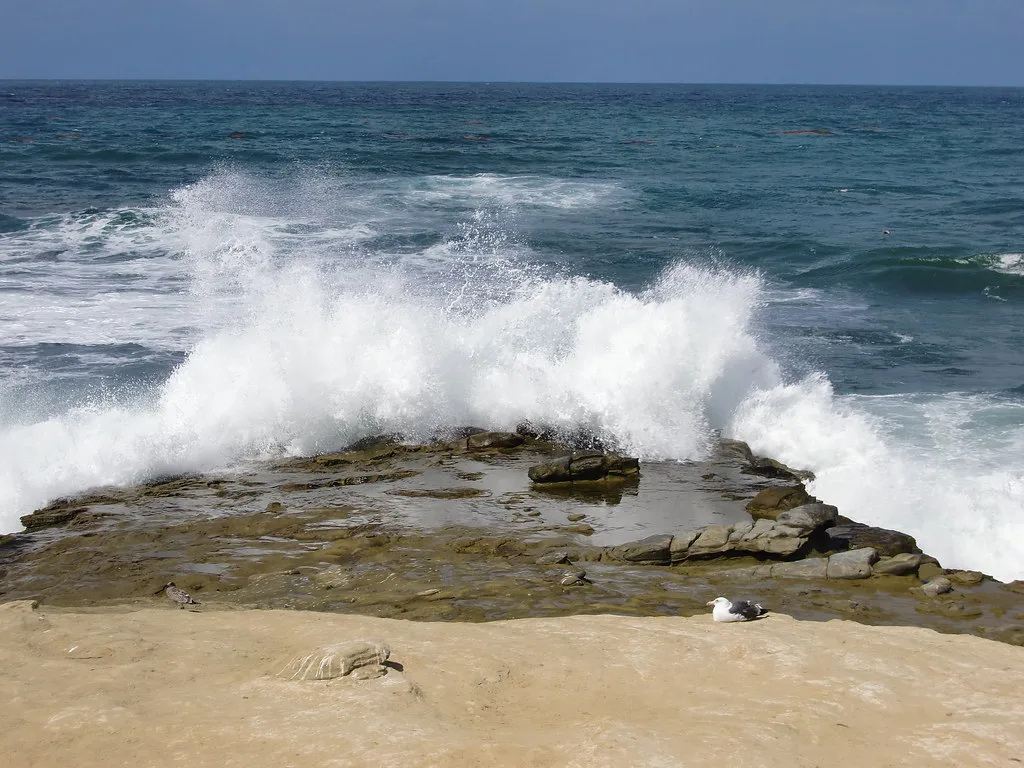
Lifeguards are normally on duty and keep a close watch on people inside the cove, so swim where they can see you. The cove shelters you from the usual wave direction, but it is still open ocean, and an occasional larger set can push through. Watch your distance from the rocks so a surge does not bounce you onto them.
Currents outside the cove are the thing to ask about before you swim to the kelp or around the point. Low visibility and moving sea grass add a disorientation risk that has little to do with fitness. If the water looks murky and the surge is working the grass, shorten the swim rather than pushing out.
Wildlife Rules
Sea lions and harbor seals are protected marine mammals, and the reserve exists partly because they rook here. Keep a respectful distance on the water and on the rocks, never touch, feed or chase them, and do not block an animal's path to the water. If a sea lion swims toward you, hold still and let it pass rather than reaching out.
Guided Tour or Going on Your Own
A guided cove tour is essentially a gear-and-orientation shortcut: wetsuit, mask, fins and snorkel are included and a guide leads you to the sea lion rookery and sea cave area. The published afternoon tour starts at 1:00 pm at La Jolla Cove, lasts about two hours after a briefing, runs with a minimum of two snorkelers and costs $85 per person as listed, with a full refund if the minimum is not met. Book directly and read the release forms before the day.
Going on your own costs less and gives you the cove at the hour you choose, but you supply and carry everything and make your own read of the water. A middle path works well: rent gear locally, do a first swim inside the cove, then decide whether the kelp is worth a second outing. Small-group tours inside the reserve also exist if you want company without a large crowd.
Parking, Access and the Walk Down
Park along Coast Boulevard north of Ellen Browning Scripps Park, or continue on Prospect Street and turn right on Girard Avenue to reach the park. Spaces near the cove fill fast in summer, so arriving early in the day leaves you a shorter walk with gear. From the park it is a short descent to the sand, which is the reason a cove day needs less logistics than a boat dive.
Facilities are the park's: bluff-top lawns, paths and views, with the beach below. Bring water, sun protection and a bag for wet gear rather than counting on rental counters at the sand. The bluff makes a good base for a picnic between swims and for watching the water before a second entry.
Nearby Spots to Combine
La Jolla Shores, a short drive north, is the sandier, gentler beach where the leopard shark snorkel happens in season, and it makes an easy second stop if the cove is crowded or murky. The two beaches fish differently and swim differently, so a single day can cover both without moving the car far.
If you are building a longer trip, pair the cove with La Jolla Shores Beach for a gentler entry and consider a separate morning for the shark season rather than cramming everything into one swim. Give each spot its own window and you will get more out of both. If you are extending the trip up the coast, snorkeling in Catalina Island makes a natural next comparison for sheltered, reserve-style swimming.
Plan Your Cove Day
Build the day around a single fact: La Jolla Cove is small, sheltered and easy to enter, and the good snorkeling is concentrated inside it. Get there with a wetsuit and gear sorted, swim the inner cove first, then decide about the kelp on the lifeguards' read of the currents. Keep the sea lions at a distance, skip the caves, and leave room for the fog to lift.
Reserve a guided tour only if you want the gear and the orientation handled, and compare the per-person price against renting a wetsuit and fins yourself. Either way, the cove rewards an unhurried, modest plan over a long list of targets.
Frequently Asked Questions
Is there good snorkeling in San Diego?
Yes, and La Jolla Cove is the centerpiece. It is a protected reserve below Ellen Browning Scripps Park with sand entry, Garibaldi, other near-shore fish and sea lions on the north rocks. Visibility is variable and often modest close in, so plan for a small, sheltered swim rather than a long reef traverse.
When is the best time to go snorkeling in San Diego?
Late summer brings the warmest water. Mornings often start foggy on this coast, so a later slot in the day usually gives better light, and fog can also return mid-day. Watch the bluff before you gear up and keep a backup window.
Can anyone snorkel in La Jolla Cove?
The sand entry and small inner cove suit beginners, adults and children who are comfortable in the water. Strong swimmers can head for the kelp; weaker swimmers and young kids should stay inside the cove where lifeguards can see them. Guided tours require children to be over 13 and at least 100 pounds, with lighter children bringing their own full-body wetsuit.
Do you need a wetsuit to snorkel in La Jolla Cove?
Many people swim without one, but this is temperate water and an hour is enough to get cold. A shorty wetsuit makes the session longer and more comfortable. Guided tours include a wetsuit, and renting one in the Mission Beach area can be cheaper than in La Jolla.
Should you snorkel the sea caves in La Jolla?
No. The caves need a very low tide to show much, and wave surge against the rock is the main feature even then. Entering a cave with a swell running is not a sensible snorkel, so look from outside if you go at all and stay clear of the rocks.
Where do you park for snorkeling at La Jolla Cove?
Park along Coast Boulevard north of Ellen Browning Scripps Park, or take Prospect Street to Girard Avenue for the park. Spaces near the cove fill quickly in summer, so an early arrival shortens the walk with gear.
Can you snorkel with sea lions at La Jolla Cove?
You can snorkel in water where sea lions live, and they are commonly visible on the north-side rocks. An in-water encounter is never guaranteed. Keep your distance, never touch, feed or chase them, and hold still if one swims past.
Is it cheaper to rent snorkel gear in La Jolla or Mission Beach?
Wetsuit rentals in the Mission Beach area can cost less than in La Jolla, and gear likely follows the same pattern. The trade-off is the drive. If you are staying near the cove, renting locally saves time; with a car and a full day, pick up gear on the way.
Sources
Snorkeling notes for your next trip
Optional updates to our snorkeling guides.
You might also like
Continue reading
More guides you'll find useful