Snorkeling in Puerto Rico: Where to Go and Tours
Plan a Puerto Rico snorkel day with shore entries at Escambrón and Condado, offshore reefs, and guided boat tours from San Juan and Fajardo.
On this page
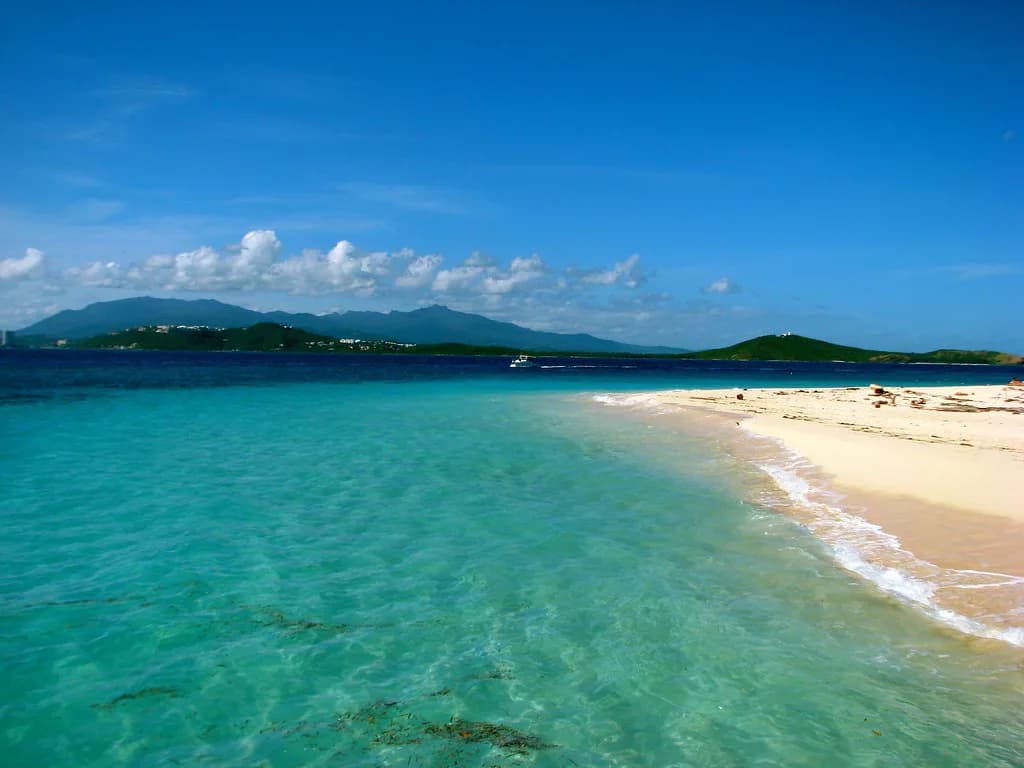
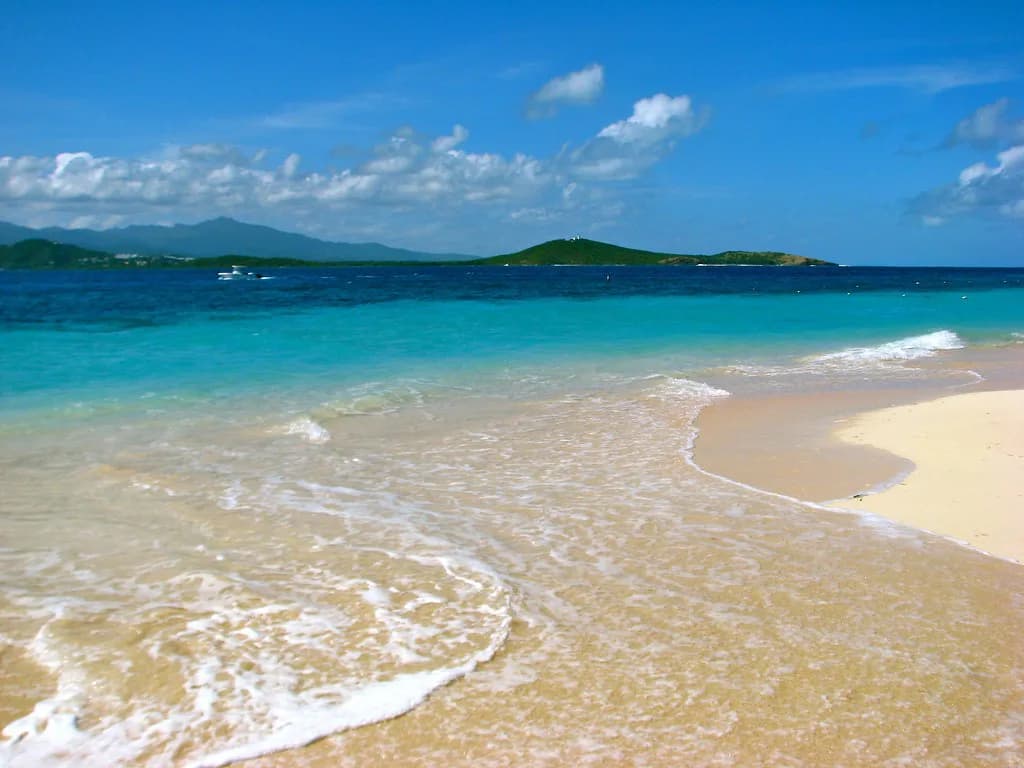
Puerto Rico works as a snorkel destination because it lets you choose your entry: a sheltered metropolitan beach you can reach on foot from Old San Juan, a deeper drop-off for confident swimmers, or a boat ride to reef that never touches shore. That range makes the island useful for mixed groups, where one person wants calm water and another wants a wall of fish.
The practical divide is simple. San Juan holds the shore snorkeling, with Playa El Escambrón as the anchor and Playa 9, Condado and Ocean Park filling out the city coastline. The northeast coast and offshore sites reached from Fajardo and Vieques require a boat, which changes your timing, budget and skill requirements.
How Puerto Rico Divides Up for Snorkelers
Think of the island in two layers. The shore layer sits in and around San Juan, where rock and coral formations break the Atlantic swell and let you walk in from sand. The boat layer reaches reefs and cays that are too far or too exposed to swim to, departing from San Juan marinas or from the east coast around Fajardo and Vieques.
That split should drive your itinerary before you pick a specific beach. If you have a rental car and one free morning, a shore entry in San Juan gets you in the water fastest. If your group wants turtles and deeper reef, book a boat and accept the half-day block that comes with it.
Playa El Escambrón: The San Juan Shore Entry
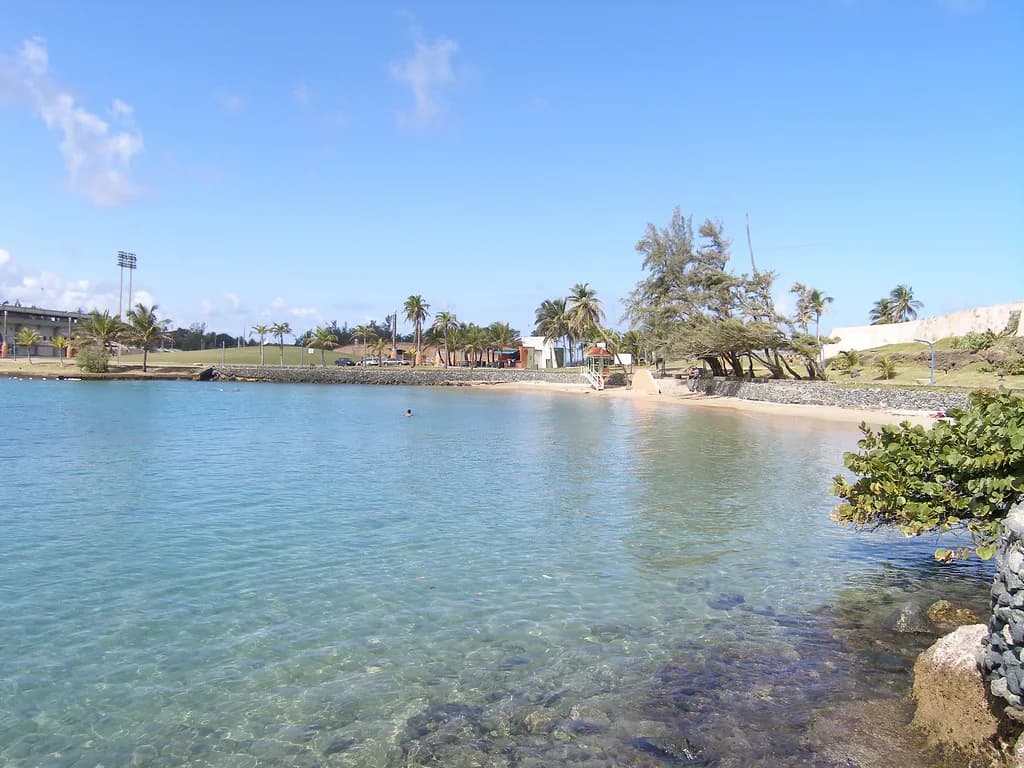
Playa El Escambrón sits beside the Caribe Hilton and a short walk from Luis Muñoz Rivera Park, which makes it the most convenient real snorkel from the city center. Rock and coral formations shelter the beach from Atlantic surf, so the water inside the cove stays calm enough for young children and first-timers to float with a mask.
You enter from sand, and the coral and its inhabitants sit close enough that you can see fish with very little effort, which is exactly what makes this the family pick. Plan a morning visit: the same sheltering rocks that block swell also mean the bay is small, and it fills quickly once tour groups and beachgoers arrive.
Playa 9: Deeper Water East of the Park
Walk east of Luis Muñoz Rivera Park and the beach continues as Playa 9, where concrete boulders mark a deep drop-off and more fish than the sheltered cove holds. The trade-off is real: fewer crowds and better sightings come with deeper water and no coral shelf to stand on, so this suits confident swimmers rather than kids.
Treat Playa 9 as a second swim after you have warmed up in Escambrón, not as a first-timer's entry. Stay close to the boulders where the bottom drops, keep a buddy in sight, and watch for the occasional surge that pushes through the gap between the park and the open Atlantic.
Condado Beach: Urban Access, Stronger Water
Condado gives you high-rise hotels, restaurants and bars within walking distance of the sand, but the water here carries stronger tides and is not suited to young snorkelers. Use it for a swim and a meal rather than as your main snorkel stop, and keep children close to the shore.
If you are staying in Condado without a car, this is still your easiest place to get wet, and the urban setting means you can be back in a hotel shower within minutes. The compromise is that the interesting bottom lies farther out, so a mask and fins help more here than at Escambrón.
Ocean Park Beach and the Half-Mile Reef
Ocean Park Beach runs along the Condado coastline with clear water and reef roughly half a mile offshore. That distance is the whole story: you cannot swim it comfortably from the sand, so the approach is a kayak or paddleboard out past the breaking waves, then a mask-and-snorkel drop.
This is a good option for paddlers who snorkel, and a poor one for anyone who wants to walk in. Launch through the waves rather than beside them, secure your board or kayak with a leash, and plan the return before you get absorbed in the reef.
Getting There, Parking and Facilities
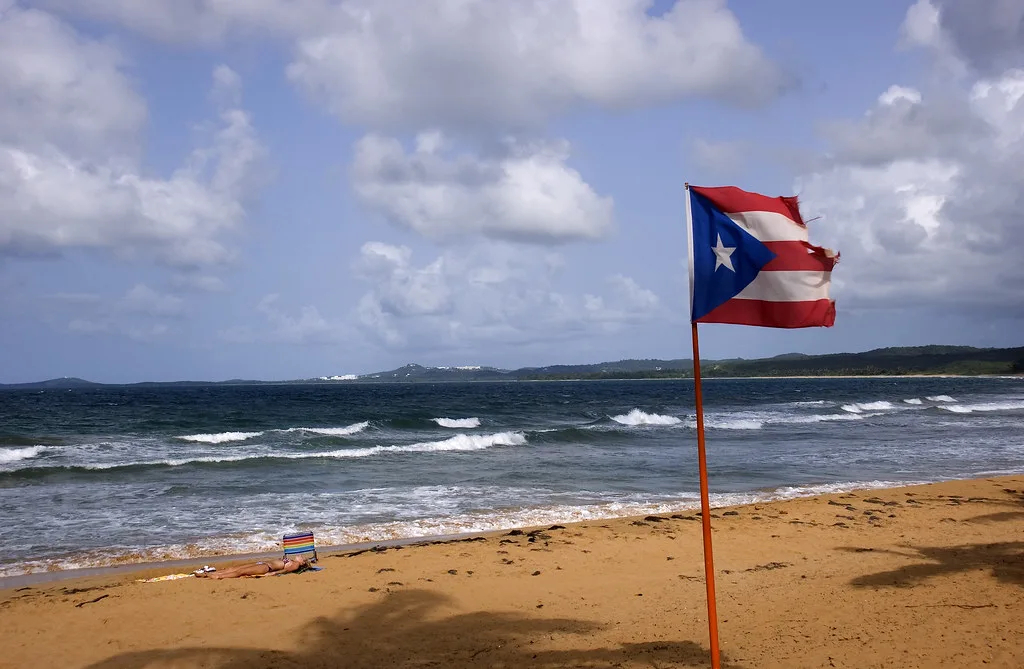
Escambrón is a short walk from Old San Juan and reachable by direct transport from the city, and parking at the beach area is free. Luis Muñoz Rivera Park next door gives you a playground for kids, shade and benches, which makes the day workable even when someone in the group does not snorkel.
Build the day around the park as your base: snorkel in the morning while the cove is quiet, then use the park for lunch and a break before a second swim. Bring your own mask and snorkel, since the convenience of a city beach does not guarantee gear rental on the sand.
What You Will See
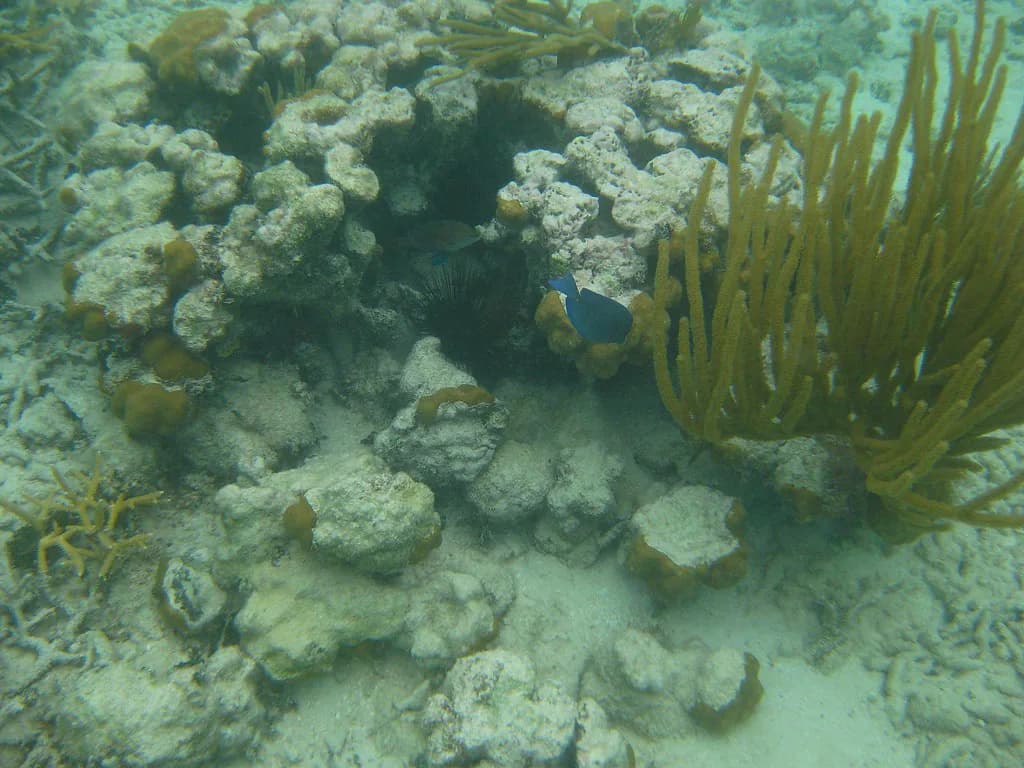
In the sheltered San Juan formations, expect the ordinary reef cast of tropical fish working around coral heads in shallow water, with visibility best on calm mornings. The appeal here is proximity and calm rather than spectacle, and that is what makes it a strong first-snorkel experience.
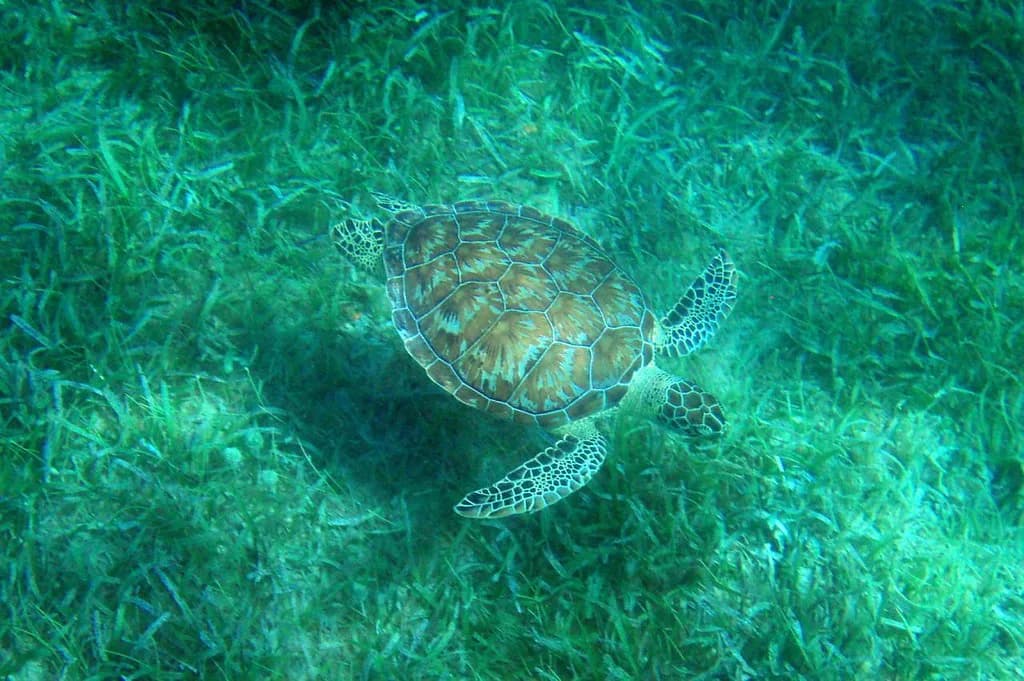
Guided boat trips out of San Juan add turtles and a wider range of marine life, with operators running snorkel excursions that combine reef stops with time in the water. Boat access is what gets you to the animals and coral that shore entries cannot reach, so treat the two as complements rather than rivals.
Choosing a Tour: San Juan Versus Fajardo and Vieques
San Juan departures keep your travel time short and suit a group with mixed confidence. A standard San Juan snorkel tour runs about an hour and a half for ages eight and up, while the jet-snorkel version extends to roughly two hours and adds propulsion units for covering more ground.
Fajardo and Vieques departures cost more time and money but reach clearer water and livelier reef, with Vieques the standout for reef formations and marine life. Half-day trips in this category run three to six hours, so book them for a day you are willing to give entirely to the water.
Match the age minimums to your group before you commit. Younger children fit better on the calmer San Juan shore entry at Escambrón, while eight-and-up minimums on boat tours are common and worth checking when you book.
Jet Snorkeling and Night Snorkeling
Jet snorkeling adds a battery-driven unit that pulls you through the water, so you cover more reef in the same session and spend less energy kicking. It suits strong swimmers who want distance, and it is a poor fit for anyone who would rather float quietly over a coral head.
Night snorkeling uses LED and UV lights to show a different set of animals after dark, with a ten-and-up age minimum on the San Juan night trip. Take it as an add-on rather than a first snorkel: comfort in the water matters more when you cannot see the horizon.
Best Time of Day and Season
Morning is the reliable window on the San Juan coast: lighter wind, flatter water inside the cove and fewer people at Escambrón. Afternoon trade winds build chop on the exposed stretches, which hits Playa 9 and Condado harder than the sheltered coral of Escambrón.
Pick your side of the island by the swell rather than the calendar. When the north coast is stirred up, the protected east and south coasts are the better bet, and boat operators will move their sites accordingly. Ask the company running your boat which site they expect to use before you pay.
Safety and Reef Etiquette
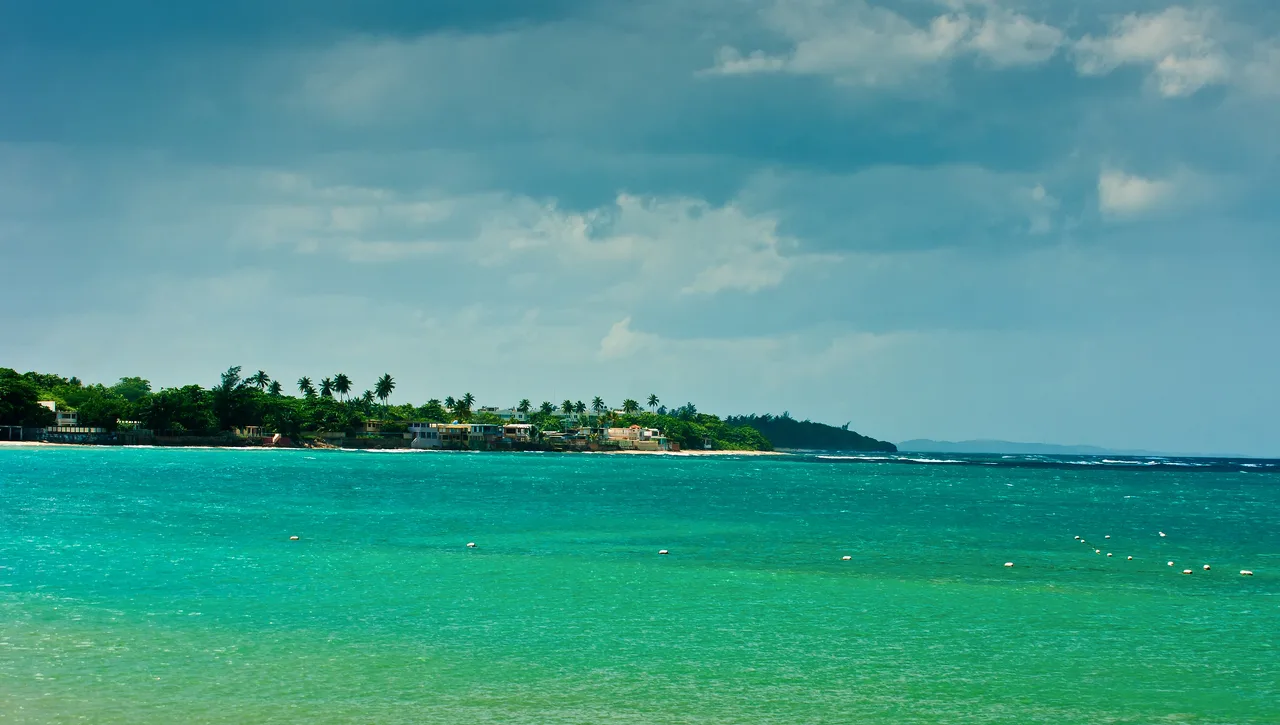
The hazards here are ordinary and specific: stronger tides at Condado, a deep drop-off beside the boulders at Playa 9, breaking waves on the Ocean Park approach, and boat traffic around offshore reef. None of that should stop you, but each one should decide where you swim and with whom.
Follow the wildlife rules that tour companies and agencies such as the Puerto Rico Department of Natural and Environmental Resources publish. Do not touch, feed or chase sea turtles and other marine life, keep a respectful distance, and use reef-safe sunscreen where it is required. Those habits protect the reef that makes the trip worth booking.
Skill and Age Fit
First-timers and families with young children belong at Escambrón, where sand entry, shelter from Atlantic swell and shallow coral make the learning curve gentle. Confident swimmers can add Playa 9 for the deeper drop-off and Ocean Park for the reef if they are comfortable handling a kayak or paddleboard through waves.
Boat sites suit everyone else, including groups that want turtles without navigating an entry. On Culebra, shore snorkeling off Flamenco Beach is a separate, calmer proposition worth reading up on before you commit to a ferry day.
On the west coast, Crash Boat Beach in Aguadilla offers another shore option with its own entry and conditions. Compare it against the San Juan beaches if your itinerary swings that way, and if you are weighing a mainland state trip, use this guide to snorkeling in Florida to compare shore entries and boat reefs there.
Combining Spots Into One Day
A practical San Juan day pairs an early Escambrón snorkel with park time, then either a second swim at Playa 9 for stronger swimmers or an afternoon boat trip. The city layout keeps driving to a minimum, and Old San Juan is close enough to fill the evening.
If you have a full day and a car, run a morning boat trip and spend the afternoon on a calm beach rather than attempting two demanding entries. Sun, salt and a mask add up, and the second swim is always better when you are not already tired.
Plan Your Visit
Choose your entry first and the rest follows: Escambrón for a calm family morning, Playa 9 or Ocean Park for confident swimmers, and a boat from San Juan, Fajardo or Vieques for turtles and offshore reef. Book the boat trip early in your stay so a windy day does not cost you the whole experience.
Pack your own mask and snorkel, plan around morning wind, and follow the wildlife and reef-safe rules wherever you swim. Then the island's mix of city beach and open reef works exactly as it should.
Explore more Puerto Rico snorkeling
- Crash Boat Beach Snorkeling
- Escambrón Beach Snorkeling
- Flamenco Beach Snorkeling
- Culebra Snorkeling
- Puerto Rico Snorkeling Tours
- San Juan Snorkeling
- Fajardo Snorkeling Guide
- Icacos Island Snorkeling
- La Parguera Snorkeling
- Rincon Snorkeling
- Shacks Beach Snorkeling
- Snorkeling Tamarindo Beach, Culebra
- Vieques Snorkeling
Frequently Asked Questions
Where is the easiest shore snorkeling near San Juan?
Playa El Escambrón, beside the Caribe Hilton and a short walk from Luis Muñoz Rivera Park. Rock and coral formations shelter it from Atlantic swell, so the entry is from sand and the water stays calm enough for children and first-timers.
Can beginners snorkel at Playa 9?
Playa 9 is better for confident swimmers. The water is deeper beside the concrete boulders with a drop-off that holds more fish, and there is no shallow coral shelf to stand on, so start at Escambrón and move east once you are comfortable.
How do you reach the reef at Ocean Park Beach?
The reef sits roughly half a mile offshore, so you paddle out by kayak or paddleboard past the breaking waves and then snorkel from the board. It is not a swim-from-the-sand site.
Should I book a boat tour or snorkel from shore?
Shore entries give you flexibility and low cost, while boat tours reach reef and marine life you cannot swim to. San Juan departures are short and convenient, and Fajardo or Vieques trips run longer half-days for clearer water.
Is snorkeling at Condado Beach suitable for kids?
Condado has stronger tides and is not the spot for young snorkelers, even though restaurants and hotels are steps away. Use it for a swim and keep the actual snorkeling for Escambrón.
What should I bring for a Puerto Rico snorkel day?
Bring your own mask and snorkel, reef-safe sunscreen, water and a rash guard for sun protection. Add fins if you plan to cover distance at Ocean Park or Playa 9, where the interesting bottom lies farther out.
Which side of the island is calmer when the north coast is rough?
The protected east and south coasts usually hold up better when north-coast swell builds. Boat operators shift their sites to match conditions, so ask which site they plan to use.
Sources
Snorkeling notes for your next trip
Optional updates to our snorkeling guides.
You might also like
Continue reading
More guides you'll find useful