Rincon Snorkeling: Tres Palmas Marine Reserve Guide
Rincon snorkeling happens at the Tres Palmas Marine Reserve, where you wade in from the sand over a shallow reef. Here is how entry, tours and timing work.
On this page
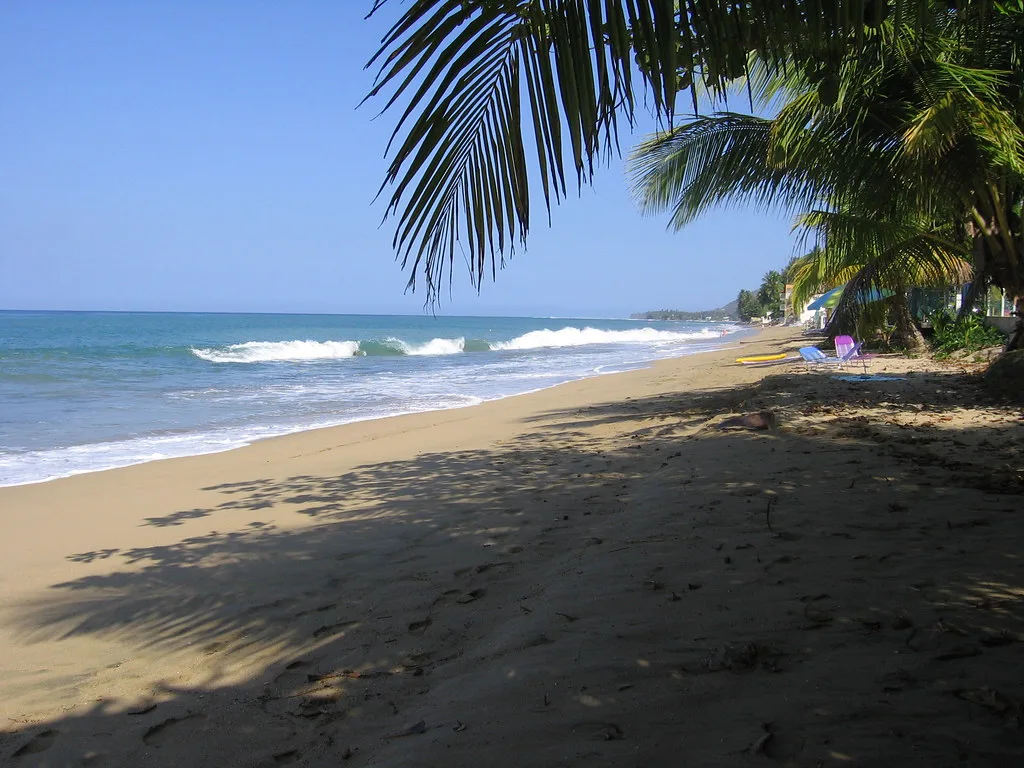
Rincon snorkeling is shore snorkeling at its most straightforward: you walk into the Tres Palmas Marine Reserve from the sand on Puerto Rico's west coast and spend your time over a shallow reef rather than a deep drop-off. That beach entry, with no boat ride to a mooring, is what makes the reserve a good fit for first-timers, families with children and anyone who would rather keep the swim short and the exit easy.
The trade-off is exposure. Rincon faces the surf coast of western Puerto Rico, so the same swell that draws surfers shapes whether the water at the entry is calm enough to snorkel comfortably. Plan a flexible morning, watch the surf report, and treat the guided option as insurance on days when you want a briefing and a flotation vest before you get in.
What makes Rincon snorkeling worth the swim, and who it suits
The reserve sits in Rincon, the west-coast town where operators run shore-based snorkel trips instead of boat charters. PADI Adventures lists a half-day Tres Palmas tour out of Rincon Diving & Snorkeling, a PADI 5 Star Dive Center on Ave Dr Albizu Campos, that meets for check-in and gear fitting before the group drives to the water.
The reserve rewards snorkelers who are content to hover over coral and watch small reef fish go about their day; it is not a site for hunting big pelagics or covering long distances. Because the tour is pitched at basic swimmers with no certification required and a minimum age of five, it suits households where one person is confident and another is not.
If you are building a wider island itinerary, the reserve is one piece of a larger picture of snorkeling in Puerto Rico, where east-coast beaches and offshore islands offer very different entries and water clarity. Use the west coast for a beach-entry reef and save the boat days for the islands.
Where Tres Palmas Marine Reserve is and how to reach the entry
Tres Palmas lies along the Rincon shoreline, and Rincon Diving & Snorkeling's published meeting point is the dive center on Ave Dr Albizu Campos in Bo Pueblo, Rincon, where you check in and get fitted before heading to the beach. The drive from the center to the entry point takes about five minutes, and participants follow the guide in their own vehicles.
Transportation to the beach entry is not included in the tour, though the dive center notes that guides have limited passenger space and can arrange a ride in advance if you call ahead, with additional charges possible. If you are driving yourself, treat the short hop as part of the day and arrive at the center already in your swimsuit.
Getting in: sand beach entry, no boat required
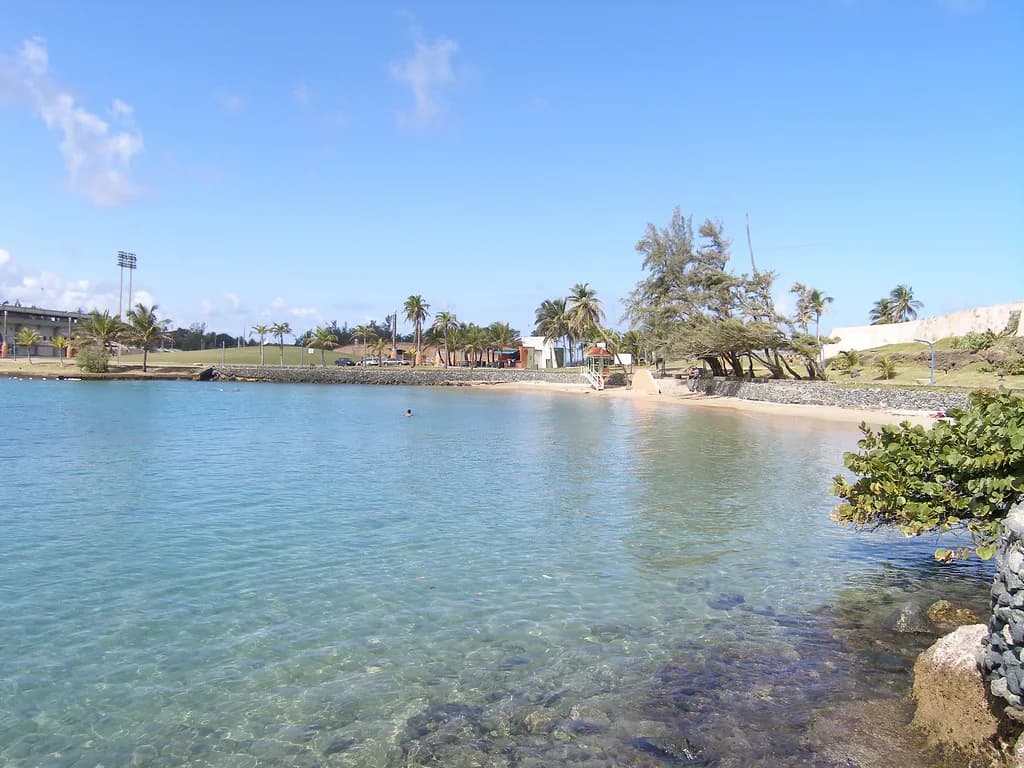
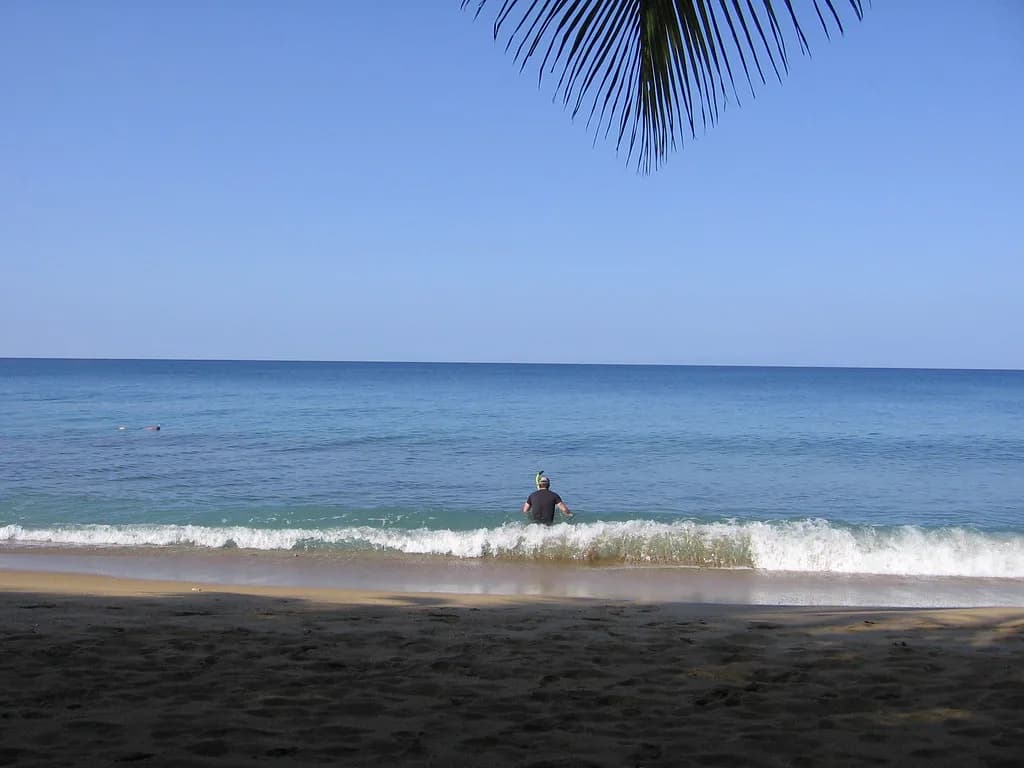
The defining feature of a Tres Palmas snorkel is that you enter right at the beach. The tour materials describe no boat leg at all: guides take you from shore into the reserve, which means you walk in, put your mask on in waist-deep water and start looking down.
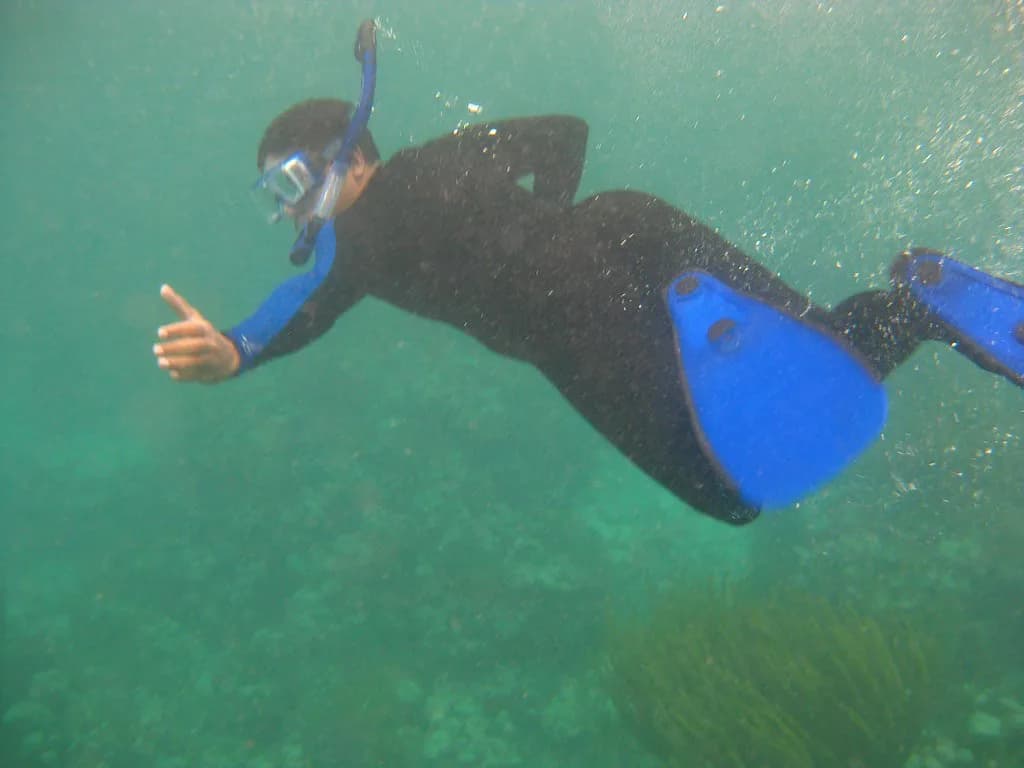
That entry style changes how you should prepare. Fins go on in the shallows, not at the car; a flotation vest is worth wearing even if you swim well, since it lets you float and look instead of treading water; and a rash guard or shorty wetsuit protects against sun and the occasional chill Rincon Diving & Snorkeling keeps rental suits on hand for.
Independent snorkelers use the same beach approach, so the practical routine is identical whether you book or not: park, walk to the sand, watch the water for a few minutes to see how the swell is breaking, and only then gear up.
How far out the reef is, how shallow it stays, and how to read the layout
The reserve is described as a shallow local reef reached from the beach, and the tour is built around teaching the mechanics of snorkeling on that kind of shallow structure rather than on a deep wall. Practically, that means the reef begins within easy swimming distance of the sand and the interesting terrain sits close to the surface, so you spend your time gliding and hovering rather than descending.
Read the layout before you commit. Swim out along the calmest line you can find, keep your body flat and your fins below the surface so you do not kick coral, and pick a visible landmark on shore to steer back by. On a shallow reef the return is short, so turning around early costs you little.
What you will see: coral, tropical fish and other marine life
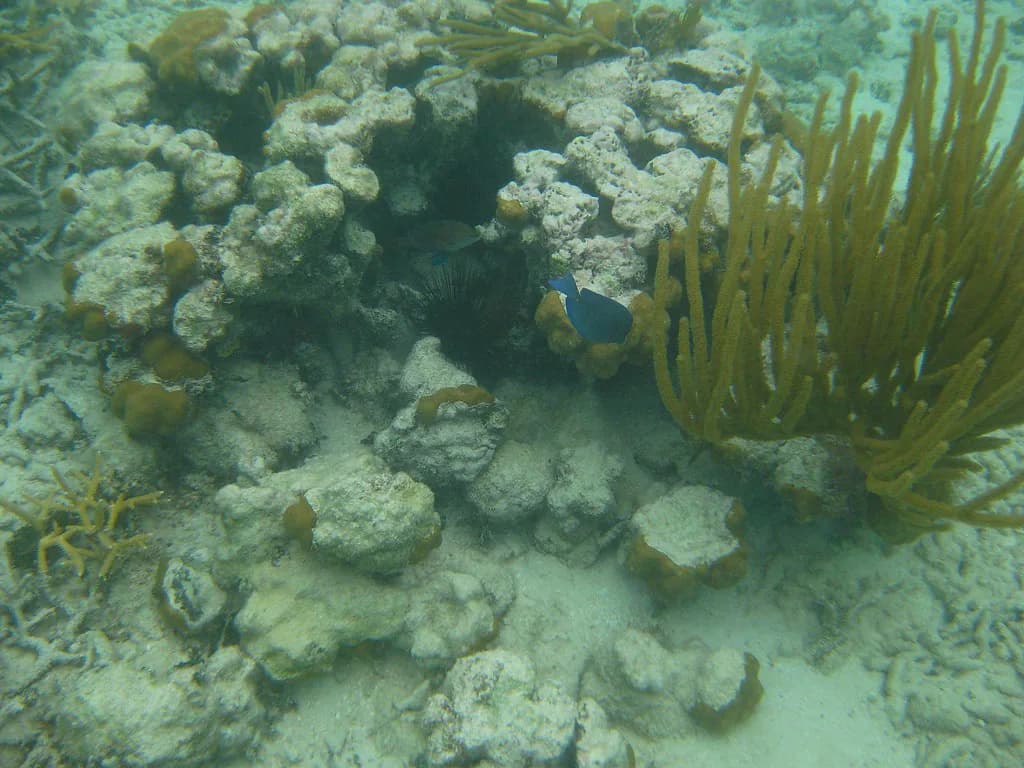
Expect a working Caribbean reef rather than a stage set: colorful coral, tropical fish moving in and out of the structure, and the general bustle of a protected marine area. Guides on the Tres Palmas tour point out species and explain what you are looking at, which turns a float into something closer to a naturalist walk.
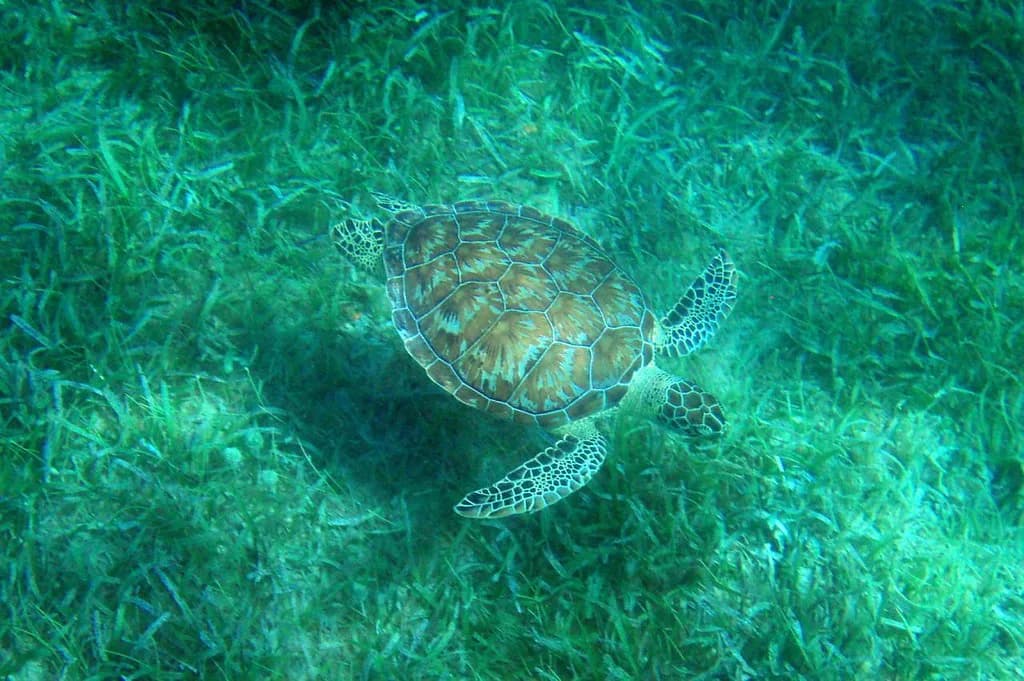
Larger animals are a bonus, not a schedule. Local dive operators in the Rincon area publicize encounters with sea turtles and nurse sharks on their trips, but reef wildlife moves freely and no operator can promise a sighting on a given morning.
Whatever shows up, keep your distance and let the animal choose the gap. Do not touch, feed or chase anything, and give turtles room to surface for air; a slow, quiet approach in small groups is both better etiquette and a better show.
Skill level: basic swimming ability, kids and first-timers
The published requirement is basic swimming ability, not certification or prior snorkel experience, and the tour welcomes complete beginners with instruction built in. Minimum age is five, and Rincon Diving & Snorkeling asks families with children under eight to call so the booking can be handled with extra attention.
Group size is capped at twelve participants per guide, and every participant is issued a flotation device alongside mask, snorkel and fins. For a nervous first-timer that ratio plus a vest is the difference between a tense float and an enjoyable one.
Strong swimmers who want a self-guided day can still use the beach entry, but they should honestly assess the surf before committing; the reserve is not a pool, and a basic-swimmer skill level is a fair description of what the water demands.
Guided tours versus going on your own
Booked through PADI Adventures, the half-day tour runs about three hours including check-in, equipment fitting and a briefing, and it includes mask, snorkel, fins, a flotation vest and drinking water, with a wetsuit and underwater camera available as extra rentals at checkout or in the shop.
Tours finish at the beach rather than back at the center, and free cancellation applies with at least 24 hours' notice, which gives you room to bail if the west-coast swell turns the entry ugly. Prices and available dates are listed on the booking page and change by season, so price the trip there rather than from a third-party summary.
Going unguided saves the fee and lets you snorkel at dawn before the trade wind picks up, but you supply your own gear, your own briefing and your own judgment about conditions. A middle path is to take one guided session to learn the reef layout and the equipment fit, then return on your own later in the trip.
Best time of day, season and swell direction
Morning is the reliable window on Puerto Rico's west coast: the wind is typically lighter, the water flatter and the beach emptier before midday. Get in early, snorkel your best stretch first, and leave the afternoon for the drive or a second beach.
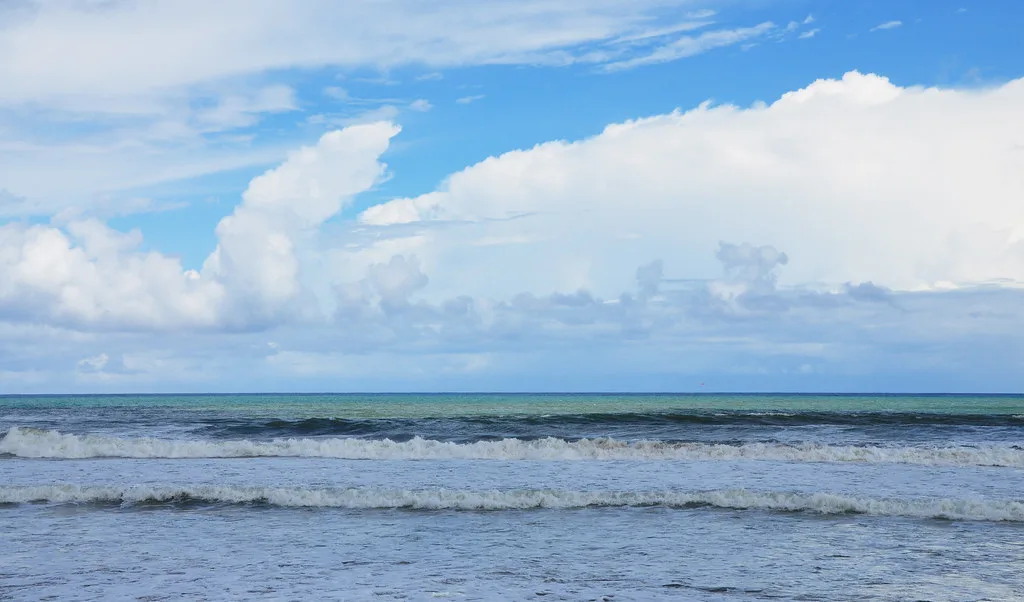
Swell is the deciding variable rather than the calendar. Rincon is a surf destination, and when a north or northwest swell is running the shore break at exposed west-coast beaches builds accordingly, so match your plan to the surf forecast and shift to a calmer stretch of coast if the entry looks surging.
Hazards: surf, surge and rocky sections
The honest risk profile here is shore-break surf, surge pushing you toward the beach, and the rock and reef structure itself. On a shallow reef a wave that looks small from the sand can drop you onto coral, so enter and exit through the sand channel where the guide points you and keep your hands off the bottom.
The tour requires basic swimming ability and provides flotation vests for a reason: a vest keeps you off the reef when a set rolls through and makes the swim back to the sand far less tiring. If the surf is up and you are not comfortable reading it, take the guided option or pick another day.
Parking, facilities and what to bring
Bring your swimsuit already on, a towel, drinking water and reef-safe sunscreen applied before you arrive so it soaks in rather than washing off over the reef; Rincon Diving & Snorkeling sells ocean-friendly sunscreen if you need a bottle. That is the dive center's stated routine, and it doubles as good practice for independent snorkelers.
If you are snorkeling without a tour, carry your own mask, snorkel and fins, plus water and sun protection, and leave valuables behind or locked out of sight. Beach parking along the Rincon coast varies by access point, so scout your spot in daylight and note where you left the car.
Rules in the marine reserve: reef-safe sunscreen and wildlife distance
Tres Palmas is a marine reserve, and the tour operator frames its trips around protecting the reef: guides cover how to identify fish and how to snorkel without damaging coral, and the briefing includes reef-friendly practices before you get wet. Treat the reserve as a look-only zone and keep fins, hands and knees clear of the bottom.
For wildlife, the default is distance: never touch, feed or ride anything, and let turtles and rays move away on their own terms. Checking in with the dive center before an independent swim is a quick way to hear about current reserve guidance and any local advisories.
Nearby spots and things to combine with a Rincon snorkel day
Rincon sits on the west coast, so pairing the reserve with other island snorkeling means either a second west-side beach morning or a longer transfer toward the east. Crash Boat Beach snorkeling near Aguadilla is the natural add-on for a west-coast itinerary, with a beach setting that pairs well with an afternoon after an early Tres Palmas swim.
If your trip reaches San Juan, the Escambrón Beach Snorkeling Guide covers a protected bay with a very different entry and a shorter swim to structure, useful as a contrast to Rincon's surf-facing shore.
Travelers who want the calmest, clearest water in Puerto Rico usually add a Culebra day, and Flamenco Beach snorkeling is the classic sandy-entry option there, best booked as its own outing rather than crammed into a Rincon morning.
Plan Your Rincon Snorkel Day
Build the day around an early beach entry at Tres Palmas, book the half-day tour if you want gear, a briefing and a flotation vest in the package, and keep the afternoon flexible for a second west-coast swim. Check the surf forecast the evening before and let the swell, not the itinerary, decide. If you are weighing this shore-entry reef against boat-reef alternatives elsewhere in the islands, snorkeling in St. Thomas is a useful comparison for how the same decision plays out.
Whichever way you go, the essentials are the same: enter through the sand, stay off the coral, give wildlife space and wear reef-safe sunscreen applied well before you reach the water.
Frequently Asked Questions
Is Rincon good for snorkeling?
Yes, if you want a shore-entry reef rather than a boat trip. Tres Palmas Marine Reserve is reached from the sand in Rincon, and the guided half-day trip is pitched at basic swimmers with no certification required, so beginners and families can take part.
Do you need a boat to snorkel in Rincon?
No boat is required for the Tres Palmas Marine Reserve. Guides walk you in from the beach and you snorkel the shallow reef from shore, which keeps the swim short and the exit simple.
How long does a Rincon snorkeling tour take?
The published half-day tour runs about three hours, including check-in and gear fitting at the dive center, a briefing, and the drive of roughly five minutes to the beach entry point. Participants follow the guide to the entry in their own vehicles.
Can kids snorkel in Rincon?
The minimum age on the Tres Palmas tour is five, and families with children under eight are asked to call so the booking gets extra attention. Every participant is issued a flotation vest, and groups are capped at twelve per guide.
Is there snorkel rental in Rincon?
Mask, snorkel, fins and a flotation vest are included in the half-day Tres Palmas tour, with a wetsuit and underwater camera available as extra rentals. Independent snorkelers arrange their own gear before heading to the beach.
When is the best time to snorkel in Rincon?
Morning usually brings lighter wind and flatter water on the west coast, so aim to be in the water early. Swell matters more than the calendar, and Rincon's surf exposure can make the beach entry surging, so match your plan to the surf forecast.
What will I see snorkeling at Tres Palmas?
Expect coral and tropical fish on a shallow reef inside a protected marine area, with guides pointing out species as you go. Sea turtles and other larger animals are possible, but reef wildlife moves freely and sightings are never guaranteed.
Which beach is best for snorkeling near Rincon?
Tres Palmas Marine Reserve is the standout shore-entry reef in Rincon itself. Crash Boat Beach near Aguadilla is a natural second stop on a west-coast day, and San Juan's Escambrón is a different, protected-bay option if your trip heads east.
Sources
Snorkeling notes for your next trip
Optional updates to our snorkeling guides.
You might also like
Continue reading
More guides you'll find useful