Culebra Snorkeling: Best Beaches, Reefs and How to Get In
Culebra snorkeling from the beach: where the reef starts at Flamenco, Melones, Carlos Rosario and Tamarindo, how to enter, and which spots suit beginners.
On this page
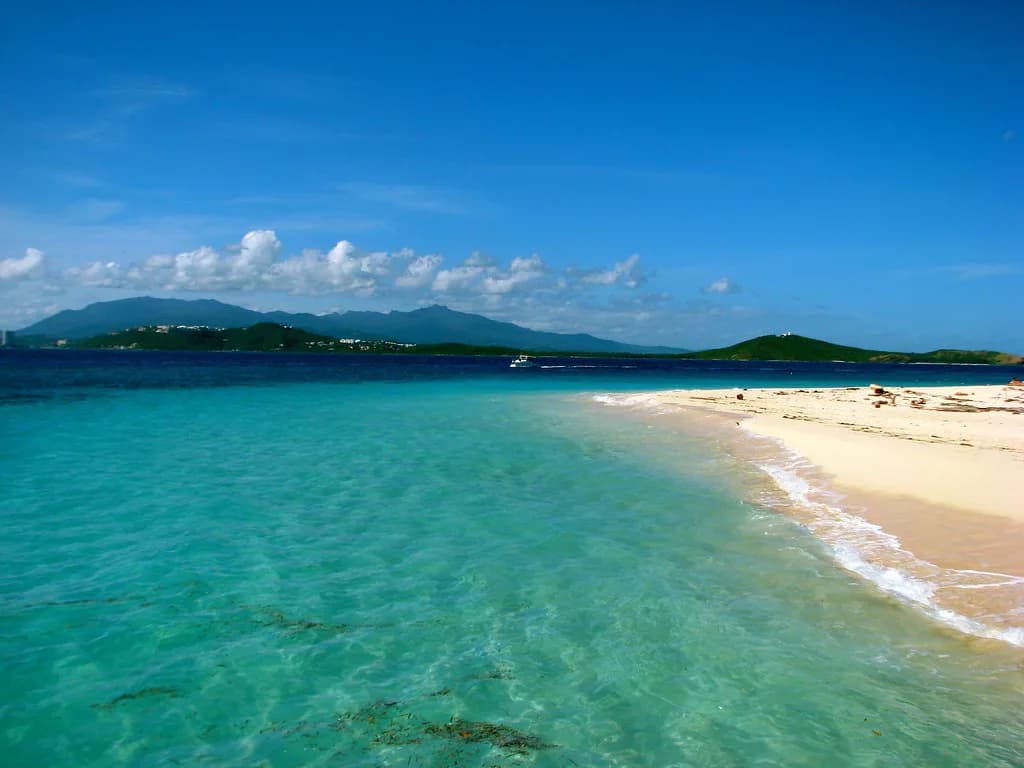
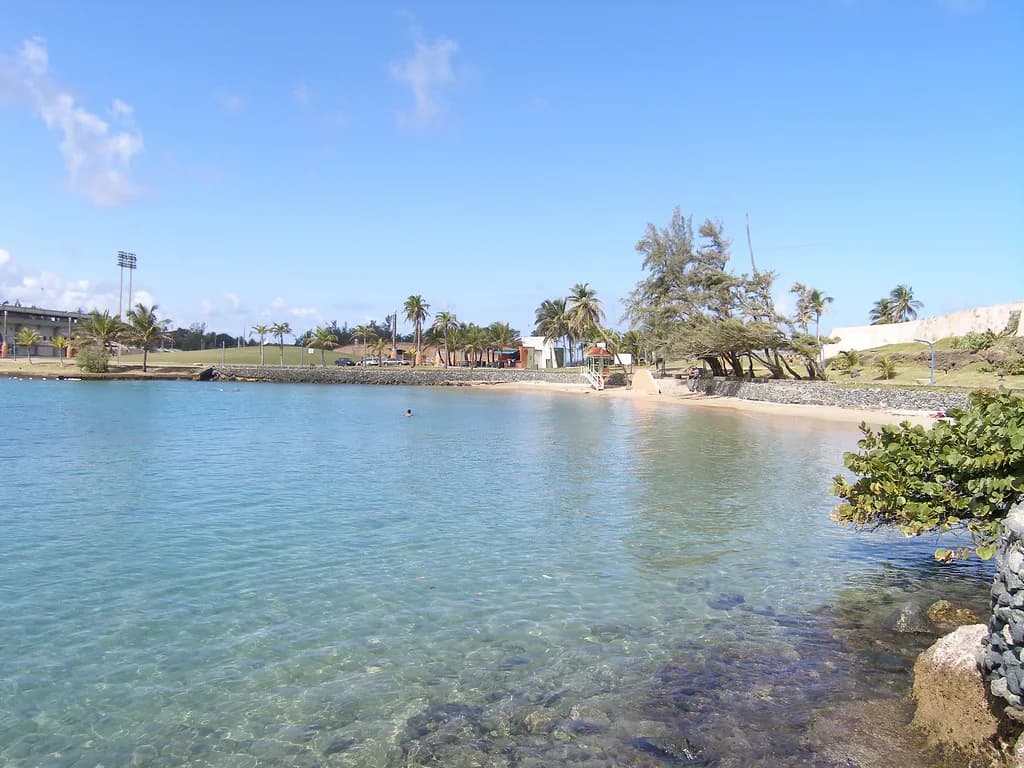
Culebra earns its reputation because the reef is close: at Melones and Tamarindo you park steps from the water and swim out over coral in minutes. Add a mostly undeveloped coastline, a coral island with no river runoff to cloud the water, and west-facing coves that shelter the reef from the northeast swell, and you get some of the most accessible shore snorkeling in Puerto Rico.
The island suits mixed groups well. Beginners and children can float over the shallow Melones reef, while stronger swimmers with a boat seat or a long beach walk can reach the coral gardens at Carlos Rosario. The trade-off is infrastructure: apart from Flamenco, the beaches described here have no lifeguards, so plan for self-rescue and carry flotation for everyone in your party.
Why the West Side Holds the Calm Water
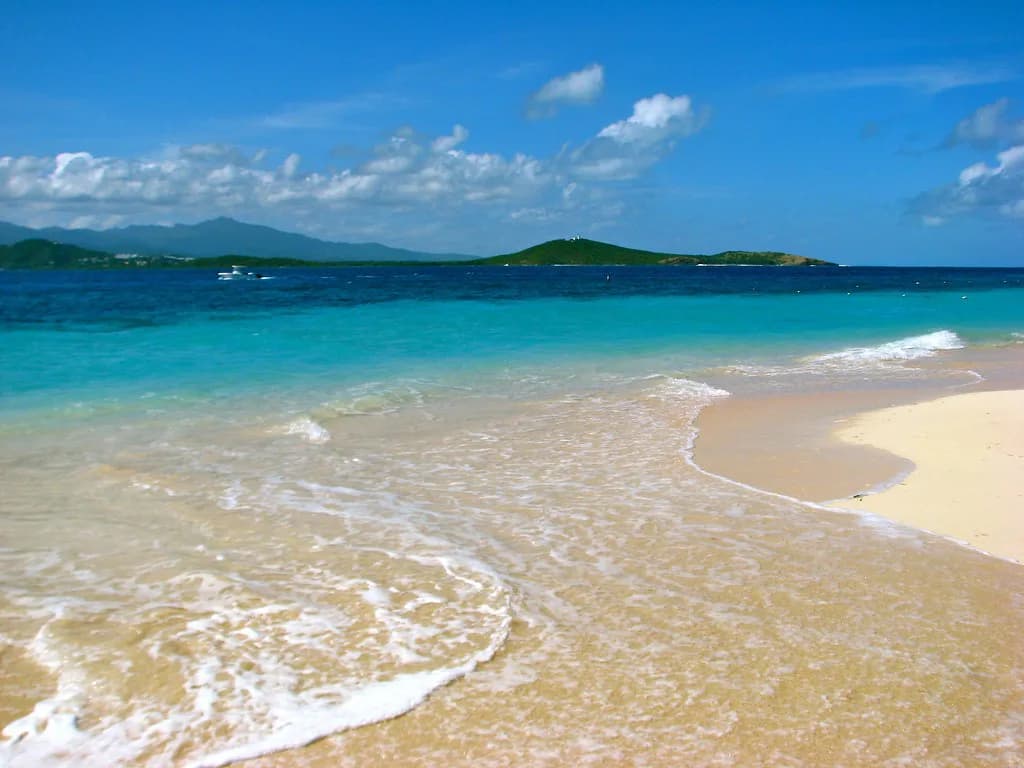
Culebra sits about 17 miles east of the Puerto Rico mainland, and its west-facing beaches are the leeward side, where land blocks most of the waves arriving from the north and northeast. That geometry, not luck, is why the snorkeling concentrates along this coast. Plan your day around the leeward coves and treat the windward east shore as a fair-weather alternative.
Because Culebra is a coral island rather than a volcanic one with rivers, there is no muddy runoff muddying the reefs, and large tracts of wildlife refuge keep development light. Visibility still rises and falls with sea and weather, so pick your beach on the morning you go rather than locking in a plan days ahead. The leeward beaches are not all sand; as you move south they turn rockier, which affects both where you sit and where you enter.
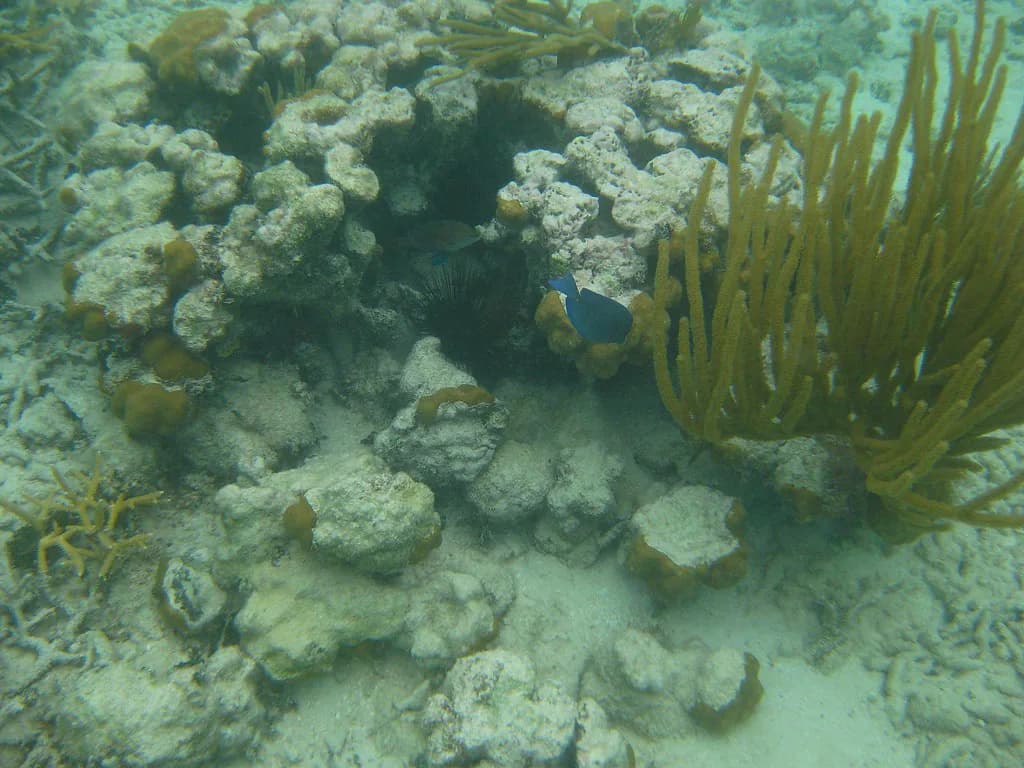
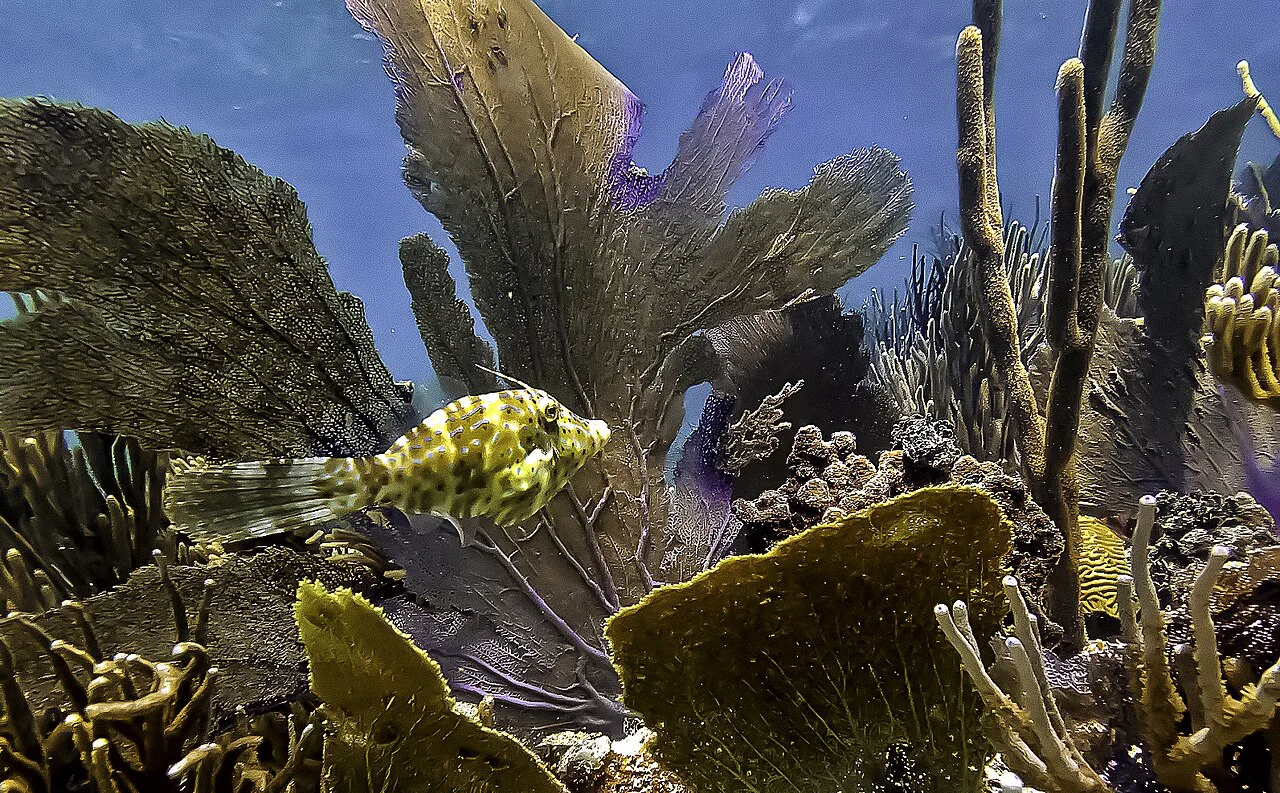
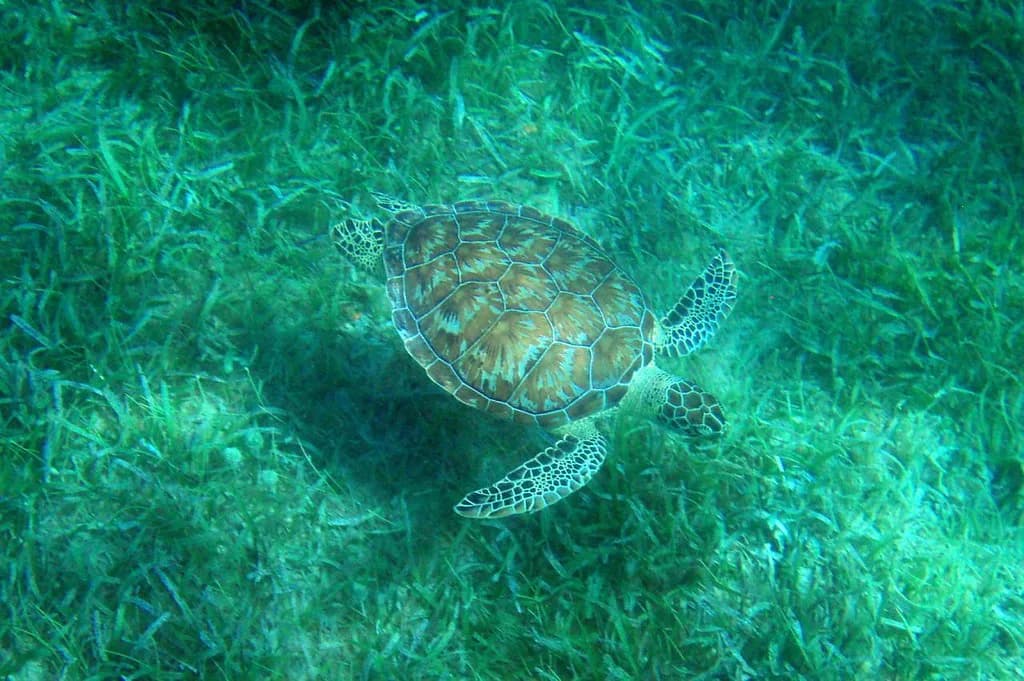
Underwater, the sandy gaps between reef hold southern stingrays, the seagrass beds draw green sea turtles, and the coral heads carry fans, hard corals and reef fish. Expect sea urchins tucked into crevices and fire coral on rocky surfaces, so keep your hands off the reef and watch where you put your feet when wading.
Flamenco Beach and Shark Cages
Flamenco is the island's famous white-sand beach, and good reef sits a short swim from shore. Most people follow the main path from the parking lot and head to the reef slightly left, where you will usually find other snorkelers. That section is heavily used and less healthy than it once was; a healthier system lies farther left and straight out from the tank on the beach.
The best reef on Flamenco is at the far east end, where the sand gives way to rock, a area known as Shark Cages or Muellecito. The reef runs right up to the beach here, so you enter and exit between two rows of concrete and rock, then snorkel around the concrete pilings and to the right. Follow the reef northeast and the water deepens, with current building as you approach the point; turn around before you tire, because the swim back is likely to be against that current and you must exit where you entered.
Flamenco is the one beach in this guide with lifeguards, which makes it the sensible base for a family day and the place to start if anyone in your group is uncertain in the water. Arrive early to claim shade and parking, and treat the east-end entry as the more demanding option while the main-path reef suits a first swim.
Melones Beach: The Easiest Reef to Reach
Melones is the simplest entry on the island for a shore snorkeler: you drive up, park steps from the sand, and walk in. Enter and exit just behind the Melones Beach sign and picnic table, then swim right toward the rocks jutting from the water. The underwater rock formations and reef there run about 10 to 15 feet deep, covered in fans, soft corals and hard corals.
That shallow depth and short swim make Melones the best pick for beginners, kids comfortable in deeper water, and anyone snorkeling without a boat. It sits inside the Luis Peña Channel Natural Reserve, and a large sign at the beach marks the water entry points and reef locations, so read it before you gear up.
Carlos Rosario and Tamarindo Grande
Carlos Rosario is widely regarded as Culebra's finest snorkel site, with the largest variety of corals and fish around the island in roughly 15 to 25 feet of water. The catch is access: these reserve beaches are no longer reached on foot from the Flamenco parking lot. Get there by boat or commit to a long walk along the beach from Tamarindo.
Tamarindo Grande, sometimes called Tamarindo II, is where that long beach walk delivers you, with a good reef to the left. Continue northwest along the trail and you reach Carlos Rosario. Both are part of the reserve, and a sign at each beach marks the entry points and reef locations.
For snorkelers who want the reserve's coral diversity without a boat, a small-group operator based on the island runs a guided reef tour that shortens the logistics and puts you in the water with someone who knows the sites. Compare that against the cost and time of arranging a water taxi, and decide whether the deeper reserve reefs are worth it for your group's comfort level.
Tamarindo Beach: Turtles and Stingrays
Tamarindo is the drivable reserve beach, and its draw is wildlife rather than coral architecture. Green sea turtles graze the seagrass just off the sand, often several at once, while southern stingrays rest in the sandy patches beyond the grass. The small reef near the far left is modest; the University of Puerto Rico plants coral there to help rebuild it.
Go early. Tour groups are typically in the water by mid-morning, and the small parking lot fills; one visitor who arrived at 11:30 found it nearly full with two large snorkel groups already swimming. Floating quietly above a grazing turtle at a respectful distance gives you a better view than following it, and it keeps you within wildlife-viewing rules.
Beyond the seagrass the bottom changes to shallow coral, and the edge where reef meets sand is where fish diversity climbs. Look for blue tangs, parrotfish, sergeant majors, butterflyfish and damselfish over the coral heads, plus feather duster worms and flamingo tongue snails on the sea fans.
Reserve Rules and Boundaries
The Luis Peña Channel Natural Reserve is Puerto Rico's first designated no-take marine reserve, covering roughly the rectangle formed by Carlos Rosario and Melones beaches on Culebra and the tips of Cayo Luis Peña. Carlos Rosario, Tamarindo Grande, Tamarindo and Melones all fall inside it. Read the posted sign at each beach before entering, since it marks the sanctioned entry points and reef areas.
No-take means exactly that: nothing leaves the water, and touching or standing on coral damages the resource the reserve exists to protect. Keep your distance from turtles and rays rather than chasing them for a photo, and wear reef-safe sunscreen to limit what washes off into the bay.
Punta Soldado and Zoni: The Trade-Offs
Punta Soldado requires a drive followed by a hot walk, unless you are willing to risk a rental car on a rough access track. Once on the beach, walk left to the large rock and snorkel left and back; the reef is decent but less rich in fans than the west-side spots, mostly underwater rock with growth around it. Some snorkelers also report reef to the right worth exploring.
Zoni, on the northeast windward shore, has reef by the rocks at the far right but is exposed to weather, waves, currents and rip tides. On a rough day the water is too turbulent to enter safely, and staying on the sand is the right call. Save Zoni for a calm forecast and check sea conditions before committing to the drive.
Skill Levels and Who Each Spot Suits
Match the spot to the weakest swimmer in your group. Melones and the main-path reef at Flamenco suit beginners and children who are comfortable in water over their heads, thanks to shallow reef and short swims. Shark Cages and the reserve reefs at Carlos Rosario demand more: deeper water, rock entries, and in Flamenco's case a current near the point.
Only Flamenco has lifeguards, so on every other beach the group is responsible for itself. At minimum, every snorkeler should carry a snorkel vest or other personal flotation device, and someone in the party should be prepared to perform a self-rescue. That baseline matters more on remote beaches where help is far away.
Best Time of Day and Sea Conditions
Mornings give you flatter water, softer light and the best chance of having a reef to yourself before tour boats arrive. At Tamarindo, turtles are often close to shore in the morning, and the parking lot is manageable before the mid-morning rush. Wind direction decides the day more than the clock: a northeast swell makes the leeward coves your choice and puts the east side out of play.
At Flamenco's Shark Cages, the current strengthens as you approach the point and usually runs against you on the way back, so plan a shorter outbound leg than your stamina suggests. Read the water from shore before entering, and if whitecaps or surge are pushing into the entry gap between the concrete rows, pick another beach.
Hazards to Plan Around
The recurring risks are current near points, rocky entries that demand sturdy footing, and reef organisms that punish contact: sea urchins in crevices and fire coral on rock. Wear shoes for rocky beaches such as the Tamarindo area, and shuffle rather than step where the bottom is unclear.
Sun exposure is severe here even under overcast skies, because UV reflects off the sand and through shallow water. Apply sunscreen often, wear a rash guard or long-sleeve shirt, and cover more than a swimsuit bottom if you plan to sit on the sand afterward. Carry valuables in a floating dry bag rather than leaving them unattended on a remote beach.
Getting There and Getting on the Water
Culebra is an island, so you cross by air or sea: ferries leave from Ceiba, and small planes fly from Ceiba and Isla Grande. Boat tours also run from the Fajardo marinas. Book the crossing before you plan the snorkel day, since the return leg shapes how long you can stay in the water.
Boat access opens up the cays that you cannot drive to, including Culebrita, Cayo Luis Peña and Cayo Norte, reachable by water taxi or day trip. Those trips suit confident snorkelers who want reef beyond the beach-entry sites, and they pair well with a morning at Melones if you have a full day.
Small-Group Tours and Gear Rentals
Culebra Snorkel with Locals runs small-group reef trips from the island and rents kayaks and snorkel gear, which helps if you are traveling light. The published one-and-a-half-hour Coral Reef Snorkeling Tour is listed at $78, the three-hour Coral Reef and Sea Turtle Snorkeling Tour at $146, and gear rental starts at $25 per hour. Check current prices and meeting-point details with Culebra Snorkel with Locals when you book.
A guided trip makes sense if you want the reserve reefs without arranging a boat yourself, or if you would rather have someone else read the current on the day. Independent snorkelers should instead budget time for the ferry and a rental car, since Melones, Tamarindo and Flamenco are all drivable.
What to Bring
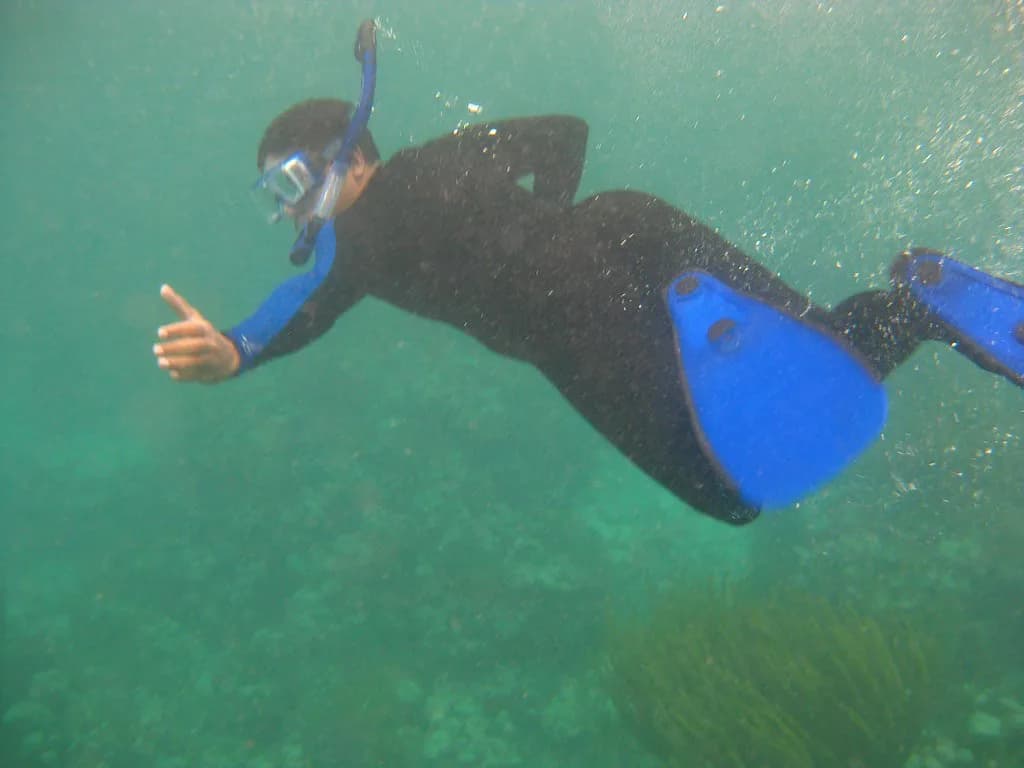
Pack a rash guard, a snorkel vest or other flotation for each person, and shoes that can handle rock, since entries at Shark Cages and parts of Tamarindo are not pure sand. A large dry bag doubles as a float you can tow behind you, keeping keys, phone and wallet with you instead of on an unattended beach. Two bags nested inside each other add a layer of protection if one leaks.
Bring your own mask and fins if you have them, because rental options are limited to a handful of operators. Reef-safe sunscreen and a hat make the surface intervals bearable, and a cooler with water covers the gap between beaches where facilities are thin.
Nearby Spots to Combine
A logical Culebra day pairs Melones in the morning with Tamarindo in the late morning, since both are drivable and close together, then finishes with a swim at Flamenco's main-path reef in the afternoon. If you have a boat seat, swap the afternoon for Carlos Rosario and its deeper coral gardens.
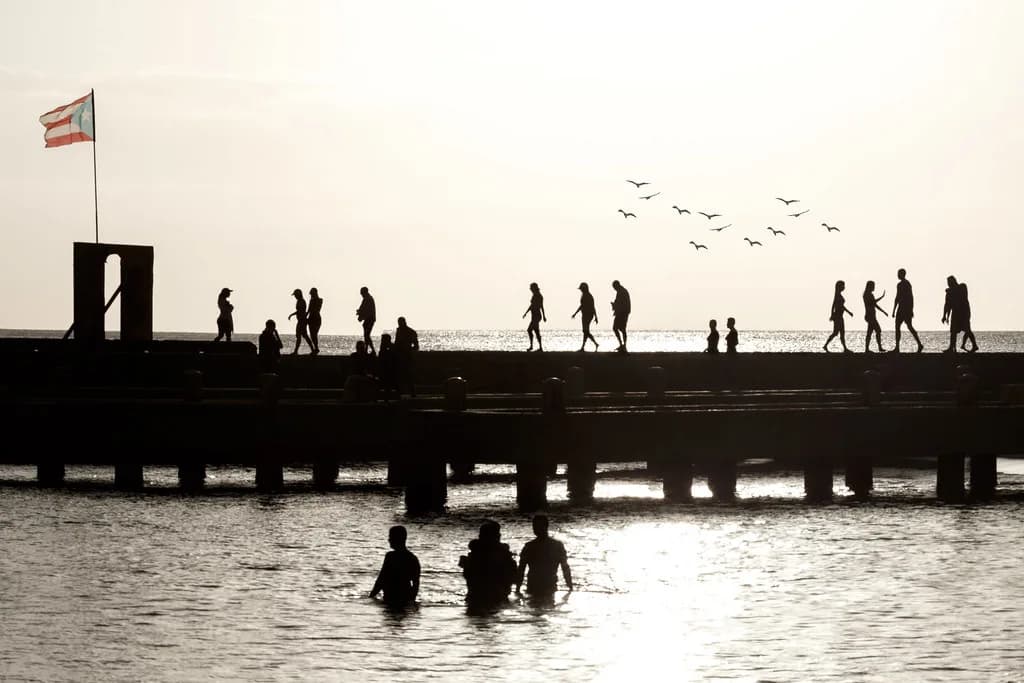
Back on the main island, Crash Boat Beach near Aguadilla and Escambrón Beach in San Juan make easy add-ons to a Puerto Rico itinerary built around a Culebra crossing. Both offer shore entries that suit a relaxed half-day rather than a full expedition. If you want to compare shore entries at another island destination, our guide to snorkeling in Florida covers the same park-and-swim decision.
Plan Your Culebra Snorkel Day
Build the day around the leeward beaches, start early, and match the entry to your group's comfort: Melones for an easy shallow reef, Flamenco's main path for a first swim with lifeguards nearby, Shark Cages or Carlos Rosario for deeper, more demanding water. Carry flotation for everyone and keep your distance from turtles and rays.
Before you go, check sea conditions with the Puerto Rico National Weather Service marine forecast and confirm tour details with your operator, since wind direction and swell decide which side of the island is swimmable on any given day.
Frequently Asked Questions
Does Culebra have good snorkeling?
Yes. Culebra has healthy coral and abundant sea life close to shore, largely because it is a coral island with no river runoff and its west-facing beaches sit on the sheltered leeward side. Reefs at Melones and Flamenco are a short swim from the sand, and the Luis Peña Channel Natural Reserve protects some of the richest coral around the island.
Can you snorkel in Culebra without a tour?
Yes. Melones, Tamarindo and Flamenco all allow beach entry with your own gear, and Melones and Tamarindo have parking steps from the water. Carlos Rosario and Tamarindo Grande are harder to reach independently, requiring a boat or a long walk along the beach from Tamarindo. Only Flamenco has lifeguards, so bring flotation and plan for self-rescue at the others.
Which is better for snorkeling, Vieques or Culebra?
Culebra is the stronger choice for beach-entry snorkeling, with drivable reefs at Melones and Tamarindo and the reserve's coral at Carlos Rosario. Vieques has its own appeal, including the bioluminescent bay, but Culebra's concentration of leeward coves with reef close to shore makes it easier to snorkel without a boat.
Where is the best beach for snorkeling in Puerto Rico?
Carlos Rosario Beach on Culebra is widely considered the island's best snorkel site for coral and fish diversity, in roughly 15 to 25 feet of water, but it requires a boat or a long beach walk. For accessibility, Melones offers a shallow reef in 10 to 15 feet that you can drive to and enter from the sand.
Do you need a snorkel vest at Culebra beaches?
Only Flamenco has lifeguards, so every other beach leaves rescue to your own group. A snorkel vest or other personal flotation device for each person is a sensible minimum, and someone in the party should be ready to perform a self-rescue.
How do you enter the water at Flamenco Beach's Shark Cages?
Walk to the east end of Flamenco where the sand meets rock, and enter between the two rows of concrete and rock. Once in, snorkel around the concrete pilings and to the right, following the reef northeast. Turn back before you tire, because the return swim is likely against the current and you must exit at the same gap.
Sources
Snorkeling notes for your next trip
Optional updates to our snorkeling guides.
You might also like
Continue reading
More guides you'll find useful