Fajardo Snorkeling: Icacos, Seven Seas and Boat Tours Compared
Fajardo snorkeling means choosing between calm east-coast shore entries and all-inclusive boat trips to Icacos. Here is how each option works and who it suits.
On this page
Fajardo is where Puerto Rico's northeast corner breaks into a scatter of protected cays, and that geography is exactly why the snorkeling here rewards a little planning. You can wade in from a beach on the mainland, or board a boat at a marina and spend the day hopping the Icacos chain inside a nature reserve. The two experiences cost different amounts of money and time, and they suit different swimmers.
Where Fajardo Snorkeling Happens
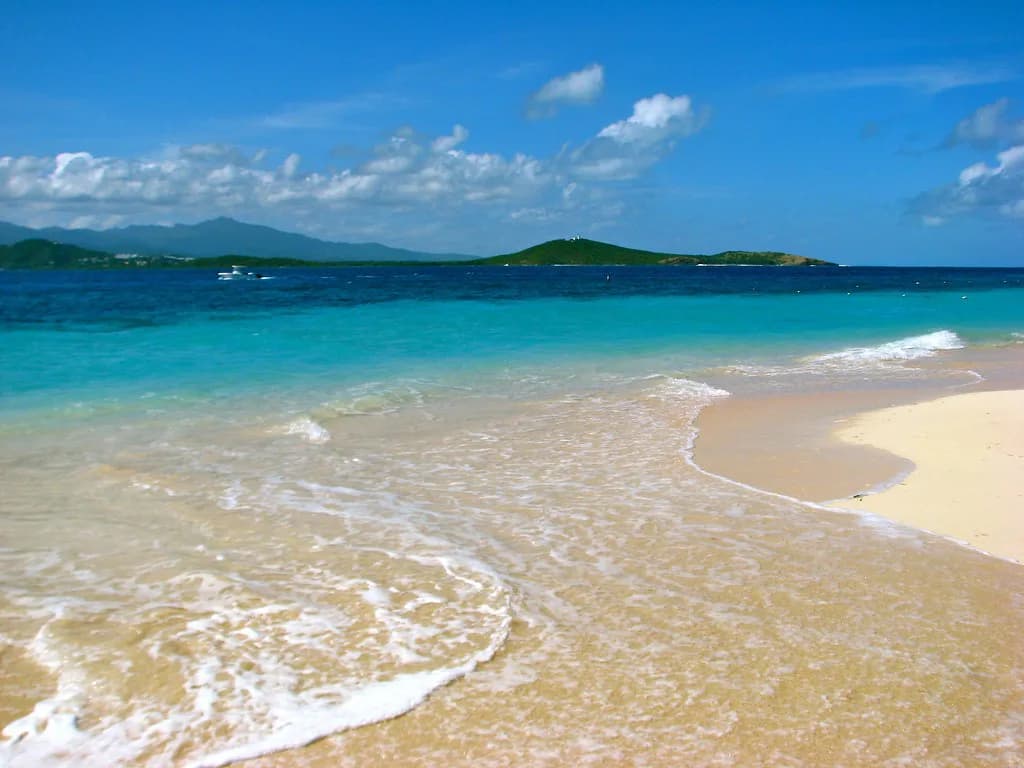
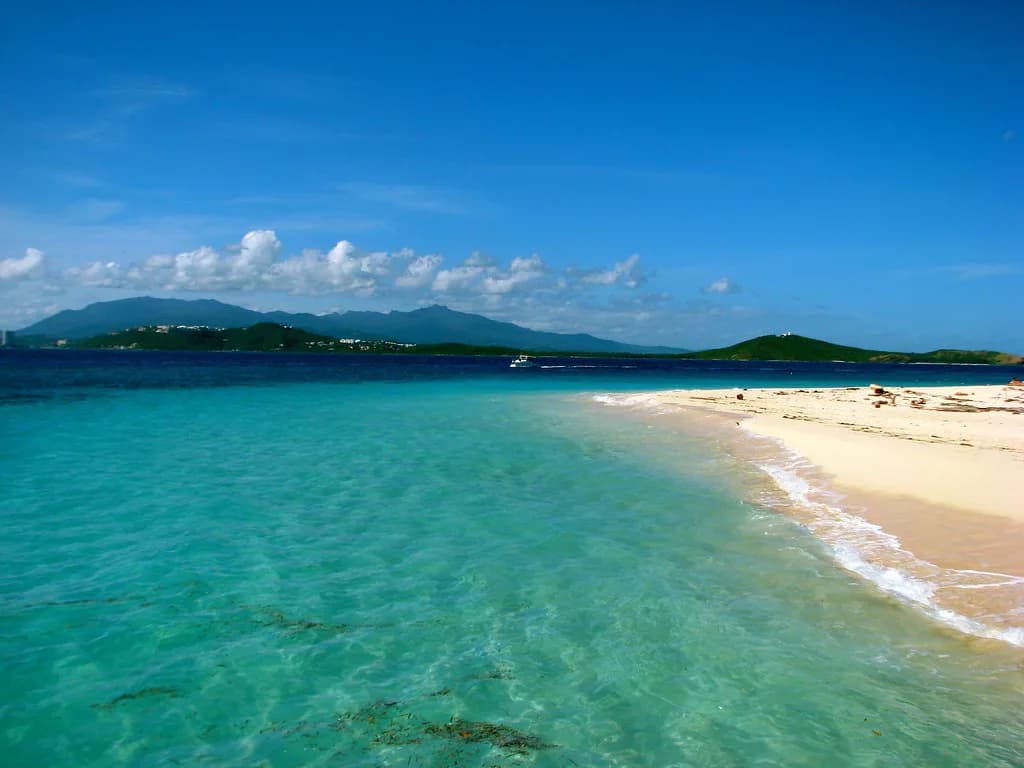
Fajardo sits on the far northeast coast, with the Las Cabezas de San Juan headland forming the eastern edge of the mainland and a chain of small islands strung out beyond it. Boat trips working out of Fajardo run along that headland coast before entering the Icacos Island Nature Reserve, where the cays and their fringing reef sit in calmer, shallower water. Shore snorkelers stay on the mainland beaches, where the bottom drops away more gradually and the reef sits closer to the sand.
That split matters when you plan the day. A boat trip takes most of a morning or afternoon once you count marina check-in, the run out and the return, while a shore swim can be a two-hour stop squeezed between other plans. Pick the boat if the island scenery and the guided reef time are the point of the day. Pick the beach if you want to snorkel on your own schedule and then move on to Luquillo or El Yunque.
Shore Snorkeling from the Fajardo Beaches
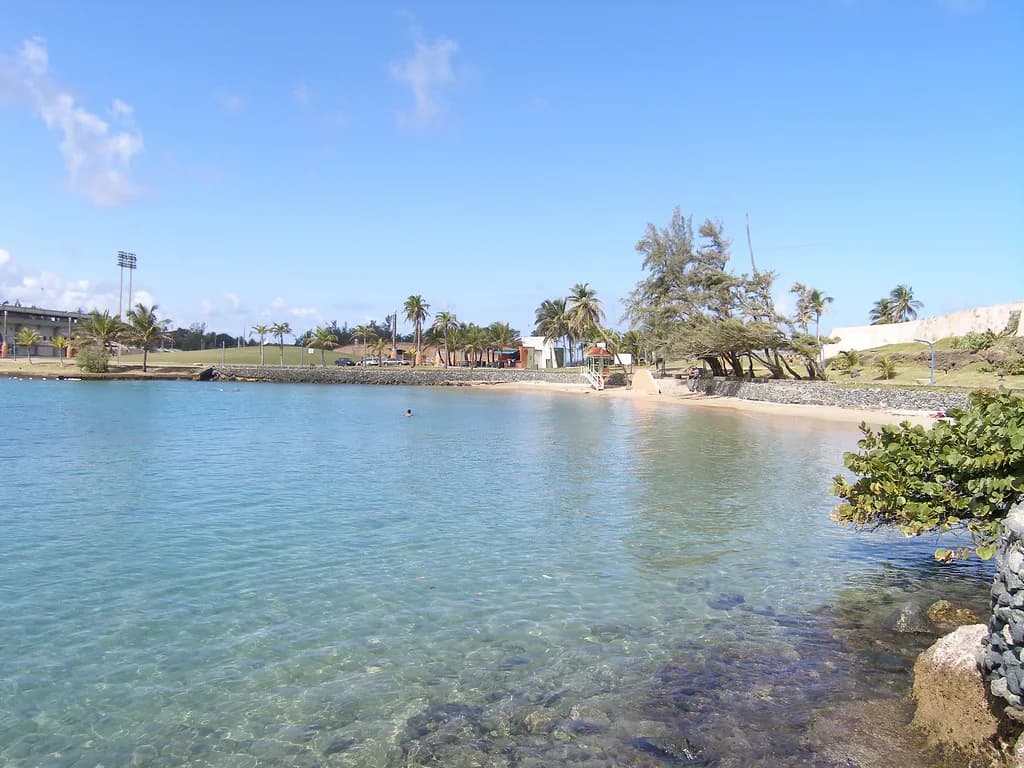
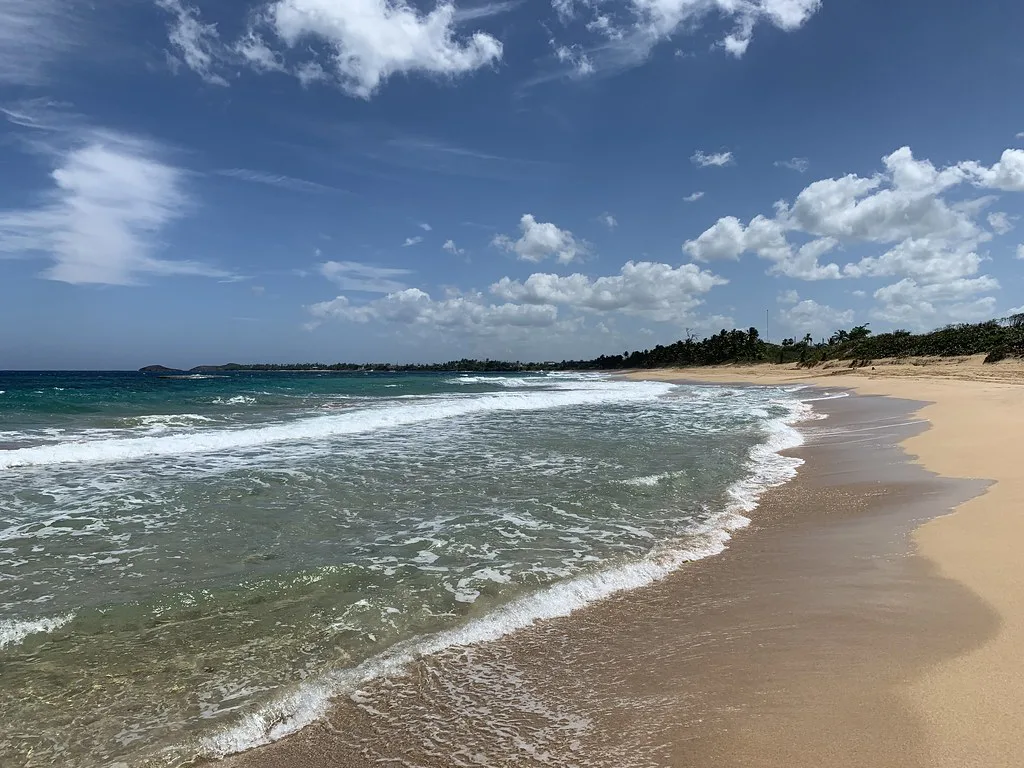
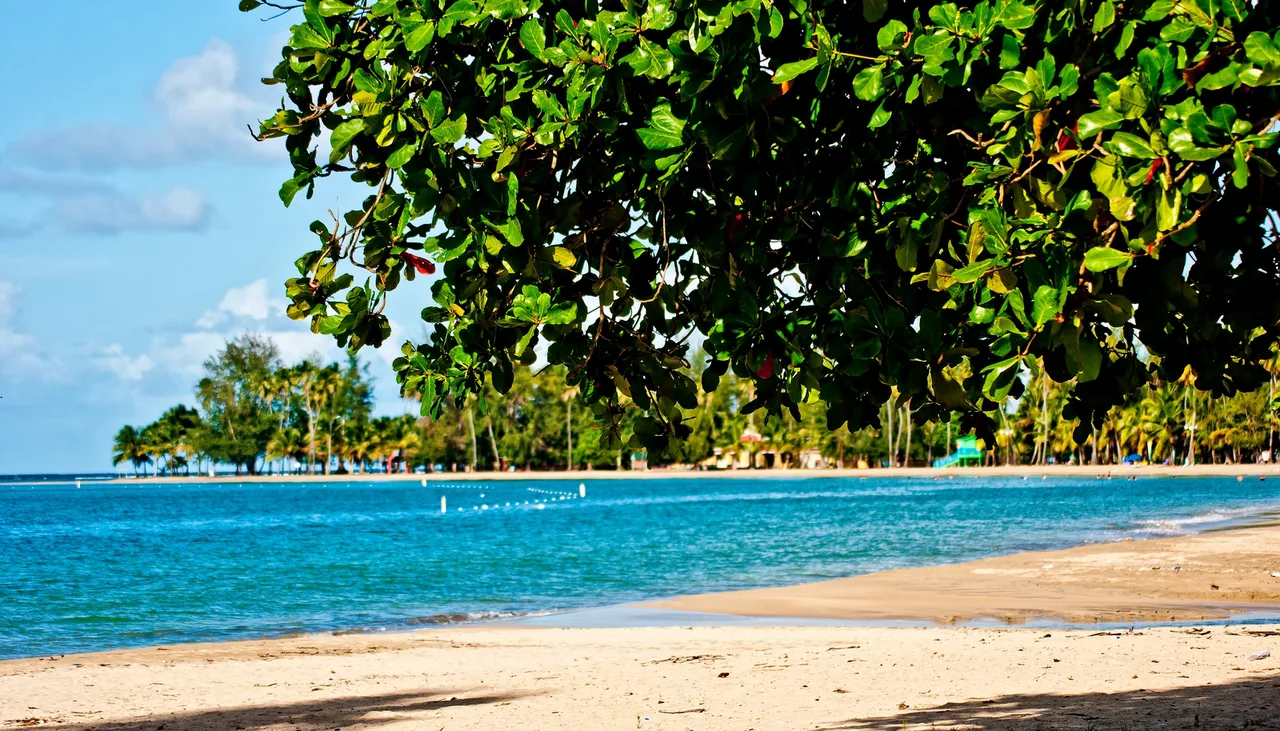
The mainland beaches around Fajardo, Seven Seas among them, give you a sand entry with no boat and no schedule. You walk in, swim out over the sandy shallows, and reach the reef once the bottom starts showing rock and coral patches. The swim is short enough for confident beginners, and the shallow inner zone is where most people spend their time.
Entry is the easy part; exit is where you need to pay attention. On a falling tide the water over the inner shelf gets thin, so time your swim for mid-to-high tide and keep an eye on the sand you crossed on the way out. Rocky patches near the shoreline are best crossed where sand shows through rather than over the coral itself.
Facilities, parking and any entrance arrangements at the Fajardo beach parks are set by the managing agency, and they change with the season and with storm damage. Before you drive out, look up the current status for the specific beach you plan to use rather than assuming showers, restrooms or lifeguards will be staffed. Bring water, shade and your own gear, since rental options on the mainland beaches are limited compared with the boat operators.
Boat Trips to Icacos Island Nature Reserve
A Fajardo boat day runs in two stages. You check in at the marina, then the boat makes a roughly 35-minute run along the Las Cabezas de San Juan coast before entering the Icacos Island Nature Reserve, where the snorkeling happens. One operator's morning tour checks in at 7:15am at Marina Puerto del Rey, so an early alarm is part of the deal.
The in-water split is worth understanding before you reserve. On that itinerary you get roughly one to one and a half hours of snorkeling, then a two-and-a-half-hour beach stop before the return run to the marina. If your idea of a good day is maximum time face-down over coral, the beach stop will feel long; if you are traveling with a mixed group, it is the part that keeps non-snorkelers happy.
Inclusions on these trips do a lot of the work for you. The morning tour bundles snorkeling equipment, a deli-style buffet lunch with fresh bakery bread and pasta salad, rum punch, pina colada, soft drinks and water, an onboard bathroom and free parking with bathrooms at the marina. Gear, food and parking in one booking is the main reason to choose a boat over a DIY beach day.
Several operators run the same stretch of coast, and their schedules and inclusions differ. Aqua Adventure, for example, runs a four-hour Fajardo snorkeling boat tour and a six-hour all-inclusive Culebra day trip from Fajardo, alongside shorter San Juan trips from the Caribe Hilton. Compare the in-water time and the departure marina, not just the headline duration.
Morning Versus Afternoon Departures
Morning departures put you on the reef before the trade wind has built and before the afternoon cloud stacks up over the mountains behind Luquillo. The light is cleaner for looking into the water, and the boat is usually back at the marina by early afternoon, leaving the rest of the day free. The cost is the early check-in, which for at least one tour means a 7:15am arrival at Marina Puerto del Rey.
Afternoon trips trade that for a later start and a warmer ride home. Wind chop tends to build through the day on this coast, so the run out can be bumpier and the water over the shallow reef less clear than in the morning. If you are prone to seasickness or snorkeling with young children, the morning slot is the gentler choice.
What You Will See
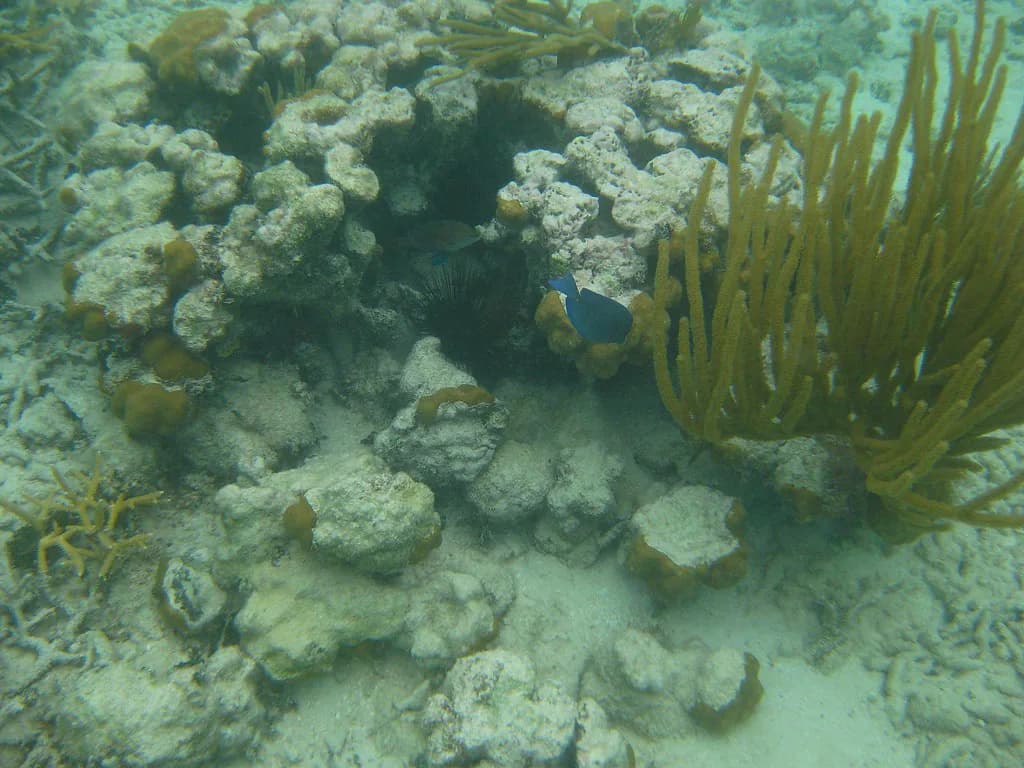
The reef around the Icacos chain is shallow fringing coral broken by sandy gaps, and those gaps are where you want to hover. Expect the usual Caribbean mix of parrotfish, sergeant majors, wrasses and schools of small silvery fish working the coral heads, with the sand channels between them holding the occasional ray. Nothing is guaranteed on any given day, and the fish are more abundant where the coral structure is healthiest.
On the mainland beaches the reef sits closer to shore and in shallower water, which makes it easier to read from the surface. Swim slowly along the edge where sand meets rock rather than straight out, and you cover more variety in less distance. Keep your fins off the bottom and your hands off the coral, both for your safety and because the reef takes decades to recover from contact.
Skill Level and Kids
Shore entries suit beginners, families with children who swim, and anyone who wants to snorkel without committing a whole day. You control the depth, you can turn back whenever you like, and there is no boat to catch. The trade-off is that you carry your own gear, read the water yourself and have no guide pointing out the reef features.
Guided boat snorkels are the better fit for non-swimmers, mixed-ability groups and travelers who would rather not pack fins and masks. The guides brief the group, the boat carries the equipment, and there is a deck to rest on between swims. Note the booking terms posted for the morning tour: the listing states it is not recommended for travelers with spinal injuries, pregnant travelers or those with poor cardiovascular health, and it does not accept pregnant women on board.
Best Time of Day, Season and Swell
On the northeast coast, morning is the reliable window for calm water and good visibility. The trade winds pick up through the day, and the exposed run along the Las Cabezas de San Juan headland takes the chop first, so an early departure gets you to the reef before the surface texture builds. Winter cold fronts out of the north can push swell onto this coast and cloud the shallows for a few days at a time.
When a north or northeast swell is running, the sheltered lee of the cays stays noticeably calmer than the open coast, which is one argument for the boat on a marginal day. On settled days the mainland beaches are at their easiest. Watch the marine forecast the day before rather than the week before, since conditions on this coast turn over quickly.
Hazards and Posted Advisories
The current around the headlands and the channels between the cays is the hazard that catches people out, because it runs hardest exactly where the reef is best. Boat traffic is the other one: the Fajardo coast and the reserve see a steady stream of tour boats, so stay close to your group's flagged area and surface-check before you change direction.
Treat any posted advisory as current information rather than a formality, and look up conditions from the managing agency for the reserve before a shore swim after heavy weather. If surf is up on the mainland beaches, the shore snorkeling is off for the day and the boat becomes the better option. Never snorkel alone in unfamiliar water on this coast.
Parking, Fees and Facilities
Marina-based trips solve the logistics: the morning tour includes free parking and bathrooms at Marina Puerto del Rey, and you check in there before boarding. That removes the guesswork about beach parking on a busy weekend. Confirm your departure marina when you book, because Fajardo operators also work out of other docks.
Tour prices vary by operator and season, so treat any figure you see as a starting point rather than a fixed rate. Aqua Adventure lists its Fajardo snorkeling boat tour from $97 for four hours and its Icacos Island day trip from $69, both with a note that tours fill quickly and should be reserved early. The morning tour through AAA Trip Canvas starts from $133, with a guided snorkeling option from $110.38.
On the mainland beaches, any entrance fee, parking charge or facility staffing is set by the agency that manages the site, so check that specific park's page before you go rather than budgeting from a general figure. Bring cash as a backup and plan to be self-sufficient for water and shade.
Rules in the Reserve
The Icacos chain sits inside the Icacos Island Nature Reserve, and reserve status is the reason the cays look the way they do. Follow the guide's briefing on where you may swim and stand, keep your distance from wildlife, and do not take anything from the reef, living or dead. Coral, shells and even sand are part of the ecosystem you came to see.
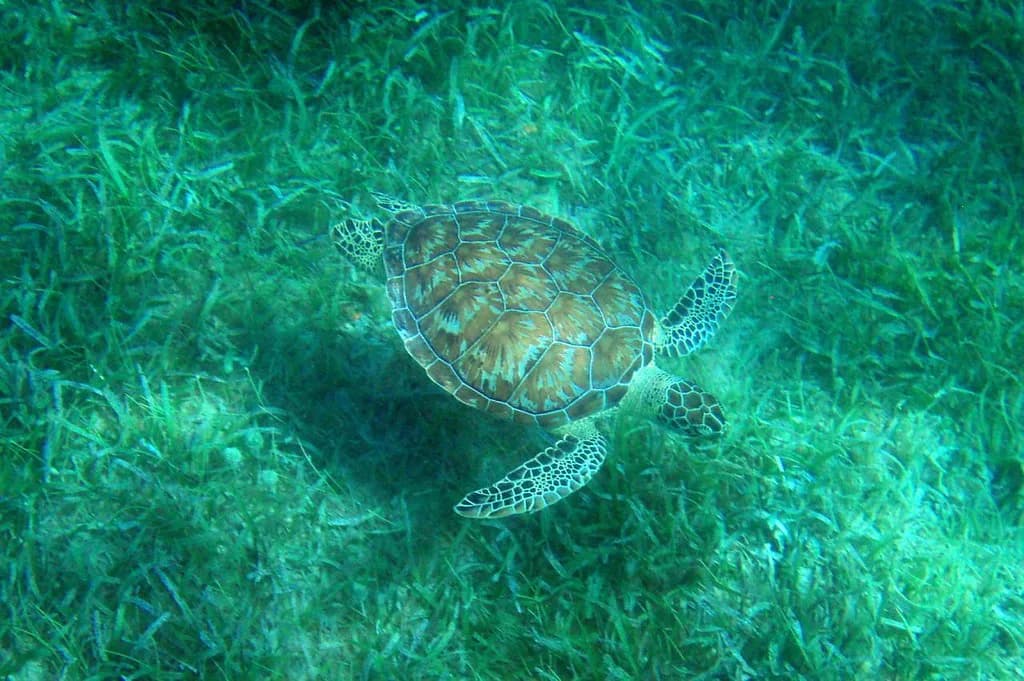
For wildlife, the rule is simple: look, do not touch. Keep a respectful distance from sea turtles and any other marine life, never block an animal's path to the surface, and never feed or chase anything. Reef-safe sunscreen is the sensible default in Puerto Rico's waters, and many tour operators ask guests to use it before boarding.
What to Bring and What Is Supplied
On a boat trip, the crew supplies the mask, fins and snorkel, plus lunch and drinks, so you can travel light. Bring a swimsuit under your clothes, a towel, a rash guard for sun protection, and a dry bag for your phone. Check the tour's rules on coolers and outside alcohol before you pack them, since some tours prohibit both.
For a shore day, you carry everything: mask, fins, water shoes for the rocky patches, water, snacks and shade. A properly fitted mask matters more than an expensive one, so test the seal against your face before you travel. Pack out what you bring in, and leave the reef exactly as you found it.
Combining Fajardo with Luquillo and El Yunque
A morning boat trip leaves the afternoon open, and the obvious pairing is east along the coast to Luquillo for a beach stop and food kiosks, then up into El Yunque for the rainforest. Do the rainforest first thing in the morning on a separate day if you want to hike; pairing it with a boat morning makes for a long, wet, enjoyable day.
Shore snorkelers have more flexibility. Swim early at a Fajardo beach, rinse off, and drive the short coastal hop to Luquillo for the afternoon. Build in time for the drive back before dark, since the road along this coast is slow going with traffic.
Nearby Snorkeling to Add
Culebra is the big add-on, and some Fajardo operators run all-inclusive day trips there, which saves you the ferry logistics. The island's beaches are the draw, and the crossing adds hours to the day, so book it as its own outing rather than tacking it onto a Fajardo morning.
If your trip also takes in San Juan, the Caribe Hilton beach is a genuine shore-snorkel option in the city, and Aqua Adventure runs both a snorkel-and-beach day and a shore dive from that beach. That makes it a practical city-day alternative when you cannot get out to Fajardo.
For a wider map of the island's reefs and reserve rules, use the island guide as your planning base. It ties the Fajardo cays into the same picture as the west coast and the offshore islands, so you can sequence your days by geography rather than by wish list.
Compare that with the west-coast beaches if your itinerary swings that way; the water and entry style are different enough that it is worth knowing which suits your group before you commit days to one coast or the other. If you are comparing islands instead of coasts, the snorkeling in St. Thomas guide walks through the same shore-versus-boat decision.
If you are weighing a full island-hopping day, the Culebra guide covers the ferry, the beaches and the snorkeling there in more detail than a Fajardo day trip can. Read both before you decide where to spend your boat budget.
Plan Your Fajardo Snorkel Day
Decide first what you want from the day: a self-paced swim over the mainland reef, or a guided run through the Icacos reserve with gear, lunch and a beach stop handled for you. Shore entry wins for flexibility, budget and beginners who want to control their own depth. The boat wins for mixed groups, non-swimmers and anyone who would rather not haul gear.
Book the morning slot if you can, arrive at the marina on time, and pack reef-safe sunscreen and a dry bag. Leave the afternoon for Luquillo or the rainforest, and let the guide's briefing set the rules for the reserve. Then get in the water and swim slowly, because the reef here rewards patience over distance.
Frequently Asked Questions
Is Fajardo snorkeling good for beginners?
Yes, in both formats. The mainland beaches offer a sand entry and a short swim to shallow reef, so you can choose your own depth and turn back whenever you like. Guided boat trips are the better fit for non-swimmers and mixed groups, since the operator supplies gear and briefs the group before you get in.
How long is the boat ride from Fajardo to Icacos?
On one published itinerary the run from Marina Puerto del Rey along the Las Cabezas de San Juan coast to the Icacos Island Nature Reserve takes about 35 minutes. Other operators depart from different marinas, so check the meeting point and ride time when you book.
How much time do you actually spend snorkeling on a Fajardo boat tour?
One morning tour itinerary allows roughly one to one and a half hours in the water, followed by a two-and-a-half-hour beach stop before the return run. Check each operator's schedule, because the split between snorkeling and beach time varies.
Do I need my own gear for Fajardo snorkeling?
Boat trips typically include mask, fins and snorkel, along with lunch and drinks on the all-inclusive tours. For shore snorkeling at the mainland beaches, bring your own well-fitted mask and fins, since rental options there are limited.
When is the best time to snorkel in Fajardo?
Morning usually brings the calmest water and clearest light on this northeast coast, before the trade winds build in the afternoon. Winter north swells can cloud the shallows for a few days at a time, so watch the marine forecast in the day or two before your trip.
Can you snorkel in Fajardo without a boat?
Yes. The mainland beaches around Fajardo, including Seven Seas, allow sand-entry snorkeling over shallow reef close to shore. You will need to bring your own gear and check the current status of the specific beach park before you drive out.
What will I see snorkeling in Fajardo?
The fringing reef around the Icacos chain holds parrotfish, sergeant majors, wrasses and schools of small silvery fish, with sandy channels between the coral heads where rays sometimes rest. Sightings vary day to day, so treat any particular animal as a bonus rather than a guarantee.
What should I bring on a Fajardo snorkel boat trip?
Bring a swimsuit worn under your clothes, a towel, a rash guard, and a dry bag for your phone. The operator supplies gear, lunch and drinks, but check the posted rules on coolers and outside alcohol before you pack them, since some tours prohibit both.
Sources
Snorkeling notes for your next trip
Optional updates to our snorkeling guides.
You might also like
Continue reading
More guides you'll find useful