Crash Boat Beach Snorkeling: Aguadilla Reef Guide
Snorkel Crash Boat Beach in Aguadilla, where the old military pier holds fish and turtles close to shore. Plan entry, timing, gear rentals, parking and crowds.
On this page
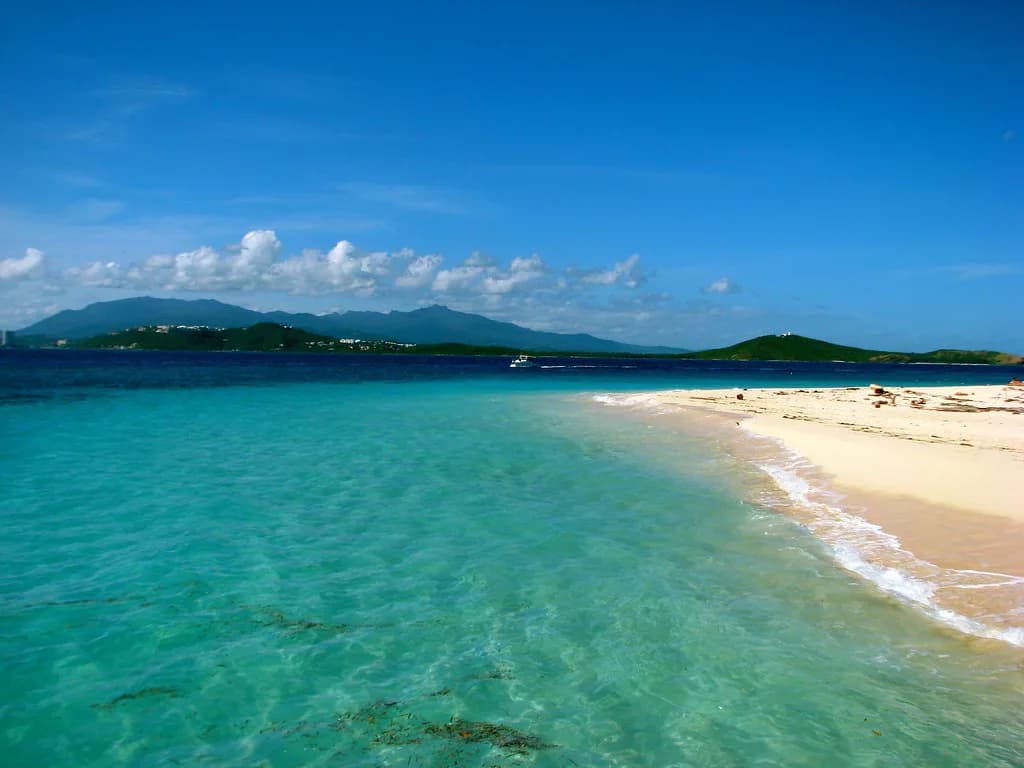
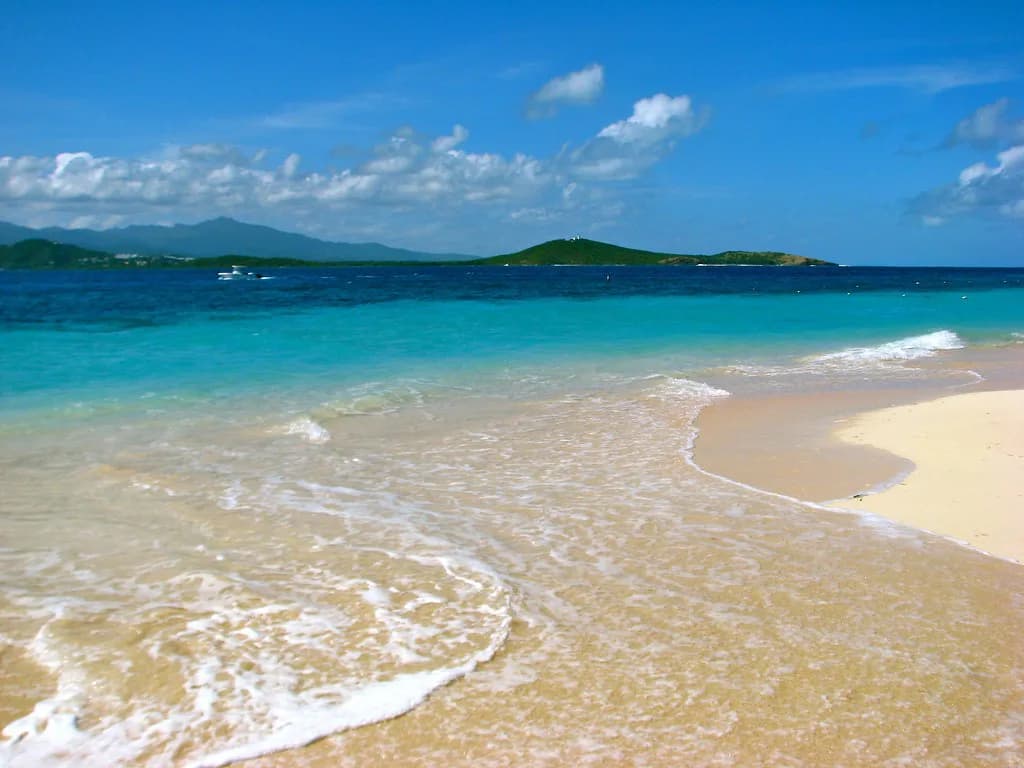
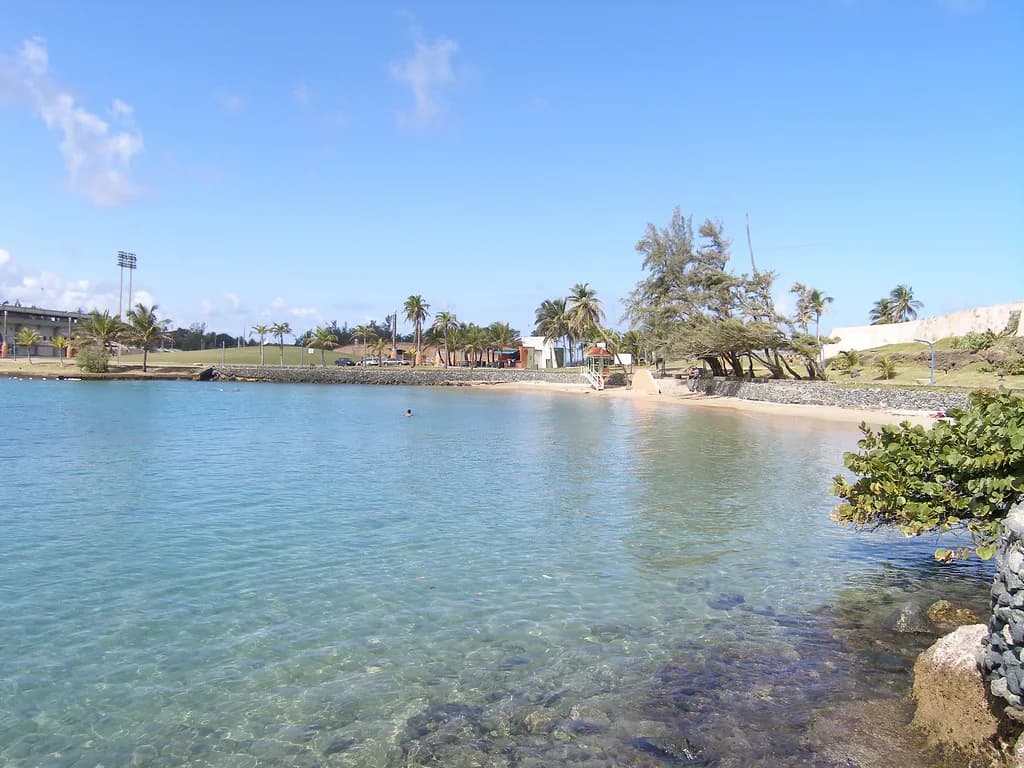
Crash Boat Beach in Aguadilla is the rare Puerto Rico snorkel spot where the swim starts from the sand and the most interesting structure sits just offshore: the pilings and remnants of an old military pier that shelter fish and small coral patches. It suits first-timers, families with kids and anyone who wants a beach day and an underwater hour in the same outing.
Where Crash Boat Beach Sits in Aguadilla
The beach lies in Aguadilla on Puerto Rico's northwest corner, roughly 4 miles southwest of Rafael Hernández International Airport and about 85 miles west of San Juan. That puts it within easy reach of an arrival-day afternoon or a base in the northwest rather than a day trip from the capital. The beach is open daily year-round, so the planning question is timing rather than a fixed season.
Your landmark is the pier itself, which is also the beach's busiest patch. If you are working through the wider island first, the snorkeling in Puerto Rico guide maps how the northwest compares with Culebra, Vieques and the San Juan area before you commit a day here.
Getting In: Sand Entry and the Pier Area
Entry is from the beach, over sand, which is what makes the spot forgiving for beginners and kids. Walk in where the sand is firmest, put your mask on in knee-deep water, and swim out toward the structure at a relaxed pace rather than striking straight out from the busiest stretch of sand.
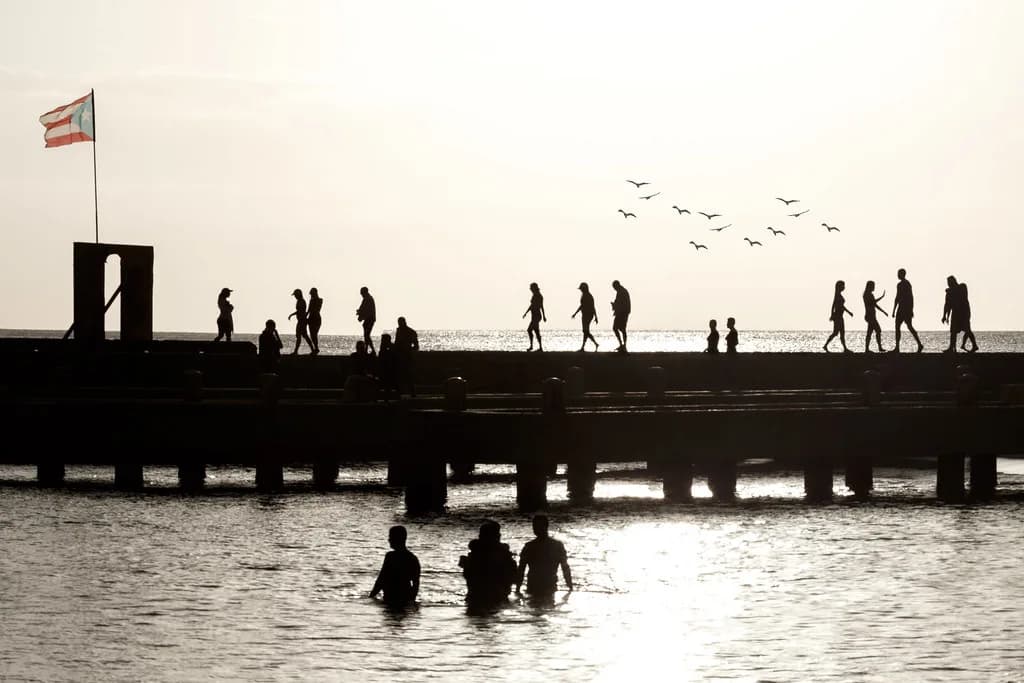
The pier area is the draw, but it is also a place where people jump and where small craft move through. Keep your head up when you round the pilings, stay visible, and treat the space near the structure as shared water rather than a private snorkel lane.
How Far Out the Reef Sits and What Depth to Expect
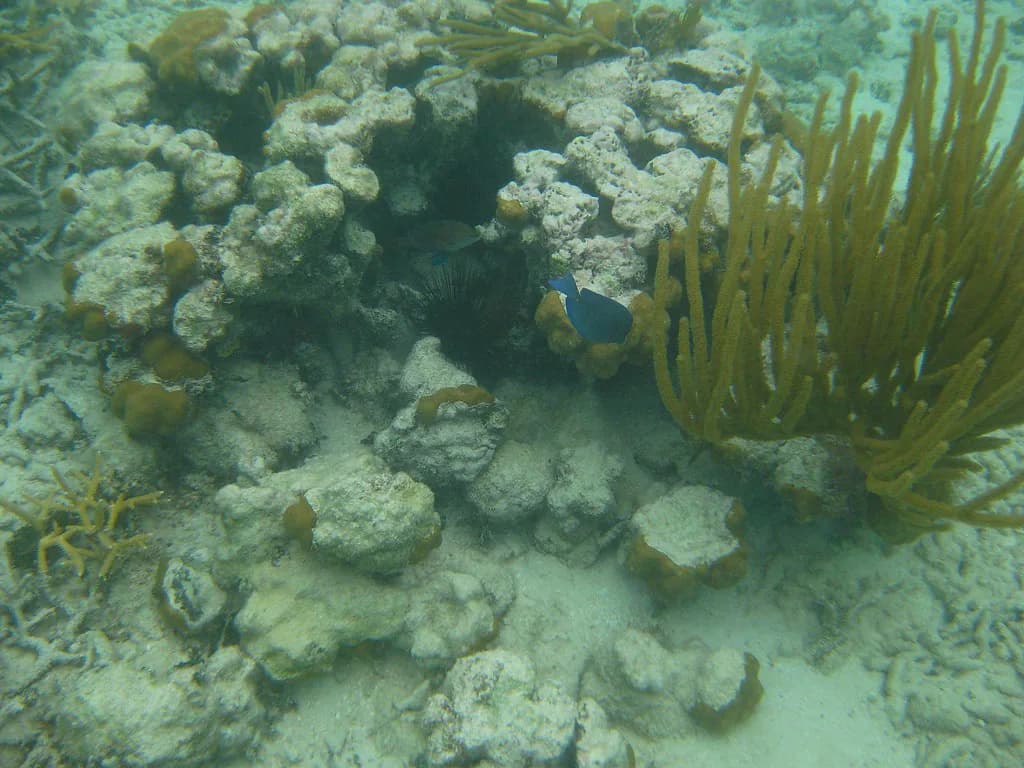
This is not a long reef wall. The interest clusters around the pier remnants, which act as an artificial reef, plus scattered coral patches in fairly shallow water, so you can cover the best ground in short surface swims with rest breaks on the sand. Beginners can stay close to shore and still see fish. The coral here is described as small patches rather than an expansive reef, so set expectations around structure, fish and the occasional turtle rather than a sprawling coral garden.
Because the productive zone is compact, you can do two short sessions with a beach break between instead of one long swim. That rhythm also keeps you near other people, easier for nervous first-timers to manage.
What You Will See Around the Pilings
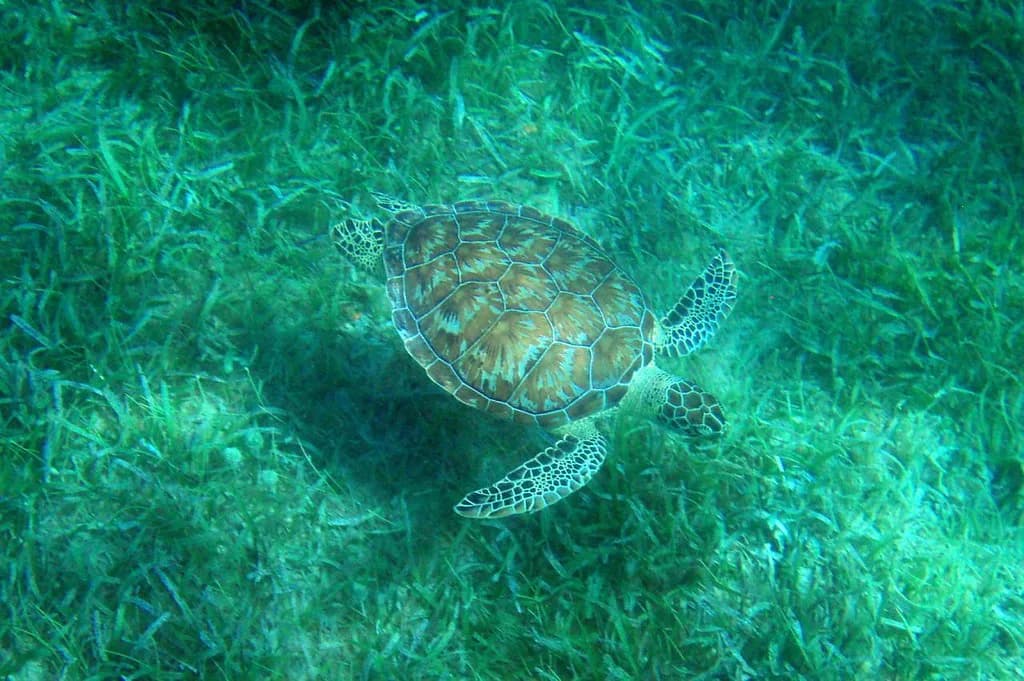
Look for angelfish, parrotfish and sergeant majors working around the pier structure, with starfish and small crustaceans down on the sandy bottom between coral heads. Hawksbill and green turtles are seen in the area, and passing rays turn up too. Treat every one of those as a possibility, not a promise.
Give turtles room and let them move off on their own; never touch, feed or chase them, and keep your fins off the bottom so you do not kick up silt or break coral. The reward for that restraint is animals that stay put long enough to watch.
Who It Suits: Beginners, Kids and Stronger Swimmers
The sheltered layout produces generally gentle conditions, which is why the spot is popular with new snorkelers. Kids who are comfortable in the water can start in the shallows, and adults who have never used a mask can practice breathing through the snorkel before heading toward the pilings.
Stronger swimmers get the most from the pier side, where fish concentrate and the structure is most interesting. If your group spans both ends of that range, split the session: shallow water for the beginners, a supervised loop around the structure for the confident ones.
Best Time to Go: Morning and the Dry Season
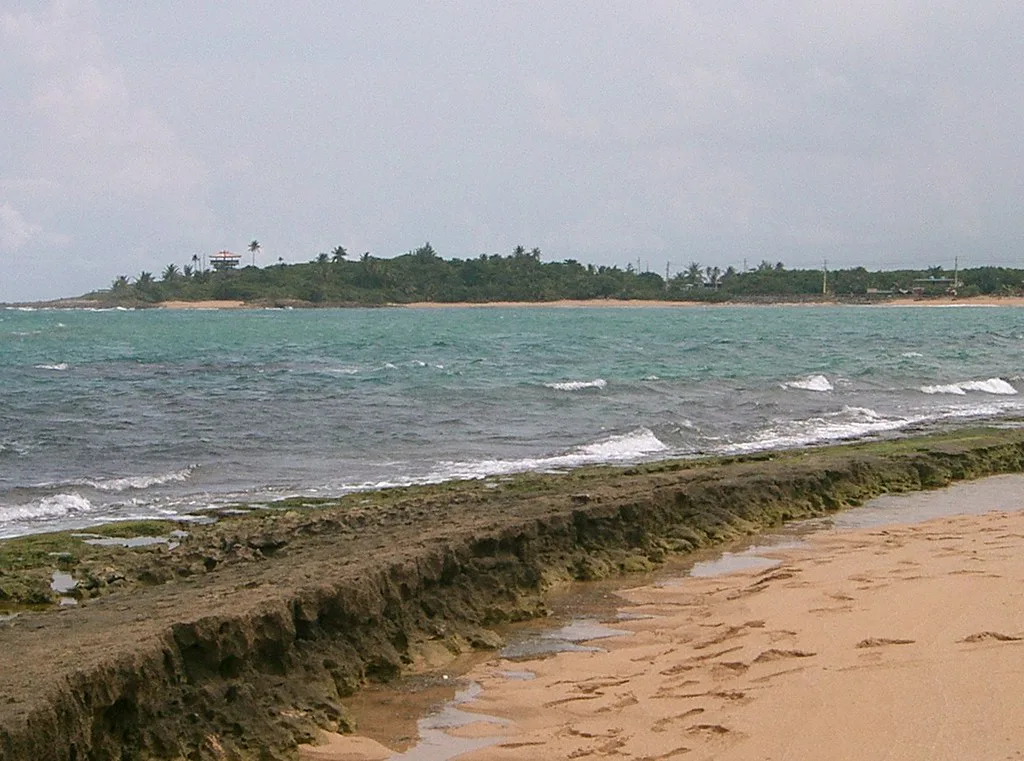
Mornings usually bring the calmest water and the best visibility, so aim to be in the water before the beach fills. The December-to-April dry season is the clearest window, which lines up with peak winter travel demand. Arriving early serves both goals at once.
Afternoon wind and chop do more damage to a snorkel plan here than a slightly grey morning does, because the swim is shallow and close to shore. When swell picks up, the pier area stops being a comfortable place to float.
Hazards: Jumpers, Boat Traffic and Swell
The pier is a known spot for people jumping and for small boats moving nearby, so the water around the structure is busier than the beach in front of it. Surf and current conditions change with the day's weather, and a spot that is glassy in the morning can be choppy by mid-afternoon.
Snorkel with a buddy, keep a snorkel vest handy for weaker swimmers, and stay inside water you can easily swim back from. Check the day's marine forecast from the National Weather Service before you commit, and treat posted beach advisories as the final word.
Guided Tours and Gear Rental in Aguadilla
If you would rather not pack a mask, Aguadilla operators rent snorkeling and beach gear and run guided snorkeling sessions from the beach. A guide is worth considering for a first-timer who wants someone else to read the water and point out what is swimming past.
The beginner-focused operators at this beach also offer guided tours built around first-timers, with gear included and a guide handling navigation near the structure. That option trades independence for a lower-stress first session, especially with kids in the group.
Parking and Fees
The beach itself is free to visit, but parking near it carries a fee, and early arrivals may find limited free street parking. Budget for the paid lot as the default and treat street parking as a bonus rather than the plan.
Facilities and Food Kiosks
Food kiosks around the beach make it easy to turn a snorkel morning into a full beach day without packing a cooler, and Aguadilla restaurants are a short drive away if you want a sit-down meal afterward. Bring water and sun protection regardless, since shade and supplies vary by vendor.
Rules: Hands Off the Reef and Wildlife
Observe marine life without touching it, and avoid standing on or kicking coral, which is fragile and slow to recover. Bring reef-safe sunscreen rather than applying standard formulas right before you enter the water. Those two habits cover most of what a snorkeler can do to protect the spot.
Nearby Spots to Combine with the Day
The northwest rewards a slow loop: after a morning at Crash Boat, drive the coast for other Aguadilla beaches and viewpoints, or build a second snorkel day elsewhere on the island. Flamenco Beach snorkeling on Culebra is the opposite experience, a calmer, more remote outing that needs its own ferry planning, and it is worth reading up before you commit the day. If you are weighing a stateside trip instead, snorkeling in Florida covers shore versus boat entries and the same seasonal timing question.
Closer to San Juan, escambron beach snorkeling offers a city-accessible alternative if your trip stays in the capital. Pick one per day rather than trying to link the northwest and the metro area in a single afternoon.
Bringing Your Dog to Crash Boat Beach
Crash Boat Beach is free to visit and open daily year-round, but access comes with a parking fee, and limited free street parking may be available if you arrive early. Those arrival logistics matter more when you have a dog in the car, since the free-to-visit status applies to the beach itself rather than to parking. The beach sits in Aguadilla, about 4 miles southwest of the Rafael Hernández International Airport and about 85 miles west of San Juan, so the drive with a dog in the vehicle is a real part of the day rather than an afterthought.
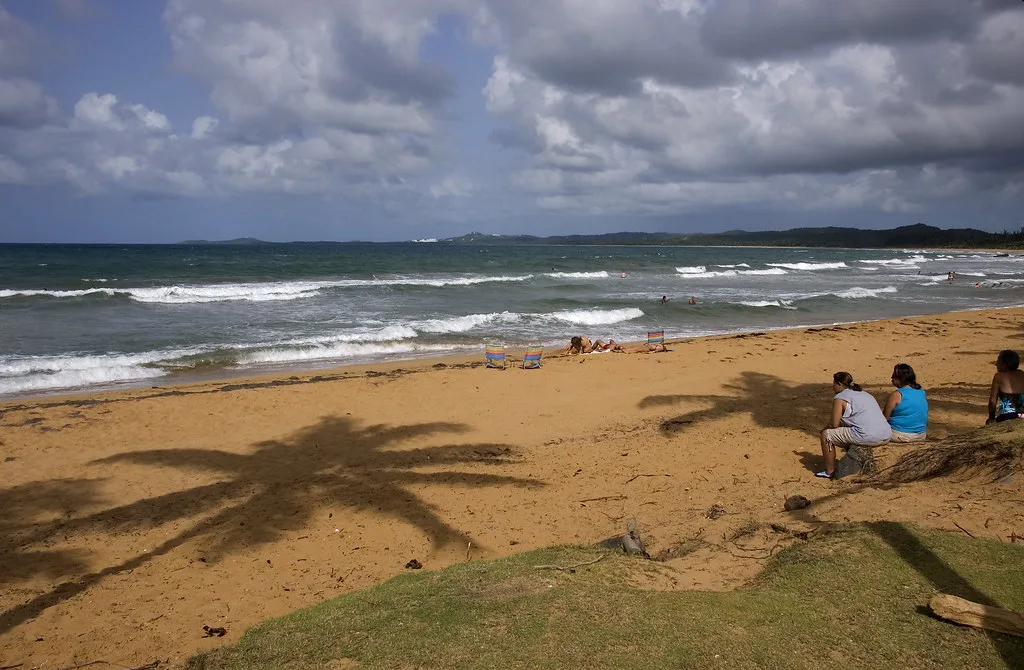
On the sand, plan around what the beach is actually used for. It draws sunbathers, fishermen, volleyball players, scuba divers and daredevils who jump into the water from the pier, and the near-constant crowds do not seem to bother most visitors. Some guests describe the beach as nice but busy. A dog therefore shares a narrow strip of sand with active volleyball games, fishing lines and people launching off the pier, so keep the lead short and settle away from the pier jumpers and the fishing spots rather than in the middle of the activity.
The water is the harder part. Snorkelers and scuba divers come for clear waters and a multitude of fish, and the remnants of the old military pier act as an artificial reef that draws marine life close to shore. A dog in the shallows disturbs that near-shore ecosystem, and the same rules that govern snorkelers apply in spirit: do not touch marine life, and avoid stepping on coral because it is fragile and takes years to grow. Keep the dog out of the reef area around the pilings altogether and stay in the sand near the entry.
After the beach, the area's food kiosks are the natural stop to refuel. Because the beach is smaller after Hurricane Maria and the turquoise waters and ample activities do not disappoint, there is less room than the old footprint suggests, which is one more reason to keep a dog close and to visit in the calm morning hours rather than at peak crowd time.
Plan Your Crash Boat Beach Snorkel Day
Arrive early, park in the paid lot, and start in the shallows before working toward the pier structure with a buddy. Morning water and the December-to-April dry season give you the best odds of clear, calm conditions.
Rent gear or join a guided session if this is your first time, and leave the turtles and coral undisturbed. Check the day's marine forecast from the National Weather Service before you drive out.
Frequently Asked Questions
Is Crash Boat Beach good for beginner snorkelers?
Yes. The beach has a sheltered layout that generally produces gentle water, and you enter over sand rather than rocks. Beginners can practice mask and snorkel skills in the shallows and stay close to shore where fish are already present.
Do I need a tour to snorkel at Crash Boat Beach?
No, you can swim from the beach on your own with your own gear. A guided session helps if you are new to snorkeling, want gear provided, or want someone else to navigate the water near the pier structure.
What marine life can I see at Crash Boat Beach?
Angelfish, parrotfish and sergeant majors are common around the pier remnants, with starfish and small crustaceans on the sandy bottom. Hawksbill and green turtles are seen in the area, along with passing rays. Sightings vary by day and season.
When is the best time to snorkel Crash Boat Beach?
Early morning usually brings the calmest water and best visibility. The December-to-April dry season is the clearest window. Afternoon wind and chop can reduce visibility near the pier area.
Is there a fee to visit Crash Boat Beach?
The beach is free to visit, while parking near the beach carries a fee. Limited free street parking may be available for early arrivals. Check current rates when you arrive.
Is Crash Boat Beach safe to swim?
The beach is sheltered and generally gentle, but the pier area has jumpers and small boat traffic, and conditions change with swell and weather. Snorkel with a buddy, keep a flotation aid for weaker swimmers and follow posted advisories from local officials.
Can I rent snorkel gear at Crash Boat Beach?
Yes. Aguadilla operators based at the beach rent snorkeling and beach equipment and sell gear from their dive shop. Booking a guided tour is the simplest option if you want gear included.
Why is Crash Boat Beach famous?
Its name comes from its history as a site where military rescue boats were stationed, and the remaining pier structure draws fish and gives snorkelers an easy target. The colorful pier and calm water make it a popular beach and photography spot.
Sources
Snorkeling notes for your next trip
Optional updates to our snorkeling guides.
You might also like
Continue reading
More guides you'll find useful