Snorkeling in Florida: Shore vs. Boat Spots Guide
Plan a Florida snorkel day with shore-entry picks, offshore reef trips, seasonal visibility notes, wildlife rules, and the gear choices that matter.
On this page
Florida rewards a planned snorkel day more than a spur-of-the-moment one, because the state's two best snorkel experiences sit at opposite ends of the effort scale. A walk-in swim over shallow grass flats suits kids and nervous first-timers, while the offshore coral reef in the Keys delivers the big, fish-crowded scenery that makes the boat ride worth it. Deciding which of those two days you want is the single choice that shapes everything else, from your budget to your gear.
The Keys anchor the state's reef snorkeling, with state parks and offshore lighthouses offering shore entry, tour boats and private-boat moorings in close range of each other. Elsewhere, state parks and Gulf Coast bays provide gentler, shallower water that works for families. This guide goes spot by spot, describes how you actually get in the water, and flags the fees, rules and conditions you should sort out before you drive.
Why Florida Rewards a Planned Snorkel Day
The best snorkel water in the state is either shallow and sheltered or offshore and weather-dependent, and neither kind works well on improvisation. A grass flat on a calm morning is a superb place to learn to float and breathe through a tube; the same flat on an incoming tide with boat wakes can be murky and busy. Knowing which kind of water you are heading to tells you what to pack, when to arrive and whether to bring the kids.
Think about the day in three parts: the entry, the swim, and the exit. Sand entries let you walk in slowly and keep your mask clear as you go, while rocky or ladder entries call for fins you can put on in the water and a plan for getting back out. Offshore reef trips cut out entry entirely, so you spend your energy on the swim itself, but you trade flexibility for a fixed schedule.
Marine life is a bonus, not a promise. Reef fish, turtles, rays and nurse sharks all turn up across Florida water, but the mix changes with season, visibility and how much traffic a site sees. Plan for a good swim and treat a turtle or a ray as a gift, because that is how the sanctuaries manage these sites.
Shore Entry vs. Boat Trips: The Cost and Effort Trade-Off
Snorkeling from shore is the budget route: you rent or bring your own gear and walk into the water, and you can stay as long as you like. A shore day with rental gear or a state park entrance stays far below the per-person cost of a guided tour, which bundles transport, equipment and a crew who know where the reef sits that week.
The offshore reef, the only barrier coral reef in North America, is not reachable from the beach. Your options are a tour boat, a rented boat or your own vessel, and for most visitors the tour boat removes the navigation, mooring and anchoring decisions entirely. Private boats gain freedom and privacy but carry the full weight of reef etiquette, weather judgment and mooring skills.
Weigh time as well as money. Shore entries let you fit a swim into a morning before the heat peaks, while a boat trip eats a half-day once you count check-in, the crossing and the return. If your group includes young kids or weak swimmers, a shallow shore swim often delivers more actual water time than a longer boat outing.
The Reef Belt: Key Largo, Islamorada, Marathon and Key West
The Florida Keys hold the state's signature reef snorkeling, and the sites run roughly down the island chain. Key Largo offers shore entry and reef trips from the same state park, Islamorada and Marathon put you near offshore lighthouses with mooring balls, and Key West combines beach snorkeling with a busy tour-boat scene.
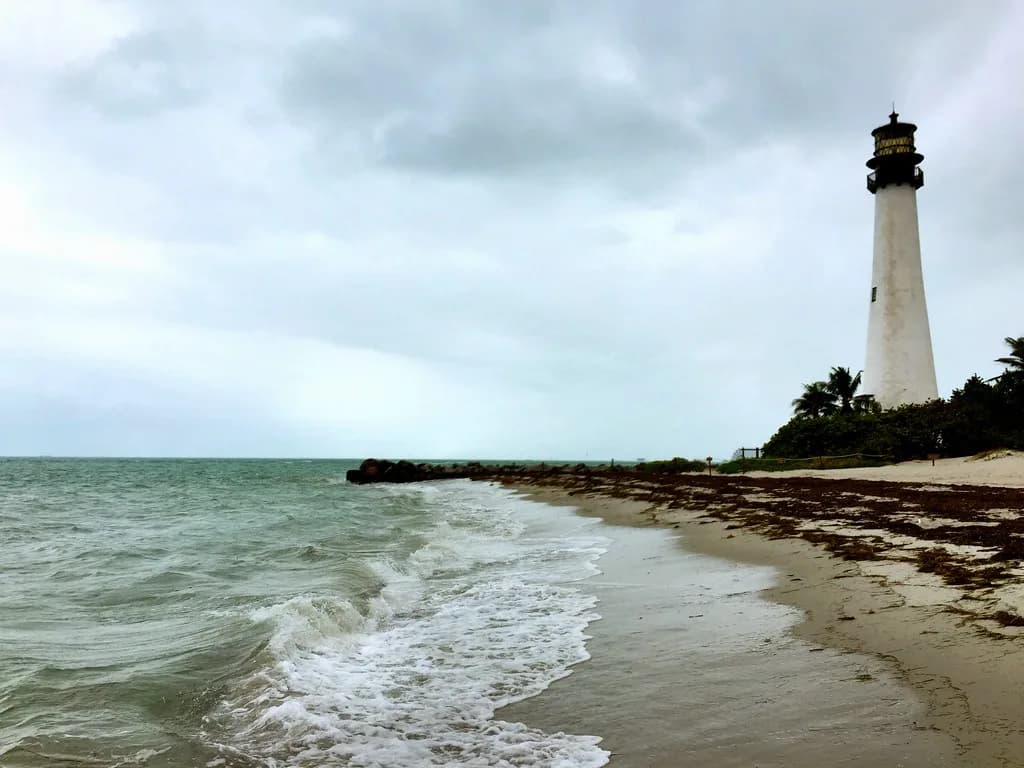
Offshore sites like Carysfort Reef, Alligator Reef Lighthouse and Sombrero Key Lighthouse are reached by boat and use free mooring balls rather than anchor drops on coral. Moorings are first come, first served, so an early departure helps you tie up and swim before the crowd arrives.
The whole chain sits within the Florida Keys National Marine Sanctuary, a protected waterway that includes the barrier reef. Sanctuary status is not a formality: it governs where you can anchor, what you can take and how close you may approach wildlife, and those rules apply whether you arrive by tour boat or your own hull.
John Pennekamp Coral Reef State Park: Cannon Beach and Reef Trips
John Pennekamp Coral Reef State Park, the first undersea park in the United States, spreads across 70 miles of coral reef and marine life in Key Largo. It is the rare place where you can snorkel from shore and join a reef boat trip from the same base, which makes it a strong pick if your group has mixed confidence levels.
At Cannon Beach you walk straight into the water and swim over artifacts from a 1715 Spanish shipwreck, which gives beginners something to look at while they settle their breathing. The park charges a per-car entry fee, and gear is available for rent from the dive shop on site at a modest per-person cost, both published in the Florida Keys snorkeling planner at Scho & Jo.
The park's snorkel boat departs four times a day and runs about two and a half hours, with roughly an hour and a half of that on the reef. That structure suits travelers who want the living coral without owning or renting a boat, though you commit to a departure time and share the site with other passengers.
Bring water and sun protection for the beach time around the boat trip, since the sun here is strong all year and you will be exposed between swims. Leave valuables in the vehicle and keep your gear in one bag so you can move between the beach and the dock without a scramble.
Bahia Honda State Park: The Easiest Shore Entry for Kids
Bahia Honda State Park near Marathon has the most forgiving shore access on this list and is the spot to choose when children or first-timers make up your group. You step in from the beach rather than clambering over rock, and a concession store on site rents equipment, which saves you hauling gear down the islands.
Shallow, easy entry is the whole appeal here: kids can stand, wade and practice with a mask before committing to a longer swim, and adults can stay close without fighting a current. Plan your swim for calm, bright conditions, since a sandy shore entry turns murky quickly when wind pushes water around.
Pair the beach swim with a walk around the park and a picnic rather than a second water session, so the day stays short enough for young attention spans. If you want a second snorkel later in the trip, save a reef boat for the day the kids are rested and confident.
Islamorada Library Beach Park: Shallow Grass and Boat Traffic
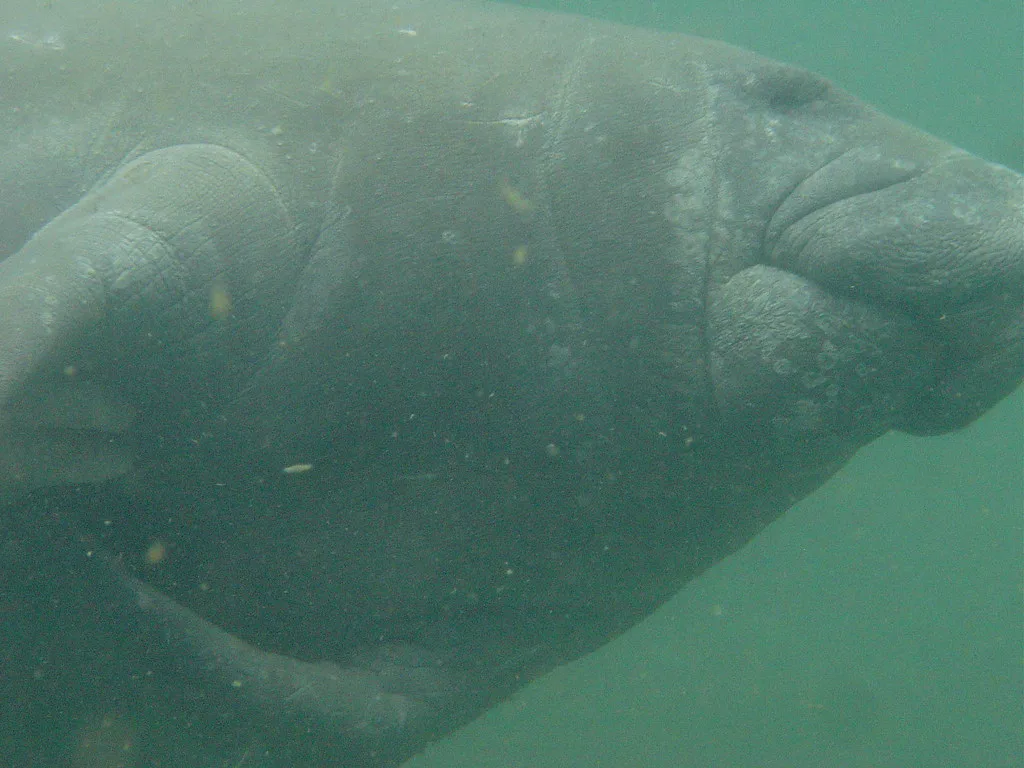
Behind the Islamorada Public Library is a small beach park with shallow water that draws swimmers and, often, manatees, Florida Keys lobsters and nurse sharks. It is a simple shore option that puts you in the water without a boat ride or a park entrance line.
The trade-off is traffic. Boats, jet skis and dinghies use this water, so swim with a buddy, keep your head up on the surface and stay close to the beach rather than striking out across the channel. A bright rash guard and an easily seen fin color help others spot you at a distance.
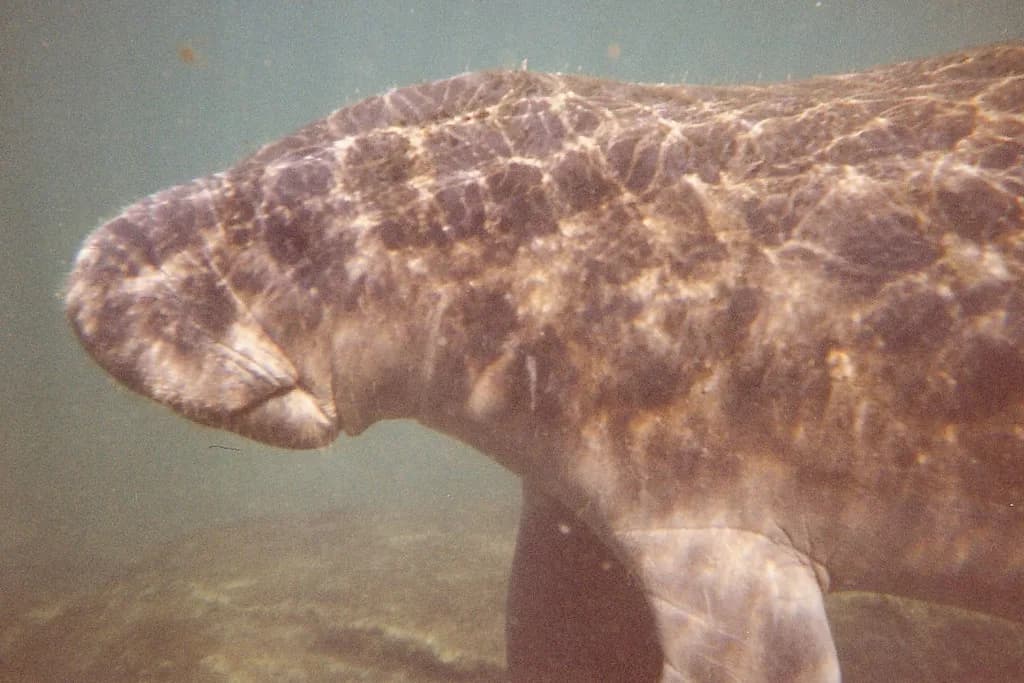
If manatees are your goal, know that Florida manages human interaction with them closely, and passive observation from a distance is the standard everywhere they appear. Read the approach rules for snorkeling with manatees before you go so your swim supports the animals rather than disturbing them.
Key West: Fort Zachary Taylor Beach and Tour Boats
Fort Zachary Taylor Beach in Key West gives you a beach-entry snorkel with a beach hut that rents gear, making it the practical pick if you are staying in town without a car. It is a straightforward swim rather than a reef trip, so treat it as a warm-up or a relaxed afternoon rather than the main event.
Key West's tour boats bundle a captain, crew, gear and instruction, which is the low-stress way to reach offshore water if you are new to snorkeling. Some tours add extras like breakfast or a sunset component, so compare what each includes rather than picking on price alone.
For a bigger outing, Dry Tortugas National Park and Fort Jefferson sit well beyond Key West and require a reserved ticket booked in advance. That trip is a full day and a bigger spend, so reserve it as a centerpiece rather than tacking it onto a beach afternoon.
Gulf Coast Grass Flats: Calm, Shallow Water
Florida's Gulf Coast offers a different snorkel altogether: soft grass flats, shallow clear water and gentle wave action that suits families and anyone who prefers to stand up mid-swim. St. Joseph Bay is the benchmark for this style, with sea grass meadows that shelter small fish, crabs and other invertebrates.
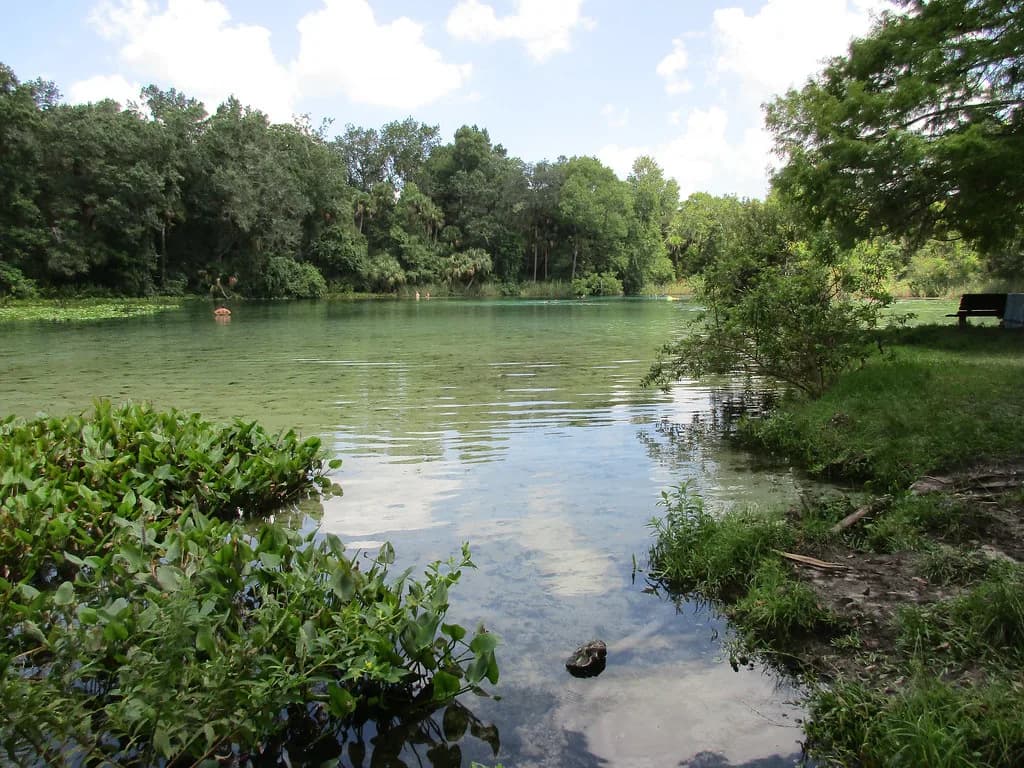
The Gulf's gentler surf and shallow entry points make it a reasonable first snorkel for kids, and water temperatures stay mild across most of the year. You give up the coral reef spectacle, but you gain calm water, easy exits and a much shorter swim to something worth watching, which is why snorkeling Florida gulf coast bays works so well for young families. If you would rather compare this against a shallow spring run instead of a bay, the best springs to snorkel in Florida offer a similar easy-entry day.
Grass flats reward slow swimming and close looking, since the life here is small and well camouflaged. Move your fins gently to avoid kicking up sediment, hover rather than stand on the bottom, and keep a lookout for rays resting in the sand.
Best Time of Year and Time of Day for Clear Water
The Keys have a mild maritime climate and can be snorkeled year-round, but winter cold fronts bring wind that stirs the water and cuts visibility, according to the Florida Keys snorkeling guide at Scho & Jo. Summer delivers heat and humidity, and July through November is hurricane season, so storm potential shapes planning more than temperature does.
April is a strong compromise: the summer heat has not arrived, school is still in session and the water is already warm. Winter is the busy high season as visitors escape colder climates, which means more boats and fuller tours around the reef.
For time of day, aim for morning light and lighter wind, and choose a sunny, low-wind day over a hot one. Calm surface conditions settle the water and improve clarity, so a slightly cooler morning usually beats a windy afternoon.
What You'll See: Fish, Turtles, Rays, Manatees and Nurse Sharks
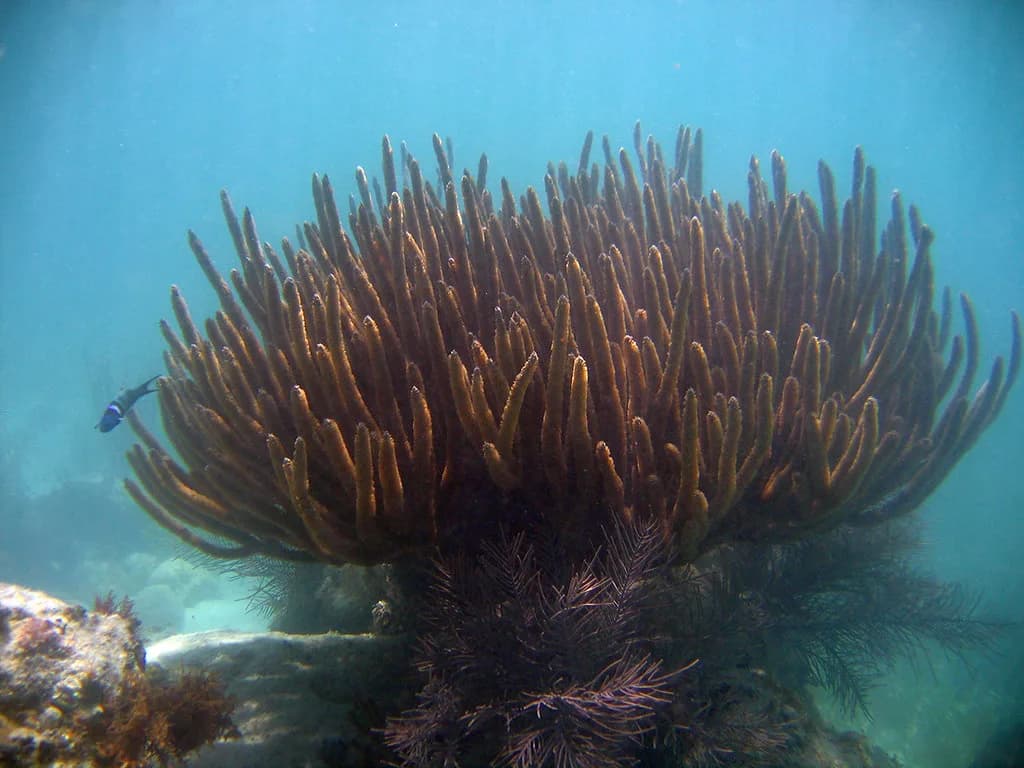
The Keys reef is the headline, and the fish life around living coral is the reason to get offshore at least once. Expect to share the water with reef fish, and in grass and sand areas you may encounter nurse sharks and rays resting on the bottom.
Turtles, manatees and lobsters all appear across Florida snorkel sites, but never on demand. Give animals room, let them move away on their own terms, and resist the urge to reach out or block their path, which is both a welfare issue and a legal one where wildlife rules apply.
A severe summer bleaching event hit the Keys reef when water temperatures climbed far above normal, and reef recovery is slow. Snorkeling practices that keep fins off coral and hands off the bottom matter more than ever at these sites.
Reading Conditions: Wind, Swell and Visibility
Visibility in Florida is driven by wind more than anything else. A steady breeze onshore muddies a sandy shore entry, while offshore wind flattens the water and clears it, and a cold front can flip both within a day.
Watch the swell direction against the site. A beach that is calm in a westerly pattern can get surge in an easterly one, and offshore reefs that shelter you on good days can become uncomfortable when swell builds. Plan a backup shore spot in case the water turns.
Florida's jellyfish populations shift with season and current, and some species sting more seriously than others. A quick look at local beach advisories before you swim is a reasonable habit for anyone spending an afternoon in the water.
Currents, Boat Traffic and Entry Hazards
The most common trouble at Florida snorkel sites is not dramatic surf but steady current and boat traffic. Library Beach Park is a clear example: boats, jet skis and dinghies share the same water, so the buddy system and a bright surface profile genuinely help there.
On the reef, current runs strongest along the reef edge, so swim into it and return with it where possible. A diver-down flag is required and important on private boats, and staying near the mooring ball keeps you visible to other vessels.
Entry hazards are site-specific: sand is easy, rock is slippery, ladders require a hand free. Decide how you will get out before you get in, especially in a mild shore break where timing matters more than strength.
Rules on the Water: Sanctuary, No-Take Zones and Wildlife Distance
The Keys reef sits inside a national marine sanctuary, where anchoring on coral is not acceptable and free mooring balls protect the reef structure. If you catch your own dinner or pick up shells, remember these are protected waters with specific take rules.
Leave everything where you find it. Coral, shells and marine life are part of a delicate ecosystem, and the standard practice is to take only memories and leave only ripples so the site remains worth snorkeling next year.
Wildlife rules apply everywhere in Florida, with distance requirements that vary by species and area. Follow posted signage and ranger guidance rather than approaching animals, and keep your distance even when a curious turtle or manatee comes closer to you than you expected.
Reef-Safe Sunscreen and Sun Protection That Works
You are exposed to direct sun and double the ultraviolet load because rays bounce off the water, so cover-up matters more than a single morning application. A long-sleeve rash guard for adults and kids reduces how much sunscreen you need and stops the burn that ruins the next day of the trip.
Reef-safe formulas protect both your skin and the water, and many divers use them as a default in coral areas. Reapply on your face, ears, hands and feet, which stay exposed even under a rash guard.
If you are worried about jellyfish, sun protection and a barrier layer overlap: a thin suit or even a lycra layer covers more skin than sunscreen alone. Carrying a small first-aid kit with sting relief is a practical addition for adults snorkeling open water.
Parking, Fees and Facilities: What State Parks Publish
Managed state parks are the most predictable places to snorkel because entrance fees, gear rental and boat schedules are all clearly listed. John Pennekamp charges a per-car entrance fee, rents gear at its dive shop and runs four reef departures daily, while Bahia Honda has a concession store for equipment.
Those fees are modest against the cost of a private boat or a tour, which is why a state-park base suits mixed groups and families. Since entry costs and tour prices change, confirm current numbers with the park when you book.
Facilities vary by site: state parks typically have restrooms, showers and parking, while small beach parks may have less. Plan your base accordingly and pack water, a dry bag and a change of clothes so you are not dependent on amenities.
Gear for a Florida Day: Mask Fit, Fins and Full-Face Trade-Offs
A mask and snorkel are the only must-have items, and mask fit matters more than price. Test the seal before you buy: a leaking mask ruins a swim faster than anything else, and a proper fit stops water flooding in when you turn to look at fish.
Fins are optional but helpful, giving extra propulsion without extra effort on longer swims. If you struggle with a traditional snorkel, a full-face mask is an alternative worth considering, though it does not suit every swimmer or every dive operator's rules.
Boat tours typically supply gear, so you can skip the investment if you are only snorkeling once. Shore snorkelers do best with their own well-fitted set, since they may swim several times at different beaches during the trip.
Snorkeling With Kids and Nervous Beginners
Start where you can stand. Bahia Honda's gentle shore access is the family benchmark, and shallow Gulf Coast grass flats give the same advantage of ground under your feet while you adjust.
Rent gear before you buy so a child can try a mask and a snorkel without commitment. Keep sessions short, swim with an adult beside each child, and make the first goal floating and breathing rather than covering distance.
A calm, sunny morning with light wind is the best classroom, so build flexibility into the schedule. If the water is murky or bumpy, swap the swim for the beach and try again the next morning.
Pairing Spots: Building a Half-Day or Full-Day Route
A sensible Keys loop pairs one managed park with one shore entry nearby so you can compare conditions in a single day. Key Largo gives you Pennekamp and its reef trips, while Islamorada adds the library beach and offshore lighthouse options a short drive south.
For a full day, book a morning reef boat and spend the afternoon on a beach with easy walking access. This pattern works well for travelers with one snorkel day in an itinerary, because you get the offshore spectacle and a relaxed swim without two boat trips.
If your route runs south to Key West, save Fort Zachary Taylor Beach for the day you are in town and use an offshore tour for the main dive. Booking the boat early avoids losing the day to a sold-out departure.
Plan Your Florida Snorkel Day
Pick your water type first: a calm shore entry for families and beginners, an offshore reef trip for the classic Florida spectacle, or a Gulf grass flat for shallow, gentle swimming. Then match the spot to the season, the wind and how much time your group can comfortably spend in the water.
Book what needs booking before you drive, pack sun protection and a well-fitted mask, and treat wildlife and coral with the distance they require. A few decisions made in advance turn a random beach stop into the best swim of the trip.
Explore more Florida snorkeling
Frequently Asked Questions
What is the best month for snorkeling in the Florida Keys?
April is a strong balance: the water is warm, the summer heat has not peaked and crowds are lighter than in winter. Winter can work, but cold fronts bring wind that lowers visibility, so build in a backup day and watch the weather before you commit to a boat trip.
Can you snorkel in Florida without a boat?
Yes. Shore entries include Cannon Beach at John Pennekamp, Bahia Honda State Park, Islamorada Library Beach Park and Fort Zachary Taylor Beach, plus the shallow grass flats along the Gulf Coast. These suit beginners and families who want to walk in, swim and walk out.
Is snorkeling in Florida good for beginners and young kids?
Shallow shore entries are the best choice for first-timers, especially where kids can stand while they practice breathing through a snorkel. Gulf Coast grass flats and Bahia Honda offer calm, shallow water, and renting gear first lets children try it without a purchase.
What will I actually see snorkeling in the Florida Keys?
Reef fish are the main draw around living coral, and the grass and sand areas can hold nurse sharks, rays, lobsters and occasionally manatees. Turtles turn up too, but none of these is guaranteed, so plan for a good swim and enjoy whatever wildlife appears.
Do I need reef-safe sunscreen in Florida?
Reef-safe formulas are the default choice in coral areas because they protect the reef while covering your skin. Pair sunscreen with a rash guard so you reapply less, and remember that sun reflects off the water and increases your exposure.
Sources
Snorkeling notes for your next trip
Optional updates to our snorkeling guides.
You might also like
Continue reading
More guides you'll find useful