Biscayne National Park Snorkeling: Reefs vs Wrecks
Snorkeling in Biscayne National Park means boat trips to patch reefs, shipwrecks and mangrove lagoons. Learn how access works, what you will see and who it suits.
On this page
Biscayne National Park rewards snorkelers who plan around a boat, not a beach. The park spreads across southern Biscayne Bay south of Miami, and its shallow reefs, seagrass meadows and mangrove creeks sit miles from the mainland, so the day revolves around a charter, a ranger-led tour or a paddle from a key. This guide sorts the park's water by how you reach it, how deep it runs and who it suits.
Expect turquoise flats and low keys rather than a coral coast you can wade into from a parking lot. That structure is exactly why the water stays clear and the reefs see light pressure, and it also means the strongest swimmers and best-organized groups get the most out of a visit. Pair this with the wider Florida snorkeling guide when you are deciding whether to build a whole trip around boat days or mix in shore entries. If you want the opposite of a boat day, our Florida Springs snorkeling guide covers clear water you can wade straight into.
Why Biscayne Suits Boat-Based Snorkelers and Confident Swimmers
The park is overwhelmingly marine: islands and shoreline make up only a small slice of the acreage, and the rest is bay, reef and open Atlantic water. For snorkelers that means the interesting bottom is usually reached by boat, with a drop-off, a drift and a pickup rather than a stroll into the surf. If you like the independence of walking into the water, this is a park to visit for the boat experience and treat shore time as a bonus.
The practical upshot is that a Biscayne day looks more like a charter day than a beach day. You commit to a departure time, a captain or guide, and a block of hours on the water, and you accept that sea conditions set the plan. In exchange you get shallow reef and seagrass in water that is often far clearer than the mainland bay, with none of the crowds of a big public beach.
How the Park Is Laid Out: Mainland Visitor Center, Keys and Offshore Reefs
Everything starts from the mainland side, where the Dante Fascell Visitor Center sits east of Homestead at the end of a causeway. That is the park's orientation point, and it is where ranger-led trips and concessioner boats leave from. From there the park stretches south and east through a chain of keys, with open reef beyond.
The keys come in different flavors. Elliott Key is the largest island in the chain, Adams Key sits southwest of it, and Boca Chita Key is known for its lighthouse and campground. Jones Lagoon threads between Totten and Old Rhodes Keys. Offshore, patch reefs rise from the sandy bottom with no land in sight to anchor your position, which is a different kind of snorkeling than following a shoreline reef.
Access: Shore Snorkeling Versus Boat Drops
Very little of Biscayne's best water is reachable on foot. Shore entry exists around the keys where a beach or seawall meets the water, but the productive reef and grass flats are a boat ride away, and the park's own wreck tours run from the visitor center by boat. Plan on a charter or a guided trip for the reef, and treat any shore snorkel around a key as a shallow bonus.
If you want a formal product with a ranger aboard, look at the park's guided offerings and book ahead; the tours that include equipment, instruction and a boat ride are the simplest way to get onto reef water without captaining yourself. Our guide to Biscayne National Park snorkeling tours breaks down the trip options and what each type covers, which helps you match a departure to your group's comfort level.
Snorkeling a Patch Reef: Depth, Coral Cover and What to Expect
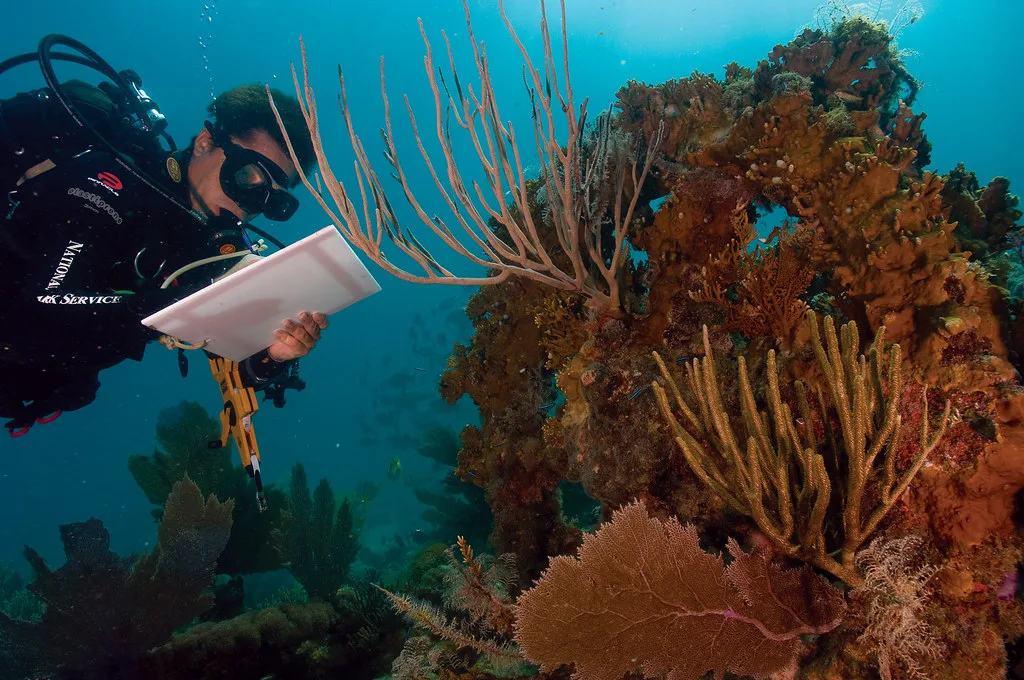
A patch reef is a coral-and-rock mound rising from a sandy or grassy flat, often with the top several feet below the surface and the surrounding bottom deeper. Snorkelers float over the crest and look down onto coral heads, sponges and reef fish, with the sandy channels between mounds holding rays and the occasional nurse shark resting on the bottom. Because there is no shoreline, you keep your bearings from the boat and the sun.
Depth varies by site, but patch reef snorkeling is generally a surface activity: you hover, breathe slowly and look down rather than diving. A pool noodle or a snorkel vest helps new snorkelers stay relaxed and horizontal, and a guide can point out fish cards afterward so you can name what you saw. Visibility depends on wind and tide, and a calm, clear morning usually beats a churned afternoon.
The Maritime Heritage Trail: Shallow Wrecks With a Ranger
Biscayne's Maritime Heritage Trail puts snorkelers over historic shipwrecks in shallow water, including the Mandalay and a 19th-century wooden sailing vessel. A National Park Service release describes ranger-led trips that depart from the Dante Fascell Visitor Center, include the boat ride and all snorkel equipment, and add a ranger overview of the park and its submerged cultural resources before you get in. The same release lists $55 per person for the four-hour Mandalay morning trip and $45 for the three-hour afternoon wreck trip, with reservations required and all participants able to swim. That archived 2013 release is useful for understanding how the tour is structured rather than as today's price list, so ask the park's concessioner about current fees and dates when you book. The trip suits novices and experienced snorkelers alike, and having a ranger narrate the wreck's history gives the shallow hulls context you would miss on your own.
Boca Chita Key: Lighthouse, Campground and Surrounding Water
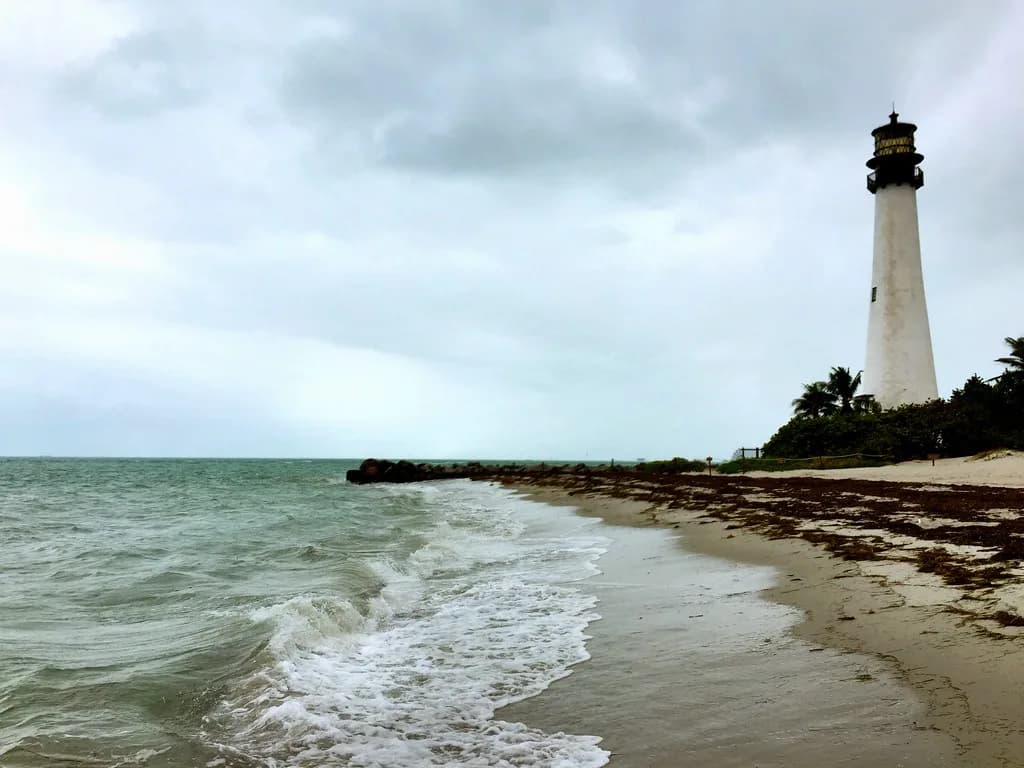
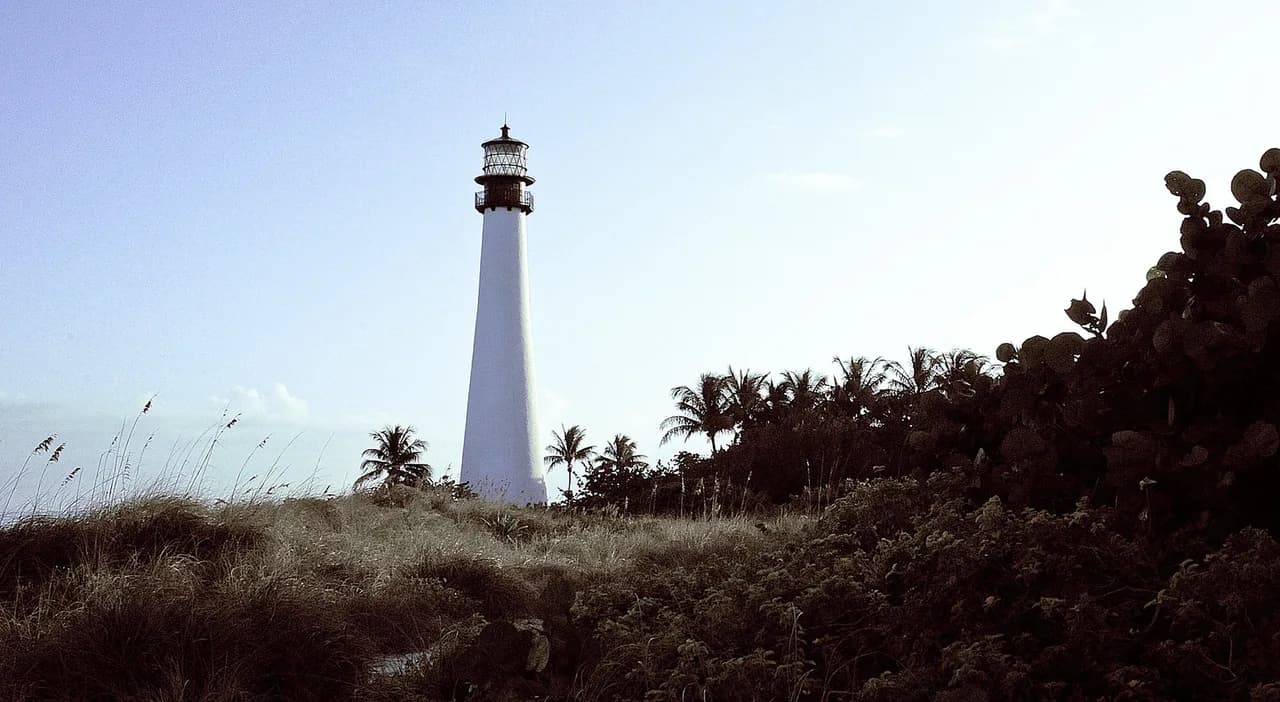
Boca Chita Key is the park's most recognizable island, marked by its ornamental lighthouse and a campground with a picnic area. Day visitors come for the harbor, the short walking paths and the views back across the bay, and the water around the key gives snorkelers a place to look for small reef fish and coral on a calm day.
The key works best as part of a boat itinerary rather than a destination in itself for reef snorkeling. Combine it with a reef stop on the way out or back, and use the island for a lunch break, a swim and a look at the lighthouse. Access and any docking arrangement are managed by the park, so sort out your landing plan before you leave the mainland.
Elliott Key and Adams Key: The Largest Island and Its Southern Reefs
Elliott Key offers the park's longest stretch of island, with a trail running north to south through its center and a backcountry campground with picnic tables and a fire ring. Snorkelers use the key as a base and a rest stop, and the reefs near its southern end are the draw for anyone with a boat and a calm day.
Adams Key, just southwest of Elliott, is quieter and gives access to more of the same shallow reef and grass habitat. A day that combines a reef snorkel with a walk on Elliott and a swim off Adams covers the park's range without a long run south. Bring water, food and shade, because facilities on the keys are limited compared with the mainland.
Jones Lagoon and the Mangrove Backcountry: Sheltered Shallow Water
Jones Lagoon is a maze of mangrove-lined channels between Totten and Old Rhodes Keys, sheltered from the open ocean and shallow enough to explore by paddleboard or kayak. The water is clear and calm, and the appeal is the nursery habitat: sponges growing on mangrove roots, small fish, stingrays gliding over the bottom, and birds nesting in the branches. It is a different experience from reef snorkeling, better suited to slow, quiet exploration than to hovering over coral.
Because the lagoon is shallow and enclosed, it is a good match for less confident swimmers who still want to see marine life, and for photographers who want still water. Keep your distance from nesting birds and never chase or handle the animals you encounter, including the upside-down jellyfish that rest on the lagoon floor. A guided paddle trip handles the navigation through the channels and the timing around tides.
Seagrass Beds: Where Turtles, Rays and Lobster Live
The park's seagrass meadows are the quiet counterpart to its reefs. Turtles graze there, rays cruise over the sand between blades, and spiny lobster tuck into crevices at the edges of the grass. Snorkeling a flat grass bed is less visually dramatic than a coral head, but it is where you are most likely to see larger animals moving through.
Treat grass beds as a look-don't-touch habitat: keep your fins off the bottom, give turtles room to surface and breathe, and never block an animal's path. Because the bottom is shallow, a careless fin kick stirs silt and ruins visibility for everyone behind you. Drifting slowly with the tide and letting the boat follow is the standard approach.
Marine Life You May See: Parrotfish, Angelfish, Rays, Turtles and Coral
Reef fish are the constant on a Biscayne snorkel: parrotfish scraping at coral, angelfish darting through the structure, and schools of smaller fish hovering over the mounds. Rays glide over sand channels, sea turtles appear over grass beds, and spiny lobster hide in rocky crevices. Hard and soft corals give the reef its color, and a shallow wreck adds encrusting growth and fish life around the hull. Sightings are never guaranteed, and a quiet, slow approach with a small group gives you the best chance.
Best Time of Year and Time of Day for Calm Water
The dry season, roughly November through April, brings calmer water and better visibility, which makes it the most reliable window for a reef trip. Summer can still deliver good days, but afternoon storms and wind chop build faster, so morning departures are the safer bet in any season. Early and late in the day also soften the sun, which helps both your skin and the light underwater.
Watch the wind direction as much as the forecast. An onshore breeze stacks chop on the reef side and cuts visibility, while a sheltered lee gives you flat water even when the bay looks rough. Build flexibility into your booking so you can shift a day if the marine forecast turns.
Skill Level and Who Each Spot Suits, Including Kids and New Snorkelers
Patch reef and wreck snorkeling suit anyone comfortable in deep water who can swim, float and follow a guide, including older kids who have snorkeled before. Open-water reef has no shore to retreat to, so it is not the place for a first-timer who panics with a mask on. The ranger-led wreck trips are set up for novices and experienced snorkelers who can swim, which makes them a reasonable entry point for a confident beginner.
Jones Lagoon and the shallow grass flats around the keys are the gentler options: calmer, shallower and easier to exit. Families with young children do best with a short paddle or a protected swim rather than a full reef charter. If you want shore-based options closer to Miami, Key Biscayne snorkeling and the beaches at Bill Baggs Cape Florida State Park give you a fallback for a windy day.
Hazards: Open-Water Exposure, Currents, Boat Traffic and Sun
The main hazards here are structural. Patch reefs sit in open water with no land in sight, so current, chop and distance from the boat all matter more than they would on a shore reef. Boat traffic around popular keys and channels demands a visible float and a guide who knows the anchoring pattern. Sun exposure is relentless on the water, and a rash guard plus reef-safe sunscreen beats reapplication on a rocking boat.
Check the marine forecast and any park advisories before departure, and follow the captain's or ranger's instructions on where to swim. High surf, thunderstorms and strong current are reasons to reschedule rather than push through. If you are prone to seasickness or cold, a light layer and a morning slot help.
Fees, Reservations and Guided Tour Logistics
Guided trips vary in cost and format, so get the current price, departure time and cancellation policy directly from the park's concessioner when you reserve. The ranger-led wreck tours are the most formalized option, with a set meeting point at the Dante Fascell Visitor Center and a published structure that includes equipment and instruction. Book early in peak season, and confirm whether your trip runs with a minimum number of passengers.
For a self-organized day, your logistics are the boat, the fuel, the ice and the anchoring plan. Ferries and shuttles to the keys can fill up, and camping on Elliott or Boca Chita needs a reservation through the park. Read the charter company's gear list before you pack so you are not carrying extras onto a small boat.
Rules: No-Take Waters, Coral Contact and Wildlife Distance
Biscayne's waters are protected, and the reef and seagrass habitats are the reason. Never stand on, touch or collect coral, and keep hands off sponges, lobster and shells. Give turtles, rays and any sharks you encounter space to move away on their own, and never feed or chase wildlife. On the mangrove edges, stay clear of nesting birds.
Sunscreen rules and fishing regulations differ across Florida waters, so use reef-safe products and check the park's current rules before you go. If you plan to fish or spearfish, verify what is allowed in the specific zone you will be in. A ranger or guide can clarify the boundaries for your trip.
Parking, Facilities and Combining With Nearby Miami and the Everglades
The mainland visitor center has the park's main facilities: parking, restrooms, exhibits and the departure point for boat trips. The keys are much more basic, with campgrounds, picnic tables and vault toilets rather than full services, so carry in what you need and pack out your trash. Showers and gear rentals are a mainland convenience, not something to count on at the islands.
Biscayne pairs naturally with the Everglades to the west and with Miami to the north. A morning reef trip followed by an afternoon drive into the Everglades, or a beach day on Key Biscayne on the way home, fills out a South Florida itinerary. Virginia Key snorkeling adds another shore option near the city if the marine forecast keeps you off the reef.
Plan Your Visit
Build your Biscayne day around one good boat window rather than trying to cover the whole park. A ranger-led wreck trip or a patch reef charter in the morning, a swim and lunch at a key, and a paddle in Jones Lagoon if the tide and wind cooperate give you the range of habitats the park is known for.
Book ahead, pack light, and treat wildlife as a bonus rather than a goal. Once you have your dates set, line up your operator through our guide to snorkeling tours and keep the rest of your Florida trip flexible enough to swap days if the weather turns.
Explore more Biscayne snorkeling
Frequently Asked Questions
Do you need a boat to snorkel in Biscayne National Park?
For reef and wreck snorkeling, yes. The productive reef and grass habitat sits offshore, and most trips run by boat from the Dante Fascell Visitor Center or with a private charter. Shore options around the keys and the mainland are shallow and limited, while Jones Lagoon is reached by paddlecraft.
What marine life can you see snorkeling in Biscayne National Park?
Parrotfish, angelfish and other reef fish are common over coral and rock, with rays and spiny lobster in sand channels and crevices. Sea turtles appear over seagrass beds, and mangrove creeks hold small fish, sponges and upside-down jellyfish. Sightings vary by site and season and are never guaranteed.
When is the best time to snorkel in Biscayne National Park?
The dry season, roughly November through April, brings calmer water and better visibility. In any season, mornings usually beat afternoons because wind and storms build later in the day. Watch the marine forecast and wind direction, since an onshore breeze can cut visibility on the reef.
Is Biscayne National Park good for beginner snorkelers?
Confident beginners do well on guided wreck trips, which include equipment, instruction and a ranger aboard, and require participants to be able to swim. Jones Lagoon and shallow grass flats suit new snorkelers and families with young children. Open-water patch reef is better for people already comfortable in deep water away from shore.
What is the Maritime Heritage Trail snorkel tour?
It is a ranger-led boat trip to shallow historic shipwrecks in the park, including the Mandalay and a 19th-century wooden sailing vessel. A published park release describes a four-hour morning trip and a three-hour afternoon trip, with equipment and instruction included and reservations required. Ask the park's concessioner for current dates and pricing.
What should you bring for a Biscayne snorkel day?
Bring your own mask, snorkel and fins if you have them, plus a rash guard, reef-safe sunscreen, a hat and water. On boat days add a light layer, snacks and a waterproof camera, and carry everything back off the keys. Park in the shade at the mainland and avoid leaving valuables in the sun.
What are the main hazards of snorkeling in Biscayne?
Open-water exposure is the biggest one: patch reefs sit offshore with current, chop and boat traffic around you. Sun is intense, so cover up and reapply reef-safe sunscreen. Check the marine forecast and park advisories before departure and follow your captain's or ranger's instructions.
What else can you combine with a Biscayne snorkel trip?
Pair a morning reef trip with an afternoon walk or camp visit at Elliott Key or Boca Chita Key. On the mainland, the visitor center exhibits fill a weather delay. Miami, Key Biscayne and the Everglades are all within driving range for the rest of the day.
Sources
Snorkeling notes for your next trip
Optional updates to our snorkeling guides.
You might also like
Continue reading
More guides you'll find useful