Key Biscayne Snorkeling: Where to Go for Bay and Reef Trips
Key Biscayne snorkeling means calm bay water and mangrove edges, with reef and shipwreck trips running out of Biscayne National Park. Here is how to plan the day.
On this page
Key Biscayne rewards snorkelers who like calm, shallow water and a short boat ride more than a long swim over coral. The inside of the island faces Biscayne Bay, where seagrass meadows and mangrove fringes hold fish, rays and the occasional turtle in water that stays far gentler than the Atlantic shore. It suits families with strong-swimming kids, nervous first-timers and anyone who would rather spend the morning drifting over grass than battling a shore break.
The catch is that the best snorkeling here is reached by boat, not by wading off the sand. The bay side of Key Biscayne is shallow and grass-bottomed near the shoreline, so the richer habitat—mangrove edges, coral patches, wreck sites—comes from a guided departure out of Convoy Point at the Dante Fascell Visitor Center in Homestead. Plan around that, and the island becomes a comfortable base rather than the dive site itself.
How the Water Is Laid Out
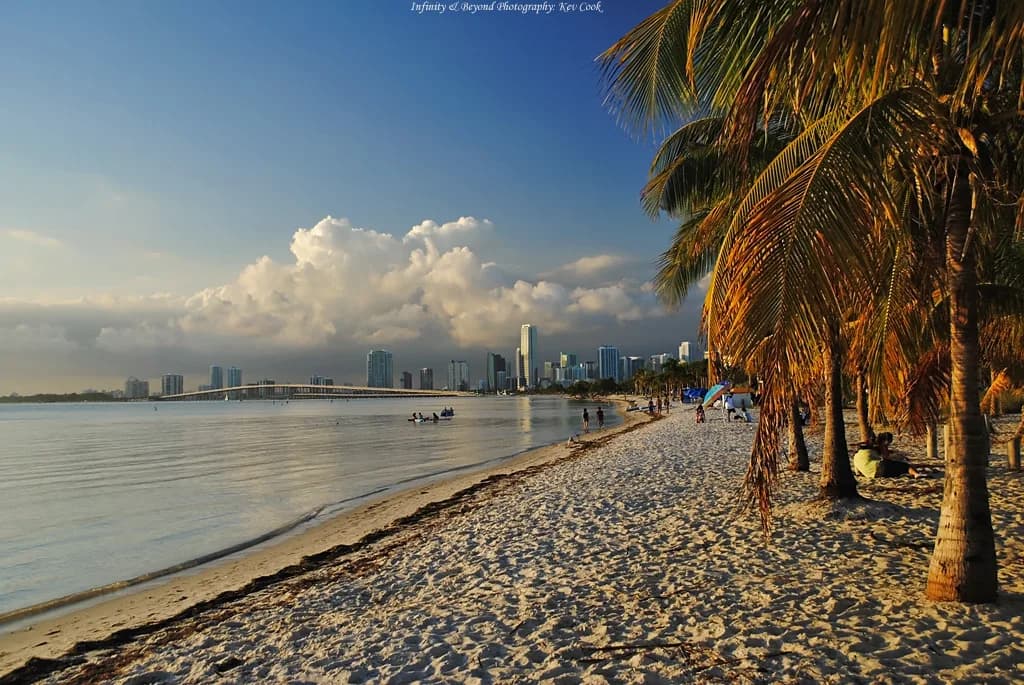
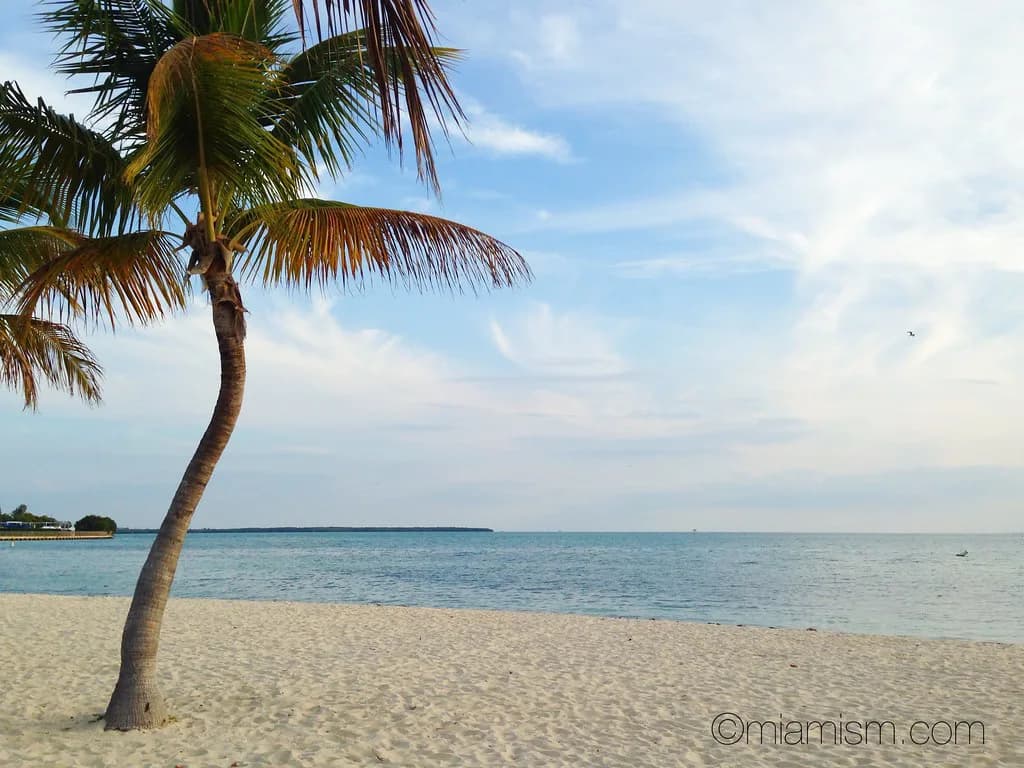
Key Biscayne sits between the bay and the ocean, and the two sides behave like different destinations. The bay side is shallow, sheltered and grassy, with mangrove shorelines along the island and the keys to the south; the ocean side takes the swell and the surf. For snorkeling, the bay side is where you want to be, and the open Atlantic shoreline is better left to surfers and beach days.
Snorkeling in Biscayne National Park begins where the shallow bay grass gives way to channels, mangrove islands and, farther east, patch reefs and wreck sites. The park's water is mostly bay, which is why the Biscayne National Park Institute describes snorkeling here in terms of seagrass meadows and mangrove fringes within the bay, and coral patches or shipwrecks only when a boat runs toward the ocean side. Knowing which habitat your trip targets is the single most useful planning decision you will make.
Getting In: Boat Departures from Convoy Point
Guided trips leave from Convoy Point at the Dante Fascell Visitor Center in Homestead, reached by driving south from Key Biscayne across the Rickenbacker Causeway and down the coast. Check-in happens at the bookstore on the second floor next to the visitor center 30 minutes before departure. Arriving early gives you time to complete the online waivers and use the visitor center restrooms before boarding, which matters on the powerboat, because that vessel has no bathroom.
Sail, Paddle and Snorkel departs at 10 a.m. aboard a roughly 42-foot sailboat limited to six passengers, and it stays inside the bay the whole time. The trip snorkels in calm bay water alongside mangrove fringes and does not go to the Atlantic-side reefs. For anyone prone to seasickness, this is the smoother option, and the shade rigging and marine bathroom on board make a six-hour day easier to manage.
Sail Trip vs. Powerboat Eco-Adventure
The two guided formats differ mainly in where they can take you. The sailing trip trades reef access for comfort: it stays in protected bay water, paddles double kayaks through island mangroves, and adds an island stop. The Snorkel and Paddle Eco-Adventure uses a 23- or 28-foot powerboat to reach coral patch reefs and Jones Lagoon when weather allows, at the cost of more movement on the ocean side and no bathroom on board.
Both run about six hours and carry a maximum of six passengers, so neither feels like a crowded cattle boat. Both require fins while snorkeling, provide snorkel vests that must be worn in the water, and offer pool noodles and life jackets on request. Choose the sail trip for a calm first experience with kids, and the powerboat for swimmers who want a shot at coral and a wreck.
What You Will See
Expect habitat first and species second. In the bay, the draw is the seagrass and the mangrove edge, where small fish, invertebrates and the occasional ray work the grass, and the Biscayne National Park Institute supplies fish, bird and invertebrate identification cards on the sailing trip. On the powerboat route, guides describe looking for dolphins, rays and sea turtles, and paddlers watch for the roseate spoonbill in the mangroves. None of these are guaranteed, and the captain picks the day's site based on weather and the group's interests.
Treat every animal as wild and keep your distance; never touch, feed or chase a turtle, ray or dolphin, and let them dictate the encounter. The bay's shallow grass is also where a mask and slow finning pay off, since much of the life sits low and camouflaged rather than in open water. Bring a rash guard and reef-safe sunscreen, which the Biscayne National Park Institute lists among what to pack.
Depth, Distance and the Day's Route
The bay snorkeling is shallow: you are over seagrass and along mangrove roots, which keeps the reef close to the surface and the swim short. The powerboat trip can run out to patch reefs and wreck sites on the ocean side, where the water is deeper and the crossing longer. Because the captain chooses the site daily, you will not know the exact reef until you board, so plan for flexibility rather than a fixed site.
The six-passenger cap and the fixed morning departures mean the day has a predictable shape: check-in, a crossing of the bay, a morning in the water, a lunch stop on anchor or ashore on a barrier island, an afternoon session, and a return to the visitor center around 4:15 p.m. on the eco-adventure. Pack lunch, since neither trip includes it, and keep valuables in a dry bag on the boat.
Skill Level and Who It Suits
Both trips are built for confident swimmers, not waders. The Biscayne National Park Institute asks guests to be able to swim and float confidently, because bay and ocean water can carry currents and swell, and requires everyone to climb a four-step vertical ladder unassisted to get back aboard. There is also a 275-pound limit for in-water activities and a six-passenger cap that includes children and infants.
Age minimums split the two trips. The sailing trip takes ages 5 and up on shared departures, while the powerboat eco-adventure sets 12 and up, with private trips open to all ages. Families with young children or hesitant swimmers should lean toward the sail trip and its calmer bay water; strong older kids and adults who want reef and wreck time fit the powerboat better.
Best Time of Day and Season
Book the morning departure. Both trips leave between 10 and 10:15 a.m., putting you in the water before the afternoon buildup, and the bay crossing is typically smoother than an open-ocean run later in the day. The sail trip is the better pick when ocean swells are up, since it never leaves protected water.
Season and daily weather decide which site is available, so watch the marine forecast in the days before you go and call the Biscayne National Park Institute if conditions look marginal. The captain's site choice is weather-driven, not fixed, so a windy week may push the powerboat toward sheltered options or the bay. Build a spare morning into your Key Biscayne itinerary so a blown-out day does not sink the whole plan.
Hazards to Plan Around
Currents and swell are the main things to respect. The Biscayne National Park Institute notes that swimming in the bay and open ocean can involve currents and swell, and that the ocean side carries more movement than the bay. Wear the required snorkel vest, stay with your guide, and surface to check your position rather than drifting with your head down.
Boat traffic and sun are the quieter hazards. You are sharing the water with other vessels, so keep clear of the boat's prop and follow the captain's direction on where to surface. Sun exposure over a six-hour day is significant, and a rash guard, hat and reef-safe sunscreen are the practical defenses. If you are prone to motion sickness, say so at booking, since the crew can factor it in.
Gear and What It Costs
Snorkel vests are provided and must be worn, and fins are required for all snorkeling; paddling gear and stand-up paddleboards come with the trips. Rental is available if you do not bring your own: the snorkel bundle of mask, fins and snorkel runs $16, with a mask at $5, fins at $6, a snorkel at $5 and a shorty wetsuit at $10. Bring your own mask if fit matters to you, and let the guide approve any personal gear.
Trip pricing is straightforward and worth budgeting for. A shared passenger seat is $209 on either the sailing trip or the powerboat eco-adventure, and a private trip for up to six passengers is $1,254. Lunch is not included on either trip, so add a packed lunch and snacks to the day's cost and bring a water bottle.
Parking and Check-In at Convoy Point
Park at the Dante Fascell Visitor Center at 9700 SW 328th Street in Homestead, where the trip departs from Convoy Point. Check-in is at the bookstore on the second floor beside the visitor center, 30 minutes before departure, so aim to arrive with a little buffer for parking and waivers. Complete the online waivers before you leave home, since adults sign their own and a parent or guardian signs for minors.
Use the visitor center restrooms before boarding. The sailboat has a marine bathroom, but the powerboat does not, and the Biscayne National Park Institute recommends the visitor center facilities before departure on both trips. Leave anything you do not want wet in a dry bag, and keep a small cooler for lunch if you are bringing your own food.
Rules and Wildlife Etiquette
You are snorkeling inside a national park, so treat the reef, seagrass and mangroves as protected habitat: no touching coral, no standing on grass beds, no collecting shells or organisms, and no feeding fish. Keep a respectful distance from turtles, rays and dolphins, and never chase or block an animal's path. Reef-safe sunscreen is what the Biscayne National Park Institute asks guests to bring, and it is the right default anywhere in the park.
Fins are required while snorkeling, snorkel vests must be worn, and all minors must be accompanied by an adult. Tell the captain or mate about recent surgeries, back injuries, pregnancy, motion sickness or any other condition before the boat leaves, since the Biscayne National Park Institute asks guests to disclose these in advance. Groups are capped at six passengers under Coast Guard regulations, so book early for peak weekends and check current prices and dates before you go.
Nearby Spots to Combine
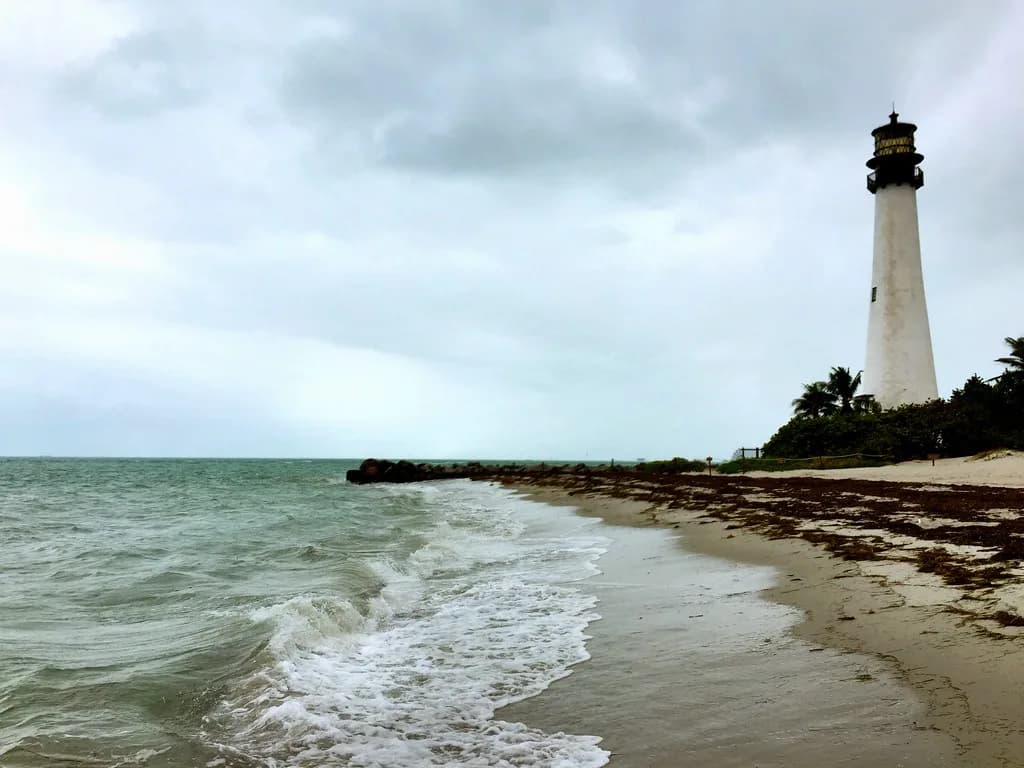
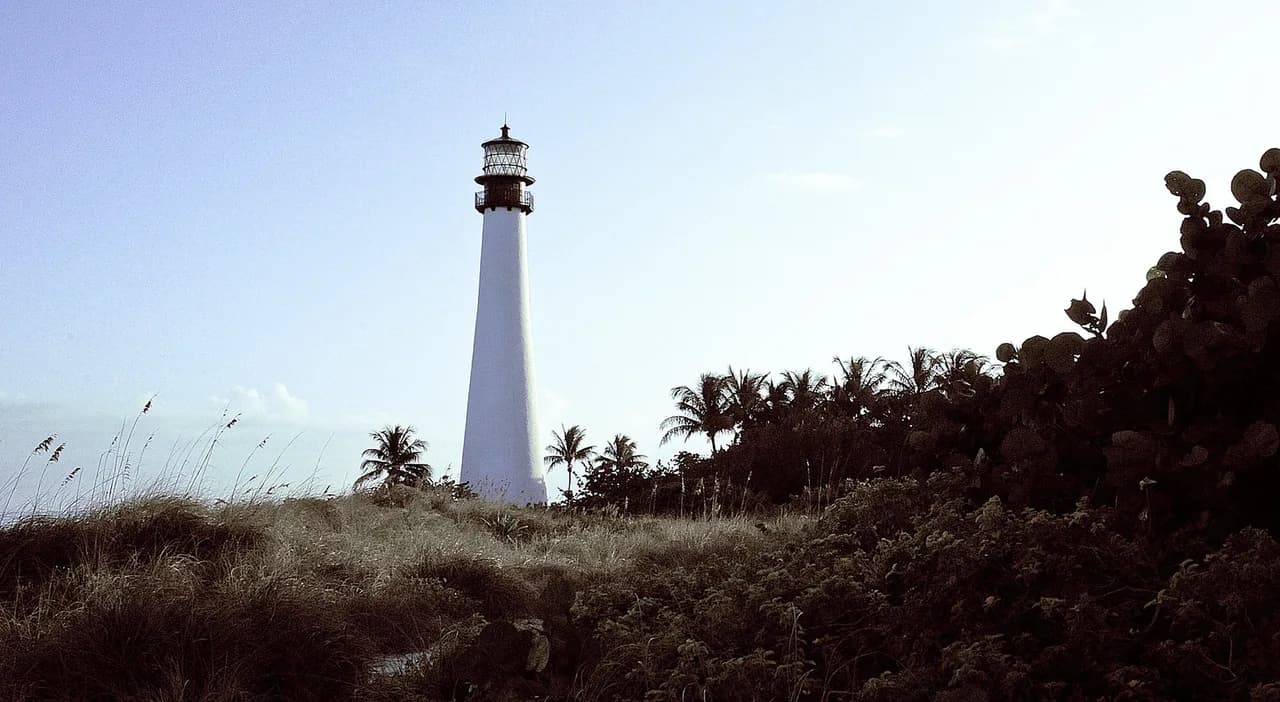
Pair a morning trip with an afternoon on the island. Snorkeling at Bill Baggs Cape Florida State Park sits at the southern tip of Key Biscayne and makes a good post-trip beach stop, while Virginia Key, on the drive back over the causeway, works for a picnic and a look at the bay. Both keep you on the sheltered side of the water rather than the surf.
If you are driving south anyway, the upper Florida Keys are a natural next stop after Homestead, and they offer more shore-accessible reef than the bay side of Key Biscayne. Build the trip as a bay morning followed by a Keys day rather than trying to do both in one afternoon. For that Keys day, compare these boat-based options with the snorkeling in Key Largo, where shore entries and reef trips are easier to reach. The drive back over the Rickenbacker at sunset is its own reward.
Plan Your Visit
Key Biscayne snorkeling works best when you treat the island as a base and the bay as the destination. Book the sailing trip if you want calm water, younger kids and an easy first experience; book the powerboat eco-adventure if you are a confident swimmer chasing coral patches and a wreck site. Either way, reserve early for the six-passenger cap and check the marine forecast before you commit.
Confirm departure timing and trip availability with Biscayne National Park Institute directly, since the captain's site choice and the day's route depend on conditions. Pack reef-safe sunscreen, a rash guard, a dry bag and your own lunch, and leave the afternoon open for the island's beaches and the causeway drive back.
Frequently Asked Questions
Do you need a boat to snorkel at Key Biscayne?
For the best habitat, yes. The shallow bay near the island is grass-bottomed and sheltered, while the richer mangrove edges, coral patches and wreck sites are reached by guided trips from Convoy Point at the Dante Fascell Visitor Center in Homestead.
What can you see snorkeling in Biscayne Bay?
The bay side is seagrass and mangrove habitat, so expect small fish, invertebrates and the occasional ray, with dolphins and sea turtles possible on the powerboat route toward the reef. The operator supplies fish, bird and invertebrate identification cards on the sailing trip. Sightings are never guaranteed, since the captain picks the site based on weather.
Is the bay side or the ocean side better for beginners?
The bay side. The sailing trip stays inside protected water, snorkels calm bay areas and avoids the more exposed ocean crossing, making it the better pick for first-timers and families. The powerboat eco-adventure heads toward patch reefs and can involve more movement.
How much does a guided snorkel trip in Biscayne National Park cost?
Current trip fares and private-charter rates are listed on the Biscayne National Park Institute booking pages for each trip, and they are set per passenger and per private boat rather than by the park. Snorkel gear rental is priced separately and can be added when you book or at check-in. Confirm the total on the booking page before you reserve.
What age can kids join a snorkel trip from Key Biscayne?
The sailing trip takes ages 5 and up on shared departures, while the powerboat eco-adventure sets 12 and up, with private trips open to all ages. All minors must be accompanied by an adult, and participants must be able to climb a four-step vertical ladder unassisted.
Is it safe to snorkel in Biscayne National Park?
Conditions can involve currents and swell in both bay and ocean water, so guests should be able to swim and float confidently. Snorkel vests must be worn, fins are required, and the crew asks guests to disclose medical conditions before departure.
Where do you park for a Biscayne National Park snorkel trip?
Park at the Dante Fascell Visitor Center at 9700 SW 328th Street in Homestead, where trips depart from Convoy Point. Check in at the second-floor bookstore beside the visitor center 30 minutes before departure, and complete online waivers in advance.
Sources
Snorkeling notes for your next trip
Optional updates to our snorkeling guides.
You might also like
Continue reading
More guides you'll find useful