Virginia Key Snorkeling: Shore Entry, Reefs and Boat Trips
Virginia Key snorkeling splits into shallow bay wading from sandy beaches and boat trips to offshore reefs. Here is where to get in and who each option suits.
On this page
Virginia Key rewards snorkelers who want an easy, low-stakes swim rather than a coral-reef spectacle. The barrier island sits between Biscayne Bay and the open Atlantic, so one side gives you calm, shallow water off sand and the other gives you wind and wave. It suits families with kids, first-timers fitting a mask, and anyone who wants a short paddle before a beach afternoon.
The truth about the island is that its shallow bay flats are not the colorful reef you see on charter brochures. Those reefs lie miles offshore and are reached by boat, with tour boats heading to protected inner reef sites. Plan Virginia Key as the gentle half of a two-part snorkel day and book the reef trip separately.
Where Virginia Key Sits
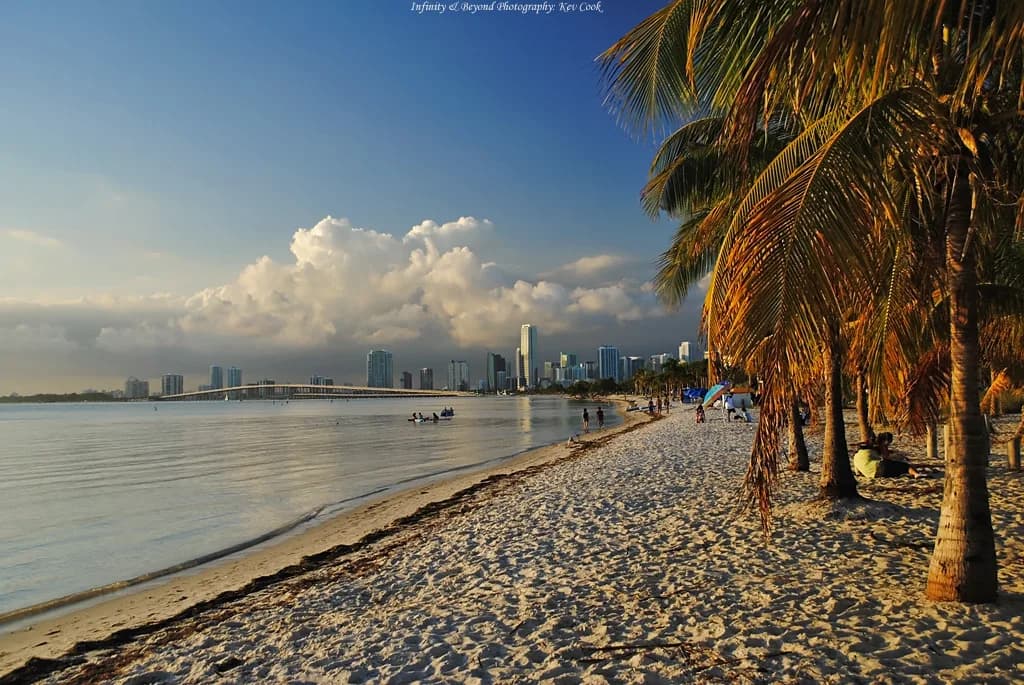
Virginia Key is the island between mainland Miami and Key Biscayne, reached by the Rickenbacker Causeway across the bay. The causeway crosses Virginia Key before continuing to Key Biscayne, so you pass through it on the way to the better-known island beaches. Because the island has bay shoreline on one flank and Atlantic exposure on the other, the two sides behave very differently when the wind picks up.
That layout is the whole planning decision. On a breezy day the Atlantic side takes the chop while the bay side stays flatter, which is why bay beaches are the sensible choice for beginners and kids. When you want actual coral and tropical fish, you leave the island by boat.
Shore Snorkeling in Biscayne Bay
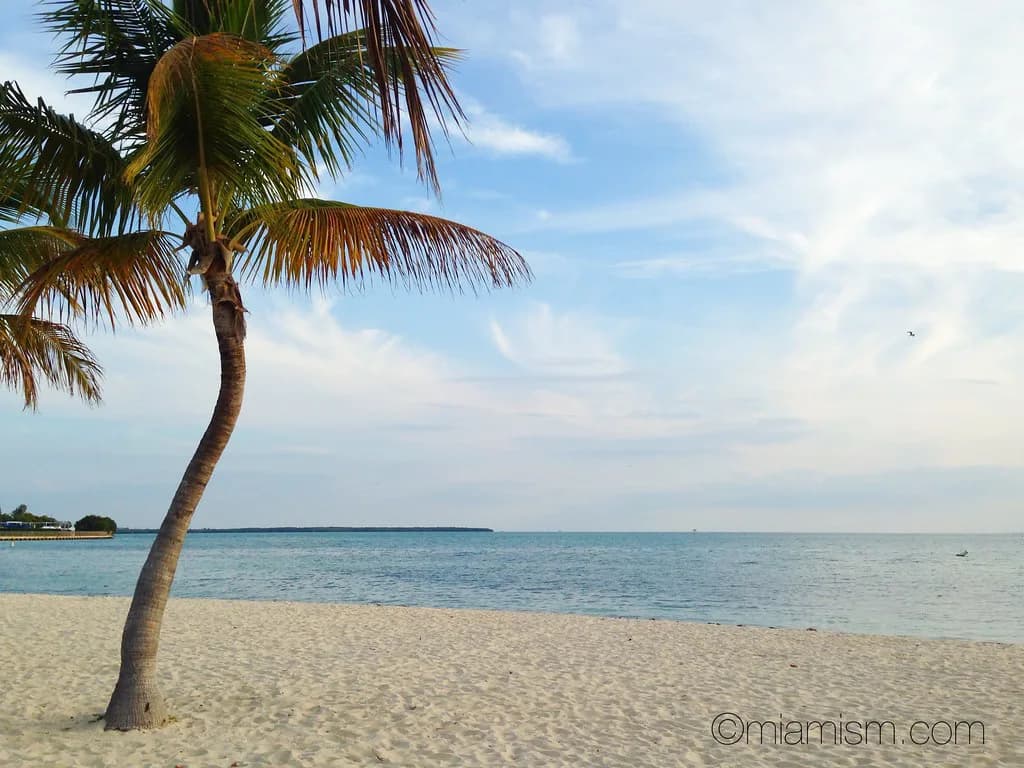
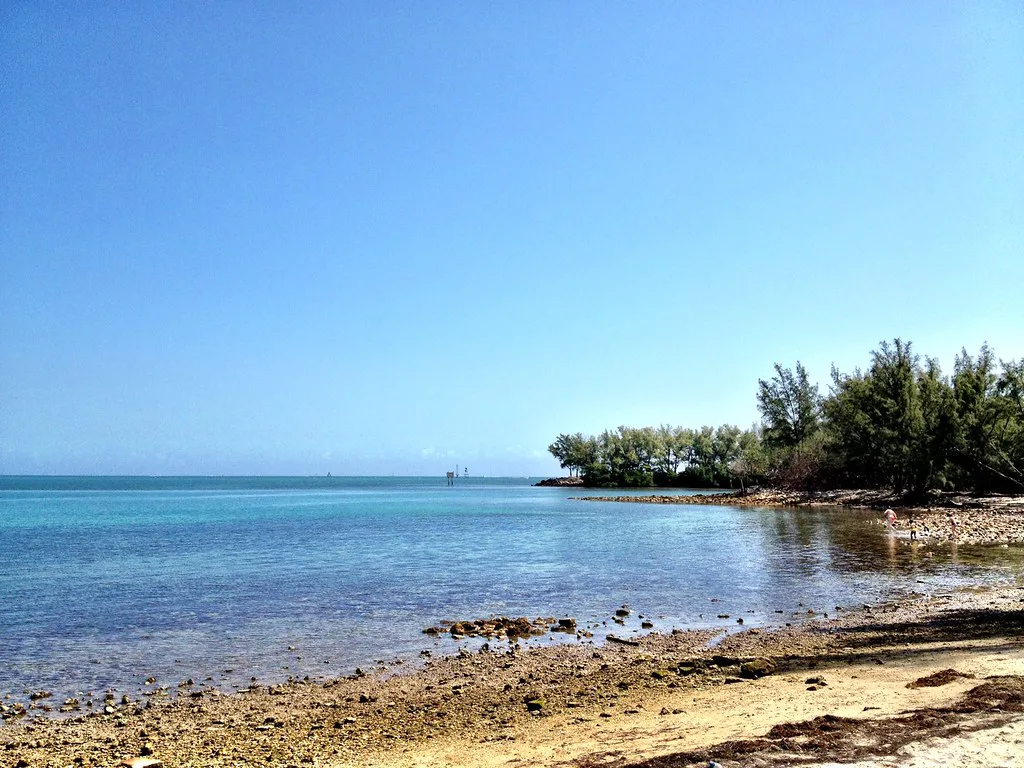
The island's bay beaches offer sandy entries into shallow water, so you walk in rather than clambering over rock. You wade across sand and then seagrass flats, and the bottom stays shallow for a good distance before it deepens. Wear fins for the wade and watch where you put your feet, since grass flats hide urchins and the occasional stingray.
Shore snorkeling around Miami is a modest proposition compared with the reefs, but it is a genuine way to get wet and practice. Use it to fit a mask, test a snorkel, and get used to breathing through a tube before you commit to a boat. If you want the fuller picture of bay-side options, the guide to key biscayne snorkeling covers the beaches on the next island over, which share the same bay water.
What You Will See in the Bay
Expect seagrass beds rather than coral heads. Small reef fish, crabs, and the occasional ray over open sand are the realistic sightings, and the appeal is the quiet and the easy swimming rather than a wall of color. The offshore reefs are where the coral and dense tropical fish life sit, and the gap between the two is the honest trade-off on this island.
Wildlife here is to be watched, not handled. Keep your distance from any animal, never chase or feed it, and never stand on or grab at anything living on the bottom. That habit matters more once you move to the protected reef areas.
Boat Trips to the Offshore Reef
The coral reef off Miami lies roughly 3 to 8 miles offshore, far enough that a snorkeler cannot swim to it from the beach. Snorkel trips run by boat to the protected inner reefs, and the sites used typically range from about 5 feet to 15 feet deep. The ride out takes around 30 to 45 minutes depending on the site, and most tours allow about an hour in the water.
Crews brief everyone before entry, covering mask clearing, finning, and how to get in and out of the water, and they remind snorkelers that touching or taking anything is not allowed and that standing on the reef is off limits. Many Biscayne-area snorkel tour companies provide safety vests and require them in the water, and some charge extra for gear rental, so ask what is included when you book. If you would rather sort the boat first, the overview of biscayne national park snorkeling tours lays out the main options near the island.
Choose a snorkel-only boat if you can. Mixed snorkel and dive charters often end up at sites that are too deep for snorkelers or too shallow for divers, which wastes the trip for both groups. Children do fine on reef boats with a flotation aid and a well-fitting mask, but ask the charter company in advance about small sizes for masks, fins, and vests.
Snorkeling in Biscayne National Park by Boat
Biscayne National Park sits just south of Virginia Key, and more than 95 percent of it is water, which makes it the natural boat-based extension of an island day. The park concessioner runs reef, wreck, and bay snorkel trips depending on the weather, with the boat leaving from the jetty at the visitor center. For the full layout of sites and how the trips work, see the guide to biscayne national park snorkeling.
These are open-water boat trips rather than shore wading, so they suit swimmers comfortable in water over their head with a vest on. The reef and wreck options put you over coral and shallow shipwrecks, while bay trips stay inside the calmer water when wind rules out the outside sites. Book ahead in busy periods, because the boats are small and departures are limited.
John Pennekamp Coral Reef State Park near Key Largo, about an hour south of Miami, is the other classic reef destination for a second day. Its concession runs multiple snorkel departures daily, and the park also has small beaches where you can try gear from shore before boarding. The shore snorkeling there is tame compared with the reef, which makes it a useful warm-up for nervous first-timers. If you are weighing the Keys against the park, this guide to snorkeling in Key Largo covers the reefs, shore spots and boat trips in more detail.
Skill Level and Who It Suits
The island's bay shallows are the beginner end of the spectrum: sandy entry, shallow water, and an easy exit. Kids who can swim a little, parents who want to stay close to shore, and anyone fitting new gear will be comfortable. Stronger swimmers who want coral should skip straight to a reef boat and treat the bay as a rinse-off at the end of the day.
Best Time of Day and Season
Morning is the better half of the day on the bay side, when the water is typically calmer and the light is still low. Afternoon sea breezes build chop, and the Atlantic-facing shoreline takes that wind first. If the wind is from the east or southeast, plan on the bay side; if it is offshore, the ocean side can flatten out.
Miami snorkeling runs year-round thanks to the climate, though summer brings heat and afternoon storms and winter can bring stronger fronts. Check the marine forecast from the National Weather Service before you drive out, and let a small-craft advisory move your plan to the bay or to a later date.
Hazards to Plan Around
Boat traffic is the hazard that catches people out, because the bay and the channels around the causeway carry constant traffic. Stay close to shore on the bay side, keep a bright float or vest visible, and stay out of marked channels. Around the causeway itself, watch for current where water funnels past the bridge structures.
Open sand means direct sun with little shade, so a rash guard and reef-safe sunscreen matter more than they do on a wooded shore. Follow posted beach advisories if swimming is restricted on the day you visit. Watch for urchins in the grass flats and shuffle your feet rather than stepping down blindly.

Rules in Protected Water
Inside the marine protected areas off South Florida, touching or taking anything is prohibited, and standing on the reef is not allowed; crews repeat this in the pre-trip briefing. Safety vests are required in the water on many snorkel boats, and wildlife distance rules apply to turtles, rays, and everything else you meet. Keep your hands to yourself and let the animals come to you.
Reef-safe sunscreen rules vary by destination in Florida and the Keys, so check the park's or charter company's posted guidance before you buy. Carry water, a dry change of clothes, and your own mask and snorkel if you have them, since a personal mask fits better than a rental and is worth buying before the trip.
Getting There and Parking
You reach Virginia Key by driving the Rickenbacker Causeway from Miami, a toll road that continues on to Key Biscayne. Arrive early on weekends, when causeway traffic and beach parking fill up quickly. The island's park areas sit along the causeway, and pairing a bay swim with a stop at a Key Biscayne beach makes an easy half-day.
Bring cash or a card for the causeway toll and park in designated lots rather than on the roadside. Showers, restrooms, and lifeguard coverage vary by park area, so pick your beach based on the facilities you need before you pay to cross the causeway.
Nearby Spots to Combine
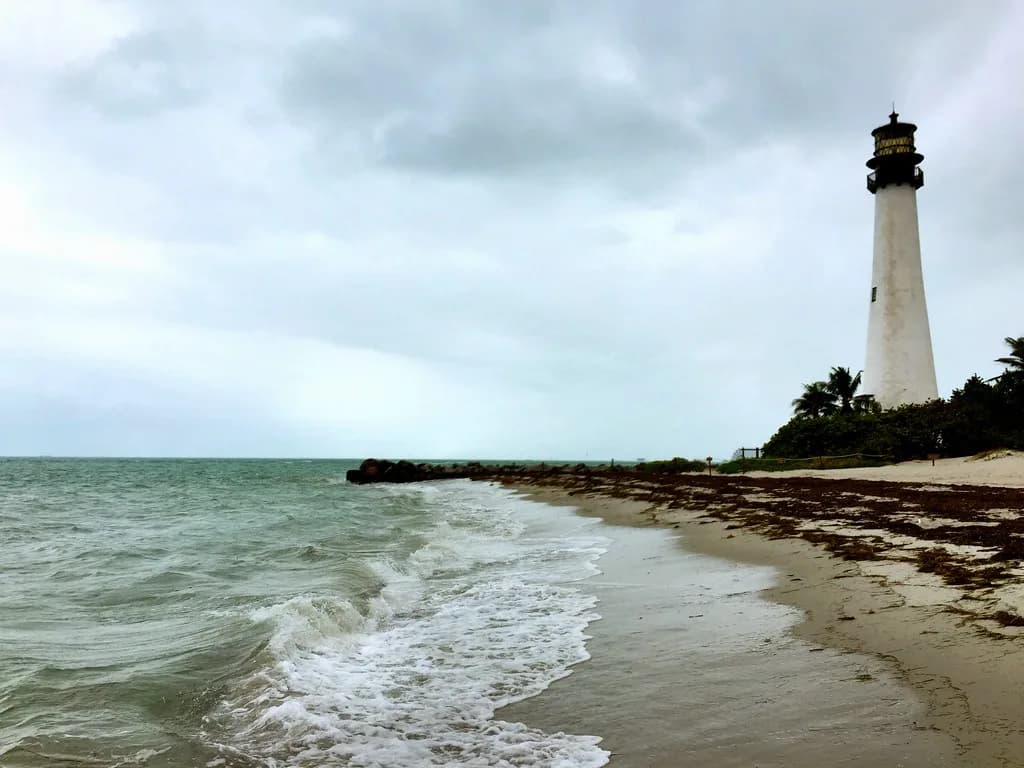
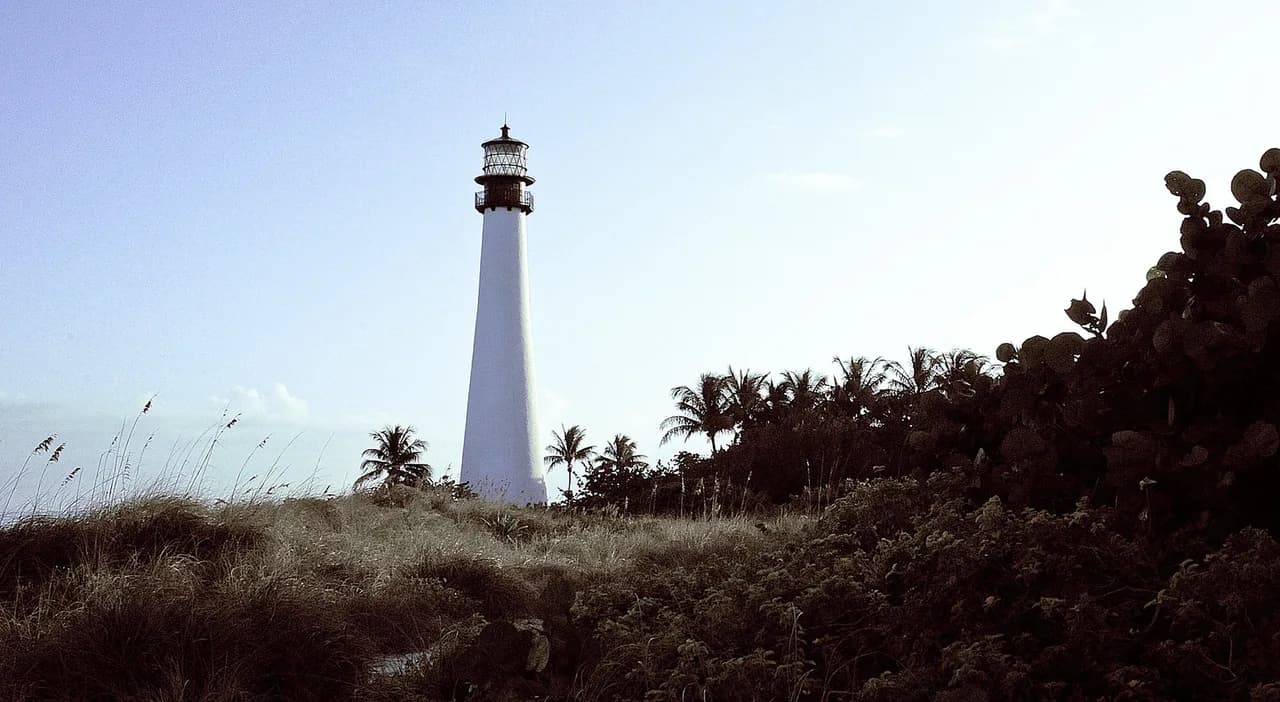
Key Biscayne's beaches are minutes past Virginia Key and give you a longer beach day with the same bay water on the inside. Bill Baggs Cape Florida State Park at the island's southern tip adds a lighthouse, trails, and Atlantic-side sand for a full afternoon. The guide to Snorkeling at Bill Baggs Cape Florida State Park covers what that shoreline offers.
South of the island, Biscayne National Park and Pennekamp cover the offshore reef half of the plan. Build a two-day trip: bay wading and beach time at Virginia Key and Key Biscayne first, then a reef boat the following morning when the wind is usually lighter. That order lets you fit gear in calm water before you commit to a boat.
Plan the Virginia Key Snorkel Day
Treat Virginia Key as the easy half of your snorkeling plan. Wade the bay beaches with a mask that fits, watch the grass flats for small fish and rays, and keep clear of the channels. Then book a reef boat for the coral, choosing a snorkel-only trip and asking what gear and vests are included.
Build the rest of the trip around the island: Key Biscayne beaches for a longer afternoon, Biscayne National Park for a wreck or reef charter, and Pennekamp if you want a second reef day. Keep an eye on the marine forecast and choose the side of the island that matches the wind.
Frequently Asked Questions
Can you snorkel from the beach at Virginia Key?
Yes, from the island's bay-side beaches, where sandy entries lead into shallow water over sand and seagrass. The marine life is modest compared with the offshore reef, so treat it as an easy practice swim rather than a coral-reef trip.
Do you need a boat to snorkel around Virginia Key?
Only if you want coral and dense tropical fish. The reef lies several miles offshore and is reached by charter boat, while the bay beaches give you a shallow, shore-based swim with small fish and rays.
Is Virginia Key good for beginner snorkelers and kids?
It is one of the friendlier starts in the Miami area. Sandy entry, shallow water, and calm bay conditions suit kids and first-timers, provided you keep them close to shore and away from boat channels. A flotation aid helps tired children.
How deep is the water where Miami snorkel boats go?
The protected inner reef sites used by Miami-area snorkel tours typically run from about 5 feet to 15 feet deep, with the boat ride taking around 30 to 45 minutes and roughly an hour in the water.
What marine life can you see snorkeling near Virginia Key?
In the bay you can expect seagrass, small reef fish, crabs, and the occasional ray over sand. Coral and colorful tropical fish live on the offshore reefs, which you reach by boat.
Is Virginia Key snorkeling worth it compared with the Florida Keys?
It is worth it as an easy, close-to-Miami bay swim and a staging point for reef charters. The Florida Keys and Pennekamp offer more reef variety, but they add an hour or more of driving each way.
Sources
Snorkeling notes for your next trip
Optional updates to our snorkeling guides.
You might also like
Continue reading
More guides you'll find useful