Two Harbors Snorkeling on Catalina: Reefs & Shore Spots
Two Harbors snorkeling starts at a sandy Isthmus beach, with kayak trips to Bird Rock and Eagle Reef for leopard sharks, moray eels and kelp forests.
On this page
Two Harbors is the Catalina snorkel day for people who want to walk into the water from a sandy beach, see fish within minutes, and skip the crowd that gathers at Avalon's famous entries. The Isthmus sits at the island's narrow waist, so you can snorkel straight off the beach and, with a kayak, reach quieter coves and rock landmarks that hold leopard sharks, moray eels and kelp. It suits beginners and families who are happy in calm, shallow water and strong swimmers willing to paddle for the better structure.
The trade-off is scale. Two Harbors is a small settlement with a handful of coves, not a resort strip, so you plan around one bay rather than a string of beaches. That makes it easy to master a single entry, learn where the rocky edges start, and read the water before you commit. If you want the full menu of island snorkel options, the broader guide to snorkeling in catalina island puts the Isthmus in context with Avalon-side sites.
Where Two Harbors Is on Catalina
Two Harbors sits at the Isthmus of Santa Catalina Island, the narrow neck between the island's two ends, and faces two coves: Isthmus Cove on the protected side and a second harbor on the opposite shore. From Avalon you reach it by road across the island or by boat; ferries from the mainland also serve the Isthmus directly. Because the settlement is small, everything you need for a snorkel day is within a short walk of the water.
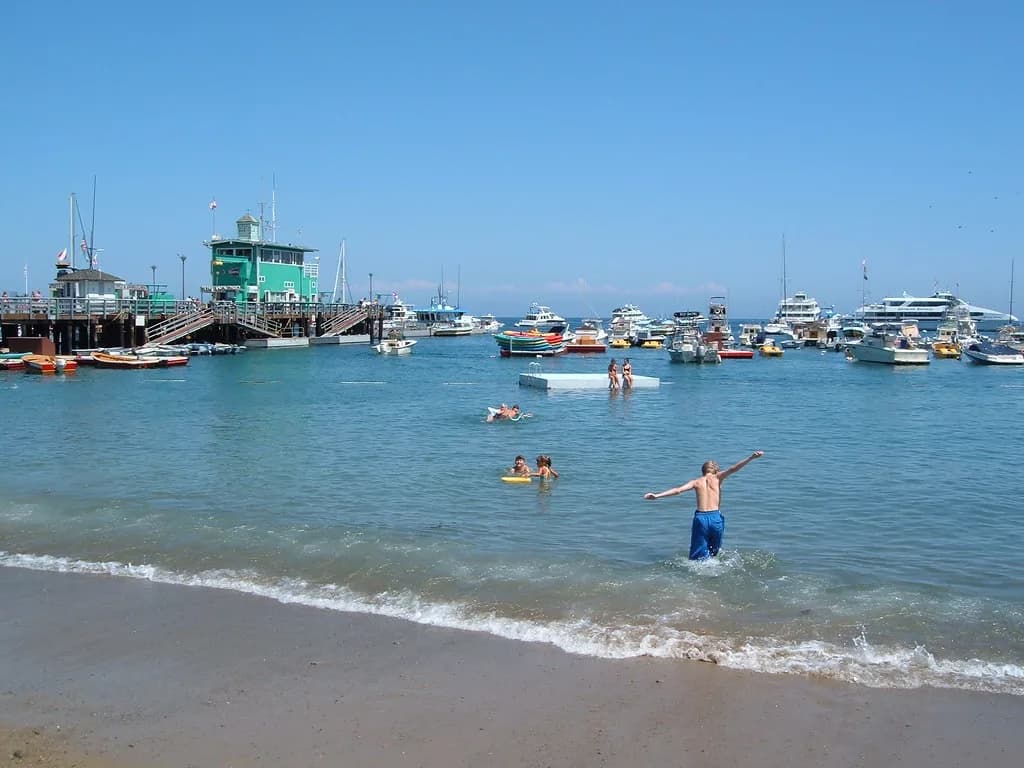
If you are basing in Avalon and weighing a day trip, compare the two halves of the island honestly. Avalon delivers kelp forests and marine-protected entries within steps of town; Two Harbors delivers calmer, less crowded shore snorkeling and kayak access to outer rocks. Many visitors split the trip, spending one day at the Isthmus and another at the entries covered in the Avalon snorkeling guide, which describes the Casino Point Dive Park beside the Casino Building.
Getting In: Sandy Beach Versus Kayak
The simplest entry at Two Harbors is the sandy beach at the Isthmus, where you wade in gradually rather than negotiating rocks. That matters for kids and nervous first-timers, because you can stand, adjust your mask and swim out at your own pace. Snorkelers at the Isthmus can also kayak with their gear out to a secluded cove or to local landmarks such as Bird Rock, Ship Rock, Eagle Reef and Sea Fan Grotto, according to Catalina Divers Supply's overview of island snorkeling spots.
Kayaking changes the day's shape. You cover more ground, reach structure the beach snorkel cannot, and can pick a lee shore when one side of the bay is choppier. It also adds effort and gear: you need to manage a paddle, a boat and your mask without dunking anything. For a group with mixed confidence, send the shore snorkelers along the beach edge and let the stronger paddlers make the run to the outer rocks.
The Near-Shore Snorkel at the Isthmus
Close to the beach the bottom is shallow, with sand giving way to scattered rock and weed where small fish hold. This is where beginners learn to hover, clear a mask and watch without pressure, and where kids can stay within easy distance of shore. Work along the edges rather than straight out, because fish concentrate around structure and shadow, not open sand.
The shoreline itself is the best teacher about where to look. Rocky margins, pilings and kelp hold the most life, and the sand channels between them are where rays and leopard sharks may glide past. Keep your fins off the bottom, give animals room, and never touch or chase what you find.
Paddling Out: Bird Rock, Ship Rock, Eagle Reef and Sea Fan Grotto
The outer landmarks are the reason to bring a kayak. Bird Rock, Ship Rock, Eagle Reef and Sea Fan Grotto each sit away from the beach and offer the rock and kelp structure that concentrates marine life, and Catalina Divers Supply advises tying your kayak to kelp while you snorkel around them. Tying off keeps your boat from drifting while your hands are busy and keeps you from chasing it across the cove.
These are not all the same swim. Sea Fan Grotto and Eagle Reef reward confident paddlers who can handle a longer crossing and a choppier return, while Bird Rock and Ship Rock sit closer to the harbor traffic. Pair up, agree on a turnaround time, and if the wind picks up early, cut the outer leg and spend the time on the beach reef instead.
What You Will See
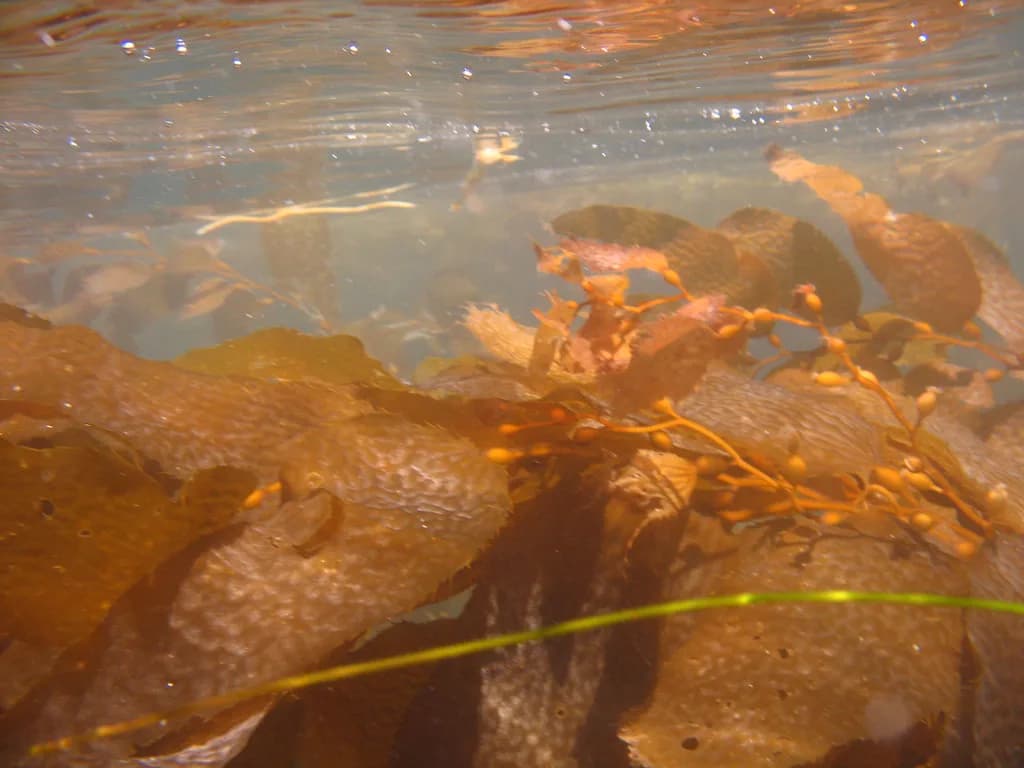
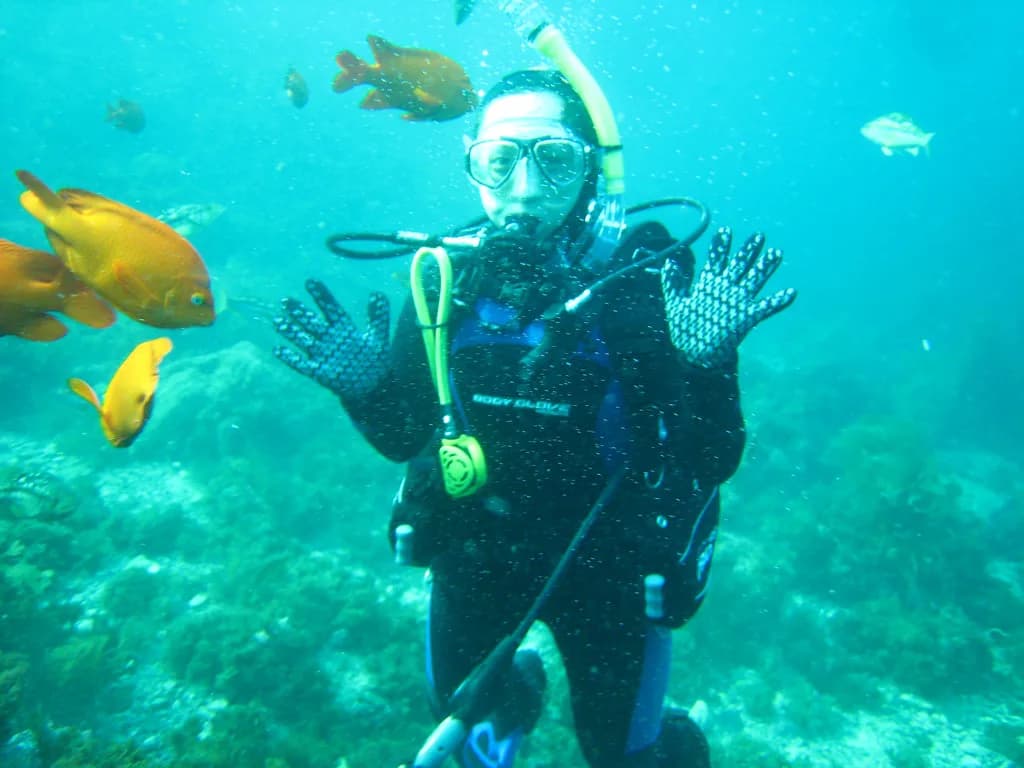
Catalina's protected waters support bright orange garibaldi, the state marine fish, along with kelp bass, sheephead, bat rays, sea stars, anemones and octopus hidden among rocks, and lobsters in season, per Catalina Island Vacation Rentals' snorkeling guide. The island's giant kelp forests are the signature landscape, with the towering plants forming corridors that fish use as cover.
At Two Harbors specifically, kayakers working the outer rocks may spot leopard sharks resting on sand and moray eels tucked into crevices, both named in the island overview. Around the boat moorings and small rocky coves near Descanso Bay, California sea lions are known to hang out, and harbor seals sometimes join divers at Isthmus-area sites. Treat every sighting as a possibility rather than a schedule.
Depth and Visibility
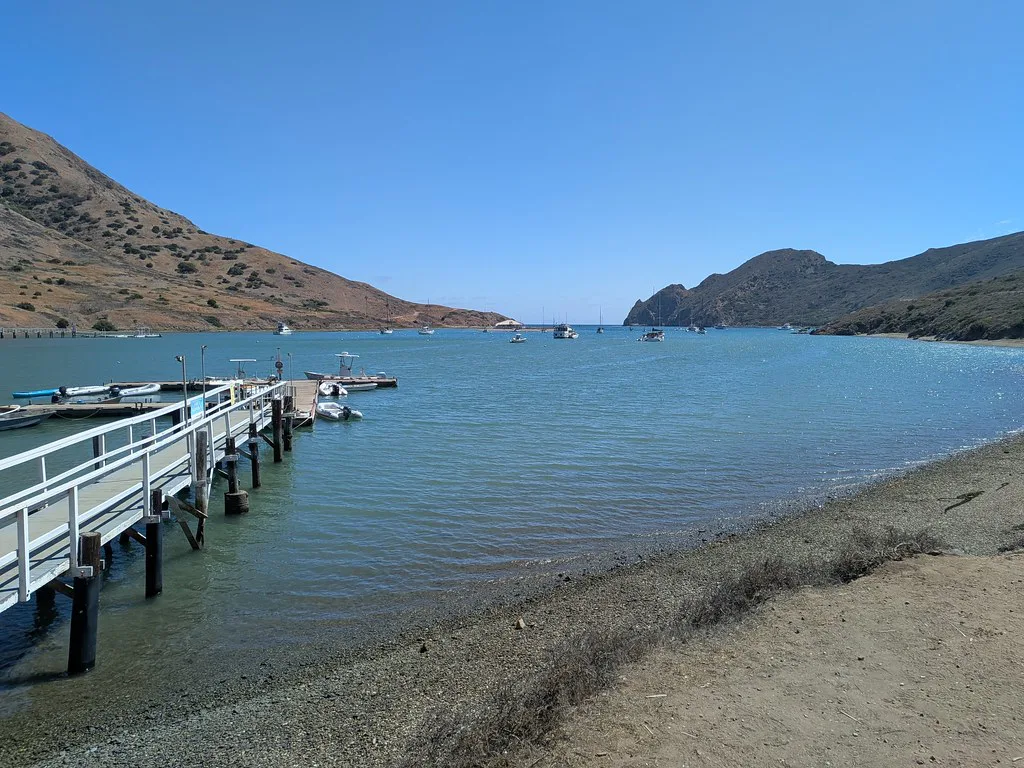
The Isthmus beach snorkel is a shallow-water experience: you can see the bottom over sand and rock, and the reef edge drops away gradually rather than plunging. That shallow profile is what makes it family-friendly, and it also means surge and stirred sand can cut visibility after a windy night. Ask locally how the water has looked that morning before deciding whether to head out or wait.
Catalina's clarity is the draw, with visibility at Casino Point Dive Park ranging from 40 to 100 feet, according to Catalina Divers Supply, and reports of clear water at Lover's Cove throughout much of the year. The outer Two Harbors sites sit deeper and hold more structure than the beach edge, so snorkelers with the confidence to paddle out get the better underwater scenery.
Skill Level and Who It Suits
Beginners and kids suit the Isthmus beach, where sandy entry and shallow water let you build confidence before any crossing. Families with a mix of abilities can split: one adult on the beach edge with younger children, and stronger swimmers paddling to the closer rocks. Anyone heading to the outer landmarks should be a comfortable open-water swimmer who can handle a kayak and a mask at once.
Strong snorkelers who want the best of both halves of the island should also plan a day on the Avalon side, where the entry at Casino Point was designed as a scuba and snorkel haven and offers kelp forest directly off the steps. Catalina Divers Supply notes the park was formally established in 1965 and that kids' gear sizes start at age 8. Swimmers weighing a mainland alternative with similar shore-entry structure can compare it against snorkeling in La Jolla, where cove and underwater-park entries reward the same confidence.
Best Time of Day and Season
Mornings are the practical choice at Two Harbors: boat traffic is lighter, the wind has usually not built, and the water is calmest before the afternoon chop. Late summer and early fall bring the warmest water and generally the best visibility on Catalina, with temperatures often in the upper 60s to low 70s, according to Catalina Island Vacation Rentals. Spring offers fewer crowds, while winter is cooler but workable in the right wetsuit.
The predominant swell and wind direction will move calm water from one side of the Isthmus to the other, so plan to snorkel the sheltered cove rather than the exposed one. If the wind turns onshore in the afternoon, the beach entry gets choppier and the paddle back from the outer rocks becomes effortful. Build the day so the kayak leg happens first and the easy beach snorkel finishes it off.
Hazards: Currents, Cold Water and Kelp
Southern California snorkeling is cold-water snorkeling. Catalina Island Vacation Rentals recommends a wetsuit, especially during cooler months, and a properly fitted one makes the difference between a comfortable hour and a short, shivering swim. A hood or vest is worth it for anyone who chills easily.
Watch for boat traffic in the harbor channels, and never assume a boat has seen you: keep a buddy nearby and stay clear of moorings and moving vessels. Kelp is a feature rather than a hazard, but it can tangle a fin or mask if you kick hard, so slow down in thick patches. Rocky entries and surge near the outer landmarks deserve a cautious, controlled approach.
Gear and Rentals
Bring a mask that seals with a light press and no hair caught in the skirt, fins that fit without cramping, and a wetsuit matched to the water temperature. Catalina Divers Supply rents mask, snorkel, fins and wetsuit packages and offers kids' sizes from age 8, which makes it a practical stop if you are combining a Two Harbors day with Avalon.
For a kayak day, add a dry bag for phones and keys, a leash for your gear, and a small float so a dropped mask does not vanish. Reef-safe sunscreen is the responsible choice given Catalina's protected marine areas, and a rash guard cuts sun exposure without lotion. Carry drinking water and a layer for the paddle back.
Rules and Protected Areas
Catalina's marine reserves set the rules for what you may take, and the protection is why the fish are approachable. At Lover's Cove Marine Preserve, fishing is prohibited, and the protected habitat is why fish swim close to snorkelers, per Catalina Island Vacation Rentals. Follow the same logic at Two Harbors: no touching, feeding or chasing animals, and no collecting from protected ground.
Wildlife viewing rules apply to sea lions, harbor seals and any leopard sharks you meet on the sand: keep distance, let the animal choose the encounter, and never block a path to open water. If a seal or sea lion approaches your kayak, stay still and let it pass rather than reaching out.
Combining Two Harbors With Avalon
The two halves of Catalina complement each other well. Two Harbors gives you the easy beach entry and the kayak-to-landmark day; Avalon gives you protected marine entries and the kelp forest at Casino Point, plus Lover's Cove's calm water and close-to-shore fish. Lovers Cove catalina snorkeling is a beginner-friendly counterpart to the Isthmus beach if you are building a multi-day itinerary.
Book a guided boat or snorkel trip if you want deeper water without the paddling. Schedules and inclusions vary by company, so compare a few outfitters when you book. Casino Point snorkeling gives you a shore-entry alternative on days when boat trips are full or the weather turns.
Shaping a Two Harbors Snorkel Day
Start early with the kayak leg to Bird Rock, Ship Rock or Sea Fan Grotto while the water is flat, tie off over kelp and work the rocky edges for moray eels and leopard sharks. Return to the beach for lunch, then finish with a relaxed shore snorkel along the Isthmus edges where garibaldi and kelp bass hold in the shallows. If the wind builds, the beach snorkel is the fallback that still delivers fish.
Check current ocean conditions and any posted advisories with the harbormaster before you launch, and keep the trip flexible for a swap to the sheltered side of the Isthmus. Travellers who want a broader comparison should read the full snorkeling in catalina island guide before deciding how many days to give each half of the island.
Plan Your Visit
Two Harbors is the right snorkel day for travelers who want a quiet sandy entry, a manageable bay and kayak access to real rock structure, and it rewards anyone willing to split the day between shore and paddle. Book gear and any guided trip ahead, match your wetsuit to the season, and treat the outer landmarks as a strong-swimmer objective rather than a default.
Pair the Isthmus with Avalon's protected entries for the best of both, and let morning calm drive the plan. Build in a fallback beach snorkel, respect wildlife distance and protected ground, and the day works whether you are introducing kids to the water or chasing kelp forest on a kayak run.
Frequently Asked Questions
Can you snorkel right off the beach at Two Harbors?
Yes. You can wade in from the sandy beach at the Isthmus and snorkel the shallow near-shore water, which makes it the easiest part of the island for beginners and kids. The rocky edges along the beach hold more fish than open sand, so work along the shoreline rather than straight out.
What marine life can you see snorkeling at Two Harbors?
Garibaldi, kelp bass, sheephead, bat rays, sea stars and anemones are part of Catalina's protected marine community, and kayakers around the outer rocks may spot leopard sharks and moray eels. Harbor seals and sea lions sometimes appear around the moorings and rocky coves. Treat sightings as a possibility, not a guarantee.
Do you need a kayak to snorkel at Two Harbors?
You can snorkel from the beach without one, but a kayak opens up the outer landmarks like Bird Rock, Ship Rock, Eagle Reef and Sea Fan Grotto, which hold the better structure and deeper water. If you paddle, tie your kayak to kelp while you snorkel so it does not drift away.
How do you get to Two Harbors from Avalon?
Two Harbors sits at the island's Isthmus and is reachable from Avalon by road across the island or by boat; mainland ferries also serve the Isthmus directly. Schedules and booking details change by season, so check current details before you travel.
Is Two Harbors better than Avalon for snorkeling?
They offer different days. Two Harbors is quieter with a sandy beach entry and kayak access to outer rocks, while Avalon has protected marine entries like Lover's Cove plus the kelp forest at Casino Point, right beside the Casino Building in town. Many visitors plan one day on each side of the island.
What water temperature should you expect snorkeling Catalina?
Late summer and early fall bring the warmest water on Catalina, often in the upper 60s to low 70s, while winter is cooler and needs a heavier wetsuit. A properly fitted wetsuit is what makes a long snorkel comfortable at Two Harbors.
Sources
Snorkeling notes for your next trip
Optional updates to our snorkeling guides.
You might also like


Continue reading
More guides you'll find useful