Snorkeling on Catalina Island: Choose the Best Spots
Snorkel Catalina Island at Casino Point and Lover's Cove, with entry details, depths, fish life, wetsuit tips, and how to plan an Avalon day.
On this page
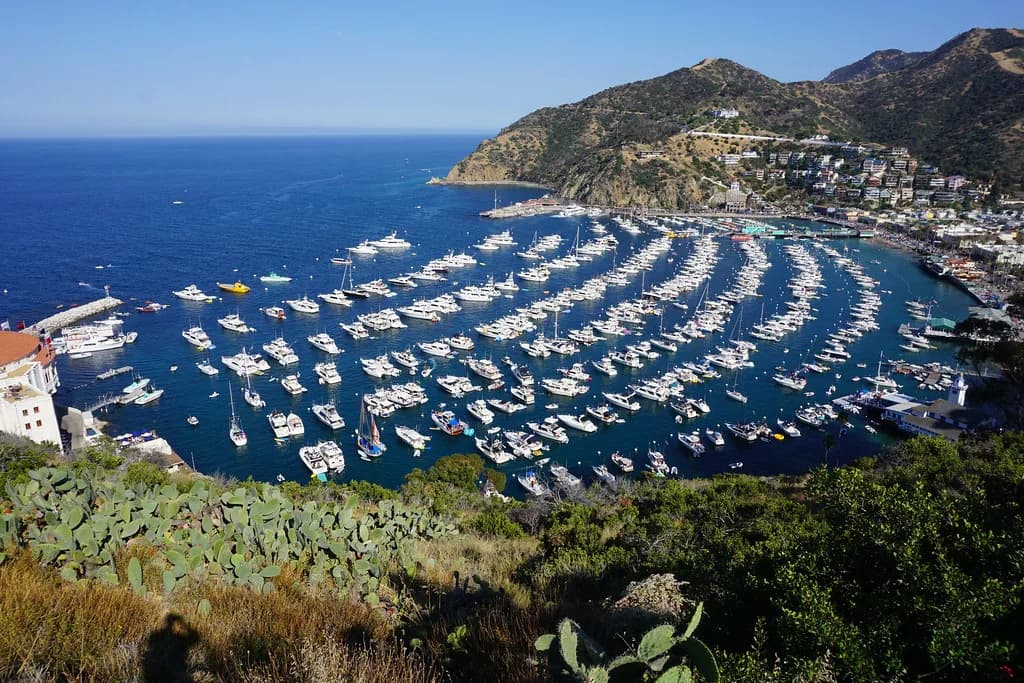
Catalina Island packs a surprising amount of snorkeling into a small stretch of Avalon shoreline. Two shore entries, the Casino Point Dive Park and Lover's Cove, sit within walking distance of the waterfront hotels and the ferry pier, so you can gear up on foot and be in the water within minutes. Both suit beginners who want calm, sheltered water and stronger swimmers willing to handle deeper, colder conditions.
Why Catalina Island Snorkeling Is Worth the Boat Ride
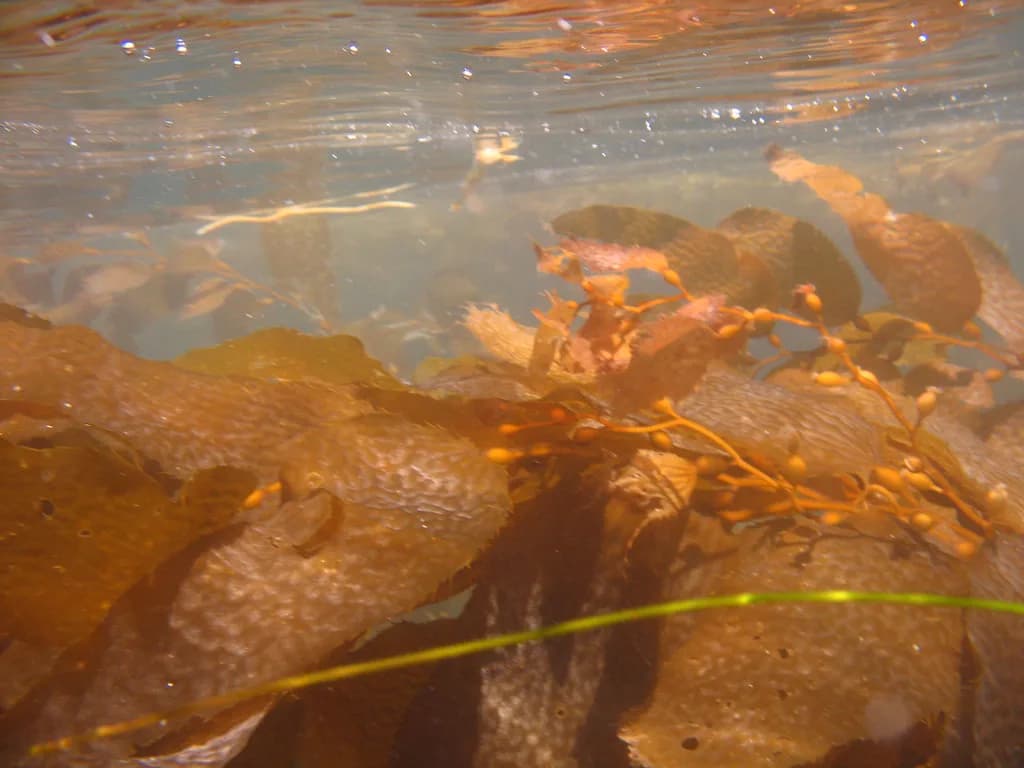
The draw is the underwater forest: towering kelp swaying in the current, orange garibaldi flashing between the fronds, and clouds of small fish moving in patterns over rocky reef. Catalina sits about 22 miles offshore from Long Beach, far enough out that the water runs clear on calm days but cold enough that a wetsuit is the sensible default. Sessions tend to be short and focused rather than all-day swims, which is the right trade-off in Southern California water.
The convenience of a compact, walkable shoreline is the other argument for Catalina. You can pair two very different entries in one day: a staircase plunge into deep water in the morning and a shallow, rocky cove in the afternoon. Travelers comparing Catalina against mainland options should weigh the crossing time, since the ferry ride eats into a single day.
Where the Spots Are in Avalon
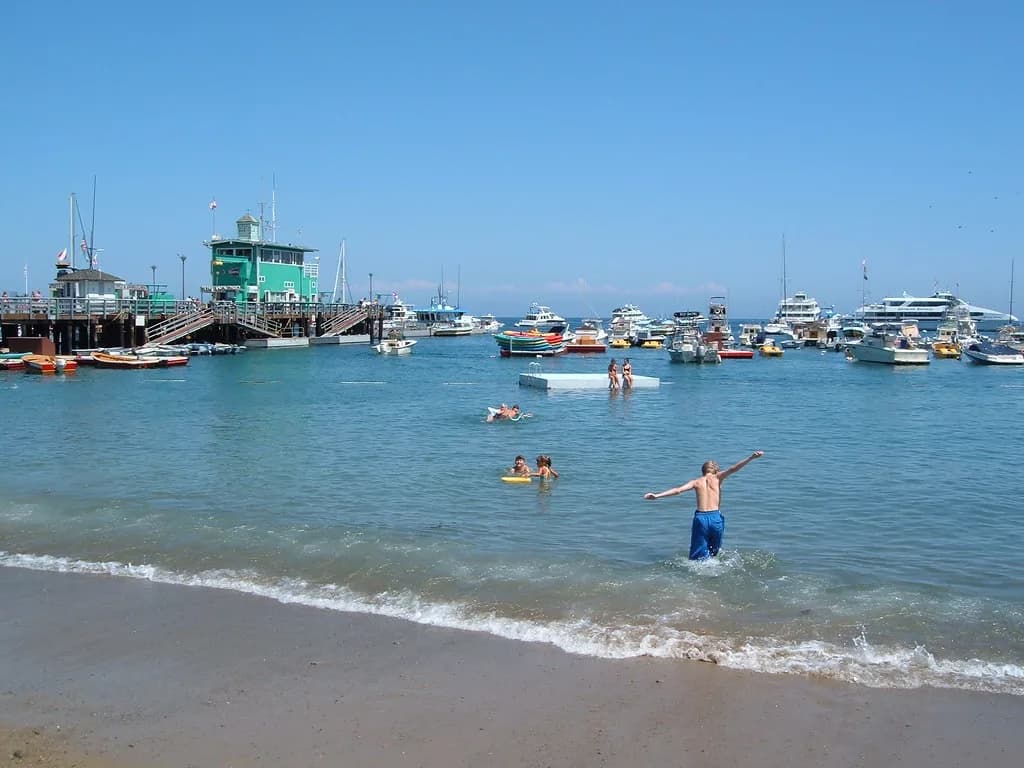
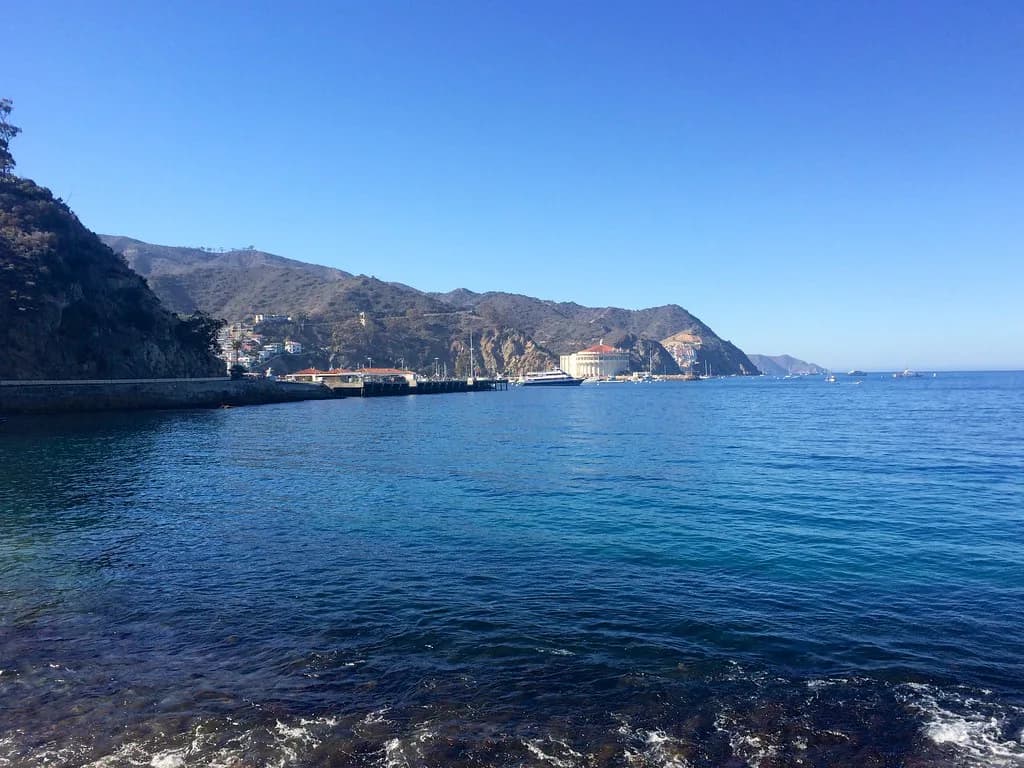
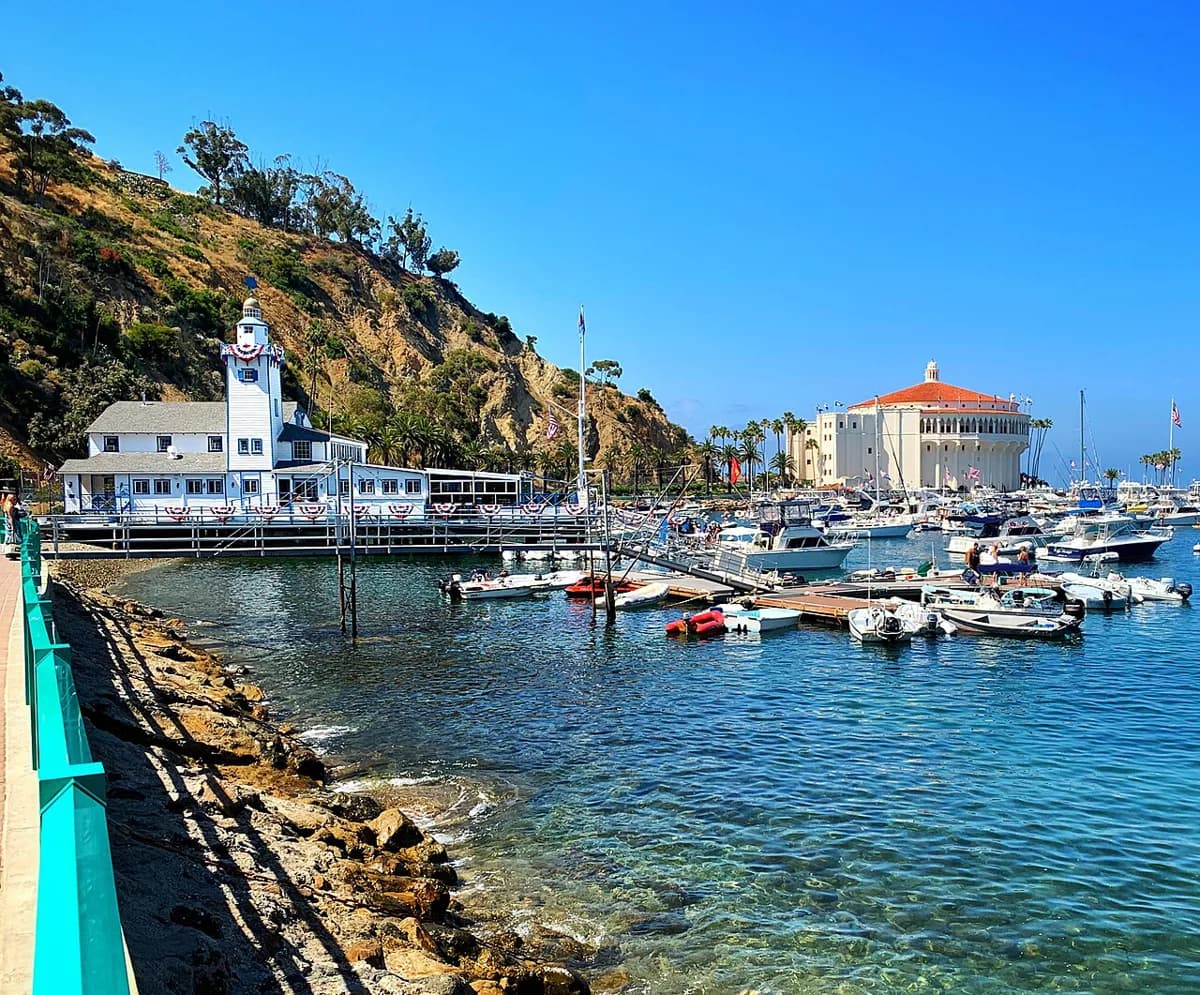
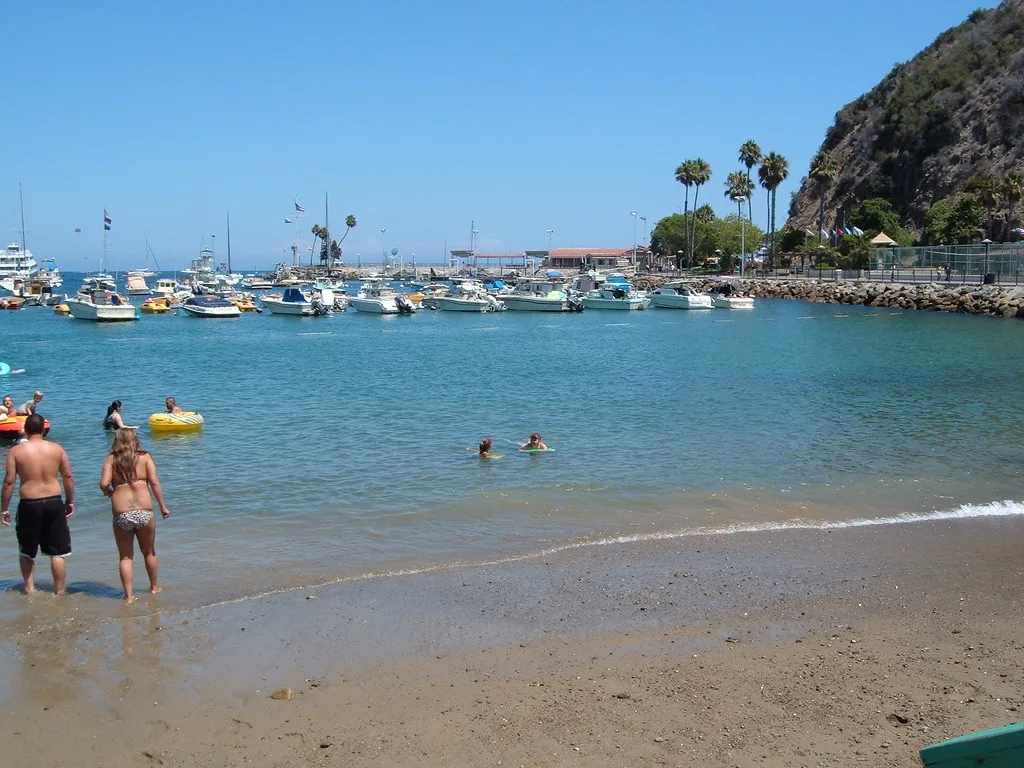
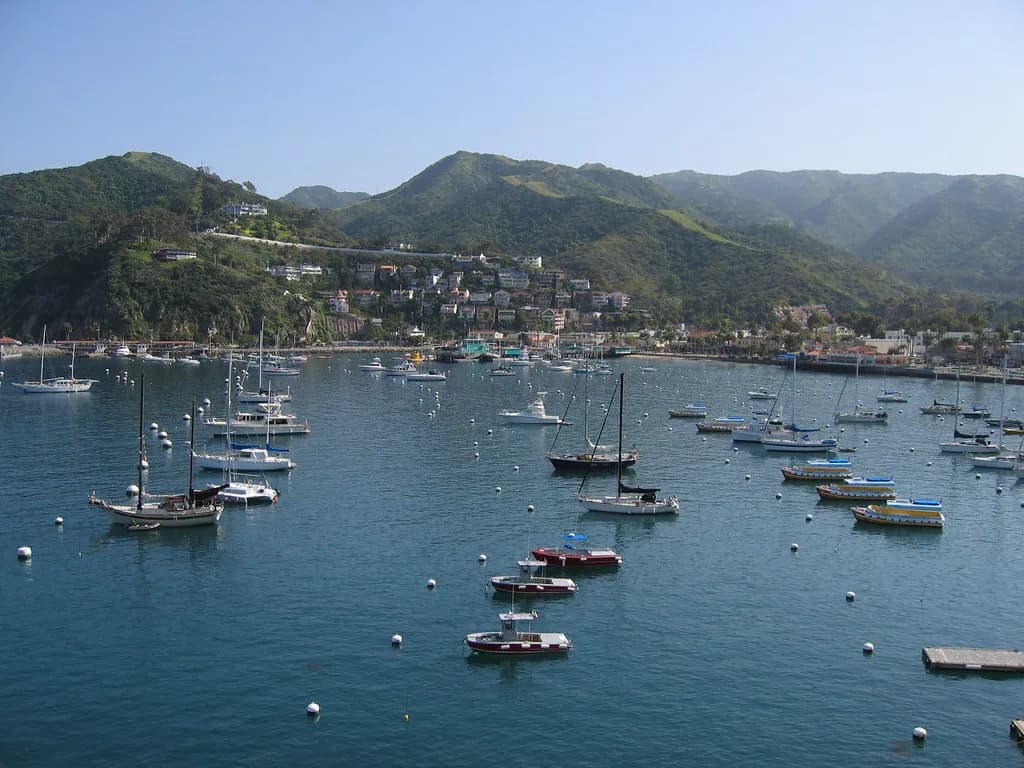
Almost all Catalina snorkeling is concentrated around Avalon. The Casino Point Dive Park wraps the base of the Catalina Casino, the round Art Deco landmark at the north end of town, and it's the most established shore site on the island. Lover's Cove sits a short walk east along Pebbly Beach Road, past the casino, and is reached by a set of stairs down to a rocky shoreline. Both are close enough to hotels and the pier that no car is needed.
Toyon Bay, on the island's leeward side, hosts Catalina Sea Camp and its snorkeling programs. The camp describes Toyon Bay as its own private base with calm, protected coves, which makes it a camp-run experience rather than a public beach entry. Unless you're enrolled in a program there, plan your day around the Avalon sites instead.
Casino Point Dive Park: Stairs, Deep Water, and Kelp Forest
The entry is a stairway behind the Avalon Casino with handrails; the last few steps get slippery, so use the rails and put fins on at the bottom. Depths start around 15 feet near the base of the stairs and drop to roughly 100 feet within about 30 feet of shore. That steep profile is the key planning fact: there's a narrow shallow shelf, and most of the site is beyond snorkeling depth, so your surface area to explore is limited.
Snorkel tours based here run with a guide, full mask, snorkel and fins rental, and a wetsuit, with a short safety briefing before a few steps from shore into the water. The guides introduce you to the kelp, garibaldi and rays along the reef edge, and Catalina Divers Supply caps group size at six per guide, which matters when several scuba classes are using the same entry.
Lover's Cove: Rocky Shore Entry and Shallow Reef
Lover's Cove is a short walk from town, but the beach is river rock rather than sand: a few feet of stones before the waterline, so wear sandals or shoes. Water depths start shallow and run to about 20 feet in the cove, keeping much of the reef within snorkeling reach. Kelp forest, sea fans, eelgrass and abundant fish fill the cove, and picnic tables up at the road give you room to gear up.
The cove is designated a snorkeling site, but glass-bottom boat tours run through it and hold the right of way, so stay alert and keep clear of their path. Those boats feed fish to draw them in, which is why the fish crowd swimmers closely; it makes for vivid photos but reminds you to keep hands to yourself and let the fish choose the distance.
Toyon Bay and Coves to Combine
Toyon Bay concentrates its snorkeling inside Catalina Sea Camp's guided sessions, where campers snorkel from shore, at night and by boat with marine-science staff. For other travelers, it's a reminder that some of Catalina's best-protected water is behind a program rather than open shoreline. The public alternative is simply moving between the two Avalon entries on foot.
A sensible day combines Casino Point in the morning, when the water is often calmest, with Lover's Cove later for a shallower, fish-dense swim. Both sites share the same bushy kelp and garibaldi, so the decision comes down to entry type and depth rather than a hunt for different species.
What You Will See
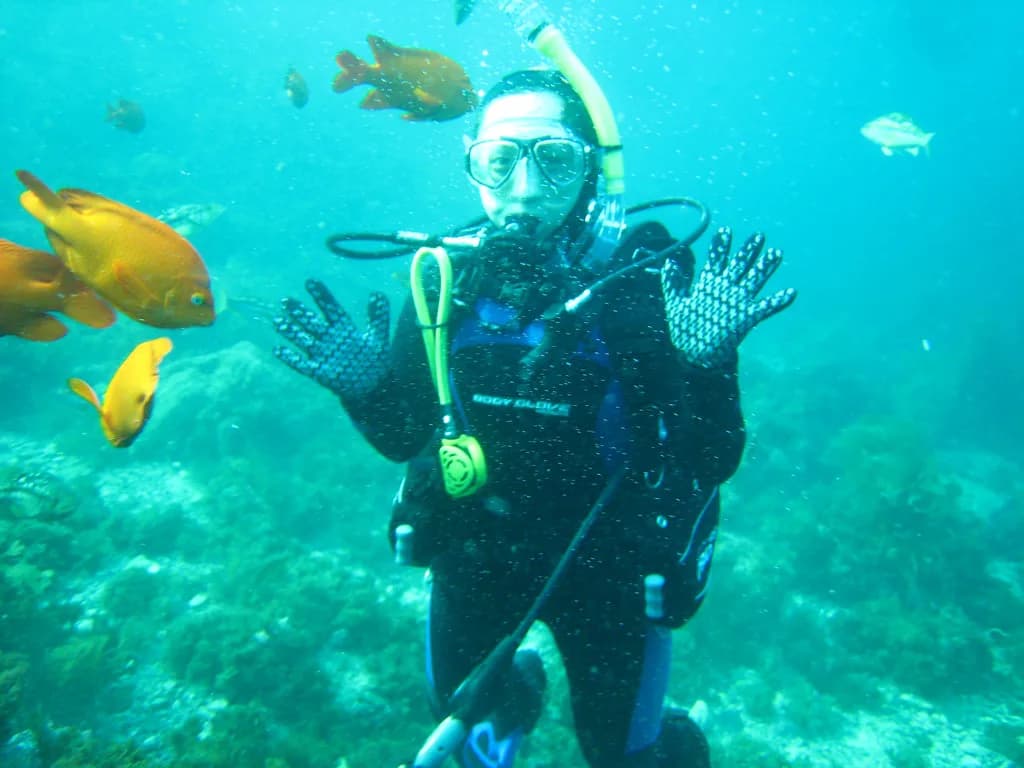
Garibaldi, the bright-orange damselfish, is the signature sighting, along with kelp bass and sheepshead on the rocky reef. Look for bat rays gliding over sandy patches, and keep an eye out for leopard sharks and sea lions, both of which are possible near Catalina but never guaranteed. Sea stars and urchins cling to the rock, and the kelp itself is the habitat that holds everything together.
Visibility claims vary wildly with swell and season, so treat reports of 50- or 100-foot clarity as best-case conditions rather than a promise. On calm days the water can be startlingly clear; after swells move through it drops quickly. The practical approach is to plan a short swim near the entry and read the water before heading further out.
Best Time of Year and Time of Day
Southern California water here runs cool to cold year-round, coldest in winter and warmest in late summer and early fall. Community reports from the cove note winter temperatures averaging around 58°F and summer around 68°F, with only about a 15-degree swing across the year. That range is the reason a full wetsuit is standard kit rather than an optional extra.
Morning is the best bet for calmer water at both sites, before afternoon wind and boat traffic build. Swell direction matters more than time, though: the Casino Point side and the cove respond differently to incoming swell, and one can be workable while the other is churned. Check the marine forecast before you commit to an entry.
Skill Level and Who It Suits
Casino Point suits confident swimmers, since the shelf drops fast and scuba classes crowd the entry stairs. A guided tour there is the easiest way in for first-timers, because a guide handles the route and keeps the group together. Lover's Cove is the gentler option on paper, but the rocks, the shallow bottom and the glass-bottom boat lanes demand attention.
Kids old enough to swim comfortably do fine at Lover's Cove's shallows, and the guided Catalina Divers Supply tour has a minimum age of eight, along with a requirement that participants be able to swim and feel comfortable in the water. Snorkelers who need a sandy bottom to stand on or a very sheltered pool should look elsewhere.
Gear and Wetsuits
Bring a well-fitting mask, a snorkel, fins and a full wetsuit; booties help on the rocky entry and over cold stones. The guided dive center located on the ground floor of the Catalina Casino provides rentals, so you can travel light if you'd rather not pack a suit. A mask defogger makes a real difference in cold water, where masks fog quickly.
Independent snorkelers who prefer their own gear can arrange a wetsuit and fins through local rental desks before heading to the stairs. Compare wet-suit thickness and fit rather than price alone, and confirm what's included before you set out.
Getting to Catalina Island
Catalina sits about 22 miles off Long Beach, and the crossing by ferry or boat is the gatekeeper for any day trip. Transport to the island is separate from any snorkel tour booking, so budget the crossing time and book it alongside your gear or tour. Once you arrive at the Avalon pier, both main sites are within walking distance.
Ferry fares and crossing times change with season and operator, so check the schedule with the ferry company when you book rather than relying on older trip reports. A single-day round trip can feel rushed given the crossing plus two snorkel sessions, and many travelers get more from an overnight stay.
Parking, Facilities, and a Walkable Plan
Avalon is compact enough to skip a car: walk to the Casino for the stairs entry, then continue east to Lover's Cove, gearing up at the picnic tables there. Catalina Divers Supply sits right at the Casino with rentals and classes, making the base of the Casino a natural staging point. Restrooms, showers and lockers vary by location, so plan to change at your hotel.
If you drive to Long Beach and ferry over, you'll leave the car on the mainland and rely on foot once on the island, which is the simplest arrangement. Reserve parking near the ferry terminal in advance during summer weekends, when lots fill early.
Hazards and Wildlife Rules
Cold water is the first hazard, followed by boat traffic: scuba classes crowd the Casino Point stairs, and glass-bottom boats hold right of way at Lover's Cove. Watch for slippery steps and swell rolling into the cove. Treat feeding and touching animals as off-limits; the fish near Lover's Cove are accustomed to boats, but that's not an invitation to handle them.
Wildlife rules matter here: don't chase sea lions or leopard sharks, and keep your distance from anything on the bottom. If a tour operator or harbormaster posts an advisory, follow it and stay out of the water if conditions are rough.
Nearby Mainland Options to Compare
Snorkelers who want a full day rather than a day trip can compare Catalina with the Channel Islands and Monterey, both of which offer kelp-forest diving from a different base. Catalina's advantage is walkable shore entries in town; its limitation is cold water and the crossing. Read our Channel Islands Snorkeling guide and Monterey snorkeling guide to weigh the options before you commit.
Plan Your Avalon Snorkel Day
Choose Casino Point for the staircase entry, the kelp forest and a guided route, or Lover's Cove for a shallow, fish-dense swim with a rockier shore. Build in a wetsuit, a morning start and a short session rather than an all-day water marathon.
Book the ferry and any tour or rental in advance, check the marine forecast before you set out, and walk between the two Avalon sites to make the most of a day on the island.
Explore more Catalina Island snorkeling
Frequently Asked Questions
Where is the best snorkeling in Catalina?
Casino Point Dive Park and Lover's Cove are the two established Avalon entries. Casino Point offers deep water and kelp forest near the Casino; Lover's Cove offers a shallow cove reached by stairs down to a rock beach.
Can you snorkel at Catalina Island without a tour?
Yes. Both Casino Point and Lover's Cove are shore entries you can swim independently, though a guided dive-center tour provides gear, a wetsuit and a guide familiar with the reef.
Do you need a wetsuit to snorkel on Catalina Island?
A full wetsuit is standard because the water runs cool to cold most of the year. Summer temperatures hover in the high 60s and winter closer to the high 50s, so thin suits aren't enough for long swims.
How deep is the water at Casino Point Dive Park?
The shelf starts around 15 feet at the base of the stairs and drops to roughly 100 feet within about 30 feet of shore, so most of the site is beyond snorkeling depth.
Is Lover's Cove good for beginner snorkelers?
It's a good first cove for swimmers comfortable on rocks, with shallow water to about 20 feet and dense fish life. Wear shoes for the stone beach and stay clear of glass-bottom boat lanes.
How do you get to Catalina Island for snorkeling?
Take the ferry from Long Beach or another mainland port; transport to the island is separate from tour bookings. Once in Avalon, both sites are a short walk from the pier.
What fish will you see snorkeling Catalina Island?
Likely sightings include garibaldi, kelp bass and sheepshead among the kelp, plus bat rays over sand and occasional leopard sharks or sea lions.
Is snorkeling at Catalina Island worth a day trip?
It can be, especially with an overnight stay, but weigh the crossing time against your time in the water. Many snorkelers get more from two sessions spread over a night on the island.
Sources
Snorkeling notes for your next trip
Optional updates to our snorkeling guides.
You might also like
Continue reading
More guides you'll find useful