Snorkeling in Monterey: Kelp Forests, Beaches and Tours
Snorkeling in Monterey means cold water, kelp forests and sea otters. Compare beach entries, guided tours, gear rentals and what each spot suits.
On this page
Monterey is one of the few places in California where you can float over a living kelp forest and watch sea otters, sea lions and harbor seals going about their day from the surface. It suits snorkelers who are comfortable in cold water and willing to wear a proper wetsuit, and beginners who would rather follow a guide than figure out a rocky entry alone.
The water is the first decision, not an afterthought. A full wetsuit and a hood change how long you stay in and how much you enjoy it, and the difference between a sandy bay entry and a surge-exposed cobble beach matters more here than at warmer destinations. Pick your entry to match your experience, then build the day around it.
Why Monterey Suits Cold-Water Snorkelers
Monterey Bay sits inside the Monterey Bay National Marine Sanctuary, the largest marine sanctuary in the United States, which is why the marine life is so dense close to shore. Seals, otters, sea lions, rockfish, lingcod, starfish and abalone all turn up in the bay, and snorkelers work the surface layer above them. The trade-off is temperature: this is upwelling water, so a wetsuit is standard equipment rather than an option.
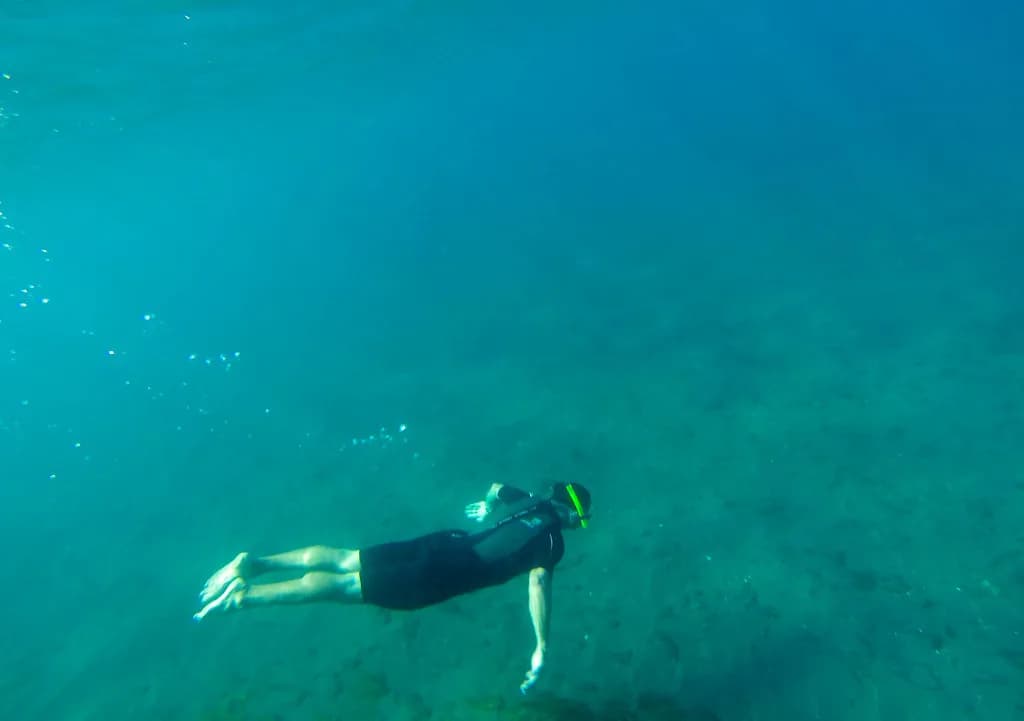
Snorkeling here means staying near the surface with a mask, snorkel and fins, which requires no special training and keeps the sport accessible to travelers. Experienced divers get more depth and time, but the kelp canopy and mid-water fish are visible from above. Plan on a shorter session than you would in the tropics and treat warmth as the thing that extends it.
What You Will See
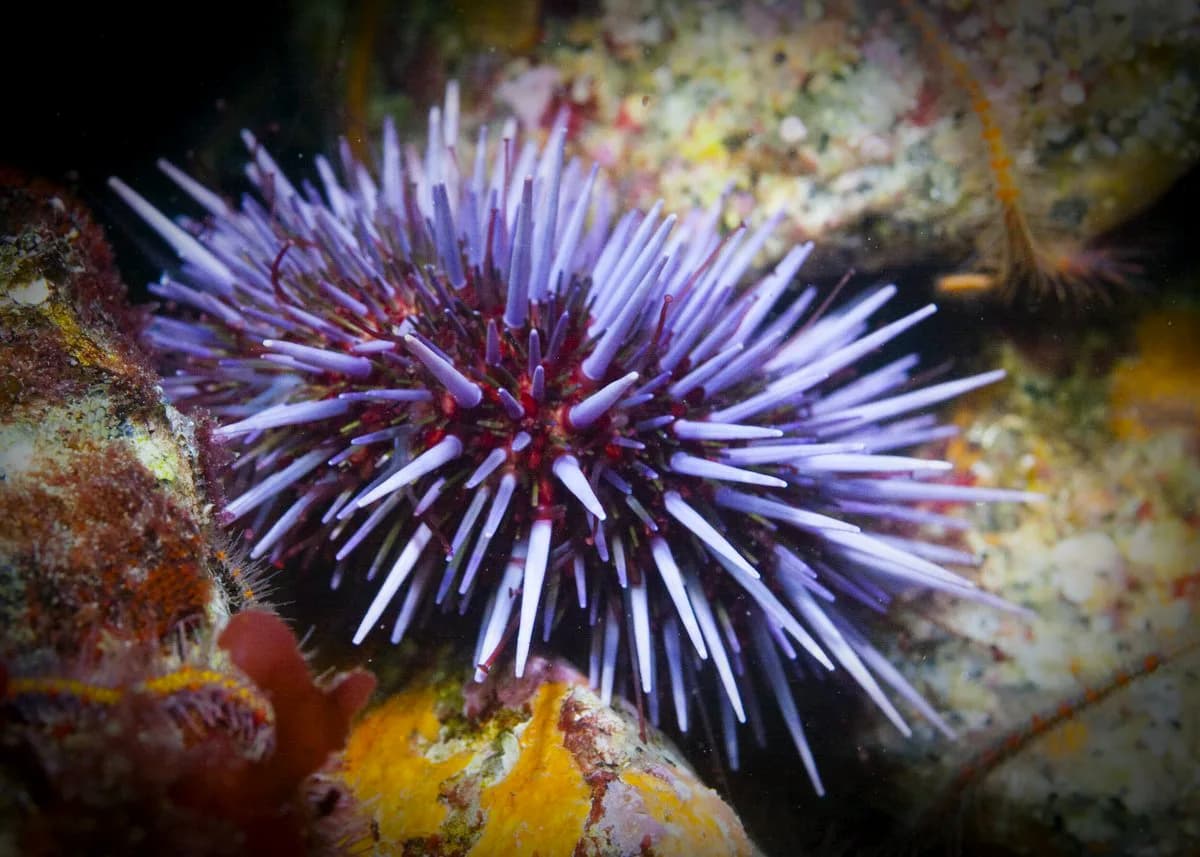
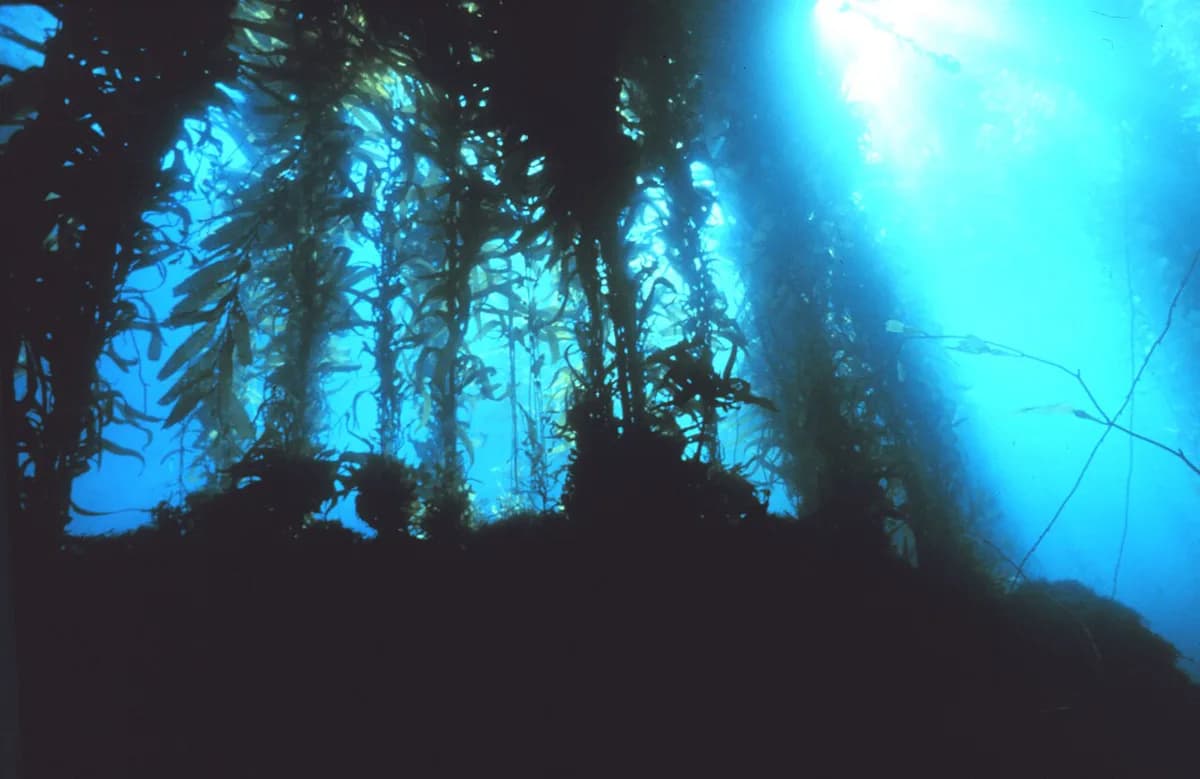
The headline attraction is the kelp forest itself. Otters, sea lions, crabs, starfish, rockfish, anemones and urchins are among the animals commonly spotted on guided snorkel tours through Monterey's kelp beds, and the canopy gives you cover and structure to explore from the surface. Look for sea stars and urchins on rocky substrate at the edges of the kelp, and keep your distance from otters and seals rather than paddling toward them.
Divers working the same water report rockfish, nudibranchs, sea stars and playful sea lions around kelp forests, shale reefs and granite pinnacles, which gives you a sense of what shares the bay. From a snorkel you will mostly see the upper water column and the kelp fronds, so bring patience and scan the gaps between stalks. Wildlife moves on its own schedule, so treat any sighting as a bonus rather than a plan.
How the Kelp Forest Shapes Your Snorkel
Giant kelp grows from the bottom to the surface, where the fronds spread into a canopy, so a snorkeler sees the top of the forest and the fish moving through the mid-water rather than the holdfasts below. That makes the experience less about depth and more about positioning: float at the edge of a bed, look down through gaps, and let the canopy shelter you from chop.
The same structure that makes the forest fascinating also complicates a swim. Fronds brush your mask and fins, so stay calm, keep your fins from wrapping stalks, and avoid pushing into dense beds where you cannot see your exit. Enter and exit at the same open patch of water and keep the shoreline in view.
Beach-Entry Spots Around the Bay
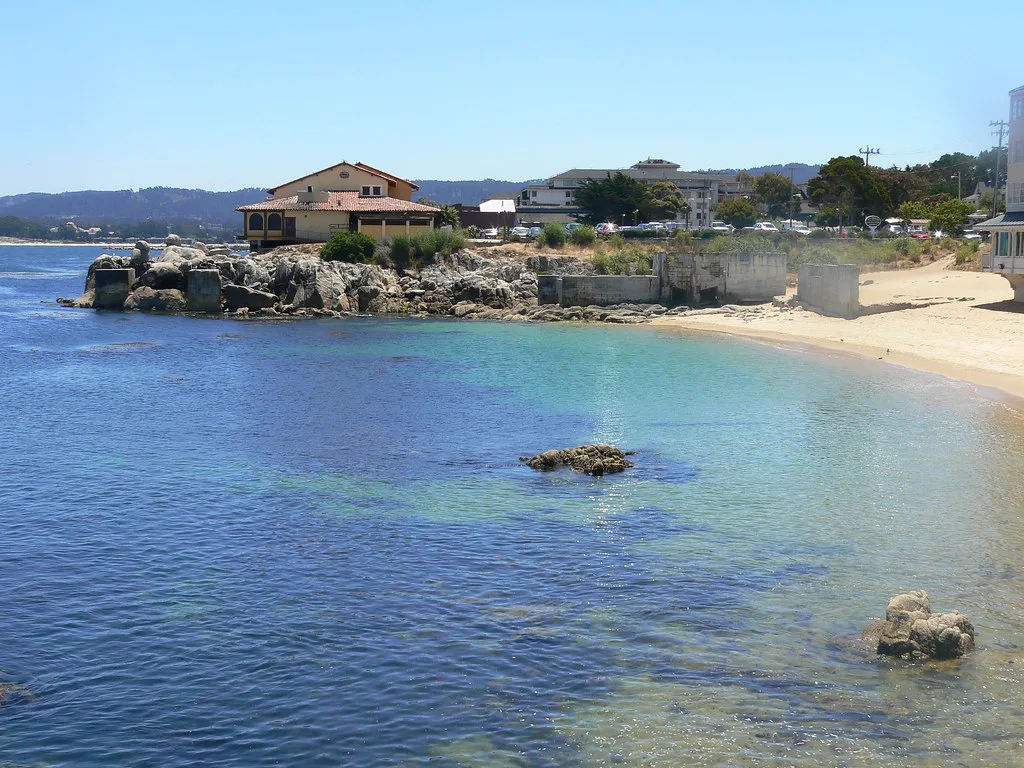
The main shore snorkel sites cluster in three areas. Lover's Point Park and McAbee Beach sit near Pacific Grove on the bay's south side, San Carlos Beach anchors the Cannery Row end, and Asilomar Beach and Monastery Beach stretch toward Pebble Beach. Lover's Point Park, McAbee Beach, Monastery Beach, Asilomar Beach and San Carlos Beach are all named as places to snorkel on your own with rented gear, which makes them the practical starting list.
San Carlos Beach, at the Breakwater end of Cannery Row, is where dive shops run training and where Monterey Bay Scuba keeps its rental counter, so gear and water are a short walk apart. That convenience makes it a sensible first stop if you are assembling equipment on the day. Read up on san carlos beach snorkeling before you go so you know how the entry and the adjacent kelp line up.
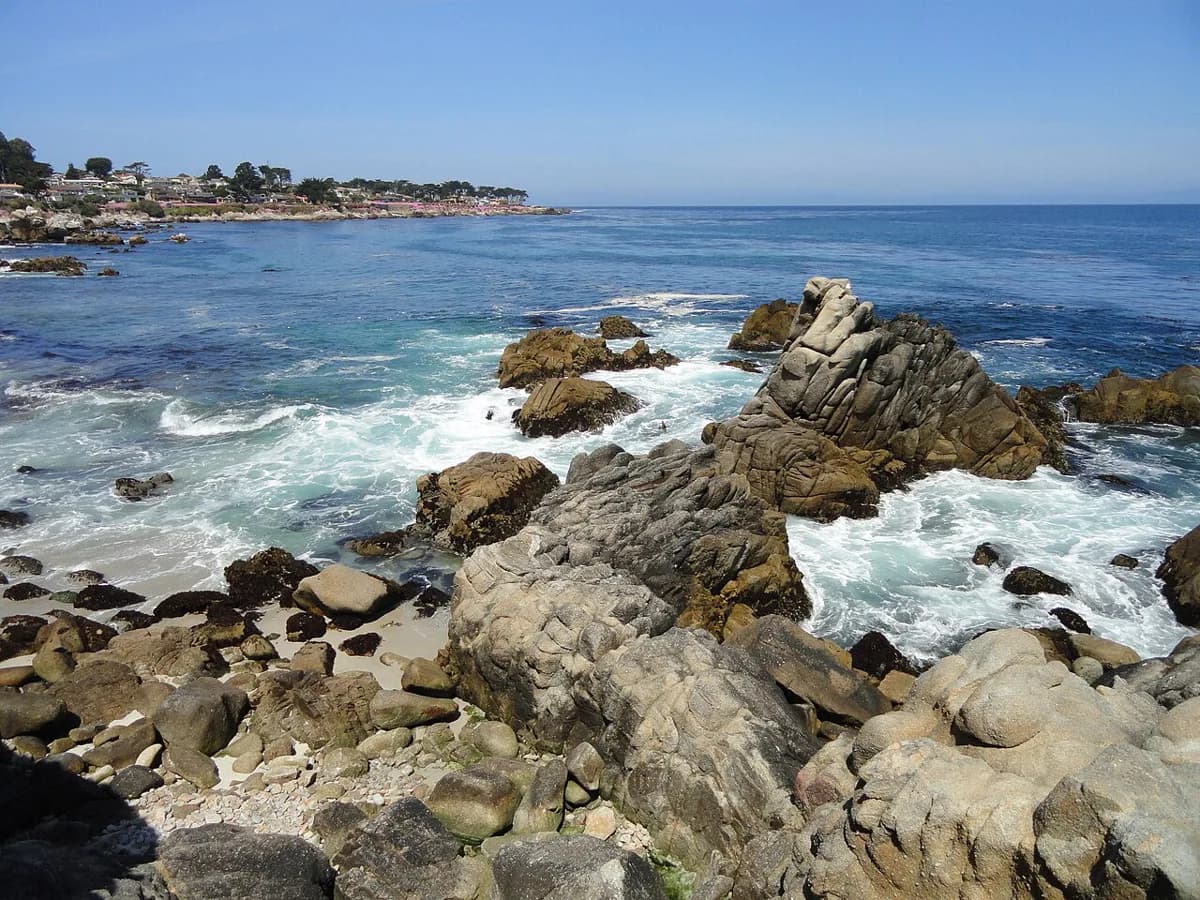
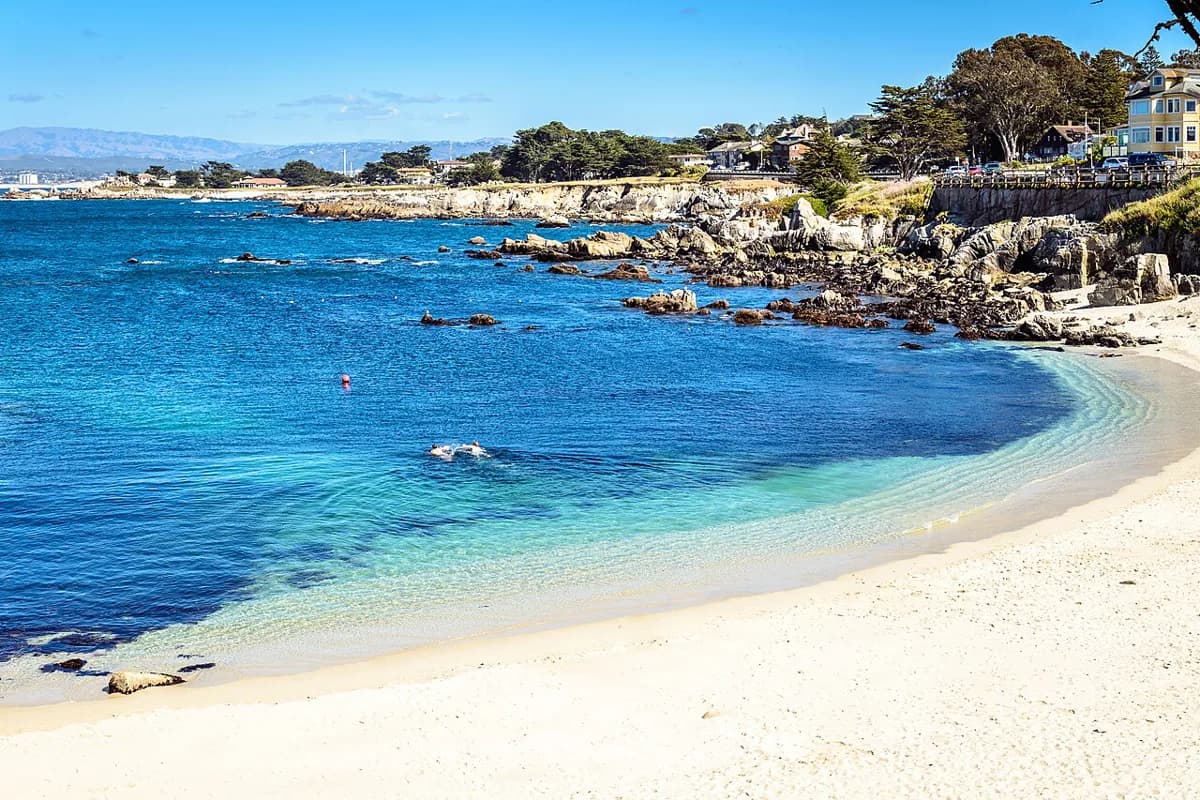
Lover's Point and McAbee reward a slower approach: both are bay-side beaches with calmer water than the open-coast sites, and they pair naturally with a Pacific Grove morning. If you want one spot to learn in, start here and save the exposed beaches for a day when you have already found your rhythm in the water. lovers point snorkeling covers the layout in more detail.
Monastery Beach and South Monastery Beach
Monastery Beach is the site to treat with respect. It is listed among Monterey's snorkel spots alongside South Monastery Beach as a dive and snorkel area, but it faces open water and is known for a steep, cobble entry and heavy surge, so it does not belong on a beginner's first day. Strong swimmers with cold-water experience are the right audience, and a calm, low-swell morning is the only sensible window.
If you are working up to it, spend your first sessions at San Carlos Beach or Lover's Point, then move to Monastery when your entry and exit are automatic. Friends on shore should watch you the whole time, and you should be ready to abandon the swim rather than fight a shore break. Bring fins you can walk in, because the cobbles are hard on bare feet.
Gear for Cold Water
A full wetsuit is the single most important piece of gear, and dive shops here rent wetsuits and drysuits alongside tanks, weights and scuba kit for people heading into the sanctuary. For snorkeling, a properly fitted suit with a hood beats a thicker suit that flushes; ask the rental counter to size you rather than guessing. Add booties to protect your feet on cobble entries and to keep fin straps comfortable.
Mask fit matters more than brand. Seal the mask to your face without the strap, check that no hair breaks the seal, and test the snorkel for a comfortable mouthpiece before you leave the shop. Fins should be stiff enough to push against current but not so long that they tire your legs on a cold swim. Guided tours fit you with a full snorkel gear package, which removes the guesswork if you are traveling without equipment.
Guided Snorkel Tours
A guided tour is the simplest route for a first-timer. Monterey Expeditions runs a 2.5-hour snorkel tour for beginners that begins with gear fitting and snorkel basics before heading into a kelp forest, and the tour includes the gear package and a guide. The listed price is $135 and the minimum age is 10, with some prior swimming experience recommended to get the most from the session.
Bamboo Reef Dive Centers also runs snorkel tours of two and four hours, with sites chosen on the day according to conditions, which is useful when you want the guide to make the call on where the water is calmest. Longer tours suit travelers who want more time in the water and are happy to be flexible about the site. Ask Bamboo Reef Dive Centers directly which entry and skill level a given departure targets.
Rentals and Dive Shops
Adventures By the Sea and Aquarius Dive Shop both rent snorkel gear for the day if you want to explore on your own, and Monterey Bay Scuba on Cannery Row runs a full-service shop with snorkel and scuba rentals at Breakwater beach. Renting locally saves luggage space and gets you a suit sized for cold water rather than a warm-water one from home.
If you later want to go deeper, the same shops teach Discover Scuba and certification courses, and Monterey Bay Scuba runs guided boat charters from the California Explorer on Thursday through Sunday at 7:00am and 11:30am, with private charters available any day. That is dive territory rather than snorkel territory, but it is a useful next step once you are comfortable in the bay.
Weather, Swell and Picking Your Day
Plan around the swell direction and wind rather than a fixed calendar. Bay-side sites such as Lover's Point and San Carlos Beach sit more sheltered, while open-coast beaches like Monastery feel more of the incoming swell, so a day that is calm in one place can be rough in another. Morning usually brings lighter wind and flatter water, which makes the entry easier and the surface clearer.
Check the marine forecast from NOAA before you commit, and look at the sanctuary's advisories for anything affecting the water. If the surf is up, switch to a sheltered bay entry or a tidepool walk instead of forcing a swim. The ocean here does not reward stubbornness.
Hazards to Plan Around
Cold water is the constant hazard: it drains energy and coordination, so keep sessions short, wear the suit, and get out before you feel chilled. Surge and shore break make rocky and cobble entries slippery, and kelp fronds can catch on fins if you try to swim through a dense bed. Surface chop hides what is below, so keep your head up and your exit in sight.
Boat traffic is real in a working bay. Stay close to shore at beach-entry sites, keep a bright float or flag with you, and avoid swimming out into channels used by dive charters and fishing boats. Never snorkel alone in unfamiliar water, and tell someone on shore where you entered and when you expect to be back.
Sanctuary Rules and Wildlife Distance
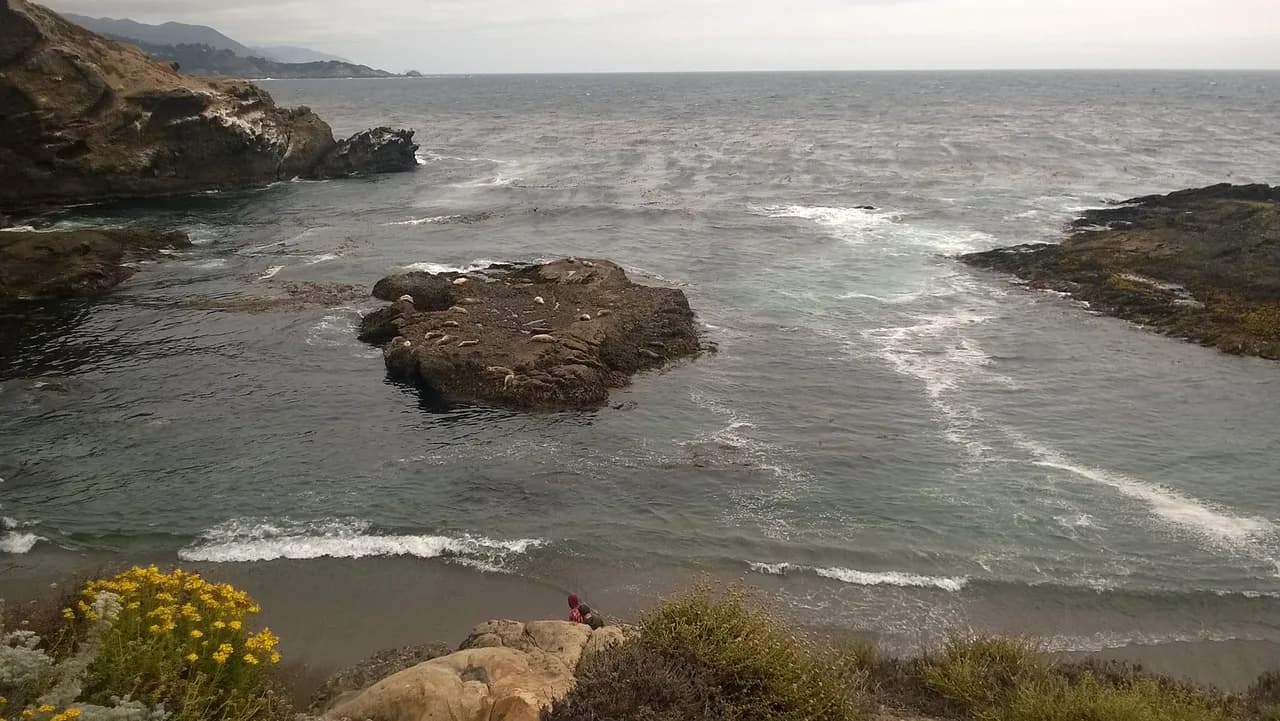
Monterey Bay National Marine Sanctuary protects the kelp forests and the animals in them, so treat everything you see as wild and protected. Do not touch, feed, chase or ride otters, seals or sea lions, and give them room to move away on their own terms. That applies at haul-out rocks and in the water, where a curious sea lion can close distance quickly.
Never handle animals or reef structure, and keep your fins off the bottom so you do not damage the kelp holdfasts and anemones that make the forest work. Follow any posted rules at the beach you choose, and check the sanctuary's guidance for wildlife viewing distances if you plan to photograph animals. A few minutes of reading saves you from a violation and protects the thing you came to see.
Combining Spots With the Rest of Monterey
A snorkel morning pairs naturally with the waterfront. San Carlos Beach sits at the Cannery Row end of the bay, so you can rinse off and walk the row afterward, and the Monterey Bay Aquarium is right there if you want to see the same animals from behind glass. Lover's Point and McAbee combine well with a Pacific Grove breakfast before the wind picks up.
If you want a second day in the water, Point Lobos State Natural Reserve is the classic extension, with Whalers Cove among the most sheltered entries on the reserve. It rewards planning: arrive early and read the reserve's rules before you go. point lobos snorkeling lays out the coves and what each one suits. If you are weighing a bigger trip south instead, snorkeling in channel islands offers a similar cold-water kelp experience with boat access.
Building a Snorkel-Focused Day
Start with the water decision: beginner and short on time, book a tour; comfortable and equipped, rent a suit and head to a bay-side beach. Then pick the tide window, aim to be in the water in the morning, and leave a buffer for the rinse and the drive. Bring a warm layer for after, a towel, water and a dry bag.
Where you stay matters less than the drive to the entry. Base yourself in Monterey or Pacific Grove if you want San Carlos Beach and Lover's Point within easy reach, and use that as the hub for a Point Lobos day. If your group splits between snorkelers and dry-land sightseers, the aquarium and Cannery Row keep everyone busy.
Plan Your Monterey Snorkel
Monterey rewards snorkelers who plan for cold water first: book a guided tour if you are new, rent a properly fitted wetsuit if you are not, and choose a bay-side entry on any day with swell. San Carlos Beach and Lover's Point are the forgiving starting points, while Monastery Beach waits until your entry and exit are solid.
Build the day around a morning swim, then let the aquarium, Cannery Row or Point Lobos fill the afternoon. Check the marine forecast and sanctuary advisories before you commit, and leave the water better than you found it.
Explore more Monterey snorkeling
Frequently Asked Questions
Is Monterey good for beginner snorkelers?
Yes, provided you dress for cold water and pick a sheltered bay entry. A guided tour handles gear fitting, the basics and site choice, and Monterey Expeditions runs a beginner-level tour with a minimum age of 10 that includes the gear package and a guide. Complete beginners should start there or at a bay-side beach rather than an open-coast site, and skip cobble beaches with surge until their entry and exit are confident.
Do you need a wetsuit to snorkel in Monterey?
Treat a full wetsuit as standard equipment here, not an optional extra. The bay is fed by cold upwelling water, and a properly fitted suit with a hood keeps you comfortable far longer than boardshorts or a thin rash guard. Shops around Cannery Row and Breakwater rent wetsuits sized for local water, so you can leave your warm-water suit at home and get one fitted on the day.
How much does a guided snorkel tour in Monterey cost?
Monterey Expeditions publishes its snorkel tour rate on its own tours page, listed alongside the 2.5-hour duration, the included gear package and guide, and the minimum age of 10. Bamboo Reef Dive Centers runs shorter and longer snorkel tours of two and four hours with the site chosen on the day. Other operators set their own rates and group sizes, so compare what each package includes before booking.
Can you swim in the ocean in Monterey Bay?
Swimming and snorkeling happen at the bay's beaches, but cold water and surge make the choice of entry the deciding factor. Bay-side beaches such as Lover's Point, McAbee Beach and San Carlos Beach are the friendlier options, while open-coast spots like Monastery Beach demand strong swimming and calm conditions. Check the NOAA marine forecast and sanctuary advisories, and stay close to shore where boat traffic is a concern.
Which beach is best for snorkeling near Monterey?
San Carlos Beach is the most practical first stop because Monterey Bay Scuba runs rentals at Breakwater beach a short walk from the water. Lover's Point Park and McAbee Beach near Pacific Grove are calmer bay-side choices for a relaxed session, and Asilomar Beach rounds out the shore options. Monterey Beach and the open-coast sites suit stronger swimmers, so match the entry to your experience.
Where can you snorkel around Carmel-by-the-Sea and Point Lobos?
Point Lobos State Natural Reserve, just south of Carmel, is the classic extension for a second water day, with Whalers Cove among its more sheltered entries. It is a reserve with its own rules and access arrangements, so plan to arrive early and read the guidance before you go. Pair it with a bay-side session earlier in the trip while you get used to cold water and a wetsuit.
Sources
Snorkeling notes for your next trip
Optional updates to our snorkeling guides.
You might also like
Continue reading
More guides you'll find useful