Snorkeling in Naples, Florida: Shore Spots & Reefs Guide
Snorkeling in Naples means sandy Gulf entries, mangrove-lined parks and offshore reefs reached by boat. Here is where to swim, what to see and when to go.
On this page
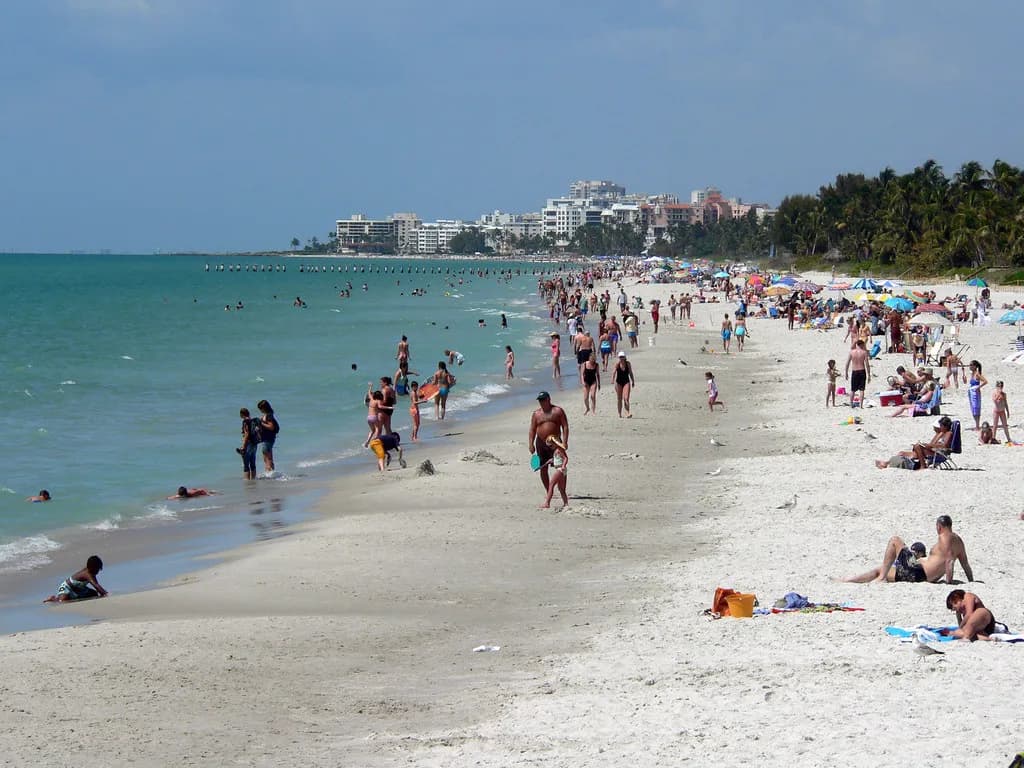
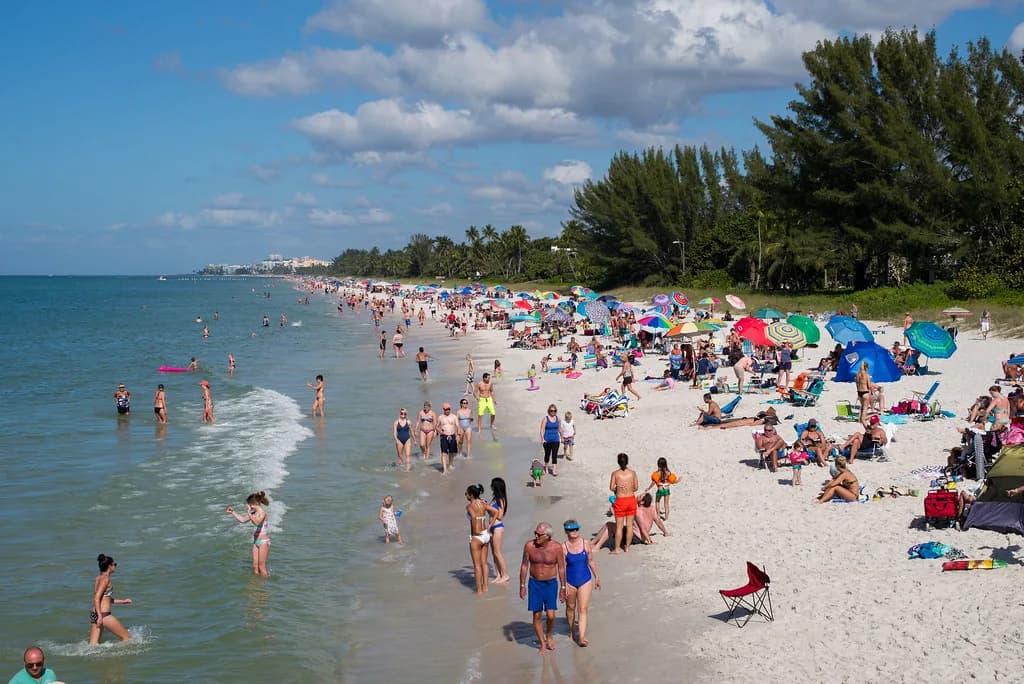
Naples snorkeling rewards travelers who plan around the Gulf's soft, sandy bottom rather than picture a reef wall. The water here is shallow near shore, the entries are mostly sand, and the wildlife clusters around mangroves, seagrass and artificial structure. It suits casual swimmers, families with kids and anyone who wants an easy beach day with a mask on, while stronger swimmers and boat-based snorkelers get the richer reef life offshore.
What Naples Snorkeling Is Really Like
The seabed off Naples is sand and Gulf mud, edged by mangrove shorelines, so the near-shore experience is not a coral-reef snorkel. Dive-shop guidance describes Naples beach snorkeling as limited in visibility by mangrove trees and the sandy Gulf bottom, with a few spots where you can snorkel for seashells when conditions allow. Plan your expectations around marine life rather than coral: fish gather near structure such as mangroves, bridges and reef, alongside sea turtles and occasional dolphins.
Offshore, that changes. Several coral and artificial reefs sit off the Naples shores, built from limestone boulders, pipes, road barriers and ships placed on the seafloor. These structures give fish somewhere to gather, which is why they make the best snorkel and dive targets in the area. Reach them by boat from Naples or Marco Island rather than by swimming from the sand.
Clam Pass Park
Clam Pass Beach sits behind a half-mile mangrove boardwalk, so the walk-in is part of the day and shapes what gear you carry. Bring a mask, snorkel and fins you can carry comfortably, plus water, and leave coolers and bulky gear for a return trip or a beach cart. The water is shallow and bordered by mangroves, which is where the marine life concentrates.
Because the bottom is sand and the mangroves root along the edge, work slowly along the shaded shoreline and look into the tangled roots rather than striking out straight for deep water. The calm water suits casual swimmers who are comfortable on a boardwalk walk and a soft sand entry. It is the natural pick for a short, low-effort snorkel on a Gulf beach day.
Delnor-Wiggins Pass State Park
Delnor-Wiggins Pass State Park is a full beach park with a sandy entry straight into the Gulf, and it is the spot to combine a snorkel with showers, restrooms and a proper parking area. If you are planning your day around it, read the dedicated guide to snorkeling at Delnor-Wiggins Pass State Park for the entry points, facilities and reef structure.
The reef life off Wiggins Pass is what draws snorkelers, so time your swim for the clearer, calmer window of a low tide with sun on the water. A soft sand entry makes it friendly for beginners and older kids who can manage a short swim out. Pair it with a beach walk if the water turns murky after rain.
Vanderbilt Beach
Vanderbilt Beach offers white sand leading into the Gulf, with a reef a short distance from the shoreline, which makes it the easiest shore-to-reef swim in the Naples area. That short swim is a real advantage for gear-lite snorkelers: you do not need a boat or a long boardwalk hike to get to structure.
Because the reef sits close, this is the spot to plan a late-morning or early-afternoon snorkel when the sun is high and lighting the water. Keep your swim close to shore and away from boat traffic, and treat it as a moderate swim rather than a shallow wade. It rewards strong swimmers more than toddlers.
Tigertail Beach on Marco Island
Tigertail Beach, on Marco Island, is the family pick: its calm, shallow lagoon makes for safe snorkeling where people of all ages can get a look at fish, fiddler crabs and more. The lagoon depth and calm water are what make it work for kids, so it is a good choice when a child is trying a mask for the first time. If you want the wider story on Marco, the Marco Island snorkeling guide covers the entry and the surrounding shoreline.
Bring a mask, a simple snorkel and plenty of drinking water, and expect to spend more time wading than swimming. The shallows make it easy to see what is underfoot, which is useful for nervous beginners. It is the calm-water counterpoint to the beach entries at Vanderbilt and Delnor-Wiggins.
Marco Island and the Sandbar Shoreline
Marco Island's sandbar shoreline is a sandbar-and-beach day where a snorkel point sits just off the shoreline, so you get a flat, sandy entry and a short swim to the target. The water is shallower and calmer than the open Gulf, which helps families and casual swimmers. Combine it with the Tigertail lagoon for a contrast between calm shallows and a short-open-swim reef.
Boat-Access Reefs
The richer snorkeling off Naples is on the reef structures that sit offshore—Haunschild Reef and Jackson's Fishing Camp Memorial Reef among them—and those are reached by boat, not by wading off the sand. The artificial reefs are built from limestone, pipes, road barriers and ships and draw fish such as snapper, grouper and amberjack. If you want the reef story for a longer trip, the Florida Keys reefs sit farther south and make a multi-day plan.
Captains and charters from Naples and Marco Island give you the boat ride and local routing, so you spend your time on the reef rather than on navigation. Book in advance for the drier months when crowds peak, and leave a buffer in the schedule for weather and sea-state changes. Confirm departure times and gear with the charter company directly.
Fish and Wildlife You Can Expect
Snorkelers in the Naples area are likely to see mangrove snapper, goliath grouper, sheepshead, snook, redfish and tomtates, particularly around mangrove edges, bridges and reef structure. Sea turtles turn up in the same habitat, and dolphins are occasionally spotted. These are likely species, not guaranteed sightings—wildlife moves with tide, water clarity and pressure.
Keep a respectful distance from every animal and let turtles and dolphins pass without chasing or touching them. The shallows at Tigertail are good for observing fiddler crabs and small fish without getting close to any one animal. Slow movement and a still float make for better viewing than a fast swim.
Skill Level and Who Each Spot Suits
Beginners, kids and gear-lite snorkelers should head to Tigertail's lagoon, Vanderbilt Beach's short swim to reef, or Clam Pass's shallow mangrove water. Strong swimmers and boat-based snorkelers get the most from Delnor-Wiggins and the offshore artificial reefs, where the water is deeper and the swim is longer. Make the choice by entry (sand versus boardwalk versus boat) first, then by depth.
Best Time of Day, Season and Tide
March through May is the sweet spot for Naples snorkeling: sunlight is bright, crowds are lighter and the water is settled. December through February is peak season, so expect more people on the beaches and busier boat schedules. Gulf water typically sits around 80 to 85°F for much of the year, which means a standard swimsuit-and-rash-guard setup is usually enough.
For visibility, plan around tide and weather rather than clock time. Low tide with sun on the water tends to make the reef clearer and more colorful, while rain and rough seas reduce clarity. Go early in the day for the calmest water and the best chance of a clean view.
Hazards to Plan Around
The main Gulf hazards are surf, currents and boat traffic, and they matter most at the beach entries where open water is close. Swim with a buddy, stay in sight of the shore or your boat, and be ready to call the day on rough or murky water. On the beach, use the lifeguard flags and posted signs as your guide.
Offshore, the boat is your platform, so stay near it and follow the captain's instructions on where to swim. On bad-visibility days, a shallow lagoon or mangrove edge is the safer, more productive choice. Local agencies post current conditions for the area; for official state-park rules at Delnor-Wiggins, the state park page is the one to read before you go.
Parking, Access Fees and Facilities
Delnor-Wiggins Pass State Park has a proper parking area with the facilities of a state park, while the Naples beach accesses give you a standard beach parking setup. Fees, hours and reservation policies for these parks change, so get the current figures from the Florida State Parks booking page or the county park page before you drive out. Delnor-Wiggins is the one spot where a dedicated facilities check pays off.
At Tigertail, the parking and the calm lagoon work together to make a family day feasible without a boat. At Clam Pass, the boardwalk walk-in is the dominant logistical consideration, not parking alone. Bring your own gear since rental availability varies by beach.
Rules, Wildlife and Reef-Safe Practice
Snorkelers share these waters with protected wildlife and should follow the state and park rules on distance from turtles, dolphins and manatees. Stick to reef-safe sun protection and avoid touching coral or reef structure, since the artificial reefs are habitats that need to stay intact. For state-park rules at Delnor-Wiggins, the park's official page is the reference to read before you go.
Naples sits on a Gulf where the Keys' marine protections are further south, but the same practical habit applies: look, don't touch. On a boat trip, follow the captain's rules and the sanctuary rules of any reef you visit. The reef-safe practice list in the Florida snorkeling guide is a useful refresher.
Guided Snorkeling and Boat Trips
A guided trip solves the biggest Naples problem: getting to reef structure that is too far to swim from the beach. Local operators run charters from Naples and Marco Island and provide the boat, the route and the local knowledge. Lessons matter more for beginners than for experienced swimmers, so pick a trip with a snorkel briefing if you are new to a mask.
Scuba Outfitters in Naples runs a two-hour pool snorkeling class and sells snorkeling equipment, which is useful if you want a refresher before a boat day. Equipment fit matters more than brand on a boat trip, so try the mask and fins on before you commit.
Snorkel trips in Key Largo, over that barrier-reef system, are a natural extension for a longer Florida vacation if you want reef structure in shallow water. The reefs there run about 5 to 20 feet deep, which is shallow enough for a beginner to see plenty without a deep dive.
Combine a Naples boat day with a Marco Island sandbar stop, or build a longer Florida trip that includes the best springs to snorkel in Florida. Each adds a different kind of water: the springs add clear freshwater, the Keys add coral reef.
Nearby Spots to Combine
Keewaydin Island, south of Naples, is another Gulf shoreline to consider for a boat day, and it pairs naturally with the Marco Island sandbar and Tigertail lagoon. North of Naples, Sanibel Island and Captiva Island make a natural Gulf-coast addition for a longer road trip.
If you are building a longer Florida trip, the Gulf coast and the Florida Keys are complementary: here you get sand-bottom, mangrove-edged water, and in the Keys you get shallow reef. A day on the water off Fort Myers Beach is another Gulf option to slot in if you are heading north.
Gear to Bring for Gulf Snorkeling
A well-fitted mask, a snorkel you can clear and a pair of fins are the core kit for Naples water; the sandy, shallow entries mean you can skip a heavy wetsuit most of the year. Reef-safe sunscreen, a rash guard and water shoes for the boardwalk and rocky edges round out the bag. Buy gear that fits rather than gear that looks good on a spec sheet.
A reef-safe sunscreen and a rash guard are practical because the Florida sun is strong even when the water is calm. Avoid touching the reef and keep your gear out of the coral. Carry a dry bag for your phone and keys when you walk in at Clam Pass.
Plan Your Naples Snorkel Day
Start by choosing your entry: Tigertail's calm lagoon for kids, Vanderbilt's short swim to reef for a moderate snorkel, Clam Pass for a mangrove walk-in, and Delnor-Wiggins for a full beach-park day. Add a boat trip if you want the artificial reefs offshore. Check the park pages for current fees and the charter company's page for departure times.
Explore more Naples snorkeling
Frequently Asked Questions
Can you snorkel from the beach in Naples, Florida?
Yes. Sand entries at Vanderbilt Beach, Delnor-Wiggins Pass State Park and the Clam Pass boardwalk lead into shallow Gulf water, and Marco Island's Tigertail Beach has a calm lagoon. The near-shore bottom is sand and mangrove, so marine life is the draw rather than coral.
Are there coral reefs off Naples, Florida?
Several coral and artificial reefs sit off the Naples shores, including Haunschild Reef and Jackson's Fishing Camp Memorial Reef. They are built from limestone boulders, pipes, road barriers and ships, and they are reached by boat rather than by wading off the sand.
Where can beginners snorkel in Naples?
Tigertail Beach's calm, shallow lagoon is the easiest pick for beginners and kids. Clam Pass offers shallow mangrove water, and Vanderbilt Beach has a short swim to reef for a slightly more committed beginner. Delnor-Wiggins suits those who want a full beach-park day.
What fish can you see snorkeling in Naples?
Likely species include mangrove snapper, sheepshead, snook, redfish, goliath grouper and tomtates, especially near mangroves, bridges and reef structure. Sea turtles turn up in the same habitat and dolphins are occasionally spotted, but no sighting is guaranteed.
Is snorkeling in Naples good in summer?
Summer is hot and busy, and afternoon storms can reduce clarity. March through May tends to be the best window, with bright sun, settled water and lighter crowds. December through February is peak season, so expect more people on the beaches and boat schedules.
Do you need a boat to snorkel in Naples?
Not for a beach snorkel. Vanderbilt, Delnor-Wiggins, Clam Pass and Tigertail all work from shore. A boat is the way to reach the artificial reefs and coral structure offshore, and local charters run from Naples and Marco Island.
Is Tigertail Beach good for snorkeling with kids?
Yes. Tigertail's calm, shallow lagoon is safe for people of all ages, and snorkelers can see fish, fiddler crabs and more in the shallows. It is the best family pick among the Naples beach spots.
When is the best time of year to snorkel in Naples?
March through May offers bright sun, fewer crowds and settled water. Across the year, low tide with sun on the water tends to give the clearest view, while rain and rough seas reduce visibility. Gulf water typically sits around 80 to 85°F for much of the year.
Sources
Snorkeling notes for your next trip
Optional updates to our snorkeling guides.
You might also like
Continue reading
More guides you'll find useful