Fort Myers Beach Snorkeling: Where to Get In and What You'll See
Fort Myers Beach snorkeling means murky estuary water, seagrass beds and passes at Lovers Key, plus boat trips offshore. Here's where to get in and when to go.
On this page
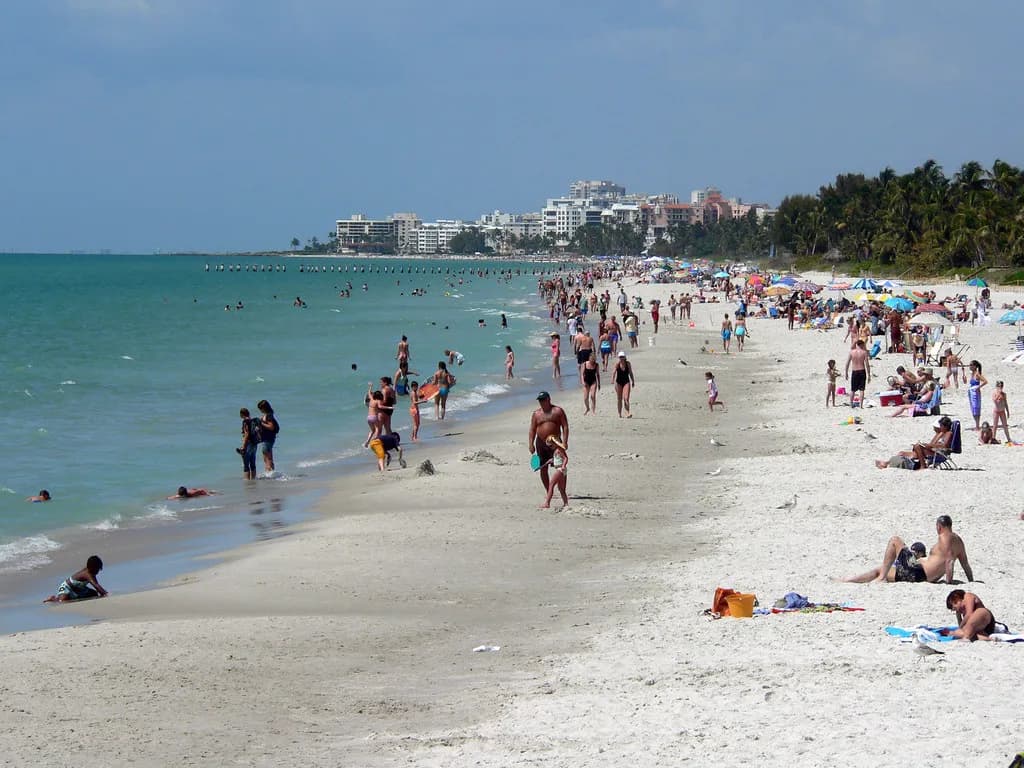
Snorkeling around Fort Myers Beach suits travelers who would rather pick through a seagrass flat for urchins, crabs and sheepshead than glide over a coral reef. The water in this part of Lee County is shallow, nutrient-rich and often stirred up; the habitat that rewards a mask is grass, shell, sand and rubble, not coral. If you set expectations around that, a morning in the passes at Lovers Key can be a genuinely interesting swim.
Plan your day around wind and tide rather than around a single famous site, and treat the Fort Myers Beach shoreline mostly as a launch point for boat trips. Shore entries cluster on Lovers Key and around San Carlos Bay, a short drive south and west of the beach. For a broader look at the region, see this guide to snorkeling in naples.
What Fort Myers Beach Snorkeling Is Really Like
This stretch of the Gulf coast has no nearshore coral reef. The waters are often dark and murky from stirred-up mud, tannins and blooms of microscopic algae feeding on high nutrient levels, so even where there is good underwater life you may not see it well. Treat clarity as the variable that decides your day, not the presence of fish.
That said, the estuary and bay bottoms hold real habitat: beds of seagrass and seaweed with snails, fish, sea urchins, anemones and crabs living in them. The trick is finding a grass bed you can reach from shore in water that is not too murky. Snorkelers who want a classic reef should look further south, toward Marco Island snorkeling and the Keys.
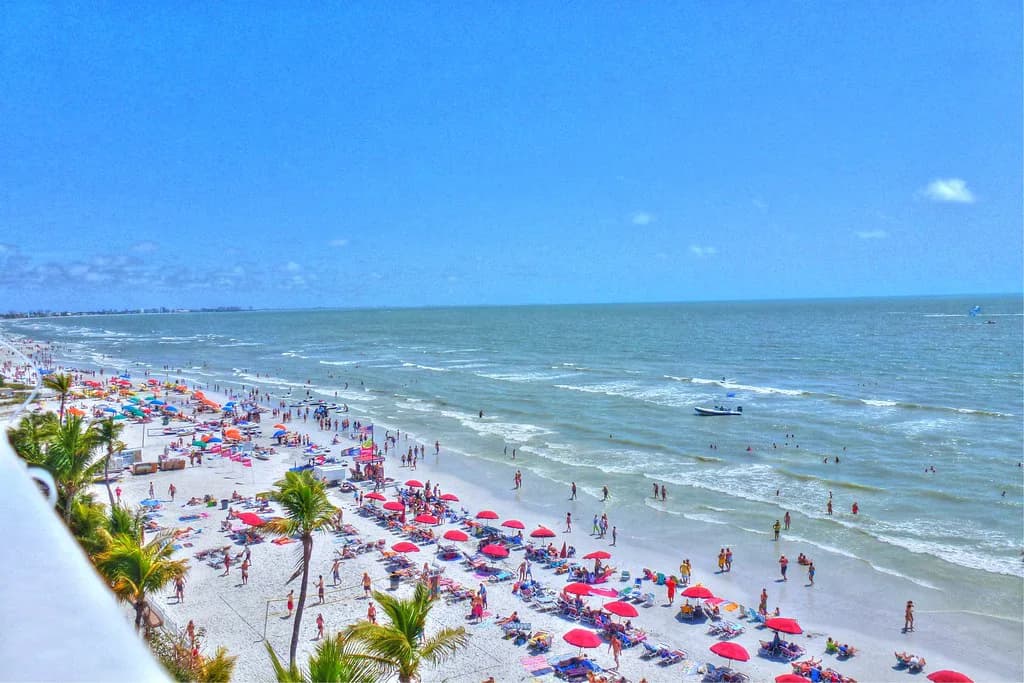
Fort Myers Beach itself is best treated as a boat-trip base. Offshore cruises run from the beach and supply snorkeling masks along with beach chairs and umbrellas, so you can combine a boat ride with a short in-water session. Shore snorkeling is a separate decision, made a few minutes south at Lovers Key and San Carlos Bay.
Where to Get In from Shore on Lovers Key
The most reliable shore entry is the east side of the road at Bonita Beach Dog Park on Lovers Key. You walk in from the roadside to a shallow flat with seagrass, which makes it the friendliest option for beginners and families with older kids who can handle a mask and fins. Enter carefully and shuffle rather than stride, since the flat is shallow and the bottom is soft in places.
South of that flat, the bottom drops into a deeper channel running toward the New Pass bridge. This is where the habitat gets more varied: oysters and other shells along the edges, plus crabs, urchins and fish such as mangrove snapper and sheepshead. The channel is the more interesting swim but also the one that demands you keep track of your position and depth.
Treat the east-side flat as your warm-up and the channel as the main event if you are comfortable in water over your head. Swimmers who are not should stay on the flat and skip the channel entirely. Either way, go on a weekday morning before boat traffic builds and stirs up the bottom.
Big Carlos Pass at the North End of Lovers Key
Big Carlos Pass is the largest opening from Estero Bay into the Gulf, and on an incoming tide it sometimes carries clearer water in from offshore. The bottom there is shelly, with large pieces of rubble further out, including concrete pipes now covered with sponges, seaweed and sometimes soft corals. It is the closest thing to structure-based snorkeling you will find at these shore entries.
Under the bridge itself, concrete blocks piled around the pilings hold reef fish. This is also where you must be most careful: fishing lines hang in the water and boats move through the pass. Give the pilings room, keep your head up between dives and stay out of the main channel traffic lane. It is not a place for young children.
Time this entry for slack water or an incoming tide, and skip it when the Gulf has been churned by west winds. Wind direction and tide decide whether the pass runs clear or brown, and the difference between a good swim and a wasted drive is often one tide cycle.
Lovers Key Ocean Side: The Channel Behind the Sandbar
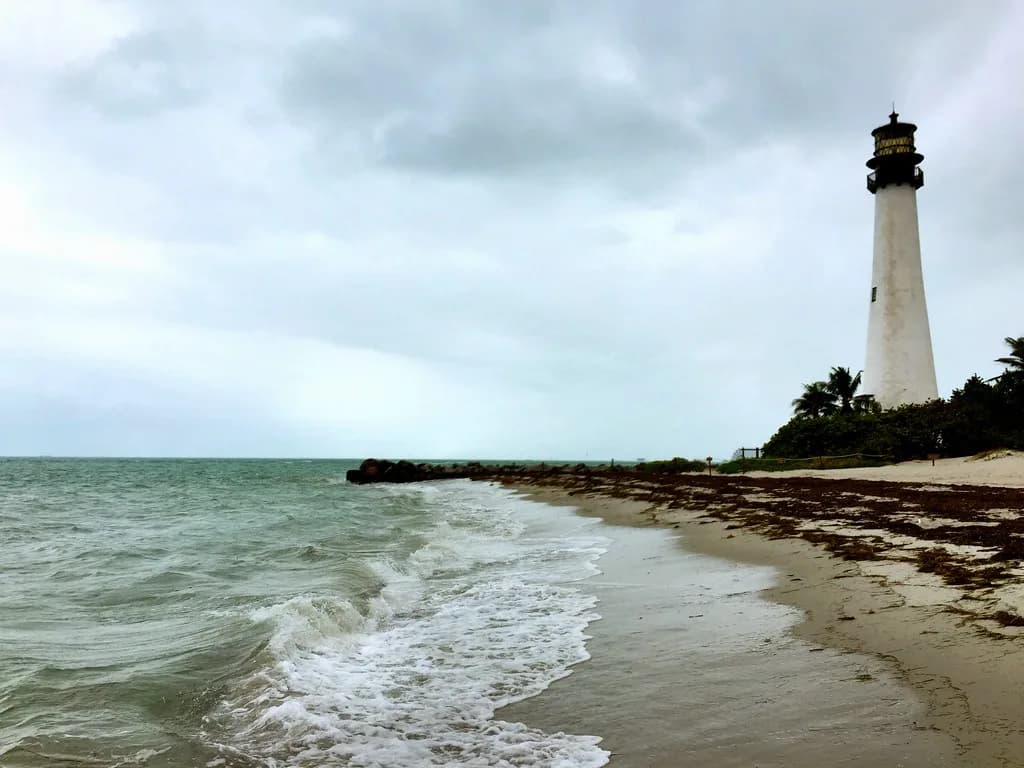
The ocean side of Lovers Key can work for confident snorkelers when the tide is slack or going out and there is no wave action. Near the entrance to Big Carlos Pass, a deep channel runs between the shore and an offshore sandbar, and the sand has been scoured away to expose rocks with urchins, seaweed and sometimes large fish. This is the most exposed of the Lovers Key options and the one that most depends on calm conditions.
The appealing quirk here is that you can swim a long way out and still be over shallow water above shifting sandbars. Watch for boats, which use the pass and nearshore water freely. If there is surf or a strong outgoing push, save it for another day.
San Carlos Bay Options: Causeway Islands, Roadside Pull-Off and Bunche Beach
San Carlos Bay, north of Lovers Key, is where the Caloosahatchee Estuary meets Matlacha Pass and Pine Island Sound. The Sanibel Causeway crosses it and includes two man-made islands where you can pull off and park to snorkel, windsurf or picnic. Crossing the causeway costs a toll, and the trade-off is that different sides of the islands shelter you from different wind directions, so pick your side by the day's wind.
Use satellite imagery to spot dark, mottled patches near shore; those are seagrass and seaweed beds over a mixed shelly and sandy bottom. A cheaper alternative to the toll is the San Carlos Bay beach pull-off on the side of the road just before the causeway. Bunche Beach adds a mix of seagrass, seaweed, sand, rock, shell and invertebrates such as sponges, which makes it the most varied of the bay options.
Snorkelers heading to Sanibel snorkeling from the causeway can combine the crossing with a beach stop on the island. The bay entries are shallow, so check the tide stage before you commit to a grass bed. Any of these works well as a lower-effort afternoon session after a morning at Lovers Key.
Boat-Based Snorkeling from Fort Myers Beach
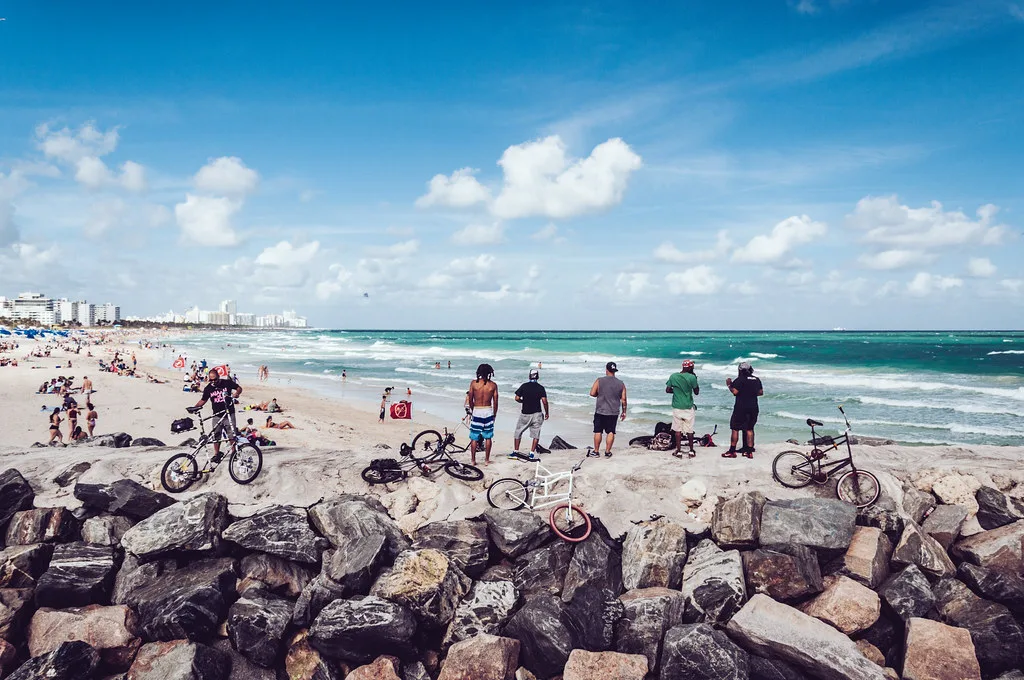
Cruises departing from Fort Myers Beach offer the simplest route to clearer water, since they can run offshore rather than fight estuary murk. Adventures in Paradise publishes that beach chairs, umbrellas and snorkeling masks are provided, along with the chance to see seahorses, starfish, pufferfish and similar small marine life. Check departure times and what a given trip includes directly with Adventures in Paradise before booking.
A boat trip is the right call if you have limited time, are traveling with young children or want a guided introduction rather than a self-planned shore entry. Shore snorkeling is the better call if you want to explore at your own pace and do not mind murky water. Budget-minded travelers should compare the two before committing a full day to either.
Best Time of Day, Wind and Tide
Weekday mornings before boat traffic builds are the best window, since fewer props mean less stirred-up water. Boats are also a safety concern, so carry a dive flag when you swim anywhere powerboats run. Winds under about 10 knots keep the surface calm, and offshore winds, blowing from land out to sea, let you snorkel in windier weather without chopping up the shallows.
Tide matters both for clarity and for depth. Near the passes, an incoming tide brings clearer offshore water into the bay, though a recent run of west winds in the Gulf can undo that and push the clearest water further back into the estuary. Some sites get too shallow at low tide or too deep at high tide, so match your entry to the tide stage rather than the clock alone.
What You Will See
Expect seagrass and seaweed beds rather than coral architecture, with snails, anemones, sea urchins and crabs tucked into the grass. Fish life includes mangrove snapper and sheepshead around shell and structure, and reef fish gather around the bridge pilings and rubble at Big Carlos Pass. Soft corals and sponges coat some of the hard structure in the pass.
On the ocean side of Lovers Key, scoured rock holds urchins and seaweed and occasionally larger fish. Nothing here is guaranteed; seahorses and starfish appear on boat trips rather than reliably on shore entries. Bring a mask that fits well, since low light and murk make a leaky mask much more frustrating than it would be on a clear reef.
Skill Level and Who Each Spot Suits
The east-side flat at Bonita Beach Dog Park is the best bet for beginners and families, thanks to shallow water and easy walk-in access. The channel toward New Pass and the bridge pilings at Big Carlos Pass suit comfortable swimmers who can handle depth, boat traffic and fishing lines. The Lovers Key ocean side is for confident snorkelers only, and only on calm, slack or outgoing tides.
The Sanibel Causeway islands and the San Carlos Bay pull-off work for mixed groups, since you can pick a sheltered side and snorkel shallow grass. Bunche Beach suits curious snorkelers who enjoy varied bottom types more than big fish. If your group spans abilities, split the day: flat for the beginners, pass for the stronger swimmers.
Hazards
Boat traffic is the headline hazard. Powerboats run through the passes and along the beach, and their props are dangerous; a dive flag helps but does not make you visible to everyone. Fishing lines around the Big Carlos Pass bridge pilings are another real risk, so keep clear of anglers and never swim through line.
Visibility itself is a hazard, because murky water hides both the bottom and approaching boats. Wind and waves stir up mud from the bottom and cut visibility further, so a windy day after a blow is a poor bet. Watch for posted advisories at the beach and pass area, and keep an eye on the tide so you are not swept toward a pass on an outgoing push.
Parking and Rules
Parking at Bonita Beach Dog Park is roadside, on the east side of the road, and access to the flat is by foot from there. The Sanibel Causeway islands have pull-off parking on each island, reached by crossing the toll causeway; carry cash or a card for the toll. Respect posted signage at each entry point, including any no-parking or vehicle restrictions.
Follow standard wildlife etiquette everywhere in the estuary: never touch, feed or chase animals, and give turtles and rays room to move away. No-take rules, if posted at a given spot, apply to shells and marine life, so leave living creatures and occupied shells where they are. Reef-safe sunscreen is the sensible default for any Florida water day.
Nearby Spots to Combine
Build a half-day loop starting at the Bonita Beach Dog Park flat, moving to the New Pass channel, then driving north to the Sanibel Causeway islands for a picnic and an afternoon snorkel. This keeps your driving short and lets you test different water on the same tide. A Sanibel Island stop adds a beach walk without much detour.
For a longer trip, push south toward Marco Island for reef-oriented snorkeling or north to Delnor-Wiggins Pass State Park for another shore-entry option. If you prefer a structured day, pair a morning shore session with an afternoon boat cruise from Fort Myers Beach. That combination covers both the murky estuary and clearer offshore water. For another Gulf-coast comparison with the same shore-versus-boat decision, see this guide to snorkeling in Sarasota.
What to Bring
Bring your own mask, snorkel and fins, since the shore entries are roadside access points without rental infrastructure. A dive flag is essential if you swim near powerboat traffic, and a rash guard helps against sun and stray jellyfish. Water shoes make the shell and rubble entries at Big Carlos Pass far more comfortable.
Pack water and sun protection, and bring a dry bag for keys and phone. A tide and wind app is more useful than a fixed plan here, because conditions change what is worth swimming. If you are joining an operator trip, check what gear is supplied so you do not duplicate it.
Plan Your Snorkel Day
Fort Myers Beach snorkeling rewards flexibility: the best swim depends on tide stage, wind direction and how much boat traffic has churned the water that morning. Start with the shallow flat at Bonita Beach Dog Park, then move to a pass or bay entry as conditions allow, or book a cruise if you want clearer water without the planning.
Check tide and wind before you leave, and carry a dive flag if you swim anywhere powerboats run. For a wider set of options across the region, read the full snorkeling in naples guide and build your itinerary around the conditions rather than a single spot.
Frequently Asked Questions
Can you snorkel from the beach at Fort Myers Beach?
The beach at Fort Myers Beach is mostly a base for boat trips rather than a shore snorkel entry, because the nearshore water is shallow and often murky. The established shore entries nearby are on Lovers Key, at the Bonita Beach Dog Park flat and around Big Carlos Pass, plus the San Carlos Bay spots further north.
Where is the best shore snorkeling near Fort Myers Beach?
The east-side flat at Bonita Beach Dog Park on Lovers Key is the easiest and most reliable shore entry, with shallow seagrass. Stronger swimmers can try the channel toward the New Pass bridge or the pilings and rubble at Big Carlos Pass. San Carlos Bay and Bunche Beach offer varied bottom and shallow grass flats.
Do you need a boat to snorkel around Fort Myers Beach?
No, but a boat makes it easier to reach clearer water and see small marine life without dealing with estuary murk. Shore entries are free to access apart from the Sanibel Causeway toll and give you freedom to explore at your own pace. Choose the boat if you have limited time or want gear supplied.
When is the water clearest around Fort Myers Beach?
Clarity depends on wind, tide and boat traffic rather than a fixed season. Weekday mornings before boats stir up the bottom, winds under about 10 knots and incoming tides at the passes are the best combinations. Offshore winds help keep the shallows calm, but recent west winds in the Gulf can undo an incoming tide's benefit.
Is there coral reef off Fort Myers Beach?
No, this part of Lee County has no nearshore coral reef. The habitat is seagrass, seaweed, shell, sand and rubble, with sponges and soft corals on hard structure such as bridge pilings and concrete rubble. Reef-oriented snorkelers should look further south toward Marco Island and the Keys.
What fish will I see snorkeling near Lovers Key?
Expect mangrove snapper and sheepshead around shell and structure, along with crabs, urchins and anemones in the grass beds. Reef fish gather around the Big Carlos Pass bridge pilings, and boat trips offer a chance to see small marine life such as seahorses, starfish and pufferfish. Sightings vary with conditions.
Are snorkeling masks provided on Fort Myers Beach cruises?
At least one Fort Myers Beach operator publishes that snorkeling masks are provided along with beach chairs and umbrellas. Check the specific trip page and confirm what else is included before booking. If you have a mask that fits well, bring it anyway.
What should I bring for shore snorkeling near Fort Myers Beach?
Bring your own mask, snorkel and fins, since the roadside entries have no rental counter. Add a dive flag for any area with powerboat traffic, water shoes for shell and rubble bottoms, and sun protection. Check tide and wind before you go so you pick the entry that suits the day.
Sources
Snorkeling notes for your next trip
Optional updates to our snorkeling guides.
You might also like
Continue reading
More guides you'll find useful