Marco Island Snorkeling: Beach Entries, Boat Trips and What You'll See
Marco Island snorkeling means shallow Gulf grass flats and pass edges, not coral reef. Learn the beach and boat options, wildlife, hazards and timing.
On this page
Marco Island rewards snorkelers who like looking closely rather than swimming far. The water off this southwest Florida barrier island is shallow, warm and often green, with seagrass meadows and pass edges doing the work that coral reef does in the Keys. It suits beginners, kids and boat-based explorers far more than reef chasers.
The real decision is shore or boat. A beach entry keeps your day flexible and light on logistics, while a boat trip out toward the 10,000 Islands reaches clearer water and structure you cannot walk to. Both put you over grass and sand, so plan on spotting fish, crabs and the occasional ray rather than a wall of coral.
What Marco Island Snorkeling Is Really Like
This is Gulf grass-flat snorkeling, not coral-reef snorkeling. Seagrass beds in waist-to-chest-deep water shelter small fish, crabs and starfish, and the sandy channels between them open up views of the bottom. Visibility depends heavily on tide, wind and recent rain runoff, so the same beach can look clear one morning and murky the next.
The most interesting structure sits where water moves: pass edges, channel mouths and the deeper cuts between sandbars. Those edges concentrate fish and invertebrates, which is exactly why they reward snorkelers, and also why they demand more care. Treat the grassy shallows as the beginner zone and the passes as advanced water.
Set expectations on wildlife honestly. Fish, crabs and starfish are the reliable sightings over grass, while dolphins, manatees and rays are possibilities that depend on season and luck. Operators working these waters commonly pair snorkeling with dolphin and shelling stops, which tells you how much of the draw is the estuary itself.
Shore Entry from the Marco Island Beaches
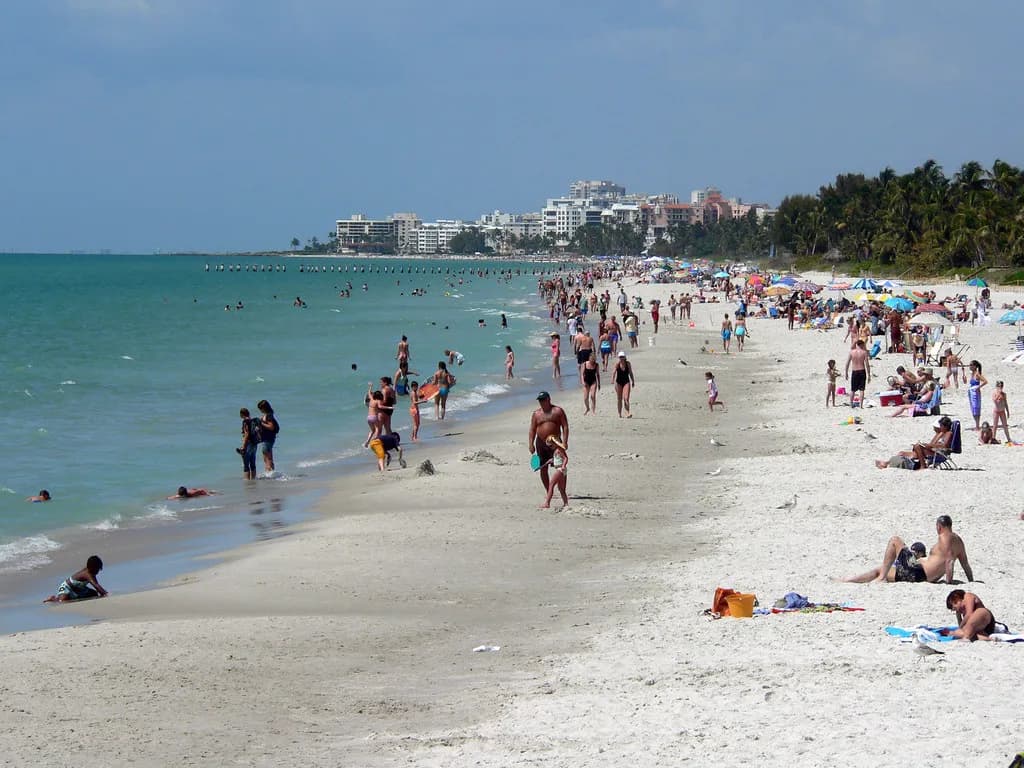
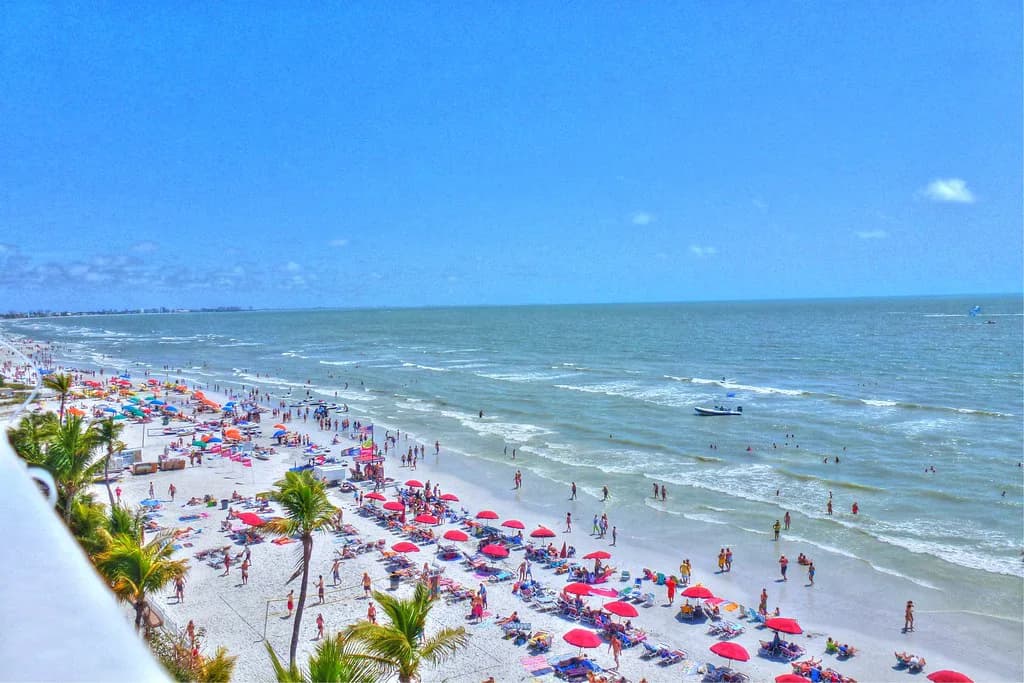
Shore snorkeling here means wading in from sand, not stepping off a ledge. The main public beaches slope gently, so you walk out through ankle-deep water and keep going until you find depth, grass or structure worth floating over. Water shoes help where shells and rubble gather near the tideline.
The practical rhythm is to wade out slowly, stop where you can still stand comfortably, and mask down there. Grass and scattered rock or rubble typically begin a short swim from the sand, and that first band of structure is where beginners find pinfish, mullet and small snapper. Do not force a long swim offshore in search of deeper water; the grass edge usually does more for you.
Beach entry puts the schedule in your hands, which is the biggest advantage over a boat. You can go early, retreat when the wind picks up, and swap to a picnic without losing a deposit. The trade-off is real, though: near-shore Gulf water is the least reliable in clarity, and a boat can simply go where the water is cleaner that day.
Boat-Based Snorkeling in the 10,000 Islands
The boat option is the stronger snorkel trip for anyone who wants clearer water and more interesting bottom. Outfitters run eco, shelling and dolphin tours from the Goodland area into the estuary and nearshore Gulf, and the small-craft nature of those trips means you can reach shallow backcountry water a beach walk cannot.
Compare tours on the things that actually change your day. Ask how much time is spent in the water rather than running, whether masks, fins and flotation are included, how many guests share the boat, and what happens if wind or weather forces a different route. Smaller groups generally mean more guided attention over the grass.
Book on the tour company's own terms, not a fixed idea of a destination. Local captains pick their stops for the day's tide and wind, and shelling, dolphin watching and snorkeling often combine in a single outing. Tell the captain you want water time if snorkeling is the point of the trip.
What You Will See
Over the grass, expect small, busy fish rather than big showy ones. Sheepshead pick around structure, pinfish dart through blades, mullet cruise the surface and small snapper hang near any hard edge or piling. Crabs scuttle across sand patches, and starfish turn up where the bottom is clean.
Rays and turtles show up on some days and not others, and dolphins and manatees are usually seen from the boat rather than underwater. Follow viewing rules when any of them appear: keep your distance, do not chase, touch or feed, and let the animal choose the encounter. A slow, quiet snorkeler sees more than a fast one.
The overlooked wildlife is the seagrass itself. These meadows are nursery habitat for fish and invertebrates, so keeping fins off the bottom protects the whole food chain. Float horizontally, tuck dangling gear, and take nothing living or dead from the water.
Skill Level and Who It Suits
Beginners, kids and nervous swimmers get the most out of the shallow beach zone. Gentle sand entry, standable depth and close proximity to shore make it easy to practice mask clearing and breathing without committing to a long swim. A properly fitted flotation vest helps younger children.
Strong swimmers can push out toward pass edges and channel mouths, where the marine life is richer but the water is not standing depth. Tidal flow creates current there, so go with a buddy, watch how the water moves before you enter, and turn back early. If the tide is running hard, stay in the shallows.
Boat trips sit between the two. You do not need a dive certification to snorkel from a tour boat, but you do need enough comfort to float, kick and follow crew instructions, and the ride out may be bumpy. Anyone prone to motion sickness should plan accordingly before boarding.
Best Time of Day, Season and Tide
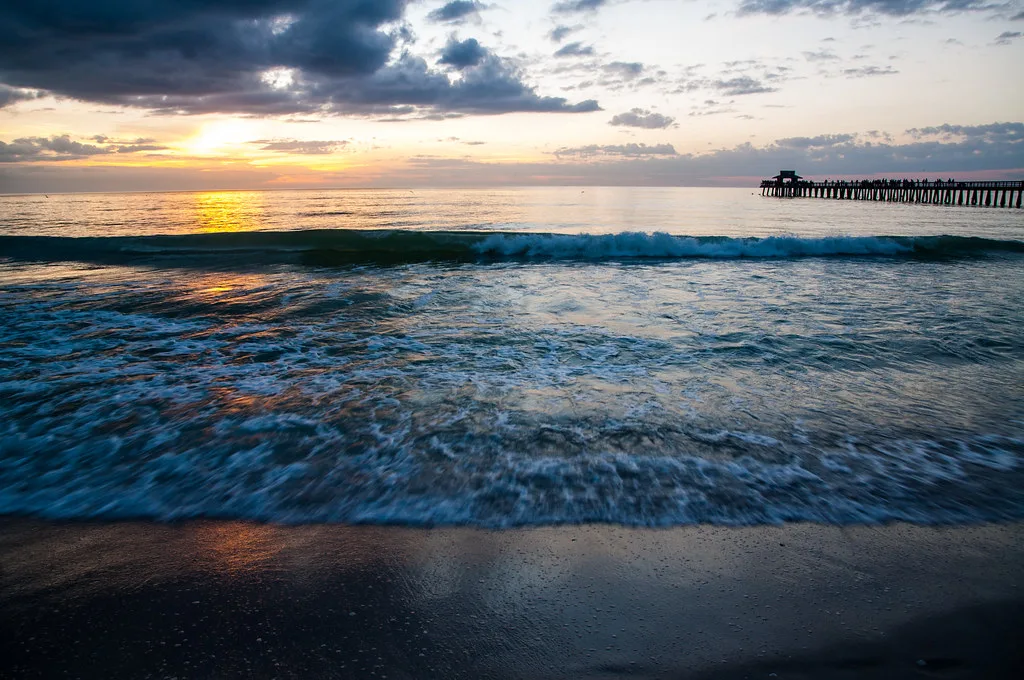
Calm mornings are the default choice for Gulf snorkeling. Wind usually builds through the afternoon, stirring sand and cutting visibility, so an early start gives you the flattest water. Morning light also sits lower and softer, which makes it easier to read the bottom.
Tide matters more than season in these shallow waters. An incoming tide pushes clearer Gulf water in over the flats, while a falling tide can drain and cloud the grass. Check a local tide table for the day you plan to snorkel and target the window around high water.
Wind direction decides whether the day works at all. Onshore wind stacks water and sand against the beach, while offshore wind flattens the near shore but can push you away from land. No month guarantees clear water or calm seas; recent weather and wind matter more than the calendar.
Hazards
Current at the passes is the first thing to respect. Tidal flow through channel edges and inlet mouths can move faster than it looks from the beach, especially on outgoing water. Watch for ripples, moving weed and boats pointing into flow before you decide where to snorkel.
Boat traffic is easy to underestimate because the water is shallow and the horizon is busy. Channels and passes used by tour boats and fishing skiffs leave little room for a floating swimmer, so snorkel near shore or well off marked channels and keep a bright surface marker or float with you.
Shuffle your feet through sand to avoid stepping on a buried ray, and give any ray you see a wide berth. The Gulf sun is the other steady hazard: use a sun shirt, hat and reef-safe sunscreen, and reapply through the day. Get out when you feel tired or cold rather than pushing on.
Rules and Wildlife Viewing
Manatees, sea turtles and dolphins in these waters are protected, and viewing rules apply whether you are on a boat or in the water. Stay back, stay quiet and never block an animal's path or cut between a mother and calf. Feeding, touching and chasing are off-limits.
Stay off seagrass roots and never anchor or stand on grass beds. Responsible operators build their trips around this, and the local crews describe Florida Master Naturalist training on their own pages, which usually means a briefing on floating without touching the bottom. Follow the crew's instructions over any habit from other destinations.
Boat Tours and Operators
Pick a trip by matching the boat to your group. Small private charters suit families who want to move at their own pace, while shared eco and shelling tours are simpler to book and generally brief guests on shallow-water wildlife. Either way, ask what gear is provided so you know whether to bring your own mask.
Time in the water is the number that matters most. A trip that lists snorkeling as one stop among several may give you a short window, so ask directly how long you will actually be floating. Confirm whether flotation is included, whether there is a minimum age, and what the cancellation policy is before you pay.
Parking and Facilities
Beach access on Marco Island is served by public beach parks with vehicle parking, and lots fill early in winter and on weekends. Arrive early if you have a specific beach in mind, and follow the payment instructions posted at the lot. Rules, hours and any charges are posted at the park entrance.
Facilities vary by park, so pack as if shade, water and restrooms may be a walk away. A cooler with fresh water, a dry bag for phones, towels and a change of clothes covers the gaps. Beach wheelchairs and accessible mats exist at some Florida beach parks but not all, so ask before you commit.
Nearby Spots to Combine
Tigertail Beach is the natural companion to any Marco Island snorkel day, with lagoon water on one side and Gulf beach on the other, so you can wade the calmer lagoon with kids and still sample the open beach. Shelling, birding and picnicking fill the hours around the tide.
North of the island, the Naples stretch adds different water and different scenery, and pairing it with the island makes a fuller southwest Florida plan without long drives. For another Gulf base with the same grass-and-sand character, look at snorkeling in Sarasota as an alternative day trip. Build the day around tide rather than distance, and you can fit two entries into one outing.
Further north, Sanibel Island and Captiva Island offer shell-covered beaches and calm lagoon water that suit the same grass-flat style of snorkeling, so a multi-day trip can link the islands with a single rental car. Compare conditions on both sides before committing a day to either, and read up on sanibel snorkeling if you want a second base.
Plan Your Marco Island Snorkel Day
Choose the beach for flexibility and the boat for clearer water and more time over structure. Whichever you pick, go early, work the incoming tide and keep your expectations set on grass-flat fish rather than coral reef.
Pack water shoes, a sun shirt, reef-safe sunscreen and a float, and brief everyone in your group on the stingray shuffle. Ask your tour company about water time and gear, and plan the rest of the day around Tigertail Beach or a shelling stop. Check current prices and dates with the company before you commit.
Frequently Asked Questions
Is Marco Island good for snorkeling?
It is good for shallow, close-up snorkeling over seagrass and sand rather than for coral reef. The Gulf flats off the island hold small fish, crabs and starfish in standable water, and pass edges concentrate more life for stronger swimmers. If you want clear blue reef water, plan a boat trip into the 10,000 Islands or head to the Keys instead.
Can you snorkel from the beach on Marco Island?
Yes, the public beaches offer gentle sand entry into waist-to-chest-deep water. Wade out slowly, stop where you can still stand, and float over the first band of grass and rubble near shore. Water shoes help near the tideline, and morning is usually flatter than afternoon.
Do you need a boat to snorkel Marco Island?
No, but a boat changes what you get. Shore entry keeps your day flexible and works well for beginners and kids, while a boat reaches clearer water, shallow backcountry channels and more structure. Decide based on how much water time you want and how far you are willing to swim.
What will I see snorkeling around Marco Island?
Expect sheepshead, pinfish, mullet and small snapper around grass and hard edges, plus crabs and starfish on clean sand. Rays, turtles, dolphins and manatees appear on some days and not others, so treat them as possible rather than guaranteed. Keep your distance and never chase or feed anything.
Is Marco Island snorkeling good for kids?
The shallow beach zone suits children who are comfortable in the water and can follow instructions. Sand entry, standable depth and a short swim back to shore make it easy to practice with a mask. Use a properly fitted flotation vest for younger kids and keep them within arm's reach.
When is the best time to snorkel Marco Island?
Calm mornings on an incoming tide generally give the best visibility over the flats. Wind direction matters more than the season, because onshore wind stirs sand and offshore wind can push you away from land. Check a local tide table and the day's wind before you commit.
Sources
Snorkeling notes for your next trip
Optional updates to our snorkeling guides.
You might also like
Continue reading
More guides you'll find useful