Sanibel Snorkeling: Grass Flats, Reefs and Boat Trips
Snorkel Sanibel from shallow Gulf beaches and grass flats, or take a charter to nearshore reefs. Learn entry, depth, seasons, wildlife rules and trips.
On this page
Sanibel rewards snorkelers who like their water shallow, warm and full of small discoveries. The Gulf-side beaches and inshore grass flats let you wade in from the sand, float over shell-strewn bottom and watch rays and small fish move beneath you without ever losing your footing. It is the kind of place where kids and nervous first-timers can get comfortable in minutes.
The catch is that the liveliest reef structure sits well offshore, reachable only by boat, and the barrier islands' reputation for clear water depends heavily on wind and season. Understanding that split before you book anything is what separates a great Sanibel day from a wasted one.
Why Sanibel Snorkeling Is Different
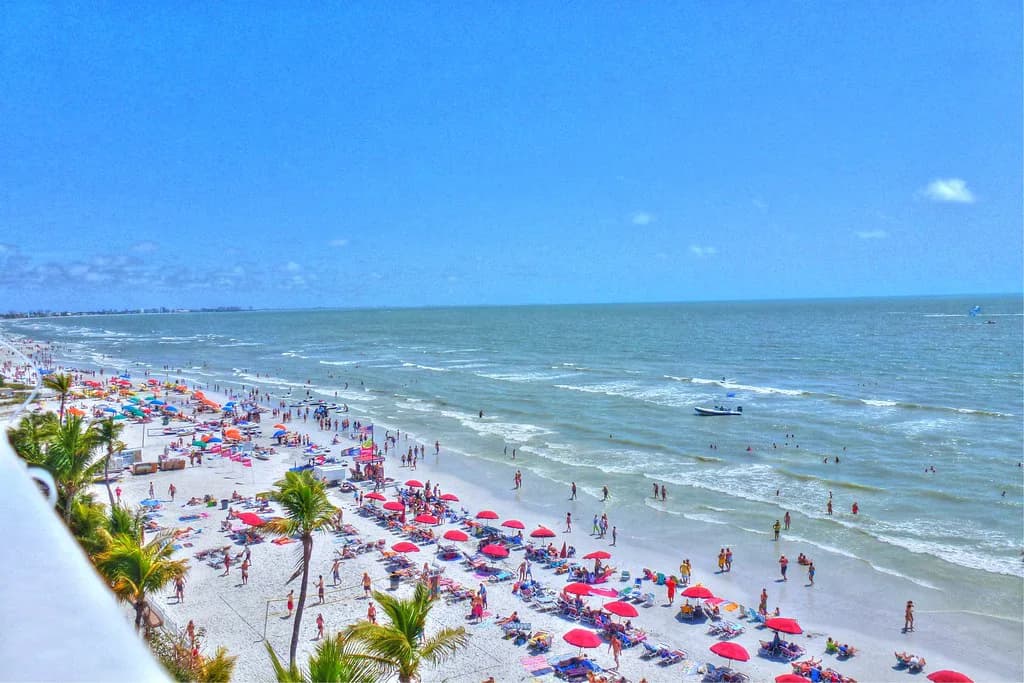
Most Florida snorkeling destinations point you toward a reef or a spring. Sanibel works the other way around: the shoreline itself is the entry point, and the shallow grass flats just off the beaches are the main attraction for waders and casual snorkelers. You walk in, you float, you look down.
Beyond the beach, more than a dozen artificial reefs lie within roughly 15 miles of Sanibel and Captiva, which is why the islands have a boat-snorkeling scene at all. Those structures are not swim-out destinations; they are charter destinations.
For a broader look at the surrounding region, including how Sanibel fits alongside the mainland beaches and barrier islands, our snorkeling in naples guide maps the options across Southwest Florida.
Getting in: Gulf-side beach entry and grass flats
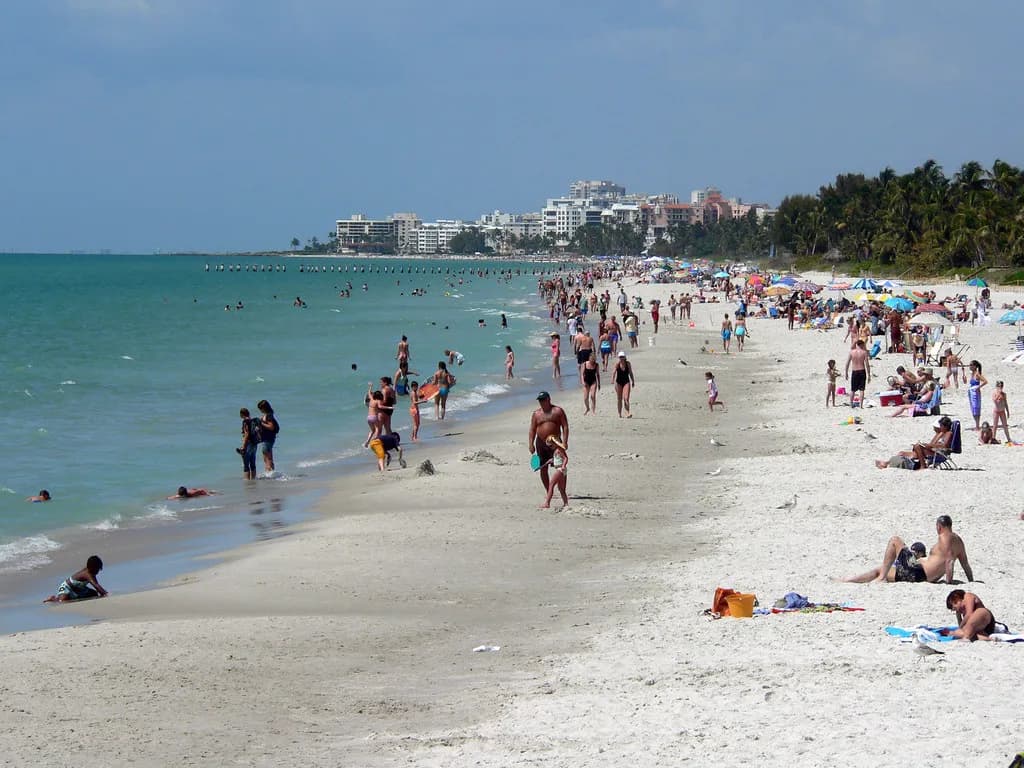
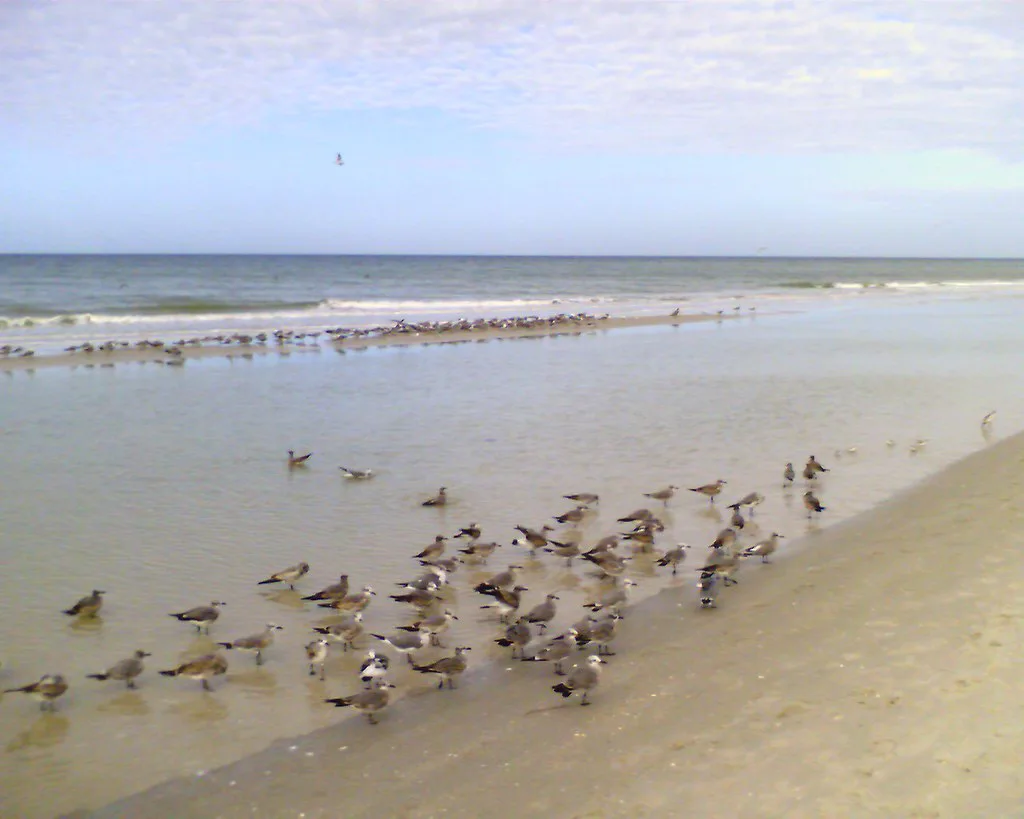
Entry on Sanibel is the easy part. You walk off the sand into the Gulf, and in calm conditions the bottom stays shallow for a good distance, with sand giving way to seagrass and shell hash. Water shoes help on the shelly stretches, and a mask is all you really need to see what is underfoot.
Charter snorkeling follows the same logic but from a boat. Operators put guests in shallow water off undeveloped barrier island beaches, and you should expect to walk through knee- to thigh-deep water to reach the sand, with an assisted ladder to get back aboard.
If you want a second beach-entry option on the mainland side, Fort Myers Beach snorkeling covers the sand-bottomed Gulf beaches just north of the Sanibel causeway, and it pairs neatly with a morning on the island.
How far out and how deep
Depth is the number that decides whether your family will enjoy this. On the grass flats, charter snorkeling happens in less than 5 feet of water, which makes it workable for all skill levels and means fins are not required.
The artificial reefs offshore are a different proposition: they sit miles from the beach and are reached by boat, so plan on a crossing rather than a swim. How deep the water is over any given structure depends on which reef the captain picks and on the day's conditions, and that is a question to ask when you book.
A full-day charter can cover roughly 30 nautical miles of coastline, running north to secluded barrier island beaches, so the day is as much about exploring Pine Island Sound's edges as it is about time with your face in the water.
What you will see
On the flats, the draw is the small stuff: seashells, sand dollars and the marine life that lives among them. Snorkeling is framed as a way to find shells and observe marine life in the shallows just off the beaches, which is exactly the pace that suits a wading family.
From the boat, the wildlife list widens. Captains on these waters look for bottlenose dolphins, manatees, sea turtles, rays and coastal birds along the mangroves and nearshore waters, but every trip is different and nothing is guaranteed.
Treat any dolphin or manatee encounter as a viewing moment, not an interaction. Operators on these waters follow the Marine Mammal Protection Act and do not chase or harass animals, and snorkelers should keep the same distance from the water.
Skill level and who it suits
Beginners and kids are well served here because the shallow flats forgive nerves and short attention spans. If a child can float with a mask and wants to look at shells, the wading version of Sanibel snorkeling is a good fit.
Strong swimmers who want structure, fish schools and a sense of remoteness should go by boat. The trade-off is commitment: charters run as private trips for up to 6 passengers, a limit set by the U.S. Coast Guard that applies to every person aboard, including infants.
Anyone with mobility limits should plan around the boarding ladder and the wading, and mention needs when booking so the captain can prepare. Snorkel gear, masks and snorkels are provided on charters, and fins are not needed in the shallows.
Snorkeling by boat: charters, seasons and gear
Charter snorkeling out of Captiva is seasonal. Snorkeling is typically available April through November, in shallow water off beaches and grass flats, and it only happens when the water is calm enough to make it worthwhile.
That seasonality matters when you plan. A winter visit to Sanibel can still be a lovely shelling and beach day, but do not build the trip around snorkeling between December and March.
Pricing is per private boat rather than per person. A full-day eco charter runs 8 AM to 2 PM and is priced at $950 for up to six passengers, while a four-hour half-day trip, morning or afternoon, is $650; half-day trips skip the lunch stop.
Full-day trips include a waterfront meal stop at Cabbage Key or Tarpon Lodge, which is a real part of the day rather than an afterthought. Book early in the season if you want a specific date, and keep the deposit terms in mind: deposits are non-refundable unless the captain cancels for weather or boat issues.
Best time of day, season and wind
Mornings consistently win on this coast: charters depart early to beat both the crowd and the heat, and the light is better for spotting fish over a pale sand bottom. If you are snorkeling from the beach, get in before the afternoon sea breeze picks up.
Wind is the deciding factor more than temperature. Strong winds can rule out snorkeling entirely, and calm conditions are what make the shallow flats readable; a flat morning after a calm night is the day you want.
Spring and fall often bring the most comfortable compromise of warm water and lighter wind, while midsummer is hot and busy. Build a non-snorkel backup into any plan, whether that is shelling, a nature trail or a mangrove cruise.
Hazards: surf, currents and stingray steps
The Gulf side can carry surf and shorebreak even on bright days, and a calm-looking beach can have a side current running along the sand. Pick a stretch with other people visible, watch the water for a few minutes before entering and stay close to shore on the flats.
Rays rest on sandy bottom, so shuffle your feet as you wade rather than stepping down hard; this is the standard stingray step and it costs you nothing. On boat days, stay near the boat and follow the captain's instructions around the ladder and the shallow beach landings.
Low visibility is a real possibility after wind or rain, and it changes the day more than any other factor. If the water is murky from the beach, the honest move is to treat it as a shelling day; an operator makes the same call on snorkeling when conditions do not cooperate.
Parking, fees and facilities
Sanibel beach access is managed by the city and county, and parking rules, fees and facility details vary by access point, so look up the specific beach you plan to use before you drive out. Reserve any charter directly with the boat company, since trips are private and dates fill.
On charter days, logistics are simpler: you meet at the departure point on Captiva, board with provided masks and snorkels, and there is shade aboard and a cooler with ice. There is no bathroom on board, though the boat stays within about ten minutes of one.
Rules: live shells and wildlife distance
Collecting is the rule that surprises visitors most. In Lee County it is illegal to take live seashells, sand dollars or sea urchins, so admire them where they lie and photograph them instead of pocketing them.
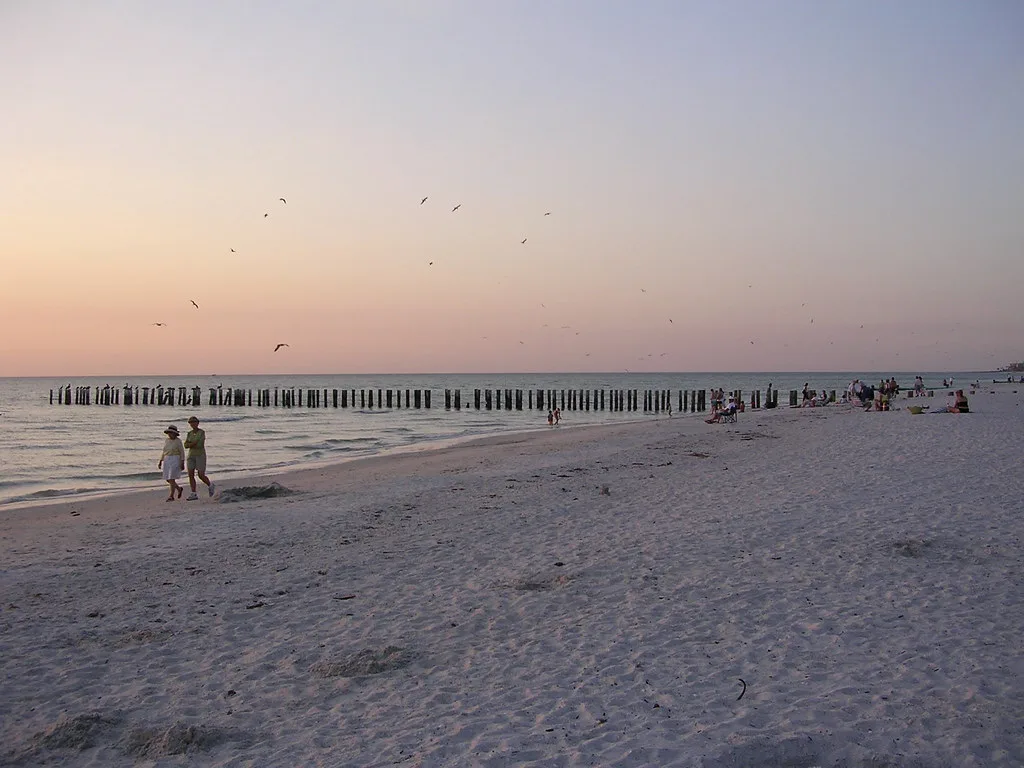
Wildlife distance applies to everything with a shell or a fin. Do not touch, feed or chase turtles, rays, dolphins or manatees, and give resting animals a wide berth; federal rules protect marine mammals and sea turtles, and encounters stay brief when you keep your distance.
Nearby spots and trips to combine
Sanibel pairs naturally with Captiva, since the two islands share the same sound and the same calm-water window. A beach snorkel on one day and a boat trip from Captiva on another gives you both versions of the experience without repeating yourself.
South of the islands, Marco Island snorkeling adds a Gulf-coast option with its own charter fleet, and it works as a separate day rather than a same-day add-on.
Closer to Naples, Snorkeling at Delnor-Wiggins Pass State Park offers a state-park beach entry with facilities, a useful contrast to Sanibel's more residential beach accesses.
Day-Plan Trade-offs: Beach, Half-Day or Full-Day
A beach snorkel is the cheapest and most flexible option: no booking, no schedule, and you can bail out if the wind turns on. It suits families with small children, anyone who wants a two-hour outing, and travelers who value flexibility over reef structure.
A half-day charter at $650 buys you shallow-water snorkeling off barrier island beaches and a couple of hours on the water, without the long lunch stop. It is the better fit for groups who want the boat experience but have other plans the same day.
A full-day charter at $950 covers the most ground, adds a meal stop and gives the captain room to chase calmer water. Choose it when snorkeling is the centerpiece of your trip and your group can handle a six-hour day aboard.
Plan Your Sanibel Snorkel Day
Start by deciding which Sanibel you want: the wading, shell-strewn version off the beach, or the boat version out over the grass flats and artificial reefs. Families and first-timers usually get more out of the beach, while strong swimmers and groups of up to six get the most from a private charter.
Then check the one thing that overrides every plan: wind and water clarity on the morning you intend to go, along with the captain's call on whether the boat goes out. Keep a shelling or trail day in reserve, and the trip stays good either way.
Frequently Asked Questions
Can you snorkel right off the beach on Sanibel?
Yes. The Gulf-side beaches and inshore grass flats are shallow enough to wade into with a mask and snorkel, and in calm conditions you can float over sand, seagrass and shell bottom close to shore. Water shoes help on shelly stretches, and the best window is a calm morning before the sea breeze builds.
Do you need a boat to snorkel Sanibel's reefs?
The artificial reefs sit well offshore, within roughly 15 miles of Sanibel and Captiva, so they are reached by charter rather than by swimming out. Beach snorkeling covers the shallows; the reefs are a boat day.
What is the best month to snorkel at Sanibel?
Charter snorkeling is typically offered from April through November, in shallow water off the beaches. Spring and fall often bring a good balance of warm water and lighter wind, while midsummer is hotter and busier. Winter visits are better suited to shelling and beach days.
Is Sanibel snorkeling good for kids and beginners?
Yes, especially the beach version. Water on the grass flats is less than 5 feet deep on charter trips, and fins are not required, which keeps things simple for new snorkelers. Children should still be comfortable floating with a mask and supervised in the water.
Can you take shells or sand dollars while snorkeling on Sanibel?
Not if they are alive. Lee County prohibits collecting live seashells, sand dollars and sea urchins, so admire and photograph them in place. Empty, uninhabited shells are a different matter, and shelling is a signature Sanibel activity.
How deep is the water where Sanibel charters snorkel?
Charter snorkeling happens in shallow water, less than 5 feet deep, just off barrier island beaches and over grass flats. That is why fins are not needed and why the trips suit all skill levels. Reef depth varies by structure and conditions, so ask at booking.
How much does a private snorkel charter from Captiva cost?
Trips are priced per private boat rather than per person, so the total is the same whether you bring one passenger or fill the boat. Operators publish current full-day and half-day rates along with departure times on their booking pages; the Captiva operator's site lists both trip lengths and deposit terms.
What wildlife can you see snorkeling around Sanibel and Captiva?
Possible encounters include bottlenose dolphins, manatees, sea turtles, rays and coastal birds, along with the small marine life and shells of the shallow flats. Sightings are never guaranteed, and wildlife must be observed from a respectful distance under the Marine Mammal Protection Act.
Sources
Snorkeling notes for your next trip
Optional updates to our snorkeling guides.
You might also like
Continue reading
More guides you'll find useful