San Carlos Beach Snorkeling: Monterey Breakwater Guide
Snorkel San Carlos Beach, Monterey's sheltered Breakwater Cove, where the reef tops out around 15 feet. Plan your entry, cold-water gear, wildlife and timing.
On this page
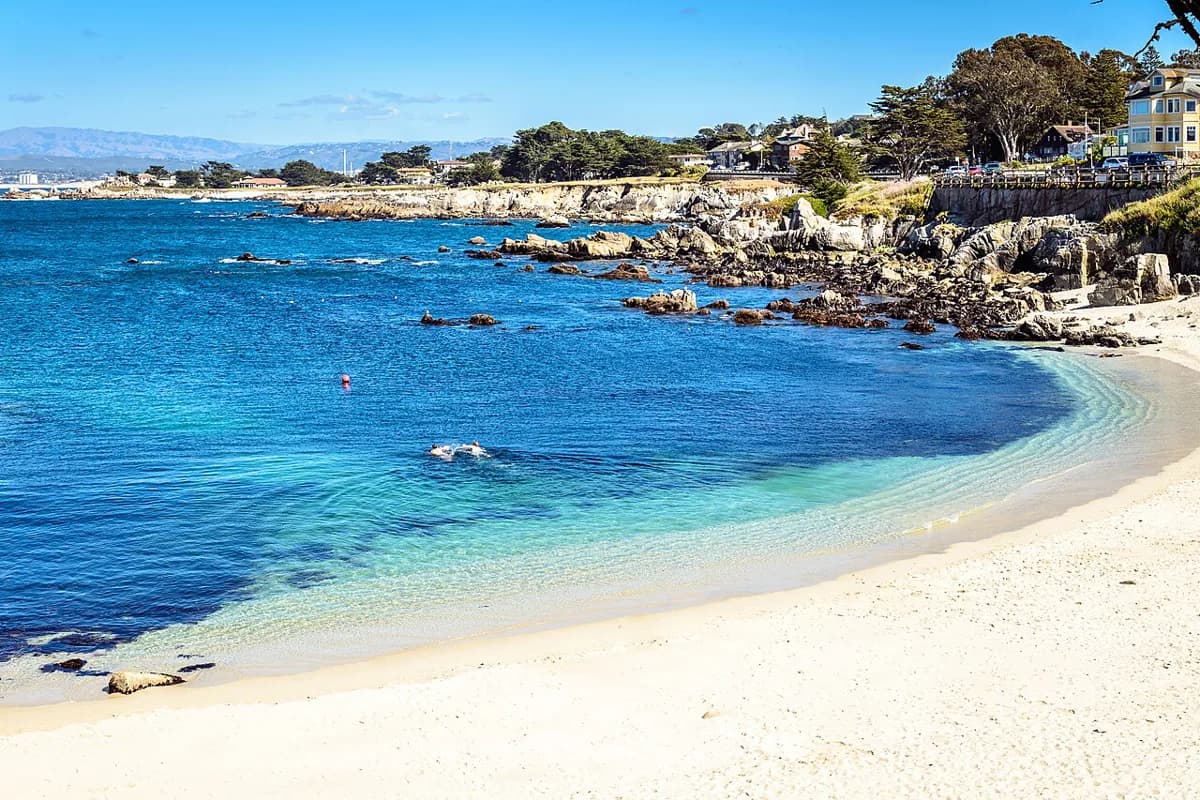
San Carlos Beach, known to divers and snorkelers as the Breakwater, is the rare Monterey Bay site where you can walk into a protected cove, cross a shallow reef and be among kelp, rockfish and sea lions without a boat. The sandy entry and the cove's shelter make it the obvious first saltwater snorkel in the region and a sensible fallback when open-coast swell builds. It rewards strong swimmers too, because the wildlife and kelp sit close enough to reach on a single breath-hold session.
What San Carlos Beach Snorkeling Offers
The Breakwater's reputation comes from its role as a training site: PADI's dive-site listing notes that most Bay Area dive schools bring students here for the open-water portion of certification, and that classes run year-round because the cove is fairly well protected from the elements. That same shelter is what makes it work for snorkelers, since surface chop is the main thing that ruins a mask-and-fins session. Plan on a shallow, gradual profile rather than a dramatic drop-off.
The site sits on the southern edge of the Monterey Bay National Marine Sanctuary, the federally protected stretch of coast that gives the area its kelp beds, shale reefs and granite pinnacles. If you want the broader picture of where this swim fits among the region's other entries, the guide to snorkeling in monterey covers the alternatives.
Where the Spot Is
San Carlos Beach lies at the foot of Cannery Row in Monterey, at the west end of the waterfront near the Coast Guard pier. The beach is a small sand crescent backed by a parking area and a grassy strip, and the cove itself, Breakwater Cove, is formed by the breakwater that gives the site its nickname. Monterey Bay Scuba operates a full-service shop on Cannery Row and describes the beach at Breakwater as its rental base, a short walk across the parking lot from the water.
Getting In
Entry is from the sand, which is the reason this site suits first-timers. You wade in off the beach, fin up in waist-deep water and swim out over a shallow bottom; PADI's listing classifies the entry as shore and beach. There are no stairs, ladders or rocks to negotiate at the waterline, so the main commitment is walking in with fins on and a mask clear of the sand.
How Far Out the Reef Runs and How Deep
PADI's site listing gives a maximum depth of about 15 feet, or roughly 4 meters, which is shallow even by snorkeling standards. In practice that means the reef and its inhabitants sit within a comfortable free-dive from the surface, and you can hover over most of the structure without descending. Treat 15 feet as the published site figure, not a guarantee for every line you swim.
The cove holds three main diving areas according to the PADI listing, so you can spread a session across distinct patches of structure instead of circling one rock. The bottom is a mix of sand and low reef, with kelp and shale ledges further out. Stay oriented by keeping the beach and the parking lot in view, and fin back in before you feel cold rather than after.
What You Will See
The PADI listing names sea lions, sea otters, pelagic fish and dolphins among the common sightings, and Monterey Bay Scuba's site describes kelp forests, shale reefs and granite pinnacles with rockfish, nudibranchs and sea stars. Sea otters are the signature encounter: they raft at the surface, so keep distance and let them approach on their own terms. Sea lions are fast and curious and can buzz a snorkeler without warning, which is exciting but worth expecting.
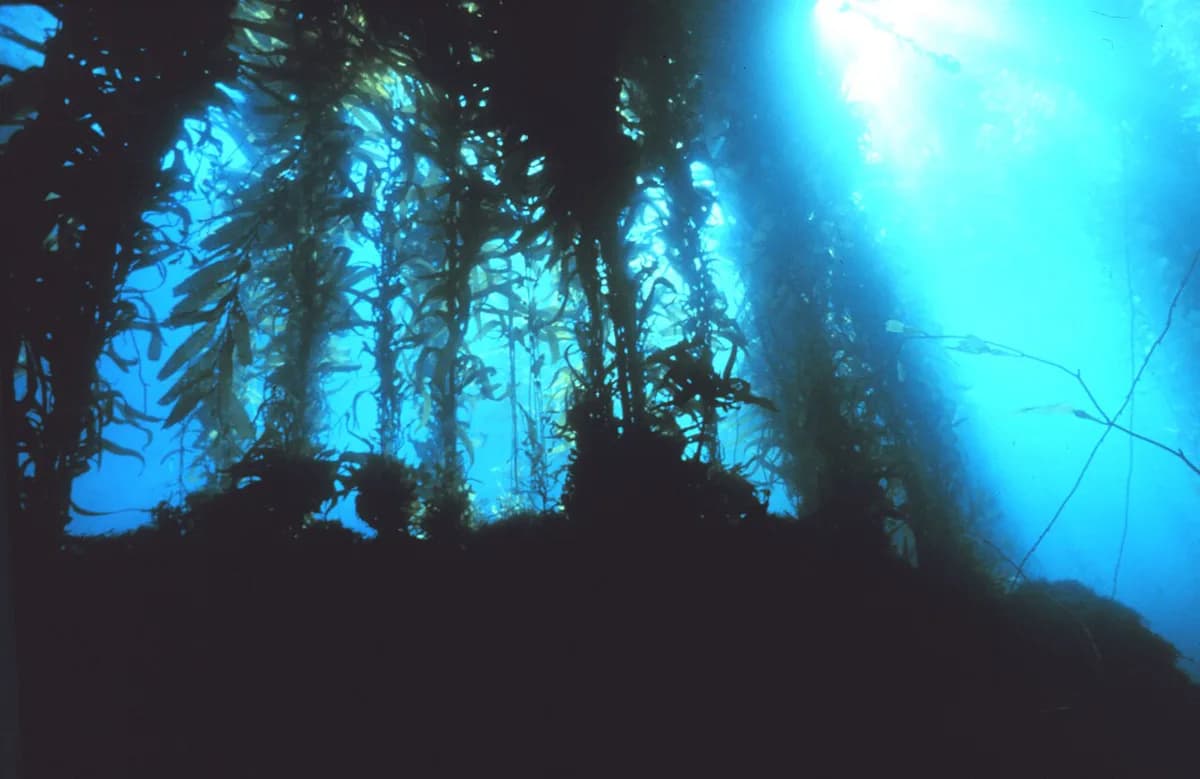
Kelp is the defining habitat here. The guide to kelp forest snorkeling in California explains how the canopy changes what you can see and how to move through it without fouling your fins. Look for nudibranchs and sea stars on the shaded sides of rocks and pilings, and rockfish holding close to structure rather than in open water.
Cold Water: The Gear Decision
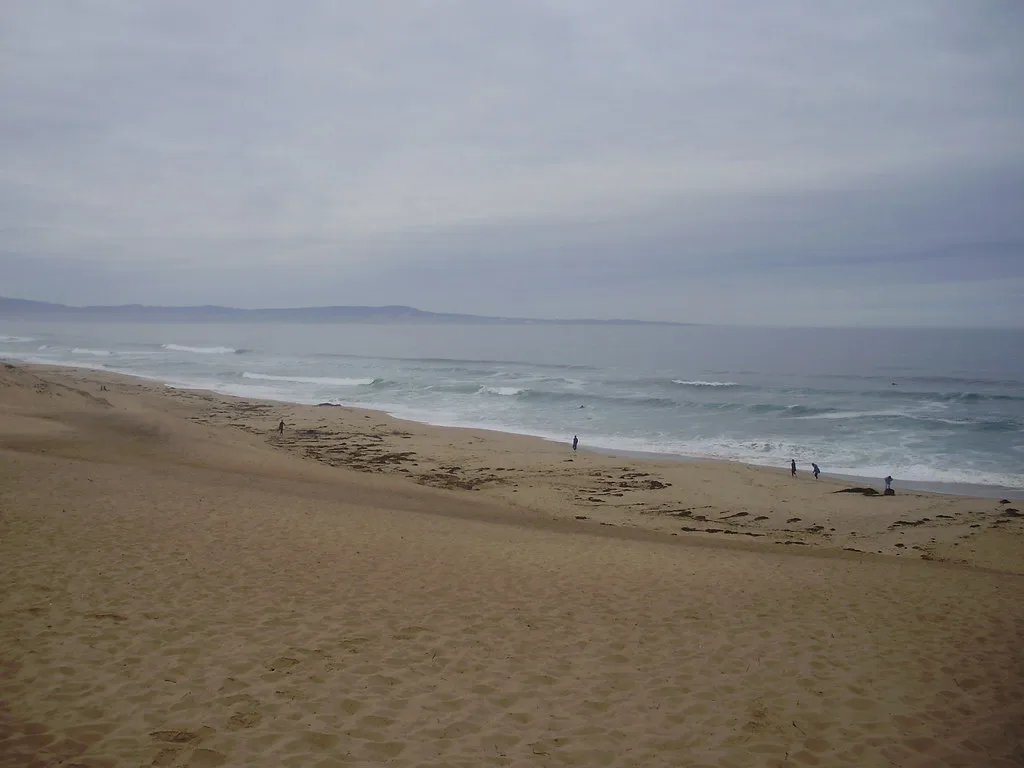
PADI's listing puts the water temperature at usually just over 50 degrees Fahrenheit, which is cold enough that the gear choice decides whether the swim is fun. The same listing recommends a good-fitting 7mm wetsuit with hood, boots and gloves for most first-timers, and notes that frequent divers here wear drysuits. For a single snorkel session, a well-sealed 7mm suit with a hood is the practical call; a thin tropical rash guard will not keep you warm.
You do not need to own the suit. Monterey Bay Scuba rents snorkeling and scuba gear, including wetsuits and drysuits, from its Breakwater beach location, and states that rental gear is bleach-soaked after each use following DAN recommendations. Reserve ahead if you are traveling with a group, since sizes for hoods and gloves run out first.
Best Time of Day, Season and Swell
Because the cove is sheltered, the site is described as usable year-round, which makes it a strong choice in months when the outer coast is turbulent. Morning tends to bring lighter wind and flatter surface conditions before afternoon breezes build chop; an early slot also beats the dive classes that fill the sand later in the day. On a big northwest swell, expect more surge inside the cove even though the breakwater blocks the worst of it.
Monterey Bay Scuba runs its charter boat, the California Explorer, Thursday through Sunday at 7:00am and 11:30am, which tells you when the waterfront gets busy with divers. Those departures are operator boat trips, not beach access times; the beach itself has no published snorkeling schedule. Aim to be in the water before the classes arrive and you will have more of the shallow reef to yourself.
Skill Level: Who It Suits
Beginners and children comfortable in cold water do well here because of the sand entry and shallow depth. Strong swimmers get more out of a session by working the outer edges of the three main areas and the kelp line, where the interesting structure sits. Anyone unsure about cold-water immersion should test a hood and gloves in the shallows before committing to the swim out.
Hazards and Posted Water-Quality Advisories
Cold is the primary hazard, followed by surge against the breakwater and low visibility on rough days. Boat traffic exists in the wider harbor, so stay inside the cove rather than swimming past the breakwater. Monterey County Environmental Health samples San Carlos Beach and posts advisories when bacterial standards are exceeded, with warning signs placed at the beach when contamination is detected.
Parking and Facilities
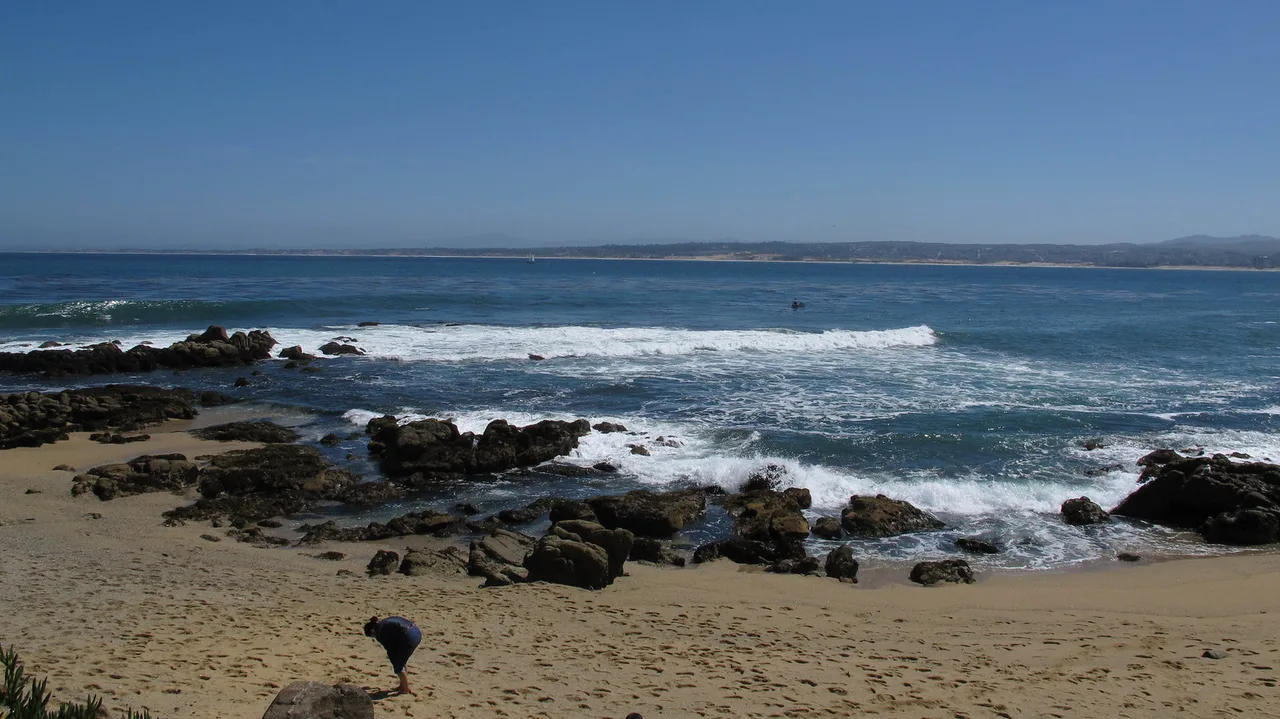
The beach is backed by a paved parking area at the foot of Cannery Row, and the walk from a car to the sand is short enough that you can carry a tank, fins and a cooler in one trip. Monterey Bay Scuba sits on Cannery Row with its rental operation at the beach, so gear pickup and the water are separated by a parking lot rather than a drive.
Bring your own water, a changing towel and a warm layer for after the swim, since a 50-degree soak leaves you chilled quickly. Restrooms and showers are the kind of facility detail that changes with city operations, so look for posted signs at the beach entrance when you arrive.
Wildlife Rules That Matter
San Carlos Beach sits inside the Monterey Bay National Marine Sanctuary, where federal rules protect marine mammals and prohibit harassing, touching or feeding them. That means no chasing sea otters for a photo and no swimming after sea lions; hold your position and let animals pass. The overview of the Monterey Bay National Marine Sanctuary explains the wider protections that apply along this coast.
Kelp is protected too, and grabbing or pulling fronds damages the habitat you came to see. Keep fins high over shallow rock and give resting otters a wide berth. Wildlife sightings are never guaranteed, so treat a sea otter or sea lion encounter as a bonus rather than the plan.
Nearby Spots to Combine
Point Lobos State Natural Reserve, a short drive south of Monterey, offers a very different snorkel: Whalers Cove is a protected pocket with kelp and rocky structure. The Point Lobos snorkeling guide covers entry, parking and reserve rules. If you want another boat-free, protected-cove option for comparison, our guide to snorkeling in Channel Islands covers similar sheltered entries on the islands to the south. Combine the two across a day only if you have a full tank of warmth and a dry change of clothes between swims.
Closer in, Lovers Point Park in Pacific Grove gives you a sandy cove and easy access on the same side of the peninsula. Read the Lovers Point snorkeling guide if you want a second, gentler option for kids. Both make sense as afternoon add-ons after an early Breakwater session.
Choosing a Wetsuit or Drysuit for the Breakwater
The Breakwater is where most of the diving schools in the Bay Area take their students for part 2 of the certification program, and programs such as the drysuit diver are very popular there. That matters when you are deciding what to wear into the water. Water temperature at the site is usually just over 50 degrees. For most first timers, a good fitting 7mm wetsuit with hood, boots and gloves should work, while the more frequent divers are seen wearing drysuits to stay warm.
If you would rather not own a drysuit to find out, Monterey Bay Scuba on Cannery Row runs a Drysuit Diving course that seals you off from the water and keeps you comfortable even in cold water, and if you decide to purchase a suit from the shop they will teach the class for free. The same shop rents gear for scuba and snorkeling, including tanks, weights, wetsuits, drysuits, scuba gear and more, and it adheres to the DAN recommendations for gear disinfecting, with all rental gear going through a bleach soak cycle after every rental.
Because the site is fairly well protected from the elements, classes are conducted there year round. Gear rented from the shop can be picked up at Breakwater beach in Monterey, and the beach the ocean dives are made from is just a walk across the parking lot from the shop, so you get geared up right there and walk right down to the water. If you do not want to deal with the gear cleanup after, renting from Monterey Bay Scuba means they take care of the clean up. The shop also runs charters Thursday through Sunday at 7:00am and 11:30am, with private charters available any day.
Plan Your San Carlos Beach Snorkel
Build the day around an early arrival, a rented 7mm suit with hood and gloves, and a swim that stays inside the breakwater. Check the county beach page for a posted advisory before you drive over, and confirm rental availability with the Cannery Row shop if you need gear.
Treat the 15-foot reef as a shallow, close-to-shore experience and you will get the most from it: sea otters at the surface, rockfish and nudibranchs on structure, and kelp overhead. Bring a warm layer for the walk back, and leave the wildlife undisturbed.
Frequently Asked Questions
Is San Carlos Beach good for snorkeling?
Yes, if you are dressed for cold water. The sand entry, the shelter of Breakwater Cove and a reef that tops out around 15 feet make it the most forgiving saltwater snorkel in Monterey and a reasonable choice for beginners and kids who are comfortable in cold water. Strong swimmers can work the outer edges and the kelp line.
How deep is the Breakwater at San Carlos Beach?
PADI's dive-site listing gives a maximum depth of about 15 feet, roughly 4 meters, which keeps most of the structure within easy reach of the surface. There are three main areas inside the cove, so you can spread a session across several patches of reef rather than one spot.
Do you need a wetsuit to snorkel in Monterey Bay?
You do. PADI's listing puts the water at usually just over 50 degrees Fahrenheit and suggests a well-fitting 7mm wetsuit with hood, boots and gloves for most first-timers, while regular divers here wear drysuits. If you do not own one, Monterey Bay Scuba rents wetsuits and drysuits from its base at the beach.
What can you see snorkeling at San Carlos Beach?
The site's listings name sea lions, sea otters, pelagic fish and dolphins, plus kelp forests, shale reefs and granite pinnacles holding rockfish, nudibranchs and sea stars. Otters and sea lions are wild animals, so encounters depend on the day and sightings are never guaranteed.
Where do you park for San Carlos Beach?
A paved parking area sits directly behind the beach at the foot of Cannery Row, and the walk from the car to the sand is short enough to carry fins, a tank and a cooler in one trip. Posted signs at the entrance give the current rules for the lot.
Is there a lifeguard at San Carlos Beach?
Lifeguard coverage at this city beach is not something to assume, so plan the swim as a self-reliant one: go with a buddy, stay inside the breakwater and watch for dive classes and boat traffic in the harbor. Posted signage at the beach carries any current safety notices.
Sources
Snorkeling notes for your next trip
Optional updates to our snorkeling guides.
You might also like
Continue reading
More guides you'll find useful