Point Lobos Snorkeling Guide: What to Expect in Monterey
Point Lobos snorkeling focuses on Whalers Cove, where a sheltered inlet meets cold kelp forest. Plan entry, depth, exposure, wildlife rules and nearby sites.
On this page
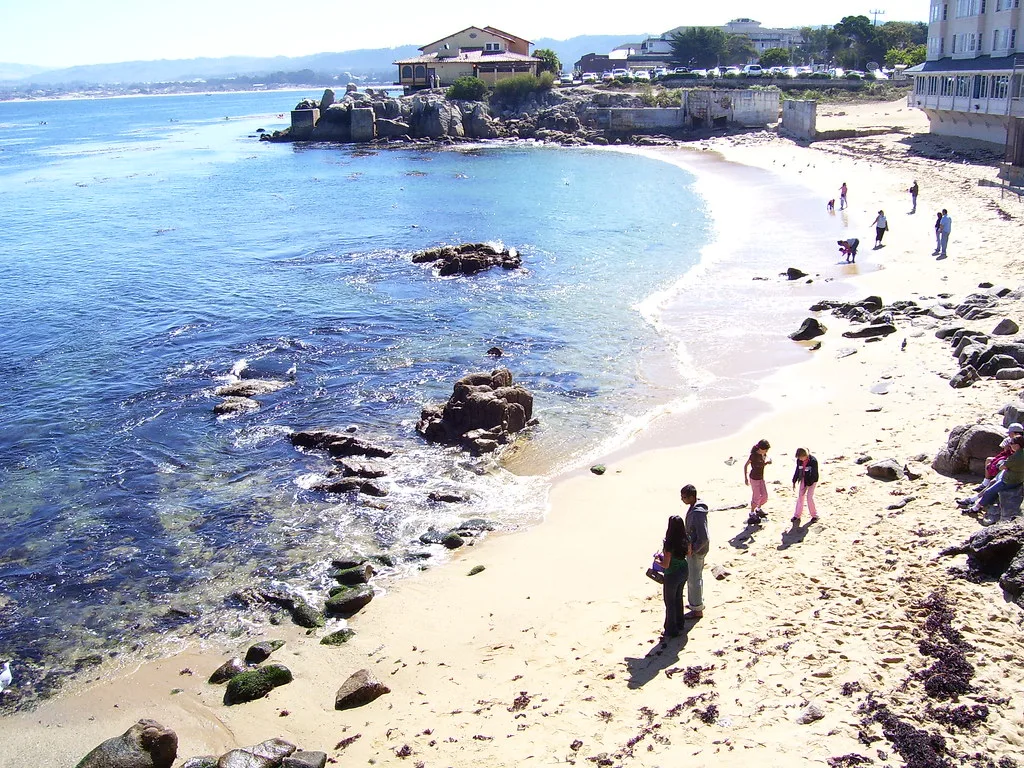
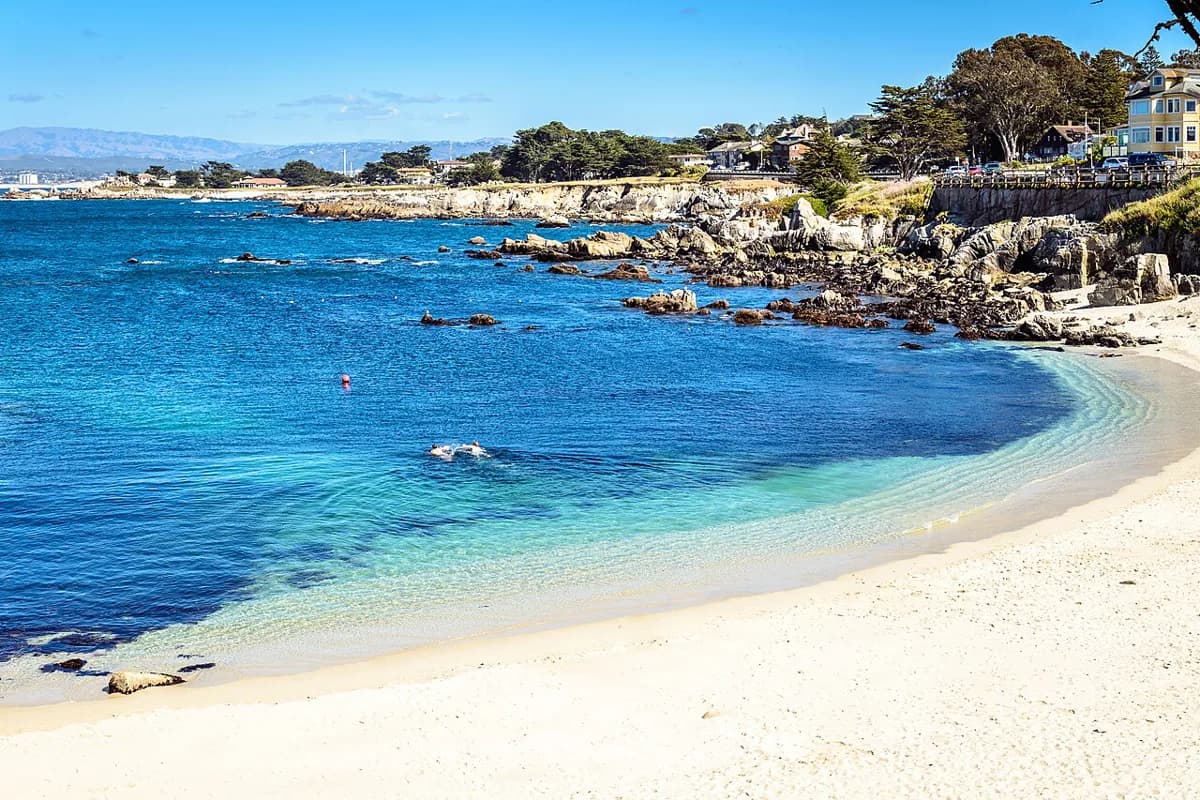
Whalers Cove is the one part of Point Lobos State Natural Reserve that works as a snorkel day: a sheltered inlet cut into a rocky headland, with kelp forest starting just beyond the calm water. It suits strong swimmers who own a thick wetsuit and are comfortable in cold, low-visibility water, not families looking for a warm, shallow reef.
The reserve sits south of Monterey on the Monterey Peninsula, and the cove itself is a small, boat-shaped bay ringed by rock. Because the water stays chilly year-round and the bay is a protected marine area, the day works best when you plan exposure protection, entry timing and wildlife distance before you arrive.
Why Whalers Cove Is Worth the Swim
What sets Whalers Cove apart is the pairing: a calm, enclosed pocket of water for gearing up and getting comfortable, opening onto genuine kelp forest structure just offshore. On a good day you can move from easy finning inside the cove to drifting along the kelp edge within minutes, without a long surface swim.
That combination is rare for shore snorkeling in California. Most Monterey-area entries put you in open, surge-driven water, whereas Whalers Cove gives you a protected start with the kelp and rocky reef close by. The trade-off is temperature: this is cold-water snorkeling, and the wildlife and visibility reward people who dress for it.
Where Whalers Cove Sits in the Reserve
Whalers Cove lies inside Point Lobos State Natural Reserve, the rocky peninsula just south of Carmel-by-the-Sea on the Monterey Peninsula. The cove is the reserve's main protected inlet, with parking close to the water and a short walk to the entry. The reserve is managed by California State Parks, and its published visitor information is the place to read current rules before you go.
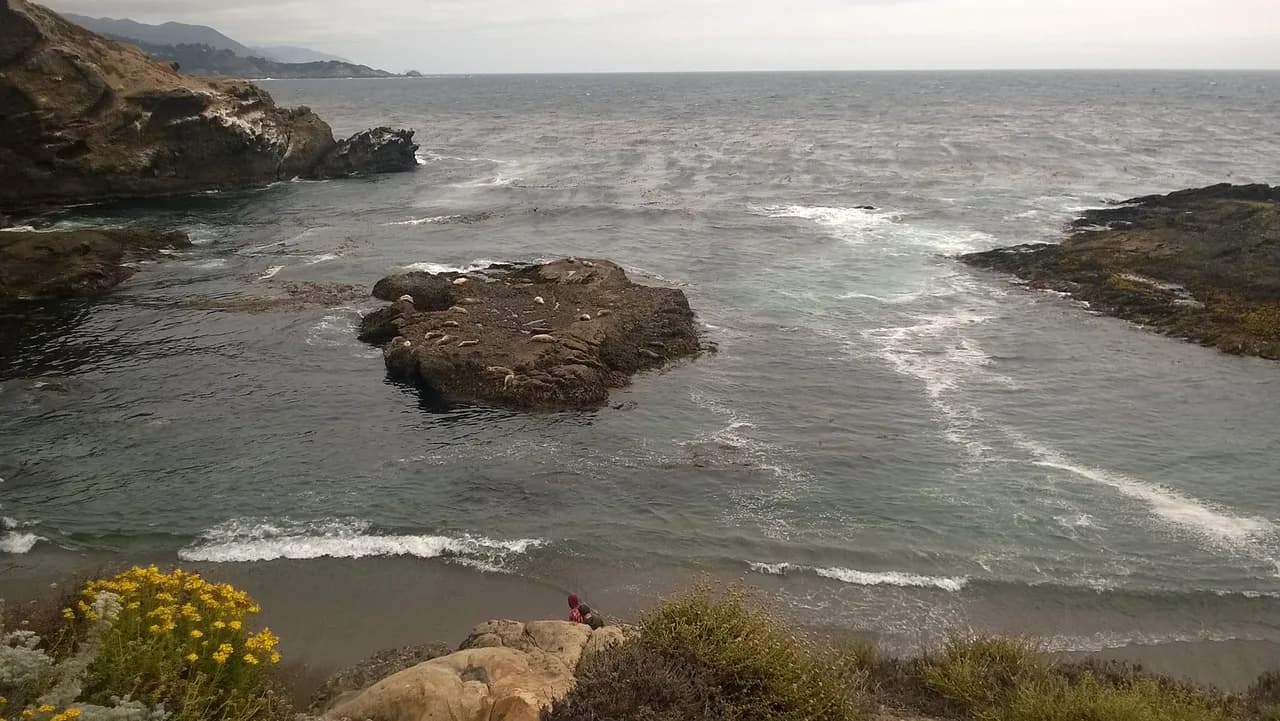
The cove is laid out as a roughly enclosed bay: rock walls and a headland shelter the inner water, and the mouth opens toward the outer reserve and deeper water. That geography explains the trade-off. The inner cove is calmer and more forgiving, while the outer edge gives you the kelp and rock structure that makes the site interesting.
Getting In at the Cove
Entry is from shore, gearing up on land close to the cove and walking in over a sand-and-rock bottom. Because the inner bay is sheltered, the entry itself is usually the least demanding part of the day; the bigger decisions come afterward, when you choose how far toward the mouth to swim. Check the reserve's visitor information for current entry and access guidance before you commit.
Suit up fully on land, including mask, fins and hood, because the air here can be colder than the water feels. Move in slowly, clear your mask in the calm water, and only then head for the kelp edge. If surge is pushing you around at the mouth, turn back into the cove rather than fighting it.
How Far Out the Kelp and Reef Sit
The kelp forest begins near the cove mouth rather than at your fins, and the bottom deepens as you move out toward the reserve's outer edge. Inside, you float over shallow rock and sand; beyond the mouth you are over kelp holdfasts and rock reef at greater depth. Treat the kelp edge as your working depth and stay shallow, where light and life concentrate.
What You Will See in the Kelp
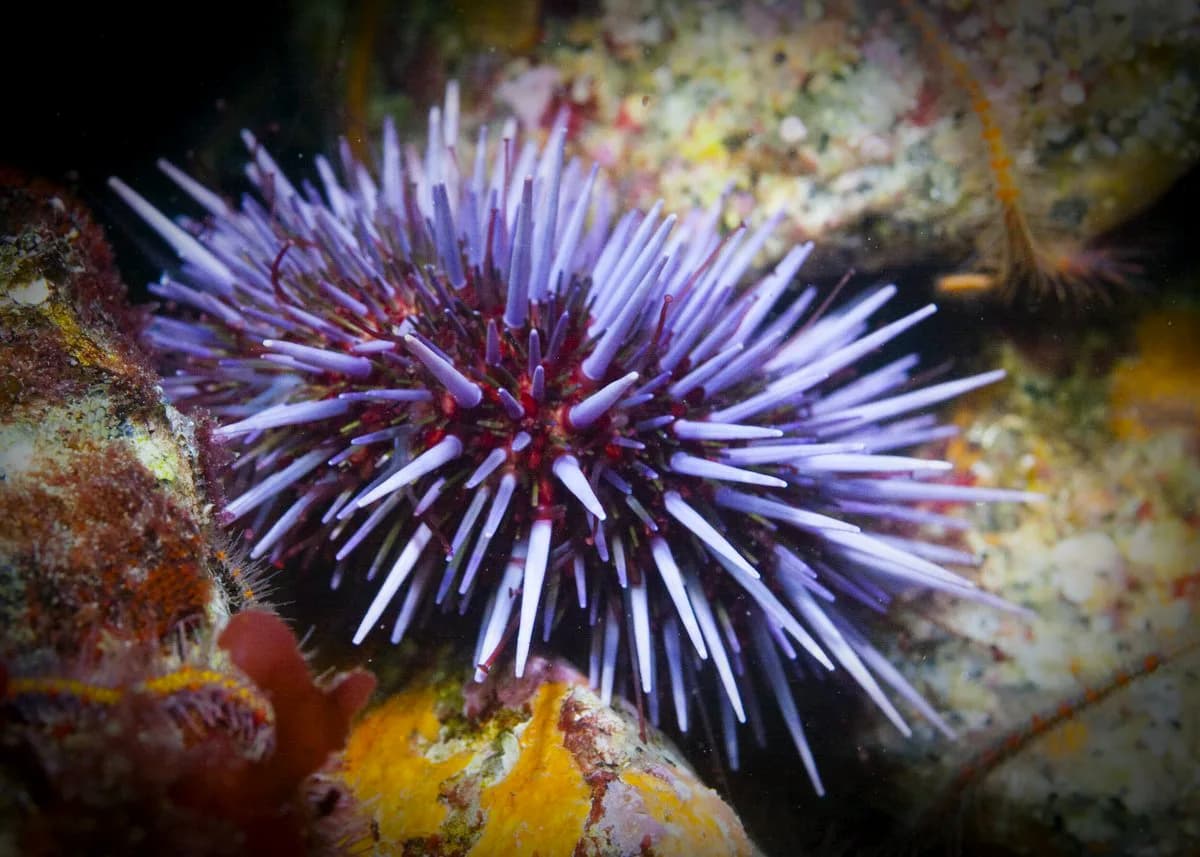
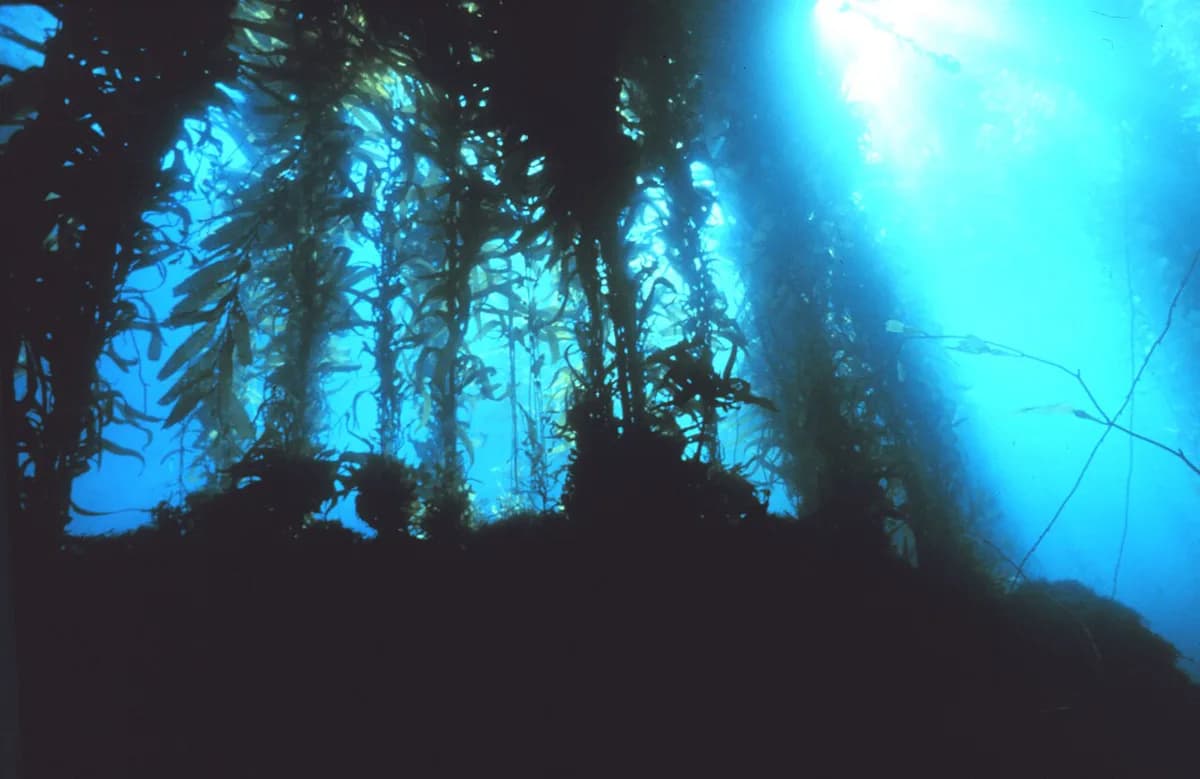
Kelp forest is the main attraction, with rockfish and lingcod holding near rock structure and sea stars and nudibranchs on the bottom beneath the canopy. Harbor seals and sea lions appear around the reserve, and sea otters raft in surrounding water; where they turn up on a given day varies. Look for fish along the rock edge where the kelp anchors, and scan open water for passing seals.
Kelp is structure to swim around, not through. Travel along lanes of open water at the kelp edge, keeping your fins below the surface, and avoid pushing into dense canopy where fronds can wrap gear. This keeps your route clean, leaves the forest intact, and keeps you oriented toward the cove mouth.
Where Snorkeling Is and Is Not Permitted
Snorkeling is not permitted at China Cove or Gibson Beach inside the reserve, so plan your session at Whalers Cove rather than those beaches. Read the reserve's published visitor guidance before you arrive and route around those closures when you explore the rest of the peninsula.
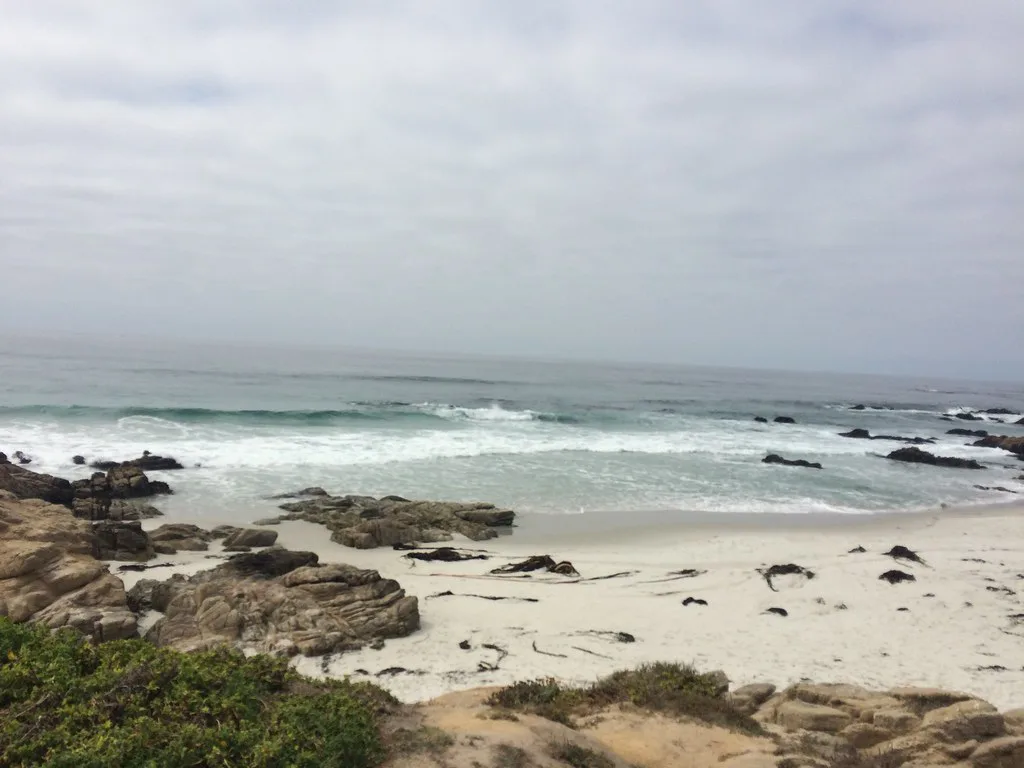
Other coves and beaches in the reserve serve walking, wildlife viewing and photography rather than water entry. If you want a beach-based snorkel outside the reserve, look at options in Monterey and Pacific Grove and plan that session separately from a Point Lobos visit. For a boat-access alternative with its own kelp forests, compare Channel Islands snorkel spots before committing to a Monterey day.
Water Temperature and Exposure Protection
Monterey Bay is cold all year, and local dive operators publish a diving-depth range of roughly 48 to 56 degrees Fahrenheit, or about 10 degrees Celsius. That figure is a good planning number for Whalers Cove: this is a full-exposure session, not a swimsuit snorkel. A properly fitted thick wetsuit with hood, boots and gloves is the practical standard.
Cold limits your session more than depth does. Plan a shorter, focused swim along the kelp edge rather than a long perimeter route, and warm up on land between sessions. Bring a dry layer and warm drink for afterward, and cut the swim short if you start shivering or lose fine hand control.
Best Time of Day, Season and Conditions
Go early. Morning typically brings lighter wind and flatter surface conditions on Monterey Bay, and the reserve fills with visitors as the day goes on, so an early arrival gets you in the water before the crowd. Afternoon wind chop makes the cove mouth less pleasant and stirs up visibility.
Swell direction matters more than season. When northwest swell runs against the outer coast, the cove's protected geometry helps, but the mouth and outer kelp edge still feel push. Save outer swims for days with smaller swell and light wind, and use the inner cove when conditions build. Kelp growth is fullest in the warmer months, while winter storms can strip canopy and reduce visibility.
Hazards to Plan Around
Cold water is the first hazard: it drains stamina and dexterity quickly, so dress for it and keep the swim short. Surge at the cove mouth and around rock edges is the second; keep distance from rock faces where waves rebound. Kelp itself rarely traps a calm swimmer, but panicked thrashing does, so slow down, keep your fins below the surface, and back out along your entry line.
The reserve is also busy with boat and kayak traffic and with wildlife on the rocks and in the water. Surface often, keep a visible float, and stay clear of channels where boats move. Keep a conservative distance from seals, sea lions and otters rather than letting them approach closely.
Skill Level and Who Should Skip It
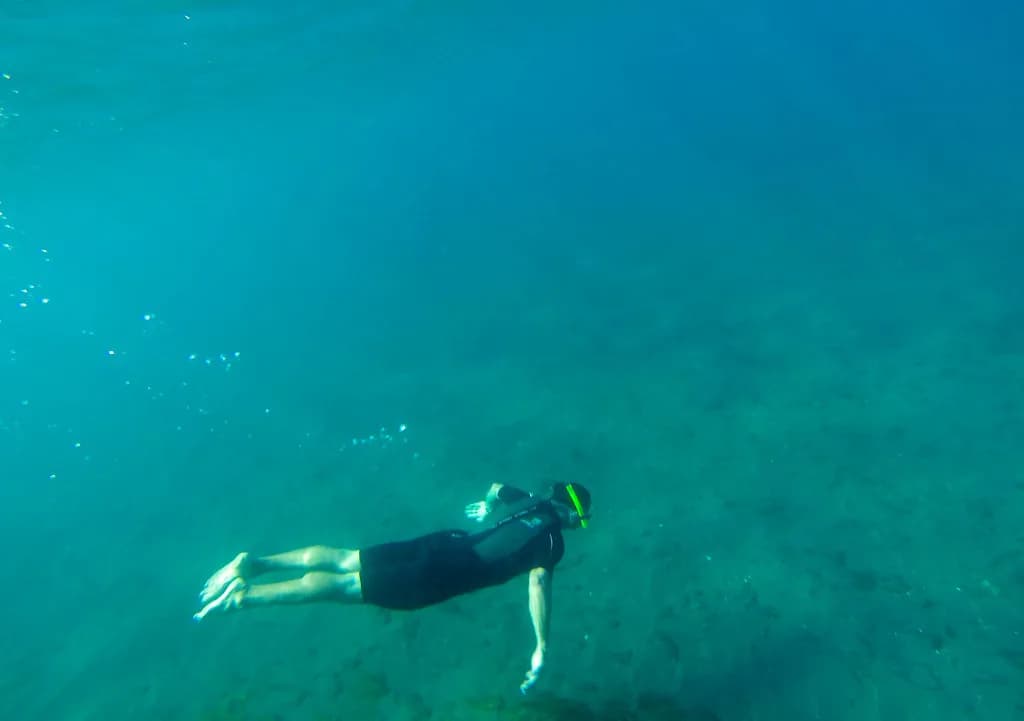
Whalers Cove rewards confident open-water swimmers who are comfortable in cold water, wearing a full wetsuit, and managing their own entry and exit. It is a poor fit for young children, first-time snorkelers, or anyone expecting warm, bathtub-clear shallows. If the group includes beginners, split the day: experienced swimmers at the cove, beginners at an easier Monterey site.
Parking and Reserve Entry
Parking is inside the reserve near the cove, and California State Parks manages entry and visitor rules for the site. Read the reserve's current visitor information for entry logistics and any posted conditions before you set out, and arrive early to secure a space near the water.
Plan around a short walk from the car to the entry with your gear assembled, and return gear to the vehicle between sessions rather than leaving it on the rocks. Reserve staff and volunteers manage wildlife viewing around the reserve, so follow posted direction near the coves and beaches.
Facilities and What to Bring
Whalers Cove is a bring-your-own day. Pack a full wetsuit with hood and gloves, mask, snorkel, fins, a surface float, a dry bag, drinking water, and a warm layer for afterward. There is no rental counter at the cove, so arrange gear in Monterey before you drive down.
Rinse and dry your gear after saltwater use, and carry out everything you bring. Leave room in the schedule for a warm-up stop after the swim; a short session in cold water still takes it out of you.
Rules: No-Take and Wildlife Distance
The cove sits inside a protected marine area, so the working rule is look, don't take: no collecting, no feeding, no touching. Keep your hands off rock, kelp and animals, and observe seals, sea lions and otters from a respectful distance, letting them choose the encounter. California State Parks and the Monterey Bay National Marine Sanctuary publish the area's wildlife and protected-area rules, so read them before you go.
Stay out of closed coves and beaches, including China Cove and Gibson Beach, where snorkeling is not permitted. If wildlife approaches your route, give way and let it pass rather than following it.
Nearby Spots to Combine
Pair a Whalers Cove session with a second Monterey day. San Carlos Beach fits a beginner-friendly, easy-entry session and is a useful contrast to the kelp at the cove.
For a gentler, more sheltered swim in Pacific Grove, Lovers Point Park offers a protected cove nearby, useful when swell builds on the outer coast.
Plan Your Snorkel Day at Whalers Cove
Treat Whalers Cove as a cold-water kelp dive planned around a thick wetsuit, an early start and a short, focused swim along the kelp edge. Read the reserve's visitor guidance and California State Parks rules before you go, and keep distance from wildlife.
If conditions look rough at the cove mouth, use the sheltered inner water or shift to an easier Monterey site. Read the reserve's current visitor guidance for entry and conditions.
Frequently Asked Questions
Can you swim in the water at Point Lobos?
Yes. Whalers Cove is the reserve's shore-entry cove, and snorkeling is done there rather than at China Cove or Gibson Beach, where the reserve does not permit it.
Is snorkeling allowed at Point Lobos?
Snorkeling is permitted at Whalers Cove but not at China Cove or Gibson Beach. Read the reserve's visitor guidance before you go to confirm the current rules.
Where do you get in the water at Whalers Cove?
You gear up on land near the cove and walk into the sheltered inner bay over a sand-and-rock bottom, then swim out toward the kelp near the cove mouth.
How cold is the water at Point Lobos?
Local dive operators publish a diving-depth range of about 48 to 56 degrees Fahrenheit year-round in Monterey Bay, so a thick wetsuit with hood and gloves is the practical standard.
Is it safe to snorkel in a kelp forest?
Kelp forest snorkeling is manageable for prepared swimmers. Swim along open lanes at the kelp edge, keep your fins below the surface, avoid dense canopy, and stay calm if you brush a frond.
What skill level does Whalers Cove suit?
It suits confident open-water swimmers who are comfortable in cold water and wearing a full wetsuit. Beginners and young children will do better at an easier Monterey entry.
Can you access the beach at Point Lobos?
Some coves and beaches are open for walking and wildlife viewing, but China Cove and Gibson Beach are closed to snorkeling. Follow posted reserve guidance for where you can go.
Sources
Snorkeling notes for your next trip
Optional updates to our snorkeling guides.
You might also like
Continue reading
More guides you'll find useful