Olowalu Snorkeling Guide: Maui Reef Tips and What to Expect
Snorkel Olowalu on Maui's west shore, with a sandy beginner channel, shallow coral flats and turtles farther out along Highway 30 at Mile Marker 14.
On this page
Olowalu is the big, shallow fringing reef that many Maui snorkelers use as their first saltwater swim, and it is also the reef that experienced snorkelers return to when they want an easy shore entry and room to roam. The appeal is simple: a sandy channel at Mile Marker 14 gives beginners a gentle way in, while the coral flat beyond stretches far enough to keep a strong swimmer busy. For a broader look at the island's best shore entries, see our guide to snorkeling in Maui.
Where Olowalu is
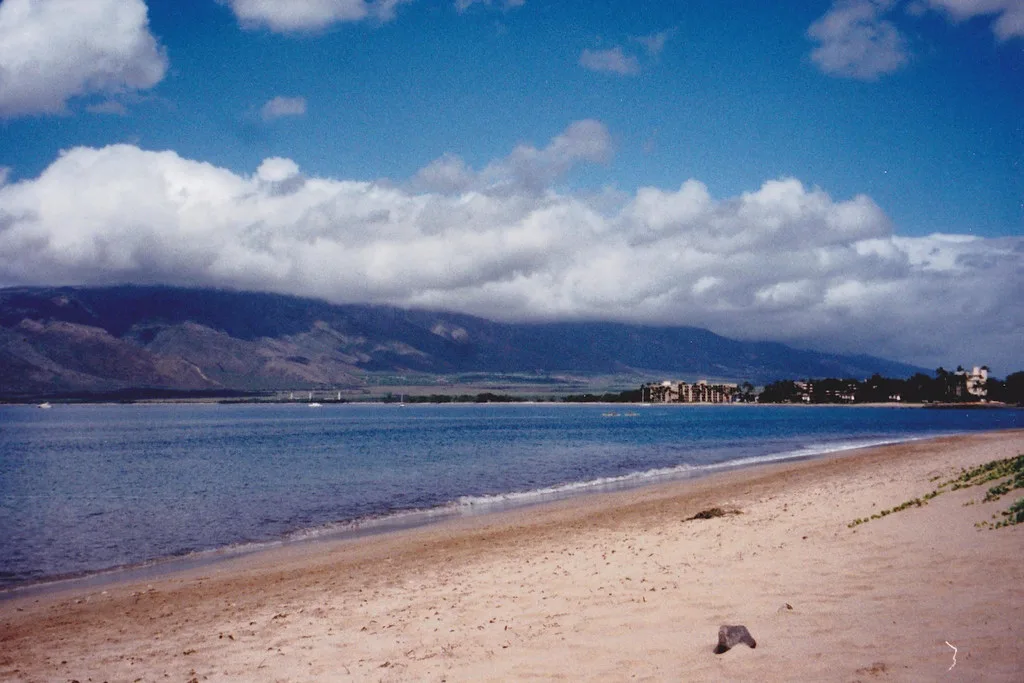
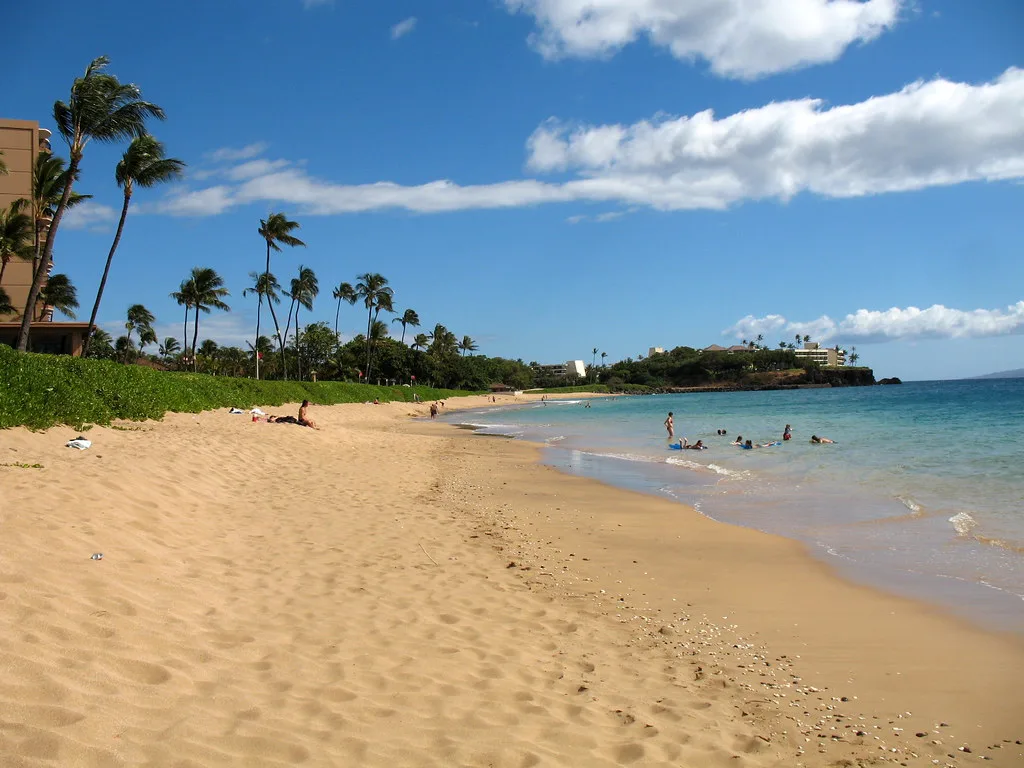
Olowalu sits on Maui's west shore along Highway 30, between Lahaina to the north and Maalaea to the south. The snorkel access point is marked as Mile Marker 14, and the beach is a narrow strip of sand backed by the highway rather than a developed park. You park on the lee side of the road and walk a short distance to the water, so the setup is simple but not plush.
Getting in
The entry at Mile Marker 14 is a sandy channel, which is the reason Olowalu works so well for kids and first-timers. You walk into the water from the beach and follow the sand out, avoiding the coral heads that sit on either side of the channel. Because the bottom is sand rather than rock, you can shuffle in without worrying about a slippery ledge or a sudden drop.
Once you are past the entry, the reef opens up into a broad flat. The beach guide describes a reef that stretches for miles and forms a massive maze of live coral, so the snorkeling is not a single small patch but a long, connected system. That means you can choose the length of your swim rather than committing to one fixed loop.
Depth and distance
Olowalu is famously shallow. You can swim out roughly 500 feet from shore and still be in knee-high water, which makes it one of the easiest places on Maui to see coral without descending or swimming hard. The same shallow profile is the catch: at low tide, some sections of coral come close enough to the surface that you need to float over them rather than kick through.
Because the reef is broad and gradual, distance from shore is not a good measure of difficulty. A short swim keeps you over sand and low coral, while a longer push takes you over progressively more coral and eventually toward deeper water where turtles work. Plan your turn-around by your comfort in the water, not by a fixed distance.
What you will see
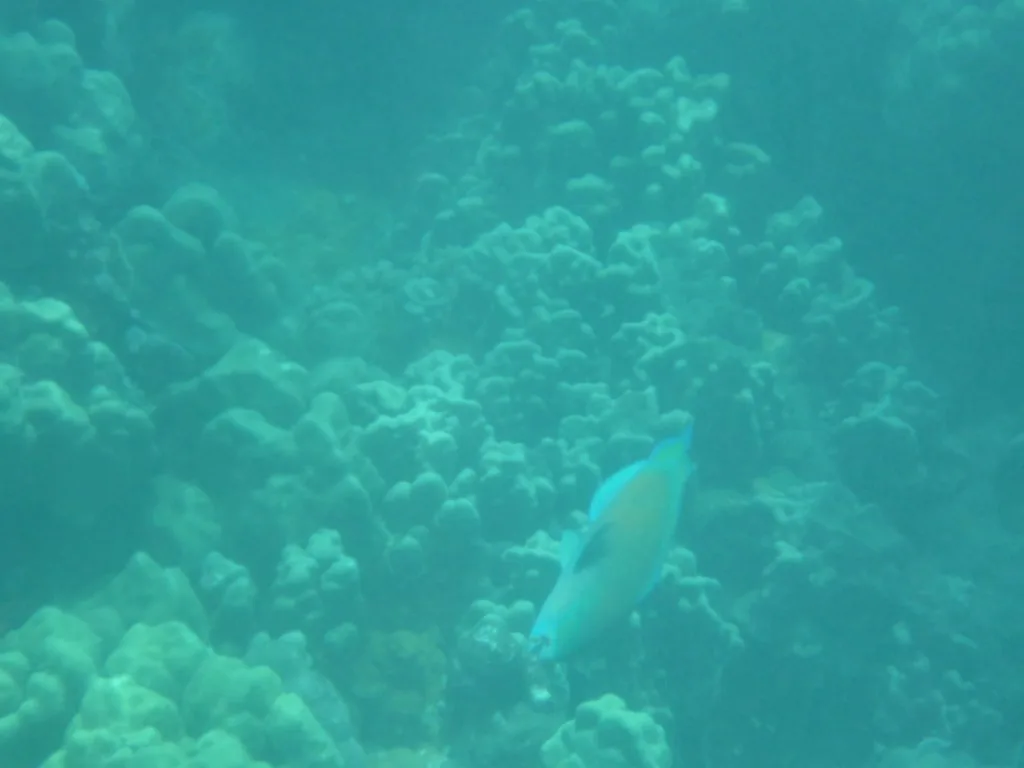
The shallow flats hold a decent amount of reef fish and a lot of live coral, and the coral is the main attraction here. Olowalu is often called Maui's mother reef, and the same reef system is described as home to coral heads between 500 and 1500 years old, which gives you a sense of the scale you are floating over. Expect a working reef rather than a bare sand flat.
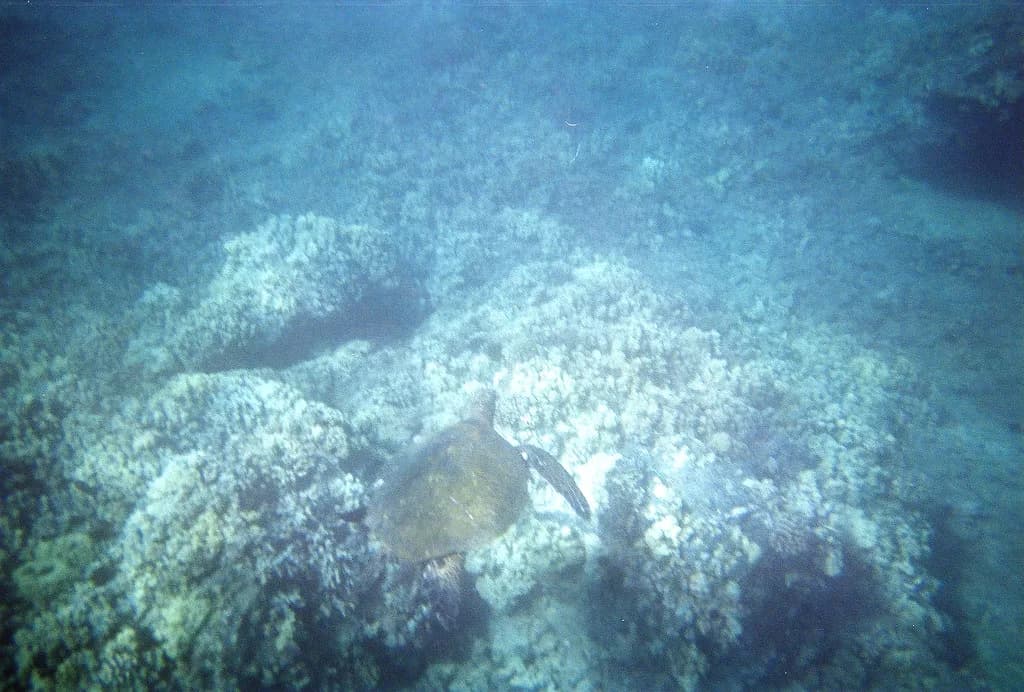
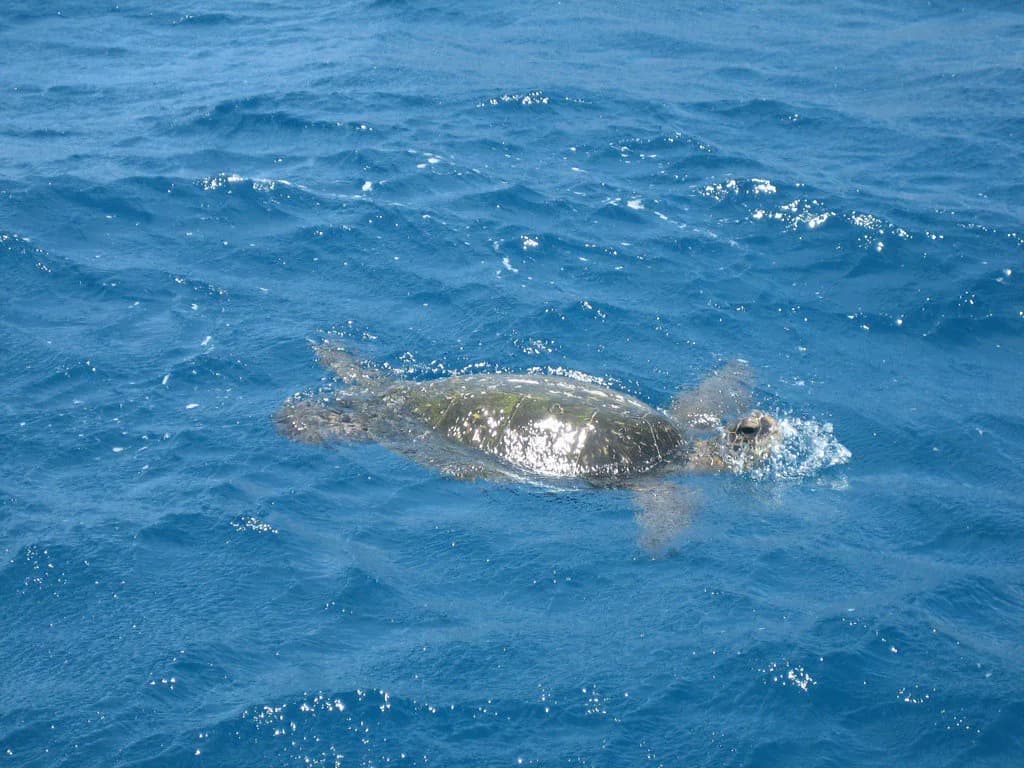
Turtles are the other draw, and they are generally found farther out. About a half mile from shore there is a turtle cleaning station, where turtles gather to be tended by reef fish. Snorkelers on boat trips to Olowalu have reported sea turtles, lots of fish and eels, so the cleaning station is the right destination if turtles are your priority.
Skill level
Olowalu splits neatly into two swims. The sandy channel and the nearby shallow flat suit families, kids and casual snorkelers who want to float over coral in calm, knee-deep water without a long swim. Keep the group inside the channel and the immediate flat, and the reef stays manageable even for a first-timer.
The second swim is the push toward the cleaning station roughly a half mile out. That is a stronger-swimmer objective, and it makes sense to go with a buddy, use a surface float and leave a margin for the return leg. If you are not confident covering that distance, stay over the shallow coral and enjoy the fish instead.
Best time to go
Tide matters more at Olowalu than at most Maui snorkel spots because the reef is so shallow. Aim for a rising or higher tide so you have more clearance over the coral heads and more room in the channel, and treat a low-tide visit as a float-only swim. Morning is the usual window for calmer wind and lighter traffic on Highway 30, though conditions change daily.
Swell direction is the other variable. The Olowalu shoreline is described as well protected by its reef, which is why the water inside the reef stays swimmable when exposed north and west shorelines are rough. On a big west or southwest swell, expect more surge in the channel and check maui snorkeling conditions before you commit.
Hazards and reef care
The main hazard at Olowalu is the reef itself. The coral gets shallow in low tide, so stand or bump it and you damage coral that has been growing for centuries and risk a cut. Float horizontally, keep your fins up, and use the sandy channel for any walking or adjusting.
Surge and current are secondary concerns that depend on the day. The reef shelters the inside water, but the channel and the outer edge can still move with a strong swell, and the half-mile swim to the cleaning station is exposed. If the water is surging or the wind is building, shorten the swim and stay inside the protected flat.
Parking and facilities
Parking at Olowalu is roadside on the lee side of Highway 30, so you pull off and walk in rather than using a formal lot. The beach guide notes there are no restrooms at the shoreline, which makes this a bring-your-own-water-and-supplies stop. Plan your visit as a self-contained snorkel rather than a full beach day with amenities.
Nearby spots to combine
Olowalu sits in a chain of west-shore beaches, so it pairs naturally with Ukumehame Beach and Papalaua Beach just down Highway 30. Across the road from the snorkel entry, a short hike leads to a site with ancient petroglyphs, which turns a snorkel morning into a half day. For a north-shore comparison, honolua bay snorkeling offers a different, more enclosed reef experience.
Shore snorkeling versus a boat tour
You do not need a boat to snorkel Olowalu. The sandy channel gives you a direct walk-in entry, and the shallow flat is reachable in minutes, which makes the shore version the cheaper and more flexible option. The trade-off is that the turtle cleaning station is about a half mile out, so a shore snorkeler has to swim it.
A boat tour solves the distance problem and often combines Olowalu with other west-side sites. Trips that visit Olowalu have put snorkelers over the turtles, fish and eels farther offshore, and the boat handles the half-mile approach. If your group includes young kids or weak swimmers, the shore channel is still the easier choice.
Who should pick Molokini instead
Molokini Crater is the other Maui snorkel icon, and it is a different experience: a submerged crater reached by boat, with clear water and a more compact snorkel area. Olowalu wins on convenience and on the shallow, walk-in reef, while molokini crater snorkeling wins if you want a boat day and a bucket-list setting. Choose Olowalu for a low-effort shore swim and Molokini for a dedicated tour. If you are weighing this decision across the islands, our guide to snorkeling in Oahu covers similar shore-versus-boat trade-offs in a different setting.
Plan Your Olowalu Snorkel Day
Olowalu rewards a simple plan: arrive at Mile Marker 14, park on the lee side, and walk in through the sandy channel. Time your swim for a higher tide, keep the beginner group on the shallow flat, and send stronger swimmers toward the cleaning station only if the water is calm. Check the day's surf and wind with the County of Maui before you drive out.
Frequently Asked Questions
Is Olowalu good for snorkeling?
Yes. Olowalu has a broad fringing reef with a sandy channel at Mile Marker 14, shallow coral flats and a turtle cleaning station about a half mile out. It suits beginners in the channel and stronger swimmers farther offshore.
Can beginners snorkel at Olowalu?
Beginners can walk into the water through the sandy channel at Mile Marker 14 and stay over the shallow flat. The reef is knee-high in places hundreds of feet out, so the main skill is floating over coral without standing on it.
How far out is the reef at Olowalu?
The shallow reef starts right at the shoreline and extends far offshore; the sandy channel lets you swim out roughly 500 feet and still be in knee-high water. The turtle cleaning station is about a half mile from shore.
What will I see snorkeling at Olowalu?
Expect live coral heads, reef fish and, farther out, sea turtles at the cleaning station. Snorkelers on boat trips have also reported eels. Sightings vary by day and are never guaranteed.
Do you need a tour to snorkel Olowalu?
No. The Mile Marker 14 entry is a shore snorkel with roadside parking. A boat tour helps if you want to reach the turtle cleaning station without the half-mile swim.
When is the best time to snorkel Olowalu?
Aim for a higher tide so you have clearance over the shallow coral, and go in the morning for typically calmer wind. The reef shelters the inside water, but check the day's surf and wind before you swim.
Is there parking at Olowalu?
Parking is on the lee side of Highway 30 near Mile Marker 14. There are no restrooms at the shoreline, so bring water and supplies and plan a self-contained visit.
Sources
Snorkeling notes for your next trip
Optional updates to our snorkeling guides.
You might also like
Continue reading
More guides you'll find useful