Ahihi-Kinau Snorkeling: Entry Points and Lava-Reef Guide
Snorkel Ahihi-Kinau on Maui's south coast: where the open entry points are, how the lava shoreline shapes the swim and what lives on the reef.
On this page
Ahihi-Kinau Natural Area Reserve protects a stretch of raw lava coast on Maui's south shore, and the snorkeling inside it is close to the rocks rather than spread across a wide sand flat. That makes it a good match for confident swimmers who are comfortable reading surge and staying clear of urchin-covered rock, and a less obvious pick for a family that wants a soft entry and a lifeguard.
The reserve covers more ground than most visitors realize, and access is not uniform across it. Ahihi Bay and Ahihi Cove, also called Waiala Cove, are the areas that have stayed open to the public, while Mokuha and Kalaeloa sit under a closure that dates back more than a decade. Plan around the open shoreline and treat the rest as closed.
Why Ahihi-Kinau Is Worth the Swim
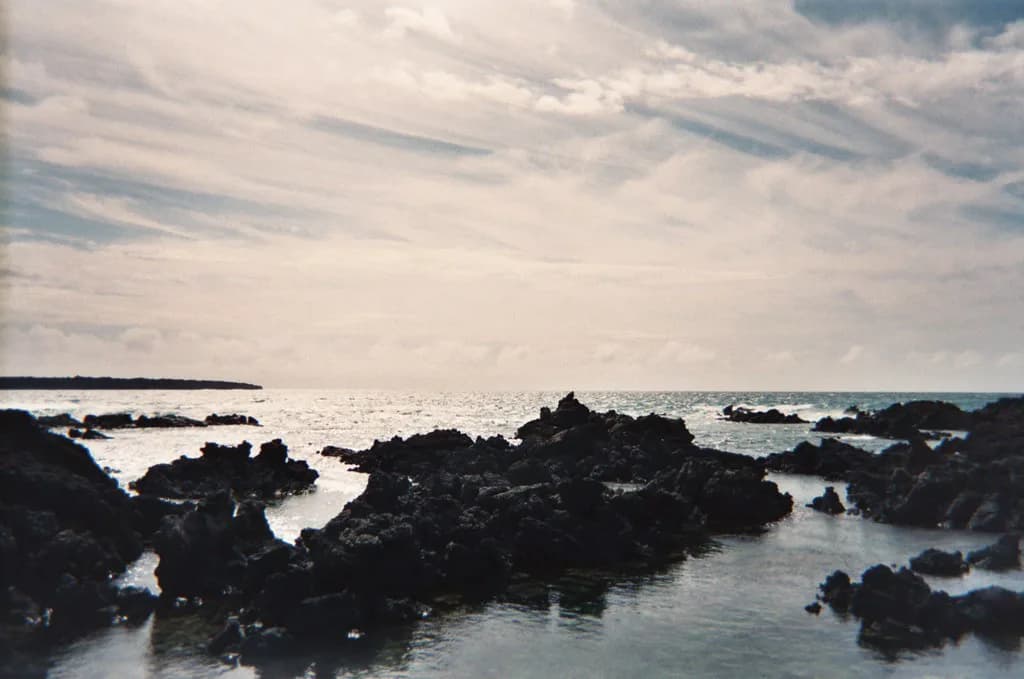
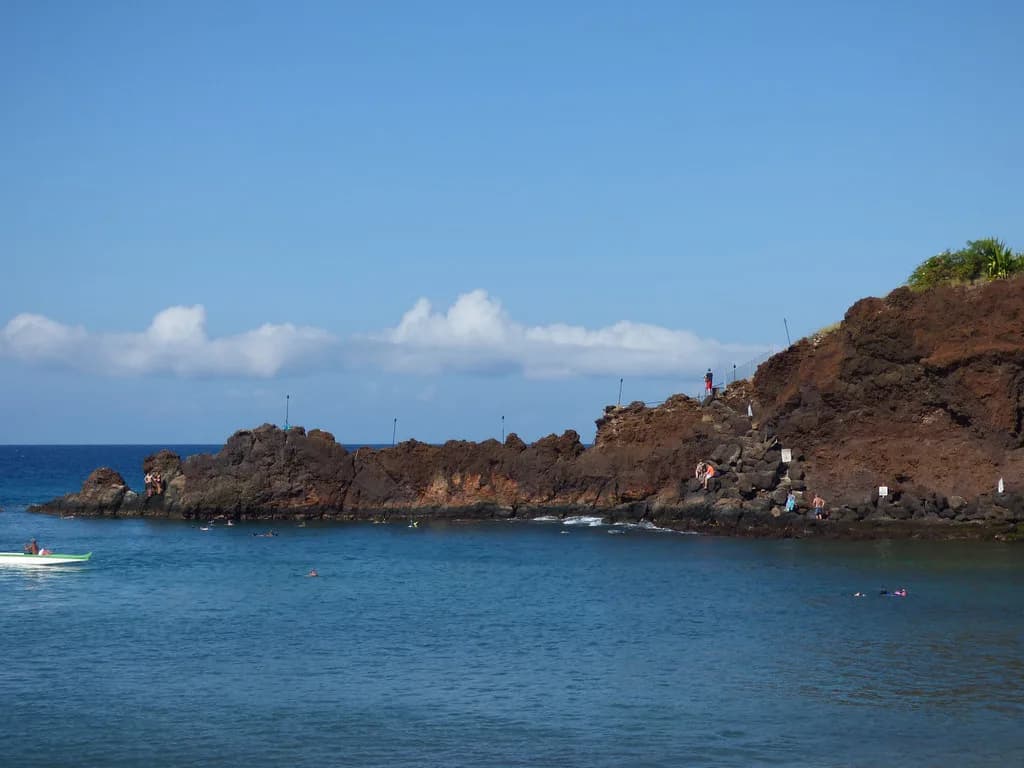
The draw here is structure. Lava rock runs to the waterline and continues below it in shelves, fingers and small pockets, so fish concentrate in tight areas rather than spreading thin over sand. Snorkelers who enjoy poking along a rocky edge at close range get more out of this coast than those who want a long, open reef sweep at depth.
It also suits travelers who want to snorkel from shore without committing to a boat. The reserve sits near Wailea and Makena on the south coast, so it pairs easily with a beach day, and the entry at the main open bay is a walk-in rather than a ladder or a charter drop-off.
Where the Reserve Sits on Maui's South Coast
Ahihi-Kinau occupies the coast southwest of Wailea, along the road that runs toward La Perouse Bay. The reserve begins where the developed resort strip ends, and the shoreline changes character quickly from sand to dark lava. Coming from Kihei or Wailea, the drive is short and the approach is straightforward.
That south-coast location matters for conditions. This leeward side of the island is generally calmer than Maui's north shore, which is why so much of the island's shore snorkeling is concentrated here. It also keeps the reserve within range of Kihei snorkel trips and the Molokini Crater boats that launch nearby, so it can be a shore day to balance a boat day.
What Is Open Inside the Reserve
Snorkelers should work from the open areas: Ahihi Bay, which many locals call Dumps, and Ahihi Cove, also known as Waiala Cove. Those two spots are where shore access is available, and they are enough for a full session on their own.
Mokuha, known as Fishbowl, and Kalaeloa, known as Aquarium, were the reserve's celebrated outer spots and have been closed under a series of extensions going back to 2012, with permanent signage installed at the site by 2018. A contributor account of the closure ties it to unexploded WWII munitions that need clearing, which helps explain why the restriction has held. Do not plan a route that ends inside those zones; the swim out is long and the closure is not a technicality.
Getting In: Sand, Lava Rock and the Main Entry
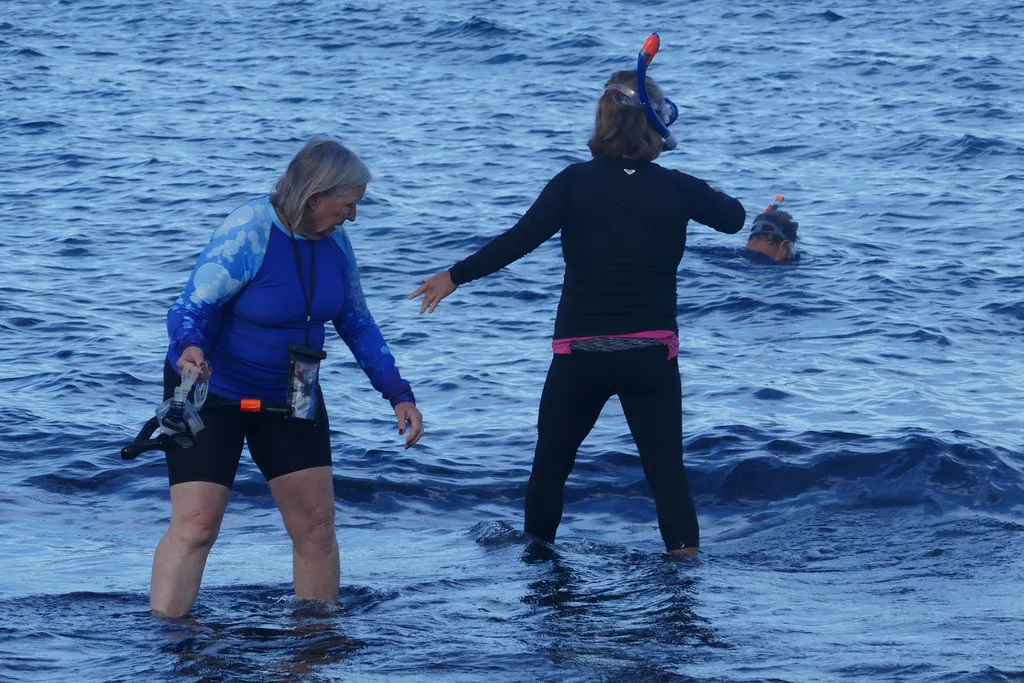
The easiest water access in the reserve is a specific walk-in area where you step off the lava into the bay rather than lowering yourself from a ledge. Visitor reports describe that entry as an easy walk-in, which is why the bay is the practical choice for a shore snorkel here.
Expect a rock-and-coral floor immediately, not a long sand shelf. Booties or sturdy reef shoes make the approach far more comfortable, and they let you stand on rock without searching for a bare patch. Enter slowly, watch where your hands go, and keep your fins off the bottom until you are floating clear.
How Far Out the Reef Starts and How Deep It Runs
The reef structure begins close to the entry, which is the appeal of this coast: you are over rock, coral and fish within a short swim. Depth stays modest over the shallow shelves, then drops away farther from shore where the lava slopes off. Snorkelers who stay near the edge get the busiest fish life; those who push outward find more open water and less structure.
Treat the drop-off as the point to turn around unless you are a strong swimmer with a buddy and a clear plan. The farther you go, the more the wind and surge matter on the return leg, and the outer coastline offers few easy exits onto rock.
What You Will See on the Lava Reef
Sea urchins are the defining feature of the rock here, and the reserve draws snorkelers specifically for the variety of urchin species alongside dense reef fish. The urchins graze the rock surfaces and give the reef its texture, and fish gather around that cover. Expect the usual Hawaiian inshore mix: tangs, butterflyfish, wrasses and damselfish working the coral heads and crevices.
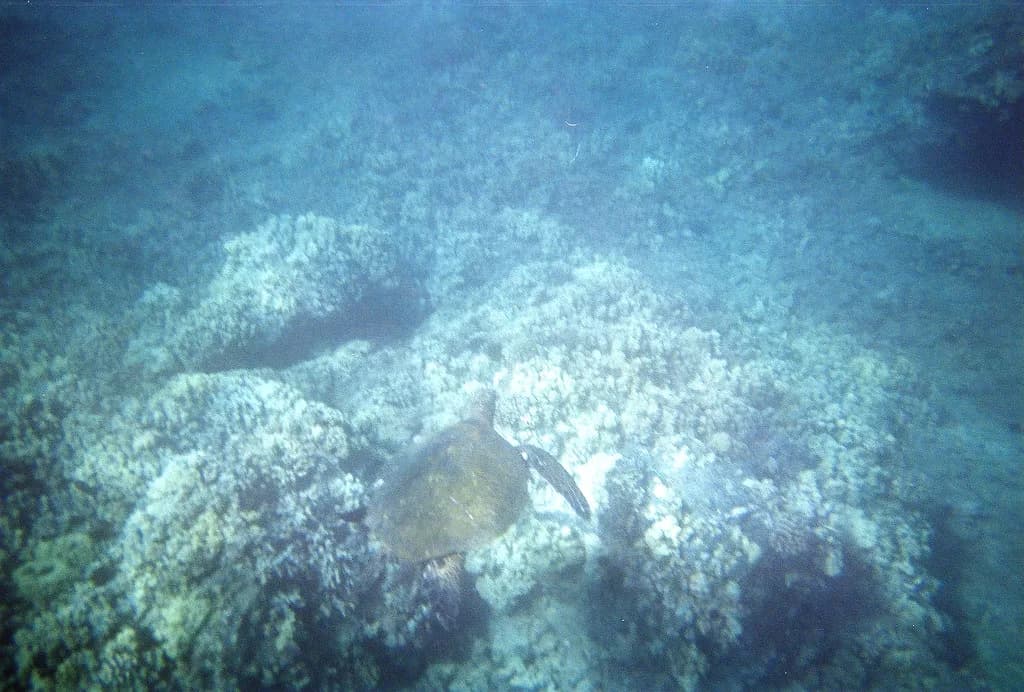
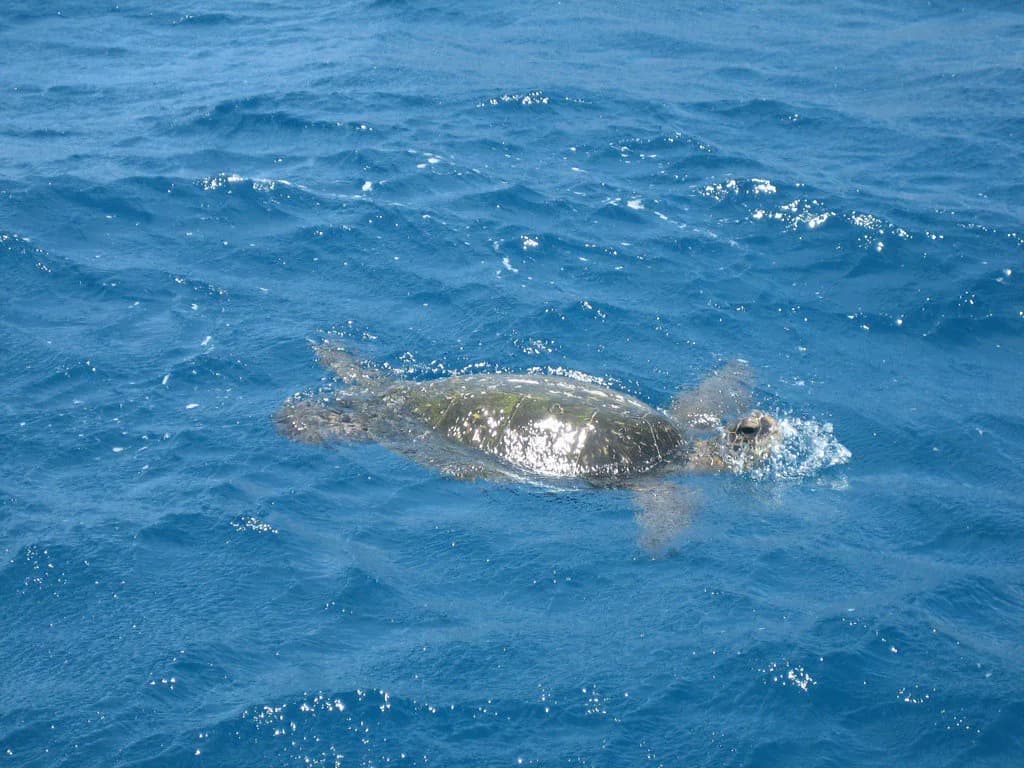
Turtles are regular residents of south Maui's shallow rocky coast and may appear anywhere along the reserve, but the reserve does not publish a viewing guarantee. Keep your distance, never touch or chase an animal, and let it choose the encounter. Bring a light and look under ledges rather than reaching into holes.
Best Time of Day, Swell and Wind
South Maui's afternoon trade winds are the main scheduling factor on this coast. Mornings are typically the calmest window, giving clearer water and an easier swim back to the entry before the surface chops up. An early start also means cooler parking and fewer people at the bay.
Swell direction matters too. This shoreline faces southwest and takes whatever ground swell arrives from that quarter, which can push surge into the rocky entries and reduce visibility. A day with a small swell and light morning wind is the target; on a bigger swell day, choose a more sheltered south-coast beach instead.
Skill Level: Who This Reserve Suits
Ahihi-Kinau is a good fit for adults and teens who are comfortable in open water, can handle a rocky entry and can manage their own exit in surge. Snorkelers with some experience will find the shallow structure rewarding because the fish life is right under them without a long surface swim.
Families with young children, first-timers and weak swimmers are better served by a sand-entry beach with lifeguards and easy footing. If you want a gentler introduction to Maui snorkeling before trying the reserve, a protected bay or a boat trip to Molokini Crater gives you calm water and supervised guidance. The same trade-off between rocky entries and soft sand entries applies when you're snorkeling in Big Island, where the choice of spot matters just as much.
Hazards to Watch
Surge against the lava is the steady hazard here: it lifts and drops you near rock, and an entry that felt simple can be awkward on the way out. Currents along the points and boat traffic in the wider bay add to the list. Time your exit before you are tired, and keep your head up when crossing open water.
Urchins and sharp rock mean you should never sit, kneel or push off the bottom. Hawaii's shark safety guidance specifically advises against swimming in murky water, so skip the session when runoff or surge has the bay clouded.
Parking and Facilities
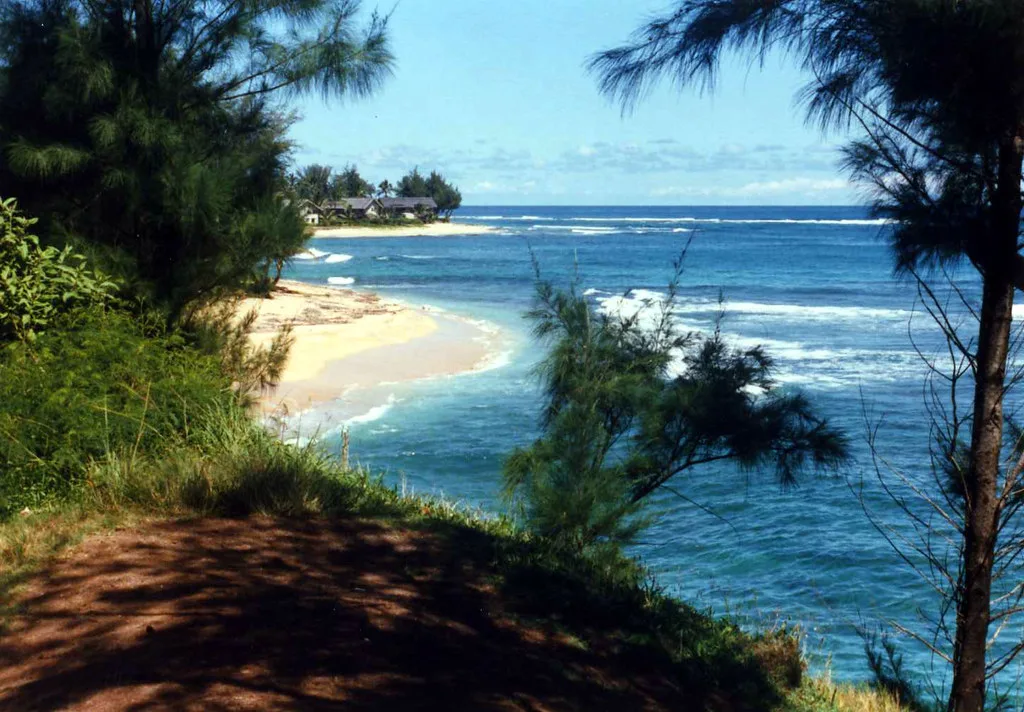
Access is by road with a small coastal pull-off area, and the reserve is a natural area rather than a developed beach park. Plan on arriving self-sufficient: bring your own water, snacks, sunscreen and a dry bag, and carry out everything you bring in. Do not count on showers or a concession at the site.
Because parking is limited, an early arrival solves two problems at once, giving you calm water and a space. Combine the reserve with a proper beach stop later in the day if you want restrooms and rinse-off facilities. The Division of Forestry and Wildlife administers the reserve; check current rules before you drive out.
Hawaii's reef-safe sunscreen law applies statewide, so choose a mineral-based product before you pack. A rash guard reduces how much sunscreen you need and protects your back during long surface intervals.
Reserve Rules: No-Take and Wildlife Distance
The reserve is a Natural Area Reserve, which carries protection for the reef and shoreline. Take nothing, leave the coral and rock alone, and keep fins off the bottom. Never feed fish, and never touch, ride or chase a sea turtle.
The closure on Mokuha and Kalaeloa is the rule most likely to affect your plan, and the signage at the reserve marks the boundaries. Stay in the open areas rather than improvising a route through closed coastline. The Division of Forestry and Wildlife posts reserve notices; check them before you go.
Nearby Spots to Combine
The reserve sits at the wild end of the south-coast beach chain, so the natural pairing is a Wailea or Makena beach stop afterward for facilities and a calmer swim. If you want a second rocky shoreline session, work back north along the coast rather than adding more time on surge-exposed ledges.
For a change of scene, head to the west side and try Snorkeling Honolua Bay on a calm morning, or plan a boat day to Molokini Crater for clear offshore water. A morning at Ahihi-Kinau followed by an afternoon of easy beach time gives you the reserve's rugged reef without spending the whole day on lava.
Plan Your Ahihi-Kinau Day
Build the day around an early arrival at the open bay, a rocky entry in booties, and a session that stays close to the shallow structure where the fish are. Leave the outer closed coastline alone and exit before the afternoon wind arrives. That is the version of Ahihi-Kinau that works for most confident snorkelers.
If the swell is up or the water is murky, swap to a protected beach or a boat trip rather than pushing the entry. Check the Division of Forestry and Wildlife notices for reserve rules before you drive out, and pack reef-safe sunscreen and a rash guard.
Frequently Asked Questions
Where do you snorkel inside Ahihi-Kinau Natural Area Reserve?
Use Ahihi Bay, often called Dumps, and Ahihi Cove, also known as Waiala Cove. These are the areas that have remained open to shore access, and both are reached from the coastal road southwest of Wailea. The outer spots Mokuha and Kalaeloa are closed.
Is Fishbowl or Aquarium open to snorkelers?
No. The reserve's Mokuha, known as Fishbowl, and Kalaeloa, known as Aquarium, have been under a closure extended repeatedly since 2012, and permanent closure signage was installed at the site by 2018. Plan your swim in the open areas only.
Is Ahihi-Kinau good for beginner snorkelers?
It suits adults and teens with some open-water comfort more than first-timers. The entry is rocky, the shoreline takes surge, and there are no developed beach facilities. Families with young children do better at a sand-entry beach with lifeguards.
What will you see at Ahihi-Kinau?
The rock is covered with sea urchins, and the lava structure holds tangs, butterflyfish, wrasses and damselfish in crevices and coral pockets. Sea turtles use this shallow rocky coast. Wildlife is never guaranteed, and you should keep your distance from any animal.
How do you get into the water?
There is a walk-in entry where you step off the lava into the bay rather than lowering yourself from a ledge. Wear booties or reef shoes, keep your hands off the rock and your fins off the bottom, and time your exit before the afternoon wind builds.
What is the best time of day to snorkel here?
Go in the morning. South Maui's trade winds typically pick up later in the day, chopping the surface and making the return swim harder. Morning also brings clearer water and better odds of space at the small coastal parking area.
Do you need a reservation to snorkel Ahihi-Kinau?
The reserve is administered by Hawaii's Division of Forestry and Wildlife, and any access requirements are posted through that agency. Check its reserve notices before your visit.
What should you bring for a lava-rock entry?
Pack booties or reef shoes, a rash guard, mineral-based reef-safe sunscreen, water and a dry bag, since the site has no developed facilities. Leave a towel and rinse water in the car for the ride back to Kihei or Wailea.
Sources
Snorkeling notes for your next trip
Optional updates to our snorkeling guides.
You might also like
Continue reading
More guides you'll find useful