Kahekili Beach Snorkeling: Maui Reef Entry, Depth and Tips
Snorkeling Kahekili Beach Park on Maui means a sandy entry, a reef that runs two to 30 feet deep, turtles, and calm mornings before the wind builds.
On this page
Kahekili Beach Park puts a living Hawaiian reef within an easy swim of a sandy beach, which is why it suits families, first-timers and anyone who wants a full-featured beach day rather than a boat trip. The reef begins almost as soon as you leave the sand and runs parallel to shore, so you spend your time over coral instead of kicking across open water. It is one of the most accessible entries in the wider picture of snorkeling in Maui, where most shore spots ask for a longer swim or a rockier launch.
Where Kahekili Beach Park Is
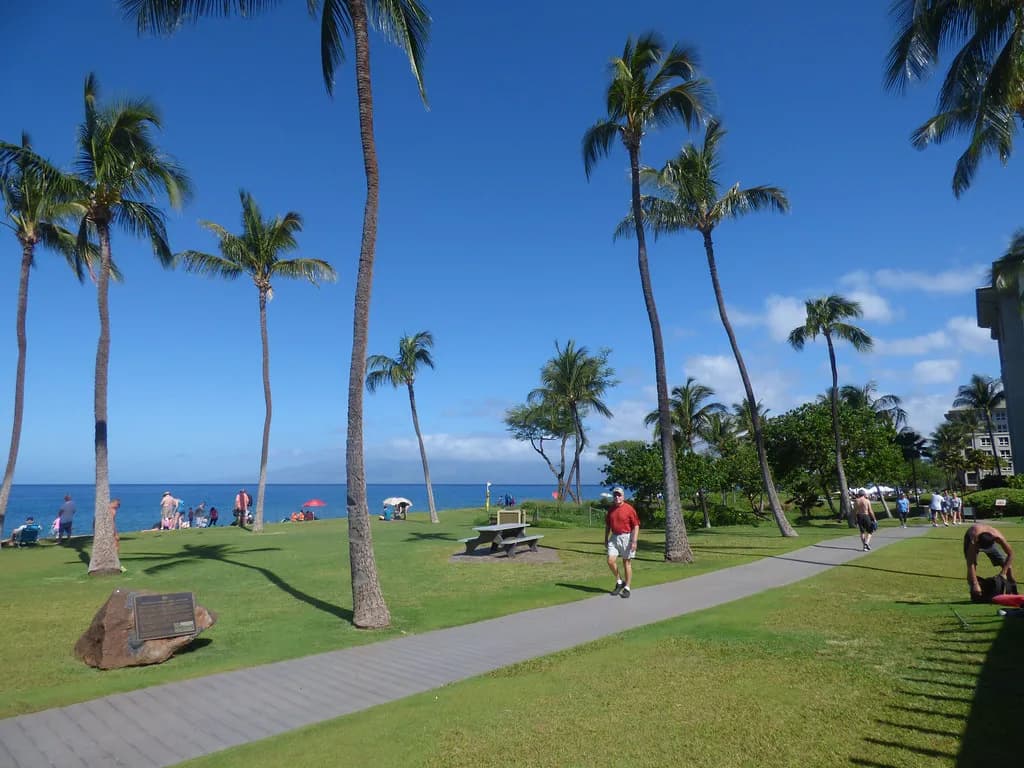
The park's full name is Ali'i Kahekili Nui 'Ahumanu Beach Park, and it sits at the north end of Ka'anapali directly in front of the Westin Ka'anapali Ocean Resort Villas. Drivers reach it from Honoapiilani Highway by turning onto Kai Ala Drive just past Ka'anapali, where the large beach lot is easy to spot. Locals often call it Airport Beach, a name you will see on signs and in conversation around West Maui.
Getting in
Walk from the parking lot to the sand and enter the water in front of the pavilion. The beach itself is sandy and comfortable barefoot, but rock and reef start within a few steps, so fit your fins and start floating as soon as the bottom turns hard. Standing or walking on that shallow rock is the fastest way to damage coral and stub a toe.
The practical trade-off is gear timing: put your mask on at the water's edge and pull fins on in ankle-deep water, then float out over the shallows rather than wading through them. A mask that seals properly matters more here than at a pure sand beach, because you will spend the entry looking down at live bottom.
Where to Snorkel
The productive stretch is straight out from the pavilion, a moderate swim offshore from the beach. The reef lies parallel to the shoreline and continues north, but reef health drops off after a fairly short swim, so there is little reason to push far along the coast. Spend your time over the healthiest coral rather than covering distance.
Depth and Layout
Depth ranges from about two feet near shore to roughly 30 feet where the reef drops to sand, and that drop sits around 300 feet from the beach. The bottom deepens gradually as you head out, which makes it easy to pick a comfortable depth band and stay in it. Beginners can hover over the shallow inner reef; stronger swimmers can follow the slope down toward the sand edge.
Visibility close to shore is modest, with clearer water a short swim out, so judge the day by what you see past the first stretch of shallows. Watch for current along the reef, especially where it meets deeper water.
What You Will See
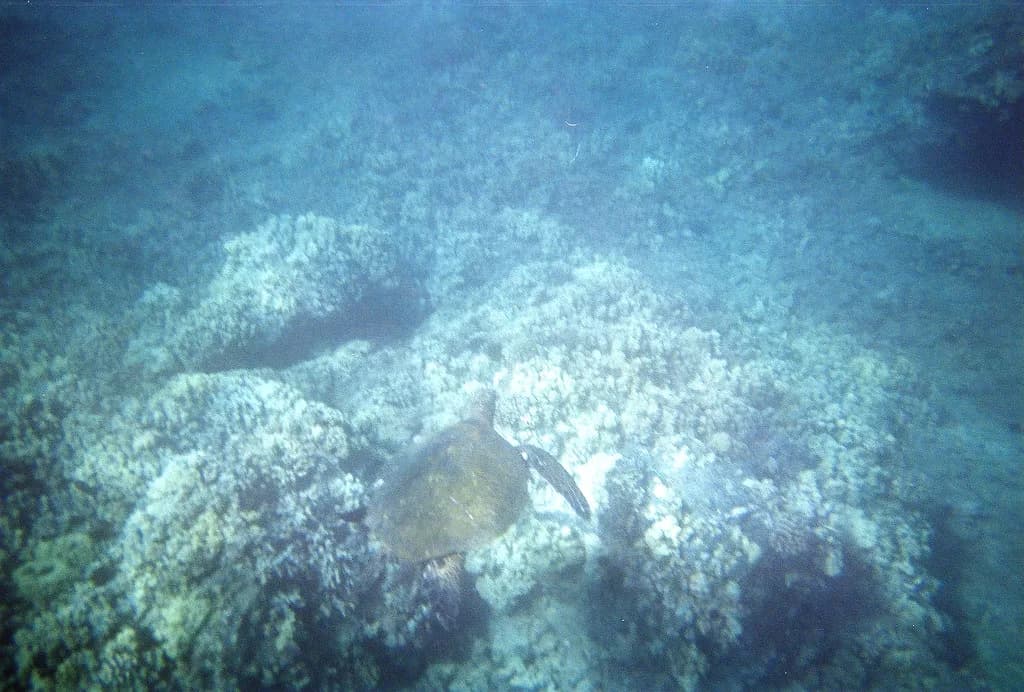
Sea turtles are the headline draw on this reef, and snorkelers may also find a broad cast of Hawaiian reef fish: convict tang and other surgeonfish, parrotfish, butterflyfish in several species, triggerfish including the humuhumunukunukuapua'a, moorish idol and trevally. Look for coral heads of cauliflower, finger and lobe coral, plus sea urchins tucked into the rock. Treat every sighting as a possibility rather than a guarantee, and give turtles and fish room to move away.
Best Time to Go
Mornings are the reliable window here. Trade winds typically build through the afternoon and roughen the water, so an early start gives you flatter surface conditions and better light on the reef. Arriving by mid-morning can already mean wind chop, which is worth planning around if you are bringing kids or new snorkelers.
Swell direction and season change the picture from week to week, so build a flexible plan: snorkel Kahekili on the first calm morning of your trip and hold a backup beach for a windy day. The Ka'anapali coast generally rewards early starts across the board, and a quick look at Maui snorkeling conditions the evening before tells you which way the trade is blowing.
Skill Level and Who It Suits
Families and first-timers who are comfortable with a short reef swim fit well here, thanks to the sandy entry and the option to stay shallow. The reef edge and any current are the main reasons to keep less confident swimmers inside the shallows. Strong swimmers get the most from the deeper outer slope, where the coral and fish life thin out into sand.
Hazards
The two things to manage are current along the reef and shallow rock at the entry, neither of which is unusual for a shore snorkel but both of which catch people out. Poor visibility close to shore can also tempt snorkelers to swim farther than they intended before the water clears. Check the day's outlook with the Maui ocean-safety lifeguards before you get in.
Parking and Facilities
A large lot sits near the beach, and the park publishes a full set of facilities: a pavilion, restrooms, showers, picnic tables, barbecues, shade and grass. That combination makes Kahekili a rare shore snorkel where a non-snorkeling companion can settle in comfortably for the morning. Plan to carry gear a short distance from the car to the sand.
Rules and Reef Etiquette
Hawaii's reef rules are simple to follow here: never touch, feed or chase turtles and fish, and stay off live coral by floating flat over the shallows with your fins up. Keep a respectful distance from any turtle you meet and let it swim away on its own terms. Reef-safe sunscreen protects both you and the coral you came to see.
What to Bring
A properly fitted mask, fins for the reef swim, a rash guard and reef-safe sunscreen cover the essentials. Fins matter more than usual because the entry is rocky and the reef rewards a relaxed, flat swim rather than standing and pushing off the bottom. A light layer helps on breezy mornings before the sun climbs.
Nearby Spots to Combine
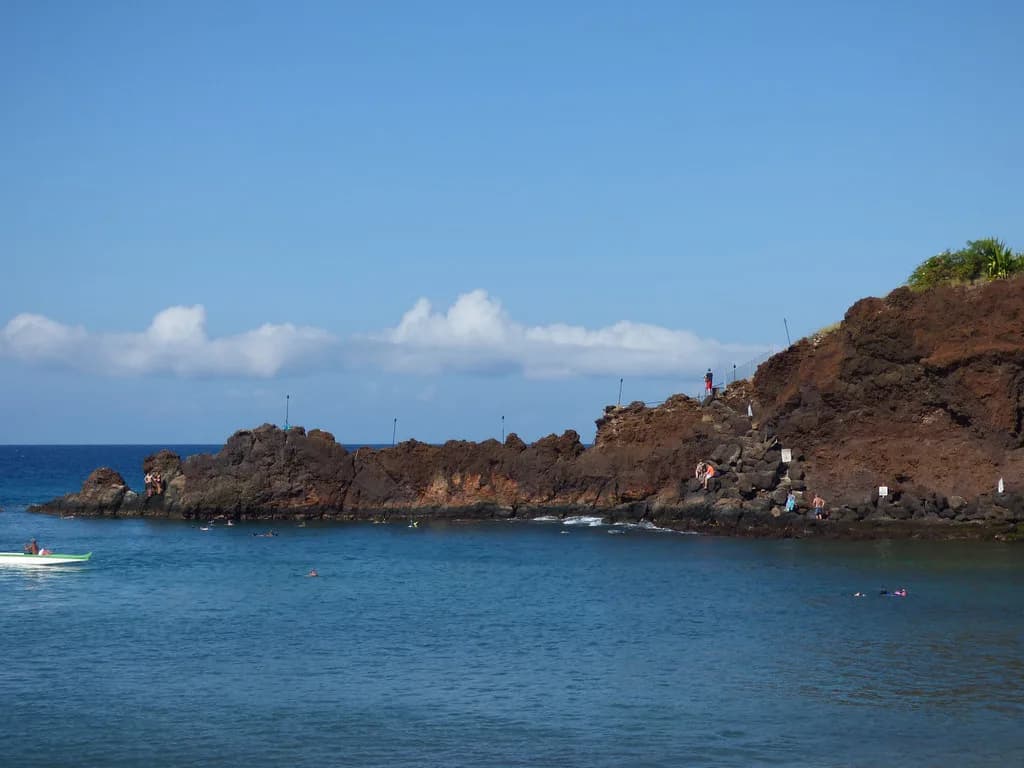
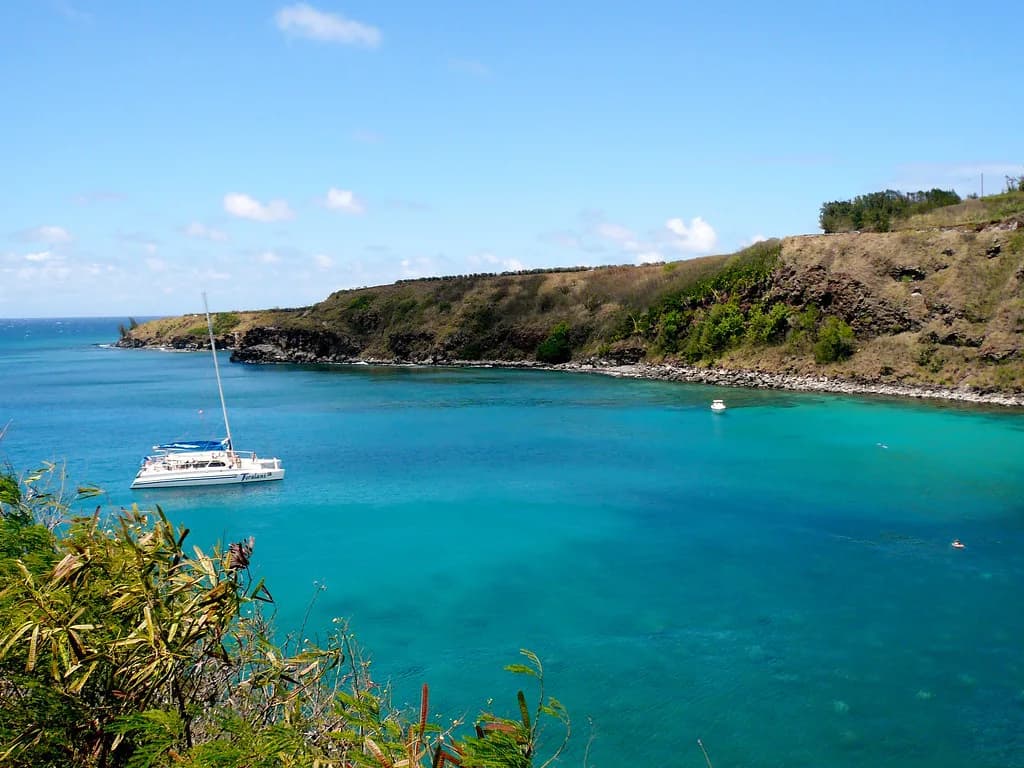
Kahekili anchors the Ka'anapali-to-Kapalua coast, with Black Rock a short drive south and Honolua Bay to the north for a second shore session on another calm morning. If you are weighing other islands for the same kind of easy shore entry, the comparison of Big Island snorkel spots is a useful next read. Pairing two shore spots on one day is easy; pairing a shore snorkel with a boat trip to Molokini Crater takes more of the day.
Plan Your Visit
Build the day around an early arrival: park in the large lot, walk to the sand in front of the pavilion, fit fins at the water's edge and float out over the shallows to the healthier reef. Spend your time on the productive stretch rather than swimming far, and head back before the afternoon trades pick up.
Frequently Asked Questions
Is Kahekili Beach good for snorkeling?
Yes. The reef runs parallel to the beach and starts close to shore, so snorkelers reach live coral after a short swim. The sandy entry in front of the pavilion makes access straightforward, though rock and reef begin within a few steps.
How deep is the reef at Kahekili Beach?
Depths run from about two feet near the shoreline to roughly 30 feet where the reef drops to sand. The bottom deepens gradually as you head offshore, so you can choose a shallow band or follow the slope to deeper water.
Where do you enter the water at Kahekili Beach Park?
Enter on the sand in front of the pavilion. The beach is sandy, but rock and reef start quickly, so put fins on and begin floating as soon as the bottom turns hard.
What time of day is best for snorkeling Kahekili?
Mornings are calmer, because trade winds tend to build through the afternoon and rough up the water. An early start gives you flatter surface conditions and better light on the reef.
Do you see turtles at Kahekili Beach?
Sea turtles are commonly associated with this reef, and snorkelers may encounter them along with tangs, parrotfish, butterflyfish, triggerfish and trevally. Sightings vary, so give any turtle plenty of space and never touch or chase it.
Is Kahekili Beach Park good for beginners and kids?
It suits families and first-timers who are comfortable with a short reef swim, since the sandy entry and shallow inner reef let you stay in easy water. Watch for current near the reef edge and keep less confident swimmers inside the shallows.
What facilities are at Kahekili Beach Park?
The park has a large beach lot, a pavilion, restrooms, showers, picnic tables, barbecues, shade and grass. That makes it a comfortable base for a morning snorkel with non-snorkelers in tow.
Sources
Snorkeling notes for your next trip
Optional updates to our snorkeling guides.
You might also like
Continue reading
More guides you'll find useful