Best Time to Snorkel in Maui: Morning, Season and Swell
Morning is usually the calmest window for Maui snorkeling. Learn how trade winds, winter swell and summer surf shape the best time at each coast.
On this page
Maui rewards an early alarm. Trade winds typically build through the day, so the water is often calmest and clearest before they pick up, which makes mornings the default window for beginners, families and anyone planning a shore entry. Tour operators build their schedules around the same logic.
The island has two working coasts for snorkeling, and they behave differently across the year. South Maui, from Kihei through Wailea to Makena, stays usable most of the year, while the west side around Kapalua, Napili and Ka'anapali is more exposed to winter swell. Choosing a coast first is the single biggest timing decision you will make.
Why Maui Mornings Beat Afternoons
Winds are often lighter earlier in the day, which usually means calmer surface conditions, better visibility and an easier time getting comfortable in the water. A boat operator running Molokini trips from Ma'alaea Harbor schedules its five-hour morning departure at 7 a.m. for exactly that reason, while the three-hour afternoon trip leaves at 1 p.m. and keeps expectations looser.
On shore, the same pattern plays out at Kihei's Kamaole Beach Park I, where calm water in the morning before the trade winds pick up can offer the clearest look at the shallow coral off the south end. Set your beach arrival for early morning and keep the afternoon for lunch, shade and a nap rather than a second swim.
Afternoons are not wasted, though. A later start suits late risers, families who want a shorter outing, and anyone who would rather have a relaxed reef stop than an early check-in; the trade-off is a higher chance of wind chop and reduced visibility. Pick the slot that fits your group, then stay flexible, because the captain or the beach can change the plan on the day.
How to Read the Day
Three variables decide a Maui snorkel day: wind direction and strength, swell height, and runoff after rain. Maui's water is naturally clear, so brown or murky water is a signal to wait for a cleaner day rather than swim through it. Check the marine forecast before you commit to a beach.
Bays with natural rock protection, such as Kapalua Bay on the northwest coast, tend to hold calmer water than open stretches when wind and waves build. That shelter is why the bay suits novices and families with children, and it is also why it fills up early.
Watch the wind while you are in the water, not just before you enter it. It is easy to focus on the reef and not notice you have drifted, so lift your head regularly and check your position against the beach.
West Maui in Winter: Kapalua, Napili and Black Rock
Kapalua Bay and Napili Bay sit just minutes apart on the northwest coast and both offer sandy, gradual entries with reef a short swim out. Kapalua's crescent is shielded by rock formations, and Napili is slightly larger with a similar gentle slope, so either works for a first-timer or a family with young children. Butterflyfish, tangs and the occasional green sea turtle are possible at Kapalua, and Napili adds schools of reef fish over coral.
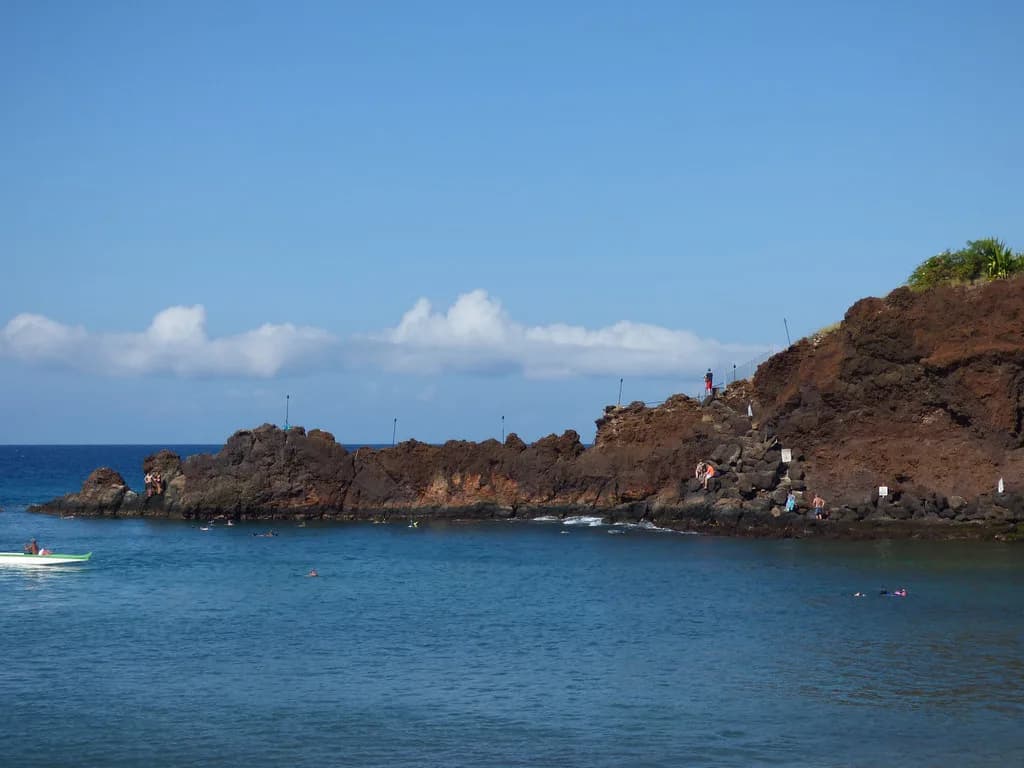
Black Rock at the north end of Ka'anapali Beach is the most accessible west-side option, with a rock formation that acts as a natural reef and calm water close to shore. Butterflyfish, surgeonfish, parrotfish and now and then a turtle or manta ray show up here, but the area is heavily used. Keep away from the outer tip of the rock, where currents strengthen, and treat the near-shore section as the beginner zone.
Winter is when the west side gets tested. Swell from north and west swells can shut down exposed entries, so plan west-side mornings for the calmer stretches of the season and shift to the south coast when the surf is up.
Honolua Bay: Summer Yes, Winter No
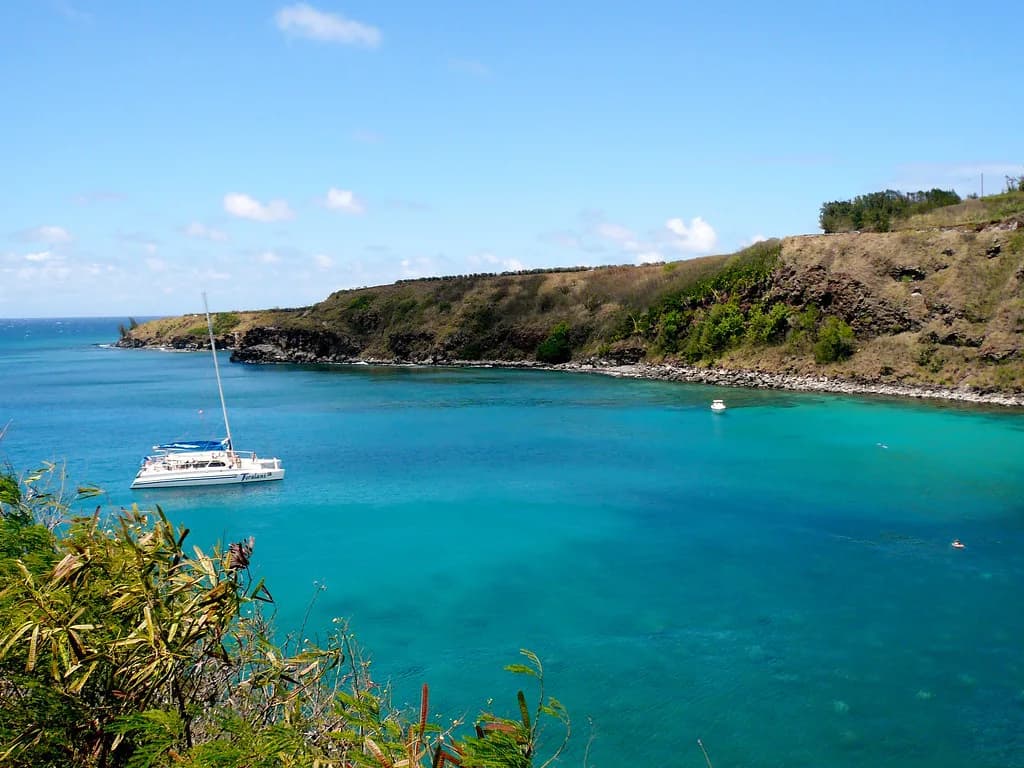
Honolua Bay, north of Kapalua, is a marine preservation area with some of the best snorkeling in Hawaii on a good day. The window matters more here than anywhere else on the island: summer is the snorkeling season, and in winter the bay becomes a world-class surf break where snorkeling is no longer an option.
Because the bay is protected, expect a crowd on calm summer mornings and plan to arrive early. The trade-off for the drive north is reef quality, not convenience, and it is a poor choice for a first-timer visiting in December.
South Maui Year-Round: Ulua, Keawakapu, Maluaka and Kamaole
South Maui is the reliable coast when the west side is messy. Ulua Beach in Wailea has a gentle sandy entry, and beginners can snorkel in just a few feet of water while stronger swimmers head out along the rocky point on the right side of the beach, where parrotfish, butterflyfish, triggerfish and the occasional moray eel or octopus turn up.
Keawakapu Beach in Kihei fishes best at the northern point in front of the Mana Kai, where beginners can stay close to shore and confident swimmers can push further out. Maluaka Beach, south of Wailea and part of the Turtle Town stretch, has a sandy entry with a gentle slope and a shallower reef, and green sea turtles are often seen feeding on algae-covered rock; early mornings are usually the smoothest.
Kamaole Beach Park I in Kihei is the family pick, with a smooth gradual descent, shallow coral off the south end, and restrooms, showers, picnic areas and lifeguards on duty. Shops and eateries are close by, so you can rent gear and be in the water without a long detour.
Po'olenalena and Olowalu: When the Longer Swim Pays Off
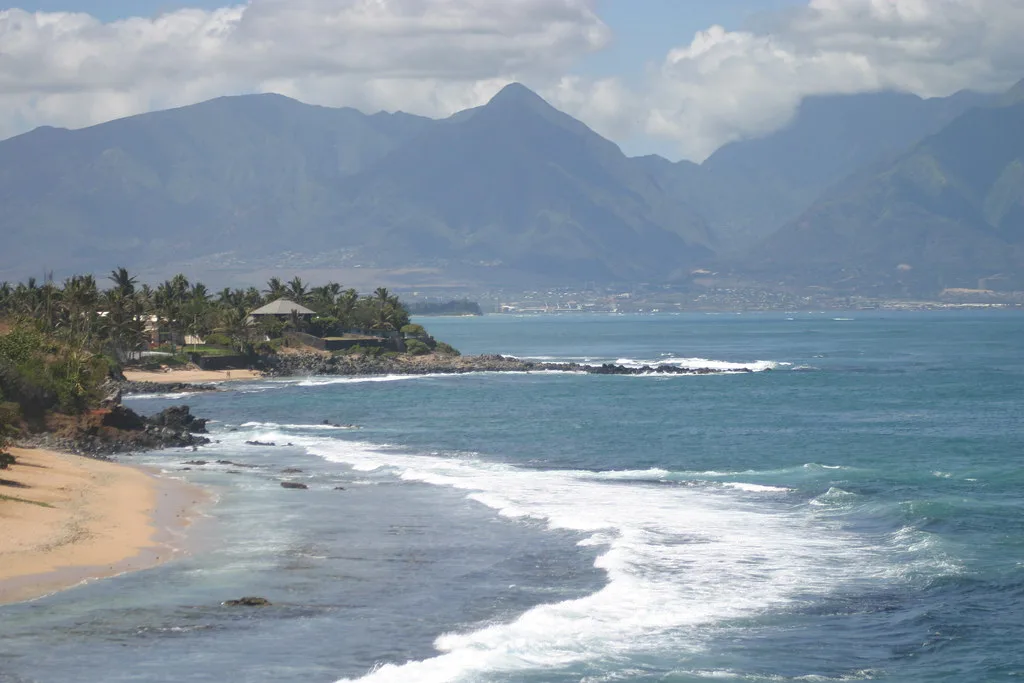
Po'olenalena Beach in Makena is a quieter alternative to the Wailea beaches, with the best reef on the point in front of Makena Surf, reached by a short swim from the sand. It suits advanced snorkelers, and tour boats stop here occasionally, so keep your head up and stay aware of traffic.
Olowalu, on the highway south of Lahaina, holds one of the largest reef systems in Hawaii, with the best snorkeling near mile marker 14 on Honoapiilani Highway. The reef sits well offshore, winds are common in the area, and the swim out rules it out for beginners; it rewards strong swimmers who pick a calm morning.
South and West Versus the Exposed North and East Shores
Maui's best snorkeling concentrates on the south and west coasts, around Kihei, Wailea, Makena, Olowalu, Ka'anapali, Napili and Kapalua. The north and east coasts, including Paia, Hana and Kahului, are more exposed to prevailing winds and waves, and conditions there are often dangerous with poor visibility.
That split gives you a simple weather plan: when the west side is blown out or a big winter swell arrives, drive south and pick a sheltered beach instead of forcing the day where you are staying. Island-hopping snorkelers face the same coast-versus-conditions decision when comparing Oahu snorkel spots or planning Big Island snorkeling, and the same rule applies: let the forecast choose the coast.
Boat Days: Molokini in the Morning, Coral Gardens in the Afternoon
Molokini Crater is a morning destination. The five-hour morning tour checks in at 6:30 a.m. at Ma'alaea Harbor, Slip 64, departs at 7 a.m. and typically runs Molokini first followed by Turtle Town or another reef, with breakfast, lunch, snorkel gear, flotation and crew guidance included. Allow an extra 20 to 30 minutes before check-in to park and walk to the slip.
The afternoon option runs about three hours, checking in at 12:30 p.m. and returning around 4 p.m., usually to Coral Gardens or another nearby reef rather than Molokini. It suits late risers and shorter attention spans, but a three-hour trip is not automatically a calmer ride, and the captain may change or cancel the route on the day.
Best Time of Day by Group
Families with young children do best with an early shore entry at a gentle sandy beach such as Kamaole I or Napili Bay, then a shorter water session and shade before the wind builds. First-timers should choose calm mornings and shallow entries over long swims to distant reef.
Strong swimmers can use the morning calm to reach Olowalu's offshore reef or the point at Po'olenalena, while photographers get the best light and clearest water early, before chop roughens the surface.
Hazards to Plan Around
Currents at the end of Black Rock, wind at Olowalu, the open-water swim at Po'olenalena and boat traffic near Makena are the specific hazards that decide whether a spot is sensible on a given day. Snorkel with a buddy, avoid brown water, and treat posted warnings as a reason to wait.
Maui ocean conditions can change quickly, so glance at the Hawai'i Ocean Safety guidance before you head out. That is the one check worth building into every morning.
Wildlife Timing and Viewing Rules
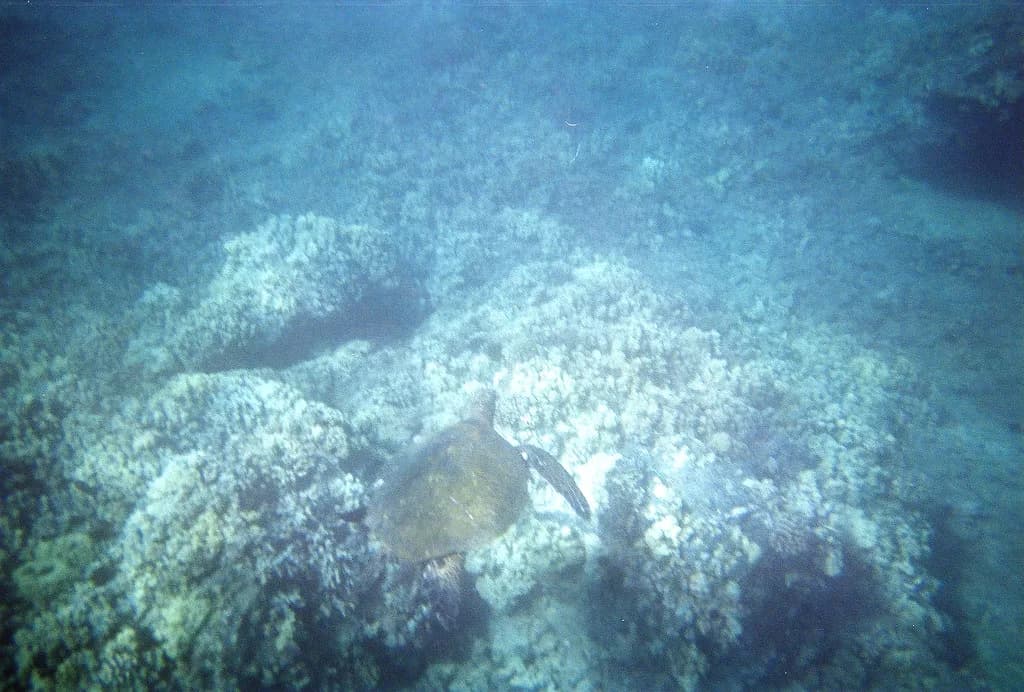
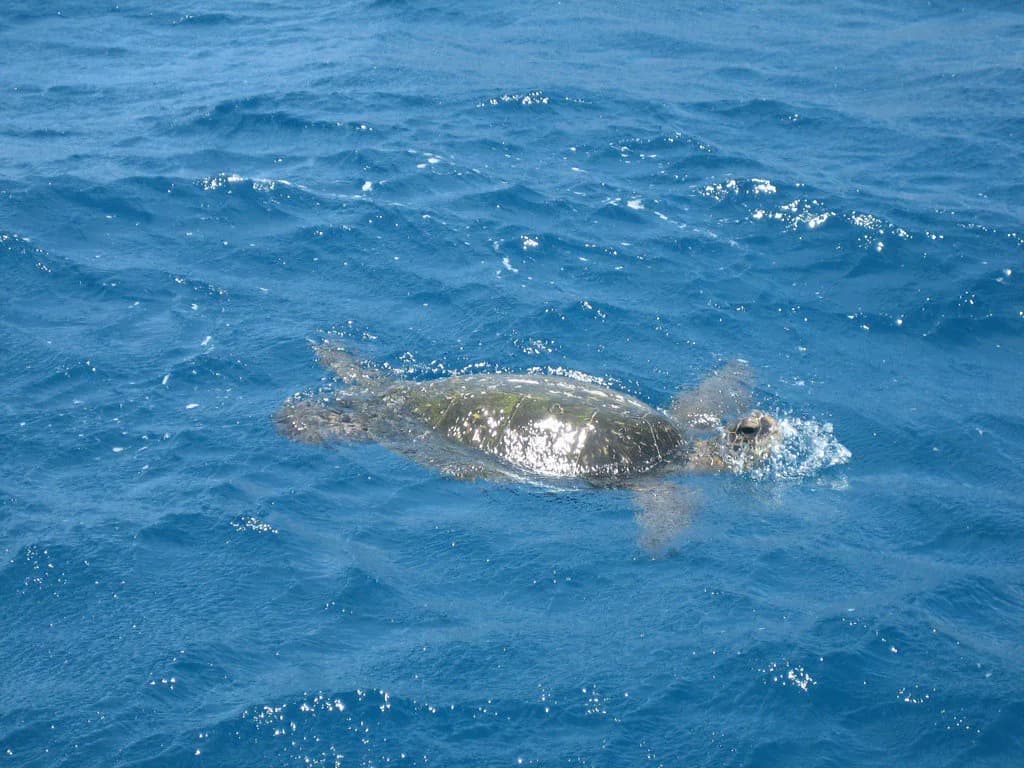
Green sea turtles are the most likely large animal you will see, and Maluaka and Ulua are the likeliest beaches for them; manta rays are known to cruise through the Wailea area in autumn months, though no sighting is guaranteed. Stay a respectful distance, never touch or pursue an animal, and let a curious turtle make its own approach.
Do not stand on or touch coral, and never remove anything from the reef. These are protected animals and a living reef, and the rules apply whether you are on a boat or swimming from the sand.
Reef-Safe Sunscreen and What to Pack
Maui County has outlawed the use and sale of non-reef-safe sunscreens, and any sunscreen bought on the island should be reef-safe. Check that the active ingredients are only zinc or titanium oxide, and wear a long-sleeved rashguard for back protection on long morning sessions.
Pack water, a rashguard, a towel and a light layer for the early start, plus your own mask if you have one, and rent fins or a float belt locally if you want extra support.
Combining Spots Into One Snorkel Day
Pair beaches by coast rather than chasing the whole island in a day. A west-side morning at Kapalua and Napili, with Black Rock as an easy afternoon fallback, works without much driving, and in summer you can add Honolua Bay on a calm day.
In the south, start at Ulua or Keawakapu, move to Maluaka for turtles and finish at Kamaole I, where facilities and lifeguards make an easy end to the day. Give yourself one backup spot on the opposite coast for the day the wind or swell turns.
Plan Your Maui Snorkel Day
Build your trip around mornings first, then pick the coast that matches the season: west-side bays in calmer summer conditions, south-side beaches any month, and Honolua Bay only in its summer window. Boat trips belong in the morning if Molokini is the goal, and the shorter afternoon reef run is the better fit when you want a later start.
Leave one flexible day in the plan for a wind or swell change, and check the forecast before you load the car. The best time to snorkel in Maui is the morning that matches the coast, not a fixed hour on the clock.
Frequently Asked Questions
Is it better to snorkel in Maui in the morning or afternoon?
Morning is usually better because trade winds tend to be lighter earlier, which can mean calmer water and clearer visibility. Afternoons still work, especially on a shorter reef trip, but a later start does not guarantee calmer conditions.
Which months are best for snorkeling in Maui?
Mornings are the reliable window year-round on the south coast. The west side and Honolua Bay are more dependable in summer, because winter swell turns Honolua into a surf break and can affect exposed west-facing entries.
Can you snorkel in Maui in winter?
Yes, but choose your coast. South Maui beaches generally stay usable while winter swell can shut down exposed west-side entries, so shift your plans south when the surf is up.
Where is the best snorkeling in Maui for beginners?
Gentle sandy entries at Kapalua Bay, Napili Bay, Ulua Beach, Maluaka Beach and Kamaole Beach Park I suit first-timers, especially in the morning calm. Beginners should skip longer offshore swims like Olowalu and Po'olenalena.
Is Molokini better in the morning?
Yes. The morning tour departs early and typically visits Molokini first, when winds are often lighter. The afternoon trip usually goes to Coral Gardens or another nearby reef instead.
What time should you get to Maui beaches to snorkel?
Arrive in the early morning, before the trade winds build. For boat trips, allow extra time before check-in; the morning tour checks in at 6:30 a.m., and parking and the walk to the slip take extra minutes.
Sources
Snorkeling notes for your next trip
Optional updates to our snorkeling guides.
You might also like
Continue reading
More guides you'll find useful