Turtle Town Maui Snorkeling: Entry, Reef and Best Time to Go
Turtle Town off Maluaka Beach is Maui's easiest place to meet Hawaiian green sea turtles. Plan the entry, reef layout, hazards and tour options.
On this page
Turtle Town is the stretch of reef off Maluaka Beach in southwest Maui, and it earns the name: Hawaiian green sea turtles use this area heavily, which makes it one of the island's best beach-based bets for meeting one. It suits families and first-time snorkelers who want sand under their feet, and stronger swimmers who can reach the outer reef. For the full picture of the island's coast, the wider guide to snorkeling in maui sets this reef alongside the west-side bays. If you are weighing islands for a turtle-focused trip, the guide to snorkeling in Oahu compares a very different set of reef and bay options.
The appeal is the combination of easy access and a genuine wildlife encounter, not a guarantee. Turtles surface to breathe, loll around cleaning stations and drift with the surge, so you may spend twenty minutes with one and see none the next hour. Treat a sighting as the reward for patience and good positioning rather than the price of admission.
Where Turtle Town Is
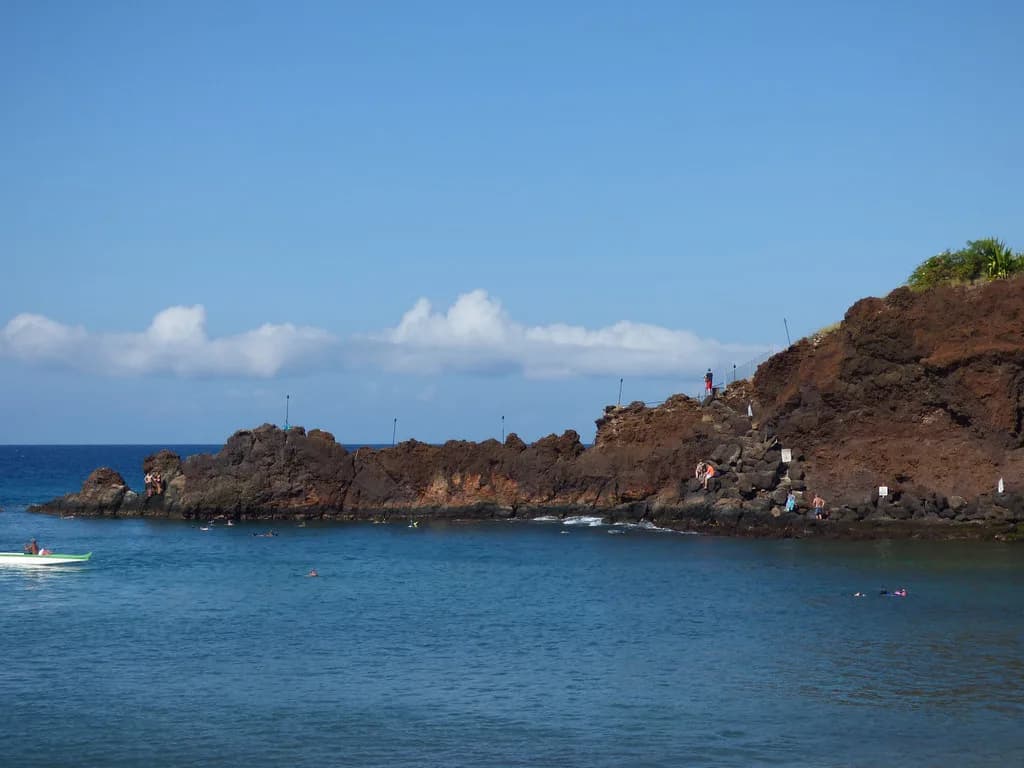
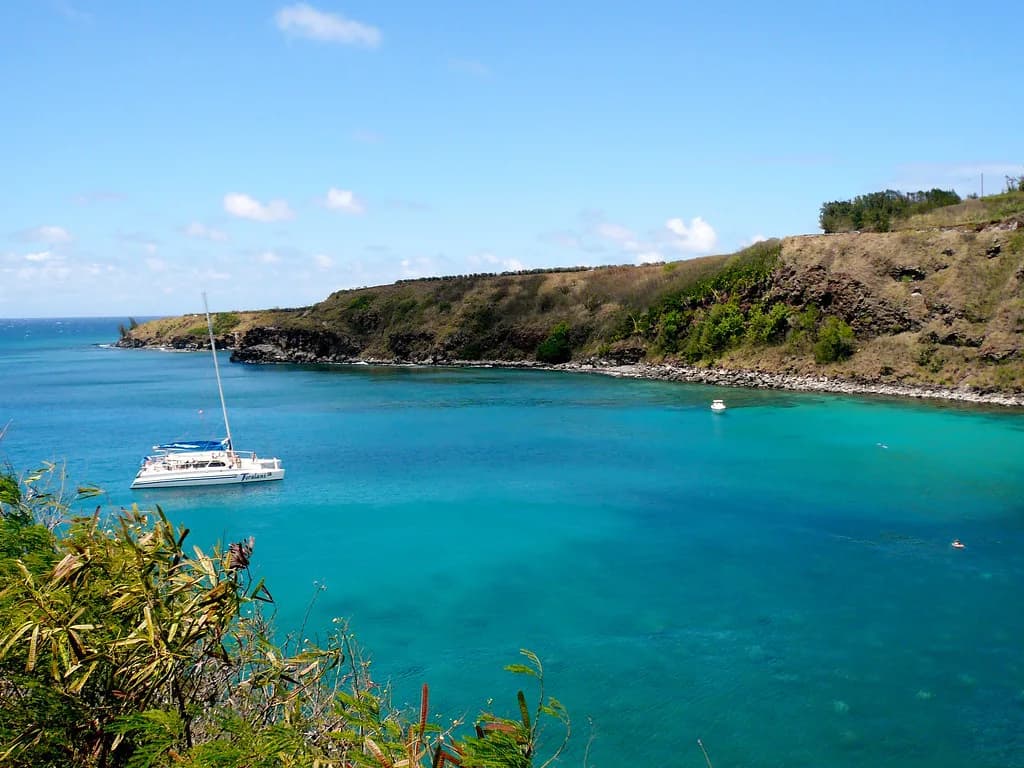
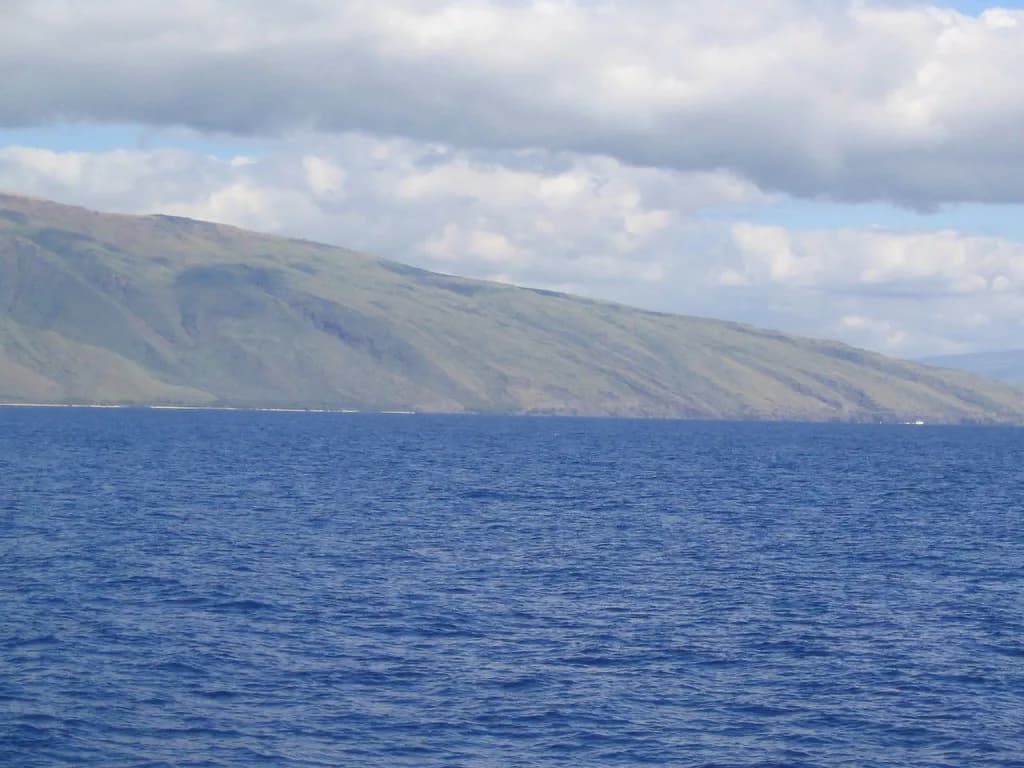
The spot sits near Maluaka Beach, wedged between Nahuna Point and Black Sand Beach in southwestern Maui, just south of the Wailea resort coast. The reef itself lies offshore, roughly three miles from Makena State Park, so what looks like one destination is really two: a beach snorkel and an open-water reef reached by boat or kayak. Plan for one or the other depending on how comfortable you are in deeper water.
Haleakala shelters this coast from the island's trade winds, so the water here is usually comparatively calm next to exposed north-shore beaches. That shelter is why Maluaka works as a beginner entry and why operators run kayak and snorkel trips straight from this shoreline. It is also why the bay fills on days when the rest of Maui is blown out.
Getting in: Beach Entry vs. the Offshore Reef
At Maluaka Beach you walk in off sand, which makes it the simplest option for kids, nervous swimmers and anyone carrying a mask and fins rather than a full kit. The reef builds as you swim out from the beach, so you can stop at whatever depth you are happy with and turn around. Enter slowly, watch for rock and coral underfoot near the edges, and keep your fins clear of the bottom.
Turtle Town proper, the offshore cleaning-station reef, is a boat or kayak destination. Guided trips reach it by kayak from the Makena shore, and catamarans and snorkel boats add it to Molokini itineraries. Pick boat access if you want the outer reef without a long open-water swim, and pick the kayak or beach route if you prefer a quieter, smaller-group day.
The two routes trade off differently. Beach entry costs nothing beyond your own gear and leaves you free to quit whenever the water feels wrong; a boat trip buys you a shorter swim to the reef and a crew watching the group, but ties you to their schedule and departure point. If this is your first ocean snorkel, start at the beach and build confidence before booking the offshore run.
The Reef Layout
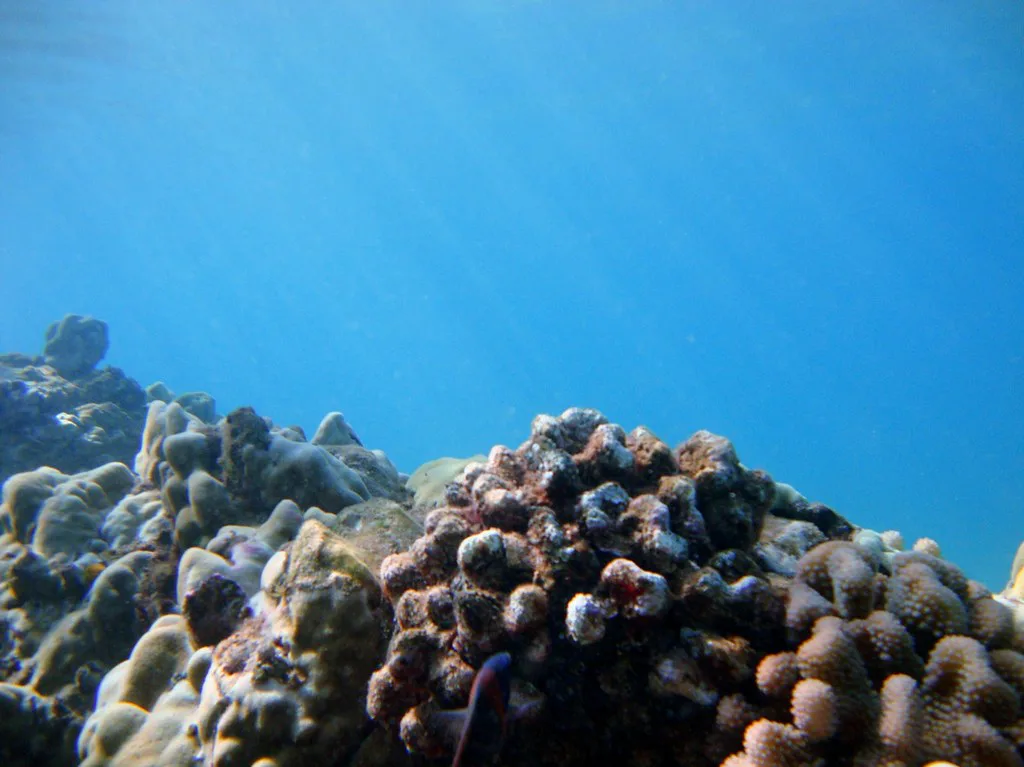
Expect a fringing reef that starts shallow near the beach and deepens as it runs seaward toward the offshore cleaning stations where turtles congregate. The productive zone is where coral heads break the sand, because that is where fish gather and where turtles settle in to be groomed. Work along those structures slowly rather than racing straight out.
Positioning matters more than distance. Hover a few feet off the bottom at a cleaning station and let the turtles come to you; thrashing toward an animal pushes it away and stirs up the sand for everyone behind you. On the boat route, follow the crew's guidance on which side of the reef the group is working, since boat traffic concentrates in defined lanes.
What You Will See
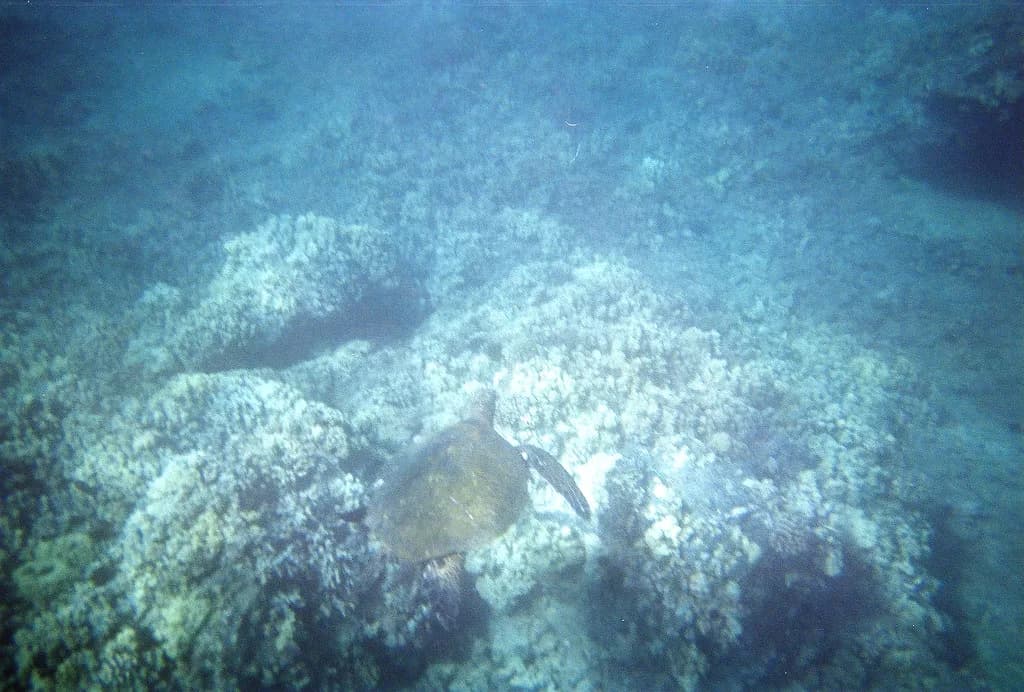
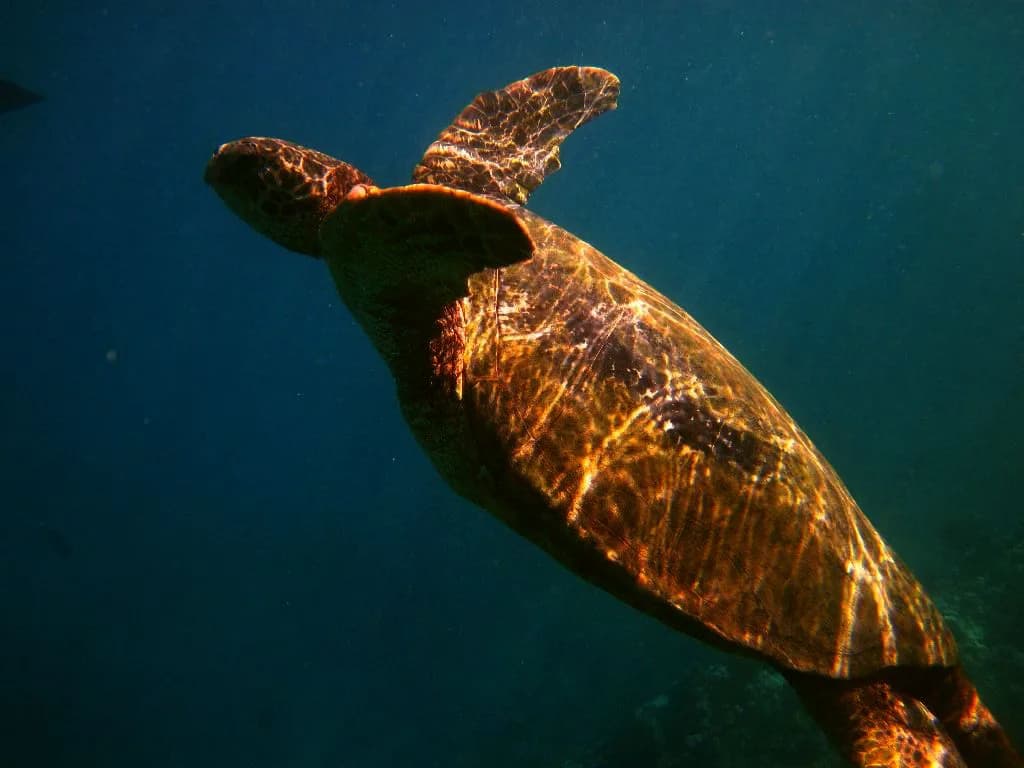
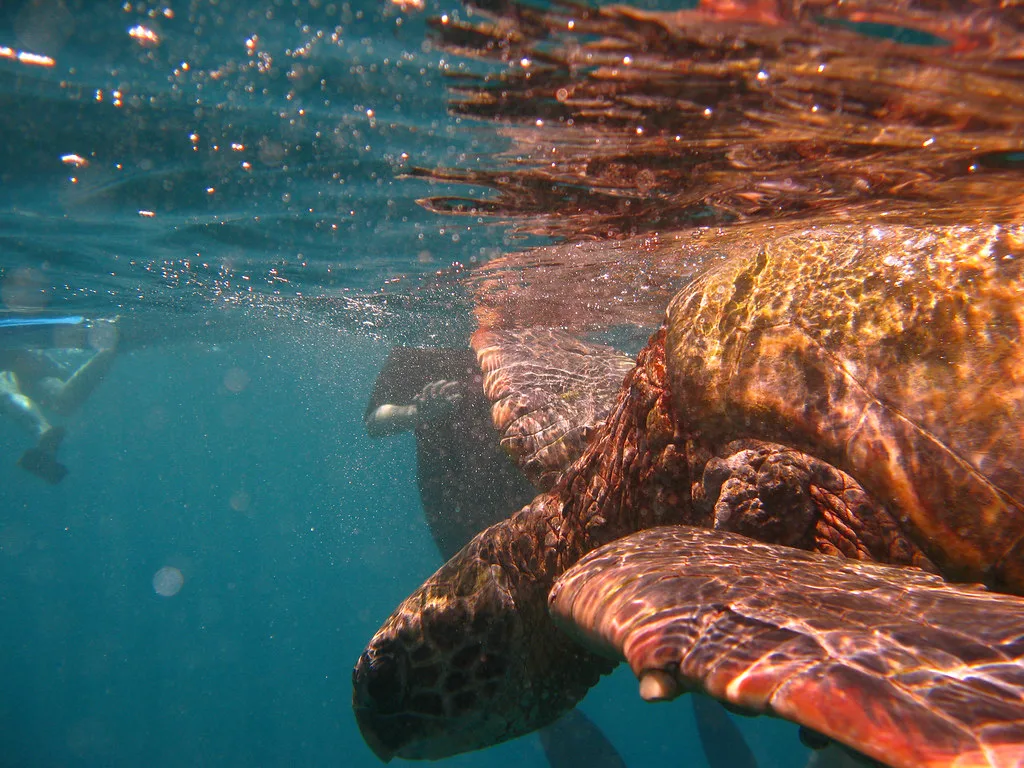
Hawaiian green sea turtles are the headline, often resting on the bottom or rising slowly for air, and they are the reason the area carries its name. Around them you get the usual Hawaiian reef cast: tangs, butterflyfish, wrasses and damselfish working the coral, with the occasional larger predator cruising the outer edge. Coral cover varies across the reef, so slow, close inspection beats covering ground.
No operator or beach can promise a sighting, and any tour marketing that implies otherwise should be read as sales language. Your odds improve with calm, clear mornings and a quiet approach. Bring a rash guard and reef-safe sunscreen, keep your distance, and never touch, ride or block a turtle's path to the surface.
Skill Level and Who It Suits
Maluaka's sand entry and wind-sheltered water make it a good fit for beginners, families with older kids and anyone who wants a short, self-paced snorkel. The offshore reef rewards competent swimmers who can handle deeper water, a longer swim and some boat traffic. If your group mixes abilities, split the day: the confident swimmers can join a small-group trip while others work the beach reef.
Snorkelers who want a shallow, wave-free lagoon with lifeguards and facilities should look at a different kind of bay entirely. Turtle Town is an open-coast reef, and its appeal is the turtles, not a protected pool. Match the plan to the weakest swimmer in your party and the day works for everyone.
Best Time to Go
Mornings give you the lightest wind, the flattest water and the fewest people, which matters most for the beach entry where a crowd forms at the sand. Haleakala's shelter keeps this coast workable on many trade-wind days, but it does not cancel a big south swell, so time your swim for early and check the surf before you drive down.
Seasonally, summer tends to bring the calmer south-shore water, while winter swells can stir the bottom and cut visibility. Neither pattern is fixed, so treat a flat forecast as your green light and a rising swell as a reason to shift to a sheltered bay. Booking a tour early in the trip leaves room to reschedule if the ocean disagrees.
Hazards to Plan Around
The real risks are ordinary ocean ones: surge pushing you onto rock or coral, a current pulling along the point, and boat traffic where the offshore reef is worked. Shorebreak at the beach entry can be modest or punchy depending on the day, so watch a few sets before you walk in and time your entry between them.
Offshore, stay visible. Surface regularly, keep within the group or close to shore, and do not drift past the point where you can comfortably swim back. If the water is murky or the swell is up, skip the swim rather than testing your limits on a reef you cannot see.
Turtle-Watching Etiquette
Hawaiian green sea turtles are protected, and the rules that matter are simple to follow: keep a respectful distance, never touch or feed them, and give any turtle heading for air a clear path to the surface. Do not chase, block or corral an animal for a photo, and keep your fins off the bottom so you do not damage the coral the reef depends on.
Use reef-safe sunscreen and a rash guard rather than relying on a heavy coat of lotion, and take nothing from the water. On busy mornings, the best thing you can do for the turtles is to hang back and let them behave naturally.
Tours and Operators
The most popular format pairs Turtle Town with Molokini Crater on a half-day boat trip, usually departing from Maalaea Harbor. Those trips suit travelers who want two snorkel sites, a crew and gear handled for them in a single outing, and they run alongside dedicated Turtle Town snorkel trips that focus on the turtles alone. Read the molokini crater snorkeling guide before you choose, since the crater trip and the turtle reef deliver quite different days.
Smaller operators run kayak and snorkel excursions to the turtle reef, and a three-hour Tropical Guides and Outfitters kayak trip with sea turtles starts at about $125 per person with reservations required. A Viator Turtle Town snorkel trip with photo and video is listed from $119.00, and a clear kayak tour with optional snorkeling is listed from $130.00. Compare what each includes, such as gear, photos and group size, and check departure times and meeting points with Tropical Guides and Outfitters or Viator directly.
Boat operators that run family trips to a smaller turtle cove advertise access that large catamarans cannot reach, which translates to fewer people in the water with you. Ask about group size and whether snorkel gear and flotation are included, since those details separate a comfortable beginner trip from a crowded one.
Do-It-Yourself Plan
Drive to Maluaka Beach, park, and walk your gear to the sand; there is no need to book anything to snorkel from shore. Bring your own mask, snorkel, fins and rash guard, plus water and a dry bag, because beach-side rentals are not something you should count on. Check parking signage and any posted beach rules when you arrive and follow what is on the board.
Build the day around an early arrival: swim the beach reef while the water is glassy, dry off, then use the afternoon for the rest of the Makena coast. If you want the offshore cleaning stations without the open-water swim, book the boat or kayak trip as your primary plan instead of an add-on.
Nearby Spots to Combine
Makena State Park and Little Beach sit less than a mile away and are also known for green sea turtles, so a morning at Maluaka and an afternoon at Makena makes an efficient south-shore day. Both are open-coast beaches, so the same swell and wind rules apply.
If you are building a longer Maui snorkel itinerary, pair this coast with a boat day at the crater and save the west-side reefs for a separate outing when the wind drops. Keep an eye on the surf report before committing to any open-coast swim.
Who Should Skip It
If you want a shallow, lifeguarded lagoon with no surf and no open-water swim, this is not that beach; the reward here is turtles on a real coast, with the conditions that come with it. Snorkelers uncomfortable in surge, boat traffic or deeper water should choose a protected bay and leave Turtle Town for a day when their confidence and the forecast line up.
Plan Your Turtle Town Day
Decide first whether you want the sandy entry at Maluaka or the offshore reef by boat or kayak, then build the day around a morning window and a backup plan for swell. Book any tour early in the trip so a rough ocean day leaves room to reschedule, and confirm departure details with the tour company.
Bring your own gear for the beach route, keep your distance from every turtle, and treat a sighting as a gift rather than a schedule item. That approach makes for a better swim and a healthier reef for the animals that give this coast its name.
Frequently Asked Questions
Where is Turtle Town on Maui?
Turtle Town is a reef area near Maluaka Beach in southwestern Maui, between Nahuna Point and Black Sand Beach and roughly three miles from Makena State Park. The beach itself gives you a sandy entry, while the named turtle reef lies offshore and is reached by boat or kayak.
Can you snorkel Turtle Town from the beach?
Yes. You can walk into the water at Maluaka Beach and snorkel the fringing reef without booking anything. The offshore cleaning stations where turtles cluster are further out and are best reached by boat or kayak, so choose based on your comfort in deeper water.
Do you need a tour to snorkel Turtle Town?
No, but a tour gets you to the offshore reef with less swimming and a crew watching the group. Boat trips often combine Turtle Town with Molokini Crater, while smaller operators run kayak and snorkel excursions. Book ahead if you want a specific date.
What will I see at Turtle Town?
Hawaiian green sea turtles are the main draw, often resting on the reef or rising to breathe, along with tangs, butterflyfish, wrasses and other Hawaiian reef fish around the coral. Sightings are never guaranteed, so approach slowly and give turtles a clear path to the surface.
Is Turtle Town good for beginners and kids?
The beach entry at Maluaka suits beginners and families, since you can stay in shallow water and leave whenever you like. The offshore reef is better for confident swimmers who can handle surge, deeper water and boat traffic. Match the plan to the weakest swimmer in your group.
When is the water calmest at Turtle Town?
Mornings usually bring lighter wind and flatter water, and Haleakala shelters this coast from the trade winds. A large south swell can still stir the reef, so check the surf forecast and pick an early slot on a calm day.
Sources
Snorkeling notes for your next trip
Optional updates to our snorkeling guides.
You might also like
Continue reading
More guides you'll find useful