Ulua Beach Snorkeling: Wailea Reef Entry, Depth and Timing
Ulua Beach in Wailea offers sand entry to a rocky-point reef on calm mornings. Learn where the reef starts, what you may see, and how to time your snorkel.
On this page
Ulua Beach rewards snorkelers who understand one thing: the reef is off the rocky ends, not straight out from the sandy middle. The beach sits along the Wailea Beach Path in South Maui and serves as a popular snorkeling stop for that reason, with an easy sand entry and structure within a short swim of shore. It suits comfortable ocean swimmers best, while families can use the calmer sandy zone on gentle days.
Why Ulua Beach Suits Snorkelers
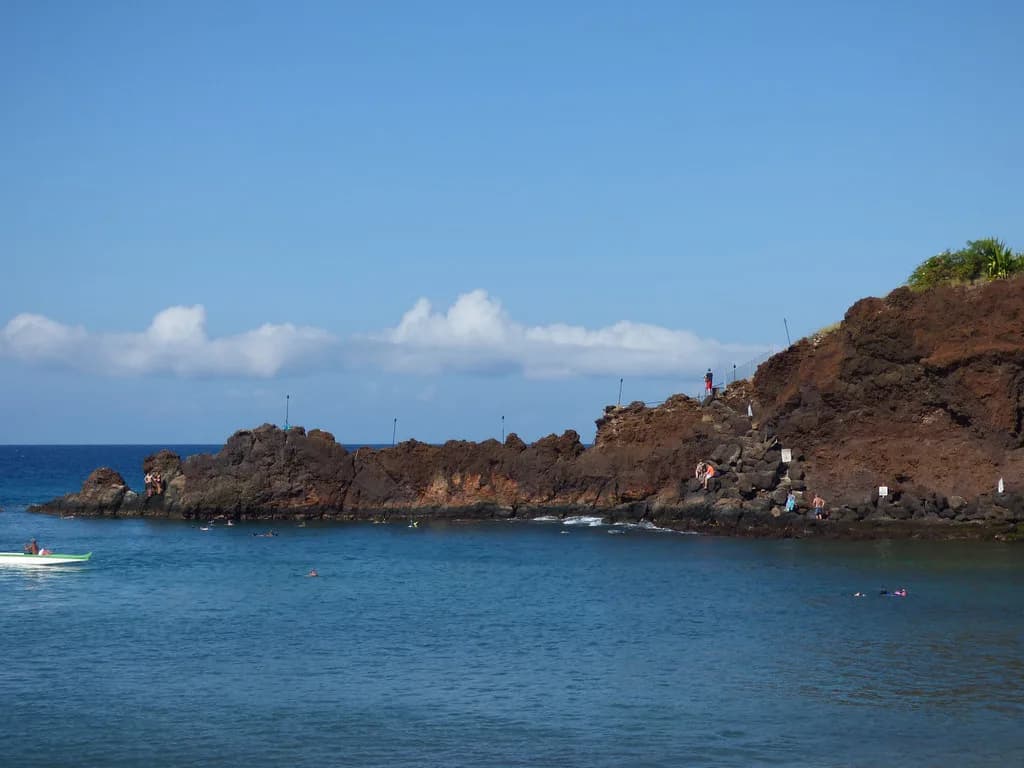
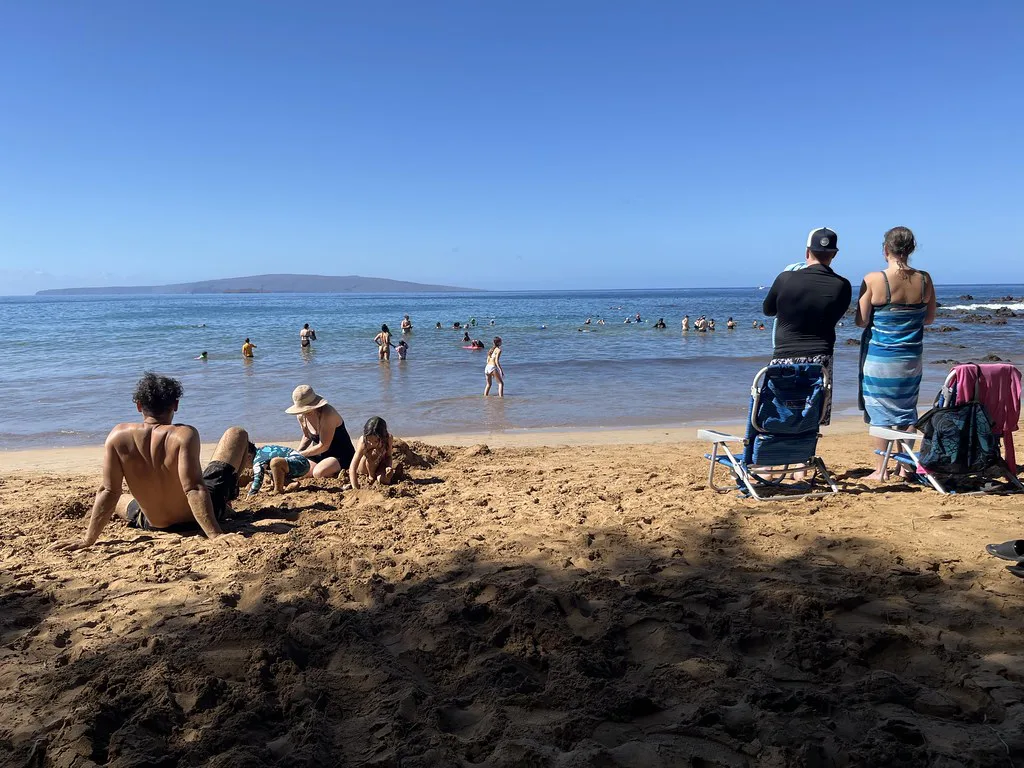
Ulua is a small Wailea cove rather than a long open strand, which concentrates the interesting bottom near the points at either end. You walk in over sand from the middle of the beach, then angle toward the rock as the bottom starts to change. That layout makes it a natural fit for anyone building a South Maui snorkel day around walk-in entries, and it is one of several stops covered in the wider guide to snorkeling in Maui. If you are island-hopping and weighing shore entries elsewhere, the guide to snorkeling in Big Island applies the same point-versus-sand logic to its volcanic coves.
Its main advantage is logistics. You park once, snorkel the points, then continue along the coastal walkway to neighboring beaches without moving the car. The trade-off is that Ulua is a neighborhood beach on a resort path, so the sand fills on sunny weekends and mid-morning. Early arrivals get both the calmer water and the easier spot near the path access.
Where Ulua Beach Sits on the Wailea Beach Path
Ulua Beach is in Wailea, on Maui's south shore, between the Kamaole beach parks to the north and Makena to the south. It lines the Wailea Beach Path, a paved coastal walkway that links the resort beaches, so you can reach the sand on foot from nearby properties. Kihei sits a short drive north, and Maalaea Harbor, the departure point for many Molokini boat trips, is roughly 15 to 25 minutes away depending on traffic.
If you are staying in Kihei, Ulua makes a sensible half-day outing rather than an all-day commitment. Drive south, snorkel the points in the morning, then walk the path to Mokapu and Keawakapu before the afternoon wind builds. That plan keeps you close to the condo-and-casual-restaurant base of Kihei while still putting you on Wailea's reef.
Getting in: Sand Entry and Rocky Points
Entry is over sand from the beach itself, which is the reason Ulua works for people who dislike climbing down rocks with fins on. Walk in from the middle, put your mask on in waist-deep water, and swim parallel to the shore until you reach the darker bottom near either point. The southern side tends to feel more sheltered, while the northern point is rockier and more exposed, so pick your side by how the swell is running that morning.
Start shallow and work outward in stages rather than striking straight for the furthest rock. The first coral and rock you meet gives you a read on surge, visibility and how the entry will feel on the way back in. If the water is surging hard at the point, the sandy middle still offers a safe swim and a view of the shoreline, and you can try the other end on a calmer day.
How Far Out the Reef Begins and How Depth Changes
The reef structure hugs the rocky ends of the cove, so you are swimming toward the points rather than heading straight offshore. Depth builds gradually as you follow the rock, staying shallow enough near the entry for a relaxed look at the bottom before it drops away further along the point. Keep the rock line on one side and the sand on the other so you always know the way back.
Treat the outer edge of the point as the boundary of your comfort zone rather than a target. Beyond it the bottom falls away and the water is more open to swell, which is fine for strong swimmers and unnecessary for a first session. Most of the fish and coral interest sits in the shallower band along the rock, where light reaches the bottom.
What You Will See Around the Rocks
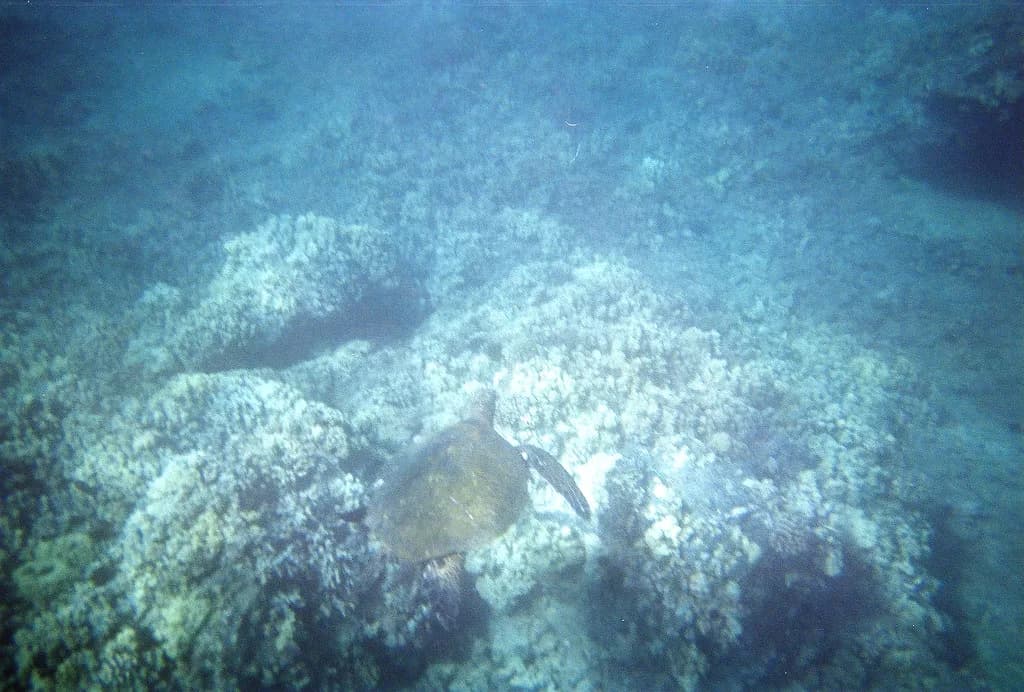
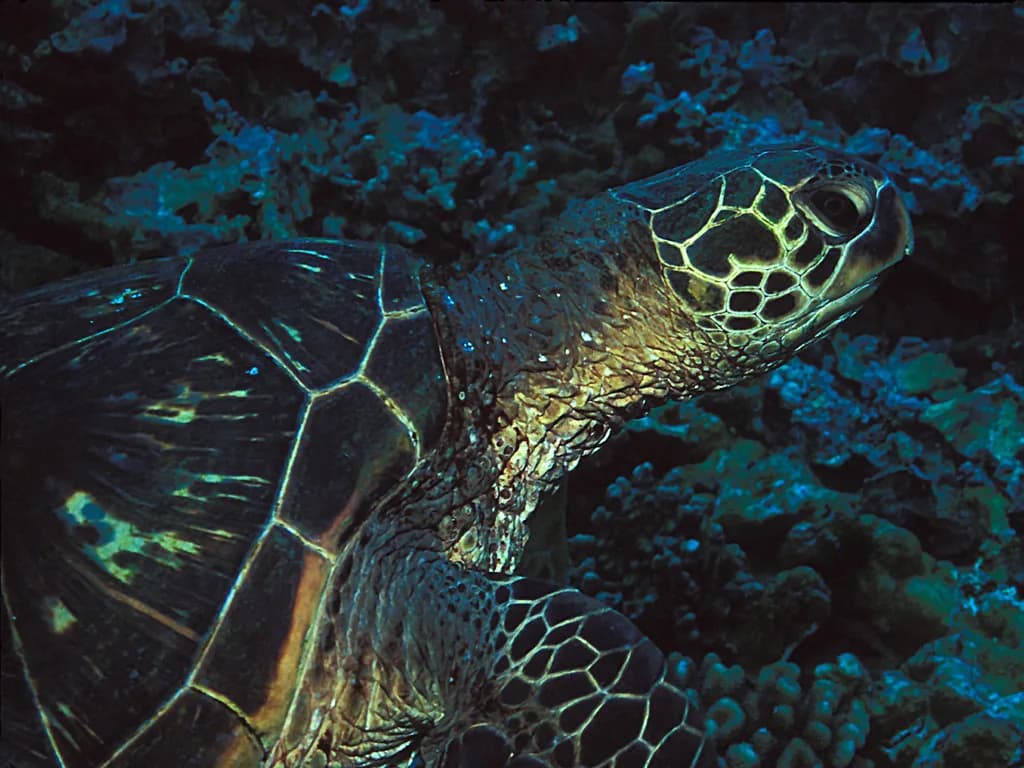
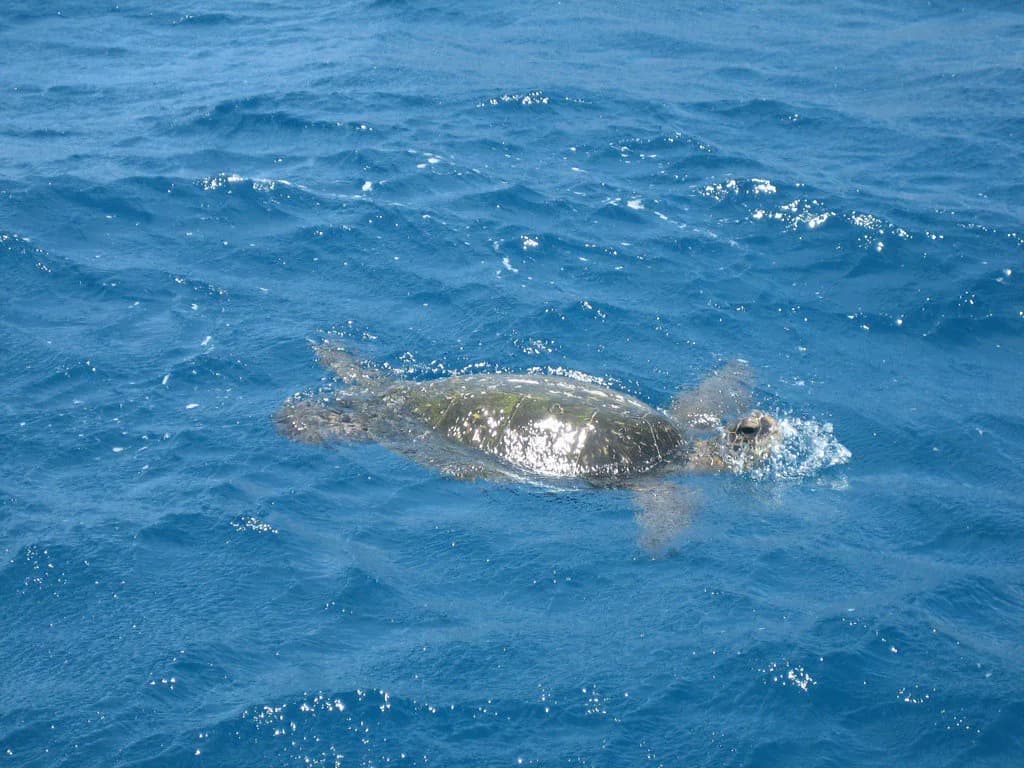
Expect reef fish rather than a single headline attraction. Ulua is described as a popular snorkeling spot along the Wailea Beach Path, and Maui's south-shore rocky points and protected coves are where shore snorkelers look for reef fish and possible honu, the Hawaiian green sea turtle. Honu are a possibility around the rock, never a guarantee, and the rules on distance apply the same as anywhere in Hawaii.
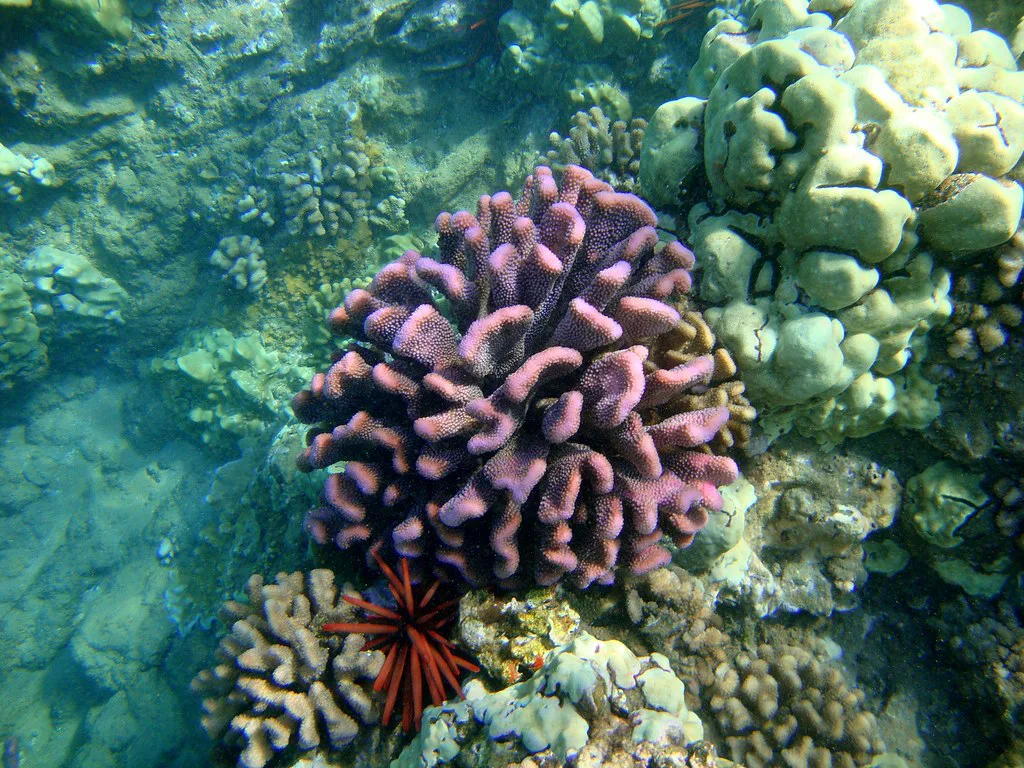
Coral cover in a cove this close to a resort path is patchy by nature, so look at the rock crevices, ledges and the sand-rock seam rather than expecting a continuous garden. Keep your fins off the bottom and your body horizontal over the coral; touching it is the fastest way to damage a site that survives partly because snorkelers are careful. If you want a bigger reef day, plan a separate boat trip such as Molokini Crater snorkeling rather than expecting that scale from shore.
Skill Level and Who It Suits
Ulua works for two different kinds of day. On calm mornings, families and less confident swimmers can use the sandy middle for a short, shallow look with an easy exit. Stronger swimmers who can handle open water and a bit of surge get the better experience by working the points, where the rock and fish are.
Kids do best here when the water is flat and an adult stays within arm's reach in the sandy zone. The path access makes it easy to bail out early, dry off and walk to the next beach rather than committing to a full session. Pair it with the gentler Kamaole Beach Park I when you want lifeguarded sand and a simple swim.
Best Time of Day and Season
Mornings are the reliable window on Maui's south shore. Winds are usually lighter before the afternoon trade winds build, the surface is calmer, and visibility is often better in the early hours, a pattern that holds across Kihei's nearby beaches. Plan to be in the water by mid-morning and off the beach before the wind chops the surface.
South Maui stays drier and sunnier than much of the island, which makes Ulua a reasonable bet when West Maui is gray. Northwest Maui, by contrast, takes larger winter swells that can bring high surf, strong currents and poor visibility to spots like Honolua and Slaughterhouse, so a south-shore plan is a useful fallback.
Hazards at Ulua Beach
The real risks here are ordinary ones: surge and rock at the points, an incoming swell that changes the exit, and boat traffic further offshore. The sandy entry stays manageable in small surf, but a rising swell makes the shorebreak and the walk-out trickier, especially with fins on. Watch a few sets before you commit and pick the side of the cove that is taking the least water.
Check the posted warnings and water-quality advisories for the day, and ask a lifeguard about conditions where one is on duty. If the water looks rough or murky, walk the path to Mokapu instead and save the snorkel for another morning. Boats working the Wailea and Makena coast are another reason to stay close to the rock and keep an eye seaward.
Parking and Facilities Near Ulua Beach
Ulua is reached on foot from the Wailea Beach Path and the surrounding resort area, so parking is the part of the day worth sorting before you leave. Confirm the current access and parking arrangement with the beach operator or your accommodation before driving, and arrive early enough that a full lot does not derail the plan. Once parked, everything else is on foot.
For gear, Maui's rental shops stock snorkel sets with fins, reef-safe sunscreen, life jackets and floatation, and some offer delivery on weekly rentals in the Kihei, Wailea and Makena area. Reserve online ahead of your beach day so you are not hunting for a mask that fits on the morning itself.
Rules to Follow at Ulua Beach
Hawaii's wildlife rules apply here as everywhere on the island: give honu and other marine animals space, never touch, feed or chase them, and let them choose the distance. Snorkelers who crowd a turtle drive it off the rock and ruin the sighting for everyone behind them. Keep your fins still when an animal is near and back away slowly.
Use reef-safe sunscreen and put it on before you get in the water, since products applied at the beach wash off in the surf. Stay off the coral with hands, knees and fins, and keep your buoyancy neutral over the rock rather than pushing off the bottom. These habits matter more in a small cove than on a big offshore reef.
Snorkel Spots to Combine with Ulua Beach
The best pairing is the walk itself. Mokapu Beach sits next door along the Wailea Beach Path, and Keawakapu Beach to the north has rocky ends that shore snorkelers check on calm mornings. One parking spot can serve two short snorkels, with a beach walk in between while the wind decides whether the second session is worth it.
For a completely different day, book a boat trip rather than another shore entry. Molokini Crater is a marine life conservation district with its own rules, and trips typically include gear, food and a second snorkel stop, with routes chosen for the day's conditions. That is the way to see clear offshore water without a long swim from the beach.
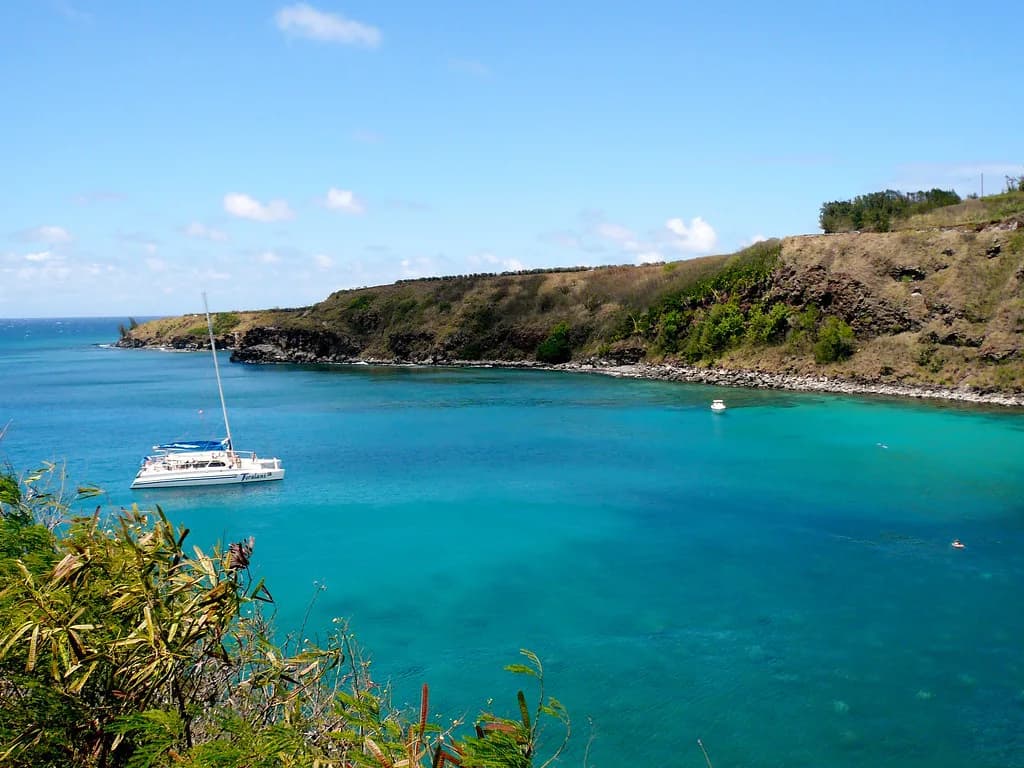
If you are touring the west side, Honolua Bay is a protected marine sanctuary with strong snorkeling on calm days, though it is far from Ulua and best paired with a West Maui itinerary rather than a South Maui morning.
Plan Your Ulua Beach Snorkel
Build the day around a mid-morning arrival, a sand entry from the middle of the cove, and a swim toward one rocky point rather than straight offshore. Take the sheltered side when swell is running, keep the sandy middle as the family option, and finish with a walk to Mokapu or Keawakapu while the wind is still light.
Bring your own fitted mask and fins or reserve a rental set the day before, apply reef-safe sunscreen early, and give any honu you meet plenty of room. Check the posted advisories for the day and let the water decide whether Ulua or a calmer nearby beach gets your session.
Frequently Asked Questions
Is Ulua Beach good for snorkeling?
Yes, with the right expectations. Ulua is a Wailea sand beach with reef structure off the rocky ends of the cove, so you walk in over sand and then swim toward one of the points. It is a shore snorkel with reef fish and possible honu near the rock, not an offshore reef on the scale of a boat-only site.
Do you need to pay to park at Ulua Beach?
Parking rates and lot rules change, so confirm the current arrangement with the beach operator or your accommodation before you drive over. Arrive early in the morning, when the beach and the nearby path access are quietest and the water is usually calmest.
What will I see snorkeling at Ulua Beach?
Expect reef fish along the rock and coral patches at the points, with possible Hawaiian green sea turtles around the structure on some days. Wildlife is never guaranteed. Keep your distance from honu, never touch or chase them, and stay off the coral with your hands and fins.
Is Ulua Beach snorkeling good for beginners?
Beginners and families do best in the sandy middle of the cove on a calm morning, where the entry and exit are easy and the water stays shallow. The rocky points suit stronger swimmers who can handle open water and a bit of surge, so match the swim to the weakest member of your group.
What is the best time of day to snorkel at Ulua Beach?
Mornings are the better window on Maui's south shore, when trade winds are usually lighter, the surface is calmer and visibility is often clearer. Plan to be in the water by mid-morning and be out before the afternoon wind builds and chops the surface.
Which other Maui snorkel spots are near Ulua Beach?
Mokapu Beach is next door along the Wailea Beach Path, and Keawakapu Beach to the north has rocky ends worth checking on calm mornings, so one parking spot can cover two short snorkels. Kamaole Beach Park I in Kihei is a straightforward sandy alternative with lifeguards nearby.
Sources
Snorkeling notes for your next trip
Optional updates to our snorkeling guides.
You might also like
Continue reading
More guides you'll find useful