Wailea Snorkeling: Best Beaches, Reef Access and Timing
Wailea snorkeling is best at the reef patches off both ends of Wailea Beach and at Ulua Beach's north end, early in the morning before the wind builds.
On this page
Wailea's appeal for snorkelers is simple: the reef sits close enough to shore that you can walk in from the sand and be over coral within a short swim. The beaches line up along Wailea Alanui Drive in front of the Grand Wailea and Four Seasons, so you can compare two or three entry points in a single morning. Families with kids and first-time ocean snorkelers get the easiest conditions here, while stronger swimmers can push out to the rocky points where the structure is best.
How Wailea's Coastline Is Laid Out
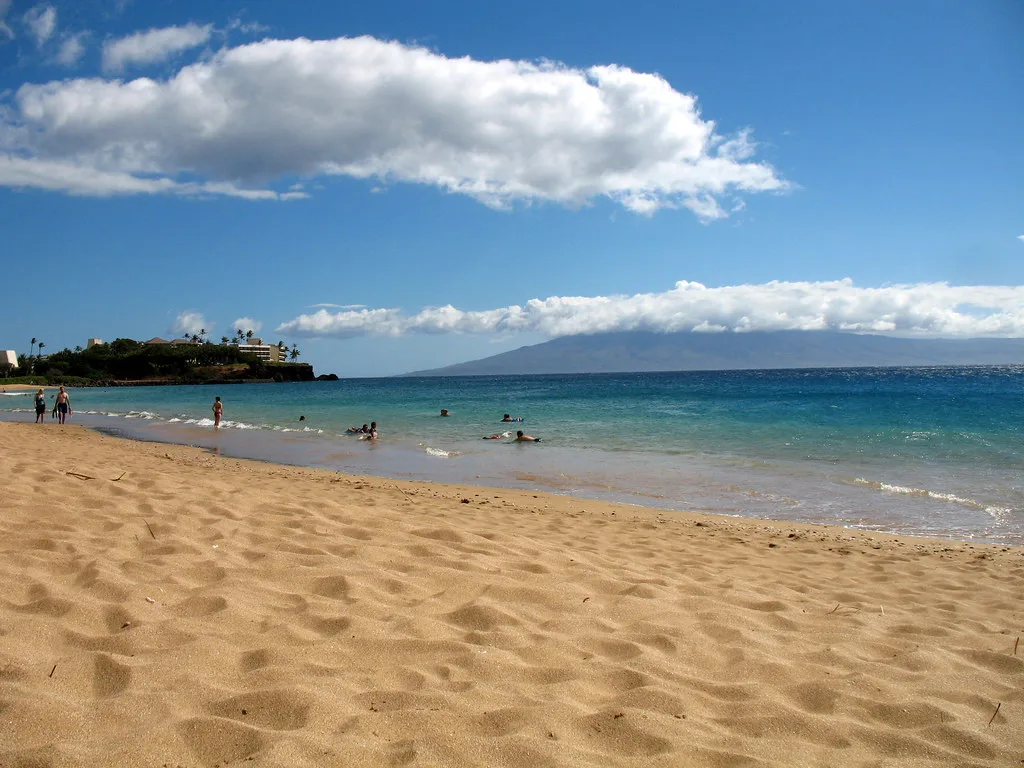
Wailea is a run of resort beaches on South Maui's leeward coast, roughly a ten-minute drive south of Kihei along Wailea Alanui Drive. The sand is broad and the seabed slopes gradually, which is why these beaches are popular with swimmers and paddlers. Reef shows up where the bottom turns rocky, mainly at the ends of each beach and around the headlands between them. That layout means your snorkel plan is mostly about picking which end of which beach to walk to.
From north to south, Ulua Beach and Mokapu Beach share a rocky outcropping, and Wailea Beach sits farther south in front of the large resorts. Parking and access points sit off Wailea Alanui Drive, with signed beach access roads leading to small lots. If you want the wider island context before choosing a base, the guide to snorkeling in maui covers the other coasts and how they differ from this calm south shore. For another leeward comparison, the guide to snorkeling in Oahu weighs its sheltered west-side beaches against the busier east side.
Wailea Beach: Reef at Both Ends
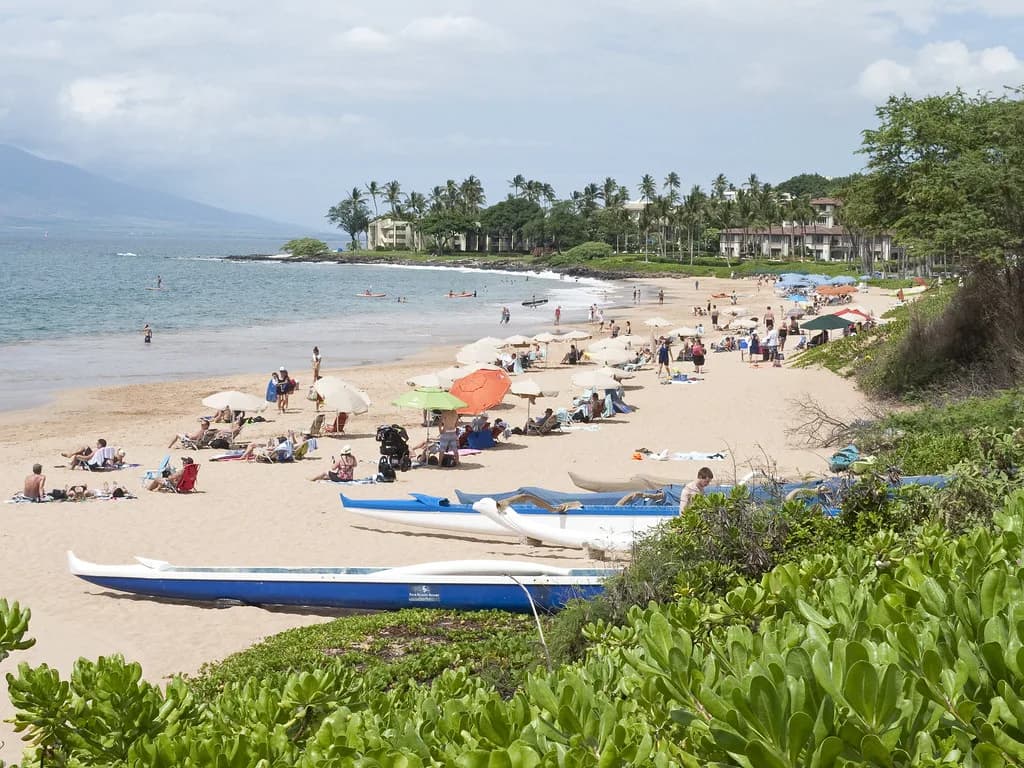
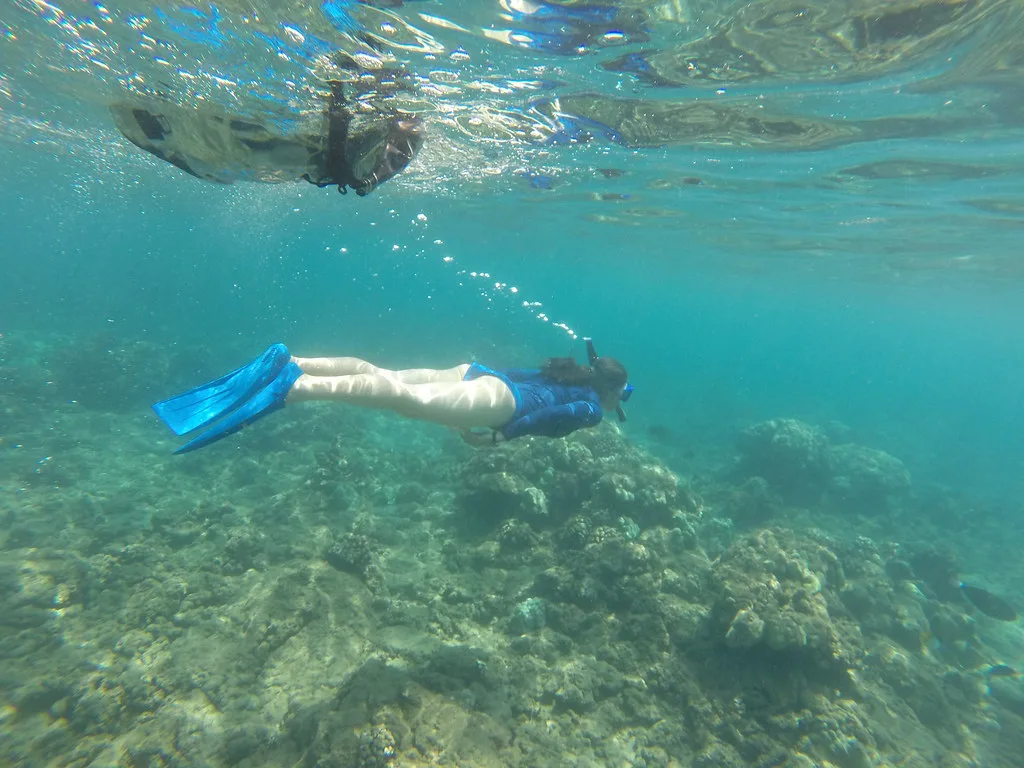
Wailea Beach itself is mostly sand, and the sand is the point: the entry is gentle, the bottom slopes away slowly, and kids can stand in the shallows. The snorkeling is concentrated at either end of the beach, where rocky outcrops and coral patches begin about 30 yards from shore and hold colorful fish and other marine life. Swim toward an end, put your face down where the sand gives way to rock, and work along the edge rather than heading straight out into the middle.
The trade-off is visibility. A sandy bottom is forgiving underfoot but stirs up easily, so a little chop can cloud the water over the sand. On calm mornings the water at Wailea Beach is typically clear and flat, and the rocky ends stay readable even when the middle of the bay looks milky. Arrive early and snorkel an end first, then decide whether the middle is worth a look.
Ulua Beach and Mokapu: The Outcropping
Ulua Beach sits at the north end of the Wailea run, with parking off South Kihei Road just past the Andaz hotel when you drive from Kihei. The side of the beach closest to the Andaz hotel lets you start enjoying the reef within a few feet of shore, with fish, sea urchins and sometimes Hawaiian green sea turtles around the rocks. The lot fills, and arriving before 10 a.m. gives you a much better chance of a space.
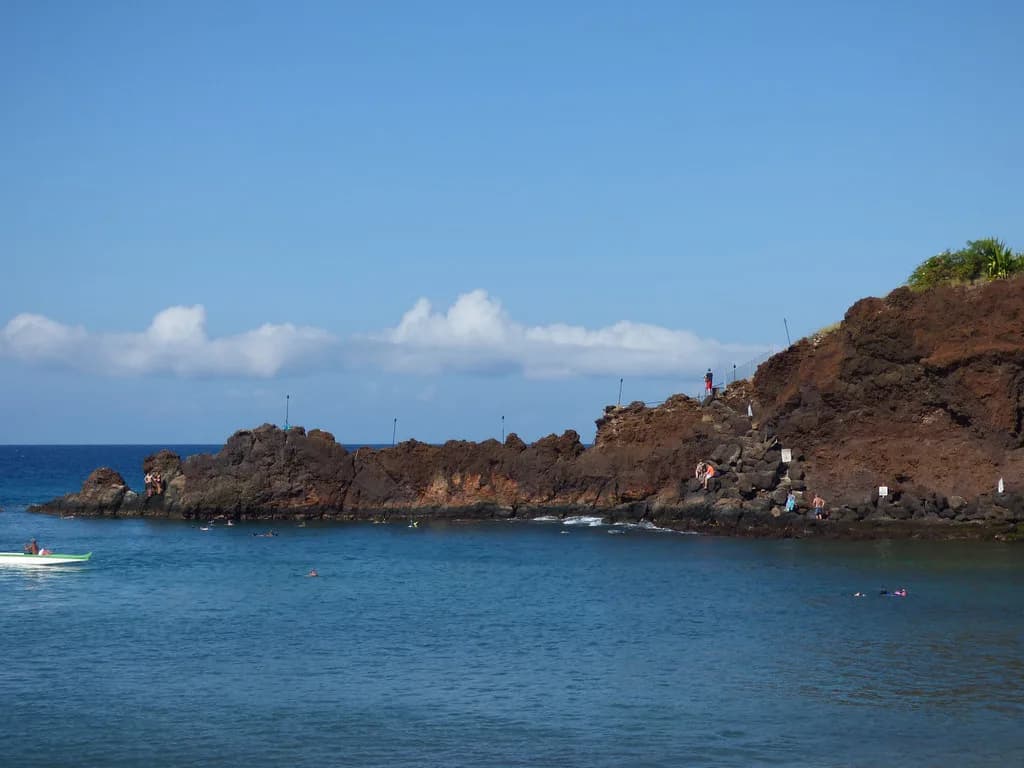
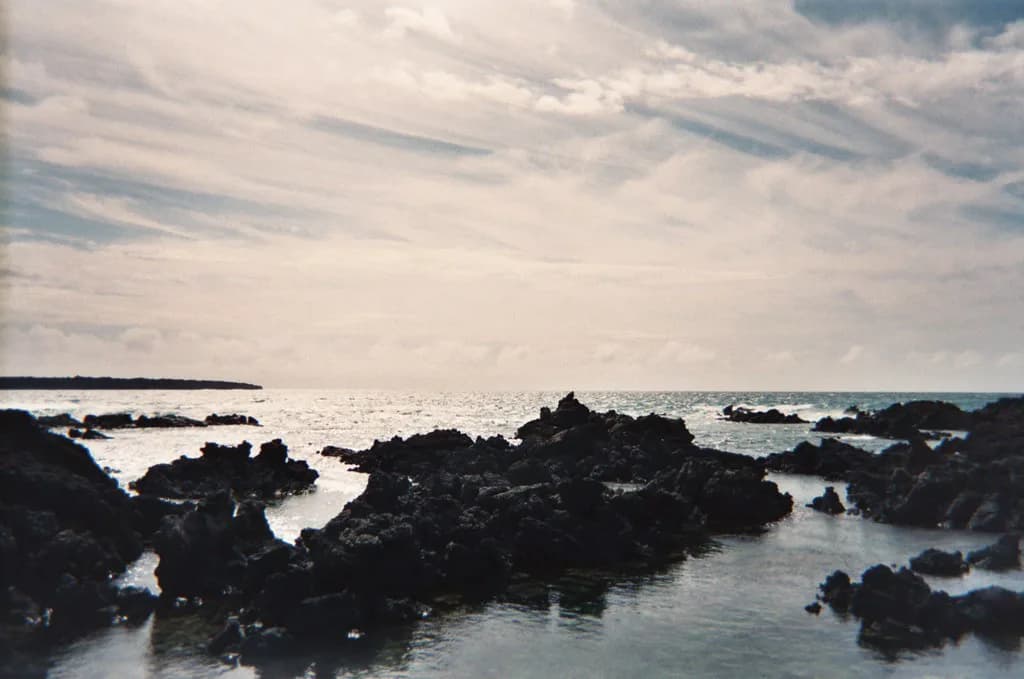
The rocky outcropping between Ulua and Mokapu is the most interesting structure in the area, with coral reaching up toward the surface and plenty of fish along the rock. You can swim to it from the sand, but it is farther out and more exposed than the north-end reef. Treat it as a step up: fine for strong ocean swimmers with a float, less suitable for young kids or anyone unsure in open water. A kayak rental from Kihei lets you reach the point without the swim.
What You Will See
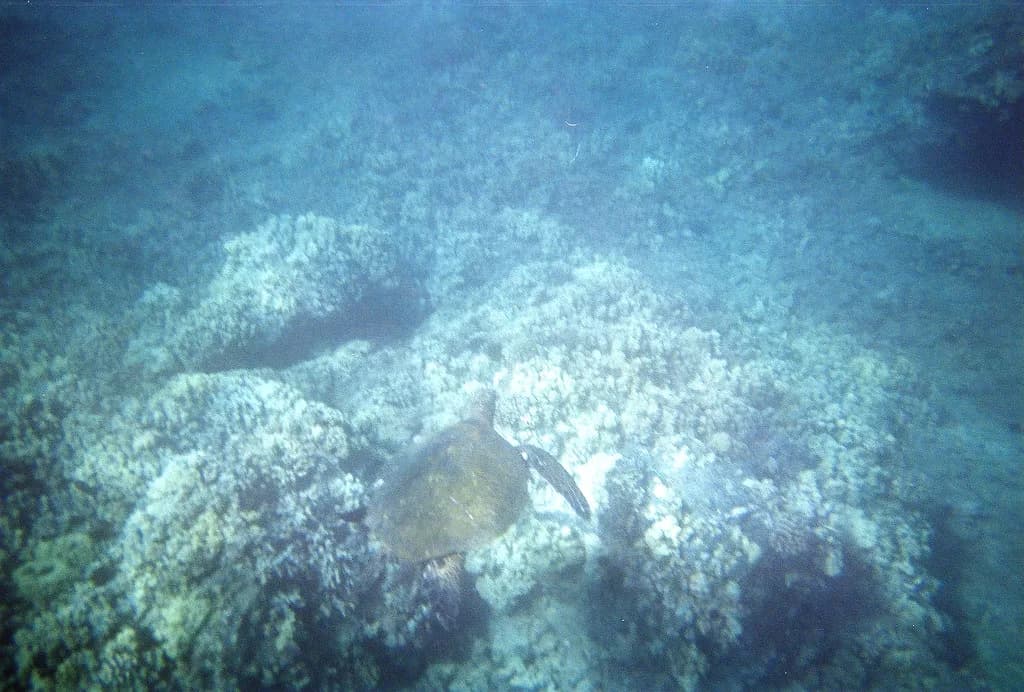
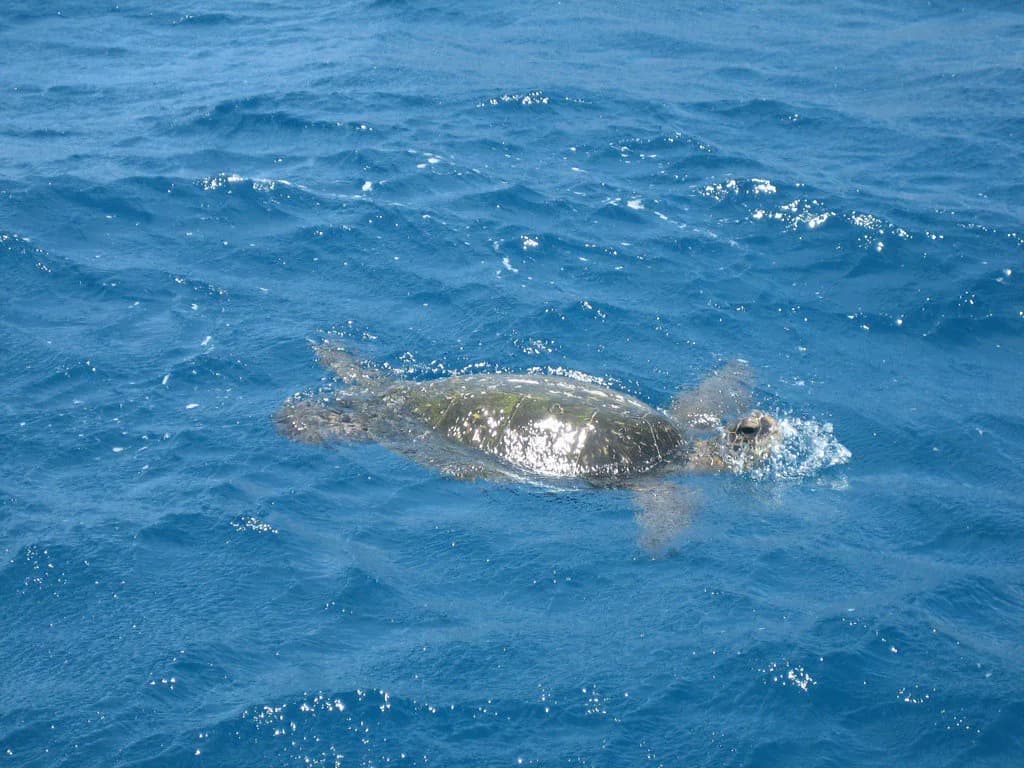
Expect the standard Hawaiian reef cast around the rocky ends and the outcropping: surgeonfish, butterflyfish, wrasses and other colorful reef fish working the coral, plus sea urchins wedged into crevices. Hawaiian green sea turtles turn up around Ulua and the deeper structure near Wailea, usually swimming rather than resting on the sand. None of this is guaranteed on any given morning, and the sandy stretches between the rocks stay quiet because there is little for fish to shelter in.
Keep your distance from turtles and any other marine life, and never chase, touch or feed them. Coral here is shallow enough that fins and hands can do damage, so float over the reef rather than pushing off it. If you carry a camera, tuck the strap away so it does not drag across the coral.
Skill Level and Who Each Beach Suits
Wailea Beach is the beginner pick. The gradual sand entry, mild typical surf and short swim to the end-of-beach reef make it manageable for kids and adults trying snorkeling for the first time. The one thing to weigh is that the beach has no lifeguard, so parents need to stay within arm's reach of young swimmers.
Ulua's north end is a close second for beginners, since the reef starts within a few feet of the sand, though the sand entry and nearby rocks mean you should watch your footing. The outcropping between Ulua and Mokapu is for confident swimmers who are comfortable 50-plus yards from shore and can rest without standing. A floatation belt or board lets everyone in the group take a break without touching the reef.
Best Time of Day
Go early. Mornings are the calmest window at these beaches year-round, and the wind commonly turns strong and gusty from the middle of the day onward. That pattern affects both surface chop and visibility, so a 7 to 9 a.m. start usually beats anything after lunch. Early arrival also solves the parking problem at Ulua and the Wailea Beach access lot, which fill quickly.
If you only have an afternoon, choose the most sheltered end of Wailea Beach and keep the session short rather than swimming to the outcropping. Afternoon wind here is the reliable variable, not the surf, so plan the swim around it instead of hoping it stays flat.
Season and Swell
Summer south swells are the main seasonal change on this coast. They can push shore break onto Wailea Beach and cut visibility over the sand, which makes the rocky ends the better bet and can make the outcropping swim a poor idea on a big day. Winter tends to bring more flat, calm days on the south shore, and the same early-morning rule applies.
When a south swell is running, shift your day rather than cancelling it: snorkel a sheltered end early, then spend the afternoon on the sand or drive to a calmer coast. Checking the forecast and surf report the night before is the single most useful planning step for a Wailea snorkel day.
Getting In and Out
All the Wailea beaches are sand entries, which is their main advantage over the rock entries elsewhere on Maui. Walk in slowly, watch for the slope, and put your mask on before you start swimming so you can see the bottom. At the rocky ends, sea urchins sit in the crevices, so keep your feet off the rock and stand on sand when you need to rest.
Fins help you cover the distance to the reef without exhausting yourself, but they also make it easy to kick coral in shallow water. Switch to a gentle flutter kick over the structure and keep your body flat. On exit, swim in until you can stand on sand rather than reaching for the rocks.
Hazards and Rules
The main hazards are ordinary ocean ones: shore break during south swells, wind chop in the afternoon, and the exposed swim to the outcropping. Wailea Beach has no lifeguard, so there is no one posted to watch the water there. Check the posted signs at each access point for current advisories before you get in.
Rules on this coast are about protecting the reef. Do not touch, stand on or collect coral, do not harass marine life, and keep a respectful distance from turtles. Reef-safe sunscreen is the sensible default for any Hawaii beach day, and leaving nothing behind on the sand is the standard.
Parking, Facilities and Rentals
Wailea Beach has a dedicated beach access road off Wailea Alanui Drive, just past the light at Ho'olei Street, with a lot that fills quickly. The public area has restrooms, outdoor showers, and trash and recycling bins, so you can rinse off before the drive back. Plan to arrive early for a space and walk the beach path to pick your entry point.
Ulua Beach has its own lot off South Kihei Road, entered just after the Andaz hotel when coming from Kihei, and it also fills. If the lot is full, wait for a car to leave rather than parking illegally on the residential streets. Gear rental shops in Kihei stock masks, fins, floats and wetsuits, and the Auntie Snorkel stores serve both Kihei and West Maui if you need to pick up equipment on the way.
Boss Frog's publishes a Maui snorkel map covering dozens of beaches with directions and notes on lifeguards and kid-friendliness, which is useful for comparing entry points along this coast before you commit.
Combining Spots
A good half-day pairs Ulua's north-end reef with the rocky outcropping and then Wailea Beach's ends, since they sit minutes apart on the same road. Snorkel Ulua first thing, drive south to Wailea Beach for a second session as the wind starts to build, and finish with lunch in Wailea. Families with young kids may prefer to pick one beach and settle in rather than moving twice.
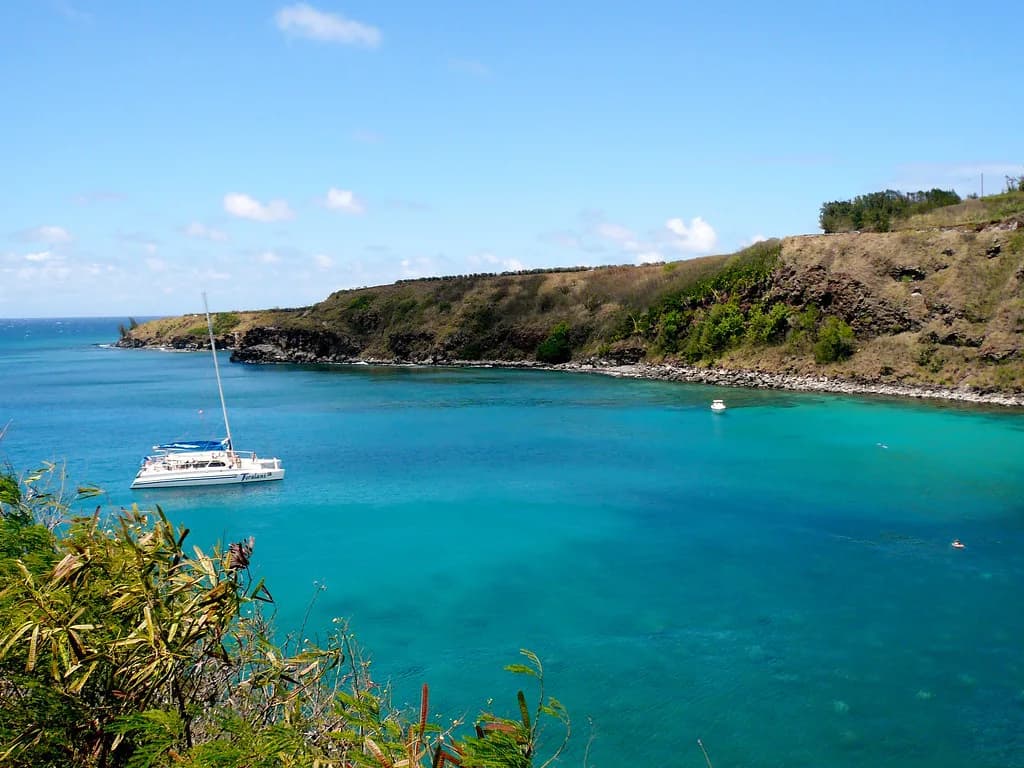
Boat trips to Molokini Crater launch from Maalaea Harbor and make sense when you want a supervised in-water experience, since crew watch the water and provide flotation. Trips can be rerouted to alternate sites when wind makes the crater uncomfortable, so keep a shore day as a backup. If you prefer rock structure and a wilder feel, honolua bay snorkeling on the northwest coast is a different kind of day and a longer drive from Wailea.
Plan Your Wailea Snorkel Day
Build the day around an early start: Ulua's north end or a Wailea Beach end first, then a second session before the midday wind. Bring a float, wear reef-safe sunscreen, and keep your feet on sand and hands off the coral. Weigh the gentle entry against the lack of a lifeguard at Wailea Beach when you decide who swims where.
Watch the surf forecast for south swells, and have a shore-day plan ready for the afternoons. Whether you snorkel from the sand or take a boat, leaving the reef as you found it keeps these beaches worth returning to.
Frequently Asked Questions
Where do you snorkel in Wailea without a boat?
The two reliable shore entries are Wailea Beach, where rocky outcrops and coral patches at either end begin about 30 yards from the sand, and Ulua Beach, whose north end has reef within a few feet of shore. Stronger swimmers can head to the rocky outcropping between Ulua and Mokapu. All three are sand entries, so no boat is needed.
Is Wailea Beach good for beginner snorkelers?
Yes. Wailea Beach has a gradual, sandy entry and typically mild water, so kids and first-timers can start in the shallows and swim a short distance to the reef at either end. The caveat is that the beach has no lifeguard, so parents should stay close to young swimmers and pick a calm morning.
What time of day is best for snorkeling in Wailea?
Morning. Wind commonly builds from the middle of the day, roughening the surface and stirring up the sandy bottom, so a start between 7 and 9 a.m. gives the best odds of clear, calm water. Early arrival also helps with parking at Ulua and the Wailea Beach access lot, which fill quickly.
Do you need reef shoes at Wailea's rocky ends?
They help. The entries themselves are sand, but sea urchins sit in the crevices around the rocky outcrops at the ends of Wailea Beach and near Ulua's north reef. Thin reef shoes let you steady yourself on sand without worrying about your feet, and you should still avoid standing on rock or coral.
Which is better for snorkeling, Wailea Beach or Ulua Beach?
Ulua Beach has the edge for reef quality, especially at its north end and around the outcropping it shares with Mokapu. Wailea Beach wins on space, facilities and a gentle slope, which makes it the better family base. A half-day plan can cover both, since they are minutes apart along Wailea Alanui Drive.
Can you snorkel in Wailea in summer?
Yes, but summer south swells can bring shore break to Wailea Beach and reduce visibility over the sand. On swell days, snorkel early at a sheltered end of the beach and skip the longer swim to the outcropping. Winter tends to produce more flat, calm days on this coast.
What should you be careful of when snorkeling in Maui?
Watch for afternoon wind, shore break during south swells and currents around rocky points, and remember that Wailea Beach has no lifeguard. Keep off the coral, give turtles space, and check posted advisories at the access point before you get in.
Sources
Snorkeling notes for your next trip
Optional updates to our snorkeling guides.
You might also like
Continue reading
More guides you'll find useful