Molokini Crater Snorkeling Guide: Choosing a Maui Tour
Molokini Crater snorkeling is a boat-only trip to a sheltered volcanic caldera off Maui's southwest coast. Here is how tours work, when to go, and what you see.
On this page
Molokini Crater rewards the short boat ride: a crescent of volcanic rock that shelters clear, calm water over coral, with visibility that can reach 150 feet on a good day. It suits first-timers and families who want an easy ladder entry and guides nearby, and it suits confident swimmers who will fin away from the busiest patch of the bowl.
There is no beach here. You board a tour boat at a Maui harbor, cross open water, and drop in from the vessel inside the crater, which is why your choice of boat and departure time shapes the day as much as the reef does.
Why Molokini Crater Is Worth the Boat Ride
Molokini formed more than 230,000 years ago as a partially submerged volcanic caldera, and its crescent shape shields the inside from waves, creating the calm water that makes it so approachable. It is also a Marine Life Conservation District, which is why the reef ecosystem inside ranks among Hawaii's most pristine.
Beginners get flotation vests, belts and boogie boards from most operators, and guides run briefings that cover mask fitting, breathing and finning before anyone enters the water. Strong swimmers get a different payoff: the farther you fin from the entry point, the quieter the reef feels, since several boats can be anchored in the crater at the same time.
Where Molokini Is
The crater sits about three miles off Maui's southwest coast, a crescent-shaped islet visible from the Kihei and Wailea shoreline. Tours leave from Maalaea Harbor, roughly a 20-minute drive from Kihei and longer from the west-side resorts, so plan the morning drive around harbor check-in rather than beach time.
Because access is entirely by boat, there are no park entrance gates or shoreline trails to plan around. Your operator sets the meeting point and slip, and the departure harbor listed on your booking is the one to drive to.
Getting in the Water
Entry is from the boat, not a beach: you descend a boarding ladder into open water inside the crater with crew assisting, then swim to the reef. Boats carry ladders and flotation, and crew stay in the water to help snorkelers in and out, which makes the ladder the main skill to learn rather than a shore break.
Expect a safety briefing before the first splash, with guides marking which areas inside the bowl are open to snorkelers and which are off limits. Swimming toward the crater's outer edge or onto Molokini's shoreline is off limits, and following that guidance keeps you clear of boat traffic.
How Deep It Is and Where the Reef Sits
The snorkeling happens in the shallow, sheltered water inside the crescent, over coral formations that rise close enough to the surface to view comfortably on a breath-hold. The crater's shape is what makes this work: the rock arm absorbs wave energy, so the inner bowl stays calmer than the open channel around it.
Rather than chasing a depth number, work the edges: fin along the inner rim where the coral structure is most varied, keep your distance from the rock itself, and stay inside the zone your guides mark. Snorkelers who want more water to explore should ask the crew which side of the bowl is least crowded that morning.
What You Will See
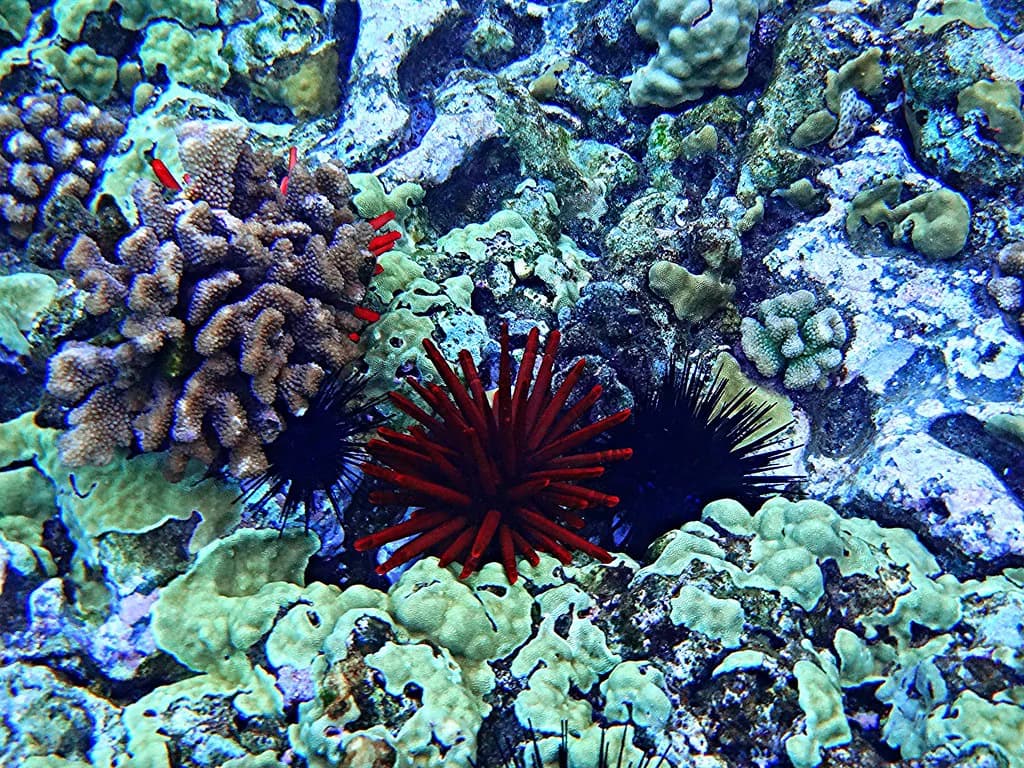
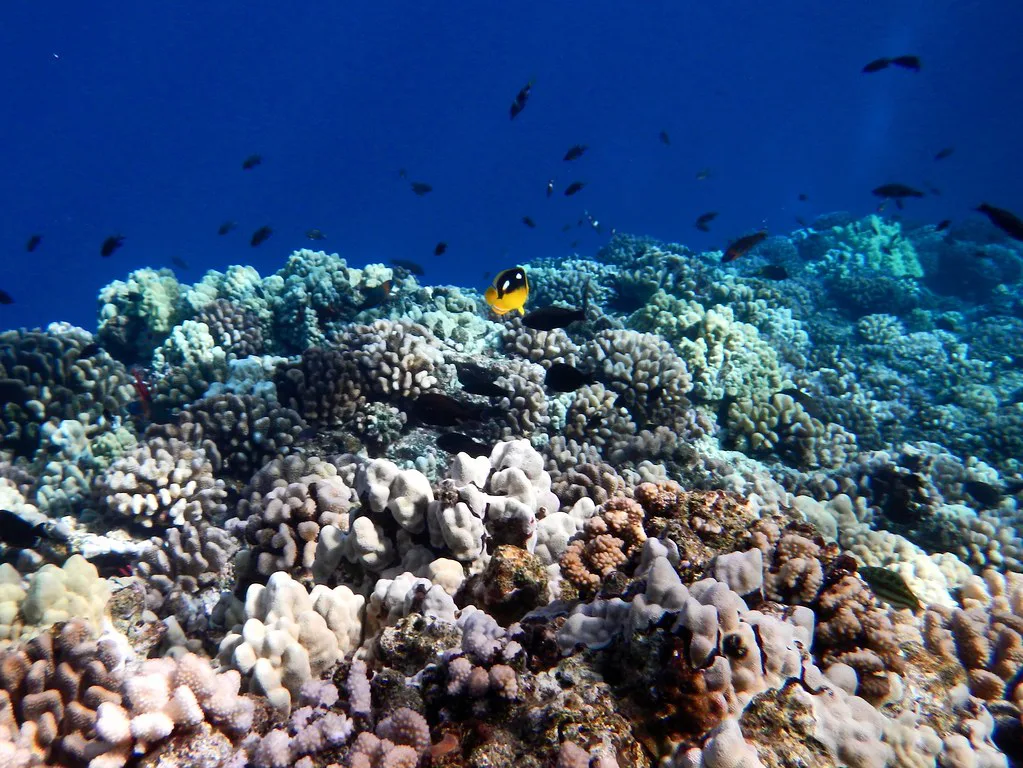
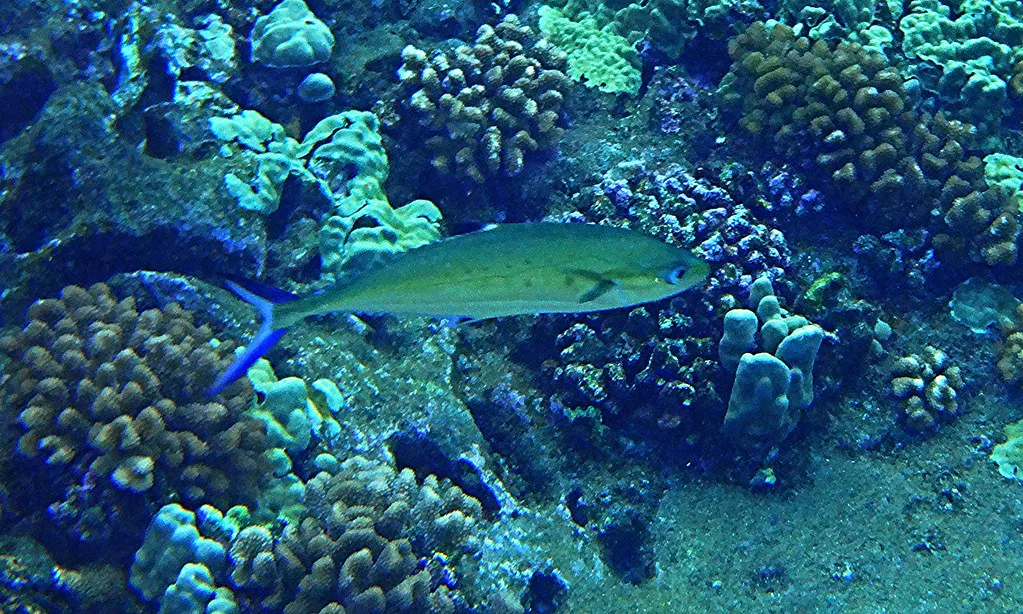
Coral formations and dense tropical fish are the reliable draw, with the clear water letting you spot fish well below the surface. Larger animals pass through occasionally, including reef sharks, rays and monk seals, but these are chance encounters rather than promised sightings.
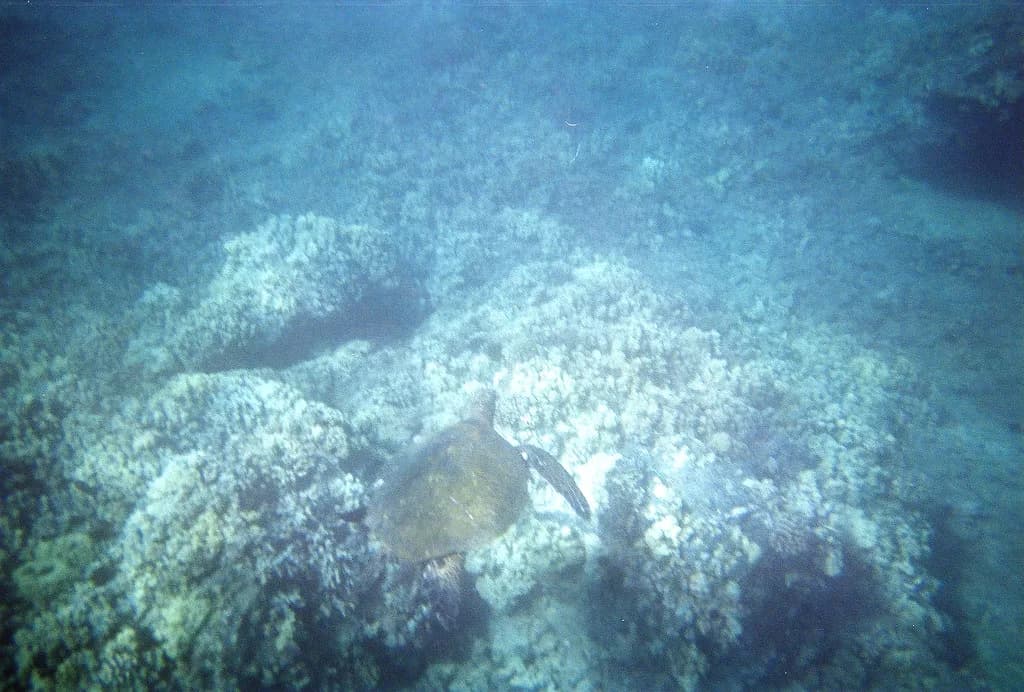
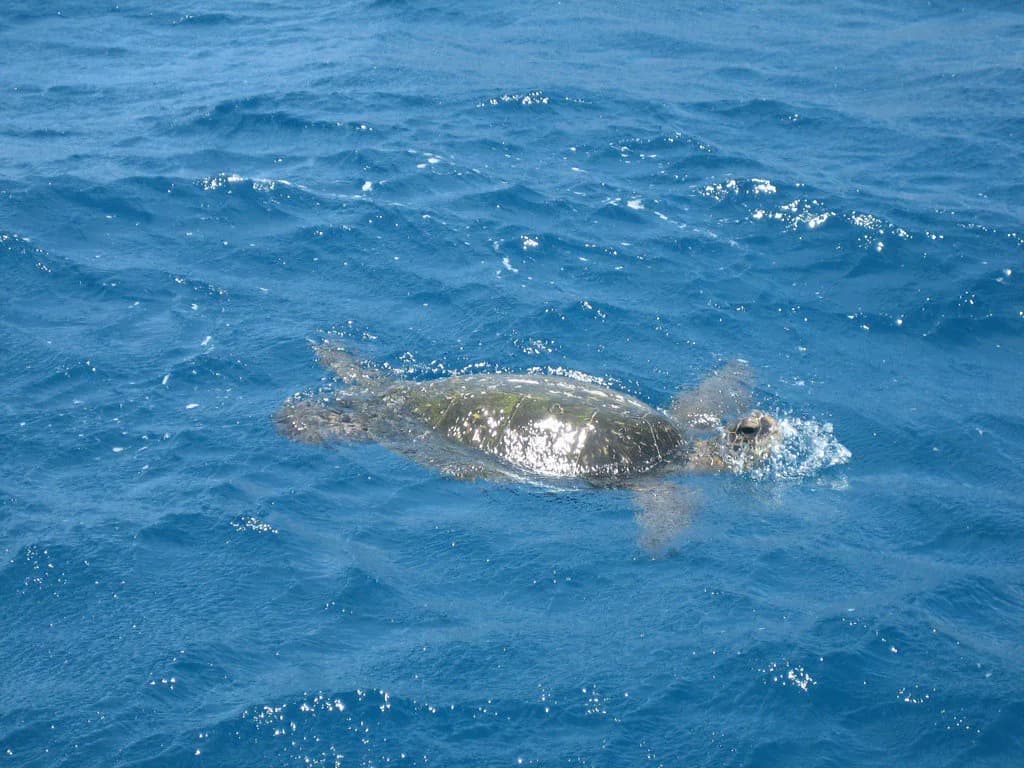
Hawaiian green sea turtles are the headline of the second stop on many trips, the stretch of South Maui coast marketed as Turtle Town. Operators are direct that turtle sightings are not guaranteed, and the etiquette is to keep a respectful distance and never touch the animals.
On the crossing in winter, humpback whales may appear between December and April, and some boats carry hydrophones so passengers can listen to their songs. Treat whale watching as a bonus rather than the reason to book, since wildlife encounters are never assured.
Rules Inside the Marine Reserve
Molokini is a protected Marine Life Conservation District, so touching coral, fish or any other wildlife is prohibited, and fins and hands should stay clear of the reef. Guides brief snorkelers on where they may swim, and staying inside those boundaries protects both you and the coral.
Reef-safe sunscreen matters here: Maui Magic Snorkel asks guests to bring non-aerosol, reef-safe product, partly because aerosol sprays make boat decks slippery. Pack it, since the boat does not supply it.
Best Time of Day
Morning departures are the standard advice, because trade winds tend to build through the afternoon and chop up the surface, cutting visibility and comfort. An early boat also tends to reach the crater before the bulk of the fleet arrives, which matters inside a small bowl.
For a concrete timeline, Maui Magic's morning Molokini and Turtle Town trip checks in at 6:30 AM, departs Maalaea Harbor at 7:00 AM and returns around noon, a five-hour run. That early start is the trade-off for calmer water and a quieter first stop.
Season and Conditions
Winter brings two things to plan around: north and west swell that can make the open channel rough, and the humpback migration from December through April. The crater itself stays sheltered, but the crossing is exposed, so travelers prone to seasickness should think about the ride rather than just the snorkel.
Operators choose snorkel sites and the number of stops based on weather, and the captain decides on the day, so a booking is never a guarantee that the boat reaches the crater. Maui Magic Snorkel notes that all snorkel locations and the number of stops visited are weather dependent and chosen at the captain's discretion, so ask about a company's weather policy when you book so a blown-out morning does not catch you off guard.
Choosing a Tour
Large catamarans such as Calypso trade a little intimacy for stability, shaded decks, restrooms and space for families, while smaller raft-style boats like Blue Water Rafting's inflatables carry fewer people and cross faster. Neither is better in the abstract: pick the raft for a quicker, quieter ride and the catamaran if seasickness or kids are part of the equation.
Read the inclusions before comparing prices: some trips bundle breakfast, lunch and drinks, others charge extra for wetsuits or SNUBA upgrades. Most boats provide masks, fins, snorkels and flotation, and many disallow full-face snorkel masks, so bring a traditional mask if you have a preferred fit.
What a Tour Day Looks Like
A typical Molokini and Turtle Town day runs about five hours door to door, with a crossing of roughly half an hour, a stretch of water time inside the crater, then a second stop along the South Maui coast before the return. The crater segment often feels shorter than expected because boarding and briefing eat into it.
At Turtle Town the mood is looser: boats anchor over reef patches where green sea turtles feed, and snorkelers spread out. Swim alongside a turtle rather than cutting in front of it, and give it room to surface for air.
Costs and Gear
Molokini tours generally run from roughly $150 to $260 per person depending on the vessel, trip length and included meals, which puts the day firmly in splurge territory for a family. Maui Magic's morning Molokini and Turtle Town trip, for example, lists adult and child rates before tax and fees, with a wetsuit rental available as an add-on.
Molokini's water can feel cooler than the shoreline shallows, so a wetsuit top or spring suit helps on longer water sessions, especially in winter. Bring a light jacket for the wind on the crossing, a towel, and your own mask if fit matters to you.
Nearby Spots to Combine
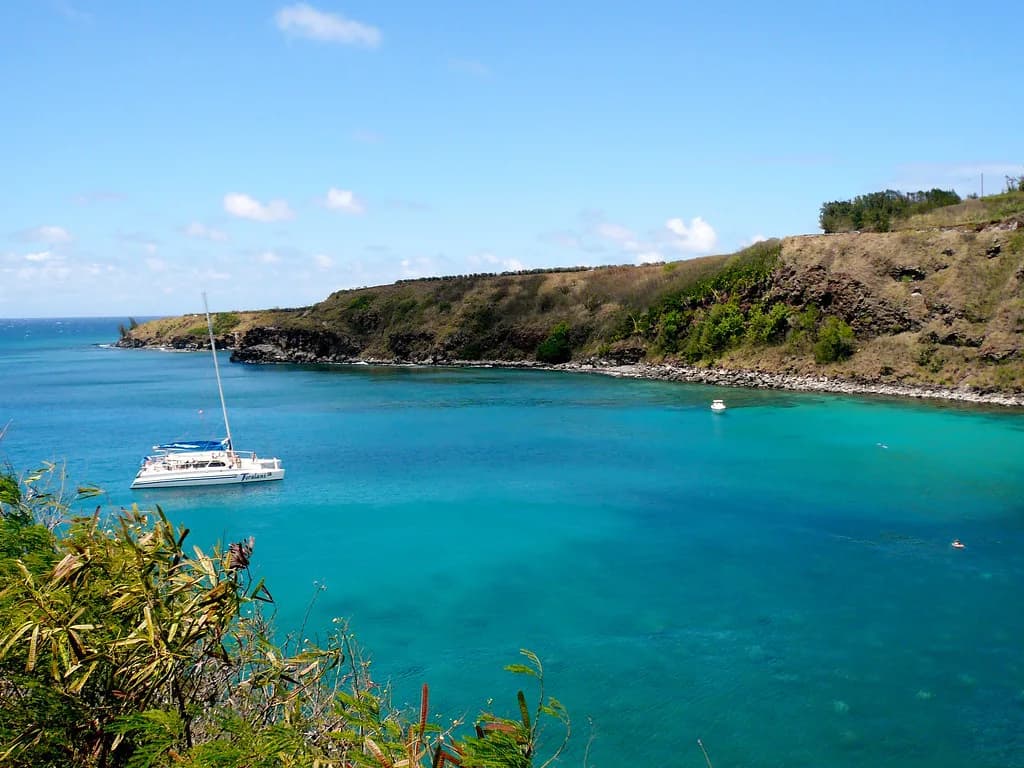
If you want a second water day without another boat ticket, the West Maui coast offers shore entries that balance the paid crater trip. Honolua Bay snorkeling is a quiet, car-and-foot access option on the northwest coast, best on calm mornings before the wind fills in.
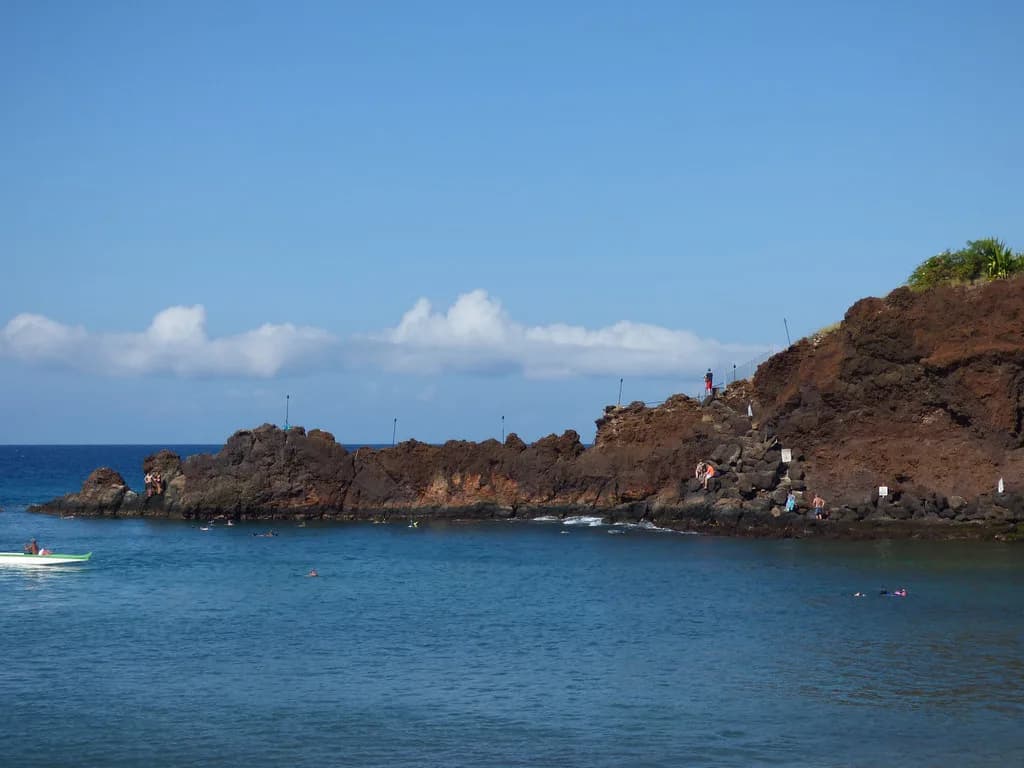
Closer to the resorts, Black Rock off Kaanapali is a walk-in snorkel in front of the Sheraton Maui Resort, easy to fit around a beach afternoon. Kapalua Bay snorkeling gives you another sandy-entry option with a gentler profile if you are traveling with kids.
How to Plan a Molokini Snorkel Trip When You Have a Dog
Molokini Crater itself is a partially submerged volcanic caldera about three miles off Maui's southwest coast and a Marine Life Conservation District. It is reached by boat, and pets are not part of the trip. That means the practical question is not whether your dog can join you on the water, but what to do with your dog while you are aboard. The tours run about five hours, and one operator's morning Molokini and Turtle Town trip checks in at 6:30 AM and returns to the harbor at 12:00 PM, so plan for a dog-care block that covers the whole morning.
Departure logistics matter more when someone is staying behind with the dog. The same morning trip leaves from Ma'alaea Harbor, Slip #55. Plan the handoff and the drive so the dog is settled before check-in rather than waiting in a car at the harbor. The tour itself runs on a schedule that includes a boat ride out to the crater and time in the water, so the person staying with the dog should have a clear pickup time at the harbor.
If someone in your group would rather stay ashore with the dog, that is a reasonable split. One written account describes tours lasting around five hours, with a boat ride to the crater of about 30 minutes, and it notes you need to be able to swim and enjoy being in the water, since flotation devices are available but the tour expects you to know what you are doing in the ocean. A non-swimmer or a dog-sitter can skip the boat and meet the group afterward.
Because morning departures are the norm for these trips, the dog's routine gets shuffled. The 6:30 AM check-in means an early start, so arrange feeding, a walk, and a sitter's arrival the night before. Also agree on who carries the beach gear, since the boat's what-to-bring list covers swimsuit, towels, non-aerosol reef-safe sunscreen, a light cover-up, hat or sunglasses, and cash for parking, wetsuit rentals, and gratuity. Keep the dog's leash, water, and food in the car or at your lodging, not on the boat.
Plan Your Molokini Day
Book a morning boat if you can, favor a stable catamaran if seasickness or young kids are in play, and choose a smaller raft if you would rather share the crater with fewer people. Pair the crater with a Turtle Town stop to make the most of a single ticket, and if you are weighing other island itineraries, compare these options with snorkeling in Oahu before you lock in your boat days.
Pack reef-safe sunscreen, a light layer for the crossing and a mask you trust, and keep your hands and fins off the coral. Check the morning departure status with your booked tour company before you drive to the harbor.
Frequently Asked Questions
How deep is the snorkeling at Molokini Crater?
The snorkeling happens in the shallow, sheltered inner bowl of the crescent, over coral that rises close enough to view from the surface on a breath-hold. Ask your crew which side of the crater has the most accessible structure that morning, since anchoring patterns shift.
Do you need to be a strong swimmer to snorkel Molokini?
You should be comfortable in the ocean, but the sheltered crater is one of the easier places to start. Most boats supply flotation vests, belts and boogie boards, and guides run a briefing on mask fit and breathing before anyone enters the water.
What is the best time of day for a Molokini snorkel tour?
Morning. Trade winds typically build in the afternoon and roughen the surface, so early boats get calmer water and generally reach the crater ahead of the crowd. Expect an early harbor check-in as the trade-off.
Is a Molokini Crater snorkel tour worth the cost?
The tour is a splurge, and the value depends on what is bundled in. Compare operators on trip length, meals, flotation gear and whether a Turtle Town stop is included, then weigh that against a free shore snorkel day elsewhere on Maui.
Can kids snorkel at Molokini?
Yes, and the calm inner bowl plus provided flotation makes it a reasonable first boat snorkel for children. Age policies differ by operator, and some trips advise against very young children, so check the age guidance on the specific tour before booking.
What marine life can you see at Molokini Crater?
Coral and dense tropical fish are the consistent sightings, with occasional reef sharks, rays and monk seals passing through. Green sea turtles are the draw at the paired Turtle Town stop. No operator can promise a specific animal.
What should you bring on a Molokini snorkel tour?
Bring a swimsuit, towel, light jacket for the crossing, non-aerosol reef-safe sunscreen, a hat and a camera. A wetsuit top helps if you plan long water time, and your own mask is worth packing if fit matters to you.
Is Molokini good for whale watching in winter?
Humpback whales migrate through Hawaiian waters between December and April, and many Molokini trips double as whale watches on the crossing. Sightings are never guaranteed, so treat whales as a bonus on top of the snorkeling.
Sources
Snorkeling notes for your next trip
Optional updates to our snorkeling guides.
You might also like
Continue reading
More guides you'll find useful