Maui Snorkeling Tours: How to Pick the Right Boat Trip
Compare Maui snorkeling tours by boat type, departure beach, group size, and snorkel sites, and learn what beach loading and parking really involve.
On this page
A boat gets you to West Maui reef that shore entries cannot reach, and it puts a captain in charge of picking the bay with the clearest water on the day you sail. The trips suit couples and families who want a half day on the water with gear, food, and a bar handled for them, and they suit beginners because crew give snorkel instruction and flotation devices. They are a poorer fit for travelers who dislike getting wet before boarding or who want to snorkel on their own schedule from the sand.
Why a Boat Tour Beats Shore Snorkeling on West Maui
The West Maui snorkel sites that boats reach, including Olowalu and the Kapalua coastline, hold reef that is difficult or impractical to walk into from shore. Trilogy describes Olowalu as a vast reef with corals centuries old and a cleaning station where fish tend turtles and manta rays, which is the kind of feature you cover more ground on by boat. For a broader look at entry points you can swim from, the full guide to snorkeling in maui pairs shore spots with boat options.
Shore snorkeling still wins on cost and flexibility: you set your own start time, skip the check-in, and can leave when the wind picks up. A tour wins on access and logistics, since the captain reads the day's swell and visibility and moves the boat accordingly. Plan a shore session for your first morning on the island and a boat trip for a day when you want the reef without route-finding.
The Three Decisions That Shape Every Trip
Almost every Maui snorkeling tour comes down to vessel type, departure point, and group size. Catamarans are stable and carry a crowd, power boats move faster to distant sites, and rafts keep groups small but sit closer to the water. Departure splits between Kaanapali Beach, where boats load from the sand, and Maalaea Harbor, where you walk aboard at a slip. The same vessel-and-departure decision shapes big island snorkeling tours, where the choice often comes down to how far offshore you want to go.
Group size changes the feel of the day more than most brochures suggest. A 20-passenger raft means quicker entries and exits and more crew attention per swimmer, while a 48-guest catamaran gives you netting to lie on, a proper head, and a full bar. Decide which of those you would trade for the other before you compare prices.
Where the Boats Actually Snorkel
Captains pick the site on the morning of the trip, and the usual West Maui choices run from Olowalu north to Honolua Bay. Olowalu is the most consistent pick for visibility, Mala Wharf offers an artificial reef of fallen pier structure that attracts fish and turtles, and Cliff House at Namalu Bay in Kapalua is a protected cove best reached by boat. Trilogy lists Olowalu as its first choice and may run to the Lanai coastline instead when conditions favor it, checking in at Maalaea Harbor or off Kaanapali Beach.
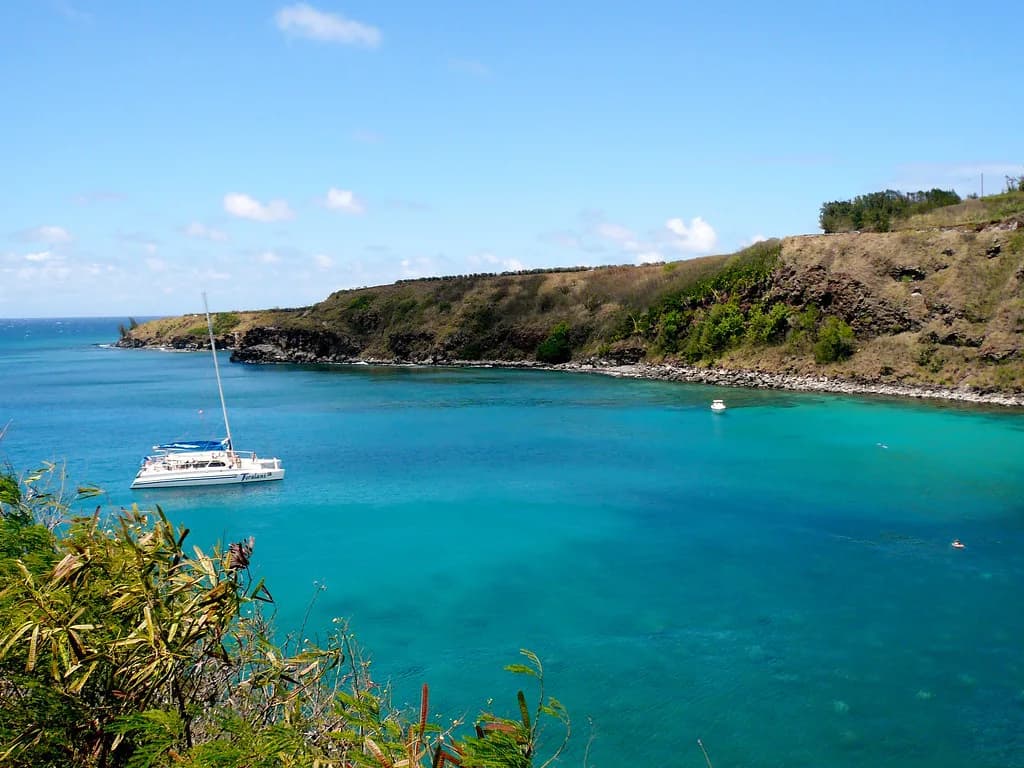
Honolua Bay has the strongest turtle reputation of the group and the least convenient shore access, which makes it a natural boat destination. If you want to study that bay before you book, honolua bay snorkeling covers the layout and what the coral formations look like near the moorings. Boats spread across these sites through the morning, so you are unlikely to share a bay with several other groups at once.
Molokini Crater sits off the south coast and appears on separate itineraries that often launch from Maalaea or the Kihei side rather than Kaanapali. It is a partially submerged volcanic cone with clear water and no beach, so every visit is by boat. Read molokini crater snorkeling if your priority is a caldera wall rather than a West Maui fringing reef.
Beach Loading at Kaanapali
Kaanapali Beach has no harbor or pier, so tours load straight from the sand. A catamaran backs toward the surf break and its crew extends a staircase with handrails into roughly a foot of water, which means wet feet and water around the knees as you climb. Wear a swimsuit, bag your electronics, and expect your shoes to be collected in a bin on the beach.
The physical demand is modest but real, and the main risk crew warn about is head clearance on the stairs. If anyone in your group uses a walker, has limited balance, or struggles with uneven footing in moving water, a harbor departure removes the whole problem. Everyone else should simply plan on carrying a beach bag rather than a rolling suitcase.
Departing from Maalaea Harbor Instead
Maalaea Harbor is the calmer boarding option, with a slip and a dock rather than a surf line. Trilogy sails its West Maui trip from Maalaea, checking in at Slip 62 on the ocean-facing side of the harbor, with a five-hour run that departs at 9 a.m. and asks guests to arrive 30 minutes early. Harbor parking is paid through a QR code system, and Trilogy recommends covering nine hours.
Maalaea also shortens the run to Molokini and the south coast, which is why crater trips cluster there. The trade-off is a longer ride north to the West Maui sites compared with stepping onto a boat at your resort beach. Travelers prone to motion sickness should weigh the shelter of the harbor against the open-water crossing either way, and plan their own comfort measures before boarding.
Turtles, Manta Rays, and Spinner Dolphins
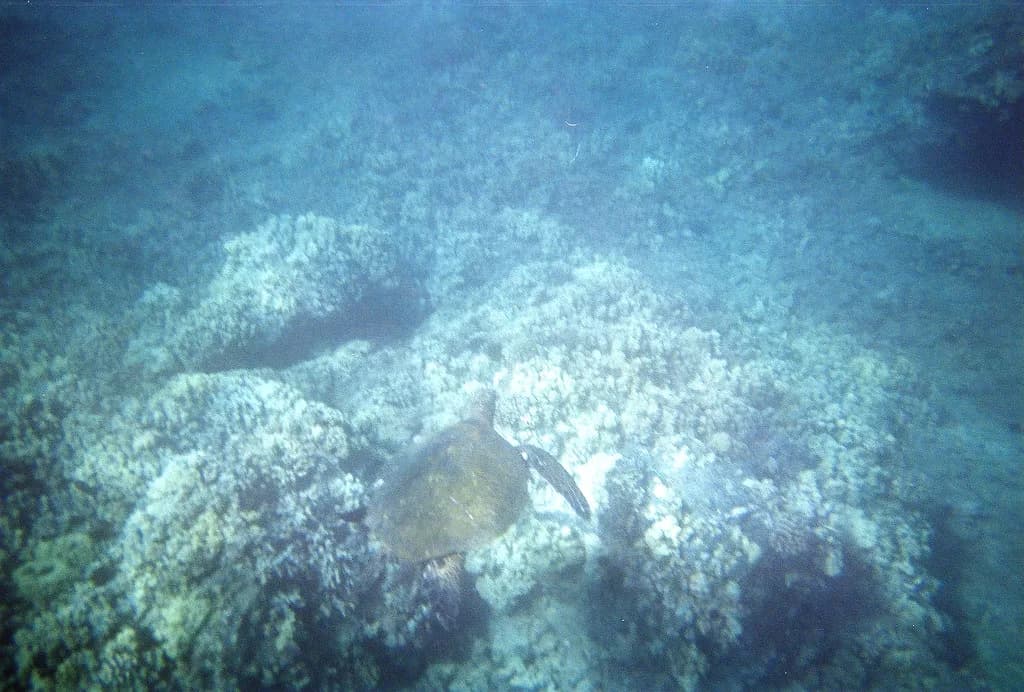
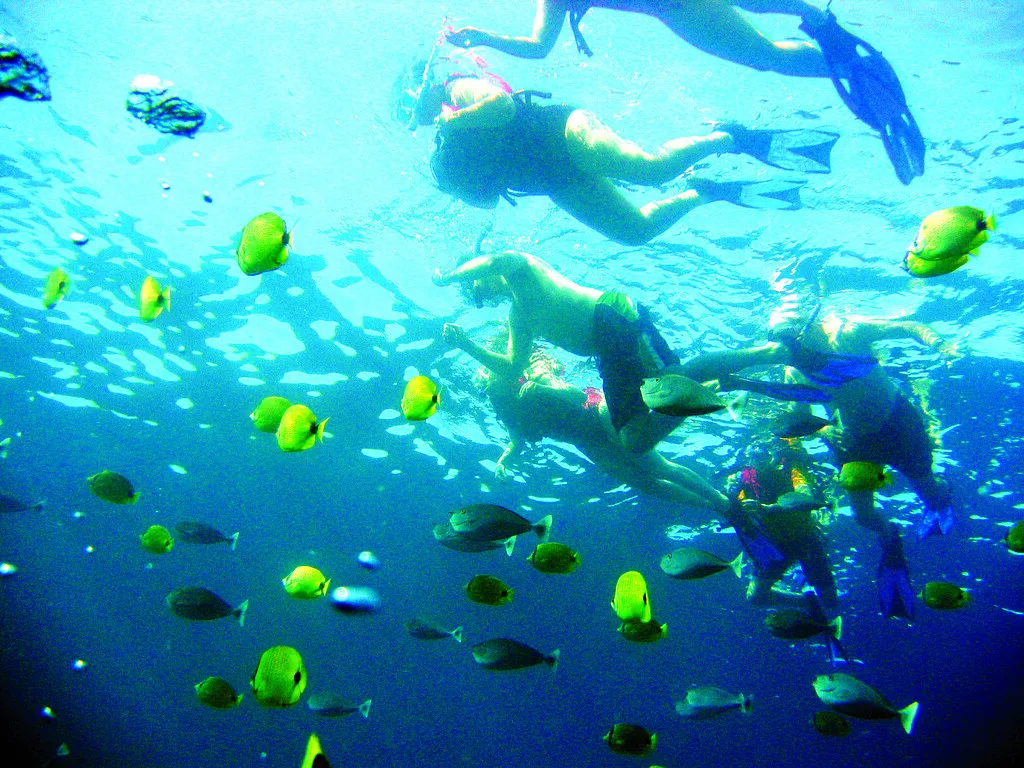
Green sea turtles are the reliable draw on West Maui, with Olowalu and Mala Wharf ranking behind Honolua Bay for the odds of an encounter. Olowalu's cleaning station is where fish pick algae from turtle shells and manta rays hover for the same service. No operator can promise a sighting, so treat turtles as likely rather than guaranteed and keep your distance when one surfaces nearby.
Hawaiian spinner dolphins often run along the Kaanapali coast, and you may see them from the boat on the way out or back. Federal rules prohibit swimming with them, so the show happens from the deck as dolphins ride the bow pressure wave. Trilogy follows Dolphin SMART viewing guidelines and keeps engines neutral or off when animals approach.
Hawaiian monk seals turn up around West Maui reefs, and they are protected animals that need space on the beach and in the water. Give any seal a wide berth and let it move away on its own rather than following it for a photo. The same restraint applies to rays and turtles: watch, do not touch, and never feed fish or wildlife.
Morning Versus Afternoon Departures
Morning trips generally get the calmest wind and the clearest water, and most operators schedule their snorkel runs early for that reason. Trilogy's West Maui trip runs 9 a.m. to 2 p.m., and Sea Maui's half-day snorkel departs at 8:30 a.m. for a 3.5-hour outing with breakfast, lunch, and a complimentary bar included.
Afternoon sails trade that edge for lighter crowds and warmer return legs, and some operators run them seasonally from mid-April into mid-December. If you have a fixed date, book four weeks out in June, July, and August, when the best departure times fill first. For a daily read on wind and swell before you commit, maui snorkeling conditions is worth a look the night before.
Catamaran, Power Boat, or Raft
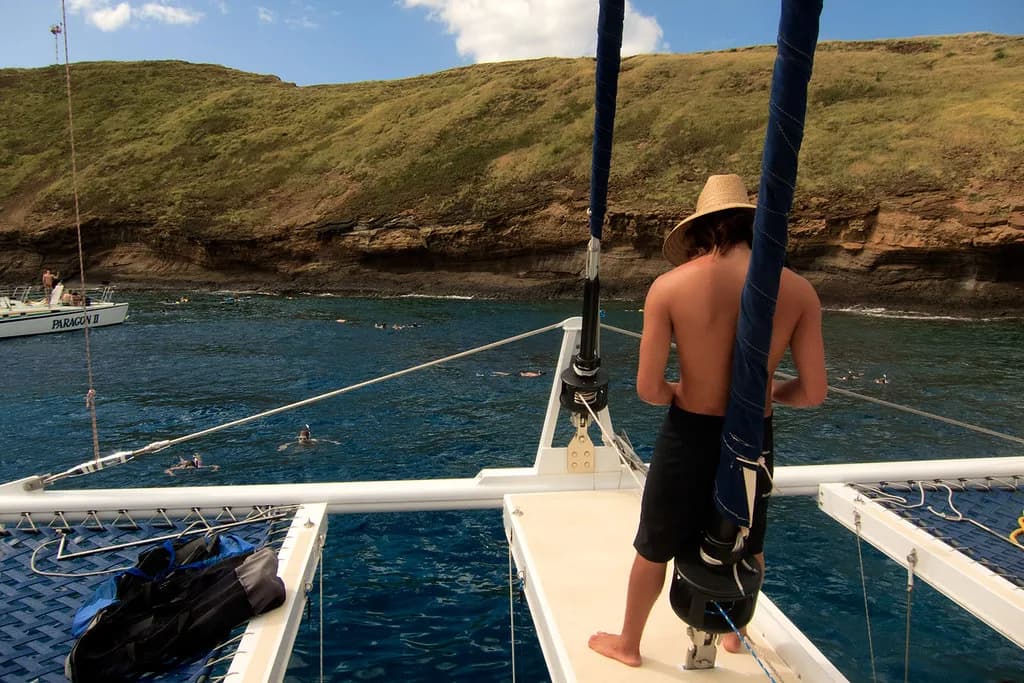
Catamarans are the default for families and beginners: wide decks, netting to sit on, handrails at the stairs, and a stable platform that tolerates chop. Power boats cut transit time to distant sites and carry fewer passengers, while power rafts get you into small coves with the smallest groups but offer limited storage and a wetter ride. Match the vessel to your group's tolerance for motion rather than to the brochure photography.
Every Kaanapali catamaran and raft carries a head on board, and the catamarans have the more comfortable facilities. Captains commonly motor to the snorkel site and raise sails for the return when wind allows, which matters if the sailing is half the reason you booked. Kids do well on any of the three as long as they are comfortable swimming and wearing the flotation the crew provides.
What Is Included and What You Bring
West Maui tours typically include mask, snorkel, fins, and a flotation device, with instruction for anyone who has not snorkeled before. Trilogy's trip adds breakfast, a teriyaki chicken lunch, non-alcoholic drinks, and two premium beverages for guests 21 and over on the return sail, plus reef-safe sunscreen if you forget yours. Bring a swimsuit, a towel, and a light layer for the ride back.
Pack a beach bag you can carry up and down stairs, keep phones in a dry pouch, and bring your own mineral-based sunscreen if you have a brand you trust. Cash or a payment app is useful for crew tips at the end of the trip. If you need a vegan or gluten-free meal, contact Trilogy's customer service when you book rather than on the dock.
Parking and Check-In Logistics
Kaanapali departures meet on the beach in front of Whalers Village or at the resort where your operator loads, and several companies validate parking at the shopping center garage. Trilogy guests boarding at Kaanapali use the Sheraton Maui Resort structure and receive a discounted rate with operator validation, so bring your parking ticket to check-in for a stamp. The four public lots along the beach road hold only about 15 to 20 cars each and fill quickly.
At Maalaea, pay for harbor parking by QR code before you walk to the slip, and note your license plate since the system asks for it. Operators generally send parking directions in the confirmation email, so save them to your phone the day before. Arrive at least 30 minutes before departure to clear check-in and the safety briefing.
Winter Swell and Whale Season
Northwest Maui takes large winter swells, and Honolua and the Slaughterhouse area can turn rough with strong currents and poor visibility. Captains respond by shifting south to Olowalu or Mala Wharf, which is one more reason to book an operator that names several possible sites rather than promising one bay. Your own flexibility on dates helps more than any single booking tactic.
Humpback whales pass through Maui waters from December through April, and Trilogy includes whale watching on its West Maui trip during those months. A winter snorkel sail can therefore double as a whale watch without a second booking. Keep the wildlife distance rules in mind for whales too, and let the crew decide how close the boat drifts.
How to Think About Price and Value
Tour prices track duration, vessel, and service level, and listed rates usually exclude taxes and fees. Kaanapali snorkel tours run from about $112 to $185 per person before taxes, with the half-day catamaran trips sitting in the middle of that band. A shorter express trip costs less but covers less water; a five-hour sail with meals and a bar costs more but replaces lunch ashore.
Compare trips on cost per hour on the water and on what is included rather than on the headline rate. A cheaper ticket that excludes food and drinks can cost more once you buy lunch, and a premium ticket with breakfast, lunch, and an open bar often works out evenly. Confirm each operator's cancellation window when you book, since policies range from 24 to 72 hours.
Combining a Tour with Shore Snorkeling
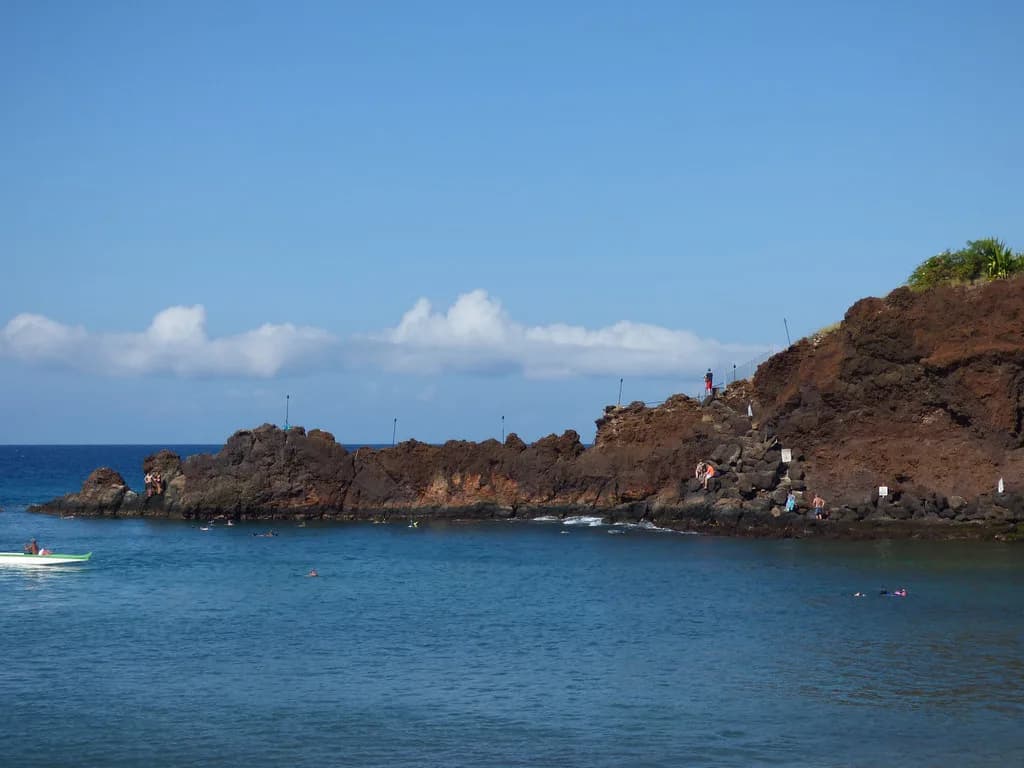
Pair a boat morning with an easy shore session later in the trip. Black Rock at the north end of Kaanapali Beach is walk-in snorkeling with a drop-off, and black rock maui snorkeling explains the entry and the current around the point. Kapalua's Namalu Bay is another shoreline option near the Cliff House the boats visit, so you can compare the cove from both sides.
If your trip includes a Lanai run, plan it as a full day rather than a morning add-on, since the crossing takes time and the boat may land ashore for beach time. Otherwise, keep one buffer day without a booking so you can move a snorkel trip when the swell turns. That single unscheduled day solves most weather problems on a short visit.
Who Each Trip Suits
Families with young swimmers should take a catamaran from Kaanapali or Maalaea, and anyone with mobility limits should board at the harbor rather than the beach. Beginners do fine on the half-day sails that include instruction and flotation, while strong swimmers who want small groups and short boat rides should look at the rafts. Luxury seekers get the most from the longer sails with meals, a bar, and sailing on the return leg.
Whichever trip you choose, book the morning departure, save the parking instructions, and give yourself a spare day for weather. Check the day's outlook with your operator before you drive to the beach.
Frequently Asked Questions
Do Maui snorkeling tours leave from the beach or a harbor?
Both. Kaanapali Beach has no harbor, so boats load from the sand via a staircase into shallow water, and you will get your feet and lower legs wet. Maalaea Harbor offers walk-on boarding at a slip for travelers who prefer a dock.
Which Maui snorkel tour is best for kids or beginners?
A half-day catamaran with included flotation devices and snorkel instruction is the simplest choice, since the crew briefs new snorkelers and the stable deck makes entries easier. Shorter express trips work well for younger children who tire quickly.
Will I see turtles on a Kaanapali snorkeling tour?
Turtles are likely but never guaranteed. Honolua Bay has the strongest reputation for encounters, with Olowalu and Mala Wharf close behind, and captains choose among them based on conditions. Keep a respectful distance and never touch or chase a turtle.
Can you swim with dolphins on a Maui snorkel tour?
No. Federal rules prohibit swimming with Hawaiian spinner dolphins, which often travel along the Kaanapali coast. You can watch them from the boat as they ride the bow wave, with the engines in neutral or off.
Is it better to snorkel in the morning or afternoon in Maui?
Mornings usually bring lighter wind and clearer water, which is why most snorkel departures are scheduled early. Afternoon trips run seasonally and suit travelers who want a later start and a warmer sail home.
Is it worth it to snorkel at Molokini Crater?
Molokini offers clear water inside a partly submerged volcanic cone, and it is only reachable by boat, so it suits snorkelers who want a wall dive rather than a fringing reef. Trips there usually leave from Maalaea or the Kihei side, not Kaanapali.
Sources
Snorkeling notes for your next trip
Optional updates to our snorkeling guides.
You might also like
Continue reading
More guides you'll find useful