Big Island Snorkeling Tours: Which Trip Fits Your Day
Big Island snorkeling tours mostly run from Honokohau Harbor to Kealakekua Bay, with shorter trips to Pawai Bay. Compare ride times, skill rules and what's included.
On this page
Kealakekua Bay holds the reef that makes a boat tour worthwhile on the Kona coast: a shallow coral shelf in a protected marine sanctuary, reached far more easily by sea than by road. Half-day trips from Honokohau Harbor suit beginner snorkelers and families who can swim, while shorter runs to Pawai Bay fit travelers watching their time and budget. This comparison sets out what each style of trip actually involves so you can match one to your group.
Why a Boat Tour Makes Sense at Kealakekua Bay
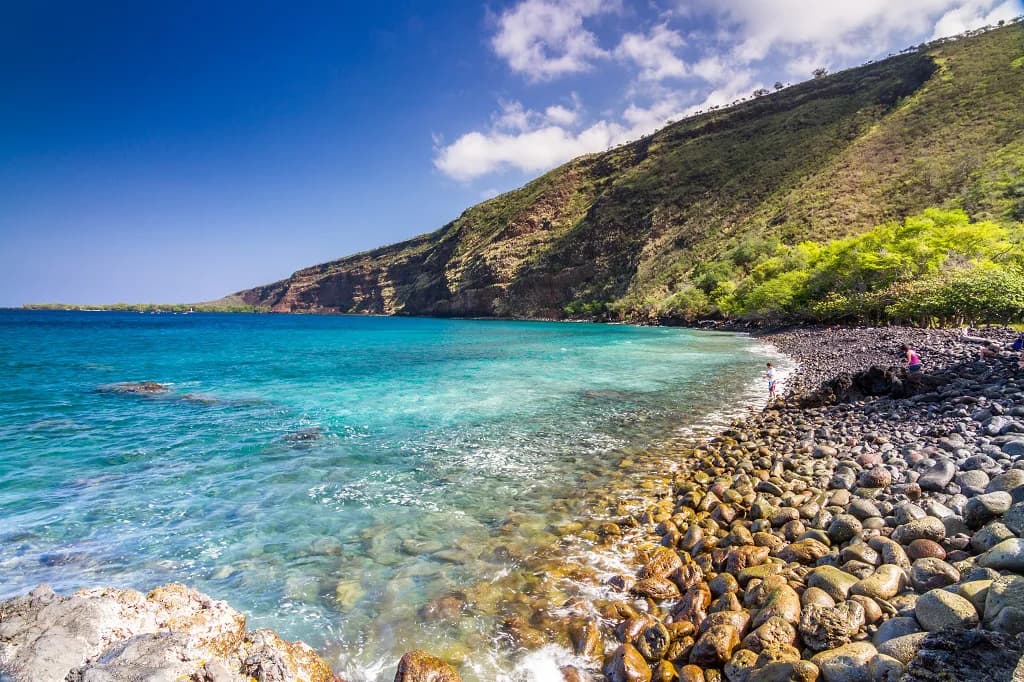
The best reef on this stretch of coast sits inside Kealakekua Bay, a marine sanctuary on the Big Island that shelters the Captain Cook Monument. The bay is a long, cliff-backed inlet, and the monument is most practical to reach by water rather than along the coast road. That geography is why so many Kona snorkel trips are built around a single destination.
Operators describe the bay as one of the top snorkeling destinations in the world, and the protected status is part of the appeal: coral and fish life are shielded inside the sanctuary. If you want a firm grasp of what the bay offers above and below the surface, our Kealakekua Bay snorkeling guide covers the layout and entry points in detail.
The Reef at the Captain Cook Monument
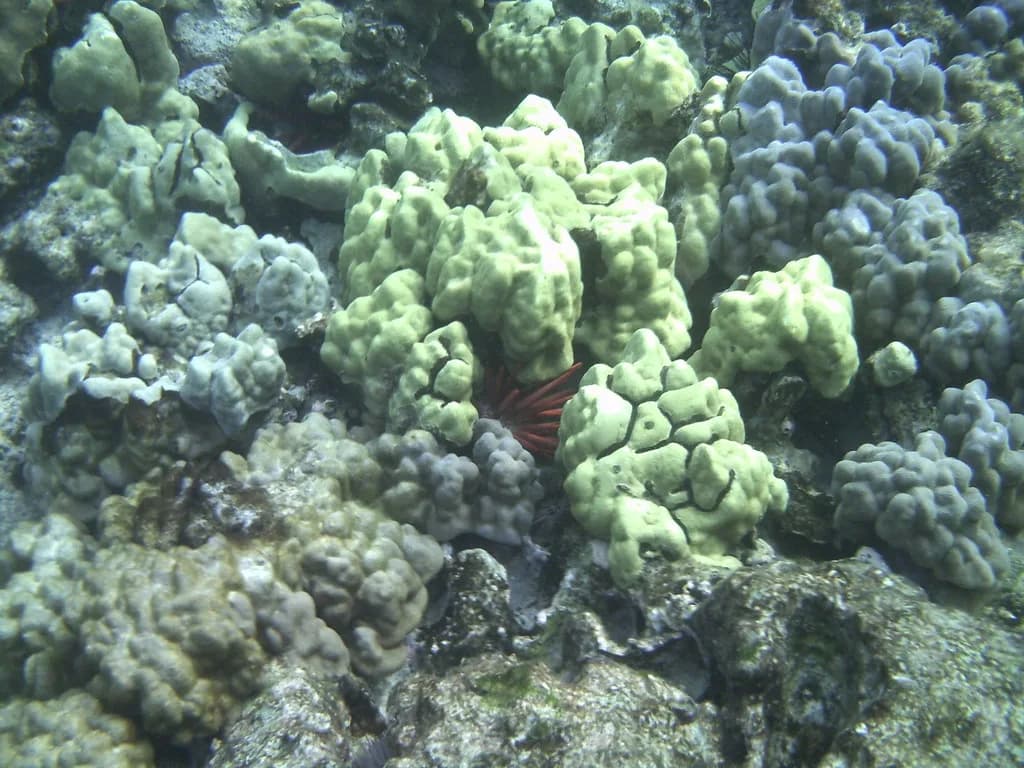
Most of the best coral lies in 5 to 20 feet of water, shallow enough to see clearly from the surface without diving. That makes the monument swim workable for young kids and novice snorkelers who stay with a guide, and it is why operators pitch this trip at all skill levels. Expect schools of golden yellow tangs and butterflyfish over a well-preserved, rainbow-colored reef, along with octopus, eels and a range of Hawaiian corals.
Beyond the shelf the bottom falls away steeply, which gives the bay its dramatic contrast between bright shallows and deep blue. Snorkelers stay over the shallow reef; the drop-off is scenery rather than a place to swim. Wildlife appears often but is never guaranteed, so treat dolphins, rays and winter whales as a bonus rather than the plan.
What a Kealakekua Tour Day Looks Like
A typical Kealakekua trip runs four hours from Honokohau Harbor in Kona, with two departures: 8:30am to 12:30pm and 11:00am to 3:00pm. Check-in takes 15 to 20 minutes, and the coastal ride each way runs an hour or more, with stops for history and wildlife on the way out. Snorkel time in the water is about an hour to an hour and 15 minutes.
The return leg often detours past sea caves and lava tubes carved by old flows, which adds scenery to a trip where the water time is relatively short. If your priority is maximum minutes in the water, a shorter run to a nearer bay buys you more of them. If you want the monument and the cliff scenery in one outing, accept the longer transit.
Adventure RIB or Stable Boat: Choosing Your Vessel
Some Kona operators run rigid-hull inflatables, and the ride can be bouncy depending on ocean conditions, particularly in winter. Basic swimming skills are required to enter the water on these trips, and non-swimmers stay aboard rather than snorkel. Pregnant travelers and anyone with back or neck issues are excluded from the RIB, and Kona Snorkel Trips also advises against the boat for guests around 75 and older and asks additional safety questions of guests 65 and over.
Group size on that boat is capped at 18 guests with a minimum of six, so the water stays uncrowded relative to the bay's popularity. Children must be at least 3 years old and accompanied by an adult. If anyone in your party cannot swim confidently in open ocean, look for a larger, steadier catamaran-style trip instead of the RIB.
Shorter, Calmer Trips to Pawai Bay
Pawai Bay is the local alternative: a two-hour trip from the same Kona operator, open to ages 3 and up, that skips the long run south. It trades the monument and the sanctuary for massive schools of fish, reef, and lava rock arches close to Kona, and the shorter ride leaves less exposure to choppy water. For families with short attention spans or travelers on a tight schedule, that is often the better trade.
Several Kona companies pair dolphin watching with a Kealakekua Bay snorkel stop, and some run whale-watching in season. Compare how much of the listed duration is actual water time before you choose, because a wildlife-focused trip may spend more of the morning cruising than swimming.
Wildlife: Dolphins, Whales and Distance Rules
Hawaiian spinner dolphins enter Kealakekua Bay in the morning to rest after hunting at night, so you may see them at a distance, sometimes spinning and jumping. Humpbacks are often encountered in winter, from December through April. Spinner dolphins and whales are protected under the marine mammal act, and boats observe them only from the designated distance; if dolphins approach, crews take evasive measures to disengage.
Treat every sighting as watching, not interacting: stay with your guide, keep your distance, and never chase, touch or feed any animal. Your own reef etiquette matters as much as the boat's, and the same habits carry over to shoreline sites around the island. Our big island snorkeling guide covers the wildlife rules that apply at beaches and bays as well as from tour boats.
Gear, Flotation and Sunscreen Rules
The Kealakekua trip includes mask, snorkel, fins and additional flotation, plus snacks, juice and sparkling water on board. Bring a swimsuit you are already wearing, a towel, a hat and sun-protective cover-up, and arrive with limited baggage because storage on the vessel is tight.
Reef-safe, non-aerosol sunscreen is required, and Kona Snorkel Trips notes that toxic sunscreen is illegal in the bay, so check your bottle's label before you pack it. A waterproof camera is worth bringing, and GoPro rentals are available if you travel light. Snorkelers who bring their own mask should test the fit at home rather than on the dock.
Pricing, Booking Windows and Cancellation Terms
Rates for the Kealakekua trip are listed on Kona Snorkel Trips' booking page and vary with demand, with a private morning version also offered, both plus tax and fees. Booking earlier generally secures better pricing, and the two daily departure times fill at different rates. Check the live calendar for your date rather than relying on a quoted figure.
Refundable tickets can be canceled in writing up to 48 hours before departure for a full refund, and reservations made inside that window are not eligible. No-shows and late arrivals are not refunded, and Kona Snorkel Trips may cancel for weather, ocean conditions or mechanical issues, in which case it reschedules or refunds. Read the fare type before you pay, because non-refundable tickets are final.
Matching the Tour to Your Group
Families with young children should favor the Pawai Bay trip or a stable-boat operator, since the RIB requires swimming ability and excludes pregnant travelers and people with back or neck problems. Confident swimmers and couples who want the monument and the cliffs get the most from the Kealakekua run. Anyone prone to motion sickness should weigh the hour-plus open-coast transit on the way south.
Cruise-ship passengers can join the 11:00am departure, but Kona Snorkel Trips does not provide transportation and standard cancellation terms apply if the ship cancels. Build a buffer around the four-hour trip rather than cutting the timing close. Travelers staying in Kona can add an evening manta ray night snorkel kona trip on a separate day to spread the water time out.
Snorkeling Without a Tour
Shore entries around Kona and the South Kohala coast cost nothing beyond parking and give you control over timing, but they come with their own skill demands: entries over lava rock, surge, and no guide pointing out the reef. Kahaluʻu Beach Park Snorkeling is the classic beginner shoreline site, with easy sand entry and shallow coral close to the beach.
What you give up without a boat is the sanctuary reef at the monument and the cliff-and-cave scenery on the crossing. What you gain is flexibility and the ability to snorkel early before the day heats up. Strong swimmers can also consider Honaunau Bay, another well-known South Kona shoreline site with deeper water off the entry.
Pairing a Tour With the Rest of Your Kona Day
The 8:30am Kealakekua departure returns around 12:30pm, leaving the afternoon free for the Kona coast: a coffee farm, a shoreline snorkel, or an early dinner in Kailua-Kona. The 11:00am trip suits slower mornings and cruise-ship schedules but eats the middle of the day. Pick the earlier slot if you want a second water session the same day.
For a lighter second outing, Waialea Bay offers a relaxed North Kohala alternative when you are based up that way, and the drive itself is part of the day. Book the boat trip for your first full day so you can reschedule if conditions turn, rather than saving it for the morning of your flight.
Book the Trip That Fits Your Group
For the monument, the shallow coral shelf and the cliff scenery, choose a Kealakekua Bay trip and accept the hour-plus ride each way. For a shorter outing with more time in the water, Pawai Bay delivers reef and fish close to Kona. If you would rather compare how boat trips are structured on another island, our guide to Maui snorkeling tours weighs the same choices.
Book ahead for better pricing, read the fare rules before you pay, and pack reef-safe non-aerosol sunscreen. Confirm departure details with Kona Snorkel Trips and check the day's ocean conditions with the relevant agency before you leave the dock.
Frequently Asked Questions
How long is a typical Kealakekua Bay snorkel tour from Kona?
A standard Kealakekua trip runs about four hours from Honokohau Harbor, including check-in, an hour or more of coastal travel each way, and roughly an hour to an hour and 15 minutes in the water at the monument. Two departure times are usually offered, one in the morning and one around mid-morning.
Do I need to be a strong swimmer to join a Big Island snorkel tour?
Operators running rigid-hull inflatables require basic swimming skills to enter the water and do not allow non-swimmers in, though non-swimmers can stay on the boat. Pregnant travelers and people with back or neck issues are excluded from that vessel. If your group includes weak swimmers, look for a larger, steadier boat.
What will I actually see at the Captain Cook Monument?
Most of the coral sits in 5 to 20 feet of water, so you can see it from the surface. Expect schools of yellow tangs and butterflyfish, octopus, eels, and varied Hawaiian corals. Spinner dolphins rest in the bay in the morning and humpbacks pass in winter, but wildlife sightings are never guaranteed.
Is Pawai Bay a good alternative to Kealakekua?
Pawai Bay is a shorter trip from Kona, open to ages 3 and up, with reefs, large fish schools and lava rock arches. It skips the long ride south and the monument itself. Choose it if you have less time, younger children, or want less exposure to choppy open-coast water.
What should I bring on a Kona snorkel tour?
Wear your swimsuit, and bring a towel, hat, sunglasses and sun cover-up. Reef-safe non-aerosol sunscreen is required, and toxic sunscreen is illegal in the bay. Mask, snorkel, fins and flotation are included on the Kealakekua trip, and storage space on the boat is limited.
Can cruise-ship passengers join these tours?
Yes, the later morning departure works for cruise schedules. Transportation is not provided, and standard cancellation terms apply if your ship cancels, so allow a buffer around the four-hour trip. Check your ship's all-aboard time before booking.
Sources
Snorkeling notes for your next trip
Optional updates to our snorkeling guides.
You might also like
Continue reading
More guides you'll find useful