Hapuna Beach Snorkeling: Big Island Spots and When to Skip
Snorkeling Hapuna Beach means a long swim to rocky points at either end. Learn entry, depths, likely fish, morning conditions, hazards, and park fees.
On this page
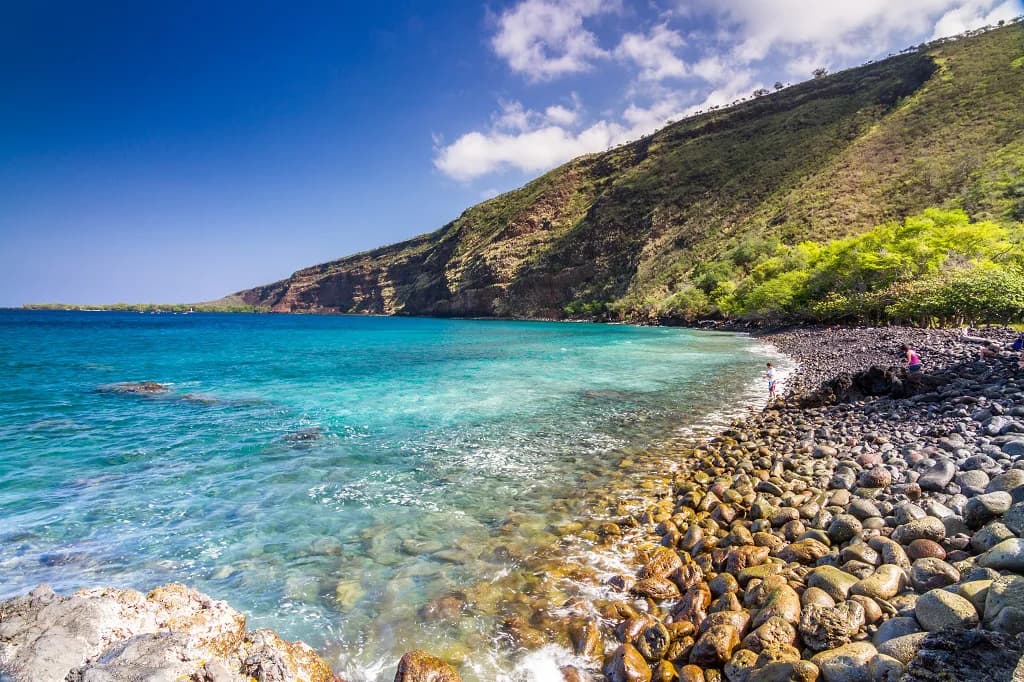
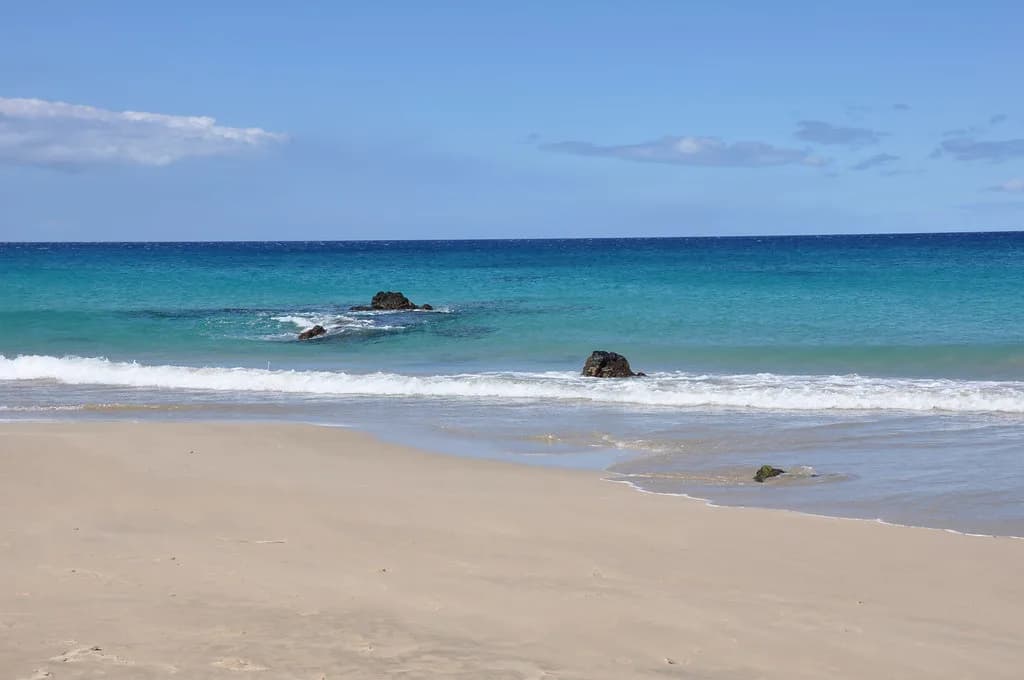
Hapuna Beach delivers the postcard version of the Big Island: a broad crescent of golden sand on the Kohala Coast, backed by shade trees and fronted by water that turns clear enough to snorkel when the ocean settles down. The snorkeling itself hides at the two rocky points that close off the bay, so the reward comes after a real swim rather than at the shoreline. That makes this a satisfying stop for confident swimmers who want a beach day with a reef edge attached, and a less obvious pick for families hoping to float over coral a few feet from the towel.
Why Hapuna Rewards a Swim
The appeal is the combination: a long white-sand beach with restrooms, showers, and lifeguards, plus two points where reef life gathers. Neither point puts interesting bottom under you immediately. You walk in over sand, get your fins on once you can float, and then cover distance before the fish density picks up. Snorkelers who accept that trade get a spacious beach day with a genuine snorkel at each end, and the option to retreat to the sand when the swell builds.
Treat this as an intermediate-to-advanced snorkel rather than a first-timer's classroom. The points sit on exposed rock, the swims are measured in hundreds of feet, and visibility is often modest because sand stays suspended and a freshwater layer can sit on the surface. Beginners who want shallow, protected water and quick access to fish will find an easier start at Kahaluu Beach Park Snorkeling, where the entry and reef sit close together.
Where Hapuna Sits on the Kohala Coast
Hapuna Beach State Recreation Area lies north of Kailua Kona and the Waikoloa resort area, close to mile marker 70 on Highway 19, also signed as Queen Kaahumanu Highway. From Kona, follow Highway 19 north past the Puako Road turnoff, then turn toward the ocean at the Hapuna Beach sign and drive a quarter mile to the lot. The Westin Hapuna Beach Resort occupies the north end of the bay, which helps orient you: the resort side is the left end as you face the water, and the south point is a walk down the beach.
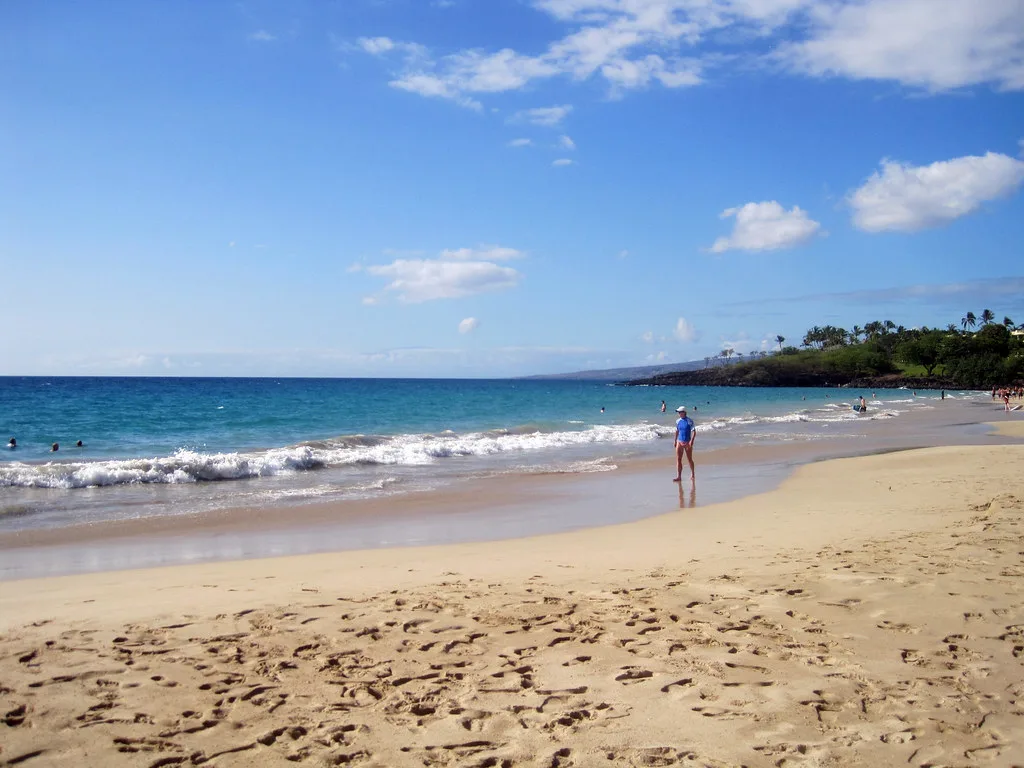
The beach runs roughly half a mile, with the parking lot set just behind the sand and shade trees along the back edge. Because the lot is close, you can carry fins, water, and a cooler without a hike, but you will still walk the length of the beach if you want the south point. Plan your entry point before you set down your gear, since crossing the beach twice with a mask in hand is the least pleasant part of the day.
Getting In From the Sand
Entry is as easy as it gets: a sandy beach with a gentle slope in calm conditions, no ladder, no rocks to time, no boat. Walk to whichever end you plan to snorkel, wade in barefoot, and pull your fins on once the water is deep enough to float. On a calm morning that sequence takes a minute; when shore break is running, the same easy entry becomes the hardest part of the day, so watch a few sets before committing.
The South (Right) End: Fish and Turtles Sooner
Stand facing the ocean and the right end is the south point, past a stretch of sand and a small cove. Snorkel along the rocky edge and you find fish quickly, with the bottom running from a few feet near shore to roughly 25 feet around the point. Urchins are abundant on the rock, so keep your hands and knees clear, and watch where you place your feet when you stand up.
This side is the better bet for turtles, and the reef there holds a modest amount of live coral among the rock and urchin cover. A full loop around the first large point and back to the beach covers about 2,000 feet, which is a serious swim rather than a quick dip. A smaller point beyond adds several hundred more feet each way, and is worth it only when the water is calm and you have reserve energy.
The North (Left) End: A Longer Swim to the Small Bay
The left end demands patience. Swim beside the rocks over a sandy bottom in a few feet of water, and the first small point passes with little to see; life picks up a few hundred feet beyond it. Continue past the second small point, roughly 1,000 feet from shore, and a small bay opens up with fish, scattered coral, and some bottom topography worth exploring. Rocks breaking the surface a couple hundred feet out hold life around them, with depths outside reaching about 30 feet.
A more prominent point farther along has reef that drops off quickly and lies more than 1,600 feet from shore, making a round trip well over half a mile. That is the practical turnaround: beyond it you are deep, exposed, and far from help. Choose this end if you want distance and quieter water time, and the right end if you want the shortest route to fish and turtles.
What You Will See
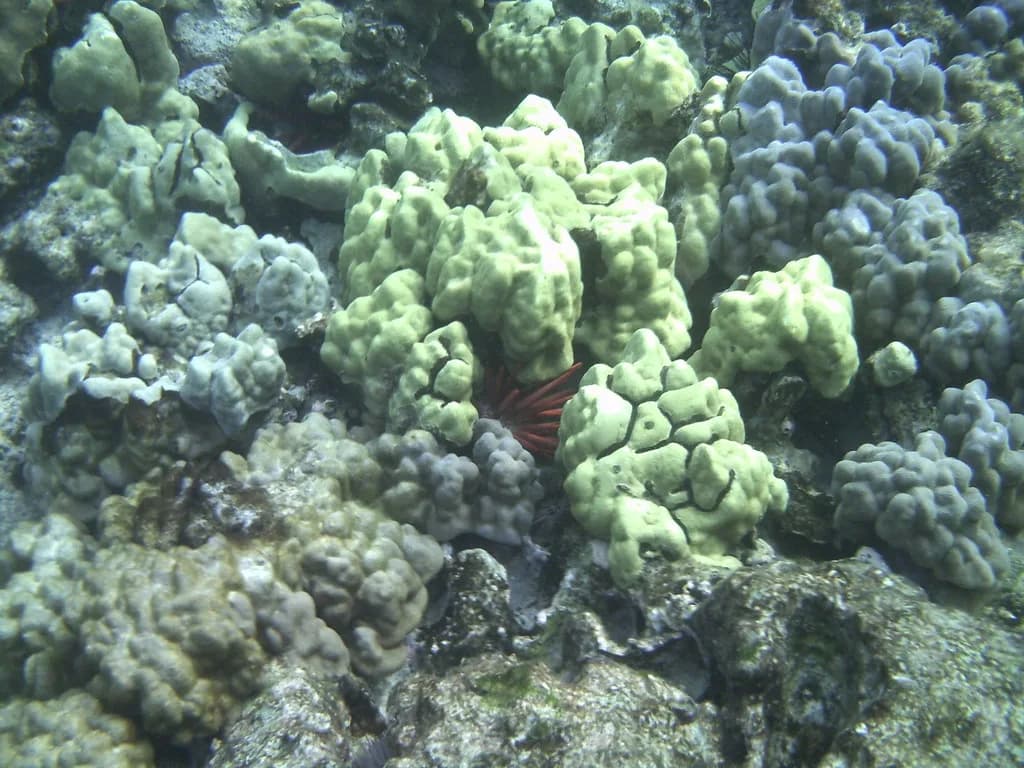
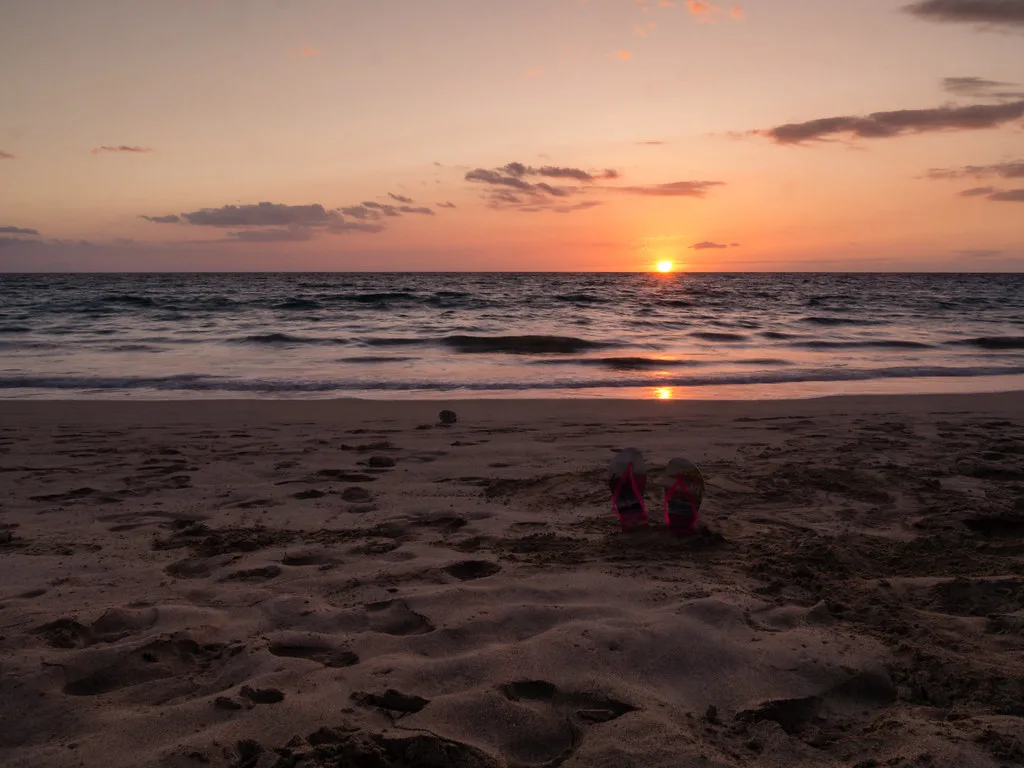
Expect a working reef rather than a coral garden. The rock supports butterflyfish, surgeonfish, parrotfish, triggerfish including the humuhumunukunukuapua'a, damselfish, wrasses, and schools of chub, goatfish, and snapper, along with arc-eye and stocky hawkfish perched on the rock. Lobe coral appears in patches, and the reef floor is busy with banded and blue-black urchins, sea cucumbers, and the occasional turtle, most reliably on the south side.
Visibility is the honest limitation. Kicked-up sand near the beach and a freshwater layer on the surface cut clarity, so the better viewing usually comes after you have swum out a bit. Give turtles and other wildlife room, never touch or feed anything, and keep your fins off the bottom and off the coral.
Best Time to Go
Mornings are the reliable window on the Kohala Coast, and Hapuna follows that pattern: calmer water, lighter wind, and better visibility before the day builds. Arrive near opening if you want a shaded spot and an easy parking space, especially on weekends when the lot fills quickly. Summer tends to bring the calmest seas, making both ends approachable for competent swimmers.
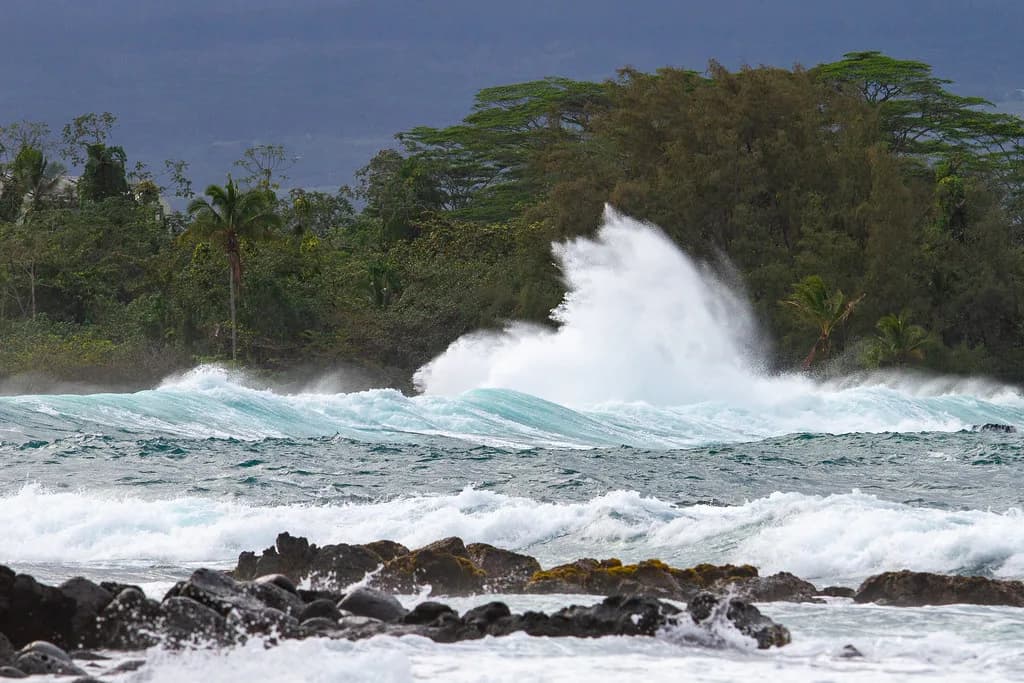
Winter changes the calculus. When surf rises, waves over three feet bring rip currents and a pounding shore break, and the beach shifts from a snorkel destination to a spot for strong surfers and bodysurfers. On those days, drive a few minutes south to Beach 69 Snorkeling, where Waialea Bay stays quieter and calmer when Hapuna is working against you.
Hazards at the Points
Both snorkeling areas sit on exposed rocky points, which means current, surge, and waves are part of the picture even on decent days. Once you round the first point on the left end, you leave the lifeguards' sightline, so a buddy, a float, and a conservative turnaround matter more here than at a protected bay. Turn back well before you feel tired, because the return leg is longer than it felt on the way out.
Urchins on the south point are the other practical hazard, and they sit exactly where you might put a hand down to steady yourself. Watch the weather and swell before you commit, and treat a rising surf report as a reason to change plans rather than a challenge.
Parking, Fees and Hours
Non-resident visitors pay an entrance fee of 5 dollars per person and a parking fee of 10 dollars per vehicle, both collected at the gate by credit card, with children three and under free and no advance booking. Hawaii residents with a valid state ID have both fees waived. The park opens at 7 a.m. and the gates close at 8 p.m., so plan your exit with afternoon traffic in mind.
Parking and shade both go early, particularly on weekends, and the lot sits a quarter mile off the highway close to the sand. Check the DLNR State Parks page before you drive out for current fees, closures, and any improvement work affecting access.
Facilities and Shade
Behind the sand you find restrooms, cold showers, a drinking fountain, and a covered picnic pavilion, with lifeguards on duty year-round and plenty of trees for shade. There is a short walk from the lot to the beach, but no food or gear concession is operating at the park right now, so bring your own water and snorkel equipment rather than counting on rentals.
For families with small children, the facilities make Hapuna an easy beach day even if the snorkeling is left to the stronger swimmers. Set up under a tree near the north end for shade and the resort backdrop, or walk south if you want to be closer to the shorter snorkel route.
Reef Etiquette
Hapuna is a state recreation area, and the usual Hawaii rules apply: keep a respectful distance from sea turtles, never touch or feed marine life, and stay off live coral. Urchins and rough rock make standing anywhere but sand a bad idea, so find a sandy patch before you adjust your mask or fins. Reef-safe sunscreen and a rash guard reduce what washes off while you swim.
Nearby Spots to Combine
Waialea Bay, or Beach 69, sits just south and is the natural backup when Hapuna's surf is up, with a reputation for staying calmer and quieter. Mauna Kea Beach lies north along the same coast, and the Ala Kahakai coastal trail passes right behind Hapuna, so a morning snorkel can pair with a flat walk along the old shoreline path. Carry water on the trail, since there is none along the route.
If your trip has room for a second water day, the sheltered bays south of Kona are worth the drive for easier entries and dependable fish life. Kealakekua Bay snorkeling offers a completely different day, and a Manta Ray Night Snorkel in Kona out of Honokohau Harbor fills an evening without competing with your beach hours. If island-hopping is on the itinerary, compare this shore-entry approach with snorkeling in Maui, where Molokini and the west-coast beaches set a different bar for boat and beach days alike.
Plan Your Hapuna Snorkel Day
Pick the right end for turtles and a shorter route to fish, or the left end for distance and a small bay past the second point. Go early, bring your own gear, and treat surf over three feet as a signal to shift to calmer water nearby.
Frequently Asked Questions
Is Hapuna Beach good for snorkeling?
It is decent rather than spectacular. Both ends of the beach have rocky points with fish, urchins, and some coral, but low visibility from suspended sand and a freshwater surface layer means you swim out before the view improves. Confident swimmers get the most from it.
Which end of Hapuna Beach is better for snorkeling?
The south, or right, end puts you near fish and turtles sooner, with depths to about 25 feet around the first large point and a loop of roughly 2,000 feet. The north end requires a swim of about 1,000 feet past two small points before a small bay opens up, so it favors snorkelers who want distance.
How far do you have to swim to snorkel at Hapuna Beach?
Around the first large point on the right end, a full loop back to the beach runs about 2,000 feet. On the left end, the first 1,000 feet or so offers little beyond sand and scattered fish, and a farther point sits more than 1,600 feet from shore, making a round trip well over half a mile.
Can beginners snorkel at Hapuna Beach?
Beginners can handle the sandy entry and shallow water near shore, but the interesting snorkeling requires long swims around exposed points with current and surge. Calmer, protected bays with quick access to fish make a better first snorkel before tackling Hapuna's points.
When is the best time of day to snorkel Hapuna Beach?
Mornings bring calmer water and lighter wind on the Kohala Coast, and arriving near the 7 a.m. gate opening also secures parking and shade. Summer generally offers the calmest seas for both ends.
Do you need to pay to park at Hapuna Beach?
Non-resident visitors pay a per-person entrance fee and a per-vehicle parking fee at the gate, by credit card, with no advance booking. Hawaii residents with valid state ID have both waived. The DLNR State Parks page lists the amounts currently charged.
What fish will I see snorkeling Hapuna Beach?
Look for butterflyfish, surgeonfish, parrotfish, triggerfish including the humuhumunukunukuapua'a, damselfish, wrasses, and hawkfish on the rock, plus schools of chub, goatfish, and snapper. Sea urchins, sea cucumbers, and turtles are common, with turtles more likely on the south side.
What nearby beach offers calmer snorkeling?
Waialea Bay, or Beach 69, sits just south of Hapuna and stays quieter and often calmer when Hapuna's surf comes up. It is the easiest alternative to pair with a Hapuna beach day.
Sources
Snorkeling notes for your next trip
Optional updates to our snorkeling guides.
You might also like
Continue reading
More guides you'll find useful