Kealakekua Bay Snorkeling: Big Island Tours vs Hike Access
Kealakekua Bay snorkeling centers on the reef off the Captain Cook Monument. Compare boat tours and the Kaʻawaloa hike, plus what you'll see and when to go.
On this page
Kealakekua Bay is the Big Island's marquee snorkel for one simple reason: the sea cliffs that wrap the bay block wind and open-ocean swell, so the water off the Captain Cook Monument usually sits calm and clear. That shelter makes it a realistic first ocean snorkel for families and nervous swimmers, provided they arrive by boat rather than on foot. The reef itself is a protected Marine Life Conservation District, which is why fish are numerous and approachable.
You have two realistic ways to reach the water: a guided boat that ties up off the monument, or the steep Kaʻawaloa Trail down from the highway. The boat removes the physical work and puts you in deep open water at the ladder; the trail keeps you shore-based but demands fitness and self-reliance. Choosing between them is the main decision in planning a day here.
Where the Bay Sits and How It Is Laid Out
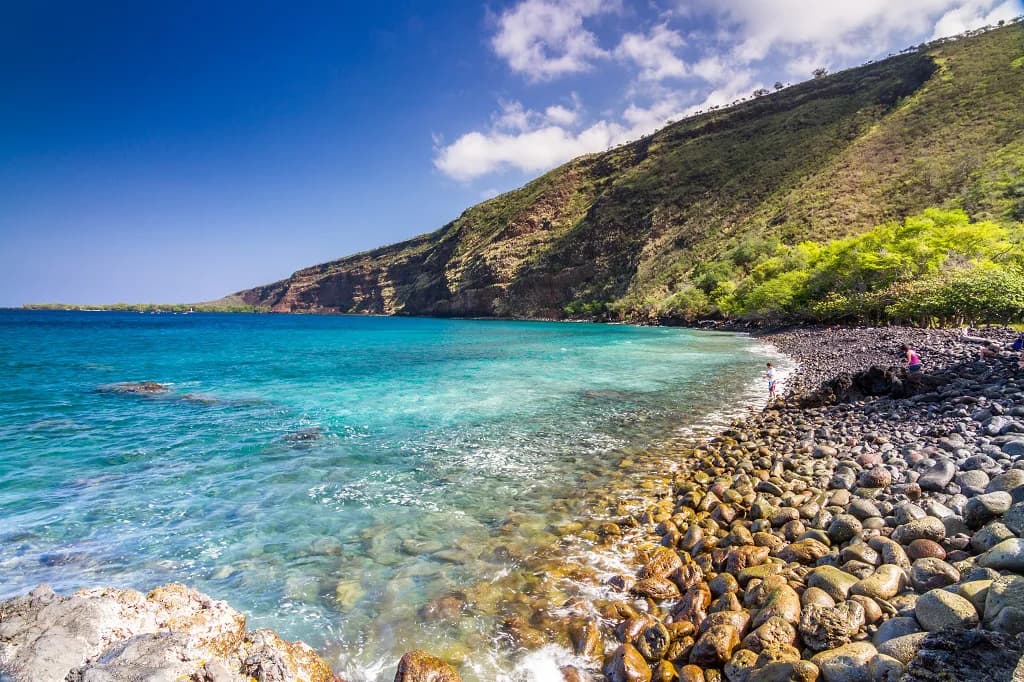
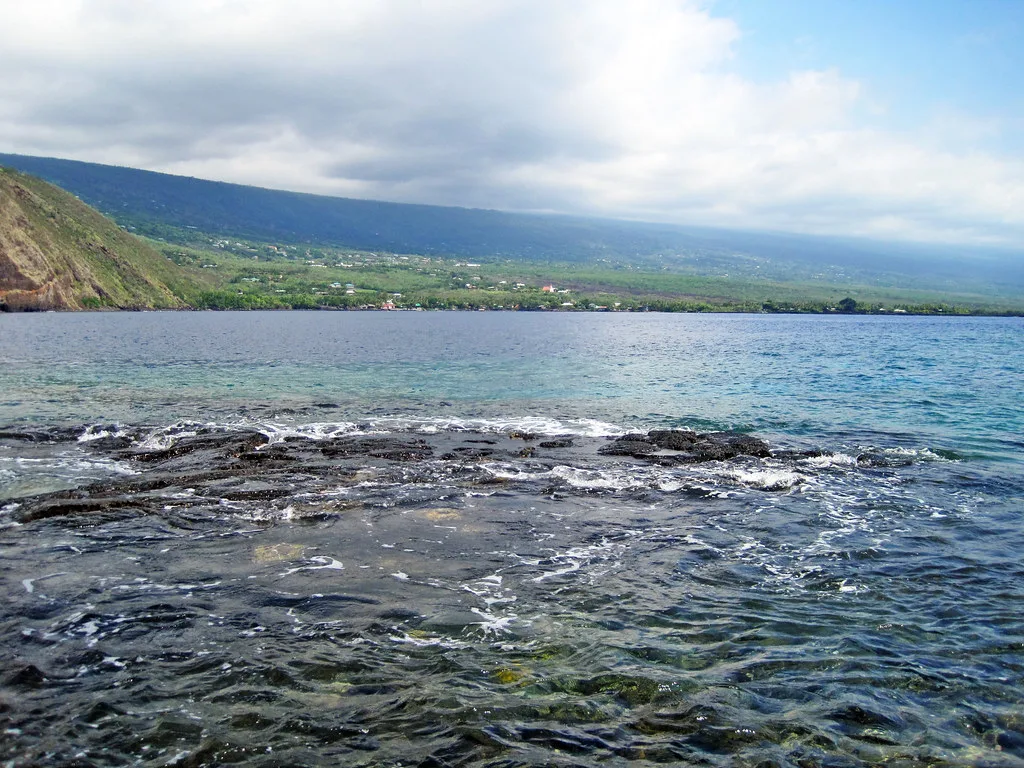
Kealakekua Bay lies south of Kailua-Kona on the Kona coast, a deep blue inlet backed by towering lava cliffs. The snorkeling concentrates at the northern end, in front of the white Captain Cook Monument at Kaʻawaloa, where the reef slopes down from the rocky shoreline into deeper water. There is no road to that shoreline, which is exactly why the reef stays healthy.
Above the bay, Kealakekua Bay State Historical Park protects the cultural sites around the water, while the monument itself marks the approximate spot where Captain Cook was killed in 1779. A 27-foot white obelisk stands on a small parcel of land deeded to the United Kingdom, so you are snorkeling beneath a piece of British territory. Treat the shoreline and heiau sites as places to look at from the water, not to walk over.
The Protected Reef and What It Means for Snorkelers
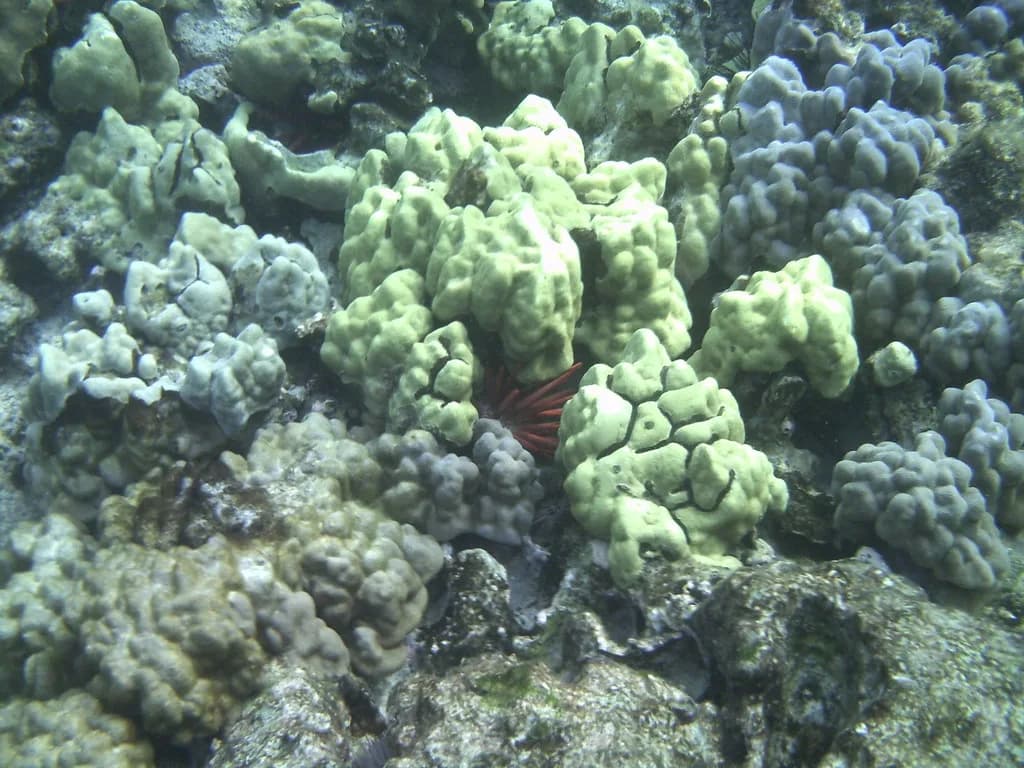
Kealakekua Bay was designated a Marine Life Conservation District in 1969, and the protection covers 315 acres of water where fishing is heavily restricted. Decades of that protection have built up fish populations well beyond what you see on unprotected stretches of coast, with more than 200 documented species in the bay. Expect schools of fish that hold their ground rather than scattering.
Visibility often stretches past 100 feet, so the reef reads like a bright aquarium instead of a murky wall. The practical consequence for snorkelers is that you can hover high in the water column and still see everything, which keeps you away from coral and makes the experience easier for beginners. It also means the bay rewards slow swimming and looking down rather than charging across the surface.
Getting In: Boat Ladder Versus the Kaʻawaloa Trail
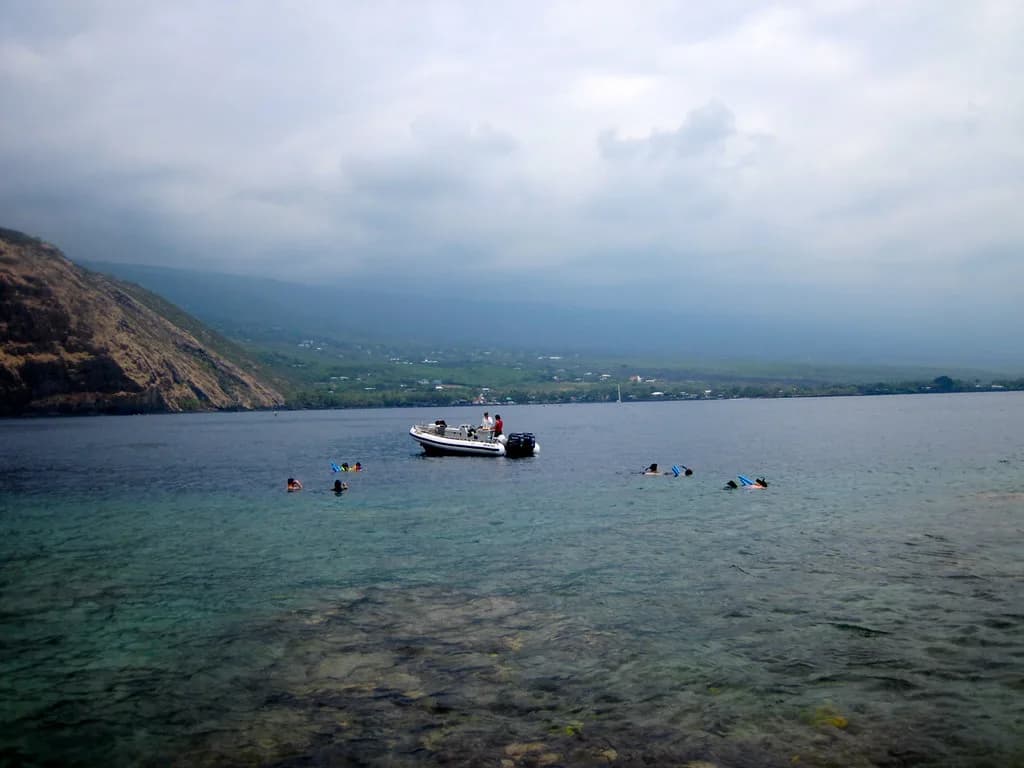
On a boat tour you enter from a ladder moored off the monument and are straight over the reef in deep water. Gear is fitted before departure and lifeguard-certified guides swim with you, which makes this the straightforward option for families and first-timers. The trade-off is that you are in open water, not a shallow wading zone, so flotation helps anyone who is not a confident swimmer.
The alternative is walking down the Kaʻawaloa Trail, a 3.8-mile round trip that drops about 1,300 feet to the coast. The path is rugged, entirely exposed to the Kona sun, and covered in loose volcanic rock, and you carry all your own water and snorkel gear both ways. Add the climb back up in the heat after a swim, and it becomes a serious outing for fit, prepared hikers rather than a beach stroll.
There are no lifeguards on the trail or at that shoreline, so a shore-based visit is self-reliant from start to finish. If anyone in your group is unsure about the heat, the footing, or the climb out, the boat wins on both safety and how much energy you have left for the reef. Hikers should start early and turn around before they are tired rather than after.
Kayak Access and State Parks Permits
Paddling in looks simple and is not. Self-organized visitors arriving by kayak need a vessel permit from the Hawaii Division of State Parks arranged in advance, and only authorized vendors can legally rent kayaks for the bay. Landing at the monument is not allowed, so you anchor offshore and leave the boat floating while you snorkel, which is clumsy in any chop.
Licensed tour operators handle the necessary permits and permissions as part of the trip, which is why the boat option is the low-friction route for most visitors. If you want to paddle independently, contact State Parks well before your trip to understand the current application process and timelines; do not assume you can sort it at the launch.
What You Will See on the Reef
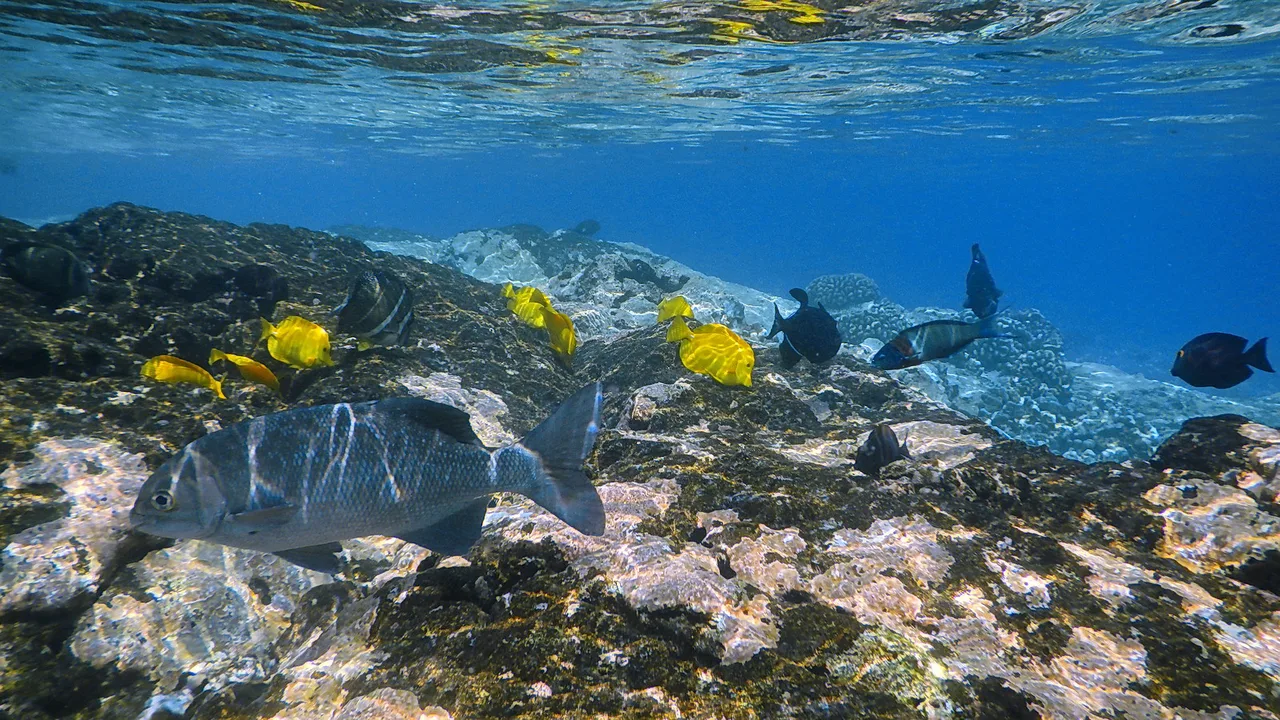
Yellow tang, called lauʻīpala, drift over the coral in bright clouds, and parrotfish crunch audibly on the reef as they graze. Hawaii's state fish, the reef triggerfish or humuhumunukunukuāpuaʻa, turns up everywhere among the coral heads. Guides also point out spotted eagle rays, octopus tucked into crevices, and moray eels watching from their holes.
Hawaiian green sea turtles, honu, glide over the reef and occasionally rest on the bottom, so give them room and let them surface on their own schedule. Spinner dolphins, naiʻa, use the sheltered bay to rest during the day, and federal law requires staying at least 50 yards away from them. Wildlife is wild: what appears on any given morning changes, and no operator can guarantee a sighting.
Whales and Dolphins in Season
Humpback whales pass the Kona coast from December through April, and the boat ride to and from the bay is where you are most likely to see them breach or blow offshore. Spinner dolphins sometimes run alongside the boats on that same stretch of coast. Neither is a scheduled attraction, so treat a sighting as a bonus to the reef rather than the reason for booking.
Best Time of Day and Year
Morning is the reliable window: the water is typically glass-calm and clearest between 8 and 11 AM, before the afternoon winds build. The first departure of the day also puts you over the reef before other boats arrive at the monument. Book the earlier slot if you have a choice between morning and midday departures.
The bay is sheltered enough to snorkel year-round, and summer months tend to bring the calmest, clearest water for first-timers and kids. Winter trades a little predictability for whale season, which is why some travelers target December through April. Water temperatures stay mild in both seasons, so a rash guard plus a thin layer covers most people.
Hazards and Who Should Sit It Out
The bay is calm, but boat trips put you in deep, open water off a ladder, so weak swimmers should plan to use a flotation noodle or vest and stay near a guide. Boats come and go around the monument throughout the day, so keep your head up when you surface. On the trail, the hazards are heat, loose rock, and the round-trip climb with no lifeguard to call on.
The fast rigid-hull inflatable boats used on some tours are bouncy and not suitable for everyone. Operators list pregnancy, neck or back problems, heart conditions, high blood pressure, severe asthma, and limited mobility as reasons to stay ashore. If you want a stable platform and a slow ride, ask about vessel type before you book.
Rules on the Water
Inside the conservation district, do not touch, chase, or feed any animal, and never stand on coral. Even a light brush from a fin can damage polyps, so swim level and look down rather than kicking toward the bottom. Take everything you brought back to the boat with you.
Hawaii sunscreens should be mineral-based, using zinc oxide or titanium dioxide rather than oxybenzone and octinoxate, which are harmful to reefs. A rash guard reduces how much sunscreen you need and keeps you warmer on longer swims. Bring a reusable water bottle for the ride back.
Choosing a Boat Tour
Departures leave from Honokōhau Small Boat Harbor north of Kailua-Kona, and the run south covers roughly 25 kilometers of lava coastline each way. Shared trips cap out at 18 guests, and tours run about four hours with around an hour in the water. Published fares start at $129 per person, with private charters starting at $1,999 for the whole boat.
Departure windows are 8:30 AM to 12:30 PM and 11:00 AM to 3:00 PM, and operators ask guests to check in 15 to 20 minutes before cast-off. Parking at the harbor is free, and there are no hotel pickups, so plan to drive or arrange a ride in advance. Some boats have no restroom aboard, so use the harbor facilities before you leave.
Parking, Fees, and Practical Logistics
Parking at Honokōhau Small Boat Harbor is free, but rideshare out to the harbor is unreliable, so sort out your own transport. There is no restroom on board the rigid-hull inflatable used on some tours, making a stop at the harbor facilities part of check-in. Confirm gear sizing at the dock during the safety briefing.
Combining Kealakekua with Other Kona Snorkeling
Kealakekua works best as a morning trip, which leaves the afternoon free for a second site or a rest before an evening outing. South Kona's Honaunau Bay is a natural pairing if you are chasing reef fish and turtles on more than one day. Closer to Kailua-Kona, sheltered Kahaluʻu Beach Park is the easier, shallower option for kids and beginners, and our Kahaluʻu Beach Park Snorkeling guide lays out its entry and reef layout. If you are weighing this bay against the reefs on another island, see our guide to snorkeling in Oahu for how those shore entries compare.
For a completely different ocean experience, the manta ray night snorkel out of Honokōhau Harbor runs after dark and pairs well with an afternoon off. That trip suits travelers who want a night in the water rather than a morning reef; look at the departure logistics before committing your only evening on the island.
Plan Your Morning at Kealakekua
Decide first how you will reach the water: boat if you want the easy ladder, deep-water reef, and guide support; trail only if your group is fit, heat-ready, and carrying all its own water. Then take the earliest departure you can, since the bay is calmest before the afternoon winds.
Pack mineral sunscreen, a rash guard, and a reusable bottle, plan to drive to the harbor, and check the current departure times and seats with your chosen operator before booking.
Frequently Asked Questions
Do you need a permit to snorkel Kealakekua Bay?
A licensed tour operator handles the permits for you. If you arrive by kayak, you need a vessel permit from the Hawaii Division of State Parks arranged in advance, and landing at the monument is not permitted, so you anchor offshore while you snorkel.
Is Kealakekua Bay good for beginners and kids?
It suits beginners well because the cliffs shelter the bay and the water is usually calm and clear. The caveat is access: boat trips put you in deep open water at a ladder, so use the flotation provided and keep kids with a parent or guardian near a guide.
Can you snorkel Kealakekua Bay from shore?
Only by hiking the Kaʻawaloa Trail down to the monument shoreline, a 3.8-mile round trip that drops about 1,300 feet over rugged, sun-exposed volcanic rock. You carry all your gear and water both ways, and there is no lifeguard, so it is for fit, prepared hikers.
How hard is the Kaʻawaloa Trail hike to the Captain Cook Monument?
It is strenuous: steep, loose, and almost entirely exposed to the Kona sun, with the climb back up coming after a swim. Hikers should start early and carry more water than they think they need. If the climb out worries you, the boat is the better choice.
When is the best time of day to snorkel Kealakekua Bay?
Morning, generally between 8 and 11 AM, when the water is usually glass-calm and clearest before the afternoon winds. The first tour departure of the day also reaches the monument before the midday boats.
What fish and animals can you see at Kealakekua Bay?
Look for yellow tang, reef triggerfish, parrotfish, green sea turtles, spotted eagle rays, octopus, and moray eels over the protected reef. Spinner dolphins rest in the bay and must be given 50 yards, and humpback whales pass the coast from December through April. Sightings vary day to day.
Sources
Snorkeling notes for your next trip
Optional updates to our snorkeling guides.
You might also like
Continue reading
More guides you'll find useful