Keauhou Bay Snorkeling Guide: Reef Life and Big Island Tips
Keauhou Bay snorkeling covers the calm shore entry, the reef and marine life to expect, and how the bay's famous night manta snorkel trips work.
On this page
Keauhou Bay earns its place on a Kona itinerary for two very different reasons: a protected, easy-to-read shoreline where families and newer snorkelers can get comfortable, and a night scene built around manta rays that draws travelers from all along the west coast. The bay sits a short drive south of Kailua-Kona, close enough to pair with a morning reef swim and a late dinner.
The daytime and nighttime experiences are not interchangeable, and planning them as one outing is the most common mistake. Shore snorkeling at Keauhou keeps you inside the bay over shallow structure, while the manta trips run as guided boat operations that set up lights on the water. Treat them as two separate bookings on two separate parts of your day.
What Keauhou Bay Offers Snorkelers and Who It Suits
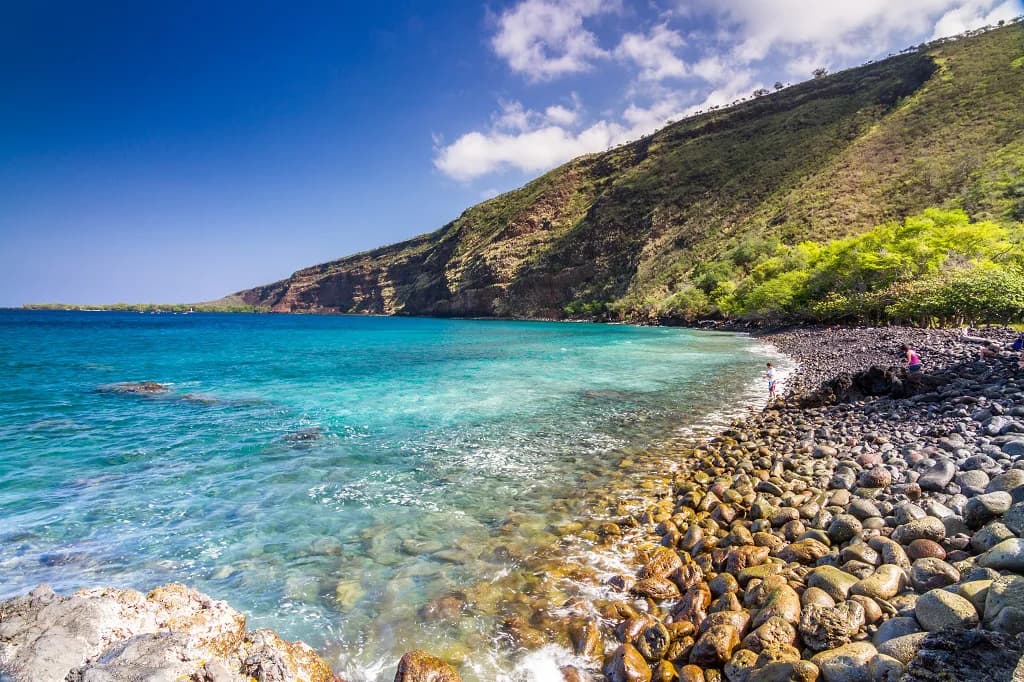
Keauhou Bay is a compact, sheltered inlet on the Kona coast, ringed by volcanic rock and fronted by calm water on typical days. The calm inside the bay is the main draw for beginners and families with kids, since you can stay in shallow water and stand or float without committing to a long swim. Strong swimmers who want big coral gardens will find more to explore on a boat trip or at a dedicated reef park up the coast.
On the Big Island, the volcanic coastline drops steeply, which puts reefs unusually close to shore compared with older islands. That geology is why Kona snorkeling is known for clear water and lava-rock structure rather than long sandy flats, and snorkeling in Maui shows the contrast where shore entries differ. Expect arches, ledges, and rocky shelves to hold fish rather than a wide fringing reef stretching far offshore.
Where Keauhou Bay Is on the Kona Coast
Keauhou sits south of Kailua-Kona along the main coastal road, in the resort area anchored by the Keauhou hotels and the harbor. The bay itself is the small boat harbor and shoreline just south of the resort cluster, a short drive from most Kona accommodations. Staying in Keauhou makes both the daytime swim and an evening manta trip logistically easy, with dinner and check-in close together.
Kona Snorkel Trips runs its boat tours out of Honokohau Marina, between town and the airport, with its own dock rather than the busy public launch ramp. If you are combining a shore snorkel day with a boat trip, factor in the drive north from Keauhou to the marina.
Getting In: Shore Entry, Depth and Where the Reef Starts
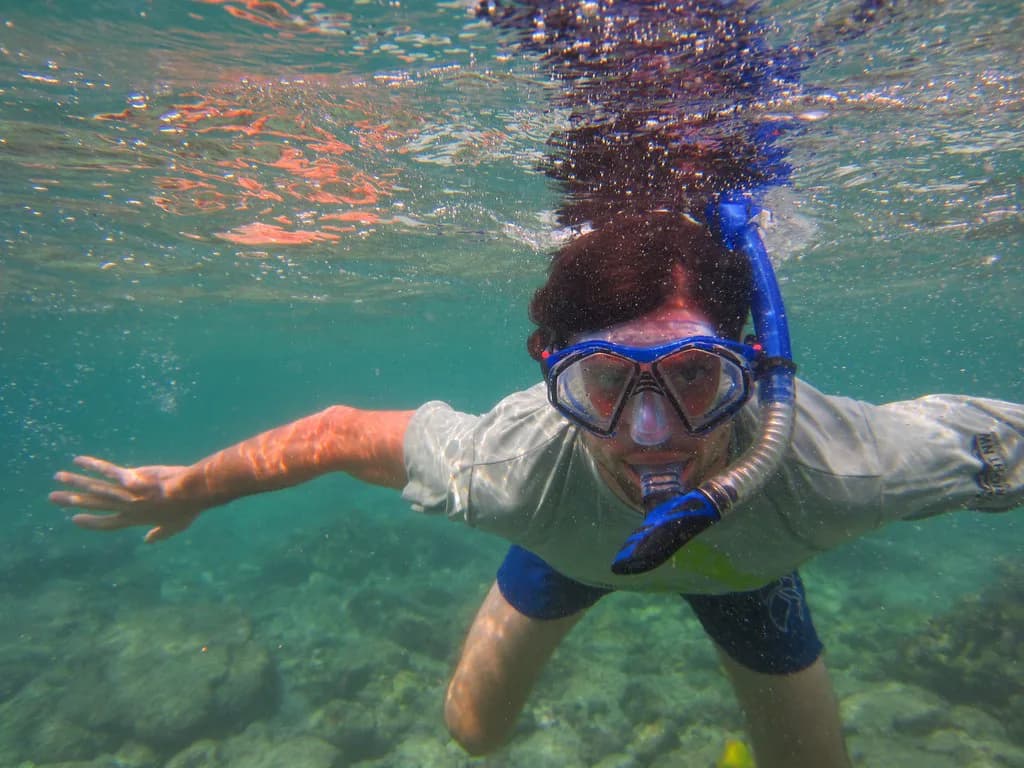
The bay is a forgiving place to walk into the water: entry is off the shoreline rather than a ladder or a long rock scramble, and the bottom stays shallow close to shore. Snorkelers typically work the edges of the bay along the rocky points, where the lava structure begins and fish concentrate. Stay inside the sheltered water until you have your mask sealed and your fins on, then move toward the rock edges.
Because the bay is small, the reef is not far out: the interesting structure is along the flanks and near the mouth rather than a long swim offshore. That short distance is a real advantage for nervous swimmers, but it also means the best fish life is concentrated near the rocks, so keep a respectful distance and watch where your fins go.
What You Will See: Reef Fish, Turtles and Lava-Rock Structure
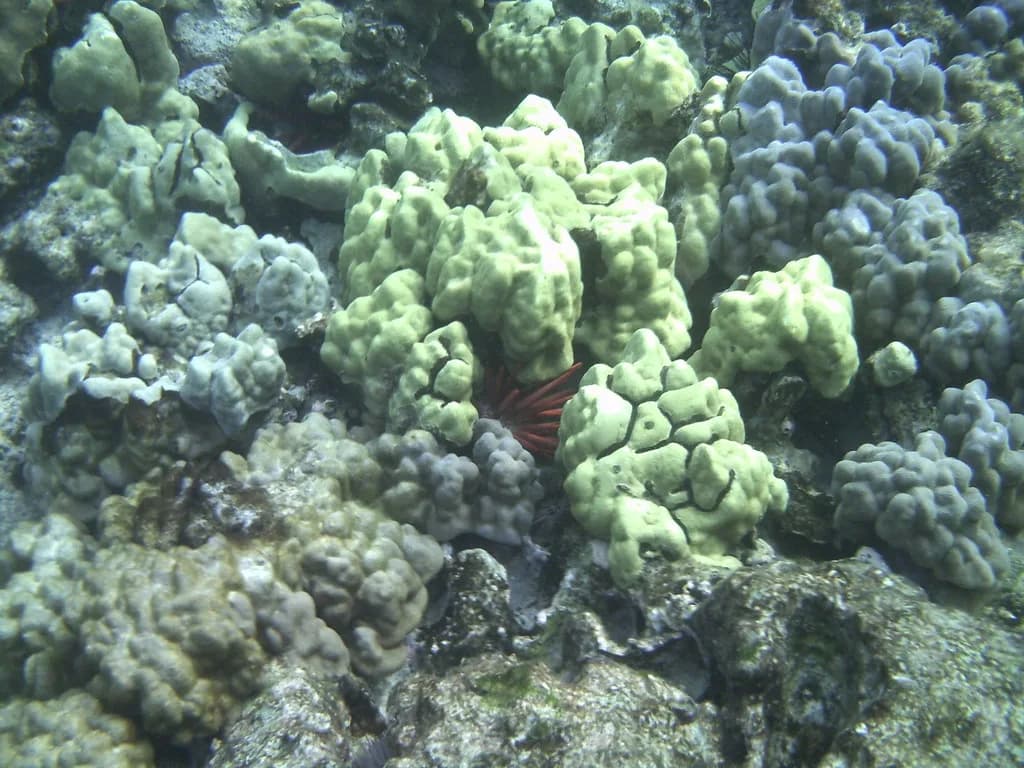
Kona's reefs are known for colorful reef fish, green sea turtles, and the occasional white tip reef shark resting under a ledge, along with octopus and eels tucked into the rock. Volcanic coastlines produce arches, lava tubes, and caverns that give fish places to shelter, which is why the structure matters as much as the coral itself. Keauhou Bay's shoreline offers a gentler version of that structure, and boat trips along the coast reach the more dramatic formations.
Treat every sighting as wild behavior, not an attraction: keep the posted distance from turtles and other protected animals, never touch or feed them, and let them come and go on their own terms. Sea turtles surface to breathe, so give them room above and below the water rather than swimming over them.
Night Manta Snorkeling from Keauhou: How the Lights and Plankton Draw Rays
The manta ray night snorkel runs after dark in the Keauhou area, with operators working Garden Eel Cove or the water in front of the Keauhou hotel. The setup is straightforward: you enter the water and settle near a lighted board, wait for your eyes to adjust, and let the lights do the work. Plankton gathers around the light, and the mantas follow the plankton, which is why the encounter happens close to the surface.
Kona Snorkel Trips describes its night trips with lifeguard-certified guides, custom lighted snorkel boards, and gear including mask, snorkel, fins, and wetsuit. The company asks guests to use reef-safe sunscreen on board. Kona Snorkel Trips also offers a Captain Cook and Kealakekua Bay snorkel tour that runs about four hours and is listed from one hundred thirty-nine dollars with a minimum age of three.
A Keauhou base makes the evening simpler: you can keep dinner, check-in, and departure close together rather than driving across the island after a full day in the sun. Bring a dry towel, a light layer for after sunset, and motion-sickness relief if boat rides bother you. Nothing about the trip guarantees a manta, since the animals are wild.
Skill Level, Kids and Confidence in the Water
For the daytime bay, expect a beginner-to-intermediate crowd: the sheltered water suits kids and first-timers, while confident swimmers can push toward the mouth for more structure. Families should pick a calm morning and stay inside the bay rather than chasing the outer rocks.
Night manta snorkeling is a different skill set. You float in the dark near a lighted board, so comfort in deep water and with mask and fins matters more than swimming speed. Kona Snorkel Trips lists its manta trip as two hours with a minimum age of five, which reflects that this is manageable for many families but not a pool session.
Best Time of Day, Season and Swell for Keauhou Bay
Mornings are the most reliable window for shore snorkeling on the Kona coast, before the afternoon breeze builds and the water picks up texture. On the west side, the shoreline is generally sheltered from trade-wind chop, but a big west or southwest swell can push surge into the bay and stir up visibility. Check the marine forecast before you commit, and treat a small-craft advisory as a signal to keep the boat trip for another day.
Manta night trips run year-round in Kona, with operators scheduling evening departures based on demand and conditions. Winter months bring humpback whales to the same coast, which some operators combine with snorkel trips, but whale sightings are never guaranteed.
Hazards: Surge, Rocky Entry and Boat Traffic Near the Ramp
Keauhou Bay is a working small-boat harbor as well as a snorkel spot, so watch for boat and outrigger traffic near the ramp and keep clear of launch lanes. Surge against the rocky points can push you onto lava rock, so give the edges a buffer on a bigger swell and stay out of the water if the surf is up.
As with any Kona shore snorkel, the main risks are the ones you can see: slippery rock, shallow lava shelves, and a current pulling along the mouth of the bay. Snorkel with a buddy, use a float or board if you are new, and ask a county lifeguard on the day about conditions.
Parking, Facilities and Fees at Keauhou Bay
The bay area has a small harbor parking layout, and spaces fill quickly around tour departure times and mid-morning. Arrive early if you are driving yourself, and expect to walk a short distance from the lot to the water.
Fees, launch rules, and facility details at the harbor are managed by the state and county, so check current parking costs and any permit requirements before you go. If you are booking a boat trip, Kona Snorkel Trips publishes its meeting point, included gear, and pricing on its site, and those details are reviewed again at booking.
Rules: Reef-Safe Sunscreen, Wildlife Distance and Sanctuary Context
Hawaii has moved toward reef-safe sunscreen requirements, and many Kona operators, including Kona Snorkel Trips, require reef-safe products on board. Assume you will be asked to leave conventional sunscreen behind and pack mineral-based formulas for both shore and boat days.
Wildlife rules apply on the water: keep the posted distance from sea turtles, manta rays, and other protected animals, and never touch, feed, or chase them. Kealakekua Bay, south of Keauhou, is a marine sanctuary with its own no-take protections, which is a useful reminder that the whole Kona coast is regulated water.
Nearby Spots to Combine: Kealakekua Bay and Captain Cook Monument
Kealakekua Bay, just south of Keauhou, holds the Captain Cook Monument and is one of the most celebrated snorkel sites on the island, with coral, tropical fish, and the bay's marine sanctuary protections. It is typically reached by boat or a long hike down, so most visitors combine it with a guided morning tour and then spend the afternoon closer to Keauhou.
If you want a second shore day, head north to Kahaluʻu Beach Park, which is widely used for beginner snorkeling and has easy shoreline access. Our Kahaluʻu Beach Park Snorkeling guide covers the entry, the reef, and the tide timing that make it work, and pairing it with Keauhou gives you two calm, different Kona swims without long drives.
What to Bring for a Shore Snorkel and a Night Manta Trip
For the day snorkel at Keauhou, pack your own mask and snorkel for a reliable fit, reef-safe sunscreen, a rash guard, and water shoes for the rocky entry. A small dry bag keeps phones and keys safe on the shore.
For the manta night trip, travel light: a towel, a light layer, and motion-sickness relief are the practical basics, and Kona Snorkel Trips supplies mask, snorkel, fins, and wetsuit. Keep valuables to a minimum so you can focus on the water after dark.
Plan Your Visit
Keauhou Bay works best as a two-part plan: an easy morning shore snorkel inside the sheltered bay, and an evening manta trip out of the Keauhou area or Honokohau Marina. Book the boat in advance, keep the shore swim flexible around swell and wind, and let the wildlife set the terms.
Frequently Asked Questions
Is Keauhou Bay good for snorkeling?
Keauhou Bay is a good choice for calm, accessible shore snorkeling on the Kona coast, especially for families and newer snorkelers who want shallow water and short swims. The lava-rock edges hold reef fish and the occasional turtle, and the bay is easy to pair with boat trips along the same coast.
Can you snorkel from shore at Keauhou Bay?
Yes. You enter from the shoreline into sheltered water rather than needing a boat or a ladder, and the fish-holding structure is close to the rocky points at the edges of the bay. Stay inside the bay on a bigger swell and keep clear of the harbor boat ramp.
Is the Keauhou manta ray night snorkel worth it?
If you want a memorable after-dark experience and are comfortable floating in deep water with mask and fins, the Kona manta night trips are the signature version of that. Operators run lighted boards that attract plankton, and the mantas come to feed, but sightings are wild and never guaranteed.
What will I see snorkeling Keauhou Bay?
Expect reef fish, green sea turtles, and the lava-rock structure that holds fish, octopus, and eels on the Kona coast. White tip reef sharks are sometimes seen resting under ledges, and the occasional eagle ray or turtle may pass through the bay.
How does Keauhou Bay compare with Kealakekua Bay for snorkeling?
Keauhou Bay is the easier, closer-to-town shore snorkel, while Kealakekua Bay is a marine sanctuary with the Captain Cook Monument and is most often visited by guided boat. Many travelers do Kealakekua in the morning and Keauhou in the afternoon or for a night manta trip.
Sources
Snorkeling notes for your next trip
Optional updates to our snorkeling guides.
You might also like
Continue reading
More guides you'll find useful