Kona Snorkeling: Best Spots, Entry Points and When to Go
Kona snorkeling from shore: Kahaluu's sandy entry, Two Step's lava-rock steps and the Kailua Pier wall, with depth, hazards and morning timing.
On this page
Kona suits snorkelers who would rather wade in from a beach than book a boat. The west side of the Big Island sits in the rain shadow of the volcanoes, so it stays drier, and its best shore entries range from sand shelves for kids to a pair of carved lava steps into open water. Pick by entry difficulty first, then by what you want to see.
The whole coast shares one rhythm: trade winds build through the morning and steepen the surface by midday. Get in early and you buy yourself the calmest water of the day. The rest is choosing between shallow, protected Kahaluu, the deeper cove at Two Step and the working harbor edge at the pier.
Why the Kona Coast Suits Shore Snorkelers
Most of the island's good snorkeling clusters along the dry western shore, and nearly all of it is reachable without a boat. Reefs sit in snorkeling depths close to the rocks, from waist-deep shelves where fish crowd your mask to slopes that run from about 5 feet down to 25 feet. A handful of spots drop past 50 feet for confident swimmers.
Trade winds blow out of the east almost every day, which is why the west side holds the clear water and the protected entries. Those same winds mean the sea is often calmest early and builds through the morning, turning choppier as noon approaches. Plan the swim for the morning and keep the afternoon for the drive between spots.
Distances are the other thing to plan around. Kailua-Kona to Kahaluu is a short drive south, but Two Step and the Kealakekua sites sit further down the coast, so building a day around one cluster beats zigzagging the island. Group the west-side sites on a map before you commit to a plan.
Kahaluu Beach Park: Sand Entry and Shallow Beginner Water
Kahaluu is the easiest place on the coast to learn. You walk in off sand into a sheltered bay just south of Kailua-Kona, the water stays shallow well out from shore, and there is no rock ledge to negotiate. That combination makes it the default choice for families with kids and for anyone on a first mask-and-snorkel day, and this Kahaluʻu Beach Park Snorkeling guide lays out the bay in detail.
Green sea turtles are the draw here, often grazing in the shallows alongside dense schools of reef fish. Because the bay is shallow and popular, the coral takes a beating from fins and feet, so float level and keep your fins off the bottom. The bay also fills up, and the calmest, clearest window is early, before the parking area and the water both get busy.
Treat this as your warm-up spot if you are staying in Kailua-Kona or Keauhou: it is close, quick and forgiving. Then move to a rockier, deeper site once everyone is comfortable in the water.
Two Step at Honaunau: Lava Steps Into a Deeper Cove
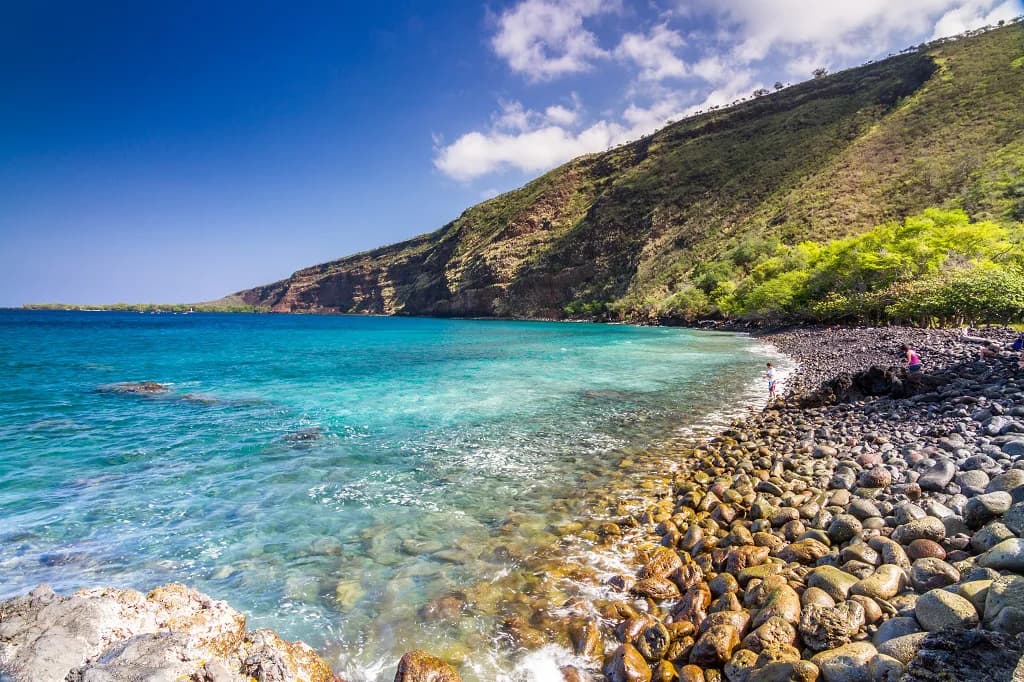
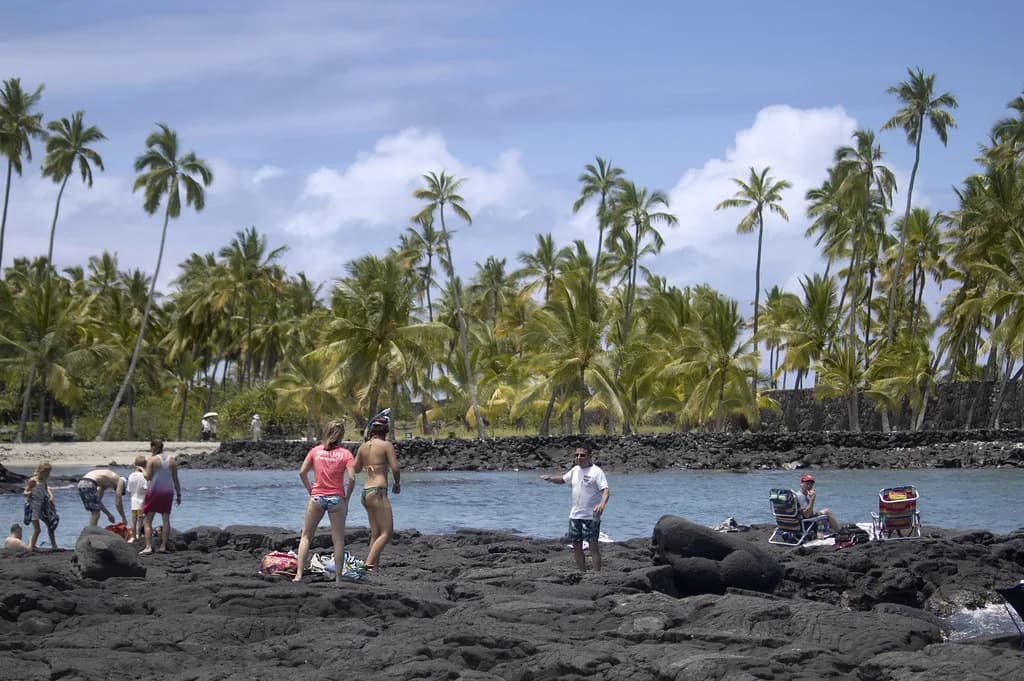
Two Step, also called Honaunau Beach, is a black lava shoreline just outside Puuhonua o Honaunau National Historical Park. There is little sand; instead, two naturally formed rock steps let you walk straight into a bay ringed by lava. The reef beyond the entry is rich and the water clear, with coral heads and dense fish life starting close to the rocks.
This is not a first-timer's entry. You step off uneven rock into water that moves, and sea urchins sit in the crevices of the steps, so watch where you put hands and feet and keep your fins on until you are clear of the ledge. Snorkelers who are steady on rocks and comfortable with a short surface swim get the most out of it.
The payoff is a cove that holds marine life at snorkeling depth without a long swim, and it is the classic south-Kona alternative to a boat tour. Arrive early, both for calmer water and because the small lot in front of the entry fills quickly.
Kailua-Kona Pier: A Quick Swim Beside the Boats
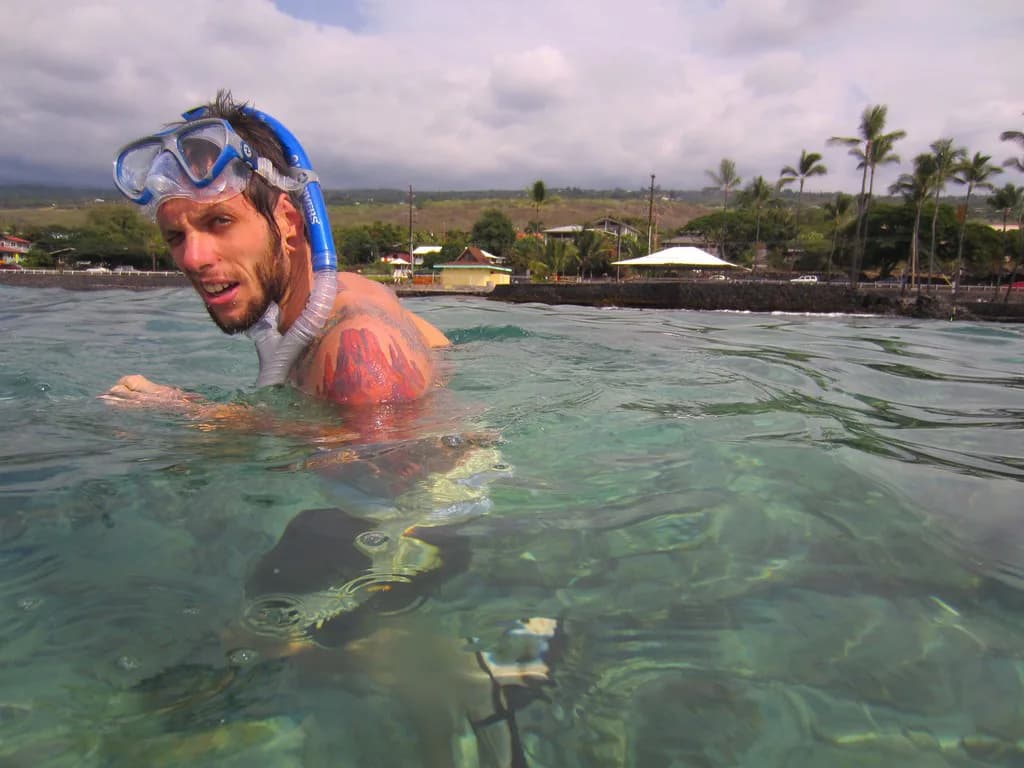
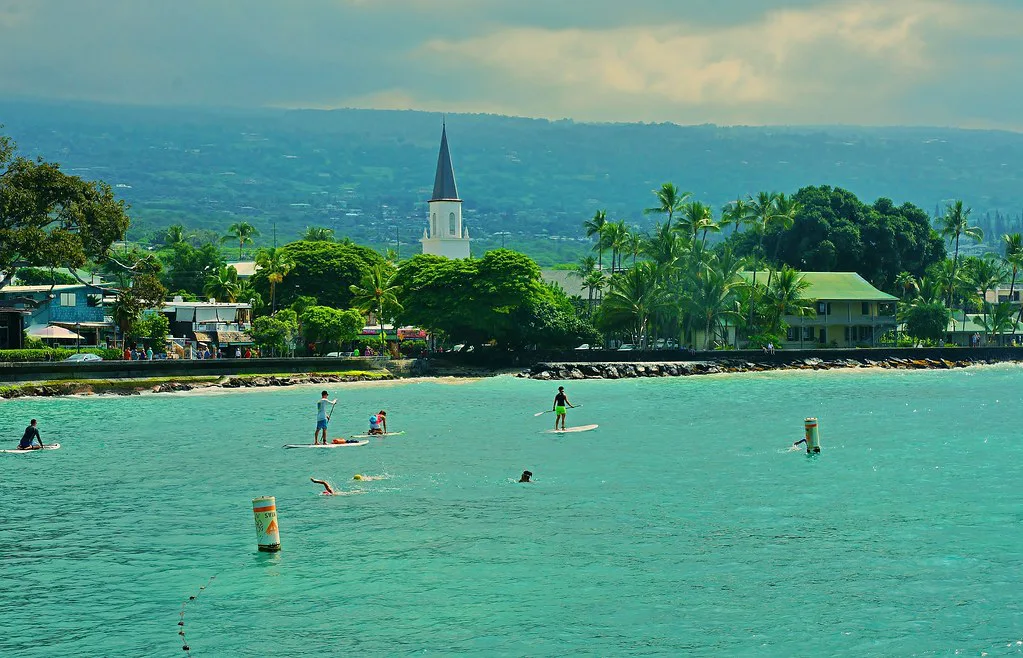
Downtown Kona has its own small entry: a tiny patch of beach on the left side of the pier where swimmers and snorkelers walk in. Fish are plentiful close to shore, and a short swim out into the bay brings larger coral mounds and bigger fish, sometimes in huge schools.
The trade-off is boat traffic. Stay inside the buoys on the right side, since vessels pass on the left, and keep your head up when you cross the bay. That makes it a good short session for cruise passengers or anyone staying in town, not a place for a long, absorbed swim.
It pairs naturally with an afternoon in Kailua-Kona, and a morning here leaves time to drive south to Keauhou or Honaunau later. Do not expect the coral cover of the out-of-town sites, but the convenience is hard to beat.
Kealakekua Bay and the Captain Cook Monument
Across the bay from Two Step, the Captain Cook Monument area holds some of the island's best reef, but access is the whole story. You reach it by tour boat, by kayak with the required permit working through a licensed operator, or on a long hike of roughly two miles each way. Each option trades money or effort for the same water, and Kealakekua Bay snorkeling details the bay's layout and moorings.
The boat trip is the simplest way in for a family or a short visit; the kayak gives you more time on the reef but requires planning and a permit; the hike is for fit walkers who want to earn it. Ask the tour company you are booking with directly about current rates and permit handling rather than relying on older figures.
North Kona and Kohala Beaches Worth Adding
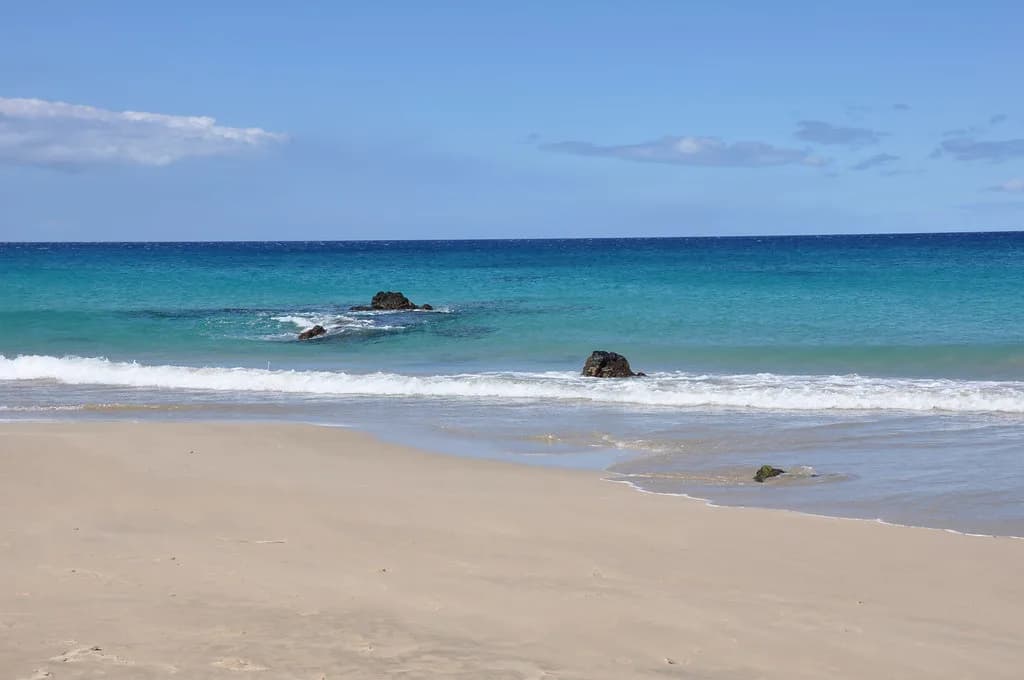
North of Kona, resort beaches offer easy parking and softer entries. Mauna Kea Beach combines fish life with interesting bottom topography, Beach 69, also called Waialea Bay, has shade and plenty to explore along its edges, and Hapuna is a big, busy beach with decent snorkeling at the ends.
Anaehoomalu Bay is convenient but weak for snorkeling, so treat it as a swim rather than a reef stop. If you are staying in the Waikoloa resorts, these beaches are your closest morning option before driving south for the marquee sites.
Depth and Reef Layout
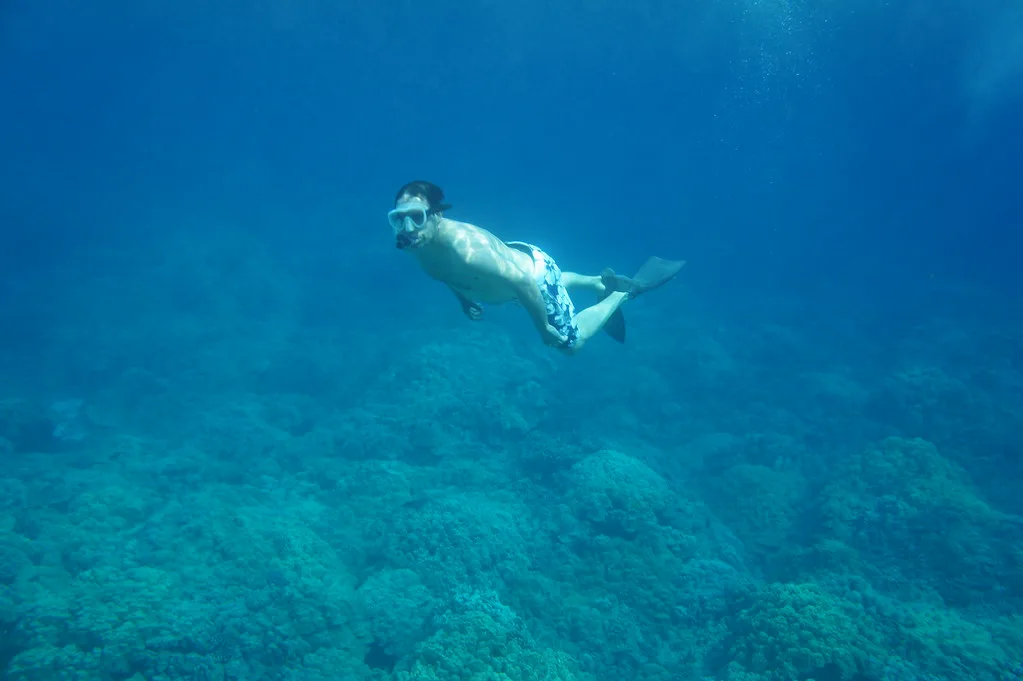
Kona's reefs reward snorkelers who stay shallow. Fish are often thickest over the first 5 to 15 feet near the rocks, and coral mounds rise high enough to skim over without diving. Beyond those shelves, slopes drop away, so you can hover over 10 feet of water and see the bottom far below.
At Two Step the reef starts almost at the steps, which is why the site is so productive; at Kahaluu the shallows stretch farther out; at the pier you swim a little before the coral thickens. Knowing that shape helps you decide how far out to go and when to turn back.
What You Will See
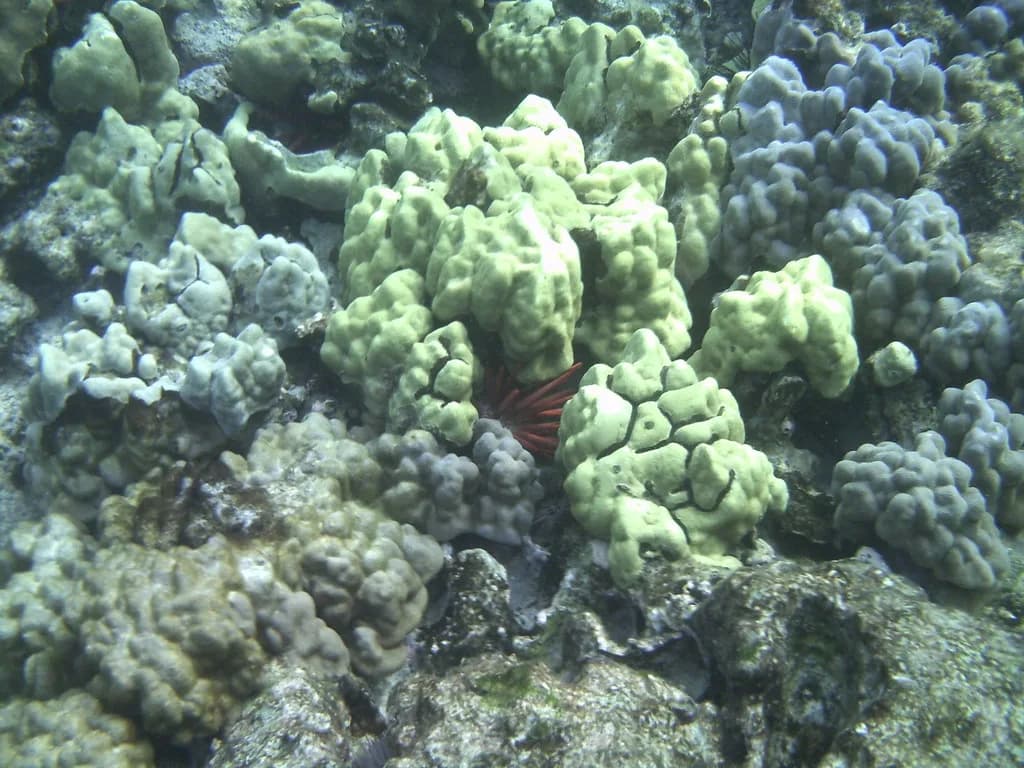
Expect tropical reef fish in numbers, from butterflyfish and tangs to larger parrotfish working the coral. Green sea turtles are common at Kahaluu and present at several other sites, often resting or grazing on the bottom. Coral cover varies by spot, with the healthiest sections away from the busiest entries.
Manta rays are a Kona specialty, and the reliable way to see them is a dedicated night snorkel with an operator, not a chance encounter on a daytime reef swim; Manta Ray Night Snorkel in Kona operators run out of the harbor north of town. Dolphin encounters are the opposite: snorkeling with Hawaiian spinner dolphins is illegal, so keep your distance and let them pass.
Skill Level and Who Each Spot Suits
Match the entry to the weakest swimmer in your group. Kahaluu's sand and shallows suit kids and first-timers; the Kailua Pier beach suits a confident adult who wants a short swim near town; Two Step suits snorkelers who can handle uneven rock, surge and sea urchins; Kealakekua suits those willing to pay for a boat or plan a permitted paddle or a long hike.
Strong swimmers can add the open points and drop-offs beyond the bays, but they still face surge and currents at exposed rocks. Beginners should stay inside the protected bays and skip the ocean-facing points until they are comfortable.
Best Time of Day and Season
Morning is the rule across the coast. Winds pick up toward midday even on the west side, flattening visibility and roughening the surface, so aim to be in the water before the breeze fills in. Check the wind and swell forecast for Kona the night before and pick your spot to match.
Summer generally brings the most favorable snorkeling, though there are exceptions. The rainy season runs from October to April and hurricane season from June to November, with tropical storms most likely in July, August and September. Winter swell can reach the west-facing rocks, so a flat day in winter still beats a windy one in July.
Hazards to Plan Around
The main risks are environmental, not dramatic. Trade-wind chop, surge at rocky points and currents along exposed shorelines are the usual issues, and sea urchins on Two Step's lava entry catch careless hands and feet. Watch where you place your hands when you push off the ledge.
Boat traffic matters most at the pier, where you stay inside the buoys on the right while vessels pass on the left. At Kealakekua, tours and kayaks move through the bay, so surface often and keep clear of moorings.
Parking, Fees and Facilities
Parking varies by spot. At Two Step, a small lot sits directly in front of the entry for $5 and fills quickly; overflow parking is up the road with a short walk back. Because the lot is small, arriving early matters more than at the larger resort beaches.
At Kahaluu and the pier, parking is the typical beach or street setup, and the pier is a walk-in option if you are staying in town. Facilities differ from site to site, so carry water and sun protection rather than counting on a shower or rental stand at every stop.
Rules on the Reef
Hawaii requires reef-safe sunscreen, so buy it before you fly or cover up with a rash guard instead. Do not touch, kick or stand on coral anywhere on this coast, since even the shallow, busy bays at Kahaluu show the damage that careless fins cause.
Wildlife rules are firm. Keep your distance from sea turtles and never touch, feed or chase them, and stay out of the water near Hawaiian spinner dolphins, which are protected from snorkeler encounters. A camera zoomed from a respectful distance beats a close approach every time.
Nearby Spots to Combine
Chain spots by geography rather than by wish list. A south-Kona morning could start at Kahaluu for a warm-up, move to Two Step for the reef, and finish at Kealakekua if you have a boat booked or a permit arranged. A north-Kona day works better with Mauna Kea, Beach 69 and Hapuna, saving the long drive south for another morning.
If you base yourself near Keauhou, you can swim Kahaluu at dawn and be at Honaunau before the crowd arrives, which is the most efficient version of the day. Staying north in Waikoloa makes the resort beaches easy and the southern sites a longer haul. If you are weighing this coast against another island entirely, it is worth reading up on snorkeling in Maui before you go, since the same shore-entry versus boat-tour decision plays out differently there.
What to Bring
A mask that seals properly is the single biggest upgrade to a shore-snorkel day, and many rented masks fog or leak. Bring your own if you have it, plus fins you can pull on over the rocks and a rash guard for sun and warmth. Water stays warm here even in winter, so a thin layer is usually enough.
Add reef-safe sunscreen, water and footwear that handles wet lava rock at Two Step. A light bag that stays dry on the beach makes the walk from overflow parking easier.
Plan Your Kona Snorkel Day
Choose the entry before the spot: sand at Kahaluu, rock steps at Two Step, a short swim at the pier, or a boat and permit at Kealakekua. Then get in early, before the trade winds build.
Pair two nearby sites rather than crossing the island, follow the reef and wildlife rules as written, and let the conditions decide which bay gets your morning. Watch the Kona wind and swell forecast and the ocean-safety advisories from Hawaii DLNR before you commit.
Frequently Asked Questions
Is Kahaluu Beach good for beginner snorkelers?
Yes. Kahaluu has a sandy entry and shallow water that stays easy well out from shore, which makes it the most forgiving spot on the Kona coast for kids and first-timers. The trade-off is crowds and damaged coral in the busiest sections, so go early and keep your fins off the bottom.
Can you snorkel at Kailua-Kona Pier without a boat?
You can. A small beach on the left side of the pier gives walk-in access, with fish close to shore and larger coral mounds a short swim out. Stay inside the buoys on the right, because boats pass on the left.
Why is Two Step not recommended for first-timers?
Two Step is entered from uneven lava rock steps into moving water, and sea urchins sit in the crevices where you place hands and feet. Snorkelers who are steady on rocks and comfortable with a short surface swim get the most from it; beginners are better off starting at Kahaluu.
How do you reach the Captain Cook Monument snorkeling site?
There are three routes: a tour boat, a kayak with the required permit arranged through a licensed operator, or a hike of roughly two miles each way. The boat is simplest, the kayak gives more reef time with planning, and the hike suits fit walkers.
What time of day is best for snorkeling in Kona?
Mornings. Trade winds build toward midday even on the dry west side, roughening the surface and cutting visibility. Being in the water early gives you the calmest window, and checking the wind and swell forecast the night before helps you pick the right bay.
Which Kona beach has sea turtles?
Kahaluu is the most reliable shore spot for green sea turtles, often seen grazing in the shallows among reef fish. Turtles also turn up at other sites, but keep your distance and never touch, feed or chase them.
Do you need reef-safe sunscreen in Hawaii?
Hawaii requires reef-safe sunscreen, so buy it before you travel or cover up with a rash guard instead. Limiting how much sunscreen reaches the water is the simplest thing you can do for the reef.
What is the water depth at Kona snorkel spots?
Most of the productive reef sits in roughly 5 to 25 feet of water, with shallow shelves where fish crowd close to you. Some spots slope away past 50 feet for confident swimmers, but you can see plenty without leaving the shallows.
Sources
Snorkeling notes for your next trip
Optional updates to our snorkeling guides.
You might also like
Continue reading
More guides you'll find useful