Kua Bay Snorkeling Guide: Big Island Beach Entry and Swells
Kua Bay snorkeling at Maniniʻowali Beach offers clear water off a small white-sand cove north of Kona, with a current to plan around and no gear rentals.
On this page
Kua Bay is a beach day first and a snorkel spot second, and that order matters when you plan it. The cove at Maniniʻowali Beach gives you a short sandy entry, clear Kona-coast water and a compact bay that is easy to read from shore, which suits confident swimmers more than families with first-timers.
The trade-off is simple: you get a prettier, smaller beach than the shallow, lifeguarded bays to the south, but you give up the sheltered beginner water and the on-site rentals those places offer. Bring your mask, fins and reef-safe sunscreen with you, and treat the swim as the bonus to a beach morning rather than the whole point of the drive.
Where Maniniʻowali Beach sits on the Kona coast
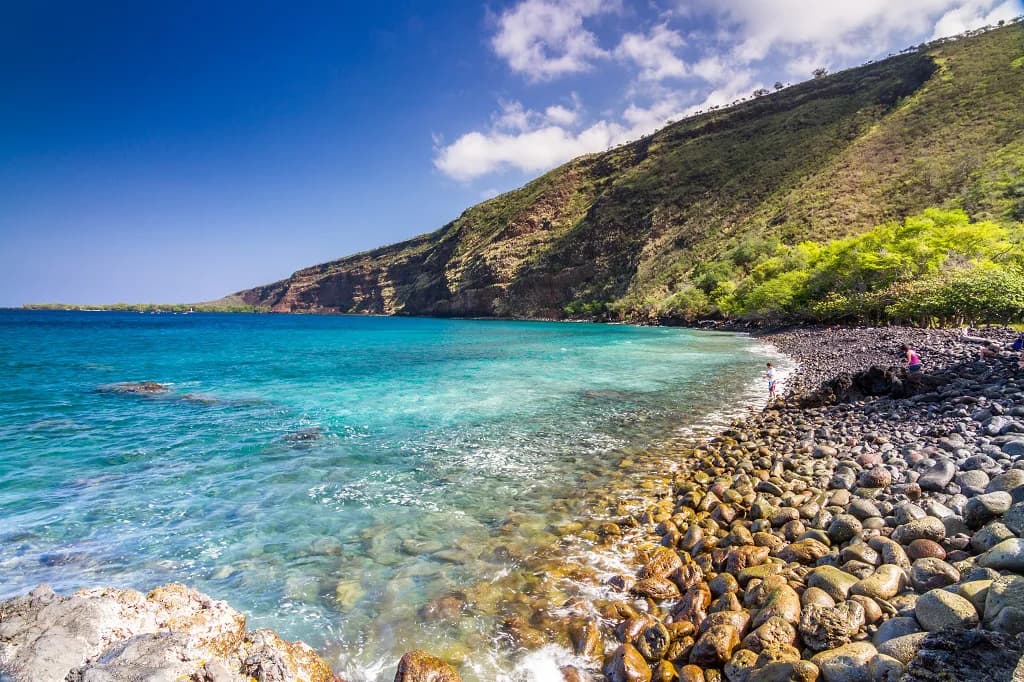
Maniniʻowali Beach, known locally as Kua Bay, occupies a small white-sand cove on the North Kona coast. The beach itself is compact, so it can feel full even on days when the parking area and sand are not actually crowded, and that sense of crowding shapes how you should time a visit.
Because the cove is small, the usable water is concentrated in the middle of the bay, with the shoreline curving around it. Read the bay from the sand before you gear up: note where the surface looks choppy, where other swimmers are clustered and which side of the cove looks calmer, then plan your swim line inside that middle zone.
Getting in: sand entry from the small beach
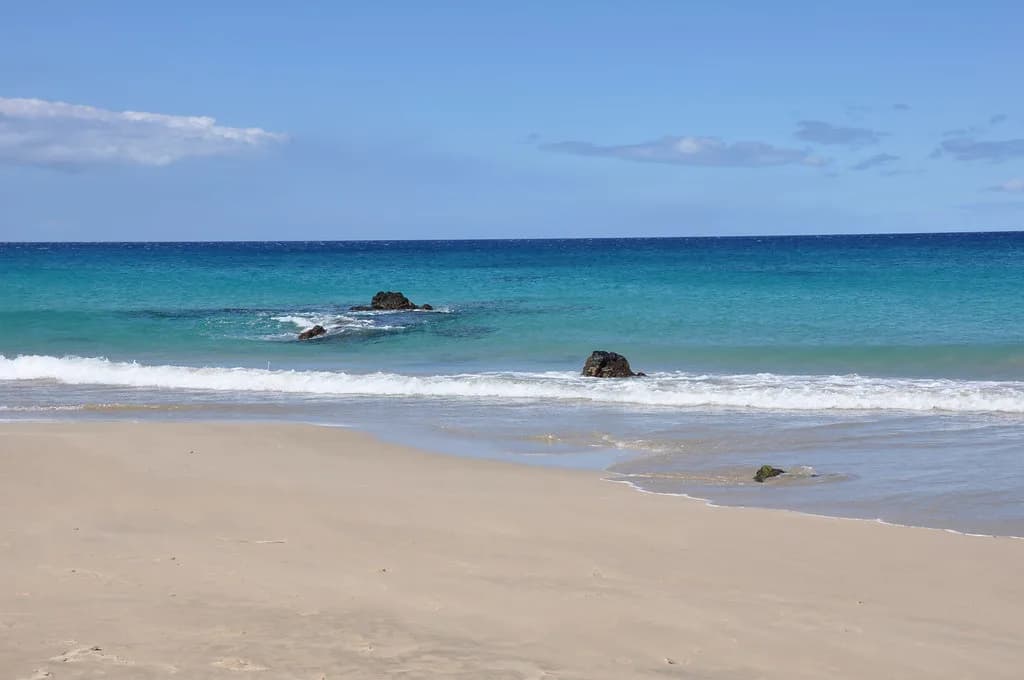
Entry at Kua Bay is from the sand, not from rock or a ladder, which makes it more forgiving underfoot than the lava shelves further south. Wade out through the shallows until the bottom drops away, then put your mask on and start swimming rather than walking over uneven ground.
The drop-off is the moment to decide whether the day works for you. If the water is pushing along the beach or surf is breaking at the shoreline, walk back out and treat the cove as a swimming and boogie-boarding beach instead of a snorkel site.
Depth, reef and visibility
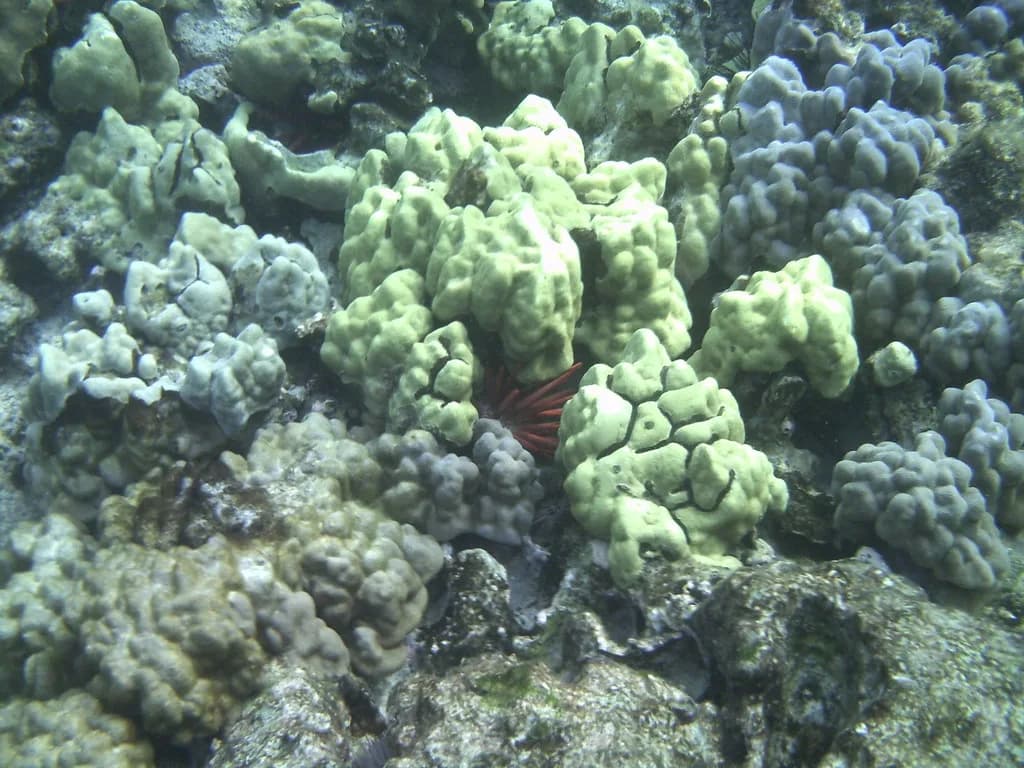
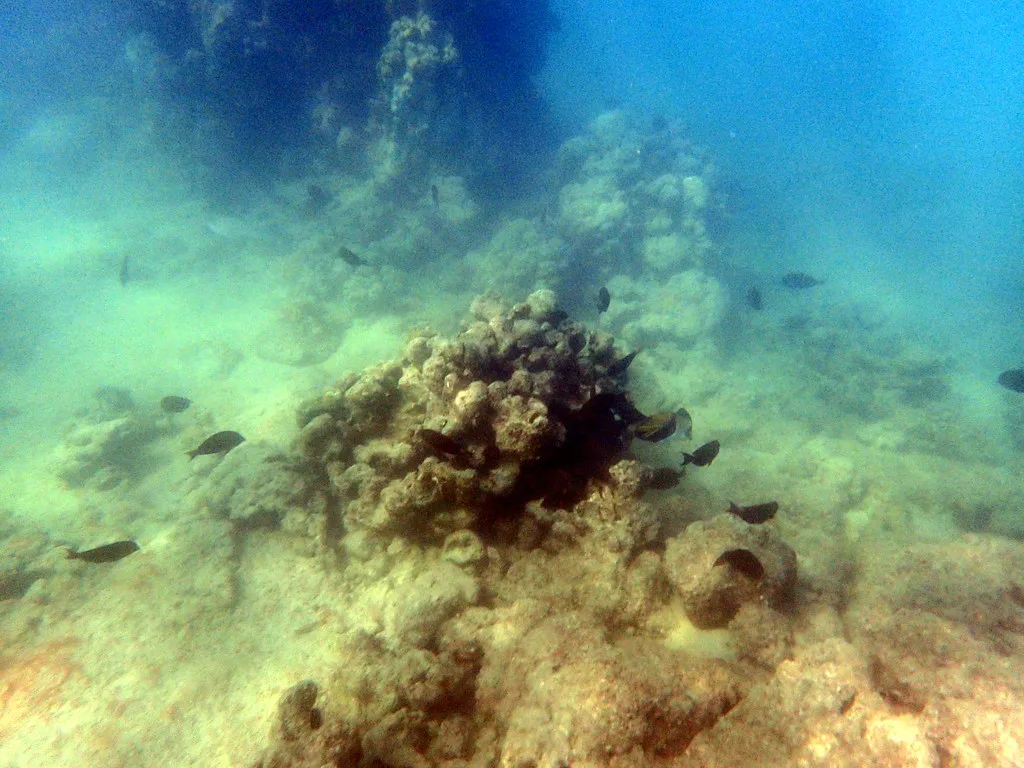
Kua Bay is a sandy cove backed by a lava shoreline, so the bottom near the beach is sand that gives way to rock and scattered coral further out. The reef life sits along the rocky edges of the cove rather than in a continuous shallow garden right off the sand, which means you cover some open water before the interesting structure appears.
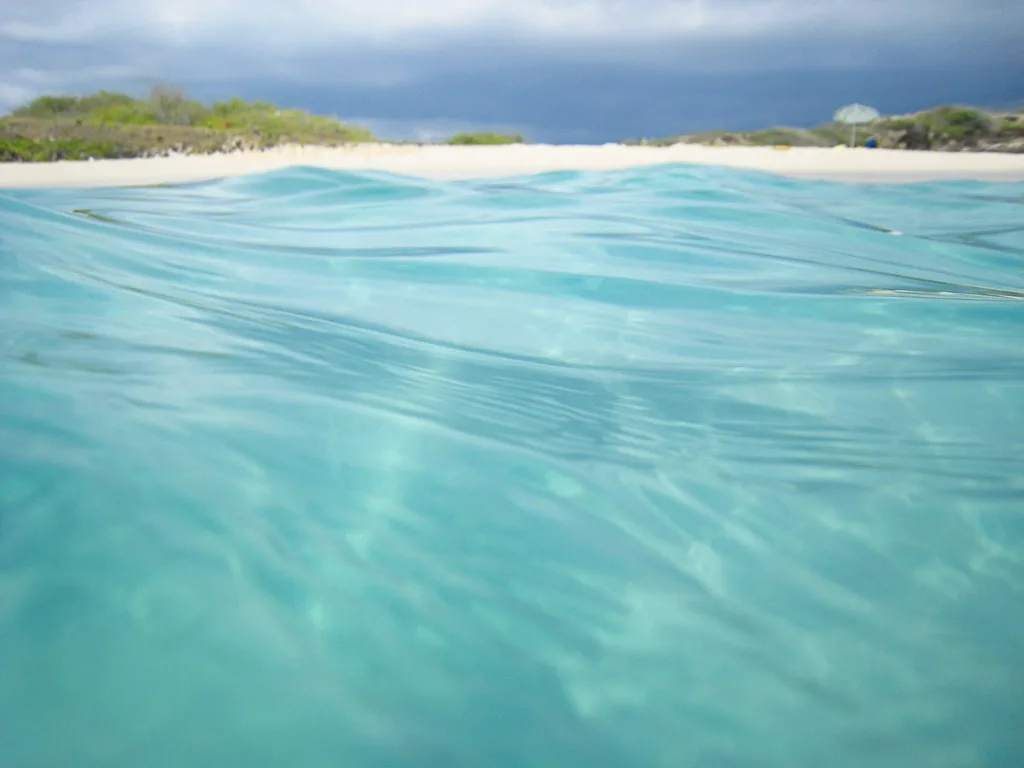
Visibility on the Kona coast depends heavily on swell and runoff, and a calm morning after a settled stretch of weather is when the water reads clearest. For a broader comparison of how Kona-coast reef structure and visibility vary between bays, the big island snorkeling guide is worth reading before you lock in a schedule.
What you will see
Expect the ordinary reef life of a Kona lava shoreline: wrasses, tangs, damselfish and sergeant majors working the rock, with the occasional larger fish passing through open water. Coral cover here is scattered rather than dense, so the appeal is the clarity and the setting more than a lush reef.
Green sea turtles feed along the Kona coast, and spinner dolphins rest in nearby bays during the day, but neither is guaranteed on any given swim. Federal rules prohibit swimming within 50 yards of a Hawaiian spinner dolphin anywhere within two nautical miles of the islands, and that distance applies to swimmers, not just boats.
If a pod appears, move away from it rather than toward it, and give turtles room without blocking their path to the surface. Nothing at the beach is rented, so every piece of gear you want in the water needs to come out of your car.
Skill level: who Kua Bay suits
Kua Bay suits swimmers who are comfortable in open water and can handle a current without panicking. Beachgoers describe a strong current in the cove and recommend staying toward the middle of the bay, which is a sensible way to keep your swim line short and your exit close.
Beginners and young children are better served by a shallow, sheltered bay where the reef starts close to shore. Kahaluʻu Beach Park, about five miles south of downtown Kailua-Kona, keeps most snorkeling in 3 to 8 feet of water over live coral on the south side, and a breakwater shelters the reef.
If you want the calmest possible introduction, read the Kahaluʻu Beach Park Snorkeling guide and plan your first swim there, then move north to Kua Bay once you know how you handle a little push in the water.
Hazards: current, shorebreak and boat traffic
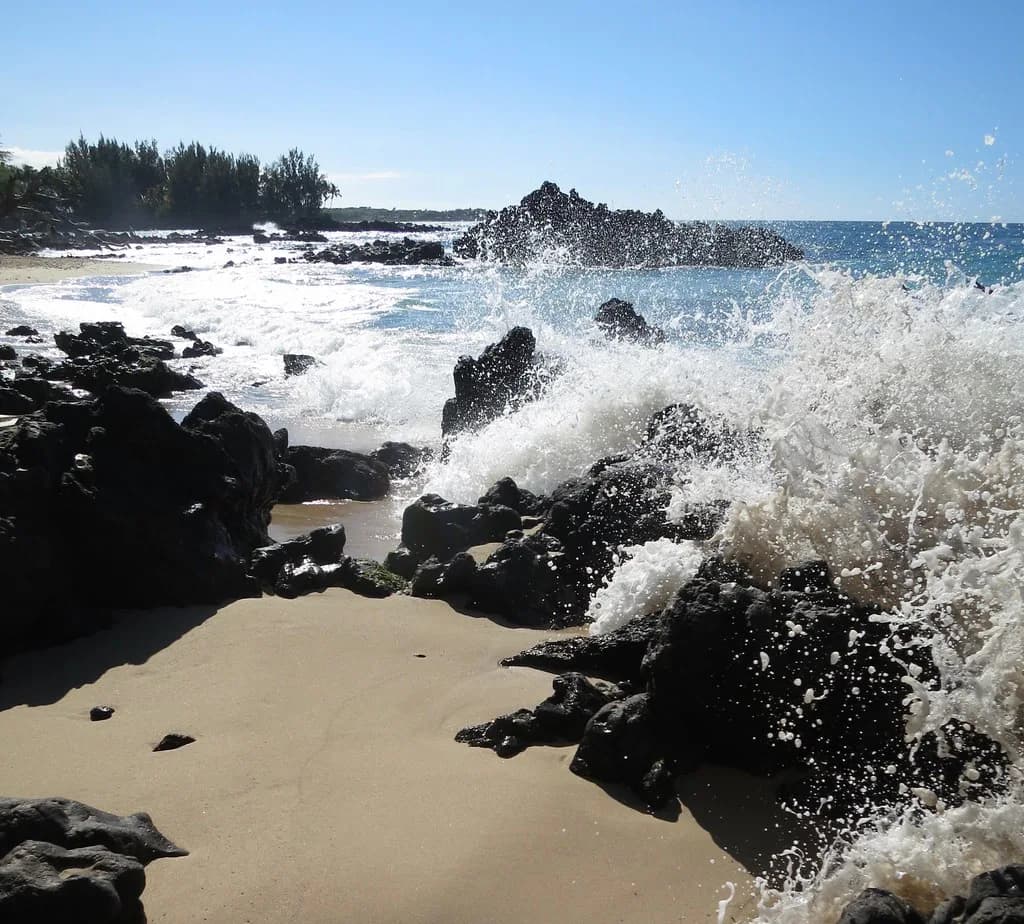
The current inside the cove is the main planning constraint, and it is the reason to stay mid-bay instead of hugging either point. Shorebreak at the sand is the second: on a bigger swell the waves break right where you wade in, so time your entry between sets and keep your mask in your hand until you are past the wash.
Watch for other beach users as well, since the cove is shared with swimmers and bodyboarders. Keep your head up when crossing the middle of the bay, and surface often enough to track how far the current has moved you from your entry point.
Best time of day and swell direction
Mornings are the usual window for calmer water on the Kona coast, before the afternoon breeze builds chop across the bay. Arriving early also helps with the small beach and the parking area, both of which fill as the day goes on.
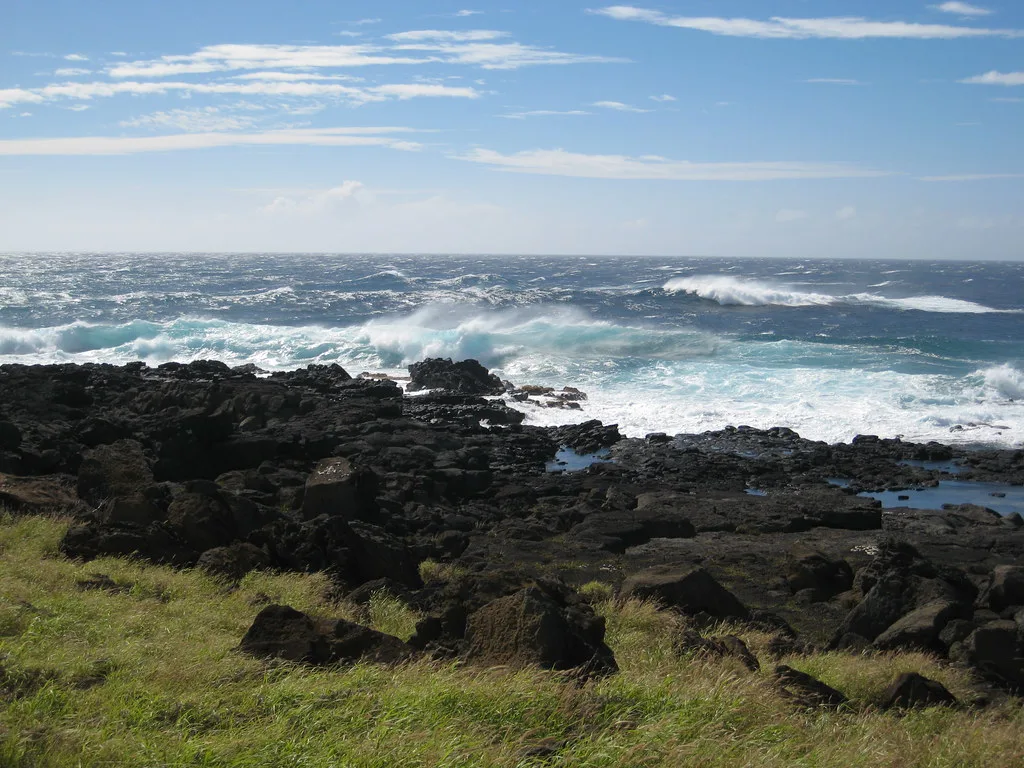
Swell direction decides whether the cove is workable at all, and a south swell that leaves other Kona bays calm can push surf straight onto this shoreline. Treat a rising or long-period swell as a reason to choose a sheltered bay to the south and save Kua Bay for a settled day. If you are weighing island itineraries instead, compare snorkeling in Maui, where a south swell typically hits different shores than it does here.
Parking, fees and facilities
Plan on carrying in everything you need: water, shade, snacks and snorkel gear, because nothing is rented at the sand. The beach is small, so a compact setup works better than a full camp, and you will not be competing for a large parking area.
Combining Kua Bay with other Kona snorkel spots
A single Kona-coast day works best driven north to south, starting at Kua Bay and ending at one of the sheltered bays. From Kua Bay, head south to Kahaluʻu for shallow, lifeguarded water and green sea turtles feeding along the reef on the south side, then continue to Kealakekua Bay for the marine sanctuary and its denser fish life.
For Kealakekua Bay, note that the parking lot sits at the south end at the bottom of Nāpōʻopoʻo Road while the best reef lies across open water on the north shore, reached by trail, kayak or boat. Kayaks and paddleboards crossing the bay need a Division of State Parks permit, and permitted commercial kayaks carry decals on both sides of the bow.
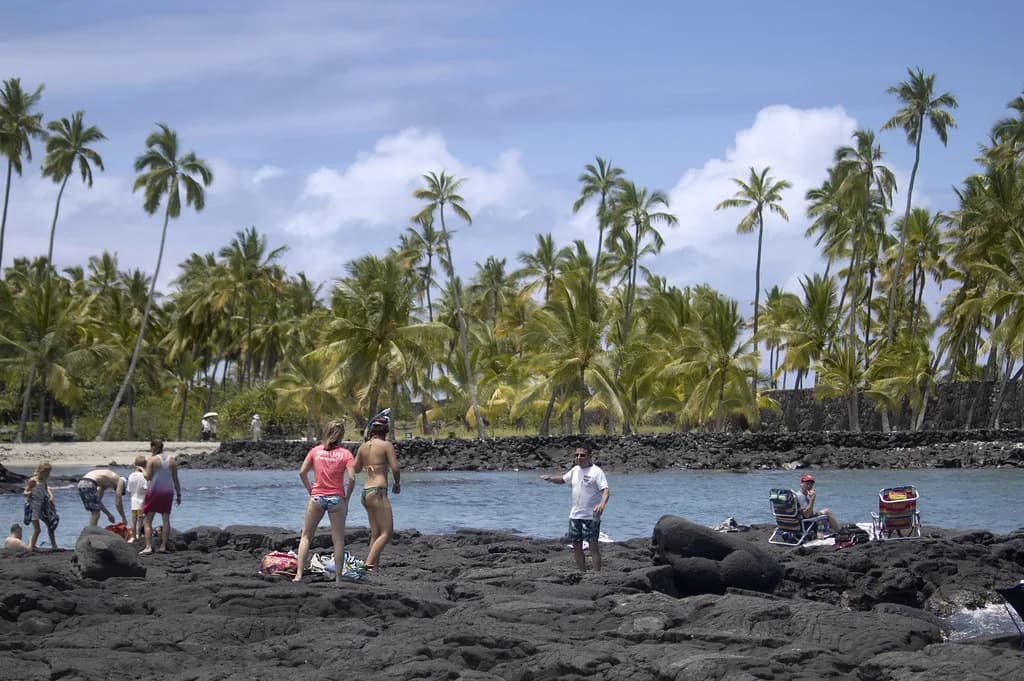
Further south, Two Step at Hōnaunau Bay offers a lava-shelf entry with no tour required and a reef that begins in 10 to 15 feet of water on the south side. Pair it with a stop at Puʻuhonua o Hōnaunau National Historical Park, less than half a mile down the road.
Calmer alternatives when the cove is surging
When Kua Bay is surging, the sheltered bays to the south are the practical swap. Kahaluʻu keeps beginners in shallow water over coral with a lifeguard on duty, and Kealakekua Bay's sanctuary status keeps fish density and coral cover above what you find at more accessible spots.
Further north, Waialea Bay offers another calm-water option on the same coast, and the Beach 69 Snorkeling guide covers its entry and layout. Choose by entry type and shelter rather than by reputation: sand and a breakwater for a nervous first swim, lava shelf for confident swimmers on a flat day.
Plan Your Kua Bay Day
Build your Kua Bay visit around the beach and let the snorkel follow from conditions: sand entry, a mid-bay swim line and your own gear. If the current is running or surf is breaking at the shore, drive south and take the shallow, sheltered water at Kahaluʻu instead.
Before you go, look at the swell forecast and any posted ocean-safety advisories for the North Kona coast, and set your entry and exit points from the sand before you put your mask on.
Frequently Asked Questions
Is Kua Bay good for snorkeling?
It is a fair-weather snorkel spot rather than a dedicated reef destination. You wade in from sand, swim toward the middle of a small cove and find rock and scattered coral along the edges, so the appeal is clear water and an easy beach entry. Strong swimmers get the most from it; beginners do better at a sheltered bay.
Do you need to bring your own snorkel gear to Kua Bay?
Yes. Nothing is rented at the beach, so bring masks, fins, snorkels and anything else you want in the water, plus drinking water and shade. Gear shops in Kailua-Kona are the nearest option if you need to buy or rent before driving north.
How strong is the current at Kua Bay?
Beachgoers describe a strong current in the cove and advise staying toward the middle of the bay. Treat that as a planning consideration rather than a fixed forecast, and adjust your swim line on the day according to what you see from the sand.
Which Kona snorkel spot is best for beginners?
Kahaluʻu Beach Park is the usual first choice, with most snorkeling in 3 to 8 feet of water over live coral on the south side and a breakwater sheltering the reef. Kua Bay rewards stronger swimmers, and Two Step's lava-shelf entry is for confident people on a calm day.
Can you snorkel at Kua Bay in winter?
Winter brings larger north and west swells to the Kona coast, and this small cove picks up surf when other bays stay calm. Check the swell forecast before you drive, and keep a sheltered southern bay as your backup for the same day.
What wildlife might you see at Kua Bay?
Expect typical Kona shoreline reef fish such as wrasses, tangs and damselfish around the rock, with the chance of a green sea turtle passing through. Spinner dolphins rest in nearby bays but are not guaranteed, and federal rules require staying at least 50 yards away from them.
Sources
Snorkeling notes for your next trip
Optional updates to our snorkeling guides.
You might also like
Continue reading
More guides you'll find useful