Two Step Snorkeling on Big Island: Entry & Reef Guide
Snorkel Two Step at Honaunau Bay on Hawaii's Big Island: how the lava-rock steps work, where the reef sits, what you will see, and when to go.
On this page
Two Step earns its reputation with a short swim from the rocks to a reef that splits into two very different halves: a shallow, fish-packed shelf for newer snorkelers and a deeper spur-and-groove side where turtles and morays turn up. It suits confident swimmers and older kids who can handle a lava-rock entry timed with the ocean surge; families who want sand under their feet are better off at Kahaluʻu Beach Park Snorkeling, where a gentle sand entry and lifeguarded beach make the first swim far easier.
The spot sits on the Kona coast south of Kealakekua Bay, right beside Pu'uhonua O Honaunau National Historical Park, and locals call the bay Pae'a. Parking is steps from the shoreline, which is why it fills early, and the water is usually calm enough for a long snorkel when the wind and swell stay small.
Where Two Step Is
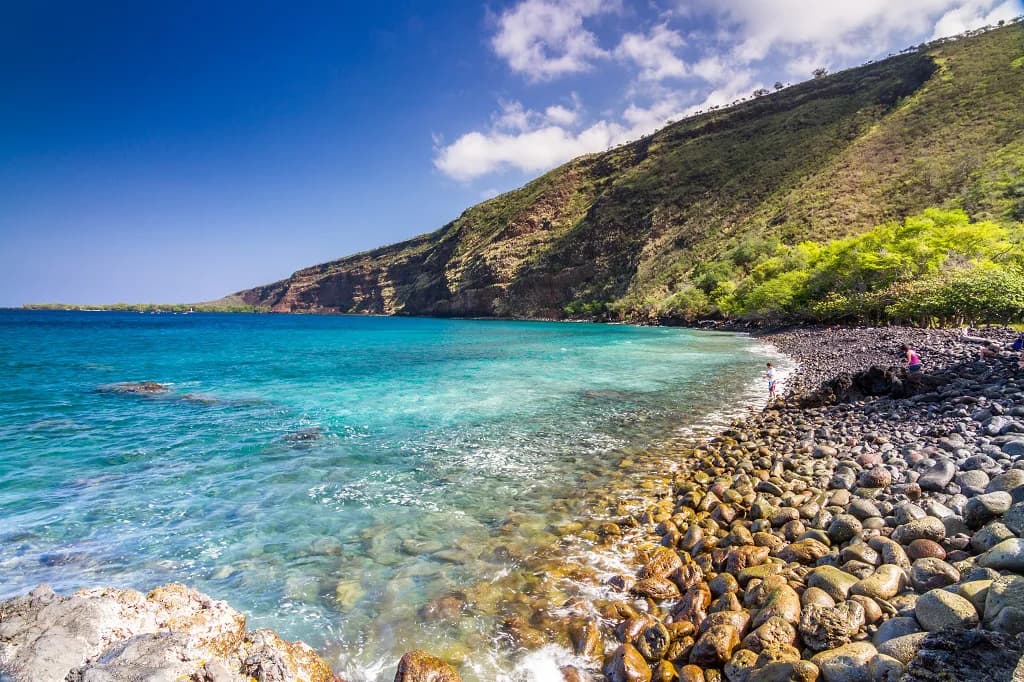
Two Step is the lava-rock shoreline on the Honaunau Bay side of Pu'uhonua O Honaunau National Historical Park. From Kailua Kona, drive south on Highway 11 for about 20 miles, turn right onto Ke Ala O Keawe Road near the Honaunau Post Office, and follow it roughly 3.5 miles toward the ocean.
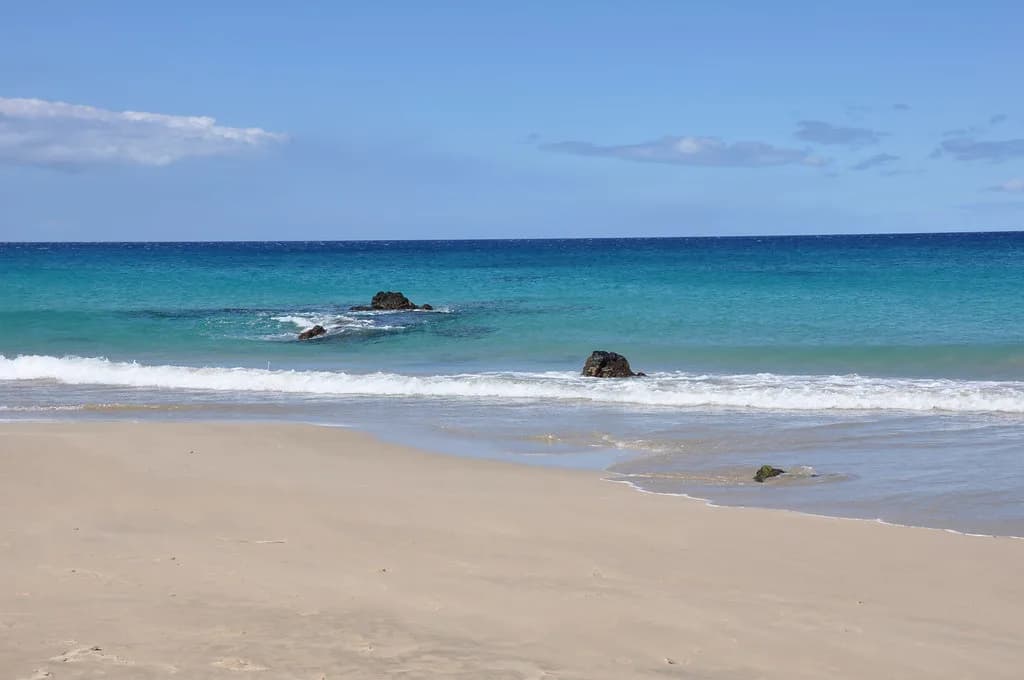
The bay sits several miles south of Kealakekua Bay, so it pairs naturally with a morning at the Captain Cook Monument or an afternoon in the national historical park. There is no beach: the shore is black lava rock, and the entry is a set of natural steps at the outermost point of rock.
Getting In Over the Lava Steps
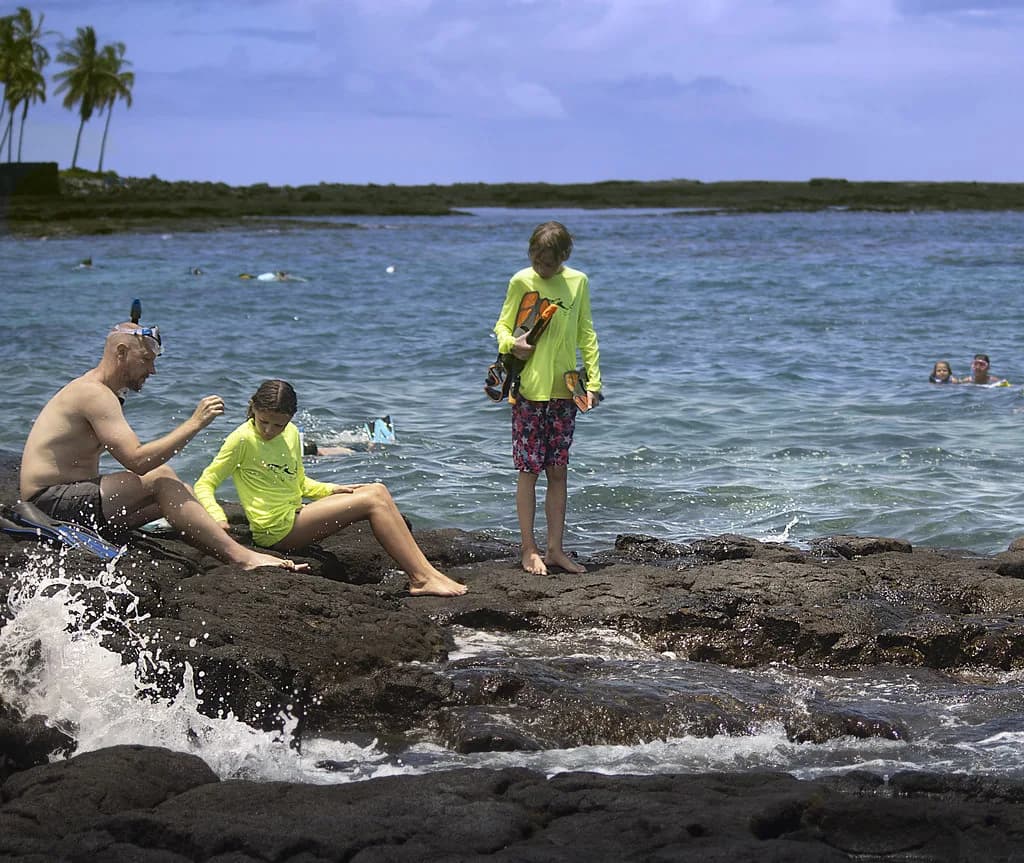
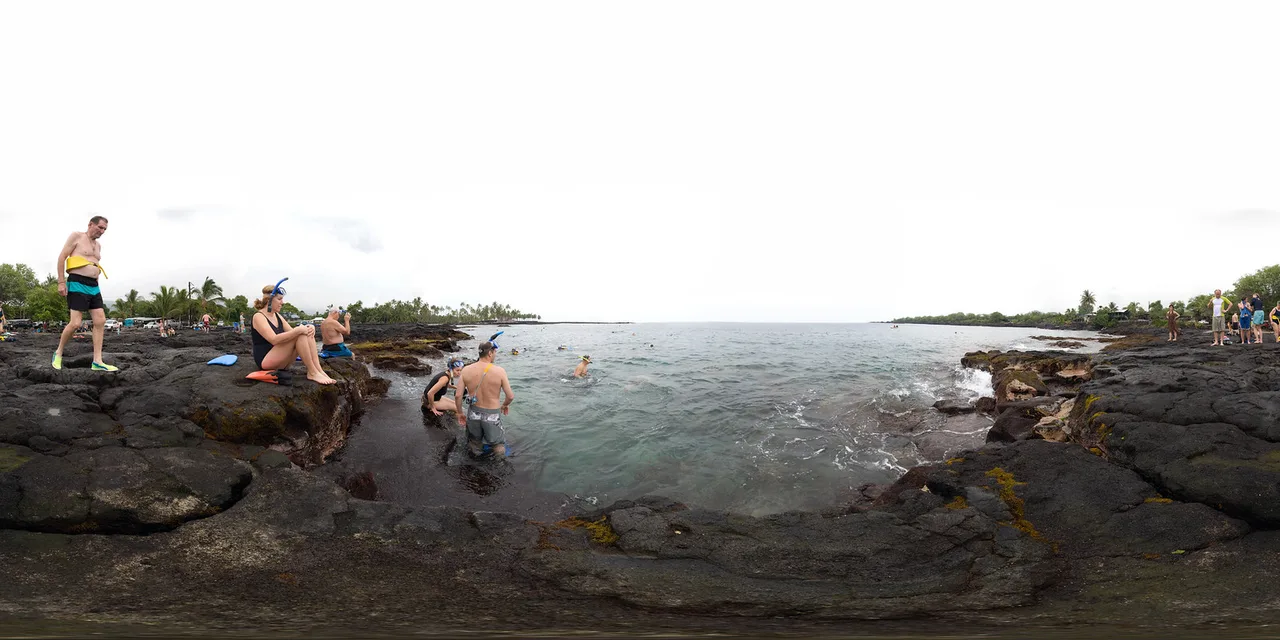
Walk out in flip-flops because the black rock gets very hot in the sun, then leave them upside-down on the rock where you can find them fast on exit. The steps sit a little left of center on the lava shelf. Lower yourself to the first step, sit down, pull on your fins, move to the second step, stand, and swim away.
Time your entry for the surge coming up so you can step down without dropping into the water, and watch where other snorkelers are entering and exiting for the cleanest line. Sea urchins sit in holes in the steps, so keep your hands off the rock and wear boots or fins that cover your heels. On the way out, ride the rising surge, rotate, and sit on the step, then get into your shoes before your feet burn.
The Right Side: Shallow Reef for Beginners
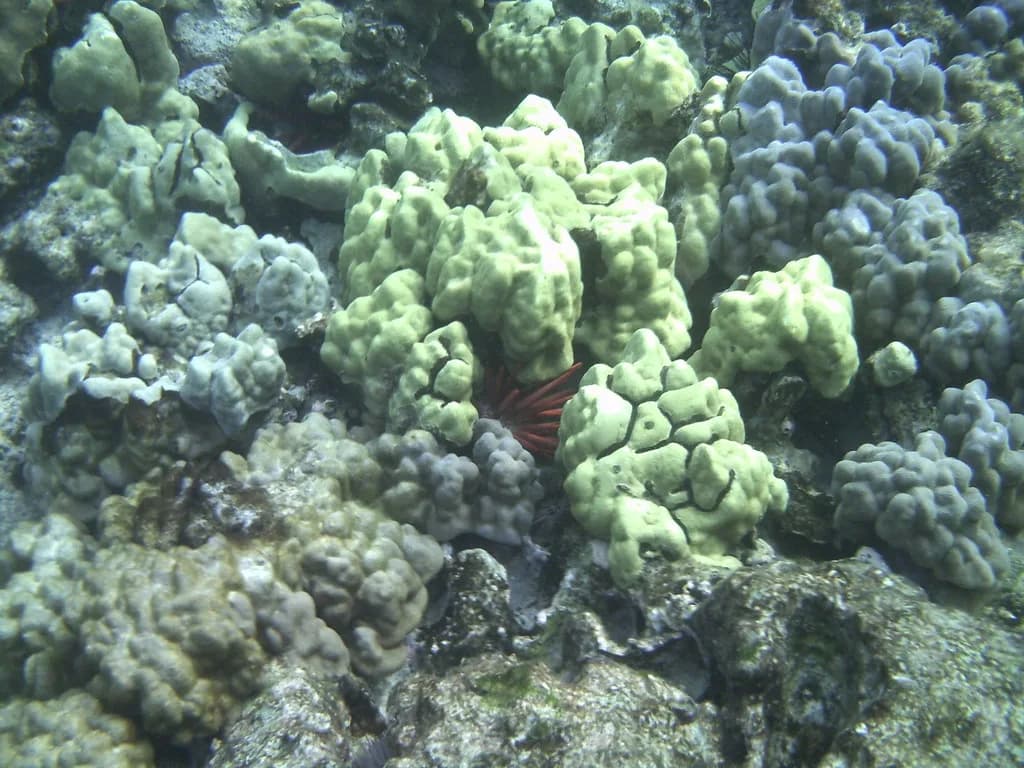
Turn right from the entry for the beginner-friendly water, roughly 6 to 10 feet deep, with plenty of fish over rocky topography. Most of the coral here was killed in the 2014-2015 bleaching events, though a few healthy colonies remain, so come for the fish life and structure rather than a lush reef.
Swim out to about 350 feet from the entrance to work the shallow reef, or push roughly 200 feet farther from shore where the bottom drops to about 25 feet and the deeper coral fared better. Toward the right side of the bay a sandy patch holds cement blocks arranged to spell Aloha, one shaped like a fish.
The Left Side: Canyons, Walls and Turtles
The left side is the more rewarding direction for confident snorkelers: spur-and-groove reef with canyons, walls, and a few small arches down to about 20 feet, and better coral survival than the shallows. This is where turtles are most often found, and large fish cruise the structures.
Treat the last rocky point, about 700 feet from the entry, as the turnaround; beyond it the exposure picks up and there is nothing more worth the swim. When there is surge running, stay clear of shallow rock tops where the water piles up and pushes you toward the rock.
What You Will See
Expect a long species list rather than a single headline animal: schools of raccoon and threadfin butterflyfish, Achilles and convict tangs, parrotfish, Moorish idols, bluefin trevally, and the humuhumunukunukuapua'a triggerfish. Whitemouth and yellowmargin morays tuck into the reef, and octopus show up often for patient snorkelers.
White-tip reef sharks have been found resting under ledges in the left-side canyons, and a day seahorse turns up occasionally. Coral on the left includes lobe, finger, cauliflower and plate-and-pillar varieties alongside rice corals.
Spinner Dolphins and Wildlife Rules
The outer edges of the bay are a resting area for Hawaiian spinner dolphins, and a sign near the steps explains the rule. Since October 28, 2021, it has been illegal to approach within 50 yards of a Hawaiian spinner dolphin, so keep your distance and let them move away on their own.
The same restraint applies to turtles and any monk seal that hauls out nearby: give them space, never touch or chase, and stay low in the water rather than diving on top of them. A sighting is never guaranteed, which is part of what keeps the bay interesting on repeat visits.
Visibility and How It Compares
Cold freshwater springs feed the bay, and that fresh water can sit in a layer on top of the seawater and soften visibility. It is normally good enough for a satisfying snorkel, but it is generally not as clear as the water at the Captain Cook Monument.
If crisp water is the priority, plan Kealakekua Bay for one morning and Two Step for another, since the two lie only a few miles apart on the same stretch of coast. Two Step gives you easier shore access and a wider range of depths in exchange for that slight haze.
Skill Level and Who It Suits
Two Step works for confident swimmers and older kids who are comfortable launching off rock into water with a surge and no sandy bottom to stand on. Newer snorkelers can stay on the right side in 6 to 10 feet of water, close to the entry and away from the deeper canyons.
If anyone in your group needs a gradual sand entry or a lifeguarded beach, choose a beach park instead and save Two Step for the stronger swimmers. The lava shelf simply does not offer an easy exit for someone who panics in moving water.
Best Time of Day and Swell Direction
Arrive early: parking fills up, sometimes with trucks and boat trailers, and the shoreline road gets crowded as the morning goes on. Morning light also sits better on the reef than flat midday glare.
The bay is fairly protected most of the time, but a big south or west wind or swell turns it rough, and that is the day to come back another time. Check the marine forecast from the National Weather Service before you commit to the drive.
Boat Traffic in the Bay
A boat ramp sits in the corner of the bay between the two steps and the national park, and boats launch there and run out through the snorkel zone. Small raft-style tours also bring snorkelers to the site, so keep your head up and your ears open for engines while you cross the bay.
Cross open water briskly and low rather than lingering in the middle of the bay, and surface-check before you change direction. On the left side, the reef structure keeps you out of the main channel for most of the swim.
Parking and Getting There
Follow Ke Ala O Keawe Road toward the ocean, turn left at the Pu'uhonua O Honaunau National Historical Park sign, and take the right onto the one-way shoreline road before the park entrance. Parking runs along the road with the water just steps away.
A pay lot sits across the road from the shoreline and is open some of the time, so arriving early keeps you from depending on it. The site also draws small tour boats and trucks with trailers, which is another reason the roadside spaces go quickly.
Facilities and Pairing the Day
Facilities at the shoreline are basic: portable toilets, picnic tables and some shade. Bring water, reef-safe sunscreen and a towel, and plan on changing at your car.
Pu'uhonua O Honaunau National Historical Park on the left side of the bay preserves an ancient village and a place of refuge, and it is well worth walking through after you dry off. The park entrance sits past the snorkel parking, so you can combine the two in a single stop.
Hazards to Plan Around
The main hazards are the surge at the entry and exit, urchins in the step holes, hot rock underfoot, and boat traffic crossing the bay. Stay off shallow rock tops when the surge is running and swim the left side's canyons only when the water is calm enough for a controlled exit.
Check the day's ocean conditions with the National Weather Service before you drive down, and remember that a calm morning can build chop by afternoon on this coast. If the surge at the steps looks bigger than you can handle, skip the swim rather than testing it.
Nearby Spots to Combine
Kealakekua Bay and the Captain Cook Monument lie a few miles north, with clearer water and a boat or kayak approach rather than a rock entry. Pairing the two gives you one easy shore snorkel and one boat day on the same stretch of Kona coast.
Farther north on the Kona coast, Kahalu'u Beach Park offers a sand entry and shallow reef for beginners, and Honokohau Harbor is the launch point for the manta ray night snorkel. Use Two Step for the lava-rock reef and these for gentler water and evening wildlife; if you are island-hopping, the snorkeling in Maui follows the same logic when you weigh rock entries against sandy bays.
Plan Your Two Step Day
Two Step rewards an early start: park along the shoreline road, walk out in shoes, and time your step down with the surge. Snorkel the shallow right side first if anyone in the group is new to rock entries, then move left for the canyons and turtles if the water is calm.
Check the marine forecast from the National Weather Service the night before, keep 50 yards from spinner dolphins, and leave the reef exactly as you found it. Finish with a walk through Pu'uhonua O Honaunau and the day covers both the water and the history of this coast.
Frequently Asked Questions
Is Two Step Beach good for snorkeling?
Yes, for confident swimmers. The bay holds a shallow reef in 6 to 10 feet of water on the right and deeper spur-and-groove canyons with turtles on the left, plus a long list of butterflyfish, tangs, parrotfish and morays. There is no beach, so you enter over lava steps timed with the surge.
How do you get in the water at Two Step?
Walk out in flip-flops, leave them upside-down on the rock, and use the two natural steps at the outermost point of the lava shelf. Sit on the first step to put on fins, move to the second, stand and swim away, timing the move for the rising surge. On exit, ride the surge up, rotate and sit, then get into your shoes before your feet burn.
Is Two Step suitable for beginners?
New snorkelers can stay on the right side, where the water is 6 to 10 feet deep close to the entry, provided they are comfortable with a rock entry and surge. Anyone who wants sand under their feet or a lifeguarded beach should choose a beach park with a gentle entry instead.
What is the best time of day to snorkel at Two Step?
Go early. Roadside parking fills up, sometimes with boat trailers, and morning light on the water is better than midday glare. If a big south or west swell or wind is running, come back another time and check the National Weather Service marine forecast.
Do you need a tour or reservation to snorkel Two Step?
The site is reached from the shoreline road, and small raft-style tours also bring snorkelers in by boat. Reserve a tour only if you want the boat approach; otherwise plan on the roadside parking and arrive early, since the pay lot across the road is open only some of the time.
Can you swim with spinner dolphins at Two Step?
No. The outer bay is a resting area for Hawaiian spinner dolphins, and since October 28, 2021 it is illegal to approach within 50 yards of them. Watch from a distance and let them move off on their own.
What will I see at Two Step?
Look for raccoon and threadfin butterflyfish, Achilles and convict tangs, parrotfish, Moorish idols, bluefin trevally, whitemouth and yellowmargin morays, and octopus. Turtles are most often found on the left side, and white-tip reef sharks have been seen resting under ledges in the canyons.
Why is the water less clear than at Kealakekua Bay?
Cold freshwater springs feed Honaunau Bay, and the fresh water can sit in a layer above the seawater and blur visibility. It is usually good enough for a solid snorkel, but generally not as clear as the water at the Captain Cook Monument a few miles north.
Sources
Snorkeling notes for your next trip
Optional updates to our snorkeling guides.
You might also like
Continue reading
More guides you'll find useful