Beach 69 Snorkeling Big Island: Entry & Reef Guide
Snorkel Beach 69 on Waialea Bay with three reef zones, sandy entry, parking fee, gate hours and the Hawaiian fish you may see on the Kohala Coast.
On this page
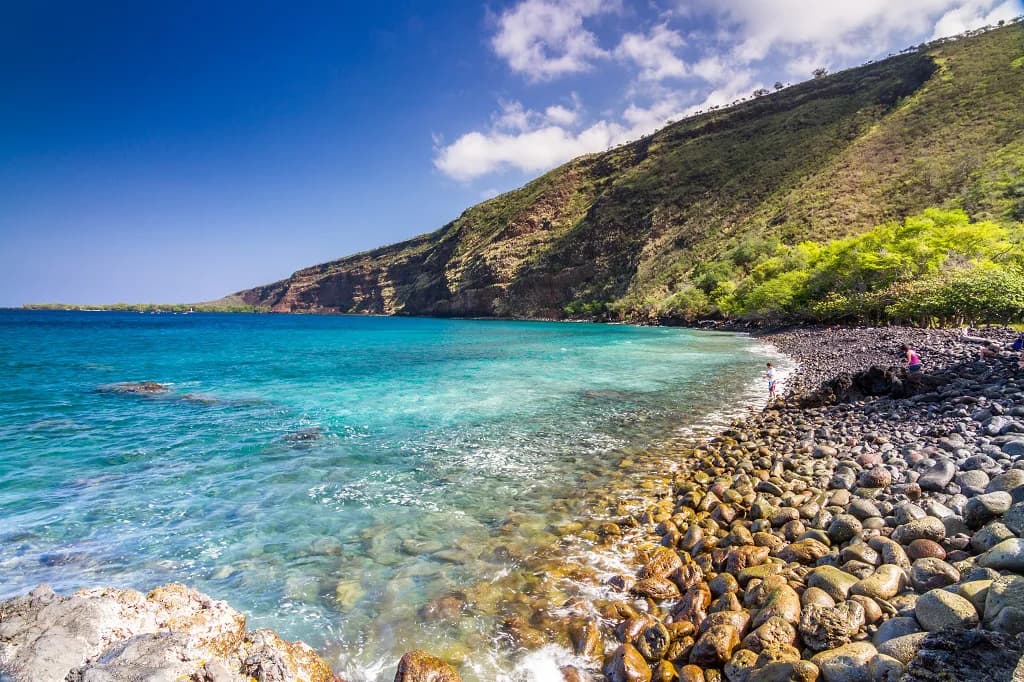
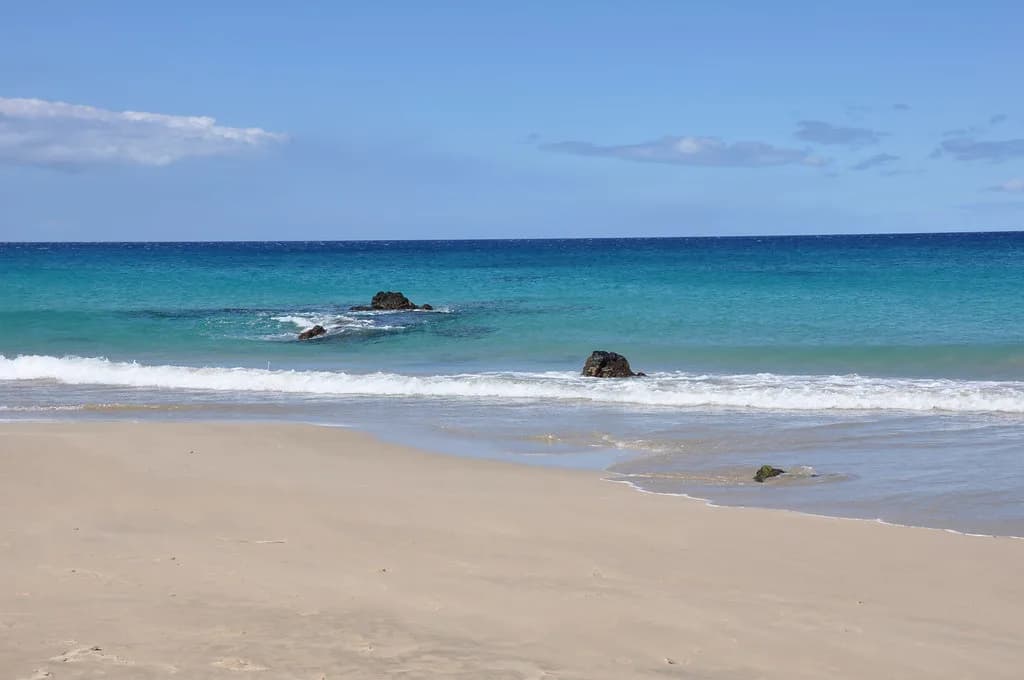
Beach 69, officially the Waialea Bay section of Hapuna Beach State Recreation Area, is the calmer, quieter alternative for snorkelers who want shade trees, a sandy shoreline and a short paddle to the reef. The bay suits beginners, families with kids and anyone who would rather not battle surf at a bigger beach. It is not a coral-garden showcase; you come for the fish variety, the rocky topography and the easy layout.
This guide breaks Waialea Bay into its three snorkel zones, explains where to step in along the quarter-mile beach, and covers gate hours, parking and facilities so you can plan a morning around the tides and the drive from Kailua-Kona. For the wider island picture, the big island snorkeling guide maps the other bays worth pairing with this one.
Why Waialea Bay Suits Beginners and Families
The beach slopes gradually into the water and the bay sits protected enough that the surface is usually calm, which is what makes it a sensible first-snorkel stop on the Kohala Coast. The swim to the reef is shorter than at Hapuna Beach just down the road, and the water over the main snorkel areas runs mostly 10 to 15 feet deep.
Shade trees line the shore, and the bay has a secluded, rugged feel rather than a resort-strip polish. One practical trade-off: when the tide is up, there is not much dry beach left for lounging, so plan your camp spot around a lower tide if you want room to spread out.
Where Beach 69 Is on the Kohala Coast
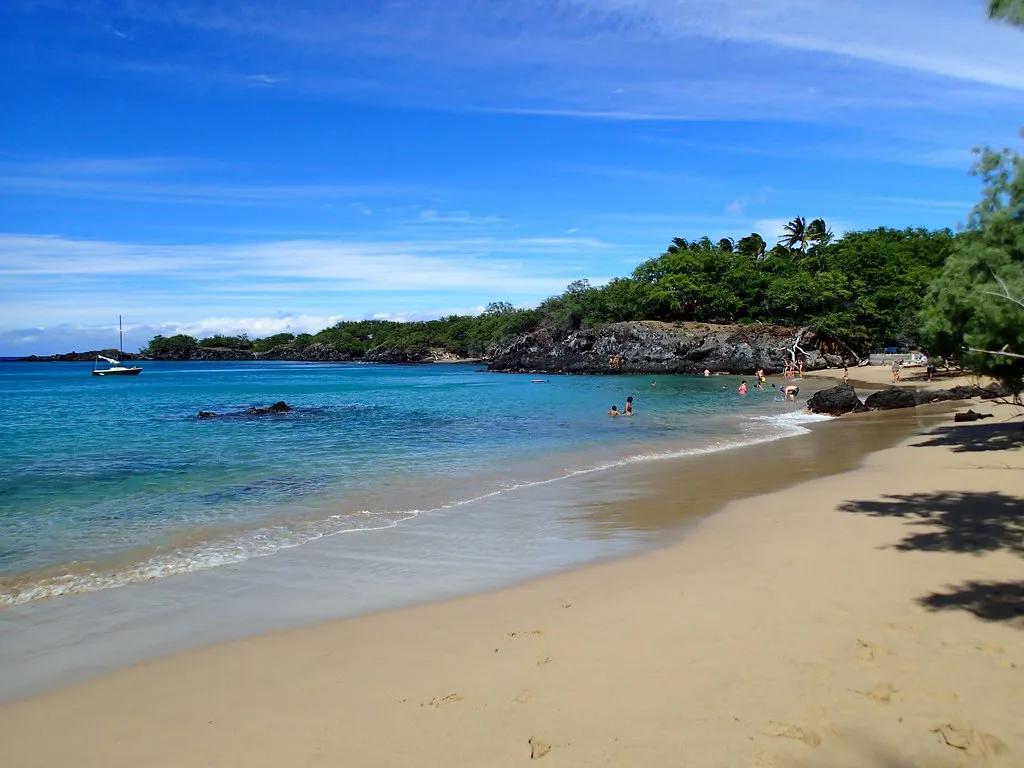
Waialea Bay lies north of Kona and Waikoloa on the Kohala Coast, reached from Puako Road off Highway 19 and then Old Puako Road. The gated access road is signed as the Waialea Bay section of Hapuna Beach State Recreation Area, and the beach is about 400 feet west of the parking lot along a short path.
The name is a local one: the bay was known as Beach 69 after a telephone pole number at the turn, though that pole is gone. The shoreline runs about a quarter mile, mostly sand, with a rocky point at each end and a long rock jutting out from the middle.
Getting In: Sandy Entries and What to Watch For
Pick your zone first, then walk to the nearest sandy stretch and wade in; you can enter barefoot, but watch for rocks mixed into the sand and kiawe thorns on the beach. Avoid stepping in directly over rock, particularly in the center of the bay where the reef meets the shore.
In the center zone, enter to the right of the shoreline rocks as you face the water rather than climbing over them. On the way out from the left side, aim for the sandy patch roughly 100 feet left of the long rock, where the bottom opens up again.
The Right End: Rocky Point and Early Turtles
Swim along the right-hand rocky point and the bottom shifts from sand to rock a short way around the corner. From there you can follow the shoreline for about 800 feet, or head out from shore a similar distance, before it drops back to sand. Depths here reach about 15 feet, with small spurs and grooves to explore and a good variety of fish.
Turtles have turned up in this zone early in the morning, though no sighting is guaranteed and Hawaii's viewing rules mean you keep your distance and let the animal set the pace. A freshwater layer can blur visibility at the surface here, and stirred-up sand reduces it near the bottom.
The Center Zone: The Largest Reef Area
The center is the biggest snorkel area in the bay: the reef runs about 650 feet wide and extends another 650 feet offshore in places. It starts straight out from the access path behind the rocky point, so follow the right side of the reef outward until it deepens or turns to sand, then track the reef edge back toward shore while staying offshore of the rocks that break the surface.
The long rock running perpendicular to the beach is the best navigation landmark in the bay; its tip sits about 400 feet offshore and the reef drops off another 100 feet or so beyond it. Around the rock the depth holds at about 10 feet, with spur-and-groove structure, some healthy coral and plenty of fish.
To move between zones, note that the bottom is sand for just over 300 feet between the right end and the center, so do not cross there expecting fish. Swimming over from the offshore end of the long rock puts you over about 15 feet of reef; closer to shore the crossing is pure sand.
The Left End: Shallows, Small Fish and More Exposure
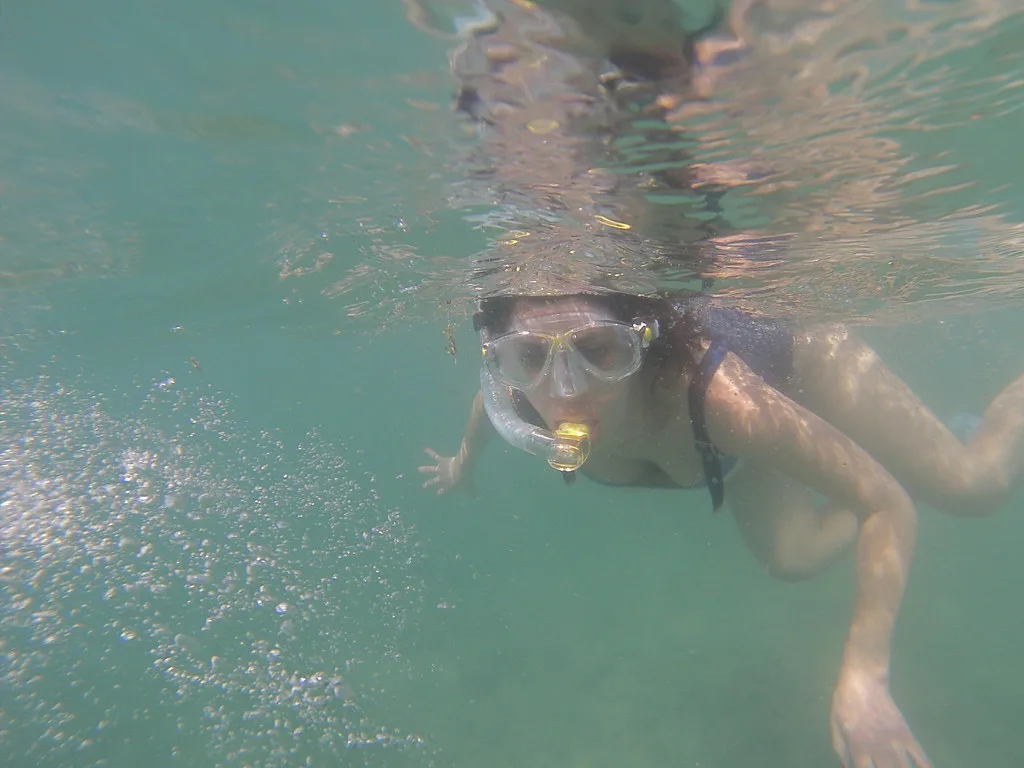
Walk down the beach and enter at the left-hand point to find immature fish in the shallows near shore, with more fish and more variety farther out. The reef turns shallow and less interesting past the point about 600 feet from shore, so there is little reason to continue around it.
This side is the most exposed part of the bay, and waves can make it rougher out past the point. If the surf is up, the center zone behind the rocky point is the better choice for the day.
What You Will See
Expect a wide mix of Hawaiian reef fish rather than dense live coral. Triggerfish, including the humuhumunukunukuapua'a, parrotfish, Moorish idols, butterflyfish and filefish work the rocky areas, while schools of yellowfin goatfish, tangs and surgeonfish move through the center zone. Turtles are possible, most often noted at the right end in the early morning.
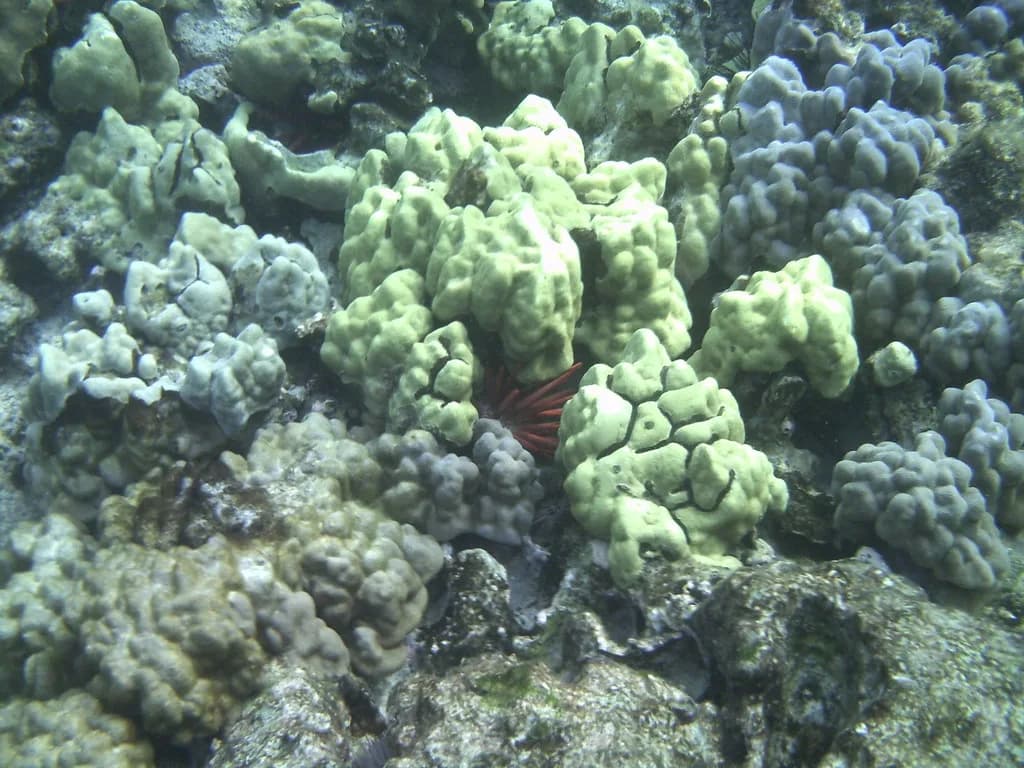
The structure itself is part of the attraction: spur-and-groove reef, a few healthy coral heads, sea cucumbers, urchins and Christmas tree worms. Treat this as a fish-and-topography snorkel and you will judge it fairly against richer coral sites elsewhere on the island.
Beach 69 Versus Hapuna Beach
Hapuna Beach, just down the road, has a broader sand beach and more space at high tide, but Waialea Bay is easier to access and much less crowded. The swim from shore to the reef is also shorter here, which matters with kids or a first-time snorkeler. If you are comparing islands, the snorkeling in Oahu guide covers similar shore-entry decisions and crowd trade-offs on another island.
The trade-off runs the other way on visibility and coral: Waialea Bay regularly has lower visibility and limited live coral, so if clear water and coral cover are your priority, plan time at a different bay as well. For a lifeguarded, family-oriented alternative with a reef close to shore, Kahaluʻu Beach Park Snorkeling down near Kailua-Kona is the obvious comparison.
Best Time to Go
Morning is the strongest window: the light is better, the water tends to be calmer, and the gate opens at 7 am so you can be in the water early. Turtles at the right end have been seen early in the day, and the parking lot is easier before mid-morning arrivals.
Tide changes how much beach you have, not just how the water looks, so a lower tide gives you room to set up under the trees. Northerly swell can raise the energy on the exposed left side, while the center stays more sheltered behind the rocky point. Hawaii DLNR posts current advisories if you want to check conditions before driving out.
Parking and Fees
Parking is in a paved lot at the end of a short gated road off Old Puako Road, with a payment machine in the lot and a $5 parking fee for non-residents.
The gate opens at 7 am and closes at 7:30 pm, so plan your exit with that closing time in mind, especially if you add a second snorkel stop on the way back. Arriving early also avoids circling a full lot.
Facilities and What to Bring
The parking area has showers, restrooms, drinking water, picnic tables and trash cans, and the beach itself is lined with shade trees. Bring reef-safe sunscreen, since Hawaii restricts sunscreen containing oxybenzone and octinoxate, and pack out anything the trash cans cannot take.
Footwear helps for the short walk and the kiawe thorns; a rash guard is worth having for a long morning in the water. Snorkel gear is not rented at the bay, so bring your own mask, snorkel and fins or pick them up in Kailua-Kona before you drive north.
Directions from Kailua-Kona and Hapuna Beach
From Kailua-Kona, take Highway 19 north through the Waikoloa resort area; after passing Mauna Lani Resort on your left, turn left onto Puako Road, then right onto Old Puako Road. The second left on Old Puako Road is the gated paved road to the Waialea Bay lot. If you reach the 70-mile marker on Highway 19, you have gone too far.
From Hapuna Beach, follow Old Puako Road south and turn right at the next gated paved road with the Hapuna Beach State Recreation Area sign. The walk from the lot to the sand runs about 400 feet west.
Nearby Spots to Combine
Pair Waialea Bay with Hapuna Beach for a full beach day, and add a Puako coastline stop if you want a second, different shoreline. South of Kona, Kealakekua Bay snorkeling offers deeper, clearer water and a boat-assisted reef, a useful contrast to the sandy, sheltered bay here.
If you would rather have a boat handle the logistics, big island snorkeling tours run along this coast and can reach sites that are awkward from shore. Build the day around one morning snorkel at Beach 69 and one afternoon stop, and keep the drive back to Kona in daylight.
Plan Your Snorkel Day at Beach 69
Treat Waialea Bay as a three-zone bay: enter at the right point for rock structure and a chance of turtles, work the center around the long rock for fish and topography, and use the left end only when the water is calm. Go early, bring reef-safe sunscreen and your own gear, and expect modest visibility rather than a coral showcase.
Check the gate times and parking fee before you set out, and confirm conditions with Hawaii DLNR if a swell is running. For the rest of the coast, the Kahaluʻu Beach Park Snorkeling guide covers the lifeguarded, family-friendly option closer to Kailua-Kona.
Frequently Asked Questions
Is Beach 69 good for snorkeling?
Yes, with realistic expectations. Waialea Bay has a gradual sandy entry, a short swim to the reef and three distinct snorkel zones, which makes it easy for beginners and families. The fish variety is good and the reef structure is interesting, but visibility is often low and live coral is limited, so do not expect a pristine coral garden.
Why is it called Beach 69?
The name comes from a telephone pole numbered 69 at the turn to the beach, a pole that is no longer there. The official name is the Waialea Bay section of Hapuna Beach State Recreation Area.
How do I get to Beach 69?
From Kailua-Kona, drive north on Highway 19, turn left onto Puako Road after Mauna Lani Resort, then right onto Old Puako Road and take the second left onto the gated paved road to the Waialea Bay lot. From Hapuna Beach, follow Old Puako Road south and turn right at the gated road with the state recreation area sign. The beach is about 400 feet west of the lot.
How much is parking at Beach 69?
There is a parking fee for non-residents, paid at a machine in the lot. Rates are set by the state and can change, so check the posted fee at the machine or on the Hawaii DLNR parks page before you go.
What fish can you see snorkeling Waialea Bay?
Look for triggerfish including the humuhumunukunukuapua'a, parrotfish, Moorish idols, butterflyfish, filefish and schools of yellowfin goatfish, tangs and surgeonfish. Sea cucumbers, urchins and Christmas tree worms sit on the reef, and turtles are possible, most often noted at the right end early in the morning. Sightings are never guaranteed, and you should keep your distance from turtles and other wildlife.
Is Beach 69 better than Hapuna Beach for snorkeling?
It depends on what you want. Waialea Bay is easier to access, less crowded and has a shorter swim to the reef, and it offers shade trees along the shore. Hapuna has a wider beach with more room at high tide but a longer swim and more crowding. For calm water and a quick reef, Beach 69 wins; for beach space and a bigger shoreline, Hapuna does.
What time of day is best for snorkeling Beach 69?
Morning, starting when the gate opens, gives you calmer water, better light and an easier parking lot. Low tide also leaves more dry beach for setting up under the trees, while a northerly swell makes the exposed left end rougher.
Sources
Snorkeling notes for your next trip
Optional updates to our snorkeling guides.
You might also like
Continue reading
More guides you'll find useful