Manta Ray Night Snorkel Kona: Which Big Island Tour to Book
Plan a Kona manta ray night snorkel: how the light boards work, viewing rules, boat and group-size trade-offs, observer seats, and booking timing.
On this page
The Kona manta night snorkel puts you in dark water floating at the surface with a light, watching wings that can span wider than a car glide in to feed. It suits confident floaters and cautious first-timers alike, because you never dive and the boat can carry non-swimmers as observers. What separates one trip from another is rarely the manta: it is the boat, the group cap and where you depart from.
What the Kona Manta Night Snorkel Actually Is
Most trips are two-part evenings: a sunset run along the Kona coast, then a float over nearshore plankton grounds once it is fully dark. Manta Adventures, for example, checks in at 3:45 pm, departs at 4:15 pm and returns around 7:45 to 8:00 pm, roughly three and a half hours including the cruise, the briefing and the in-water session.
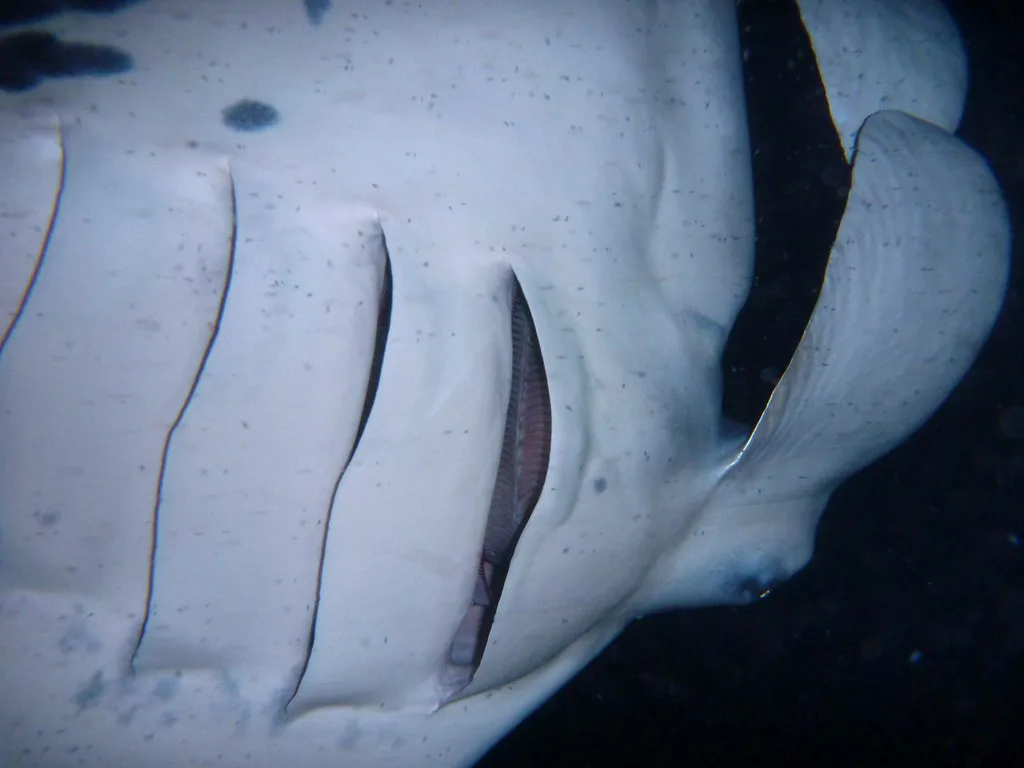
The draw is the feeding behavior. Plankton concentrates in a small area off the Kailua-Kona shoreline, and mantas sweep through it in repeated passes, sometimes close enough to see the inside of the mouth. Operators build lights around that behavior, so the show is a loop of approaches rather than a single sighting.
Shorter formats exist. Some companies run a focused two-hour trip with a quick run from Keauhou Bay to the manta site, and a few small powerboats cut transit to a few minutes. If you have an early flight or young kids, that difference in duration matters more than the boat's amenities.
Where It Happens: Honokohau Harbor and Keauhou Bay
Departure points split into two main areas. Manta Adventures works out of Honokohau Harbor, Slip G2 on the south side, a few miles north of downtown Kailua-Kona, which is convenient for anyone staying in the northern condo strip. Keauhou Bay, south of town, is the other base, used by several catamaran and small-boat operators.
Pick your departure by drive time after dark, not by brochure photos. A late return means unlit coastal roads back to your rental, and Keauhou Bay pier parking fills early, so arriving with buffer beats a tight check-in.
The manta grounds themselves sit just offshore of the Kona coast, close enough that boats do not travel far to reach them. That short run is why even a two-hour product can include real water time rather than a long cruise.
How the In-Water Setup Works
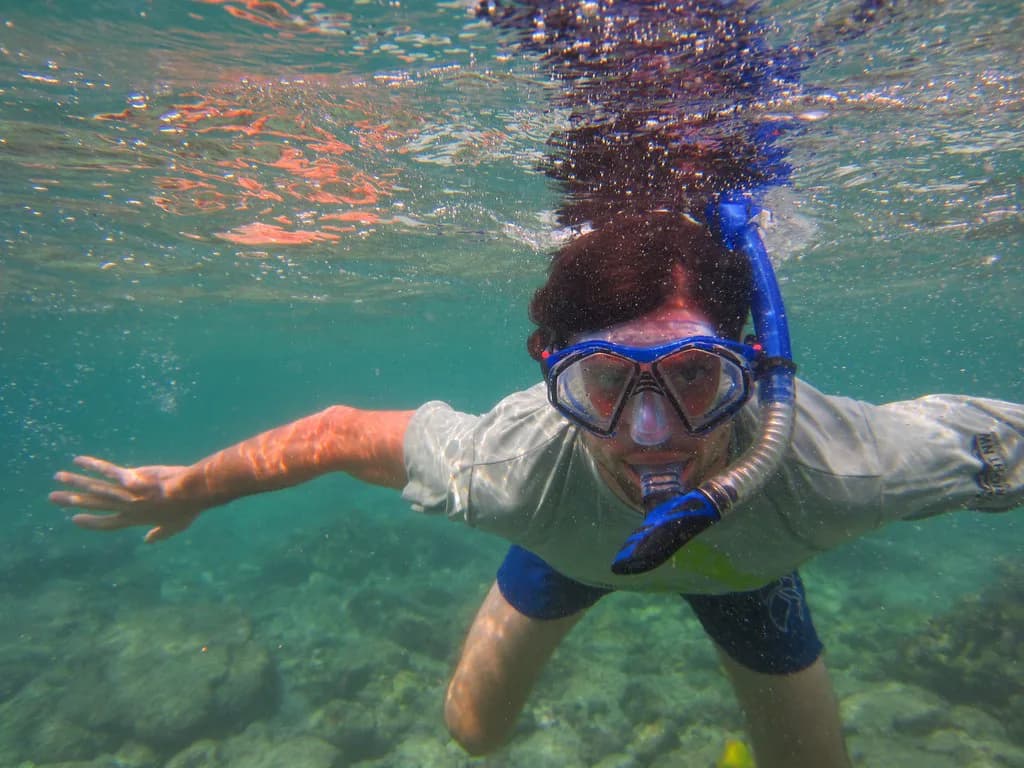
You will not swim a reef. Snorkelers hold onto a light board or float raft at the surface, legs kept horizontal, and the crew positions the group so mantas pass nearby. Lights point down into the water column, which concentrates plankton and brings the animals toward the group.
Because the raft carries you, the physical demand is mostly comfort rather than fitness: holding a position in the dark, keeping your face in the water and managing a mask. Some boats supply flotation devices as standard, while others require demonstrated swimming ability and prohibit flotation in the water, so read the company's policy before booking your Kona manta night snorkel.
Getting back aboard is the other practical detail. Manta Adventures operates a boat with a heavy-duty ladder and four submerged steps, with no transom to crawl over, which is the setup to look for if knee strength or upper-body pulling is a concern.
What You Will See
Expect manta rays first and foremost, often described as gentle giants with wingspans that can reach about 16 feet on the Kona coast. They feed by gliding through plankton, and the passes repeat, which gives you many chances to watch a full wingbeat from below.
Beyond the mantas, the lights draw small fish and other night-active life, and a lit float gives you a narrow window into a water column you would otherwise never see. Treat manta numbers and closeness as wild behavior: operators publish viewing guidelines precisely because the encounters are not scripted.
Photography is possible but constrained. Underwater cameras are welcome, and the published rules ask you to keep equipment compact in the water and turn the flash off. A housing-free phone will not do the job; bring a proper underwater camera or GoPro if the shot matters.
Viewing Rules Every Boat Follows
Kona's manta operators publish a shared code: observe only, no touching, no chasing, grabbing or riding, and no diving down into the water column. The reason given is protective: contact rubs off the manta's mucus coating, and diving into the feeding lane disrupts the animals.
In practice that means staying on the surface with legs flat, shining lights downward and letting mantas come to you. Snorkelers who dive under the raft to get closer are the ones that end the encounter for everyone. Flash off for photos is part of the same set of rules, and crew briefings repeat them before entry.
These are wildlife-viewing guidelines rather than suggestions, and the crew enforces them. If you are bringing kids, brief them in the car: hands to yourself, feet still, light pointed down.
Choosing a Boat: Catamaran, Powerboat or Canoe
Boat type decides how your evening feels. A large sailing catamaran such as Sea Paradise's Hoku Nui gives you a stable platform, restrooms, a freshwater shower and space to spread out, which makes it the safer bet for anyone worried about seasickness. The trade-off is crowd size.
Small rigid inflatables and powerboats get you to the site fast and put fewer people in the water, but several offer no onboard restroom and limited shade. Paddle-powered outrigger canoes are the quietest option, capped at about six guests, and they sell out far in advance.
Manta Adventures sits in the middle: a purpose-built boat carrying up to 24 passengers, with a cabin to keep gear dry, a head with sink and a freshwater shower rinse. That capacity is comfortable for families but more crowded than a six-guest charter.
Group Size and Who Each Trip Suits
Match the group cap to your party. Twenty-four-passenger vessels absorb extended families and mixed-ability groups without splitting up, while six-guest charters suit couples, photographers and anyone who dislikes a crowded raft. Mid-size boats of 16 to 28 sit between the two.
For a family with one nervous swimmer, a mid-size boat with observer seats usually beats a boutique charter, because nobody sits out the evening. For two confident snorkelers who want space, the small-boat premium buys a calmer in-water experience.
Swim Skill and Age Requirements
Requirements vary enough that you should check the specific operator page. Some Kona trips require swimming proficiency and do not allow flotation devices in the water, with a minimum age around 10 on at least one operator's night snorkel.
Others are built for beginners. Manta Adventures sells child tickets for ages 7 to 12 and includes flotation devices, and non-swimmers can book as observers and watch from the boat. There is no swimming requirement to ride along.
If you cannot put your face in the water comfortably in daylight, a night entry will not fix that. Book the observer seat and enjoy the sunset and the view from the rail; the manta passes are visible from the deck.
What Is Typically Included and What to Bring
Manta Adventures includes a light snack, juice and water, snorkel gear, fins, mask, flotation devices, wetsuits and a freshwater warm shower rinse, with sterilized snorkel mouthpieces available to purchase. Their bring-list is short: towel, swimwear, a cover-up and a light jacket or sweater for the ride back.
Other operators include wetsuits and gear as standard, and one lists a wetsuit top rather than a full suit. On a small RIB, assume less shelter from wind on the return run and pack a dry layer accordingly.
Tipping is typically not included in the fare, so carry cash for the crew. Bring an underwater camera if you have one, and leave the tripod and full-size rig at the rental.
Costs and Booking Lead Time
Kona manta night snorkels are sold by participant type. Manta Adventures charges $130 for adults, $120 for children ages 7 to 12 and $110 for observers, plus tax, with a $5 fuel surcharge included; fares are as listed by Manta Adventures at the time of writing.
The wider market runs from roughly the $129 range up to about $150 per person on small-group charters, and one operator sells a sighting guarantee as a paid add-on rather than including it. A guarantee is not a promise you will see mantas; it is a voucher or discount policy if you do not.
Book ahead, especially for six-guest boats and mid-size catamarans in peak season. Manta Adventures describes limited availability with groups up to 24, and its published adult fare is $130 plus tax.
Best Time of Year and Time of Night
Kona manta trips run year-round, so the decision is mostly about which departure and which month fits your trip. Sunset departures give you daylight for the cruise and an early return; later starlit departures are quieter on the water but mean a darker drive home.
Winter adds the chance of whales on the sunset leg, and some operators run dedicated whale watches from January through March. That is a bonus sighting, not a reason to book a manta trip, since the manta float happens after dark.
Sea state matters more than the calendar for comfort. If you are prone to motion sickness, choose a larger boat and ask the captain about typical evening conditions at the site rather than assuming a calm ride.
Combining Your Night Trip With Daytime Kona Snorkeling
A manta evening pairs naturally with a morning on the Kona coast. Kahaluʻu Beach Park Snorkeling is the easy, lifeguarded warm-up with shallow water and a sandy entry, and it gives you a chance to sort out mask fit and fins before a night entry.
For reef structure and clearer water, Kealakekua Bay snorkeling is the classic boat or kayak destination south of Kona, while Honaunau Bay offers a rocky-entry alternative further south. Build either into a separate morning rather than stacking it with a night trip on the same day.
If you have several days, spread your snorkeling across the island rather than repeating the same Kona sites; the wider big island snorkeling guide covers the west-coast beaches, including Waialea Bay, and helps you plan around swell and wind. If your trip also includes other islands, the snorkeling in Maui guide shows how shore spots and boat trips compare there.
Hazards and How the Crew Manages Them
You are entering the ocean after dark from a boat, which is a different proposition from a daytime beach. Expect chop at the site, cool water after sunset and multiple vessels working the same small area, with the crew controlling entry and exit and tracking boat traffic.
Wetsuits and warm shower rinses are on board for the cold, and a light jacket helps on the return run. Follow the briefing on where to hold the raft and where to keep your legs, since a raised foot or a dropped light is the most common way to spoil someone's view.
Booking Your Manta Night
Decide first whether everyone in your group will get in the water; if not, book a boat with observer seats and a stable platform. Then choose between a large catamaran for comfort, a mid-size boat for value and simplicity, or a small charter for space, and book well ahead for the six-guest options.
On the night, follow the surface-float rules exactly, keep lights down and flash off, and let the mantas choose the distance. Check current check-in time and sea state with your boat company on the day before you drive to the harbor.
Frequently Asked Questions
Do you need to be a strong swimmer for a Kona manta ray night snorkel?
Not for every trip. Some Kona operators require swimming proficiency and do not allow flotation devices in the water, while others supply flotation and let non-swimmers book as observers who stay on the boat. Read the specific operator's published requirements.
Can kids join the manta ray night snorkel in Kona?
Yes, on many boats, but age minimums differ. At least one operator sells child tickets for ages 7 to 12, while another night snorkel sets a minimum age around 10. Check the operator page for the age and swimming policy that applies to your child.
Can non-swimmers come along on the boat?
Several operators sell observer seats for people who stay aboard, and the manta passes are visible from the deck. That makes a mixed-ability family practical: swimmers float with the light raft while non-swimmers watch from the rail.
Sources
Snorkeling notes for your next trip
Optional updates to our snorkeling guides.
You might also like
Continue reading
More guides you'll find useful