Snorkel Rental Big Island: Gear and Pickup Guide
Plan a Big Island snorkel rental around where you are staying, how many days you will swim and whether you need Rx masks, fins or just a mask and snorkel.
On this page
Renting snorkel gear on the Big Island makes the most sense when your trip mixes water days with volcano days, when you are flying carry-on only, or when you are traveling with kids whose feet and faces will change before the next island hop. A rented set also spares you from packing wet fins next to clean clothes. The trade-off is that you inherit whatever mask fit the shop has on the rack, so it pays to know what to ask for before you leave the counter.
Why rent instead of buy for a Big Island trip
A Big Island itinerary usually scatters snorkeling across several days and several coastlines, which is exactly the pattern that rewards a multi-day rental over a single purchase. Families with growing kids, travelers on interisland hops and anyone flying with only a carry-on avoids committing luggage space to fins that get used twice. Buying makes more sense if you snorkel at home, have a hard-to-fit face or need a prescription mask you will keep. The same trade-off between renting and buying plays out on other islands, as this guide to snorkel rental Maui explains. If you would rather own your own set, this guide to Snorkel Gear: How to Choose Mask, Snorkel and Fins walks through picking a mask, snorkel and fins that fit.
Island-hopping travelers should ask about cross-island returns before reserving, because dropping gear at a different shop on departure day can change your last morning. Snorkel Bob's advertises free 24-hour interisland gear return between its Hawaii store locations, and its Honolulu page lists daily opening hours from 8 to 5 including holidays. That is an Oahu store, so treat the policy as a question to put to the Kona or Waikoloa counter rather than a Big Island guarantee.
Where rental shops sit relative to Kona, Waikoloa and the west-side beaches
Most visitors base themselves either in Kailua-Kona or up the Kohala coast around Waikoloa, and the two bases put different beaches within easy reach. Kona puts you closer to Kealakekua Bay and Honaunau Bay, while the Waikoloa resorts sit nearer the Kohala beaches and the road north to Hawi. Pick your rental shop from your lodging, not the other way around, so you are not driving an hour each way to swap a leaking mask.
Snorkel Bob's operates a Kona shop in Kailua-Kona, which is the practical pickup for anyone staying in town or heading south toward the bays. Confirm the current address and hours directly with the shop when you reserve, since those details can shift season to season.
If your first swim is at Kahaluʻu Beach Park south of town, a Kona pickup lets you collect gear, drive down the coast and be in the water the same morning. That park is the easiest shore entry on the island for beginners, with a sandy protected bay and lifeguards on duty, which makes it a good first test of a rented mask's seal.
Pickup logistics: reserving ahead and returning on departure day
Reserve your set online or by phone before you fly so the shop can hold your sizes, and plan pickup for the morning after you land rather than the same afternoon. Jet lag and a late arrival combine badly with a gear fitting. If you are staying in Waikoloa and flying out of Kona, ask whether you can return gear at a different counter or after hours, because a departure-morning return can collide with your flight.
Boss Frog's runs a Kapaa shop across from the Foodland and Safeway on Kauai, and its site lists snorkel rental packages starting from listed rates. Those figures are for a Kauai location, so treat them as an illustration of how Hawaii shops price gear rather than a Big Island quote. Get the Big Island rate sheet from the counter or the shop's own booking page.
What a full set includes and how to fit it before you leave
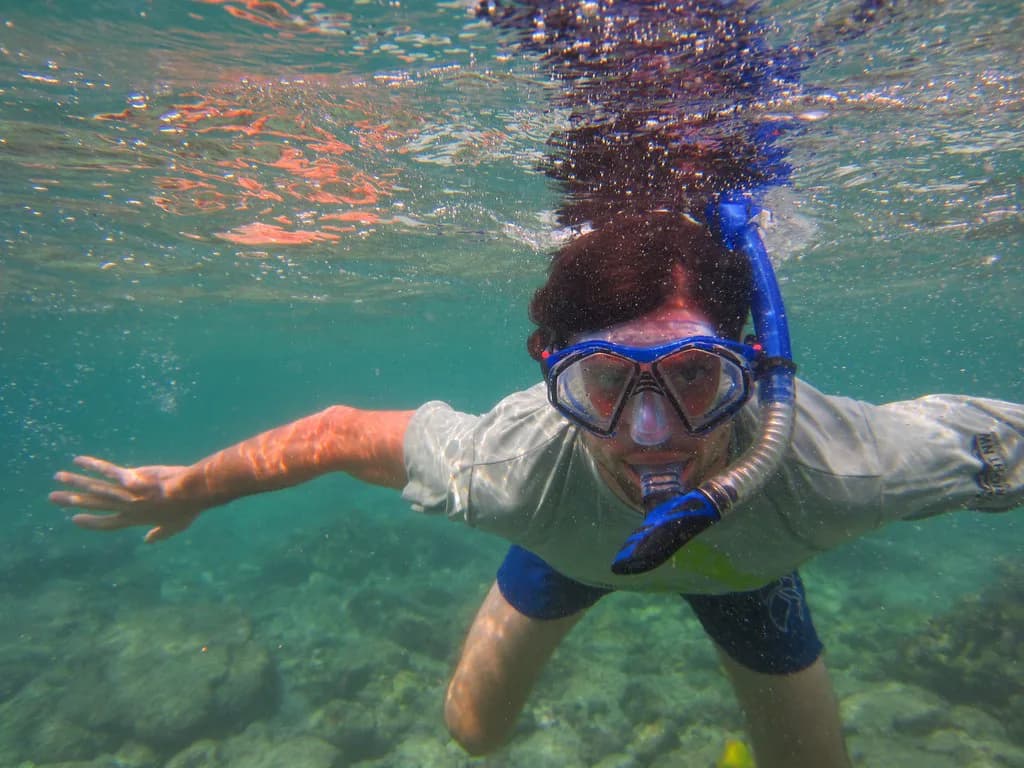
A complete package normally covers mask, snorkel, fins and a flotation vest, while add-ons such as wetsuit tops, rash guards and underwater cameras cost extra. Snorkel Bob's describes its packages as including a dry snorkel on every set, with a fresh-air snorkel option, and lists nearsighted-correcting mask lenses for adults and children. Ask which items are counted in the base rate before you sign, because a vest you assumed was included can change the daily math.
Fit the mask in the shop by placing it on your face without the strap and inhaling gently through your nose; if it holds and lifts off when you breathe out, the seal suits your face shape. Fins should be snug at the heel without pinching the toes, and a flotation vest should sit high on your chest without riding up when you raise your arms. Do this at the counter, where you can swap sizes, not at the beach.
Rx and kids' gear: nearsighted lenses and small feet
Nearsighted snorkelers have two options: a rental mask fitted with corrective lenses or a mask that accepts drop-in lenses. Snorkel Bob's lists Rx-receptive masks for adults and kids plus ready-made lenses, which means you can usually solve a moderate prescription at the shop instead of ordering custom glass. Bring your prescription numbers with you so the counter can match the closest available strength.
For children, the priorities are a mask that actually seals on a smaller face and fins that do not slip off mid-swim. Shops stock kids' packages and small-foot fins, but availability varies by location, so reserve the child's sizes at the same time you book your own. Children who are new to snorkeling do best starting in a calm, lifeguarded bay before trying a deeper reef.
Daily rate versus multi-day and weekly packages
Rate sheets are built so the daily price drops as the rental length grows, and weekly packages usually cost less than three or four single days. Do the arithmetic on the number of actual water days, not the length of your trip, because a volcano day and a travel day should not count toward gear. Ask whether the shop charges per calendar day or per 24-hour period, since a late pickup can stretch a four-day rental into five billable days.
Snorkel Bob's publishes a gear rental rates page alongside its store information and advertises a free turtle beach bag or boogie board for the week with certain activity reservations; check the current terms before relying on any perk. Boss Frog's lists package rates starting from set amounts at its Kapaa location. Neither is a Big Island price, so request the Kona or Waikoloa rate sheet in writing when you reserve.
Read the sheet for what is not included: late-return fees, replacement charges for lost masks, and whether a wetsuit top or chair rental is a separate line. Those add-ons can matter more than the base rate if you plan long snorkel sessions or want shade at a beach park.
Shore entries versus boat trips: what to carry and what to leave behind
For shore entries at places like Honaunau Bay, you want mask, snorkel, fins, vest, water and a dry bag in one carry, because the parking area can sit a short walk from the water and the entry is often over rock or a concrete ramp. Leave the cooler and spare towels in the car. For a boat trip, the charter company typically supplies or permits gear, so confirm what is on board before hauling your own fins aboard.
Night snorkels with manta rays are a different kit question: you need a mask that fits well in the dark and a light system the tour company provides or approves. Book the trip first, then match your rental to what the charter says you must bring. Reserve the manta ray night snorkel early in your trip so a weather cancellation still leaves room for a second attempt.
Combining a rental with the west-side snorkel spots you came for
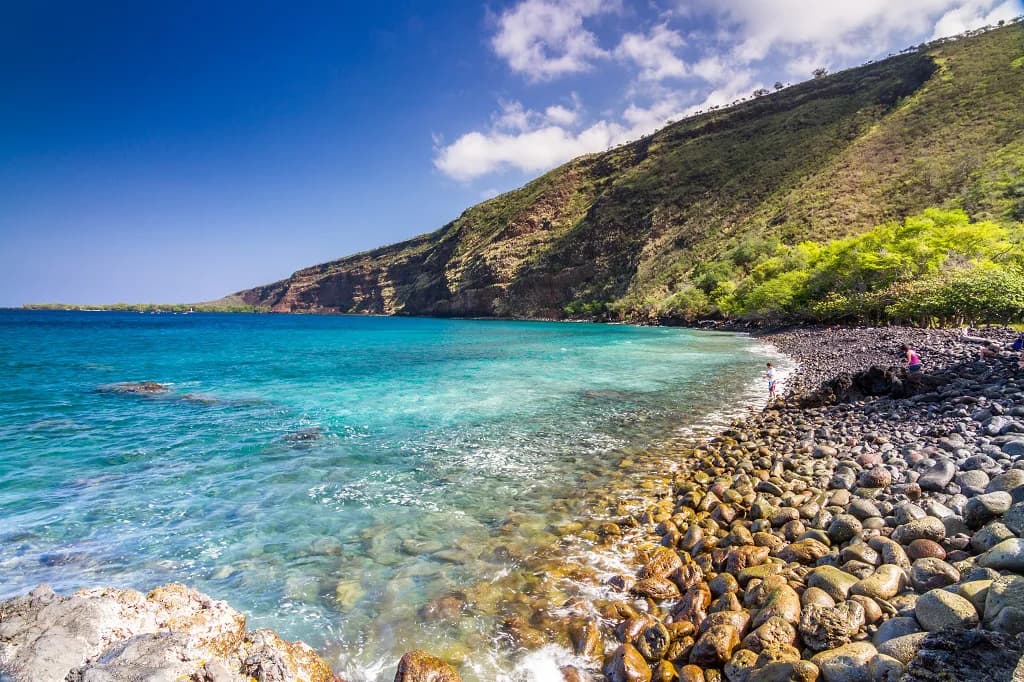
A seven-day rental comfortably covers a loop that starts at Kahaluʻu, moves south to Kealakekua Bay and Honaunau Bay, and finishes with a boat day out of Honokohau Harbor. Kahaluʻu is the beginner-friendly sand entry, Kealakekua is the cliff-backed bay best reached by boat or a long walk, and Honaunau rewards confident swimmers with deeper water and rock entries. Build the order around swell and wind rather than driving the same road twice.
Check the Big Island snorkel report the evening before each water day, since a north or west swell can shut down one bay while leaving another flat. That report is the tool that decides whether you drive south or stay close to your rental pickup.
If your trip continues to another island, ask about interisland returns when you reserve so you are not carrying wet gear to the airport. Snorkel Bob's advertises free interisland return between its Hawaii stores, which is worth confirming for the Big Island shop you use.
Reef etiquette and wildlife rules that apply wherever you swim
Hawaii's reefs are protected, and the rules that matter most for a rental user are simple: never stand on coral, keep a respectful distance from sea turtles and monk seals, and do not feed or chase any animal. Use reef-safe sunscreen and cover up with a rash guard where the shop offers one. A flotation vest helps you float above the reef instead of kicking down into it, which is one reason shops include them in full packages.
Some bays on the west side are marine reserve areas with no-take rules, so read the signage at the parking area before you enter the water. If a lifeguard or posted notice closes a beach, treat that as final and move to another spot rather than swimming around the closure.
Plan Your Visit
Book your Big Island snorkel rental around the number of water days you will actually swim, reserve the mask and fin sizes in advance, and fit everything at the counter before you drive to the coast. Pair a Kona-area pickup with Kahaluʻu for the first swim, then work south to the bays as conditions allow. Check the Big Island snorkel report the night before each outing, and confirm shop hours, rate sheets and return policies directly with the counter when you reserve.
Frequently Asked Questions
How much does snorkel rental cost on the Big Island?
Big Island shops publish their own rate sheets, and prices vary by package, rental length and add-ons such as prescription lenses or wetsuit tops. Request the current Kona or Waikoloa rate sheet directly from the shop when you reserve, and ask whether rates are charged per calendar day or per 24-hour period.
Can you rent snorkel gear near Kona?
Yes. Snorkel Bob's has a Kona shop in Kailua-Kona, which is a practical pickup for anyone staying in town or driving south to the bays. Confirm the current address and hours with the shop when you book, since those details can change.
Is it cheaper to rent or buy snorkel gear in Hawaii?
For a trip with several water days, a multi-day rental usually costs less than buying a full set, and it saves luggage space on interisland flights. Buying makes sense if you snorkel regularly at home, need a hard-to-fit mask or want prescription lenses you keep. Compare the shop's multi-day rate against the retail prices of the gear you would actually buy.
Do rental shops on the Big Island offer prescription masks?
Snorkel Bob's lists nearsighted-correcting mask lenses and Rx-receptive masks for adults and kids at its Hawaii stores. Availability at the Kona counter can vary, so reserve your lens strength with your gear and bring your prescription numbers to the fitting.
How many days should you rent snorkel gear for?
Count only the days you will actually get in the water, then add one buffer day for a weather cancellation. A week-long rental usually covers a mix of shore entries and a boat trip without paying for volcano or travel days.
Can you return rental gear on a different island?
Snorkel Bob's advertises free interisland gear return between its Hawaii store locations, which suits an itinerary that continues to Maui, Kauai or Oahu. Confirm the policy for the specific Big Island shop you use when you reserve, since return logistics affect your departure morning.
What should you bring to a Big Island shore snorkel?
Carry your mask, snorkel, fins and vest in one bag along with water, a rash guard and reef-safe sunscreen, and leave the cooler and spare towels in the car. At rock-entry bays, wear sturdy footwear for the walk down and check the surf before committing.
Sources
Snorkeling notes for your next trip
Optional updates to our snorkeling guides.
You might also like
Continue reading
More guides you'll find useful