Hilo Snorkeling: Richardson Ocean Park and East Side Spots
Hilo snorkeling centers on Richardson Ocean Park's sheltered black-sand cove. Learn the sandy entry, shallow reef, turtles, currents, and best time to go.
On this page
Hilo sits on the windward side of the Big Island, where rain is frequent and the ocean is rougher than on the Kona coast, so the calm-water choices are few and the pickings are honest. The one spot that reliably earns a snorkel mask is Richardson Ocean Park, a protected black-lava cove about five miles east of town that suits beginners, families with kids, and anyone staying on the east side for volcano access.
Why Hilo Snorkeling Is Different From Kona
The east side of the island catches the tradewinds and rain first, and the coastline offers fewer sheltered bays than the Kona and Kohala coasts, where most of the island's marquee reef sites sit. That does not make Hilo a bad base for a snorkel day; it makes it a base with one clear target and a longer drive to everything else. Plan the water time around that reality rather than expecting a string of swimmable coves along the Hilo shoreline.
Rain is a routine part of the windward climate, and the guides that cover the island consistently place the calmer, clearer water on the west side while treating East Hawaii as the rainier half. Runoff and surf both cut visibility, so a morning with flat water after a dry night is worth more here than any fixed schedule. If snorkeling is the point of the trip rather than a side outing, a Kona-side base puts you closer to more options.
Richardson Ocean Park: The Cove and the Setting
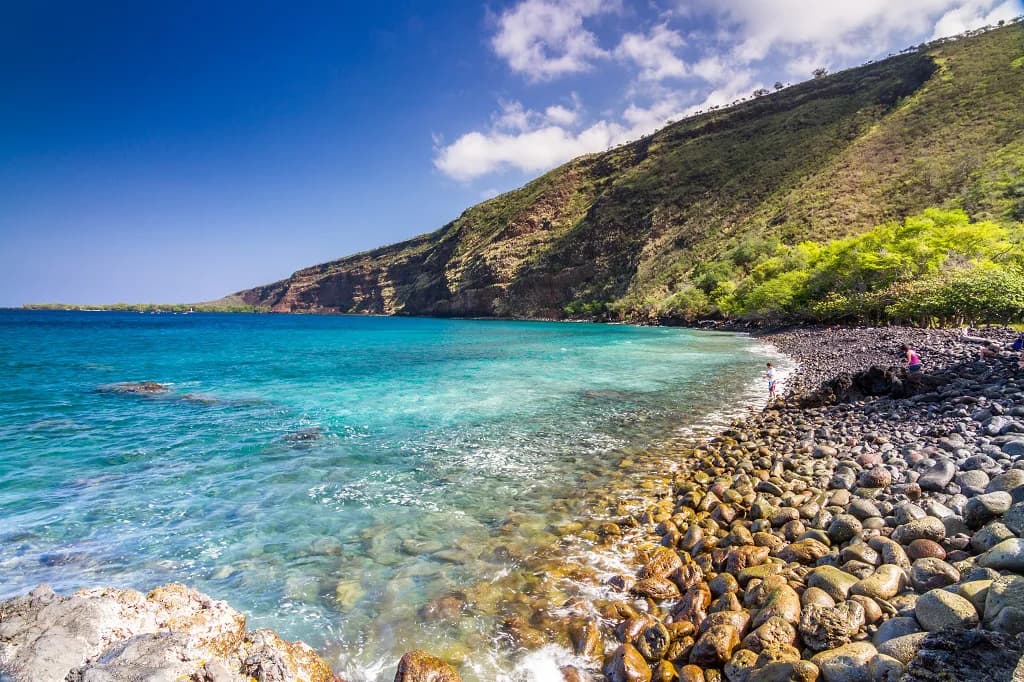
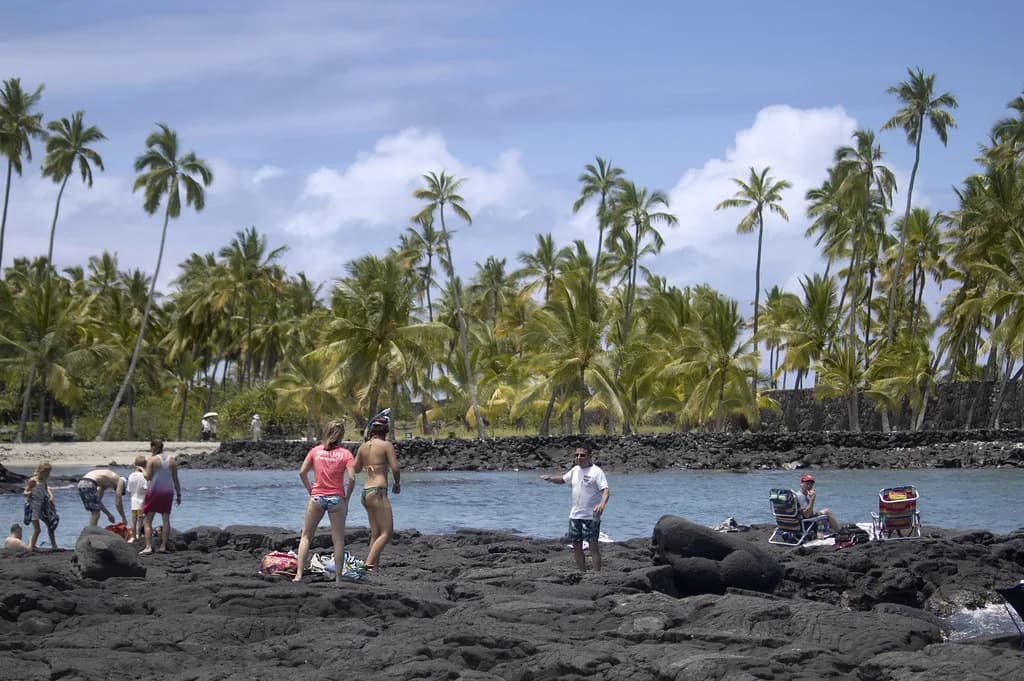
Richardson Ocean Park lies roughly five miles east of Hilo and mixes black lava shoreline with small black-sand patches, tide pools, and grassy areas shaded by trees. The snorkeling is concentrated in one well-protected, shallow cove rather than spread along an open beach, which is why it works when the surrounding coast is churning. Treat the cove as the destination and the rest of the park as a place to dry off, eat, and let kids poke around the ponds.
The sand is a two-color mix of black lava grains and green olivine crystals, a detail worth pointing out to kids before they get in. Facilities include restrooms, showers, and picnic tables, and a lifeguard is on duty most of the time rather than guaranteed year-round, so read the flags and signs on the day you arrive. Check posted conditions through the county ocean-safety site before loading the car.
Getting in at Richardson
Enter from one of the sandy gaps between the lava rock rather than lowering yourself over the rock itself, and pick your moment between waves so you are not pushed into the edge. The cove is shallow enough that most of the swim stays within sight of shore, which keeps the entry and exit simple for new snorkelers. Booties or sturdy sandals make the walk across the lava gentler and protect against sharp edges.
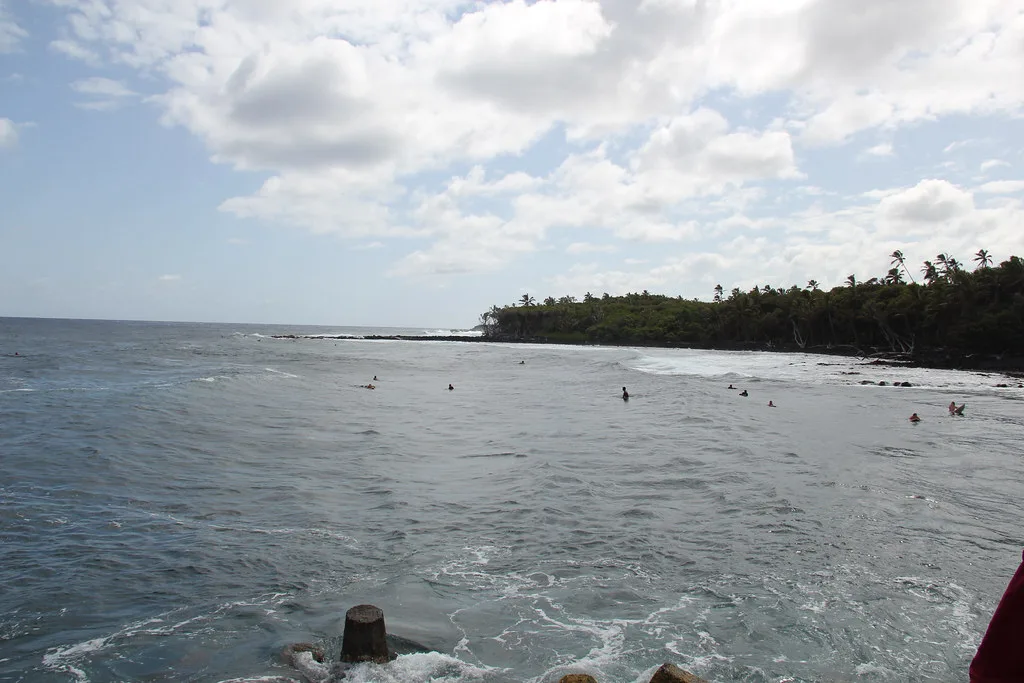
Expect a pond-like layout: sheltered water in the middle, rock and reef structure around the rim, and mouths at the edges of the cove where flow increases as the swell pushes in. The source describing the park notes currents near the cove exits even when the interior looks glassy, so keep the exits in view and turn back before you drift toward them. Stay inside the protected pocket if you are swimming with children.
What You Will See
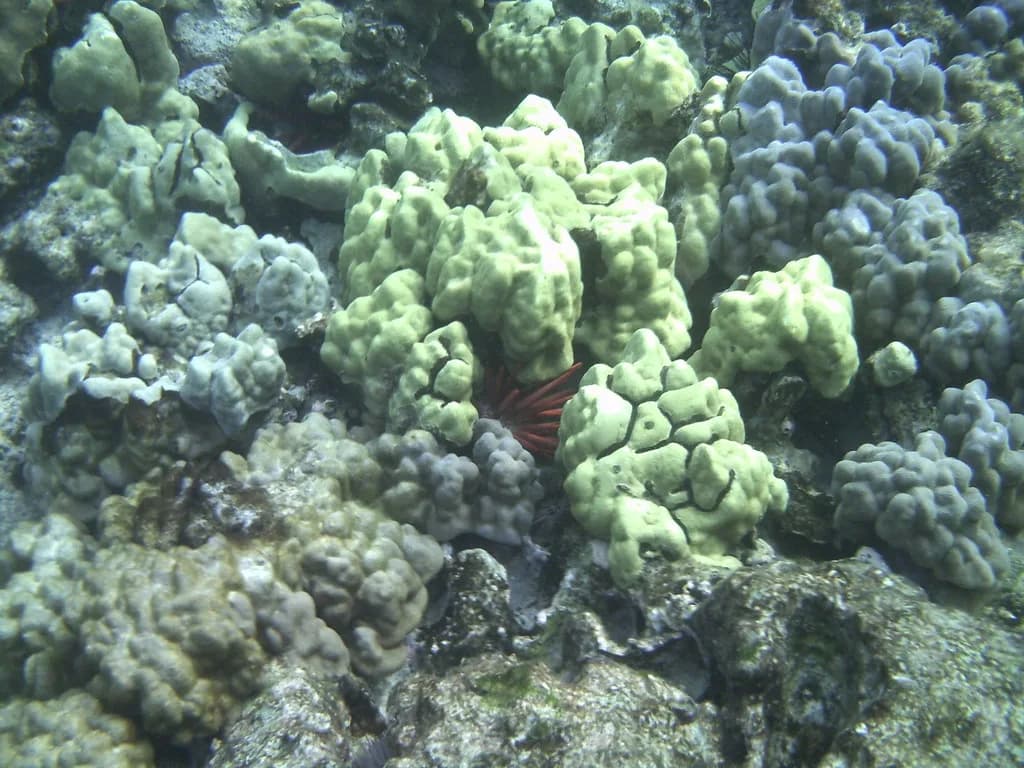
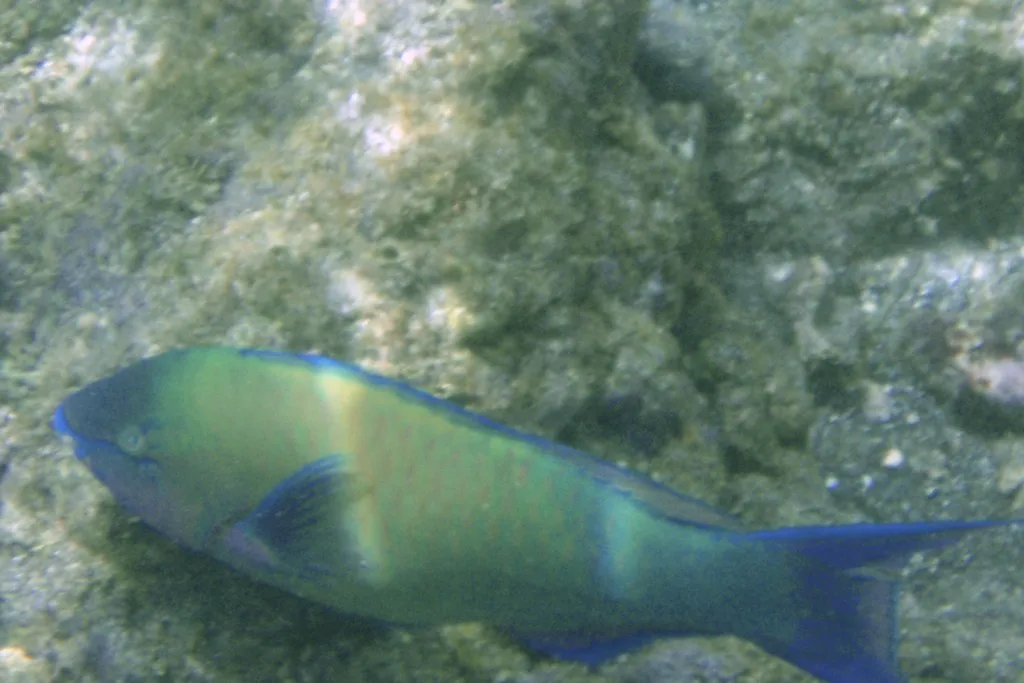
Expect typical Hawaiian reef fish in the shallows and around the rock edges, plus a realistic chance of honu, the green sea turtles that favor this cove. The reef here is not the vivid, crowded coral of the South Kona marine reserves, so set expectations around turtles, tide pools, and easy fish watching rather than a postcard reef. Tide pools around the cove give non-snorkelers and small kids something to explore with a mask and no swim.
Keep at least 10 feet from turtles and never swim over or reach toward them; touching is illegal under the Endangered Species Act, and the animals need space to feed and rest. Spinner dolphins rest in some Big Island bays during the day, and federal guidance requires staying 50 yards away rather than swimming out to meet them. If a dolphin or turtle approaches you, hold still and let it pass.
Depth and Reef Layout
The cove is shallow, with the deepest snorkelable water inside it measured in single-digit feet rather than a long drop, so the swim is more about working the edges than covering distance. Coral and rock structure sit around the rim of the cove and along the points, where the bottom is more varied and fish concentrate. Beyond the protected pocket the water deepens and the current strengthens, which marks the natural turnaround for most swimmers.
Skill Level and Who It Suits
Beginners and families with kids fit the cove best: the water is sheltered, the swim is short, and the sand entry removes the hardest part of lava-shore snorkeling. Stronger swimmers can work the outer edges of the cove and the points for better structure, but that is where the current and surge live, so it is not the place to push a tired group. Snorkel with a buddy and use a float or noodle for weaker swimmers, as with any open-water entry.
Hazards on the Hilo Side
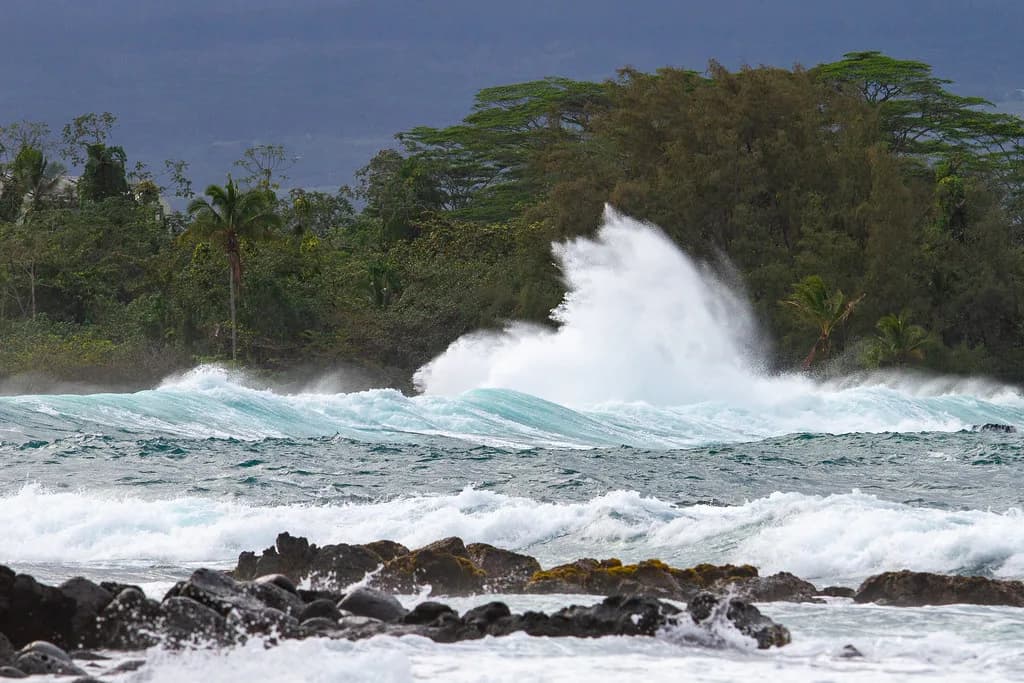
Currents at the cove mouths are the main concern, and they get stronger as swell builds; the park can look calm while water is moving briskly past the exits. Rain-driven runoff after heavy showers is another windward-coast factor, since it drops visibility and pushes colder, dirtier water into the cove. High surf closes out the cove's appeal entirely, so watch the county reports on those days and walk the tide pools instead.
Best Time of Day and Season
Morning is the better window on the Hilo side: winds pick up through the day, and the tradewinds that chop the surface usually strengthen in the afternoon. Summer, roughly May through September, brings the smallest swells and the warmest water, while winter delivers the biggest surf and the most rain, both of which cut visibility. Aim for a morning with a dry night behind it and light wind forecast.
Parking, Facilities, and Posted Rules
The park has restrooms, showers, picnic tables, and grassy areas, and a lifeguard is posted most of the time, which makes it the most convenient east-side option for a family half-day. Read the shoreline signs for current advisories and any posted restrictions rather than assuming the cove is always open for swimming. Use mineral-based sunscreen or sun-protective clothing, since reef-safe sunscreen rules vary by county and the less product that washes off in the water, the better.
Other Water Access Around Hilo
The Hilo Bay shoreline and the black-sand beach stretches east of town give you places to walk, wade, and watch the water, but the windward conditions mean fewer reliable snorkel coves than on the Kona side. Operators run guided beach snorkel trips along the Hilo coastline that include a black-sand stop and a turtle-favored lagoon, which suits travelers without a car or anyone who wants an introduction before going solo.
Wildlife Distance Rules
Hawaii's protected species rules are not suggestions: stay 10 feet from honu and never ride, touch, or block one, and stay 50 yards from resting spinner dolphins. The dolphins hunt offshore at night and return to sheltered bays to sleep during the day, so a dolphin that appears near your entry point is resting, not performing. Following the island's Pono Pledge is a simple way to align your visit with local expectations around reef and wildlife care.
Combining Hilo With West Hawaii
If you are based in Hilo for volcano days and still want the South Kona reef experience, plan a separate west-side day: Kahaluu Beach Park snorkeling is a sheltered, lifeguarded cove in Kailua-Kona with sandy entries and water up to about 10 feet, ideal for beginners and kids. Pair it with early-morning Kahaluʻu Beach Park Snorkeling before the crowds and the afternoon tradewinds arrive. Travelers weighing an island hop against a Big Island road day can compare the options in this guide to snorkeling in Maui.
More ambitious west-side days add Honaunau Bay and its lava-rock steps, or Kealakekua Bay snorkeling, which is best reached by boat or permitted kayak because the land route is a steep, hot trail. Evening options include a manta ray night snorkel kona boats run out of Keauhou, a completely different experience from a daytime cove.
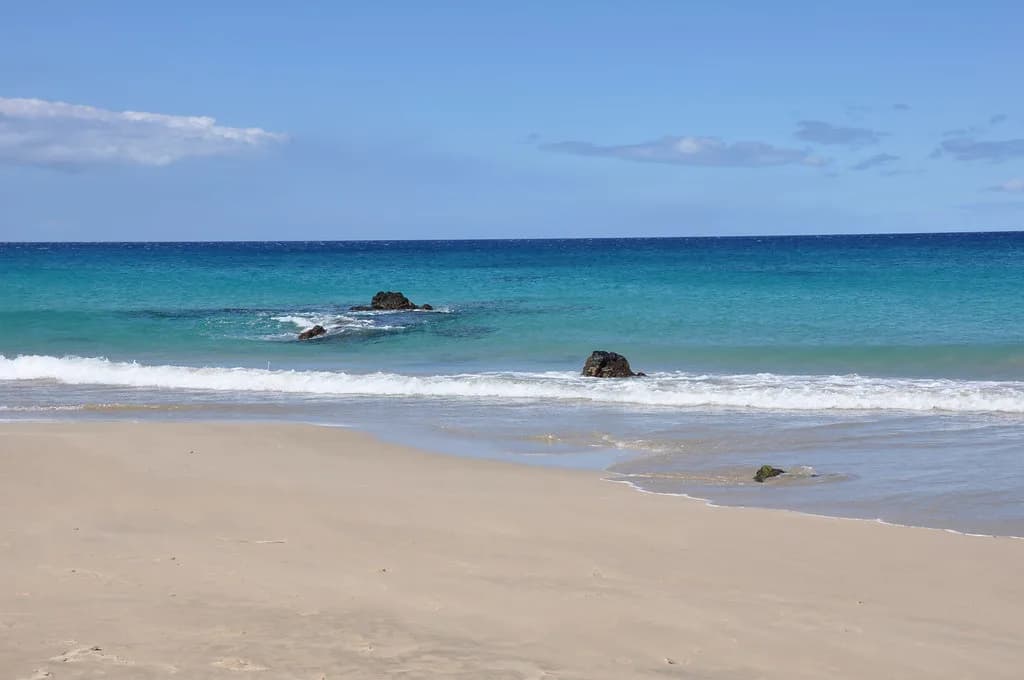
North of Kona, Beach 69 snorkeling at Waialea Bay offers a sandy entry and a shallow bay good for intermediate snorkelers, while Hapuna Beach next door requires a long swim to the reef and better suits confident swimmers. Picking one west-side cluster per day beats trying to link Hilo and Kona in a single loop.
Where to Base Yourself
Choose Hilo if volcanoes, waterfalls, and the windward rainforest are your priorities, and treat Richardson Ocean Park as a morning snorkel rather than the main event. Choose the Kona or Kohala coast if reef time is central: the leeward side has weaker tradewinds, less rain, and a cluster of sheltered bays within short drives of each other. Splitting the trip between the two coasts gives you both without long same-day drives.
What to Bring
Pack booties or reef-safe sandals for the lava, a rash guard for sun and chill, and your own mask and snorkel fitted before the trip rather than rented at the last minute. A lightweight towel and a dry bag matter more on the windward side, where rain can arrive without much warning. Bring water and snacks, since the park is a short drive from town rather than a full-service beach concession.
Plan Your Hilo Snorkel Day
Build the day around a morning at Richardson Ocean Park, enter through the sand, keep to the sheltered middle of the cove, and give turtles and dolphins their legal distance. If the wind picks up or the cove exits start moving, call it and walk the tide pools instead of fighting the water. For a second snorkel day, drive west to the Kona coast where the bays are calmer and the reefs richer.
Frequently Asked Questions
Can you snorkel in Hilo, Hawaii?
Yes, in the right place. Richardson Ocean Park, about five miles east of Hilo, has a protected black-lava cove with small sandy entries and shallow water that suits beginner snorkelers and families. The rest of the windward shoreline is more exposed, so the cove is the practical target.
Is Richardson Ocean Park good for beginner snorkelers?
It is the best east-side option for beginners and kids. The cove is sheltered and shallow, you enter through sandy gaps in the lava rather than over rock, and a lifeguard is posted most of the time. Currents pick up near the cove exits, so stay in the protected pocket.
What will I see snorkeling near Hilo?
Expect Hawaiian reef fish in the shallows and around the rock edges, tide pools worth exploring, and a reasonable chance of green sea turtles. The coral is less vivid than the protected South Kona reserves, so plan on a turtle-and-tide-pool day rather than a postcard reef.
Is Hilo or Kona better for snorkeling on the Big Island?
Kona and the Kohala coast have more sheltered bays, less rain, and weaker tradewinds, so they suit dedicated snorkel trips better. Hilo works well as a base for volcanoes and rainforest with one reliable cove nearby at Richardson Ocean Park. Splitting your stay gives you both.
When is the best time of year to snorkel on the Hilo side?
Summer, roughly May through September, brings smaller swells, warmer water, and fewer rain-driven visibility problems. Mornings are calmer than afternoons year-round because tradewinds strengthen through the day. Winter brings bigger surf and more rain, which clouds the cove.
What are the wildlife rules for turtles and dolphins?
Stay at least 10 feet from green sea turtles and never touch, ride, or swim over them, since they are protected under the Endangered Species Act. Keep 50 yards from spinner dolphins, which rest in sheltered bays during the day. If an animal approaches you, hold still and let it pass.
Sources
Snorkeling notes for your next trip
Optional updates to our snorkeling guides.
You might also like
Continue reading
More guides you'll find useful