Snorkeling in Bahamas: Choosing the Best Islands
Plan a Bahamas snorkel day with shore entries and boat reefs around Nassau, Paradise Island, the Exumas, Bimini, Andros and Eleuthera.
On this page
The Bahamas is one of the easiest places in the Caribbean to learn to snorkel and one of the most rewarding for people who already do. Shallow reef flats fringe nearly every island, the banks between them stay calm on most days, and the water is clear enough that a mask is often the only equipment you truly need. That combination suits families wading in from a beach just as well as confident swimmers heading offshore to a wreck.
The choice that shapes a trip is not which reef is best but how you reach it. Nassau and Paradise Island put several shore-entry beaches and shallow reefs within a short taxi or ferry ride, while the out-island sites on Andros, Eleuthera, Bimini and the Exumas usually mean a boat. Below, each area is grouped by coast and labeled so you can build a day around what you can actually walk into from the sand.
Why the Bahamas suits snorkelers of every level
Every island in the chain is ringed by shallow reefs, many of them sitting just a few feet below the surface, and the banks farther out are dotted with coral heads. That geography gives beginners forgiving, bright water over white sand and gives experienced snorkelers deeper structures and drop-offs to explore. The Bahamas is also one of the best places in the world to see sharks at snorkeling depth, with more than ten species living in the archipelago.
Unlike scuba, snorkeling here needs little more than the ability to swim and a willingness to look down. Most resorts, lodges and hotels keep snorkeling equipment for guests, and many run daily trips or point guests toward local guides. That makes it practical to pack light and rent fins on arrival rather than hauling gear across islands.
The trade-off is scale: with roughly 700 islands and thousands of cays, you cannot see the whole country in one trip. Pick two or three bases that match your comfort level rather than island-hopping every day, and leave margin for weather days when boats stay at the dock.
How to choose an island: shore snorkeling versus boat reefs
If you want to snorkel without booking anything, base yourself on New Providence or Paradise Island. Nassau's beaches and the north-coast strands of Paradise Island put reef within swimming distance, and the southwest side of New Providence is the island's most naturally protected stretch from wind and storms. Boat trips from the same docks reach the Rose Island reefs about six miles off Nassau and Goulding Cay just one mile west of Clifton Bay, so you can mix beach and boat days from one hotel.
For reef quality and fewer people, the out islands are the better bet. Andros carries one of the largest barrier reefs in the world along its east coast, and its popular snorkel sites are reached only by boat. Eleuthera and the Exumas offer shallow, clear cays where the reef sits close enough to the surface that a boat ride is short and the swimming is easy.
A practical rule: choose a Nassau base if you have three or four nights and want convenience, and choose Andros, Eleuthera or the Exumas if reef time is the whole point. A short flight or ferry to an out island costs you a half day but buys quieter water and healthier coral.
Nassau and New Providence: beach reefs and an underwater sculpture garden
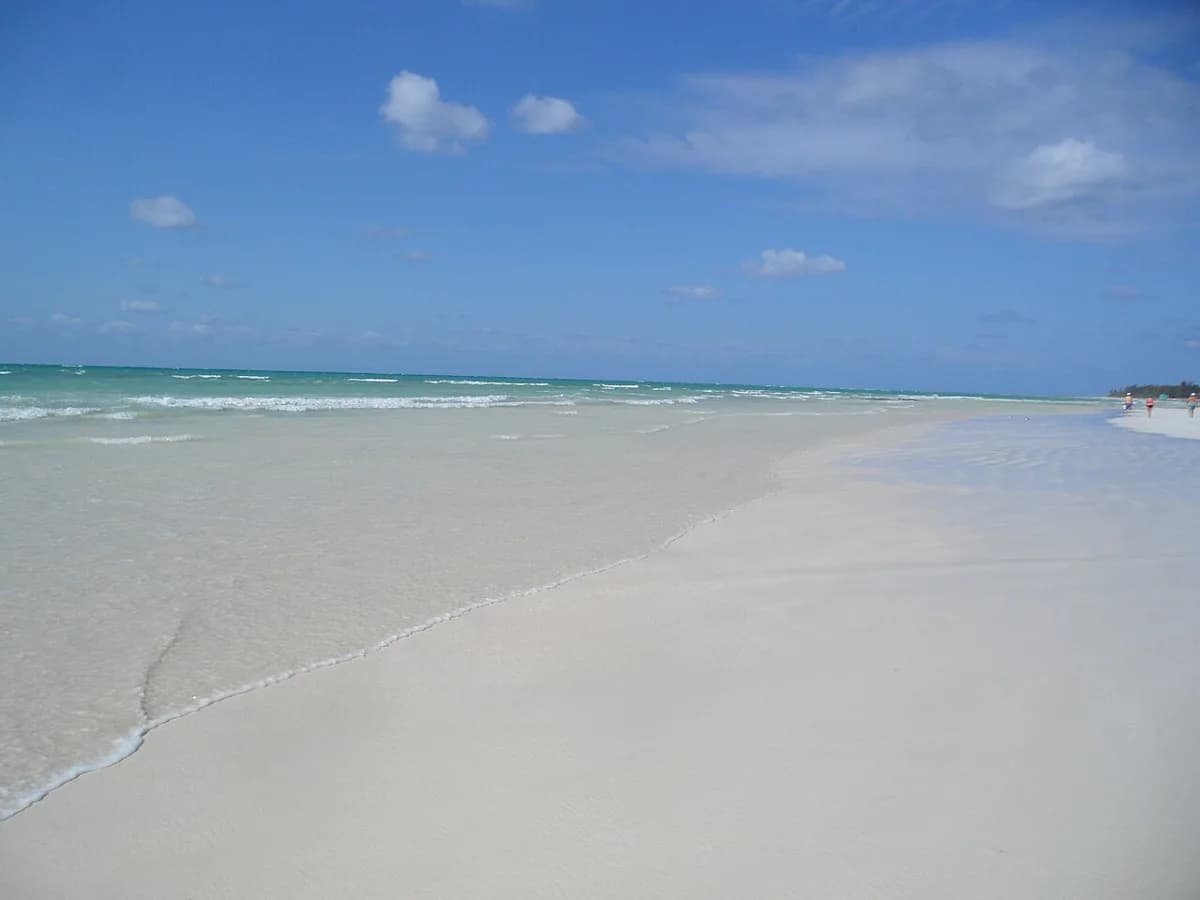
Love Beach on the west end and Cable Beach closer to town are the most straightforward walk-in snorkels on New Providence, both with sandy entries and reef a short swim offshore. They suit beginners and families because you can wade in, stay shallow, and come back to the beach whenever you like. Go early in the morning when the water is glassy and the beach is quiet. If you are weighing this easy shore-entry style against a purpose-built wreck and reef site, Freeport snorkeling at Deadman's Reef offers a similar walk-in setup on Grand Bahama Island.
The standout site is the Sir Nicholas Nuttall Coral Reef Sculpture Garden at Clifton Heritage National Park, reached from Snorkel Beach. The underwater gallery includes Ocean Atlas, the largest underwater statue in the northern hemisphere, surrounded by coral growth and reef fish. The sculptures sit in shallow enough water to see from the surface, which makes the site work for snorkelers who are not comfortable descending.
Park entry and any guide fees at Clifton are set by the park, so check the Clifton Heritage National Park office's posted rates when you plan the day. Bring your own mask and fins if you have them, since rental counters vary by dive shop. Pair a Clifton morning with an afternoon at Cable Beach, which is only a short drive away.
Paradise Island: Cabbage Beach, Cove Beach and Paradise Beach
Paradise Island sits about half a mile north of Nassau and is reachable by road over the bridge, so you can stay on either side of the harbor and still snorkel here. Cabbage Beach, Cove Beach and Paradise Beach line the island's north coast and are the most recommended shore entries, with reef lying just off the sand.
The north coast takes the brunt of any swell, so pick the calmest day of your stay for these beaches and swim close to shore if the water is murky. The payoff is convenience: you can walk from a resort, snorkel for an hour and be back at the pool. Families with young children should stay in the shallows over sand rather than pushing toward the reef edge.
Cabbage Beach is the liveliest of the three, with the most foot traffic and the easiest access to food and drinks nearby. If you want a quieter swim, walk a little farther along the sand away from the main access points. None of these beaches promise a specific sighting on any given day, so treat turtles and rays as a bonus rather than the plan.
Rose Island reefs and Goulding Cay: the boat trips most day visitors take
Rose Island's reefs lie roughly six miles off Nassau, close enough for a half-day trip but far enough that the coral is less trampled than the beach sites. Goulding Cay, about a mile west of Clifton Bay, has shallow reef that lets snorkelers hover right over the fish. Both are typical stops on the morning and afternoon boats leaving Nassau's docks.
Stuart Cove's runs the Snorkel Bahamas Adventure seven days a week, with a 9:00 AM morning departure and a 1:30 PM afternoon departure, returning to the dock in the early afternoon and late afternoon respectively. The trip includes round-trip hotel transfers plus mask, fins, snorkel and a snorkel vest, and children under four are not permitted on the boats.
Pricing is published per adult and per child, and a Bubble Watcher fare covers passengers who stay aboard; wetsuits rent separately for the cooler winter months, and online booking carries an advance discount. All prices are subject to change, so book online or call Stuart Cove's to confirm the figure for your dates before you commit.
Cancellations fall into different windows for dives and snorkel trips than for shark and SNUBA programs, and no-shows are not refunded. If your trip depends on a cruise arrival, build a buffer around the transfer schedule, since hotel and cruise pickups run on fixed windows and can shift by a few minutes.
The shark stop and how the boat day is structured
The standard itinerary visits two sites chosen that morning for the calmest water and clearest visibility, usually a shallow reef with a bottom between 10 and 25 feet. The second stop is either a different reef or one of the shallow shipwrecks, depending on conditions. The boat has a large rear platform for easy entry and exit, fresh water showers and a sun deck.
On some days a third stop is added for Caribbean reef sharks, where snorkelers stay at the surface and watch sharks gather near the bottom around a bait box lowered to about 40 feet. The stop is optional and weather-dependent, and passengers who prefer not to get in can watch from the upper deck. The same wildlife etiquette applies in the water: keep your distance, don't reach for the animals, and let the crew direct the viewing.
Because the shark stop depends on weather and passenger interest, treat it as a possibility rather than a guarantee when you book. The reef and wreck snorkeling, by contrast, is the core of every trip. That distinction matters if you are choosing an operator mainly for the shark encounter.
Bimini: Rainbow Reef, the Sapona wreck and the Bimini Road
Bimini lies about 50 miles off the Miami coast, the closest Bahamian islands to Florida, and its shallow reefs are scattered across the archipelago. Rainbow Reef is the best-known of them, built from hard corals, gorgonians and sponges. The water is typically calm and bright, which makes Bimini a good first stop if you are crossing from the US.
Two sites give Bimini its character. The Wreck of the Sapona, a steamer once used as a floating warehouse during Prohibition, now sits in shallow water covered in reef fish. The Bimini Road, also called the Atlantis Road, is a cluster of large flat stones in about 20 feet of water, and the legend that they formed part of a lost continent's road system is part of the appeal.
Both sites are usually visited by boat, so plan a half day rather than a quick dip. The stones at Bimini Road sit deeper than the typical reef flat, so snorkelers who are comfortable duck-diving will see more of the formation than those who stay on the surface.
The Exumas: Stocking Island, Starfish Beach and Thunderball Grotto
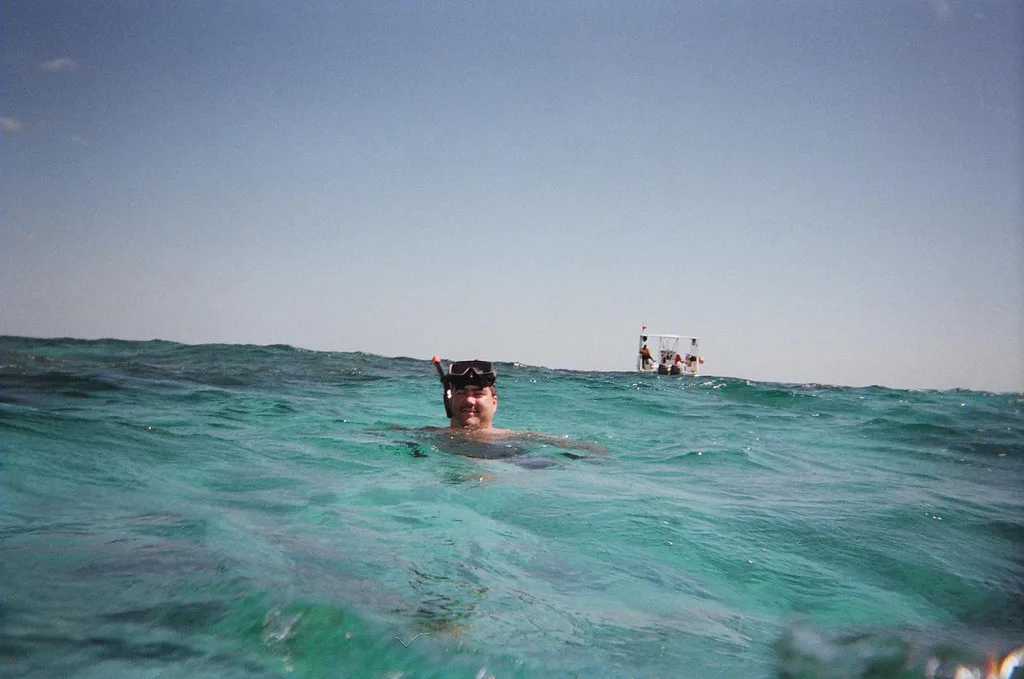
The Exumas are an archipelago of about 360 cays with white-sand beaches and clear turquoise water, reachable from Nassau by plane or ferry. From George Town, the capital, you can snorkel the reefs along Stocking Island Beach less than a mile away, or wade the shallows of Starfish Beach where cushion sea stars rest on the sand. Both are easy, shallow and good for beginners.
Farther north near Staniel Cay, Thunderball Grotto is a submerged cave made famous by a James Bond film, and its shaded interior holds tropical fish and stingrays. Next door, Not The Grotto offers a small cay edged by coral reef. The grotto rewards snorkelers who time the tide correctly and enter when the current is slack, so ask your guide about the day's window.
Compass Cay is known for the dozens of nurse sharks that gather in the marina's turquoise water. Treat this as a viewing experience: stay at the surface, keep hands to yourself, and never feed or chase the animals. Seeing nurse sharks here is common but not guaranteed, and the site is best combined with a Staniel Cay stop on the same boat day.
Andros: barrier reef sites and blue holes by boat
Andros is the largest island in the Bahamas and the least developed, a two-hour ferry ride from Nassau. Its east coast is lined for more than 186 miles by one of the world's largest barrier reefs, and the popular snorkel sites, including Tiamo, China Point, Red Shoal and Trumpet Reef, are reachable only by boat. Central Park and Liben's Point are known for shallow elkhorn coral.
The island also holds the world's largest concentration of blue holes, some filled with fresh water and some with seawater, and a few can be snorkeled with local guides. Visibility in the blue holes is often modest, but the geology is unlike anything on a reef. Choose either a reef day or a blue hole day rather than trying to do both from one base.
Because everything worthwhile is a boat ride away, Andros rewards people who book a guide in advance and stay several nights. It is not the place for a quick add-on between flights.
Eleuthera and Harbour Island: Devil's Backbone, Current Cut and the Ocean Hole
Eleuthera runs about 105 miles long and skinny, with pink-sand beaches and snorkeling on nearly every strand. Devil's Backbone is a shallow reef littered with wrecks, Gauldings Cay is known for soft corals, and Current Cut lets you drift through a pass surrounded by tropical fish. The variety makes Eleuthera a good island for people who like to explore by car between swims.
For something different, the Ocean Hole at Rock Sound is a seawater hole connected to the ocean by underground caves and filled with fish, including large schools of grunts and big gray angelfish. Visibility there is only average, but the setting is unusual and the swim is easy. Treat it as a short stop rather than a full day.
Current Cut is a drift, not a static snorkel, so it suits swimmers comfortable with moving water and a guide who knows the exit. Beginners should stick to the sheltered beaches and the Ocean Hole and leave the pass to stronger swimmers.
Abaco: Mermaid Reef in Marsh Harbour and the cays near Elbow Cay
Marsh Harbour on Great Abaco is the country's third-largest city, and Mermaid Reef sits just off its northern shore, making it one of the easiest shore-access snorkels in the Abacos. Elbow Cay, across the lagoon, is known for stellar visibility and shallow reefs, and it is about a 30-minute boat ride from Great Abaco. Sandy Cay, a little farther north, is a popular day-trip destination.
Use Marsh Harbour as a base and take a ferry or charter to Elbow Cay for the clearest water. The lagoon crossing is short, but the difference in visibility between the harbor and the outer cays is noticeable, so plan the better part of a day on the cay side.
Shore entry versus boat trip: what each costs you in time
A shore snorkel costs you almost nothing in time: you walk in, swim, and leave when you like. That flexibility is why Nassau and Paradise Island work well for families and short stays. The trade-off is that beach reefs near population centers see more traffic and can be murkier after rain or swell.
A boat trip costs you a half day and a booking, but buys calmer, clearer water and less-visited reef. Operator trips typically bundle equipment, transfers and a fixed itinerary, which removes logistics but also removes spontaneity. Stuart Cove's, for example, runs fixed morning and afternoon departures with scheduled hotel pickups, so your day is structured around the boat, not the other way around.
The middle ground is to stay somewhere with a house reef and book one boat day. That gives you a swim on demand plus one trip to the sites you cannot reach from shore.
What you will see: reef fish, rays, turtles and sharks
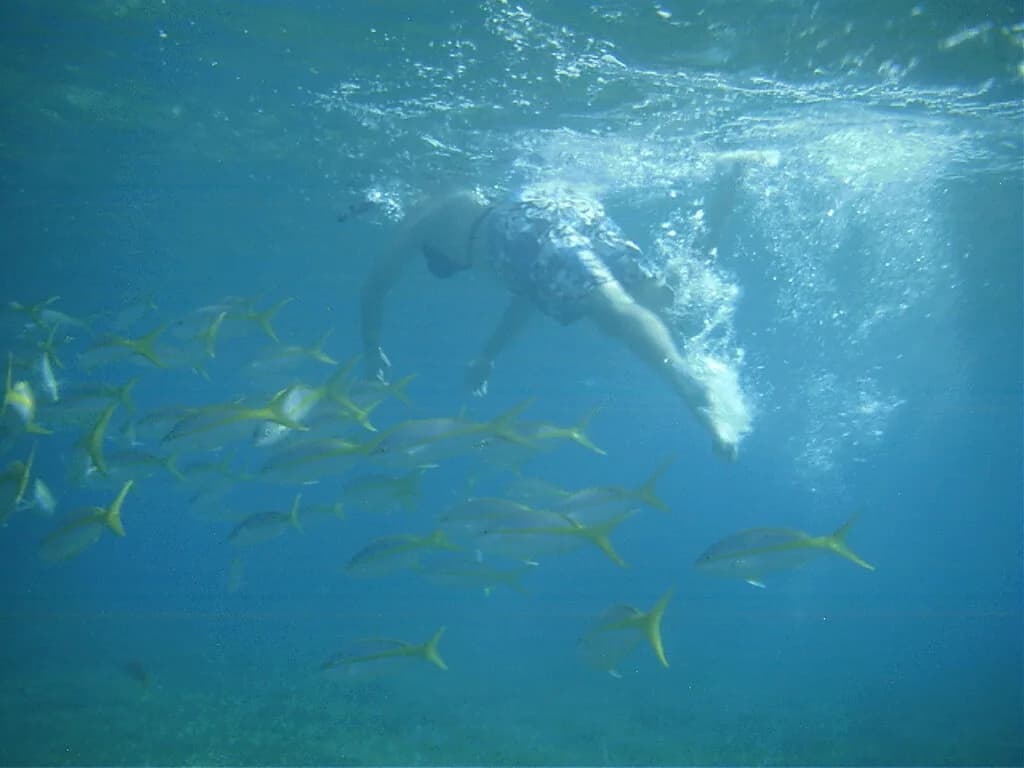
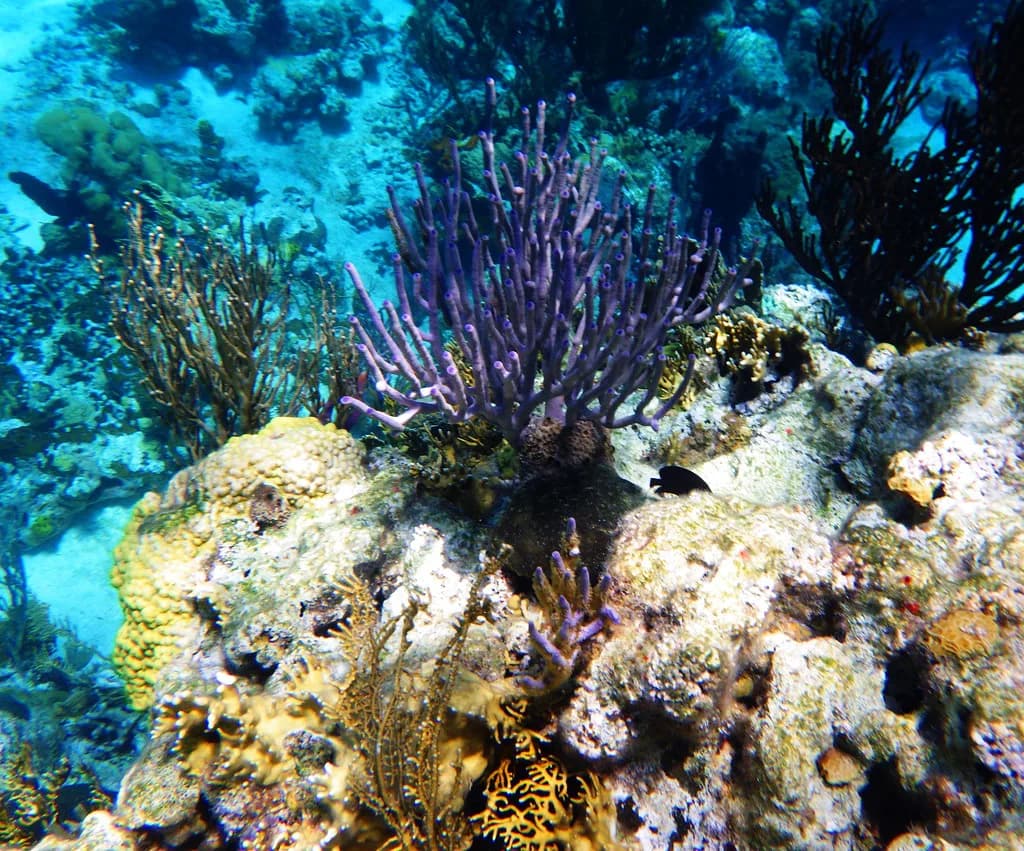
Bahamian reefs carry hard corals, soft corals and gorgonians, and the fish life is easy to identify from the surface. Angelfish, butterflyfish, triggerfish, grunts and parrotfish are common in the shallows, while queen angelfish and stoplight parrotfish turn up on the reef. Southern stingrays are widespread across the islands and often rest on sandy patches.
Green and hawksbill sea turtles appear around reefs and seagrass, though less predictably than the fish. Most sharks seen at snorkeling depth are nurse sharks, Caribbean reef sharks and lemon sharks. Nurse sharks gather reliably at Compass Cay, and Caribbean reef sharks are encountered on dedicated shark stops.
None of these animals is guaranteed on a given day. Snorkelers who stay calm, keep their distance and let fish approach on their own terms consistently see more than those who chase. Never touch, feed or ride any animal, and keep a respectful gap from turtles and rays resting on the bottom.
When to go: winter clarity versus summer warmth
The Bahamas has a pleasant tropical climate tempered by trade winds, and snorkeling works all year. Winter is dry and sunny with maximum underwater visibility, but air temperatures drop to roughly 73 to 82 F and the water averages around 75 F. A thin wetsuit or rash guard makes the difference on breezy winter mornings.
Summer raises air temperatures to about 93 F and water temperatures to about 84 F, with occasional rain showers. The warm water is forgiving for long swims, but visibility can drop after heavy rain. If clarity matters most, book the winter months; if warm water and long sessions matter more, summer works well.
Hurricane season runs through the late summer and fall, and operators cancel boat trips when conditions are unsafe. Build a flexible day into any fall itinerary so a lost boat day does not derail the trip. Local operators publish their own weather policies, and the Bahamas Ministry of Tourism posts travel updates.
Matching the spot to your comfort in the water
Beginners and children do best at sandy-entry beaches with lifeguards and shallow reef, such as Cable Beach and the Paradise Island strands. Strong swimmers can add the deeper sites, including the Bimini Road stones in about 20 feet of water and the outer reefs reached by boat. Knowing which category you fall into on a given day is more useful than any ranking of sites.
Currents are the main hazard at passes such as Current Cut, and surge can make north-facing beaches like Cabbage Beach uncomfortable on a swell day. Ask your guide or the local authority about the day's conditions before entering unfamiliar water, and choose the sheltered side of an island when the wind is up. Watch for boat traffic around popular mooring sites and surface where the crew can see you.
Water conditions change hour to hour, so a spot that was flat in the morning can be choppy by afternoon. Snorkel in the morning when the wind is typically lightest, and skip the swim if the water looks rough or visibility is poor.
Rules and etiquette: public beaches and wildlife distance
All beaches in the Bahamas are public, so access to the sand is not restricted. That does not mean everything in the water is fair game: marine protected areas and no-take zones have their own rules, and you should check signage at each site.
Wildlife etiquette is consistent across the islands. Do not touch, feed, chase or block the path of turtles, sharks, rays or any other animal, and keep your distance when an animal is resting. Many operators, including larger dive shops, brief guests on wildlife rules before they enter the water; follow the crew's instructions on shark stops and nurse-shark sites in particular.
Reef-safe habits matter more than any single product choice: don't stand on coral, don't kick up sand near the bottom and don't take souvenirs from the reef. Some Bahamas resorts are part of reef rescue programs, and a portion of visitor activity supports coral restoration. A coral-safe sunscreen applied 20 minutes before you get in the water gives it time to absorb.
Lodging and gear: what resorts and out-island hotels provide
Most resorts, lodges and hotels in the Bahamas keep snorkeling equipment for guests, and many run daily trips or refer guests to local guides. That lets you travel with a mask you trust and rent fins and vests on arrival. If you have a prescription mask or a favorite snorkel, bring it, because rentals follow standard sizes.
On New Providence, larger operators bundle equipment and transfers into the trip price, which simplifies packing. On the out islands, equipment is more likely to come from your hotel or a small local shop, so check what each gear package covers when you book. A rash guard, a wide-brim hat and a dry bag cover most of what you need beyond the basics.
If you are heading to the Out Islands, pack more than you think you need. Shops are farther apart and rentals may be limited, so a spare mask strap and fins that fit are worth the luggage space.
Nearby spots to combine into a multi-island trip
A New Providence base lets you combine Nassau's beach reefs and sculpture garden with a boat day to Rose Island and Goulding Cay, then a day trip to Paradise Island. From there, a short flight or ferry opens the Exumas or Andros. Two islands is a comfortable pace; three is doable on a two-week trip. For a similar mix of shore entries and reef boat trips outside the Bahamas, compare this plan with snorkeling in Key Largo.
Eleuthera and the Exumas pair well because both are reached from Nassau and both reward boat days. Bimini works well as a first stop if you are crossing from Florida, with Rainbow Reef and the Sapona before you continue east. Skip trying to see all of them unless you have three weeks.
Cruise passengers have a narrower set of options, usually a shore excursion to a nearby reef or a beach. Nassau's cruise port connects to the same Stuart Cove's transfer network as the hotels, so a boat day can fit inside a port call if the schedule allows enough buffer.
Plan Your Bahamas Snorkel Day
Start with your comfort in the water and the time you have, not the list of famous sites. A Nassau or Paradise Island base gives you easy shore snorkels and a boat trip to the Rose Island reefs; Andros, Eleuthera and the Exumas give you better reef and fewer people in exchange for a flight or ferry and advance planning.
Book the boat day early, confirm your chosen operator's current prices, cancellation windows and equipment inclusions, and leave one flexible morning for the weather. Bring a well-fitting mask, a rash guard, and a wide-brim hat, and check local operator or tourism board updates for conditions before you head out.
Explore more Bahamas snorkeling
- Bahamas Snorkeling Tours
- Blue Lagoon Island Snorkeling
- Castaway Cay Snorkeling
- Freeport Snorkeling
- Great Stirrup Cay Snorkeling
- Paradise Island Snorkeling
- Peterson Cay Snorkeling
- Rose Island Snorkeling
- Snorkeling at CocoCay
- Snorkeling the Andros Barrier Reef
- Snorkeling Thunderball Grotto in the Exuma Cays
Frequently Asked Questions
Which Bahamas island is best for snorkeling?
For variety and convenience, New Providence and Paradise Island offer shore entries plus quick boat access to Rose Island and Goulding Cay. For reef quality and fewer people, Andros, Eleuthera and the Exumas are stronger, but they require a flight or ferry and typically a boat to reach the best sites.
Can you snorkel from the beach in Nassau?
Yes. Love Beach and Cable Beach on New Providence have sandy entries and reef a short swim offshore, and Cabbage Beach, Cove Beach and Paradise Beach on Paradise Island offer similar shore snorkeling. The Sir Nicholas Nuttall Coral Reef Sculpture Garden at Clifton Heritage National Park is reached from Snorkel Beach and is among the most distinctive shore sites.
Do you need a boat to snorkel in the Exumas?
Most of the well-known Exuma sites, including Thunderball Grotto, Not The Grotto and the reefs around Stocking Island, are reached by boat. Some shallow beach and sandbar areas near George Town can be snorkeled from shore, but a boat day gives you the best access.
How much does it cost to snorkel in Nassau?
Prices vary by operator and season. Stuart Cove's publishes adult, child and Bubble Watcher fares for its Snorkel Bahamas Adventure, plus a separate wetsuit rental and an online booking discount. Ask what equipment and transfers each fare includes.
When is the best time to snorkel in the Bahamas?
Winter offers dry, sunny weather and the clearest underwater visibility, with cooler air and water temperatures. Summer brings warmer water and occasional rain showers. Both seasons work, and snorkeling is possible year-round.
What marine life can you see while snorkeling in the Bahamas?
Common sights include angelfish, butterflyfish, triggerfish, grunts, parrotfish and southern stingrays. Green and hawksbill turtles appear on some reefs, and nurse sharks, Caribbean reef sharks and lemon sharks are the most likely sharks at snorkeling depth. Sightings vary by site and day.
Is it safe to snorkel in the Bahamas?
Conditions are generally calm on the protected banks, but passes such as Current Cut carry current and north-facing beaches can see swell. Choose sites that match your swimming ability, ask about the day's conditions, and avoid unfamiliar water when it looks rough or visibility is poor.
Are Bahamas beaches open to the public?
The Bahamas Out Islands tourism board notes that all beaches in the country are public, so access to the sand is not restricted. Specific marine protected areas and no-take zones may carry their own rules, so read posted signage and follow operator briefings at each site.
Sources
Snorkeling notes for your next trip
Optional updates to our snorkeling guides.
You might also like
Continue reading
More guides you'll find useful