Andros Barrier Reef Snorkeling: Bahamas Sites & Entry
Snorkeling the Andros Barrier Reef means shallow elkhorn stands, patch reefs and blue holes. Here is where to get in, what you will see and who each site suits.
On this page
Andros offers the rare combination of a True barrier reef within reach of casual snorkelers: over 100 miles of coral runs between the island and the Tongue of the Ocean, and much of it grows shallow enough to explore from the surface, as the Out Islands Promotion Board describes.
The island is split by mangrove wetlands that act as a nursery for small fish and invertebrates, so the reef and creeks hold a dense marine population. This guide sorts the sites by how you reach them and how deep you need to swim, so beginners and confident swimmers can each pick a sensible plan.
Why the Andros reef suits casual snorkelers
The reef lies on the east side of Andros, where the cobalt water of the Tongue of the Ocean meets a shallow coral shelf. The Out Islands Promotion Board notes that most of the reef sits in water shallow enough to satisfy even a casual observer, which means you do not need scuba gear or a long surface swim to see healthy coral.
Because the reef forms a barrier rather than a single dive site, you can plan a day around short hops between patch reefs, shoals and tidal flats. That layout makes Andros a good fit for families with kids who want to float over the flats as well as stronger swimmers who want to explore the outer coral stands.
How the reef is laid out
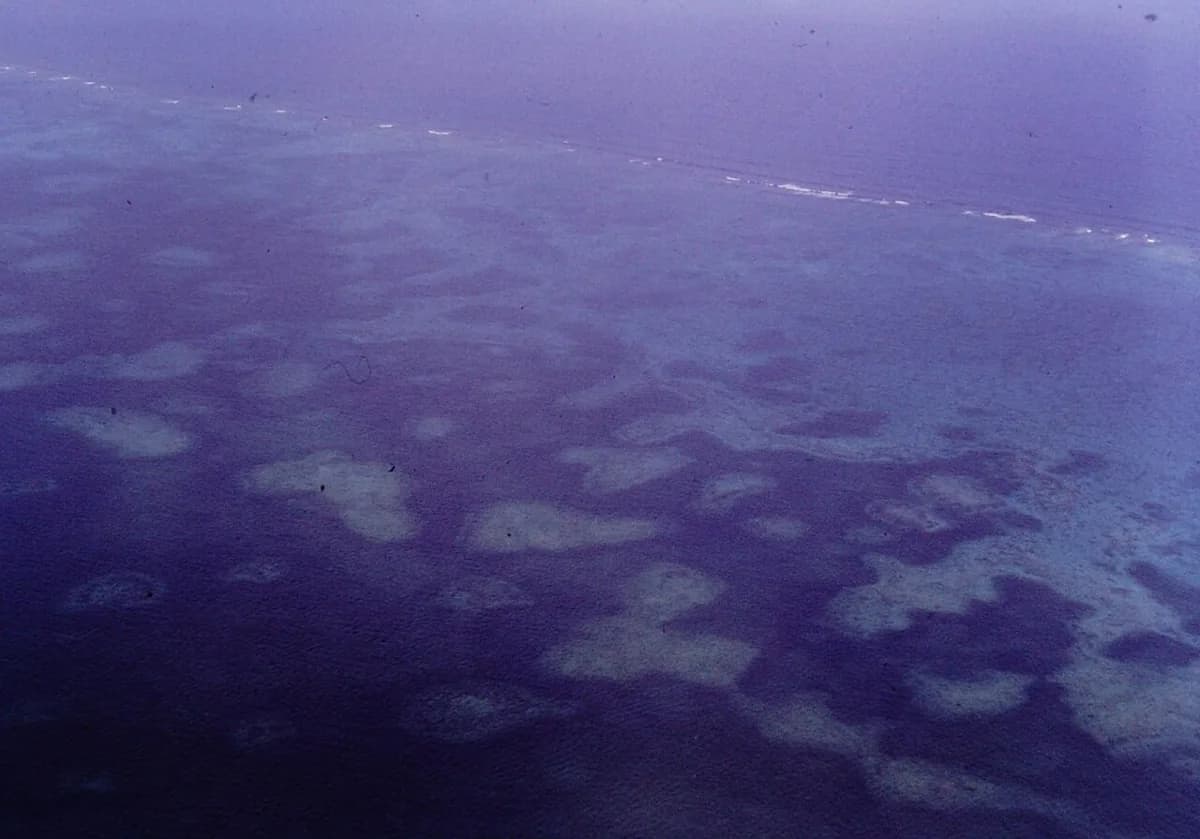
Think of the Andros coast in three layers. The mangroves and creeks form the inner layer, the shallow flats and patch reefs sit in the middle, and the long barrier reef runs along the outer edge before the drop to the Tongue of the Ocean. Named sites such as Liben's Point, Central Park and Red Shoal are patch and barrier reef structures rather than beach entries.
The reef is not a single wall you swim along from shore. It is a chain of coral heads, shoals and grass beds separated by sand channels, and the Out Islands Promotion Board lists dozens of individual sites, from solitary patch reefs to mangrove-lined tidal creeks.
Getting in: shore entries and boat access
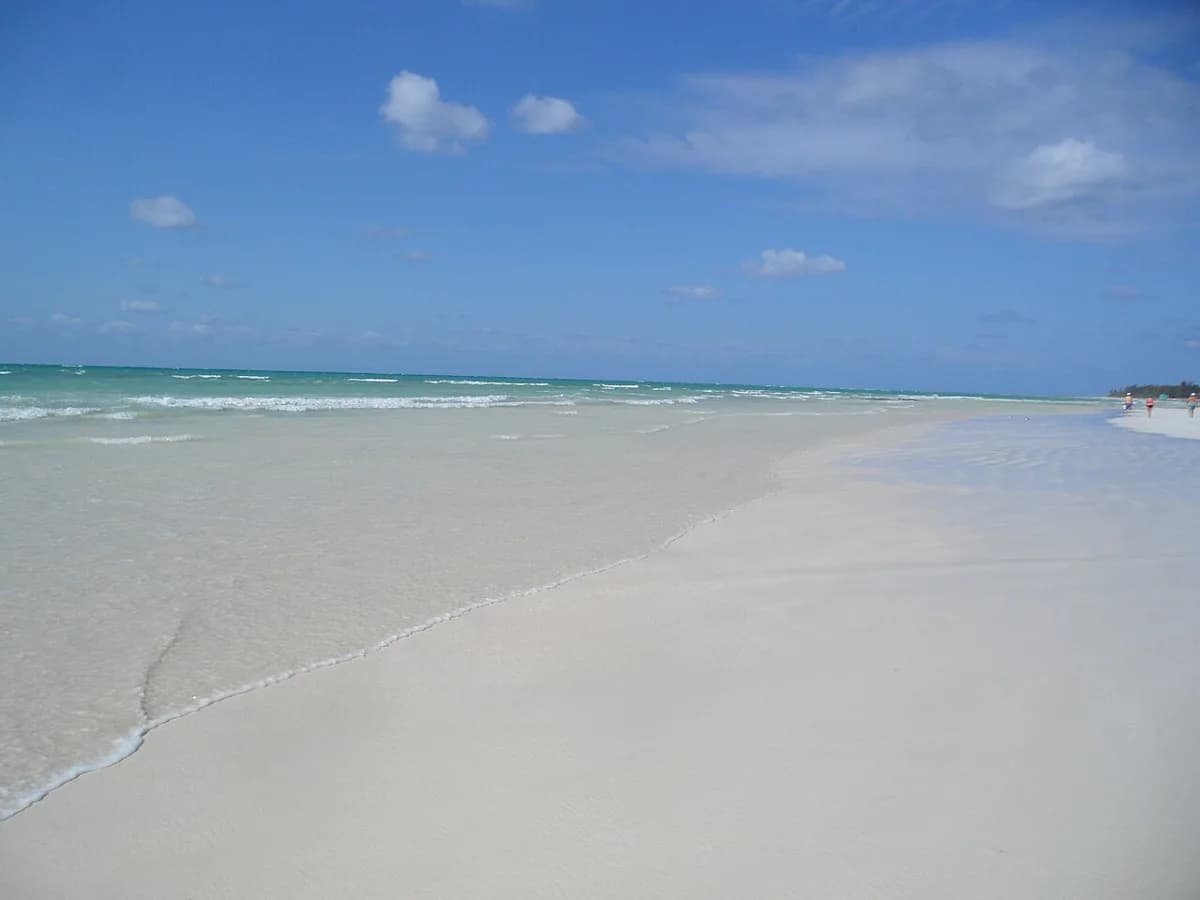
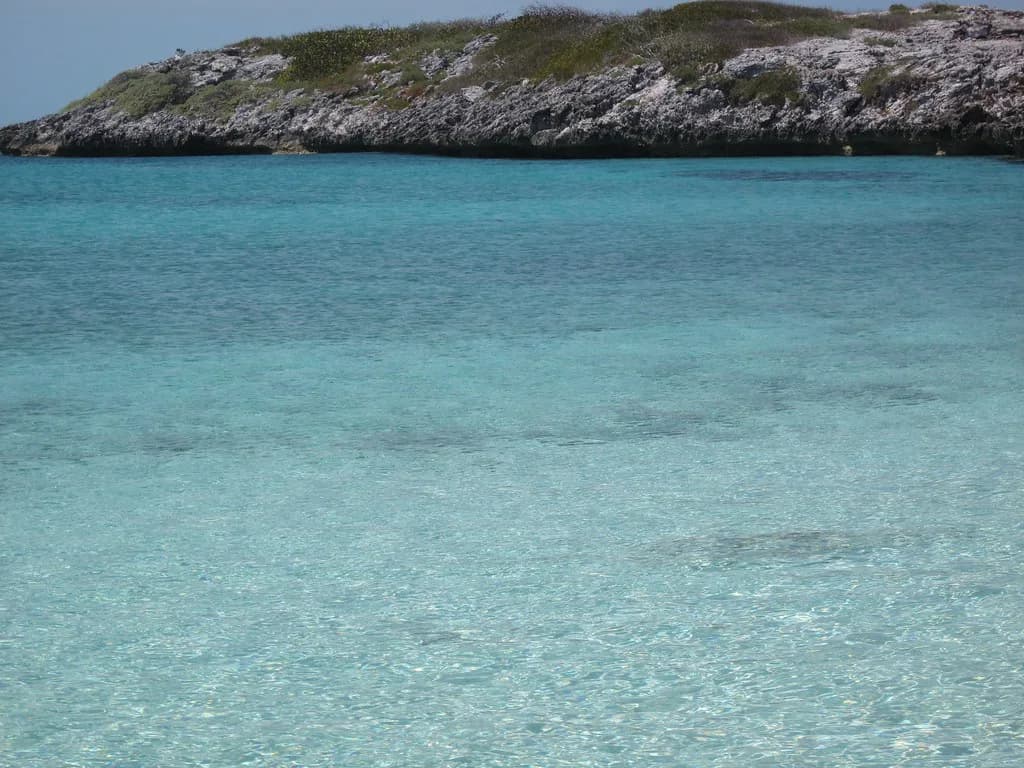
Some of the shallowest snorkeling on Andros happens on the flats and in the creeks, where you can wade in from sandy edges and float over grass beds. These calm, shallow areas are the easiest introduction for kids and first-timers, and they often hold stingrays, lobster and small fish.
The named reef sites, including Central Park, Liben's Point and Trumpet Reef, sit offshore and are reached by boat. Operators run catamarans and charter boats to these sites, and the Andros Beach Club, for example, uses a 25-foot catamaran to reach snorkel sites around South Andros.
If you are planning a broader Bahamas trip, the island-by-island overview of snorkeling in the Bahamas helps you compare Andros with the country's other reef destinations.
Named snorkel sites and what each one offers
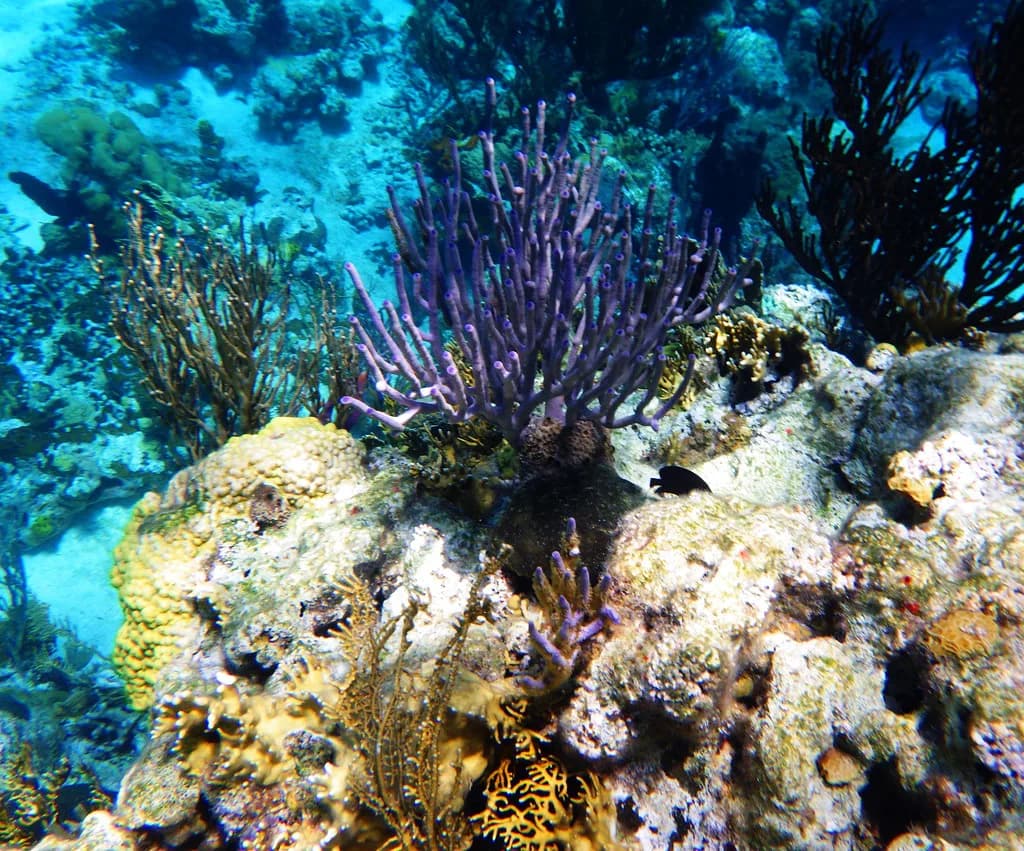
Liben's Point is a large area with high stands of elkhorn and star coral, making it a good choice for snorkelers who want to see tall branching coral from the surface. Central Park holds acres of coral with three major elkhorn stands in less than 15 feet of water, which puts it among the most beginner-friendly reef sites.
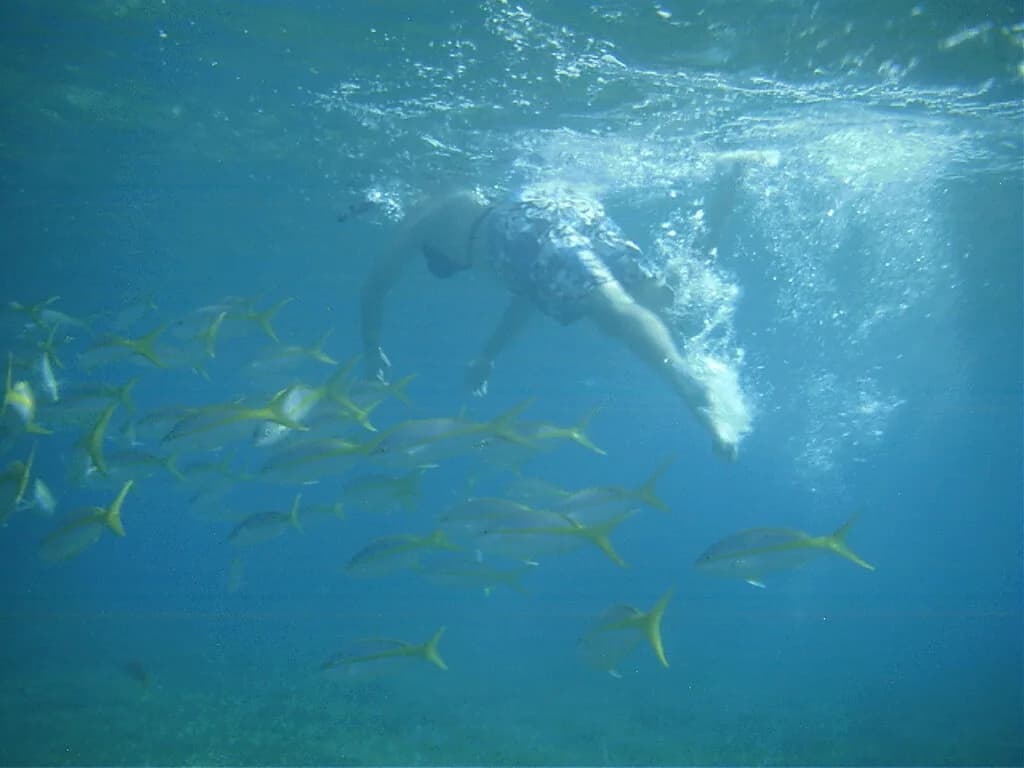
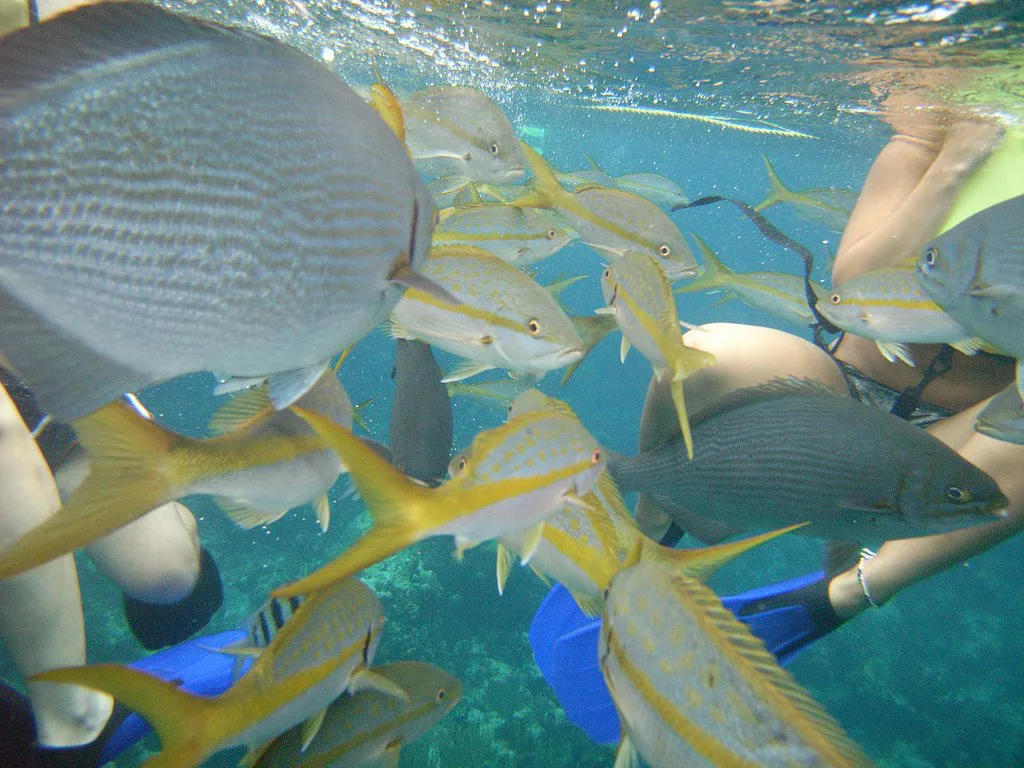
China Point is known for fish watching, with sergeant majors, blue tangs and triggerfish moving over the coral. Trumpet Reef suits snorkelers who like looking for small invertebrates such as brittle stars and spiny urchins, while Red Shoal is a lone patch reef of thick elkhorn where schooling grunts part and reform as you swim through.
Solarium sits across shallow flats where stingrays and lobster are often seen. North Beach has small shoals and patch areas that harbor fish and lobster, Goat Cay offers turtle-grass beds where you can look for sea biscuits and sand dollars, and Davis Creek is a tidal flat that runs into the mangrove.
Depth and visibility
The key number for planning is 15 feet: Central Park's coral stands sit inside that depth, and much of the barrier reef grows shallow enough to see from the surface. That means a mask, snorkel and fins are enough for most of the named sites, and you do not need to dive to enjoy the coral.
Visibility on the reef is generally clear enough that you can see coral and fish without going deep, which is why casual snorkelers can plan a half-day on the water rather than a full dive trip. The trade-off is that shallow coral is easy to damage with careless fins, so you need to stay horizontal and keep your feet off the bottom.
What you will see
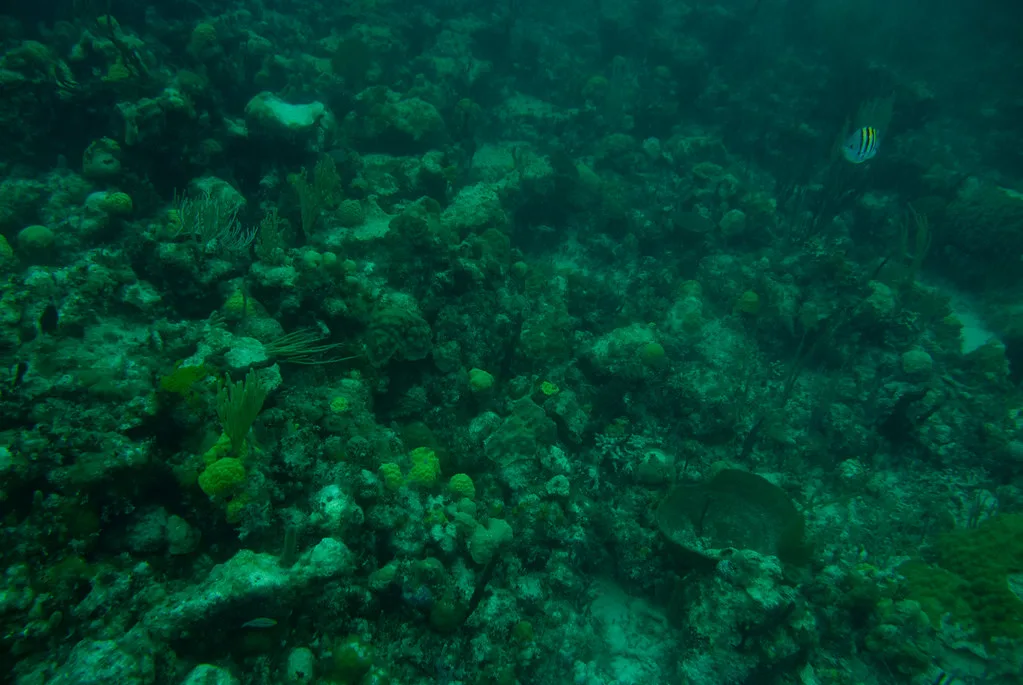
Expect elkhorn and star coral as the structure builders, with sergeant majors, blue tangs and triggerfish patrolling the reef. In the grass beds and flats you can look for stingrays, lobster and the small invertebrates that live in the sand, from brittle stars to spiny urchins.
Schooling grunts gather around patch reefs such as Red Shoal, and the mangrove creeks serve as nursery habitat for juvenile fish, so the reef edge and the creeks hold different life. Keep a respectful distance from all wildlife and never touch or feed the animals.
The blue holes
South Andros has the largest concentration of blue holes in the world, and the tidal freshwater openings push cool fresh water out of the sea floor twice each day as the tide falls. These freshwater rivers attract marine life, which gathers around the openings.
Snorkeling around a blue hole is different from reef snorkeling: you are looking at a freshwater upwelling and the fish that cluster around it rather than a coral garden. These sites are best visited with a guide who knows the tidal timing, since the flow changes through the day.
Skill level and who each spot suits
Beginners and kids do best on the shallow flats and in the creeks, where you can wade in and float over grass beds in calm water. Central Park, with its coral inside 15 feet, is a good first reef site for snorkelers who are comfortable in open water but not ready for deep diving.
Strong swimmers can handle the outer patch reefs and the barrier edge, where currents and boat traffic demand more attention. If you are building a Bahamas itinerary, the wider guide to snorkeling in the Bahamas points to other islands with easier shore access and different reef character.
Best time of day, tide and season
The tide drives the snorkeling day on Andros: the blue holes push fresh water on the falling tide, and shallow flats can become too thin to swim at low water. Plan offshore reef snorkeling for the calmer part of the day, and check the local tide table before committing to a site.
Morning usually brings lighter wind and clearer water, while afternoon breezes can chop the surface over the outer reef. Ask the boat operator or your accommodation about the day's swell direction before you head out.
Hazards: currents, boat traffic and shallow coral
The main hazards on the Andros reef are currents near the reef edge, boat traffic over the named sites and shallow coral that is easy to kick. The reef is a popular boating area, so stay aware of approaching vessels and surface periodically to check your position.
Shallow coral stands inside 15 feet leave little clearance for fins, so keep your legs up and your hands off the reef. If the wind picks up or the current strengthens, move to a sheltered flat or creek rather than fighting the open water.
Boating and guides
Most named reef sites are reached by boat, and operators run catamarans and charter boats to the offshore coral. The Andros Beach Club, for example, uses a catamaran to transport guests to sites around South Andros.
A guide is particularly useful for the blue holes, where tidal timing matters, and for the outer patch reefs where local knowledge of currents and boat lanes helps. Book through your accommodation or a local charter, and confirm the meeting point and what gear is included.
Rules and reef etiquette
Treat the reef as a no-take zone: never stand on, touch or break coral, and keep your fins off the bottom. Give wildlife space, especially turtles and rays, and never feed or chase fish. Use reef-safe sunscreen and a rash guard rather than applying lotion right before you enter the water.
Facilities, parking and fees by access point
Facilities vary by access point. Boat-based snorkeling leaves from operators' docks, while shore entries on the flats and creeks have no formal facilities. Inland blue hole tours are run by local operators and typically include a guide.
Contact your accommodation or charter operator directly for current fees, meeting points and what to bring. If you are comparing islands, snorkeling in Turks and Caicos is another shallow-reef option worth weighing, alongside the shore-entry setups and facilities at Half Moon Cay snorkeling and Castaway Cay snorkeling.
Nearby spots to combine
Pair reef snorkeling with a mangrove creek or tidal flat trip, where the calm water and grass beds suit a different pace. Inland blue holes around South Andros add a freshwater dimension, and flats fishing is another way to spend a morning on the island's shallow water.
If you want to compare other Bahamas bases, the guides to Freeport snorkeling on Grand Bahama Island and to Bahamas snorkeling tours from New Providence show how access and reef type change from island to island.
What to bring for a half-day on the water
Pack a mask that fits, a snorkel, fins you can kick without touching the bottom, and a rash guard for sun protection. Bring water, a dry bag and reef-safe sunscreen, and leave jewelry and loose items behind. A light windbreaker helps on the boat ride back.
If you are new to the sport, the broader guide to snorkeling in the Bahamas covers gear basics and how to choose fins for shallow reef work.
Plan Your Visit
Andros rewards snorkelers who match the site to their comfort level: shallow flats and creeks for beginners and kids, Central Park for a first reef swim in less than 15 feet, and boat trips to the outer patch reefs for stronger swimmers. The blue holes add a freshwater upwelling that draws marine life, best visited with a guide who knows the tides.
Check the day's wind and tide with a local charter or your accommodation before you choose a site, and build your day around calm water rather than a fixed schedule. With a mask, fins and a little planning, the third-largest barrier reef in the world is within reach of a casual snorkeler.
Frequently Asked Questions
Can you snorkel the Andros Barrier Reef from shore?
Some shallow flats and mangrove creeks can be entered from sandy edges, but the named reef sites such as Central Park and Liben's Point are offshore and reached by boat.
How deep is the snorkeling on the Andros Barrier Reef?
Central Park's coral stands sit in less than 15 feet of water, and much of the barrier reef grows shallow enough to see from the surface, so most named sites suit snorkelers who do not dive.
Are there blue holes in Andros, Bahamas?
Yes. South Andros has the largest concentration of blue holes in the world, and tidal freshwater openings push cool water out of the sea floor on the falling tide, drawing marine life to the openings.
What marine life can you see while snorkeling Andros?
Expect elkhorn and star coral, sergeant majors, blue tangs, triggerfish and schooling grunts on the reef, with stingrays, lobster, brittle stars and spiny urchins on the flats and grass beds.
Sources
Snorkeling notes for your next trip
Optional updates to our snorkeling guides.
You might also like
Continue reading
More guides you'll find useful