Castaway Cay Snorkeling: The Lagoon, the Statues and What It Costs
Castaway Cay snorkeling happens in a shallow, netted lagoon with lifeguards and sunken Disney statues. Here is the layout, the gear costs and the timing.
On this page
Castaway Cay snorkeling is the easiest swim on Disney's private Bahamas island: a netted, lifeguarded lagoon where the bottom slopes away so gradually that nervous beginners and young children can stand for a long stretch before they ever float. The reward for swimming out is a trail of sunken Disney props, from cartoon doors to a full-size submarine, set among reef balls and small reef fish.
What the Snorkel Lagoon Is and Who It Suits
The snorkel lagoon is a marked-off stretch of water within the island's family beach area, roped off from the ordinary swimming zone and netted so that only smaller fish get in. Disney requires every snorkeler to wear one of the bright yellow life vests hanging near the lagoon, available in sizes from child extra-small up to adult 3X, and the published minimum age for snorkeling here is five.
That combination makes it one of the better first-snorkel settings in the Bahamas: flat water, a sandy floor, lifeguards on the beach and in stands out in the water, and no need to time a boat or a tour. Families with kids who can swim a little, grandparents who want to float and look down, and anyone who would rather not deal with open-ocean chop all fit here. Strong swimmers who want coral walls and big pelagics should treat it as a fun diversion rather than a reef dive, and can look at the wider range of options for snorkeling in the Bahamas.
Where the Lagoon Sits and How to Walk to It
The lagoon lies close to where the ship docks, and the island tram carries you much of the way; get off at the first stop, Scuttle's Cove. From there the snorkel area is the first section of water past Gil's Fins and Boats, the gear rental hut, and it is roped off clearly. If you reach Conched Out Bar, you have walked past it and into the regular family-beach swim area, which is not the snorkel lagoon.
Getting In: Sandy Shallows and the Gradual Drop-Off
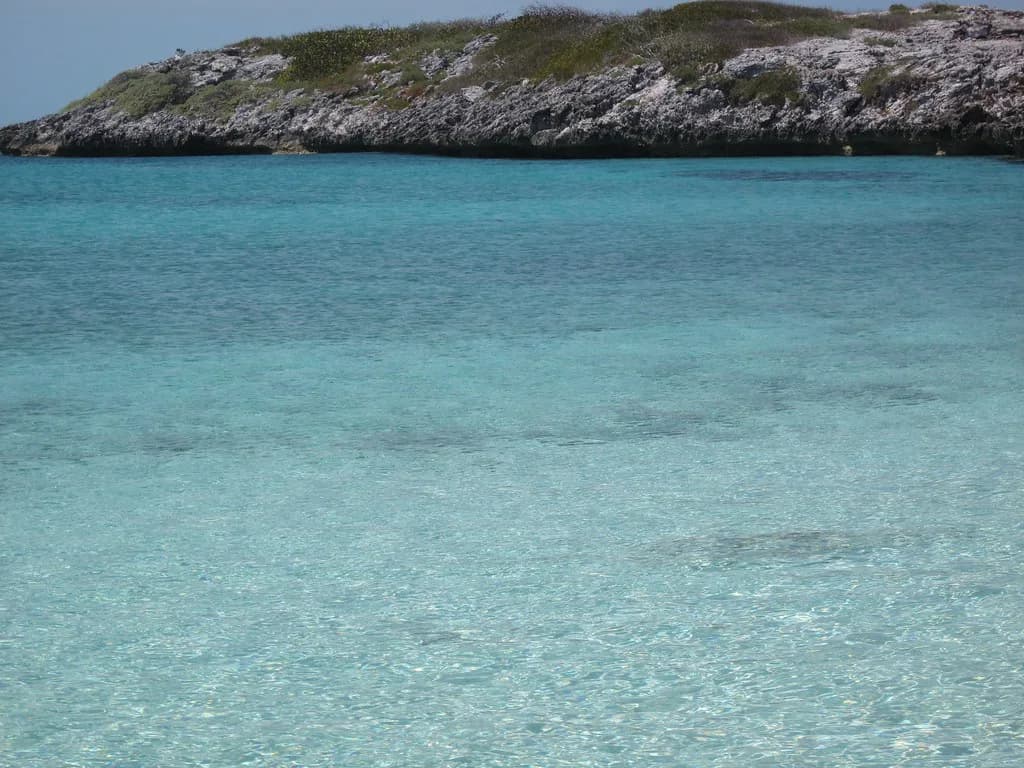
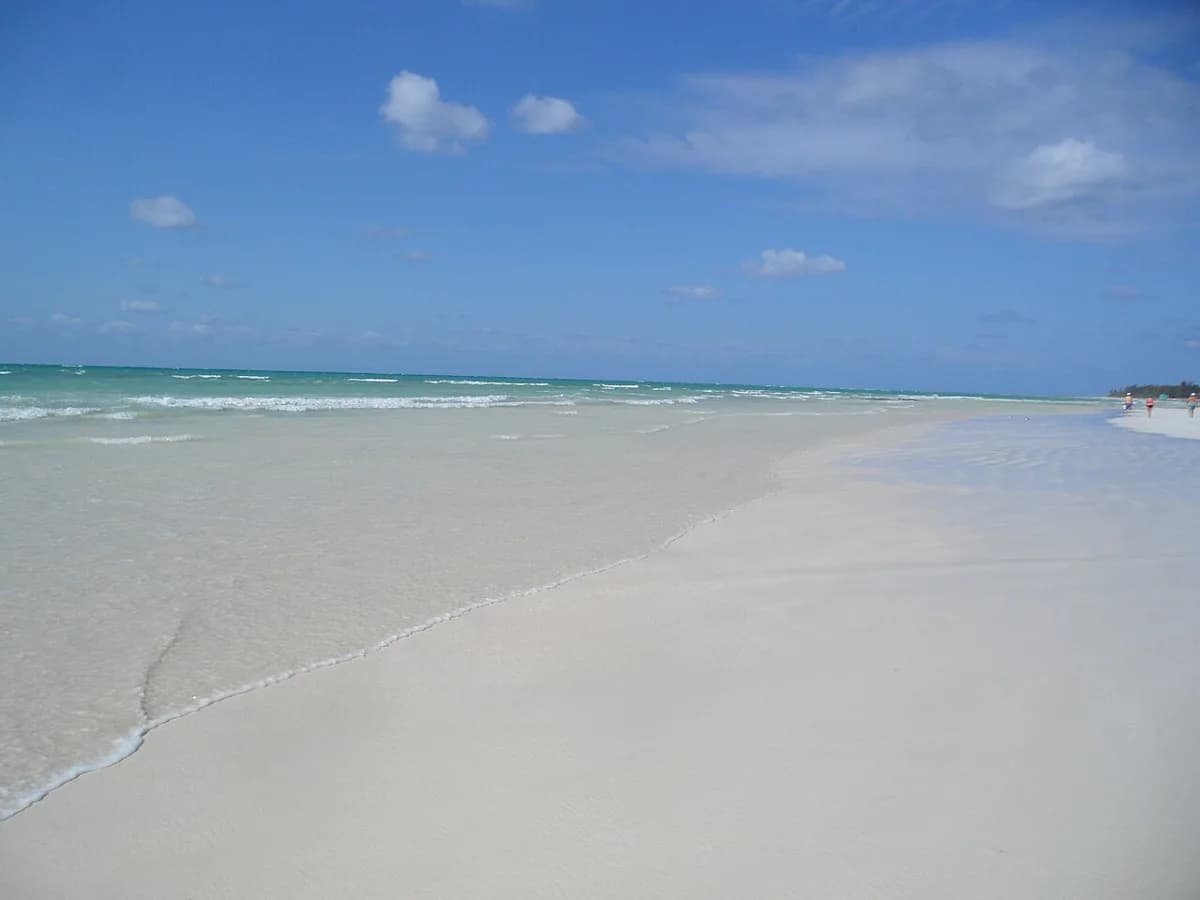
Entry is from the beach over sand, with no rocks, ladder or stair to negotiate. The decline is gradual and the water stays shallow through much of the lagoon, so at low tide you can walk a good distance before you need to kick up and float. That layout lets a cautious beginner start looking down within a few steps, and lets a child dig in the sand with a mask on without ever being out of depth.
The Statue Trail: Following the Red and White Buoys
Sunken props are marked by floats, so the navigation is simple: look for the red and white buoys and swim toward them. Among the pieces reported in the lagoon are Prince Eric's statue, a Dumbo ride car, Mickey and Minnie figures, Boo's Door from Monsters Inc., a tugboat and the Nautilus submarine from 20,000 Leagues Under the Sea, the last big enough that it fills a camera frame. One of the earliest buoys, on the left-hand side of the lagoon as you face the water, sits near the flying elephant.
There is no published map pinpointing each piece, so the buoys themselves are the map. Swim buoy to buoy rather than zigzagging, and give the far ones priority while your legs are fresh.
What You Will See Beyond the Statues
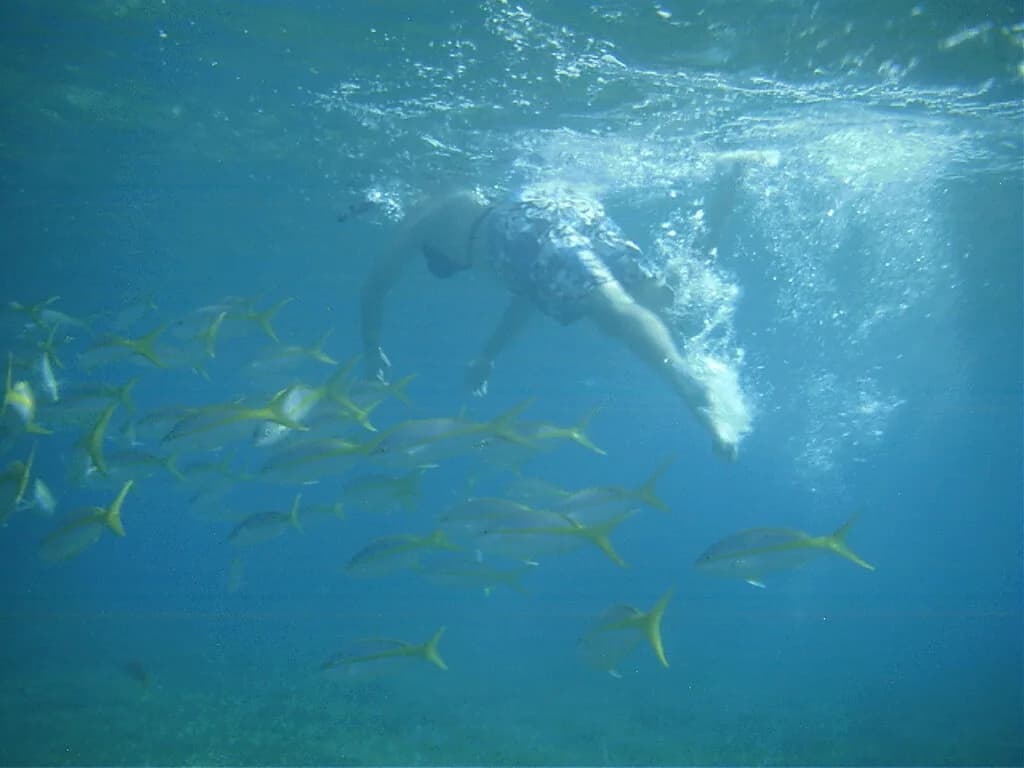
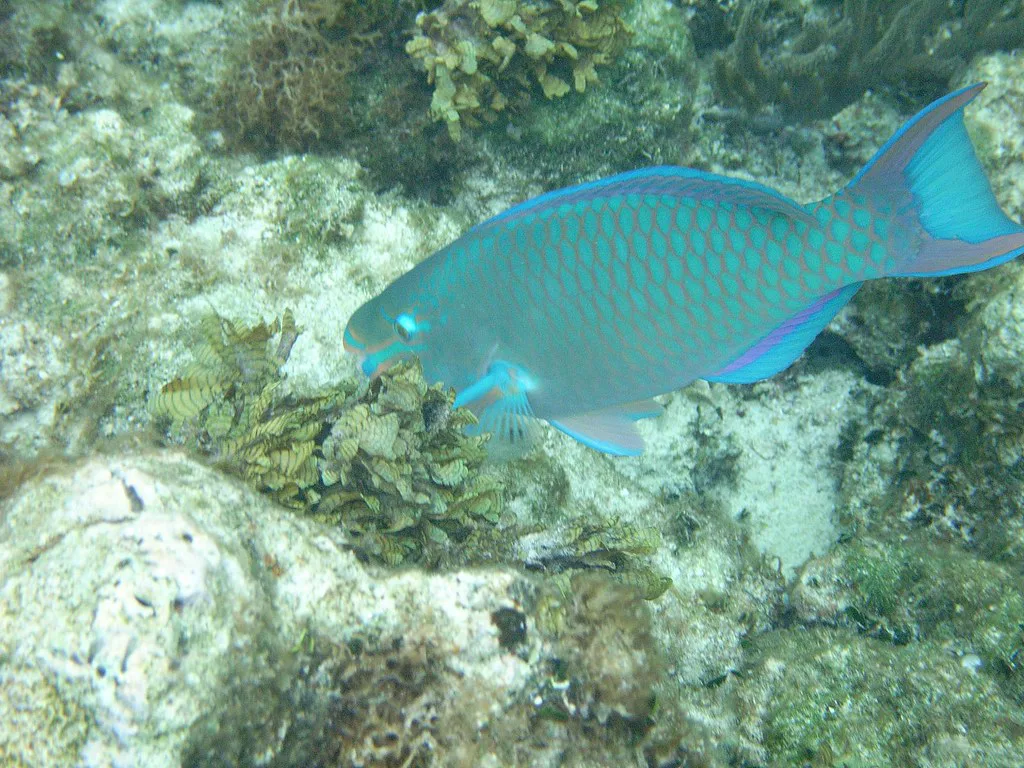
Between the props, artificial coral reef balls and small reef fish cover the bottom, and the water clears as you get farther from shore, where most of the statues sit. Stingrays occasionally slip out of the neighboring Stingray Lagoon into the snorkel area; watch them from a distance and never touch, feed or chase any animal. The fish life here is modest compared with a wild reef, so treat the statues and the easy, safe swim as the main event.
Depth, Distance and How Long a Full Loop Takes
Plan on about an hour to swim to the last buoy and back at a slow, steady pace, and remember that however far out you go, you have to cover the same distance on the return. Conserve energy by starting early, swimming slowly and resting on the beach between laps. The good treasures sit well out, so a quick ten-minute dip near the entry will mostly show sand and seaweed.
Gear: Bring Your Own Mask and Fins or Rent at Gil's Fins and Boats
You can bring your own mask, snorkel and fins; leave the floats and personal life vests behind, since the island's yellow vests are the ones to wear and they are handed out at the lagoon. If you are traveling with newly bought gear, practice in a pool or bathtub at home first so everyone knows how the mask seals and how to clear water before the port day. Renting at Gil's Fins and Boats is the alternative, with child-sized equipment and sanitizing between uses.
Costs: Rental, Getaway Package and Stingray Adventure
Disney publishes the Snorkel Lagoon Equipment Rental as an all-day booking, with rates listed at $34 for ages 10 and up and $19 for ages 5 to 9, covering mask, snorkel and fins. Confirm the current rate and inclusions on the official port adventures page when you book, since packages and pricing can change between sailings.
Broader bundles add floats, tubes, bicycles or a guided stingray encounter, so compare what you would actually use against the time ashore before paying for more than basic gear. The Stingray Adventure is a guided operator activity with feeding, which means following the guide's wildlife rules rather than approaching rays on your own.
Life Vests, the Age Rule and the Netted Boundary
Everyone snorkels in the required yellow vest, and children must be at least five to take part. Younger siblings can spend the time at Scuttle's Cove, and kids at least 38 inches tall can ride the slides at Pelican Plunge, a play structure set in the water. The netted boundary keeps the lagoon calm and separates it from open water, which is the main reason it works for first-timers.
Best Time to Go
Head out as soon as passengers are allowed ashore, because the lagoon fills up over the course of the day and the water is murkiest near the shore, especially after a late start. Reviewers note the family beach and snorkel area becoming congested within roughly an hour of docking, so an early slot buys you empty water and better visibility offshore.
Check the ashore time for your specific sailing in your cruise itinerary, since it varies by ship and route, and build your lagoon loop around it rather than around a fixed clock.
Hazards and Comfort
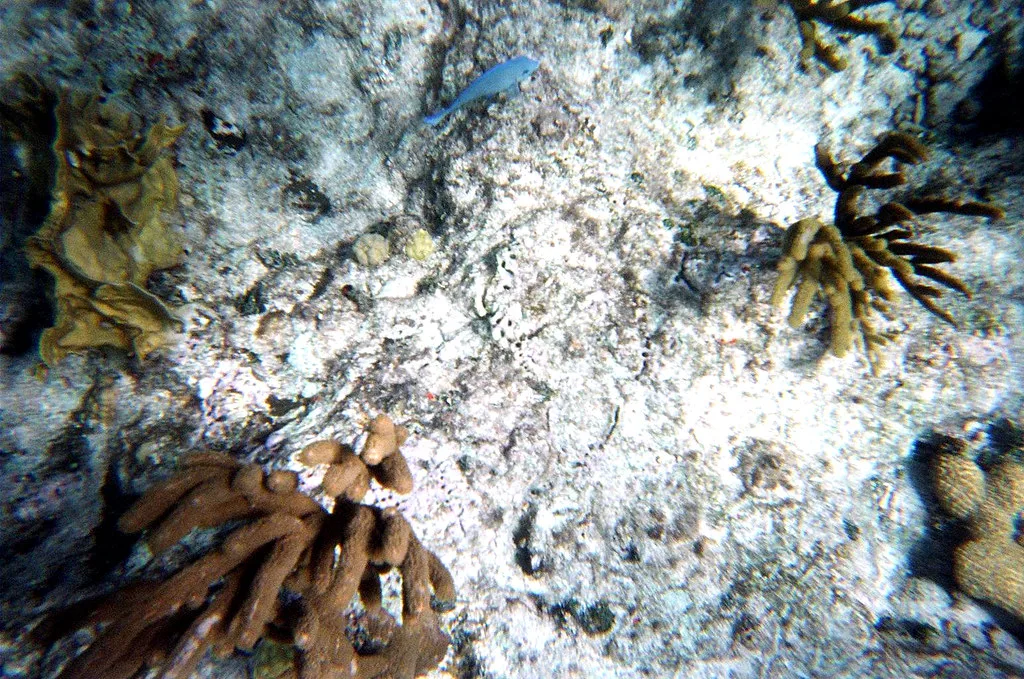
The main irritations are murky shallows, patches of seaweed and sun exposure rather than current or surf. Swim over seaweed instead of wading through it, wear a rash guard for torso protection, and carry a full water bottle to the beach so you do not have to walk to Cookie's BBQ between laps. Use reef-safe sunscreen on faces and legs, since the reef balls and resident fish sit in a managed environment.
Rules: Shells, Wildlife and Sunscreen
Removing shells from Castaway Cay is prohibited, and the rule reaches land: shells can be confiscated at customs on the way home, and the island does not restock them. Photograph what you find and leave it in the sand. The same ethic applies to the fish and rays in the lagoon, which are there to be watched, not handled.
Combining the Lagoon With the Rest of the Island
A sensible port day pairs the lagoon with the family beach next door, Pelican Plunge for the kids, and lunch at Cookie's BBQ, which serves water and soda to cruisers. Snorkel early while the water is clearest, eat, then swim or float in the afternoon. If your itinerary includes other private-island stops, Half Moon Cay offers a different, wilder version of the same kind of day.
Other Bahamas Ports to Compare
Castaway Cay is one of several private-island stops in the Bahamas, and the quality of the snorkeling varies a lot between them. CocoCay Snorkeling, for instance, gives you a sense of how a purpose-built lagoon compares, while Freeport snorkeling on Grand Bahama Island and the reefs around Paradise Cove suit travelers who want a boat ride and natural coral. If your ship calls at Nassau or New Providence, snorkeling tours there add a third option, and Turks and Caicos snorkel spots make a useful comparison if your itinerary heads south of the Bahamas.
Plan Your Castaway Cay Snorkel Day
Castaway Cay snorkeling rewards an early start and a slow, steady swim: get off at Scuttle's Cove, walk past Gil's Fins and Boats to the roped-off lagoon, put on the yellow vest, and work the red and white buoys from the near ones outward while your energy lasts. Bring your own mask and fins or book the rental, keep the loop to about an hour, and leave the shells where they lie.
Frequently Asked Questions
Does Castaway Cay have good snorkeling?
It is a shallow, netted, lifeguarded lagoon with a sandy bottom and a trail of sunken Disney props rather than a wild coral reef. Beginners, kids from age five and families get calm water and an easy beach entry; experienced snorkelers who want coral and big marine life will find it limited.
Is snorkeling free at Castaway Cay?
Swimming in the lagoon and using the required yellow life vests cost nothing extra beyond your cruise fare. You only pay if you rent gear or book a package or guided stingray activity.
How much does it cost to snorkel at Castaway Cay?
Disney lists current rates for the all-day Snorkel Lagoon Equipment Rental, which covers mask, snorkel and fins, on its official port adventures page, with lower pricing for younger children. Bundles that add floats, bicycles or a stingray encounter cost more, so compare the official listings.
Can you use your own snorkel at Castaway Cay?
Yes. Bring your own mask, snorkel and fins and skip the rental queue. Leave floats and personal life vests behind, because the island's yellow vests are required and are handed out at the lagoon.
What age can kids snorkel at Castaway Cay?
The minimum age is five. Younger children can play at Scuttle's Cove, and kids at least 38 inches tall can use the slides at Pelican Plunge.
What statues are in the Castaway Cay snorkel lagoon?
Reported pieces include Prince Eric's statue, a Dumbo ride car, Mickey and Minnie figures, Boo's Door, a tugboat and the Nautilus submarine. They are marked by red and white buoys, with no published map of exact positions.
When is the best time to snorkel at Castaway Cay?
Go as soon as passengers are allowed ashore. The lagoon gets busier through the day and the water is murkiest near the shore, so an early slot gives you clearer water and more room around the buoys.
How long does it take to swim the whole lagoon?
A slow, steady loop to the last buoy and back takes about an hour. Remember that the return swim is the same distance, so pace yourself and rest on the beach between laps.
Sources
Snorkeling notes for your next trip
Optional updates to our snorkeling guides.
You might also like
Continue reading
More guides you'll find useful