Blue Lagoon Island Snorkeling: Bahamas Reef Guide
Blue Lagoon Island snorkeling is calm, shallow lagoon water reached by ferry from Nassau. Here is what you will see, who it suits and how the day works.
On this page
Blue Lagoon Island snorkeling is the easiest introduction to Bahamian reef life for families and first-timers, because a natural lagoon gives you flat, shallow water to practice in before you swim toward the reef edge. The island sits three miles from Nassau and is privately owned and operated, so you reach it by ferry rather than by car. That makes the day a package: boat crossing, beach access and lunch come together, and you build your swim time around the boat schedule rather than around a parking lot.
If you are weighing this against other Nassau days, think about what you want from the water. Blue Lagoon gives you a protected lagoon for kids and nervous swimmers, plus an open reef beyond it for people comfortable in deeper water. It is not a wild, remote reef trip; it is a managed island day with facilities, food and a marine park on site.
Where Blue Lagoon Island sits and how you get there
Blue Lagoon Island lies about three miles from Nassau, across Nassau Harbour. It is a private island owned and operated by a local family, and the family's company, Dolphin Encounters, runs the crossing as part of its program. The published ride is a 25-minute scenic ferry through the harbour, so you get a view of the Nassau skyline before you reach the beach.
Because the island is not connected by road, you cannot drive there or park at a public beach. The ferry is the way in, and its schedule shapes your day: you arrive with a boatload of other guests and leave on a set return crossing. Plan your snorkel window around those times rather than expecting to come and go as you please.
Dolphin Encounters lists its address as One Marina Drive on Paradise Island, which is where the ferry operation is based. Cruise passengers should note that bookings made through cruise lines are handled by the ship's shore excursions desk, not by the island directly. If you book independently, arrange the meeting point and crossing time with Dolphin Encounters when you reserve.
Getting in: sandy beach and lagoon entry versus the reef edge
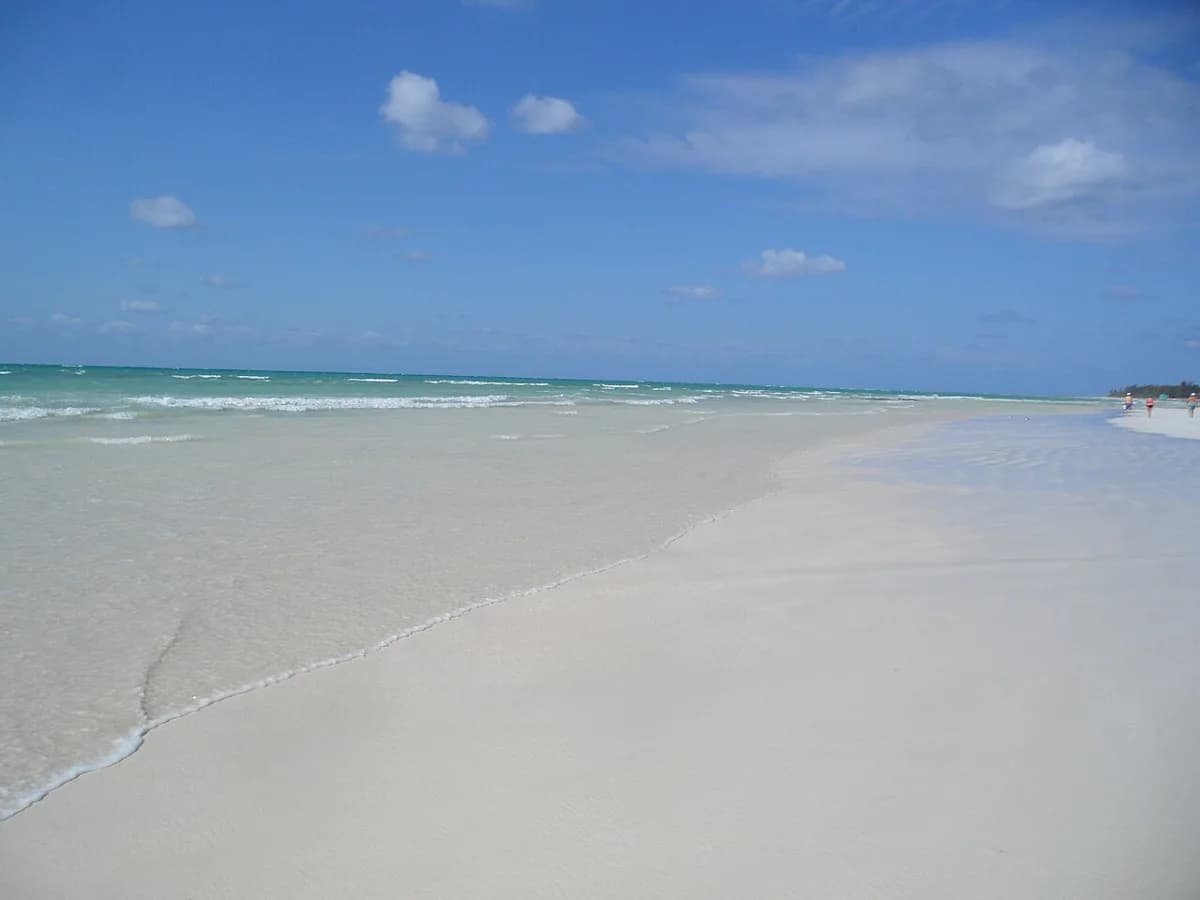
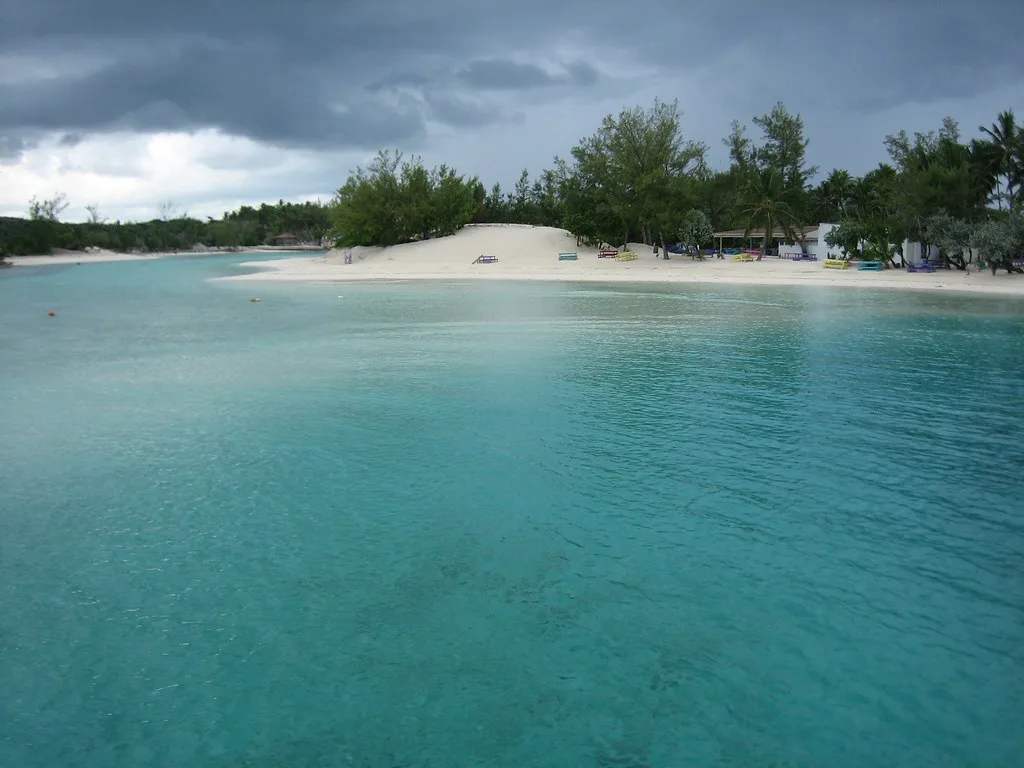
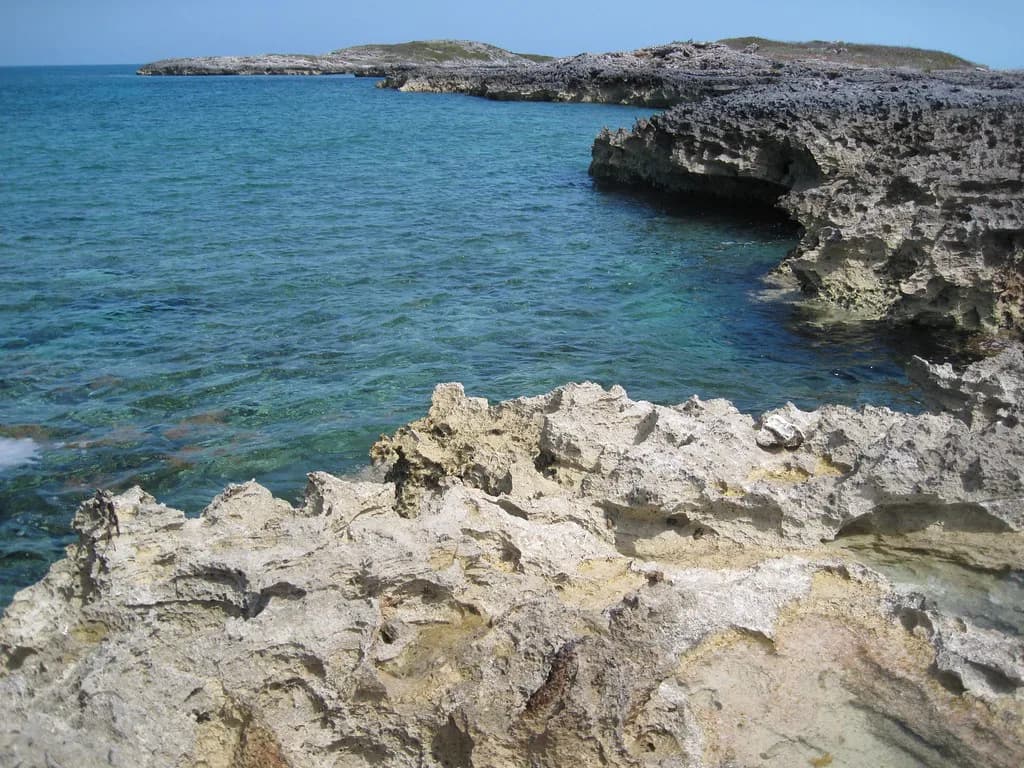
The natural lagoon is the heart of the snorkeling here. You walk in from a sandy beach into calm, sheltered water, which is the easiest kind of entry for children and anyone who has never worn a mask before. Dolphin Encounters describes the lagoon as tranquil and the beaches as white sand, with the lagoon hidden away from the open sea.
Beyond the lagoon, the island's shoreline faces open water and coral reefs. That is where the more interesting reef life is, but it also means deeper water, more exposure to swell and boat traffic. Strong swimmers can work the reef edge; families should treat the lagoon as the main event and venture out only when conditions look flat.
Bring your own mask, snorkel and fins, because Dolphin Encounters lists non-motorized water sports equipment among the exclusions from the beach day package. A rashguard is recommended for the aqua park, and it doubles as sun protection in the water. Water shoes help on the beach and around the aqua park.
Depth and layout of the lagoon and reef
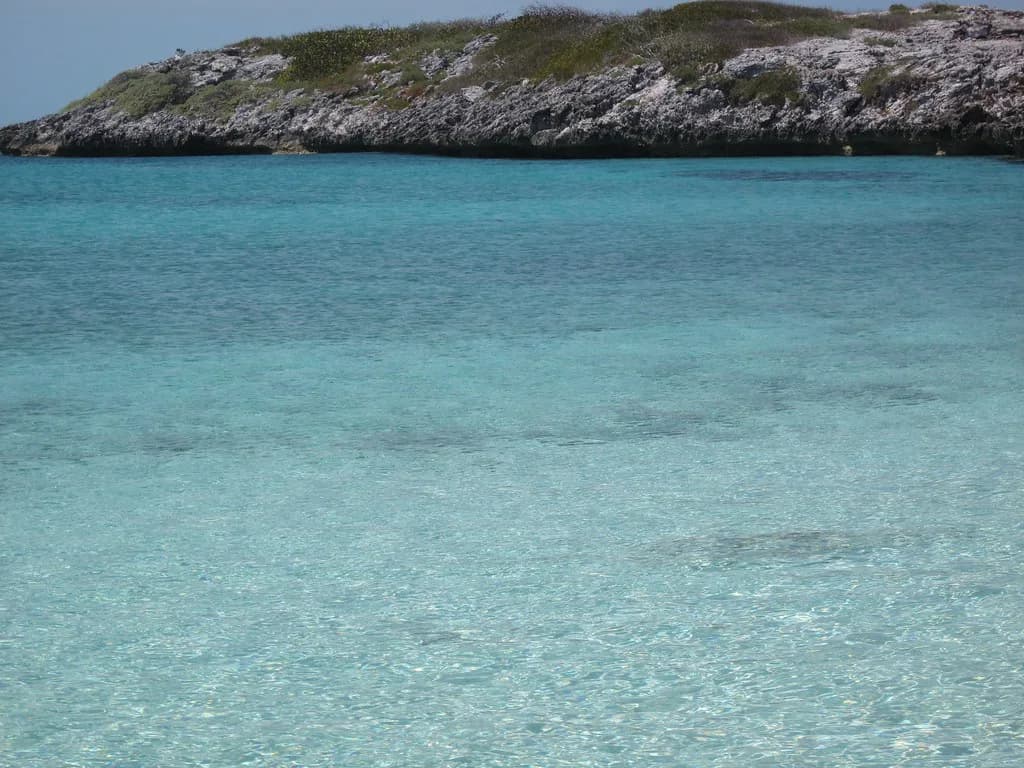
The lagoon is shallow and protected, which is why it suits beginners: you can stand or float in calm water while you sort out your mask and breathing. Dolphin Encounters describes it as a hidden natural lagoon, separate from the open sea, with the beach and inflatable aqua park clustered around it.
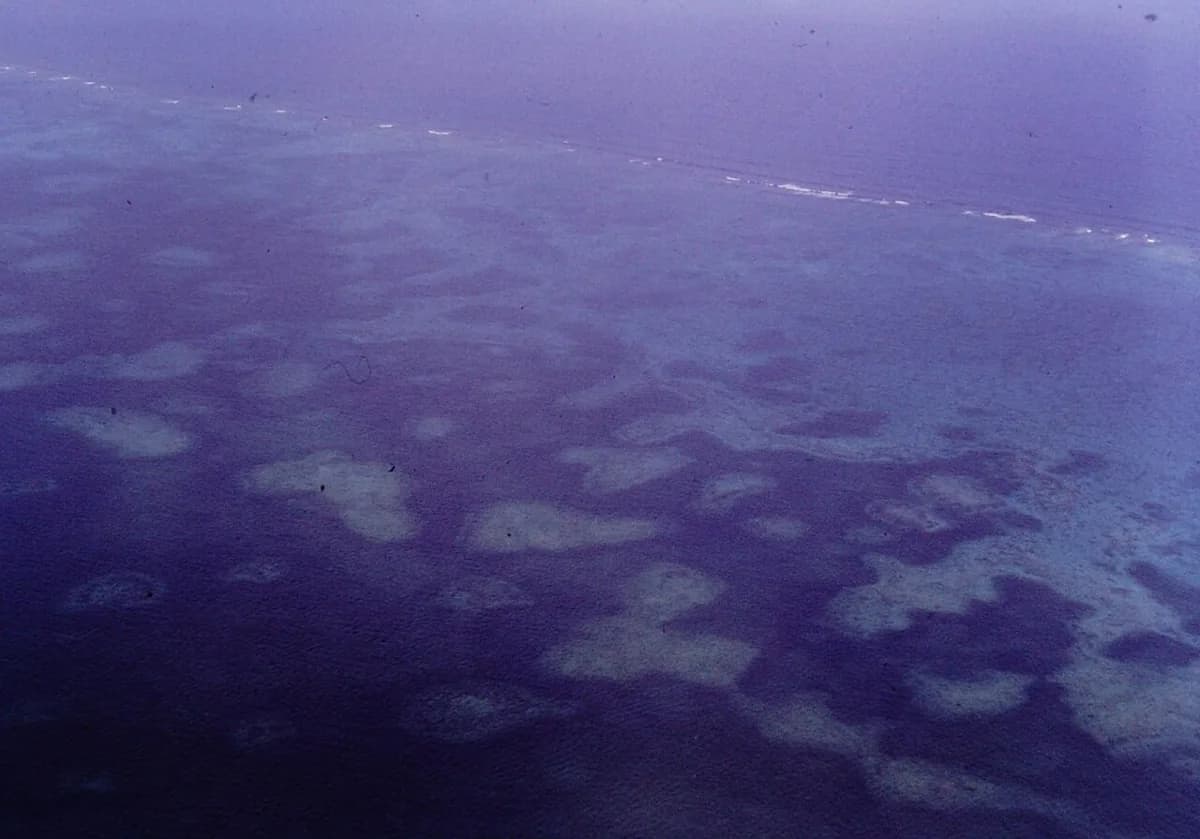
The reef lies beyond the lagoon and beach, in open water. Expect the bottom to drop away as you leave the sheltered side, and plan your swim so you can return to the beach without fighting a current. A simple rule for families: snorkel the lagoon first, then test the reef edge only if the water is calm and you have a buddy.
Because the island is a managed day destination, the layout is compact: beach, lagoon, aqua park, buffet and facilities are all within a short walk. That makes it easy to alternate between snorkeling, lunch and shade, which is a real advantage with kids who tire quickly.
What you will see: reef fish, coral and the marine park animals
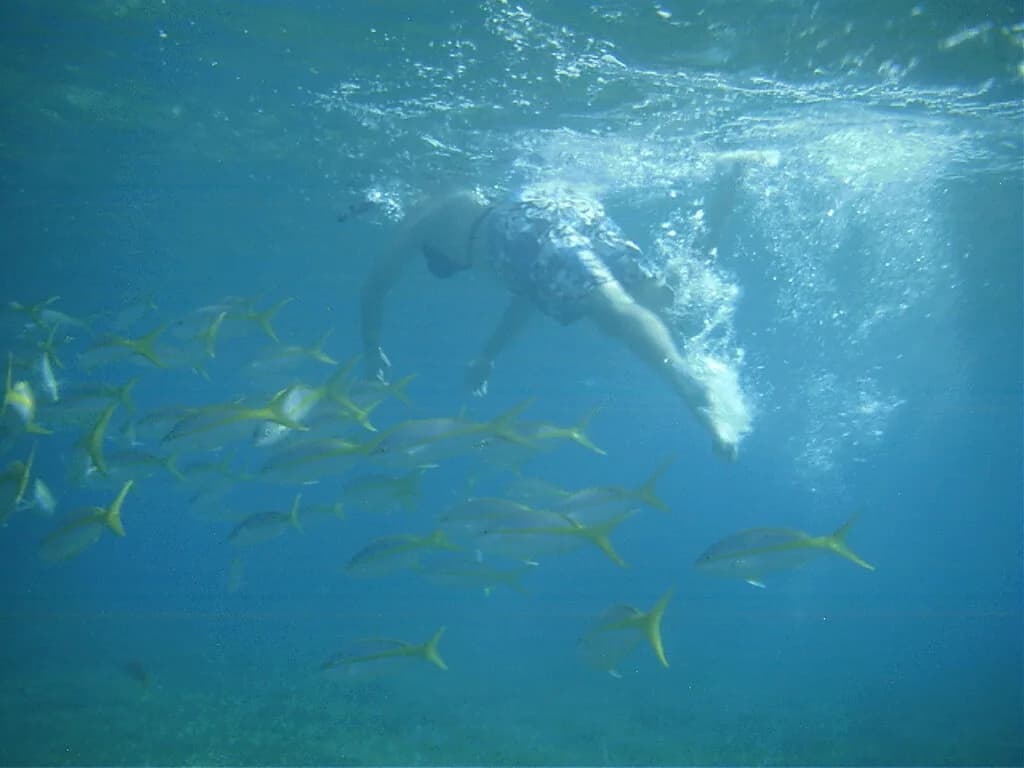
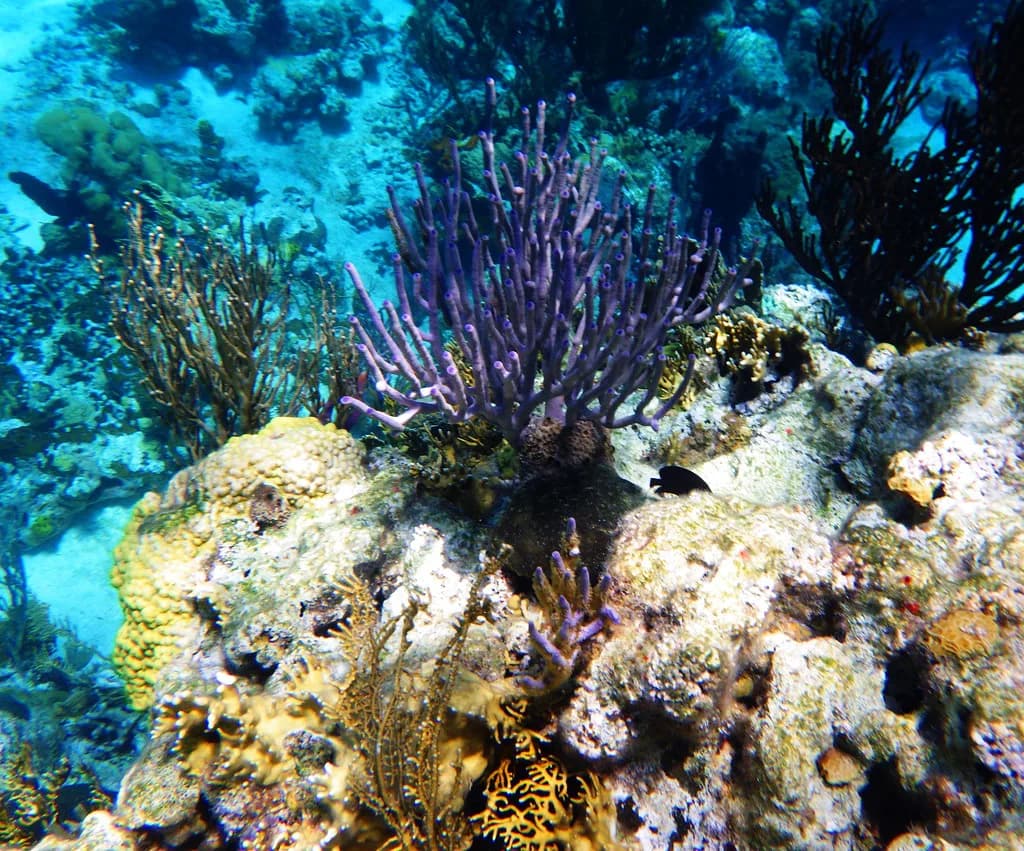
The reefs around the island carry the usual Bahamian mix of coral and reef fish, and Dolphin Encounters describes vibrant coral reefs teeming with marine life just off the beaches. In the lagoon you will see far less, but the calm water lets you focus on technique and on watching small fish along the sandy edges.
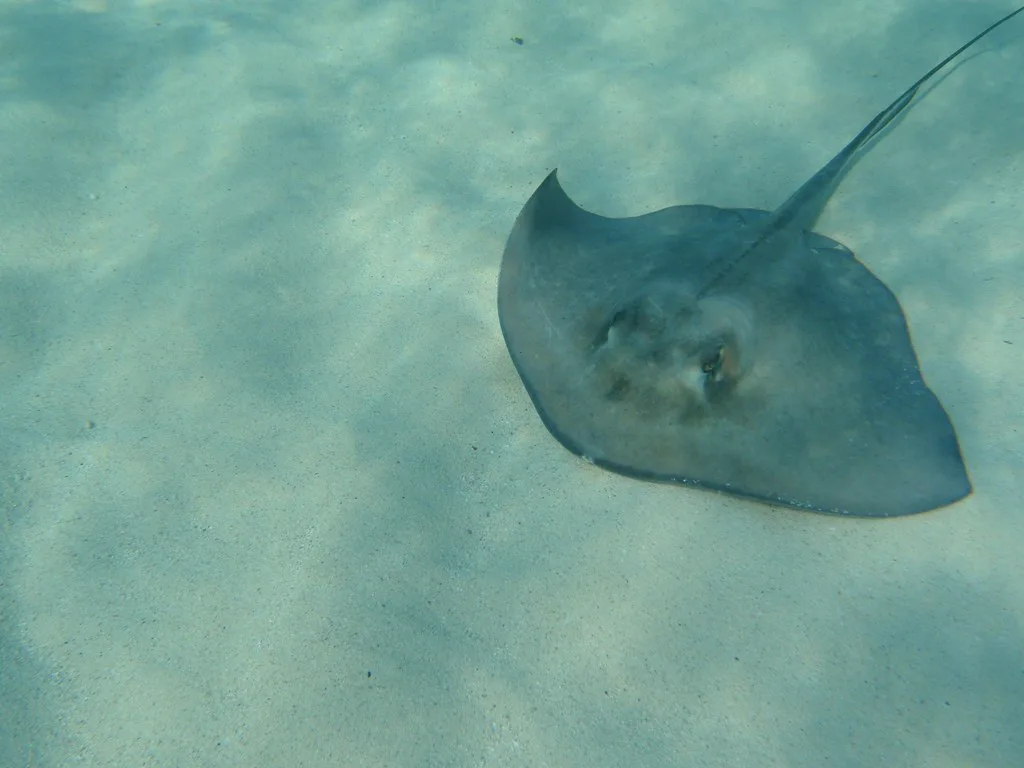
Blue Lagoon Island also houses a marine park with dolphins, sea lions, stingrays and nurse sharks. These animals are part of booked programs or observed from the island, not free-swimming snorkel targets. Do not touch, feed or chase them; if you want a close encounter, book the relevant program rather than swimming at them.
Sightings are never guaranteed, and the reef is a wild habitat even on a managed island. Go with the expectation of seeing common reef fish and coral, and treat turtles, rays or larger animals as a bonus. For a broader picture of what Bahamian reefs hold, see our guide to snorkeling in the Bahamas.
Beach day package versus the animal programs
The Island Beach Day is the snorkel-friendly package: it includes round-trip ferry transport, a buffet lunch, beach and lagoon access, the inflatable aqua park, lounge chairs with umbrellas based on availability, and fresh-water showers and restrooms. The published rate starts from $109 per person plus 10% Value Added Tax, and the inclusions apply to direct bookings; cruise-line and third-party bookings follow their own program.
The dolphin, sea lion and shark programs are separate bookings with their own prices and formats. They are worth considering if an animal encounter is the point of your day, but they are not a substitute for reef snorkeling. If you want to snorkel, book the beach day and bring your own gear; if you want an animal program, book that separately and expect a structured session rather than free swimming.
The Dolphin Encounters blog covers the island's guided snorkel options and how to plan a day there, which is useful for comparing formats. Note that the 24-hour cancellation window applies to reservations, so decide before you commit.
Best time of day and water conditions across the year
Mornings tend to be the calmest window on the lagoon, before afternoon breezes pick up and the harbour crossing gets choppier. Since the ferry schedule sets your arrival, aim for an early crossing if you can, and snorkel the reef edge before lunch rather than after. The island operates year-round, but exact crossing times vary by program and boat schedule.
Bahamian water stays warm enough for a rashguard most of the year, and the lagoon is sheltered enough that wind matters less there than at the reef edge. Swell direction and boat traffic are the variables to watch: when the open side is rough, stay in the lagoon. Dolphin Encounters publishes local weather information for the island, so glance at it before you pack.
A trip report from other visitors can give a sense of typical conditions, though it reflects one person's day rather than a forecast. Use it for expectations about crowds, water clarity and the ferry, not as a substitute for checking the weather.
Skill level: kids, beginners and non-swimmers in the lagoon
The lagoon is the reason this island works for families. Shallow, calm water means kids can wade and splash while parents snorkel nearby, and the inflatable aqua park adds a dry-ish alternative for nervous swimmers. Dolphin Encounters welcomes all ages, with no minimum age restriction on the beach day.
Non-swimmers should stay in the lagoon and use flotation; the open reef is not the place to learn. Beginners can practice mask clearing and finning in the lagoon, then move to the reef edge only with a confident buddy. Strong swimmers will find the lagoon tame and should head for the reef side, watching for boat traffic and current.
If you are comparing options for a mixed-ability group, Half Moon Cay is another Bahamian beach day with calm water and a similar lagoon-and-reef split. It is a useful benchmark when you are deciding which island day fits your group best.
Hazards: boat traffic, open-water reef and sun
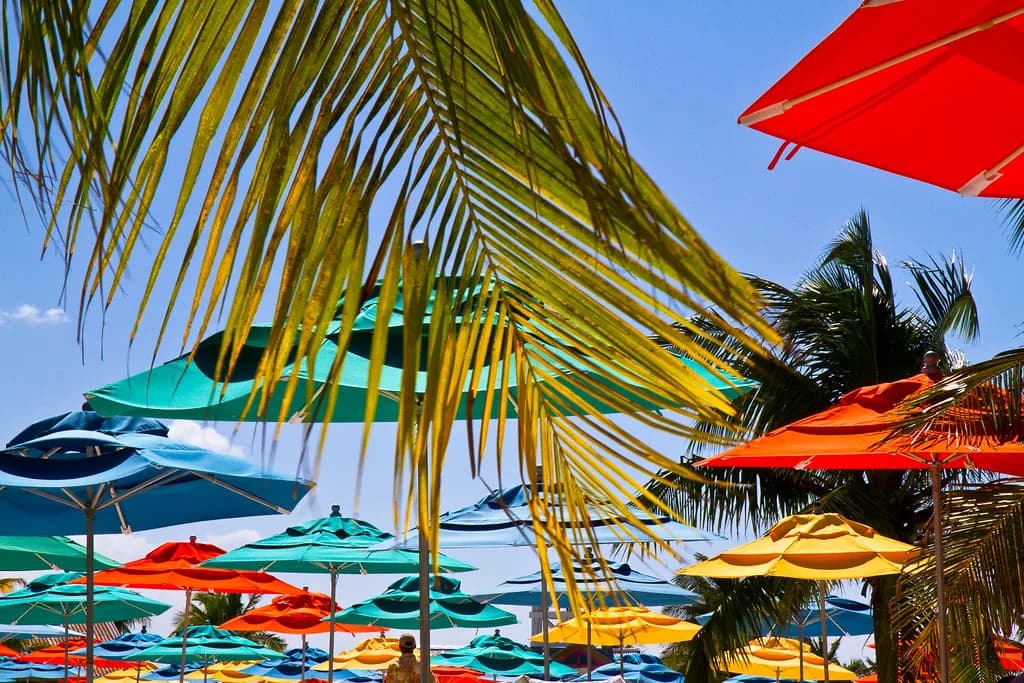
The main hazards are the ones that come with any island day: boat traffic near the ferry route, deeper water and current at the reef edge, and strong sun with little shade on the beach. Dolphin Encounters provides lounge chairs with umbrellas based on availability, so arrive early if shade matters to you.
The reef is open water, so a buddy, a visible float and a conservative turnaround are basics rather than formal rules. Watch for the ferry and other boats when you are near the channel. Dolphin Encounters also prohibits alcohol and coolers brought onto the island, which keeps the beach area calmer but means you should plan your drinks around what is included.
Sun exposure is the quiet hazard on a white-sand island. A rashguard is recommended for the aqua park and works for snorkeling too, and reef-safe sunscreen is the sensible default in Bahamian water. Reapply between swims and take breaks in the shade.
What to bring and what is included
Pack your own snorkel gear, a rashguard, towels, water shoes and cash or a card for extras. The beach day includes the ferry, buffet lunch, beach and lagoon access, the aqua park, lounge chairs and umbrellas based on availability, floats or tubes based on availability, and showers and restrooms. Ground transport from your hotel is not included.
The inclusions apply to bookings made directly with Dolphin Encounters. If you book through a cruise line or third party, check that program's list, because it may differ. The cardholder who paid must be present at check-in with the same card and photo ID, so keep the payment card with you.
The Bahamian Village on the island sells souvenirs such as straw bags, pepper sauces and rum cakes, so bring a little spending money for gifts. Cornhole and oversized board games are there for a break from the water.
Food, facilities and showers on the island
The buffet lunch is included with the beach day and covers Bahamian and international dishes. Fresh-water showers and full restroom facilities are on the island, which makes it easy to rinse off before the ferry back. Food and drink beyond the included lunch are extra.
The island's blog has a packing and planning post that covers water shoes, photos and how to structure the day. It is a useful read, especially if you are combining snorkeling with the aqua park and the animal programs.
Shade, lunch and showers close to the beach mean you can snorkel in short sessions rather than one long push, which is better for kids and for sun exposure. That convenience is a large part of what you pay for compared with a bare-bones beach snorkel.
Other Nassau snorkel options and how this day compares
Nassau has several snorkel days within reach, and each trades convenience against wildness. Blue Lagoon is the most structured: ferry, facilities, lunch and a calm lagoon. Boat-based reef trips get you to more exposed coral, but they suit stronger swimmers and depend on sea conditions. Castaway Cay is another managed island day worth comparing if you are cruising the Bahamas, and if you are weighing Caribbean alternatives, our guide to snorkeling in Turks and Caicos covers a similar island-by-island comparison.
For more Nassau-based boat options, see our Bahamas snorkeling tours page. It covers trips that reach reefs the island day does not, which matters if you are a confident snorkeler who wants more open-water coral.
If you are also considering Grand Bahama, Freeport snorkeling and Paradise Cove give you a different island base with shore-entry reef. That is a good alternative if you are staying on Grand Bahama rather than Nassau and want a self-paced day.
Who should skip Blue Lagoon Island
Skip it if you want remote, uncrowded reef and nothing else: the island is a managed day destination with a ferry, a buffet and an aqua park, and it feels like it. Skip it also if you cannot work with a boat schedule or if you want to snorkel at first light and last light, because your time on the island is bounded by the crossing.
Skip it if your dream day is a wreck or a wall dive; the lagoon and reef edge are shallow and calm by design. And skip it if an animal encounter is the only reason you would go, because it makes more sense to book that program directly and treat snorkeling as a separate outing.
For everyone else, especially families with young swimmers and first-timers who want a gentle introduction to Bahamian reef life, it is a straightforward and well-equipped day. Pair it with the broader snorkeling in the Bahamas guide to plan the rest of your trip.
Plan Your Snorkel Day
Book the Island Beach Day directly with Dolphin Encounters if you want the ferry, lunch, lagoon and facilities in one package, and bring your own mask, snorkel and fins. Check current prices and dates before you travel. Plan an early crossing, snorkel the lagoon first, and move to the reef edge only if the water is calm and you have a buddy.
If you want an animal encounter, book it as a separate program rather than expecting it to be part of the snorkel day. And if you are comparing islands, weigh Blue Lagoon's convenience against the wilder reef access of a boat trip or a shore-entry spot like Half Moon Cay.
Frequently Asked Questions
Is Blue Lagoon Island good for snorkeling?
It is good for beginner and family snorkeling. The natural lagoon gives you calm, shallow water to practice in, and the reef beyond the beach carries coral and reef fish. Strong snorkelers who want remote, uncrowded reef will find it more managed than wild.
Where do you snorkel on Blue Lagoon Island?
Start in the sheltered lagoon off the sandy beach, which is the easiest entry and the best place for kids. The open reef beyond the beach is where the coral and fish life are, but it means deeper water and more exposure to swell and boat traffic.
Do you need to book a tour to snorkel at Blue Lagoon Island?
You reach the island by ferry as part of an organized program, so yes, you need a booking. The Island Beach Day includes the crossing, lunch, lagoon and beach access, and facilities. Dolphin, sea lion and shark encounters are separate bookings.
How long is the ferry to Blue Lagoon Island?
The published crossing is about 25 minutes through Nassau Harbour, a scenic ride from the Paradise Island side. Departure times vary by program and boat schedule, so confirm the meeting point and crossing time when you reserve.
Can beginners and kids snorkel at Blue Lagoon Island?
Yes. The lagoon is shallow and calm, which suits young swimmers and first-timers, and the beach day has no minimum age. Non-swimmers should stay in the lagoon with flotation, and beginners should move to the reef edge only with a confident buddy.
What should I bring for a snorkel day at Blue Lagoon Island?
Bring your own mask, snorkel and fins, since non-motorized water sports equipment is not included. Add a rashguard for sun protection, water shoes, towels and cash or a card for extras. Showers and restrooms are on the island.
Is Blue Lagoon Island worth it for a beach and snorkel day?
It is worth it if you want a managed day with a calm lagoon, lunch and facilities, especially with kids. It is less appealing if you want remote reef and a flexible schedule, because your time on the island is set by the ferry.
Sources
Snorkeling notes for your next trip
Optional updates to our snorkeling guides.
You might also like
Continue reading
More guides you'll find useful