CocoCay Snorkeling: Shore Spots, Gear, and What to Expect
Plan a snorkel day at CocoCay: where the calm water and rock walls are, how to bring your own gear or rent, and how it compares to Nassau reef trips.
On this page
CocoCay suits the traveler who wants to step off a pier, pull on a mask and be over reef structure within a few minutes of swimming. The island's sheltered shallows and rock-lined edges make it one of the simplest places in the Bahamas to try snorkeling for the first time, and equally easy for a family with kids who tire quickly. It is a beach-and-lagoon day rather than a wild-reef expedition, so set expectations accordingly.
The core decision is straightforward: snorkel from shore with your own mask and fins, or pick up equipment and all-day access through the island's snorkel offering. This guide walks through the layout, where people actually get in the water, what marine life Caribbean shallows typically hold, and how a CocoCay day compares with a boat trip out of Nassau if you want deeper reef. For the wider archipelago, the snorkeling in bahamas overview covers the other islands worth building a trip around.
Why CocoCay Works for a First Snorkel Day
The appeal is convenience and calm water. You are already ashore, there is no boat ride, no seasickness and no fixed departure slot dictating your morning, and the swim zones sit in the protected, shallow water that makes the island comfortable for beginners. If you are traveling with a mix of confident swimmers and nervous ones, that combination matters more than reef grandeur.
It also suits short port calls. A traveler with four or five hours ashore can snorkel, rinse off, eat and still be back at the ship with time to spare, while a boat-based reef trip eats a large chunk of the day in transfers alone. The trade-off is scale: shore snorkeling at CocoCay is a relaxed paddle over sandy patches, rock and scattered coral, not a wall dive or a pristine far-off reef.
Where CocoCay Is and How You Reach the Water
CocoCay is Royal Caribbean's private island in the Bahamas, and nearly everyone arrives by cruise ship at the island's pier. From the pier you walk onto the island and follow paths to the beach areas, so your day starts on foot rather than in a taxi. Guests exploring the wider country independently should know that the Bahamas spreads across hundreds of islands with very different access, which the country-level guides explain.
The practical consequence is that you carry everything you need from the ship. Towels, sunscreen, water and your own mask and fins all come off the gangway with you, and the walk back at the end of the day is hot. Pack a dry bag or a light backpack rather than a rolling cooler, and plan your beach choice before you disembark so you are not scouting the whole island with gear on your shoulder.
Shore Snorkeling Spots: Chill Island and the Rock Walls
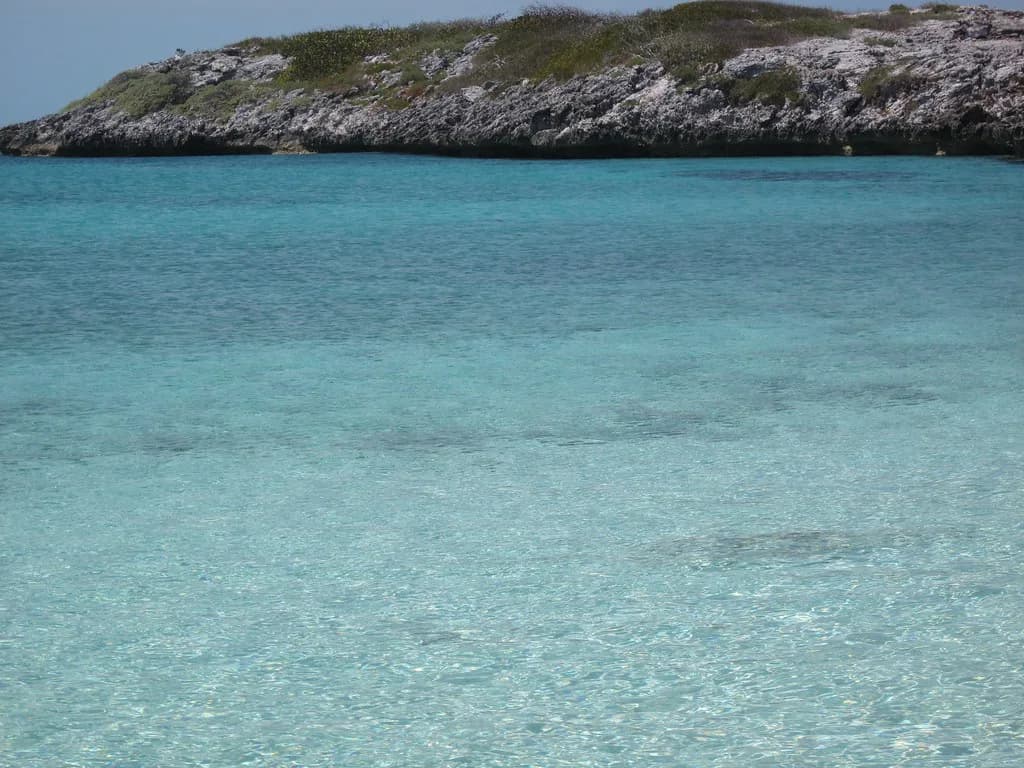
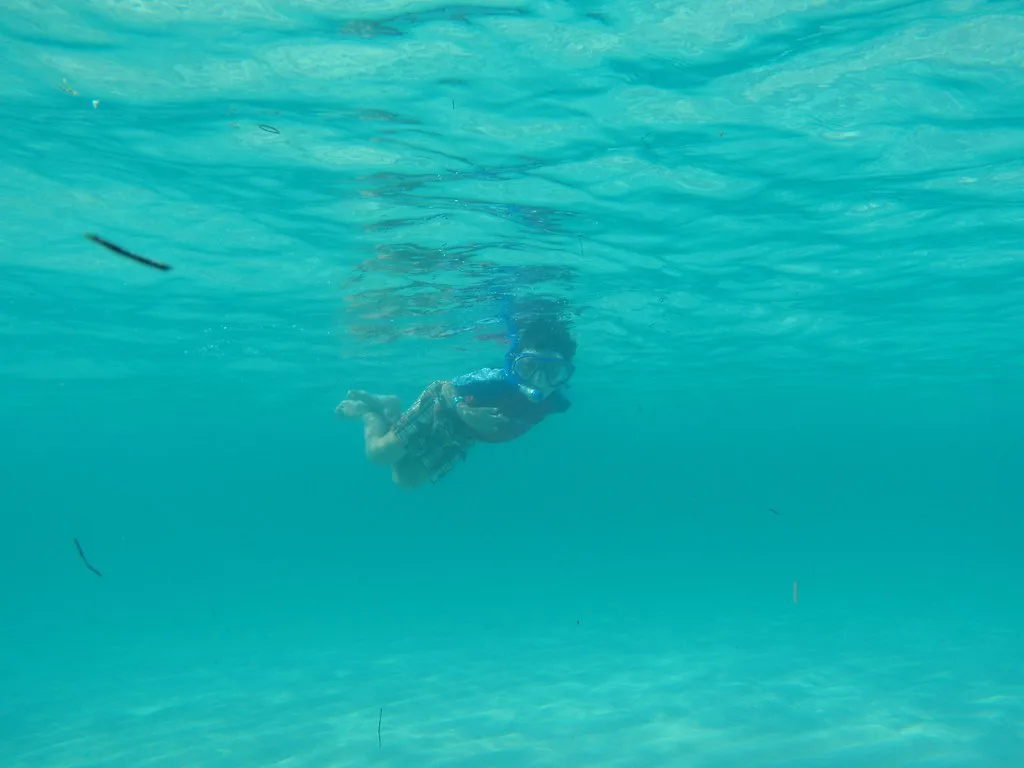
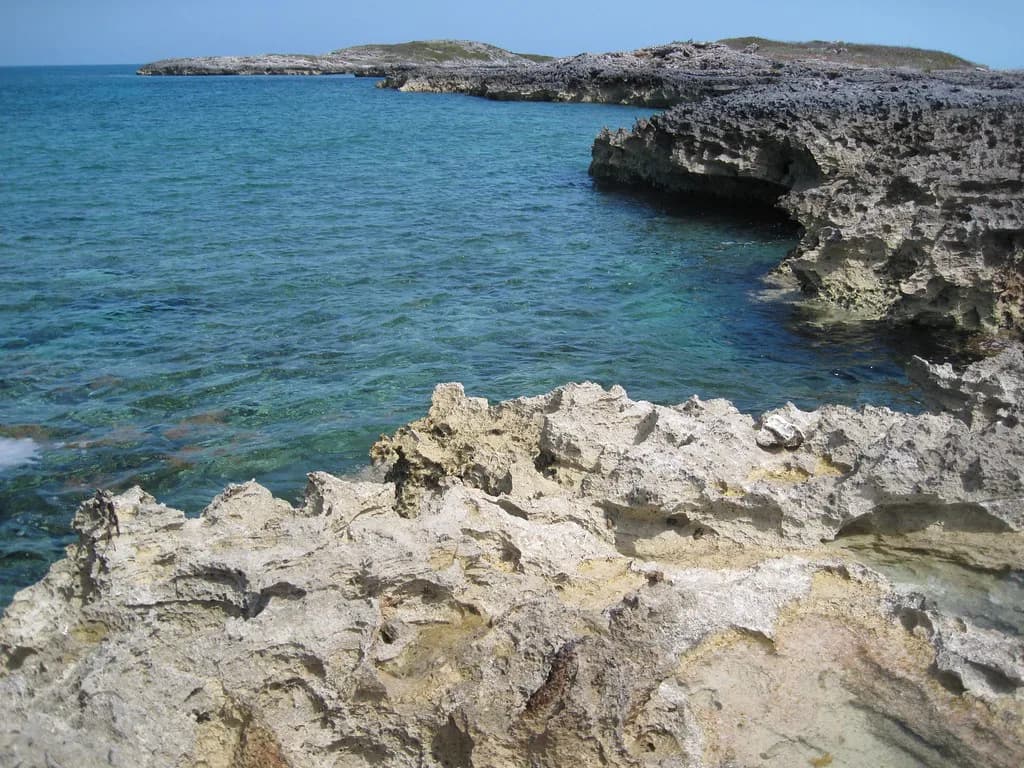
Chill Island is the name most snorkelers attach to the island's quieter swimming side, and the rock walls along the water's edge are the structure people follow. Cruisers who bring their own gear describe snorkeling those same rock lines without paying for anything beyond their cruise fare. Treat that as a starting point for your own exploration: swim slowly along the rocks, look into the shaded crevices, and let the fish come to you rather than chasing them.
A useful rhythm is to make one slow pass along the rocks, rest on the sand, then repeat a short section you liked rather than striking out across open water. Structure concentrates life, so a twenty-minute crawl along a wall usually beats a long swim over featureless sand. If a section is crowded with other snorkelers, move fifty yards along the shore and you will often have the rocks to yourself.
The Snorkel Pass, Rentals, and All-Day Access
Royal Caribbean sells an all-day snorkeling product where you collect equipment at the Snorkel Shack and then snorkel at your own pace for the rest of the day. Royal Caribbean describes it as a leisurely float past tropical fish rather than a guided reef tour, which tells you what to expect: gear, water access and freedom, not a marine biologist leading you to a specific site. Confirm the current inclusions, meeting point and any age conditions on the cruise planner before you sail, since shore-excursion products change between seasons.
The pass makes sense if you are flying to the port and cannot pack fins, or if you want a float and vest supplied on the day. It makes less sense if you already own a well-fitting mask, because fit is the single biggest factor in whether you enjoy the water, and rental masks are shared. Decide before you board: either budget for the pass or commit suitcase space to your own gear. The full set of bahamas snorkeling tours is worth reading if you are weighing add-ons across several ports.
Bringing Your Own Mask, Fins, and Snorkel
If you snorkel more than once a year, bring your own mask. Fit beats features every time: press the mask gently to your face without the strap and it should hold briefly on its own, and if it does not, try another shape. A dry-top snorkel is a nice comfort upgrade for choppy days, and short travel fins fit in a carry-on where full-length blades do not.
Skip anything marketed as essential that you will not actually use. A thin rash guard replaces sunscreen on your back and shoulders and doubles as warmth if the water feels cool, and reef-safe formulations are the default choice in Bahamas waters. Do not buy prescription masks in a rush the week before you sail; if you need correction, order early and test the fit at home in a sink.
What You Will See: Fish, Rays, and Structure
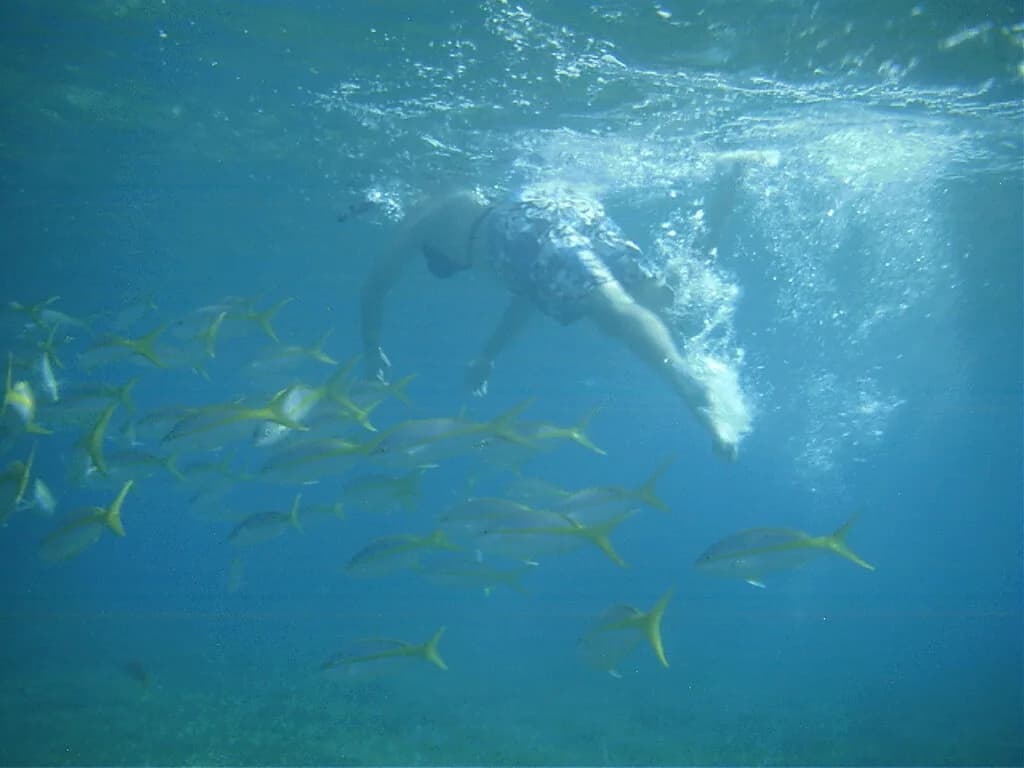
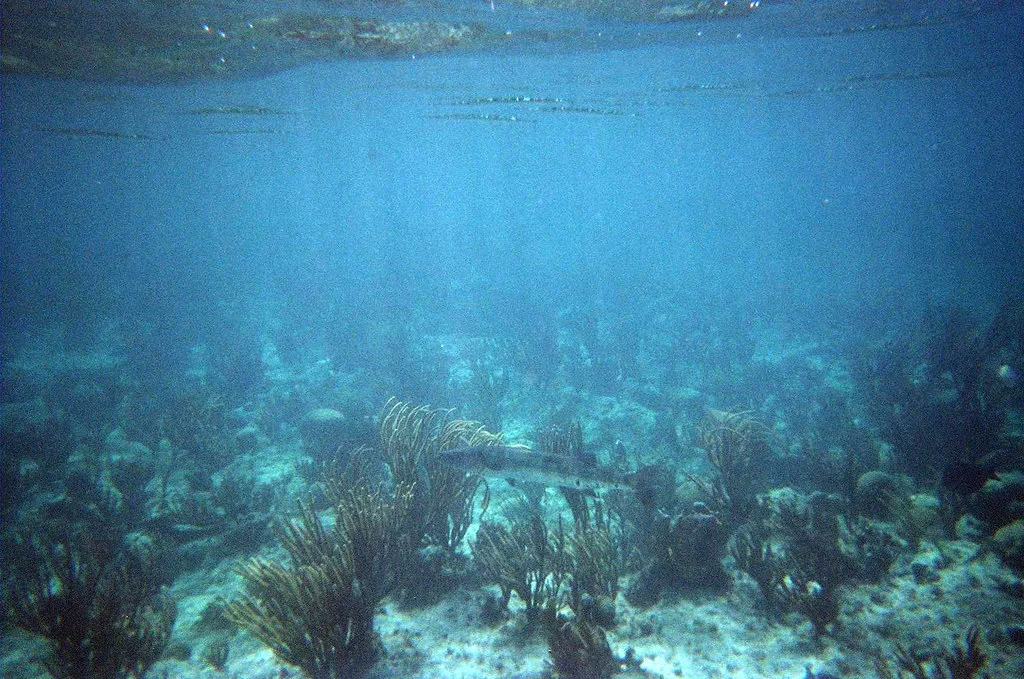
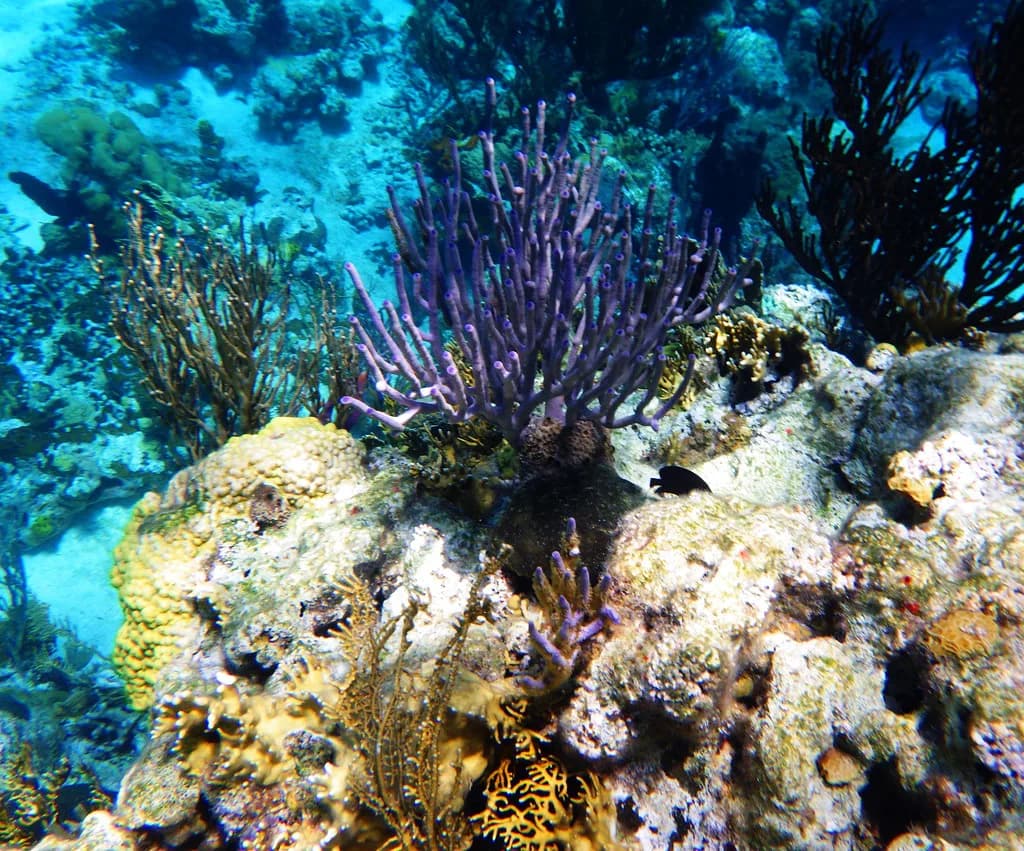
Caribbean shallows around structure typically hold parrotfish grazing on algae, sergeant majors defending territories, angelfish, grunts and schools of blue tang, with the occasional southern stingray gliding over sand. Bahamas reefs also host nurse sharks and green and hawksbill turtles, though sightings are never guaranteed and depend on the site, the season and how quietly you move. Look under ledges and in shadowed crevices rather than only in open water.
Give wildlife room and let animals choose the distance. Do not touch coral, do not stand on it, and never feed or chase fish, rays or turtles; a snorkeler who hovers calmly at the surface generally sees more than one who swims at the fish. If a ray or nurse shark passes below, hold your position and watch it go rather than following.
Depth, Entry, and Swimming Distance
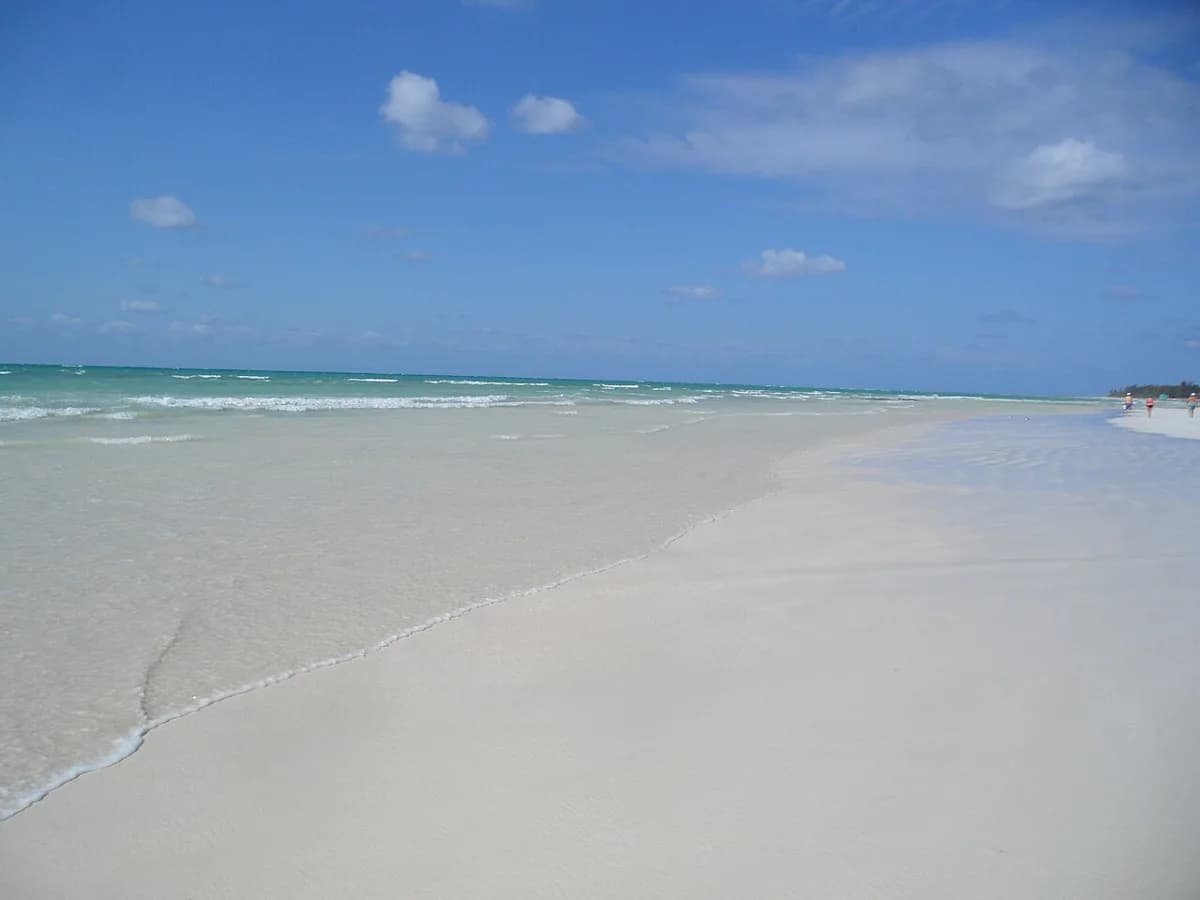
Expect a sand entry into shallow water that gradually deepens, with the interesting structure reachable by short swims rather than long ones. That is the profile that makes the island beginner-friendly: you can stand or float near the beach, build confidence, then extend your range along the rocks. If you want a reference point for boat-accessed reefs, Stuart Cove's in Nassau describes its first snorkel stop as a shallow reef with the bottom typically at 10 to 25 feet, which is deeper than the CocoCay shallows and a different kind of swim.
Distance matters less than you think for a shore day. A hundred yards of slow, attentive swimming along a wall shows more than half a mile of sprinting over sand, and it keeps you close to the beach if conditions change. Set a turn-around point and a time before you enter the water, especially with kids, and stick to it even if the visibility looks tempting further out.
Best Time of Day and How Wind Shapes the Calm Side
Go early. The water is calmest and the beach emptiest in the first hour or two after you disembark, and light is best for spotting fish when the sun is not directly overhead. Afternoon brings more people, more splashing and often more breeze, all of which reduce visibility and make the shallows less pleasant.
Wind direction decides which side of the island is flat. On a breezy day, pick the shore that sits in the lee and skip the exposed side even if it looks prettier from the path; a sheltered, slightly dull-looking beach usually gives the better snorkel. Ask crew or island staff which side is calmest that morning, and check any posted swimming advisories before you commit.
Skill Level: Kids, Beginners, and Strong Swimmers
Beginners and children do well here because the entry is gentle and help is close at hand. A child who can float comfortably with a vest can enjoy the shallows alongside an adult, and the short distances mean a quick exit if someone gets cold or nervous. Strong swimmers get less out of it: if you are used to real reef, the shore zone will feel limited, and you should plan a boat trip instead.
Match the group to the plan rather than the reverse. Split the party if needed, with weaker swimmers in the shallows near the beach and confident ones doing laps along the rocks within sight. A whistle, a bright rash guard and an agreed meeting spot on the sand solve most of the logistics before anyone gets wet.
Hazards: Boat Traffic, Currents, and Posted Advisories
The usual coastal hazards apply: currents can pick up around points and rock walls, wave action increases with wind, and boats and personal watercraft operate in some areas near the island. Swim inside posted zones, keep a buddy within arm's reach and stay visible at the surface. Sun is the other real risk, since a morning in the water can turn into a serious burn without a rash guard.
Treat any posted advisory as binding. If lifeguards or island staff close a swim area or fly a warning flag, stay out and shift to a pool or beach day; a snorkel is never worth arguing with a rip. Royal Caribbean publishes island information and excursion details in its cruise planner, the place to check for current operating notes before your sailing.
Facilities and What to Bring Ashore
The island is built for cruise passengers, with beaches, food and beverage outlets, restrooms and lounging areas within walking distance of the pier. Bring cash or a card for anything beyond your cruise fare, and a towel from the ship, since you will want a dry layer after the swim. A small dry bag keeps phones and ship cards safe while you are in the water.
Pack light and in layers: swimwear worn under clothing, a rash guard, reef-safe sunscreen, water and a hat. Water shoes help on rocky entries and hot paths, and a light long-sleeve layer covers the walk back. Leave valuables on the ship and travel with the minimum you can carry comfortably.
Combining CocoCay with Nassau Reef Snorkeling
If your itinerary also calls at Nassau, add a boat snorkel there to see what the shore day cannot offer. Stuart Cove's runs morning and afternoon snorkel trips seven days a week, with a 9:00 AM departure and a 1:30 PM departure, picks up at Nassau hotels, Paradise Island and the cruise ship docks, and charges 118.80 US dollars per adult and 70.80 US dollars per child aged 4 to 11, with a wetsuit rental at 14.40 US dollars; online booking discounts and cancellation terms are published on the same page, and children under 4 are not permitted on the boats. The trip visits two shallow reef sites chosen for the calmest water and most marine life that day, sometimes a shallow shipwreck, plus an optional shark stop where a bait box is lowered to about 40 feet and snorkelers watch from the surface.
Weigh the two experiences honestly: CocoCay is free-form and cheap, with the cost limited to gear or a pass, while a Nassau boat trip costs real money and most of a half day. The boat gives you deeper reef, wrecks and a guided safety framework, but you are on the crew's schedule and at the captain's choice of site. Travelers who want both should book the boat trip and treat CocoCay as the relaxed day.
Other Bahamas Shore Snorkeling for a Longer Trip
Beyond the private island, the Bahamas rewards travelers who build an island-hopping itinerary. Cabbage Beach and Cove Beach on Paradise Island give shore snorkeling close to Nassau, and the Sir Nicholas Nuttall Coral Reef Sculpture Garden off Clifton Heritage National Park puts submerged sculptures, including the large Ocean Atlas figure, in reach of snorkelers. Rose Island Reefs about six miles off Nassau and shallow Goulding Cay are popular day-trip targets. If your plans stretch beyond the Bahamas, snorkeling in Turks and Caicos offers a similar island-by-island approach to picking shore spots.
Grand Bahama has its own easy shore option: Paradise Cove on the island's southwest side gives direct access to Deadman's Reef, which the Bahamas tourist board describes as within swimming distance of the beach and the island's best reef, with snorkel gear, kayaks and a snorkel tour available on site. Farther afield, Andros claims one of the largest barrier reefs in the world along its east coast, best reached by boat, and the Exumas offer the Thunderball Grotto cave and reef-fringed Stocking Island. Pair the private-island day with one of these for a genuinely varied trip.
Plan Your CocoCay Snorkel Day
Decide before you sail: own gear and a self-guided swim along the rock walls, or the all-day pass with equipment from the Snorkel Shack. Either way, go early, pick the sheltered side of the island, and spend your time working one stretch of structure slowly instead of covering distance.
If the itinerary includes Nassau, add a boat trip to the shallow reefs to see the deeper side of Bahamas snorkeling, and keep CocoCay as the low-effort, family-friendly day. Bring a rash guard, your own well-fitting mask if you have one, and a realistic sense of what calm shallows deliver.
Frequently Asked Questions
Is there good snorkeling at CocoCay?
There is pleasant, easy shore snorkeling along the rock walls and shallow rocky edges, best suited to beginners, kids and travelers who want a no-boat day. It is not a pristine far-off reef, and you should not expect the density or depth of a boat-accessed site. Marine life is typical Caribbean shallows fare: parrotfish, sergeant majors, angelfish, grunts and blue tang, with rays possible over sand.
Can you snorkel at CocoCay for free?
Cruisers who bring their own mask, fins and snorkel describe snorkeling the rock walls and shore areas without paying beyond the cruise fare. The paid alternative is Royal Caribbean's all-day snorkel product, where you collect equipment at the Snorkel Shack and swim at your own pace. Check the cruise planner for current product details and inclusions.
Can you bring your own snorkel to CocoCay?
Yes, and it is the better choice if you already own a mask that fits well. Pack a mask, short travel fins, a snorkel and a rash guard in a carry-on, and carry them ashore in a light backpack with a towel and water. Rental gear is available through the island's snorkel offering if you would rather travel light.
Which Bahamas island is best for snorkeling?
It depends on the kind of day you want. CocoCay and Paradise Island suit easy shore snorkeling, Andros has vast barrier reef best reached by boat, and the Exumas offer cave and reef sites such as Thunderball Grotto and Stocking Island. Travelers who want deeper reef should build in a Nassau boat trip to the shallow reefs and wrecks.
How much does snorkeling at CocoCay cost?
The shore snorkeling itself requires no ticket beyond your cruise fare if you bring your own gear. Royal Caribbean sells an all-day snorkel product through its cruise planner, where the current price and inclusions are listed for your sailing; prices change, so check the planner rather than relying on older figures.
What will I see while snorkeling at CocoCay?
Expect typical Caribbean shallow-water life around rock and scattered coral: parrotfish, sergeant majors, angelfish, grunts and blue tang, with southern stingrays possible over sandy patches. Nurse sharks and sea turtles occur in Bahamas waters but are never guaranteed at any single site. Keep your distance, never touch or feed wildlife, and give animals room to move away.
Sources
Snorkeling notes for your next trip
Optional updates to our snorkeling guides.
You might also like
Continue reading
More guides you'll find useful