Snorkeling in Playa del Carmen: Reefs, Turtles and Cenotes
Plan a snorkel day in Playa del Carmen: shore entries at Playacar, boat reefs like Inah, turtle trips to Akumal, cenotes, seasons and sunscreen rules.
On this page
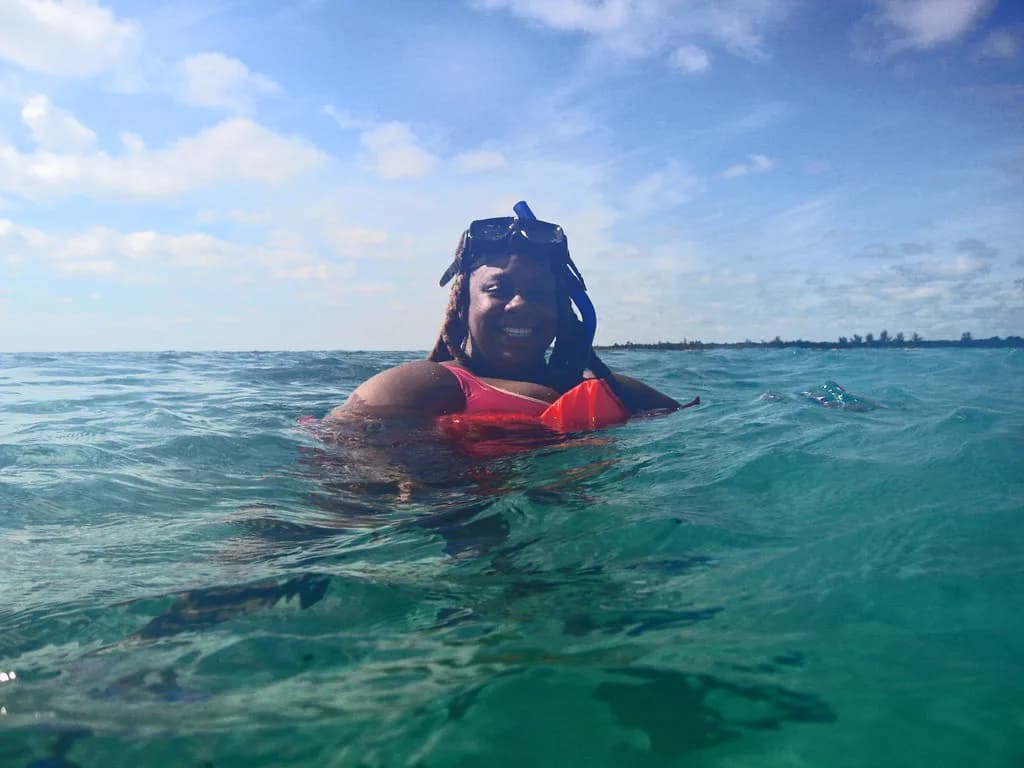
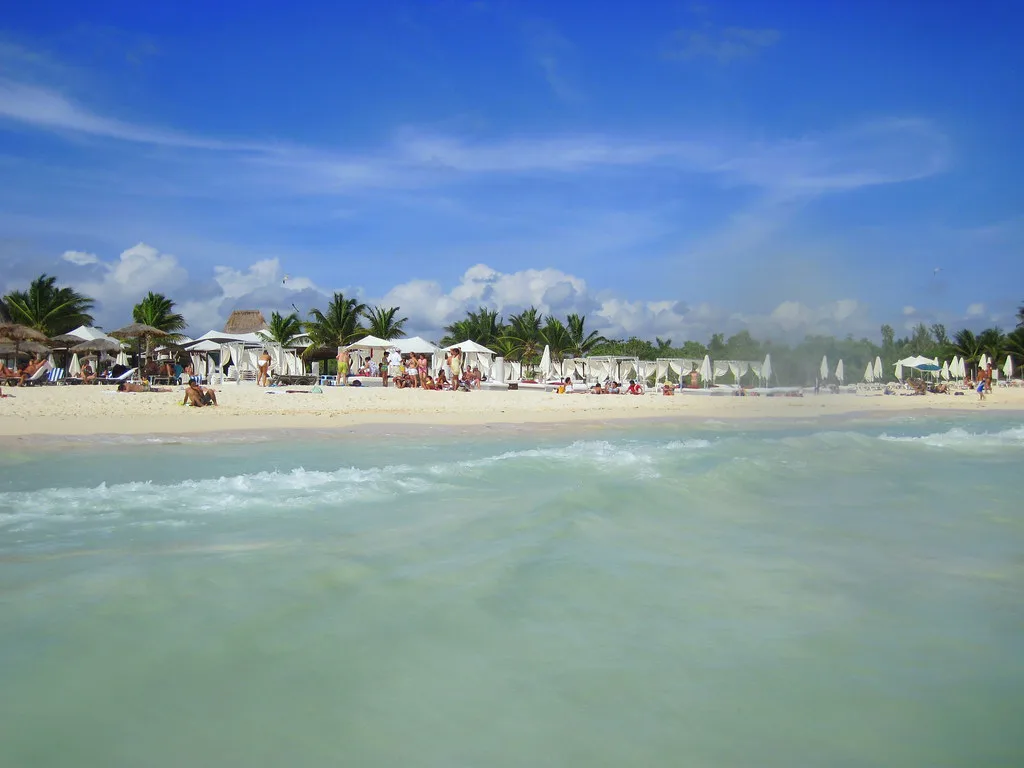
Playa del Carmen is one of the few Riviera Maya bases where you can snorkel without booking anything: walk off the sand at Playacar or Coco Beach, swim a short distance, and you are over coral and tropical fish. That easy shore access is what makes the town a good fit for families, first-timers and anyone who wants a low-cost swim before committing to a paid boat day.
Beyond the shoreline, the Mesoamerican Barrier Reef System runs just offshore, close enough that catamarans and dive boats reach snorkel sites within a short ride. The trade-off is real: a free in-town swim gives you patchy reef and a handful of fish, while a boat trip or a guided reserve tour costs more and puts you over denser coral.
The third piece of the puzzle is freshwater. Cenotes a short drive from town offer cool water, rock formations and small fish in a setting that feels nothing like the ocean. Plan the coast and the cenotes as separate half-days rather than trying to squeeze both into one morning.
How the snorkeling splits up
Sort your options by how you get into the water, because that single choice drives cost, skill level and timing. In-town shore entries such as Playacar and Coco Beach need only a mask, fins and a calm day. Offshore reefs like Inah need a boat. Puerto Morelos, Akumal, Xpu-Ha and Puerto Aventuras are road trips along the coast.
If you have one free morning, snorkel from shore in town and keep it simple. If you have a full day and want the best coral, book a boat reef or drive to a protected reserve. If you have two days, pair an ocean morning with an afternoon at a cenote and you cover both ecosystems without rushing either.
Two parks in the area, Xel-Há and Xcaret, package snorkeling with all-day activities; they make sense for travelers who want a full day of things to do rather than a focused reef swim, and you can compare them in the guides to Xel-Há snorkeling and Xcaret snorkeling. For a straightforward reef-and-fish day, the town beaches and boat reefs are the more direct route.
Playacar Beach: sand entry in town
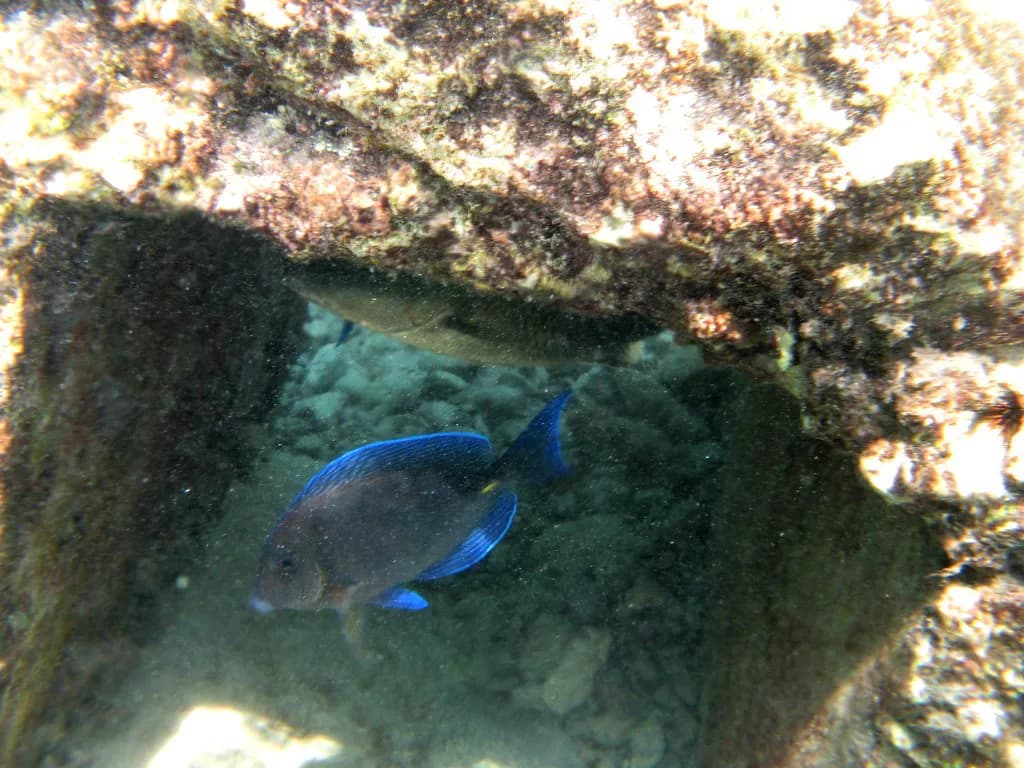
Playacar sits just south of the town center, a residential development with a broad white-sand beach you walk straight into. The reef life starts close: snorkelers report tropical fish, crabs, octopi and the occasional Caribbean spiny lobster within a short paddle of the sand, and stingrays turn up on calm days. That makes it the best first swim for beginners and kids who are comfortable in the water.
The one hazard worth planning around is rock, not current. The shoreline includes sharp rock edges, so walk in over sand rather than scrambling across the rocky sections, and wear reef shoes if you have them. Water clarity and calm vary day to day, so treat Playacar as a fair-weather spot and save it for a morning when the sea looks flat.
Because it is in town, Playacar is the cheapest way to get wet: no boat, no park ticket, no transfer. The trade-off is that the coral is scattered and the fish are smaller than what you would find on an offshore reef, so set expectations toward an easy, pleasant swim rather than a headline dive.
Coco Beach and the in-town beaches
Coco Beach and the central town beaches let you swim out from the sand with rented fins and a mask from a nearby dive shop or rental stand. Calm, shallow reef close to shore makes this easy-going snorkeling, and it is the most DIY option in the area because you can go full self-guided from pretty much any beach.
The thing that decides a shore swim here is the flag system: swim when the flags indicate safe conditions and skip it when the surf and current pick up. Afternoon wind and rain can turn a flat morning into a murky, choppy afternoon, so go early. If the water looks rough, shift to a cenote instead of pushing out.
Inah Reef by boat
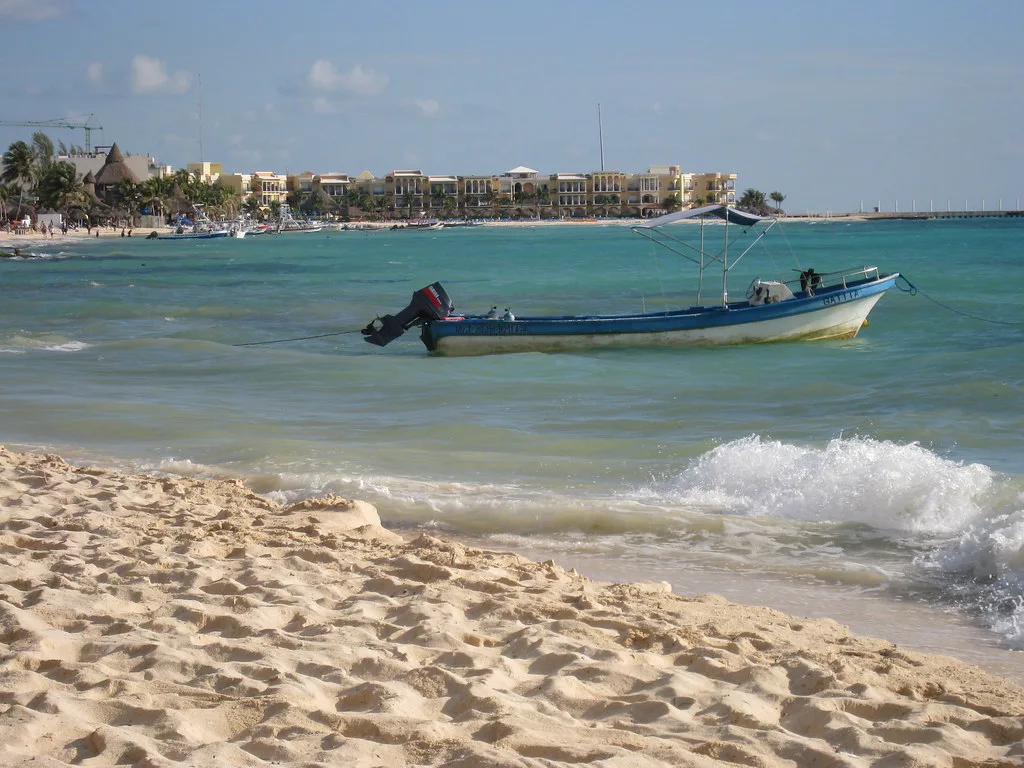
Inah Reef sits a 15- to 20-minute boat ride off Playa del Carmen and holds some of the better coral and marine life in the Riviera Maya. It is far enough from the busy beaches that you get a quieter swim, but it is a boat-only site: catamarans and charters drop you over the reef, and half-day sailings typically bundle lunch, an open bar and sometimes paddleboarding on the calm water.
Catamaran snorkel excursions run twice daily, with departures at 9:00 and 9:30 AM and again at 1:30 and 2:00 PM depending on the tour, and Playa del Carmen Tours publishes set rates for reef, sailing and sea-turtle combos. Check the Playa del Carmen Tours page for current departure times and prices, and confirm whether transport to the marina is included.
A boat day suits strong swimmers and anyone happy in deep water, since you will be over reef rather than standing on sand. If you are nervous, a boat with a nearby vessel and life vests lets you rest and go back in at your own pace. Book ahead in high season, because popular catamarans fill up.
Puerto Morelos: the barrier reef close to shore
Puerto Morelos, about 15 minutes north of Playa del Carmen, is where the Mesoamerican Barrier Reef System runs closest to the shore in the Riviera Maya. A few meters offshore you can find barracuda, rays, seahorses, fire coral and lobster. Because the reef is a protected marine reserve, local operators run guided reef tours that put you directly over the vibrant coral rather than leaving you to find it yourself.
A two-hour Puerto Morelos snorkel runs daily at 10:00 AM, 1:00 PM and 3:00 PM, and Playa del Carmen Tours publishes per-person rates for adults and children. Treat the reserve tour as the value pick if you want dense coral without a long boat ride, and book a departure that leaves you time for lunch in town afterward.
Akumal: green turtles over seagrass
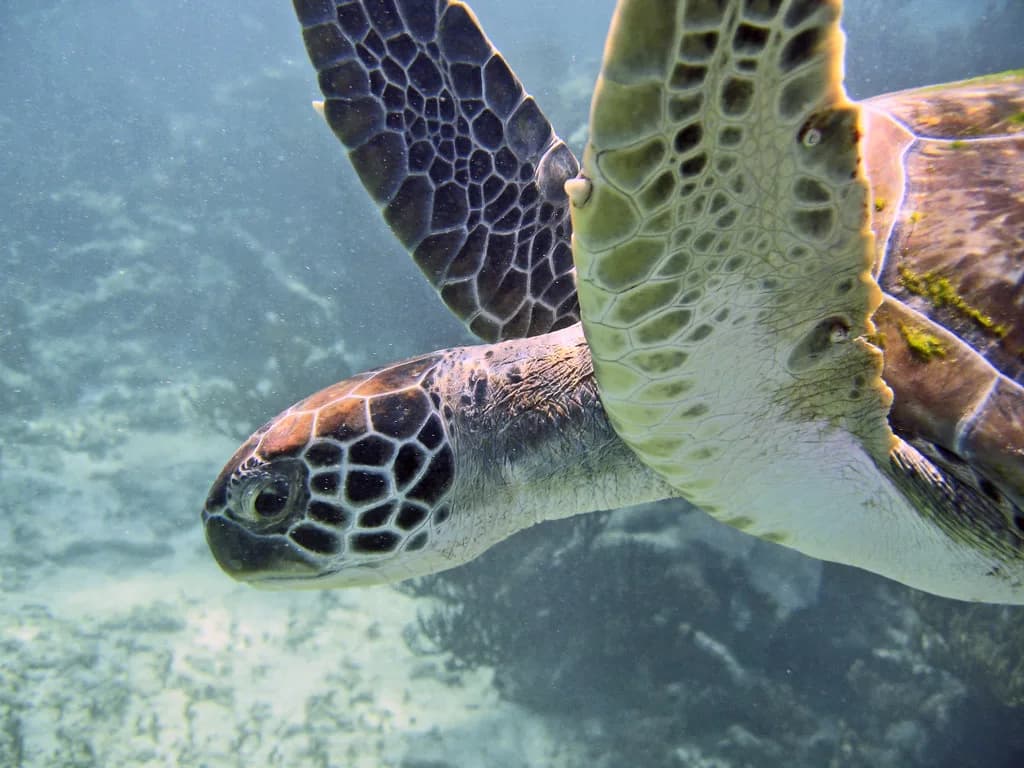
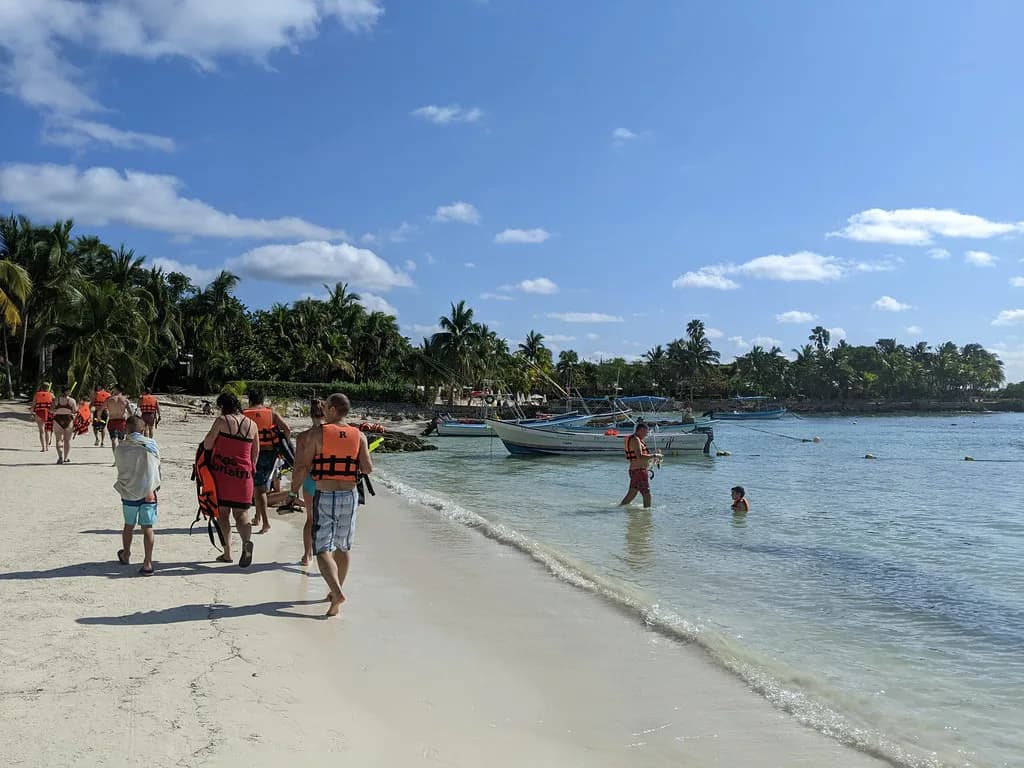
Akumal, roughly 25 to 35 minutes south of Playa del Carmen, is the best-known turtle spot in the region because seagrass beds just off the beach draw green sea turtles year-round. Snorkelers also see spotted eagle rays, manta rays and needlefish over the sand, with coral, sea fans and anemones further out. Go with a certified guide, which local management requires so the turtles and seagrass are protected; the Akumal Snorkeling Guide covers the entry rules and the beach layout in more detail.
Timing matters more here than almost anywhere else. Morning tours see better visibility than midday, when the beach and water get busy and the light goes flat. A half-day turtle-and-cenote tour pairs Akumal Bay with a nearby cenote and includes pickup, gear and snacks, with a conservation fee added on top of the ticket.
Gear is easy at Akumal: rental covers everything from a mask and snorkel to a wetsuit and fins, so you do not need to haul bulky equipment. Arrange a guide on arrival or pre-book a small-group tour, and keep your distance from any turtle you see rather than swimming at it.
Xpu-Ha and Puerto Aventuras
Xpu-Ha, about 25 to 30 minutes south, is a quieter beach with intriguing coral formations in patches separated by sand. The catch is fire coral in the shallow areas, which stings on contact, so keep your hands and knees off the reef and snorkel over the sandy gaps. Stingrays and turtles use these sheltered shallow reefs, and the beach clubs and nearby cenotes make it an easy full-day stop.
Puerto Aventuras, further south, is the best pick for first-timers who want a protected swim. Purpose-built rock formations create artificial reef that attracts tropical fish, crabs, coral and octopi in calm water. Equipment rental is less developed than at Akumal, so bring your own mask and fins if you have them.
Cenotes for a freshwater half-day
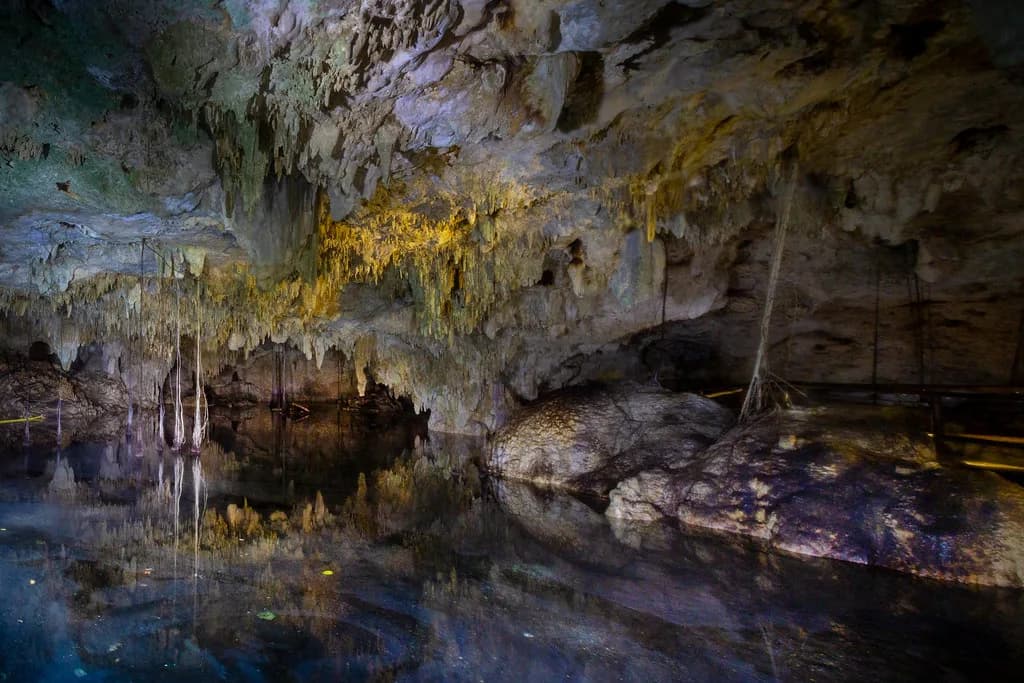
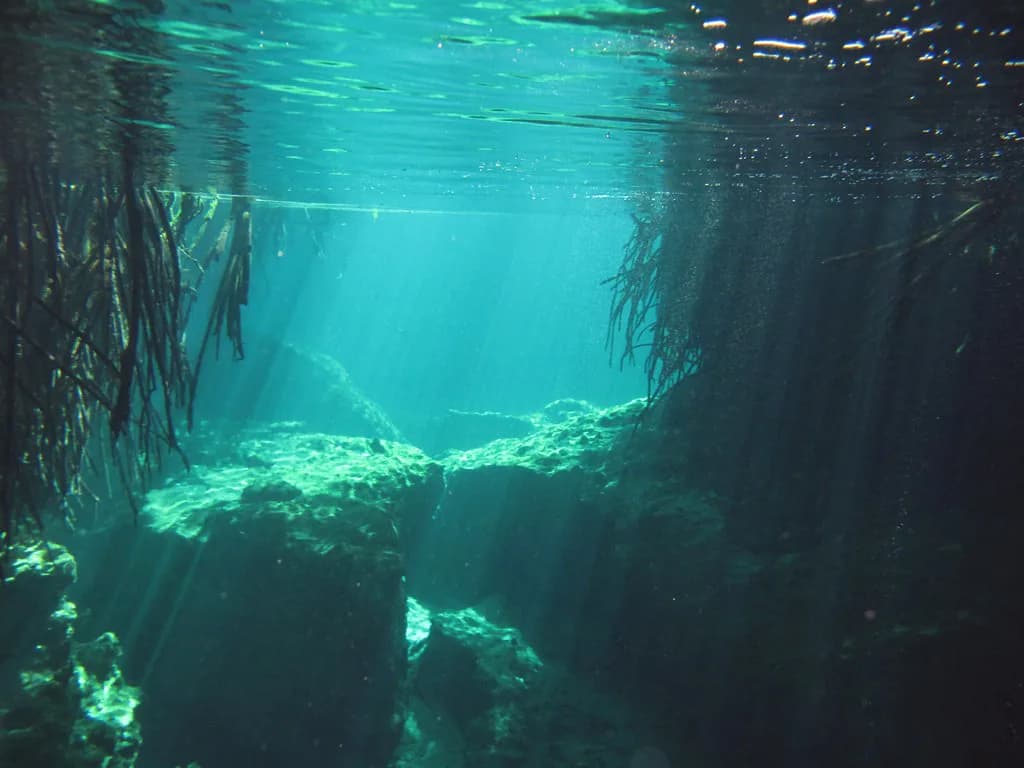
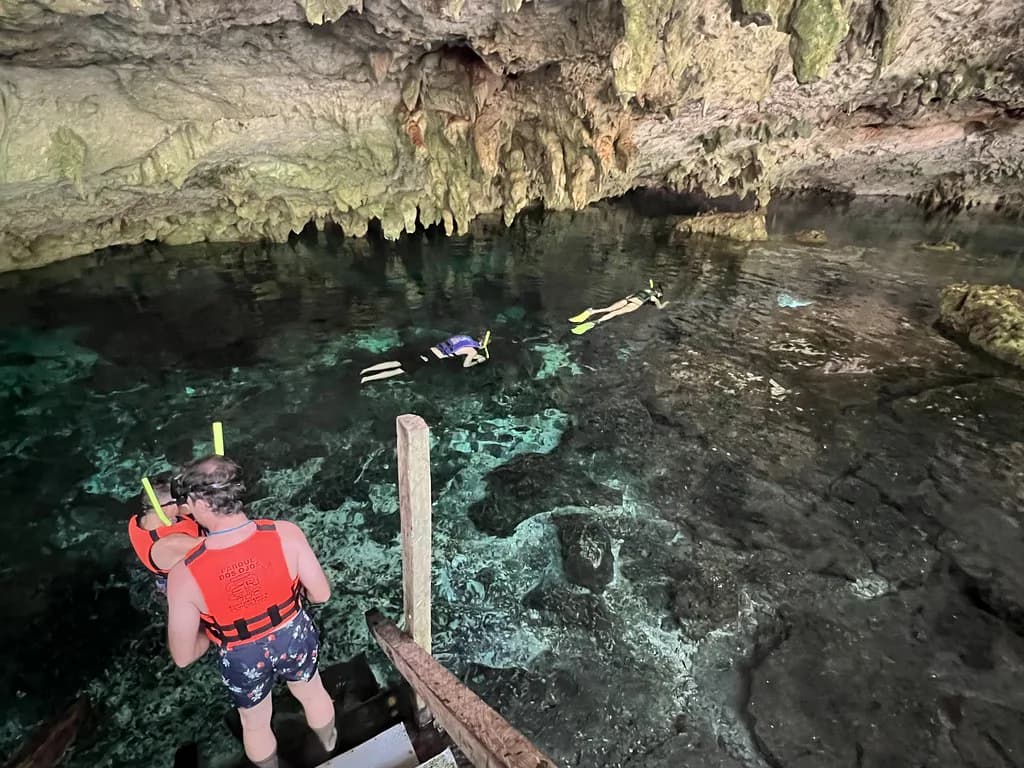
Cenotes are the complement to ocean snorkeling, not a substitute. Jardin del Eden, about 10 minutes from town, is one of the larger cenotes and holds freshwater fish, rock formations, deep caves and stalagmites in cool, clear water. Entry runs a modest per-person fee that covers upkeep, first aid and restrooms, and you can rent masks, fins, vests and water shoes on site.
Cenote Dos Ojos near Tulum pairs two interconnected cenotes, Bat Cave and Barbie Line, with stalactites, stalagmites, small fish and cave shrimp. It charges a separate entrance fee and an extra charge for gear rental, so bring cash and budget for both. For a wider look at how these sites work, the Cenote Snorkeling in Mexico guide covers entry, gear and the difference between open and cavern cenotes.
Pair a cenote with a beach morning, not the other way around. Cenotes are inland and shaded, so they work well as an afternoon when the sea breeze picks up or the reef goes murky. Keep the two halves of the day separate and you get both ecosystems without a rushed schedule.
Cozumel as a snorkel day trip
Cozumel lies across the channel and holds the Parque Nacional Arrecifes de Cozumel, a large protected reef area along the island's southern coast that is excellent for snorkelers as well as divers. The dry season from November to April gives the best visibility, with minimal rain and clear water. If you are weighing how far to travel for reef quality, it helps to compare this with snorkeling in Belize, where the barrier reef is likewise a boat-based day.
Getting there means the ferry from Playa del Carmen plus a boat or shore transfer to your snorkel site, so a Cozumel day is a full-day commitment. The trade-off: better reef and visibility than in-town shore snorkeling, but more logistics and cost. Book a private or small-group boat if you want to reach sites like Playa El Cielo without a crowd.
Best time to go
Snorkel season runs year-round, but the dry season from November to April brings little rain, plenty of sun and the clearest water on the reefs. That is also peak tourist season, so accommodation and popular tours cost more and fill earlier. The wet season from May to October brings more rain, mostly in the afternoon, so morning swims are the better bet.
Whale shark season falls in the wet months, and dedicated whale shark tours run daily from 8:00 AM with per-person rates for adults and children; this is a boat trip to open water, not a reef snorkel, so treat it as a separate adventure. Sargassum can also wash onto Riviera Maya beaches in the warmer months, which pushes the better snorkeling offshore or into cenotes.
Skill levels and who each spot suits
Beginners and families do best at Playacar, Coco Beach and Puerto Aventuras, where you walk in over sand or protected rock and stay shallow. Akumal suits anyone who can float and follow a guide, since the turtles sit over shallow seagrass. Inah Reef and Cozumel are for comfortable swimmers ready for deeper water and a boat ride; cenotes suit all levels because you can stand or float in calm freshwater.
Non-swimmers can still enjoy a guided boat or cenote trip with a life vest, but the honest advice is to start from a beach where you can stand. Build confidence on a calm in-town shore day before you commit to a reef boat, and you will get more out of the deeper sites.
Rules and reef protection
Biodegradable sunscreen is required for water activities in Playa del Carmen, so buy reef-safe product before you arrive and apply it well before you get in. Wildlife rules matter just as much: keep distance from turtles, rays and any marine mammal, never touch or feed animals, and never stand on coral. In protected reserves such as Puerto Morelos, snorkeling runs through licensed guides who enforce those rules.
Akumal's turtle area is managed with certified guides for the same reason: to protect the seagrass the turtles feed on. Choose an operator that keeps groups small and briefs you on distance rules, and skip any tour that offers to let you touch or hold marine life.
What to bring and how to choose a tour
Bring a mask that fits your face, open-heel fins you can walk in, and reef shoes for rocky entries like Playacar and Xpu-Ha. A rash guard beats sunscreen on your back, and a dry bag keeps your phone and cash safe on the beach. If you rent, check the mask seal against your face before you pay.
When comparing tours, look at three things: group size, what is included and whether park or conservation fees sit on top of the ticket. Catamaran and reef sailings typically include gear, lunch and sometimes transport, while turtle and cenote tours add a conservation fee. Note pickup points and departure times on your booking confirmation and keep it with you.
Combining spots into a half-day or full-day plan
For a half-day, snorkel Playacar or Coco Beach in the morning, then spend the afternoon at Jardin del Eden. For a full day, drive south early to Akumal for a guided turtle swim, stop at Xpu-Ha on the way back, and finish with dinner in town. Book the Akumal guide in advance so you are not waiting at the beach for a slot.
If you would rather stay on the water, take the morning catamaran to Inah Reef and keep the afternoon free for the beach. Reserve the boat day for a clear, calm forecast and save the cenote for a cloudy or windy day, when the sheltered freshwater is the better swim.
Plan Your Snorkel Day
Start with the access question: sand entry in town for an easy, cheap swim, a boat to Inah for the best reef, a guided reserve tour at Puerto Morelos or Akumal for turtles and dense coral, or a cenote for cool freshwater and rock formations. Match the choice to your comfort in the water and to how much time you have.
Whichever you pick, go early, buy reef-safe sunscreen, keep your distance from wildlife and check conditions with the tour provider before you get in. A well-planned Playa del Carmen snorkel day gives you reef, turtles and cenotes within a short drive of one base.
Explore more Playa del Carmen snorkeling
Frequently Asked Questions
Is there good snorkeling in Playa del Carmen?
Yes. You can snorkel straight from town beaches such as Playacar and Coco Beach over shallow reef and fish, and the Mesoamerican Barrier Reef sits close enough offshore that boat trips like Inah Reef reach good coral in 15 to 20 minutes. Add cenotes and day trips to Akumal and Puerto Morelos and the area covers a wide range of snorkeling.
Can you snorkel from shore in Playa del Carmen?
Yes. Playacar Beach and Coco Beach both let you walk in from the sand and swim a short distance to reef and fish. Entry at Playacar crosses sharp rock in places, so use sandy gaps and wear reef shoes. Shore snorkeling depends on calm conditions, so go in the morning and respect the flag system.
Do you need a guide to snorkel at Akumal?
Akumal's turtle area is managed so that snorkelers go with a certified guide, which protects the seagrass and the turtles that feed on it. You can arrange a guide on arrival or pre-book a small-group tour that includes gear and often a cenote stop. Morning departures give the clearest water before the beach gets busy.
Is biodegradable sunscreen required for snorkeling in Playa del Carmen?
Yes. Water activities in Playa del Carmen require biodegradable sunscreen, so buy reef-safe product before you arrive and apply it before you get in the water. A rash guard reduces how much sunscreen you need and protects your back during long swims.
Can you swim with sea turtles in Playa del Carmen?
You can snorkel where green sea turtles feed, most reliably at Akumal over its seagrass beds, and turtles are sometimes seen off other Riviera Maya beaches. Sightings are never guaranteed. Follow the published rules: keep your distance, never touch or chase a turtle, and snorkel with a guide where local management requires one.
What months should you avoid for snorkeling in Playa del Carmen?
There is no month you must avoid, but conditions shift. The dry season from November to April brings the clearest water and the biggest crowds. The wet season from May to October brings afternoon rain and possible sargassum on the beaches, so plan morning swims and lean on cenotes and offshore reefs during that stretch.
Is it safe to swim in the ocean in Playa del Carmen?
Currents are typically calm, especially in the dry season, but conditions change with swell and wind. Swim when the flag system indicates it is safe, snorkel with a buddy, and choose a guided boat trip if you are unsure in open water. Cenotes offer a calm freshwater alternative on rough days.
Is Cozumel worth a day trip for snorkeling from Playa del Carmen?
If you want the best reef and visibility in the region, yes. Cozumel's national park protects a large reef area with clear water, best from November to April, but it takes the ferry plus a boat or shore transfer, so plan a full day and book your snorkel site in advance.
Sources
Snorkeling notes for your next trip
Optional updates to our snorkeling guides.
You might also like
Continue reading
More guides you'll find useful